
DB Box Upgrade in Singapore HDB Flats: Signs You Need One and What It Costs
When does your HDB flat need a DB box upgrade? Learn the warning signs, what it costs in Singapore, and why only a Licensed Electrical Worker can do it.
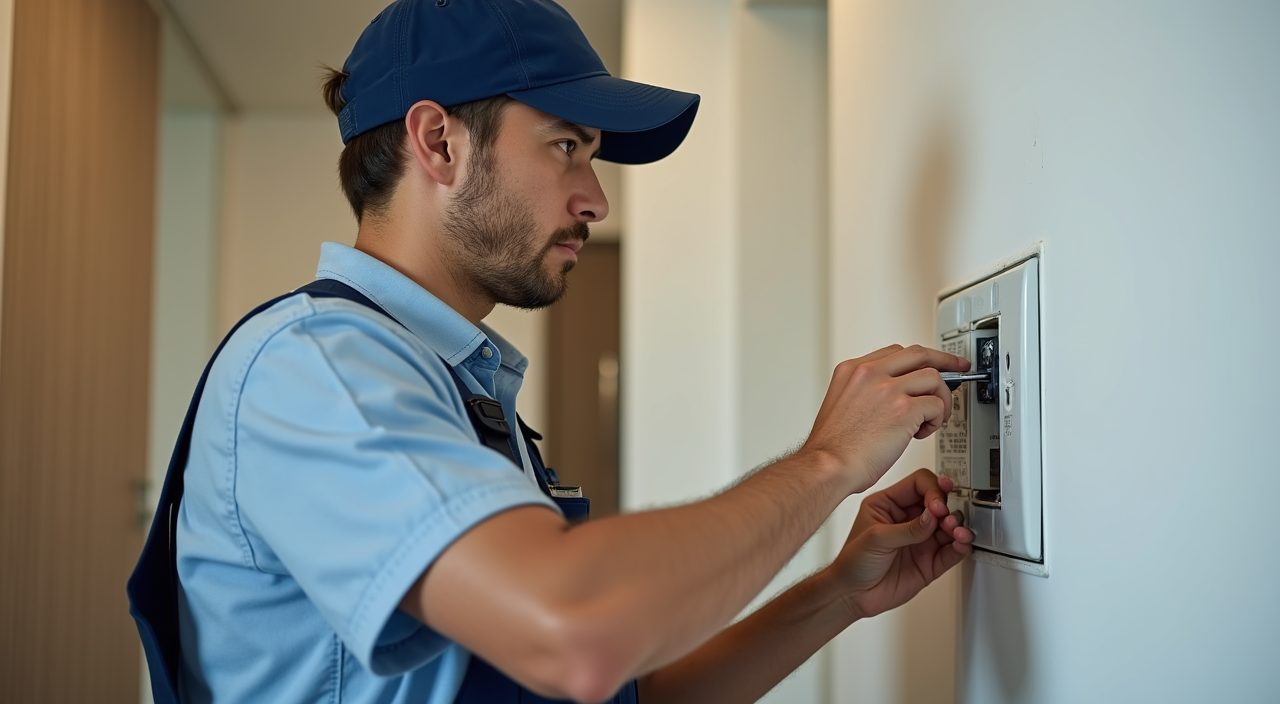
A DB box upgrade means replacing or expanding your flat's distribution board, the panel that houses your main switch, RCCB, and circuit breakers. In a Singapore HDB flat you typically need one when the existing board is old, has no working RCCB, keeps tripping, or has run out of spare ways for new circuits such as an aircon, water heater, or induction hob. The work must be carried out by a Licensed Electrical Worker (LEW), and most straightforward flat upgrades fall in the range of a few hundred to around a thousand dollars or more depending on scope.
Your distribution board is the heart of your home's electrical safety. Older HDB flats, especially those built before the 1990s, often still have outdated boards with rewireable fuses and no residual current device. As modern households add high-power appliances, these ageing boards get overloaded and unsafe. Knowing when to upgrade, and roughly what it costs, helps you avoid both hazards and being overcharged.
What is a DB box and what does it do?
The DB box, short for distribution board, is the grey metal panel usually mounted near your main door or in a service area. It receives incoming power from SP Group and splits it into separate circuits for lighting, power points, aircon, water heater, and the kitchen. Each circuit is protected by its own breaker so a fault in one area does not knock out the whole flat.
A modern board contains three key protective parts. Understanding them makes the signs of an outdated board easier to spot.
The main switch, which isolates the entire flat from the incoming supply.
The RCCB (residual current circuit breaker), which cuts power fast if it detects current leaking to earth, protecting against electric shock.
The MCBs (miniature circuit breakers), one per circuit, which trip on overload or short circuit.
What are the signs I need a DB box upgrade?
Some warning signs point to an ageing or overloaded board that should be assessed by a Licensed Electrical Worker. If you notice several of these, it is worth getting the board checked rather than waiting for a fault.
Watch for these common signs:
Your board still uses old rewireable fuses (the kind with fuse wire) instead of modern breakers.
There is no RCCB, or the RCCB test button does not trip the supply when pressed.
Breakers trip repeatedly, especially when you run the kettle, aircon, and water heater together.
You want to add a new high-power circuit (aircon, storage heater, induction hob, EV charging point) but the board has no spare ways left.
Visible signs of ageing such as scorch marks, a burning smell, discoloured casing, or a loose main switch.
The board is decades old and has never been upgraded since the flat was built.
Why does an old HDB board become a problem?
Flats built in earlier decades were wired for far fewer appliances. A household then might run lights, a fan, a fridge, and a television. Today the same flat may run split aircon units in several rooms, an instant or storage water heater, a washer, a dryer, and an induction hob, all drawing heavy current.
Older boards often lack an RCCB entirely, which is the single most important shock-protection device. Without it, a wiring fault or a faulty appliance can leave metal surfaces live, and there is nothing to cut the power quickly. Upgrading the board to include a working RCCB and enough properly rated breakers brings the flat in line with current safety expectations.
What does a DB box upgrade cost in Singapore?
Costs vary with the size of the board, the number of circuits, the condition of existing wiring, and whether the LEW simply swaps components or replaces the whole enclosure. Always treat quotes as a starting point and get the scope in writing before work begins.
Rough guide ranges to expect:
Adding or replacing a single breaker or the RCCB on an existing board: often a lower few-hundred-dollar job, depending on parts and access.
A full distribution board replacement in a typical HDB flat: commonly in the several-hundred to around a thousand-dollar range, sometimes more for larger flats or complex work.
Upgrading the board as part of a wider rewiring job: priced together with the rewiring, since the two are done at the same time.
Prices depend on your specific flat, so get an on-site assessment. Be cautious of quotes far below the market, since electrical work is not the place to cut corners.
Who is legally allowed to do the work?
In Singapore, electrical work on your distribution board must be done by a Licensed Electrical Worker (LEW) licensed by the Energy Market Authority. This is not a DIY job and not something a general handyman should touch. A qualified LEW ensures the board is correctly rated, properly earthed, and safe to energise.
When you engage a contractor for distribution board work or wider electrical services, ask to confirm the LEW's licence and make sure the person doing the work, not just the company, is qualified. A reputable electrical services provider will handle the assessment, supply a compliant board, and test the installation before handing it back to you.
How long does the upgrade take and what should I expect?
A component swap on an existing board can often be completed within a couple of hours. A full board replacement usually takes a large part of a day, since the LEW isolates the supply, removes the old board, mounts and wires the new one, then tests every circuit. Your power will be off for part of the job.
Expect the electrician to inspect your existing wiring while the board is open. If they find undersized cables, poor earthing, or damaged insulation, they may recommend further work. Get any added scope explained clearly, with its own price, before agreeing to it.
Frequently asked questions
Do I need HDB approval for a DB box upgrade? Replacing or upgrading your distribution board within your flat is electrical work that must be done by a Licensed Electrical Worker, and the LEW is responsible for compliance. For most in-flat board upgrades you do not need a separate HDB renovation permit, but confirm with your LEW and check HDB's current renovation guidelines if the work is part of a larger renovation.
Can I just add an RCCB instead of replacing the whole board? Sometimes yes. If your board is otherwise sound and simply lacks residual current protection, an LEW may be able to fit an RCCB rather than replace the entire enclosure. Whether that is possible depends on the board's condition, spare space, and how it was wired, which is why an on-site assessment matters.
Why does my breaker keep tripping even after resetting it? Repeated tripping usually means a real problem, not a nuisance: an overloaded circuit, a faulty appliance, or a wiring fault. Do not keep forcing the breaker back on. Have a Licensed Electrical Worker trace the cause, since persistent tripping can point to a board or circuit that needs upgrading.
Is it worth upgrading the board during a renovation? Yes, it is the ideal time. Walls and conduits are already open, the power is being reworked anyway, and adding an upgraded board plus any new circuits together is more efficient than doing it separately later. If you are renovating, raise the board's age and capacity with your contractor early.