
Defect Check for a New BTO: What to Look For
A room-by-room BTO defect check guide for Singapore homeowners: what to inspect, common HDB defects, and how the DLP works.
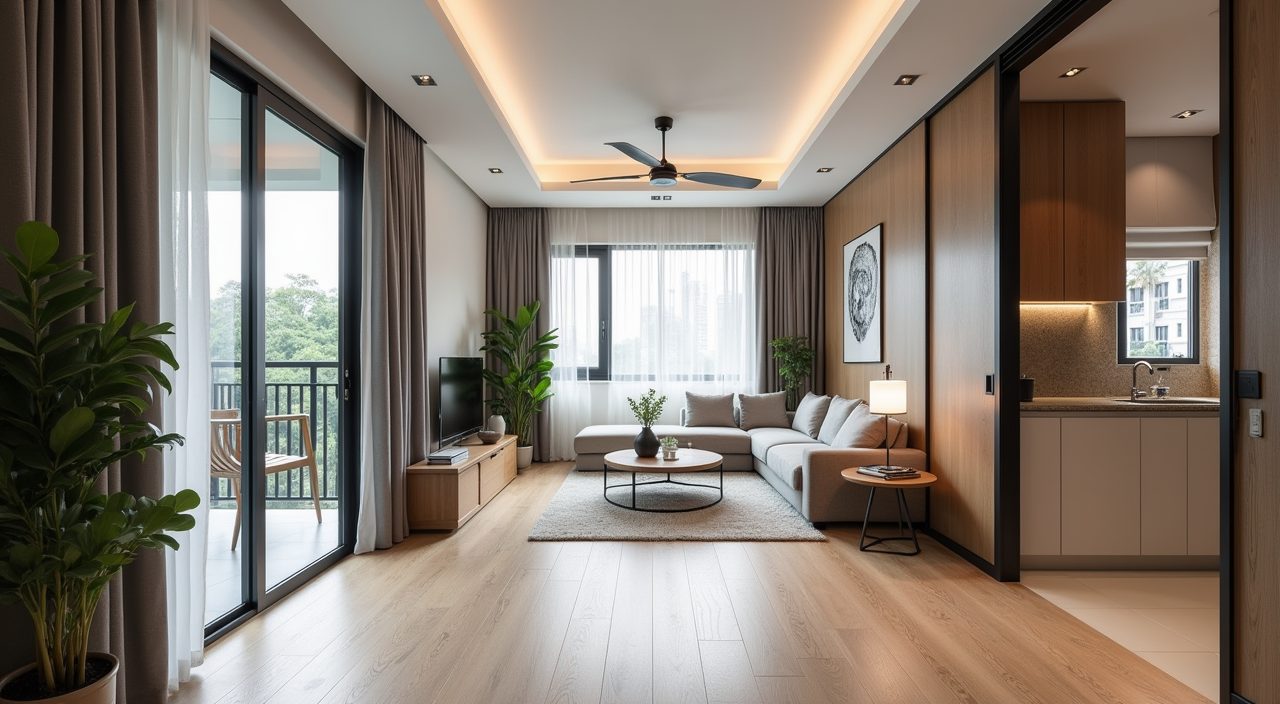
A BTO defect check means inspecting your newly collected HDB flat room by room to find workmanship and finishing problems before you start renovating. Test every door, window, tap, socket and switch, look closely at walls, floors and ceilings for cracks, hollow tiles, stains and uneven surfaces, then log each issue and submit it to HDB so it gets repaired under the Defects Liability Period at no cost to you.
New BTO flats are handed over with a Defects Liability Period, commonly one year from the date you collect keys. During this window HDB fixes genuine construction and material defects for free, so the goal of your check is simple: find everything now, while repairs are still covered, and before renovation work hides any problems behind carpentry or new finishes.
What is the BTO Defects Liability Period (DLP)?
The Defects Liability Period is the warranty-style window in which HDB is responsible for repairing defects caused by poor workmanship or faulty materials in your new flat. For most BTO flats this period runs for about one year from key collection, but you should confirm the exact end date in the documents HDB gives you at handover.
The DLP covers built-in defects such as cracked tiles, leaking pipes, faulty electrical points and door or window faults. It does not cover damage you cause yourself, normal wear and tear, or anything altered during renovation, which is one reason to do your defect check before major works begin.
When should you do the defect check?
Do it as soon as you collect your keys and before any renovation starts. An empty flat with bare walls and original finishes is the easiest place to spot problems, and reporting early gives HDB time to fix issues before your contractor moves in.
Bring good lighting, a small torch, a phone camera, masking tape to mark spots, a spirit level or a level app, and a note pad or checklist. Plan to spend two to three hours for a thorough walk-through, and consider going twice: once on a dry day and once after rain to catch water seepage.
What are the most common BTO defects?
Most defects are cosmetic or minor, but a few can be costly if missed. Knowing the usual suspects helps you check faster and more completely.
The issues homeowners report most often include:
- Hollow or cracked wall and floor tiles, found by lightly tapping and listening for a drummy sound
- Uneven or bulging plaster, hairline cracks, and patchy paint on walls and ceilings
- Doors and windows that do not close flush, stick, or have gaps in the seals
- Leaking or dripping taps, weak water pressure, and slow-draining floor traps
- Loose power sockets, switches that do not work, and light points with no power
- Water stains near windows, service yards and pipe penetrations that hint at seepage
- Scratches, dents or chips on window frames, door leaves and sanitary fittings
How do you check each area room by room?
Work through the flat in a fixed order so nothing is skipped, and mark every defect with tape and a photo as you go. Test things physically rather than just looking, since many faults only show when you open, close, switch or run something.
Use this room-by-room approach:
- Walls and ceilings: scan for cracks, dampness and uneven surfaces, and tap tiled walls for hollow sounds
- Floors: check tiles are level and not hollow, look for lippage between tiles, and inspect grout lines
- Doors and windows: open and close each one, check locks and hinges, and look for gaps or rubber seal issues
- Kitchen and bathrooms: run every tap, flush and check for leaks under sinks, and confirm floor traps drain quickly
- Electrical: switch every light, test each socket, and check the distribution board labels and trip switches
- Wet areas: pour water near floor traps and shower areas to confirm it flows to the drain and does not pond
How do you report defects to HDB?
Compile your findings into a clear list with a location, a short description and a photo for each defect. HDB provides a defects reporting channel for new flats, typically an online feedback form or portal linked in your handover pack, so submit through the official route and keep a copy of everything.
After you report, HDB arranges an inspection and carries out approved repairs within the Defects Liability Period. Be present when the repair team visits, verify each fix on the spot, and re-report anything that was missed or done poorly while your flat is still under the DLP.
Should you get a professional or DIY the check?
Many homeowners do the defect check themselves, and for a straightforward flat a careful DIY inspection with a checklist is often enough. If you are short on time, unsure what to look for, or want a documented report, professional defect inspection services are available and can be worth the fee for peace of mind.
Whichever route you take, line up your renovation team early. Because renovation covers over original surfaces, a good hdb renovation contractor will often walk the flat with you, flag anything that should be reported to HDB first, and schedule works only after covered defects are fixed so you do not pay to redo something the DLP would have handled.
Frequently asked questions
How long is the BTO defects liability period? For most new HDB BTO flats the Defects Liability Period is about one year from the date of key collection, but confirm the exact end date in your handover documents since terms can change.
Can I start renovation before finishing the defect check? It is strongly recommended to complete and report your defect check before renovation begins, because works can hide defects and any issue you cause or alter during renovation is no longer covered by HDB.
Does HDB charge for fixing defects? No. Genuine construction and material defects reported within the Defects Liability Period are repaired by HDB at no cost. Damage from your own use, wear and tear, or renovation changes are not covered.
What if a defect appears after the DLP ends? Once the period ends, repairs generally become your responsibility, so it pays to inspect thoroughly and report everything early. Keep records in case you need to raise a serious structural or safety concern later.