
Floor Tiles in Singapore: Homogeneous, Porcelain, Ceramic and Marble Compared
Compare homogeneous, porcelain, ceramic and marble floor tiles for Singapore homes: durability, water resistance, price ranges and where each type works best.
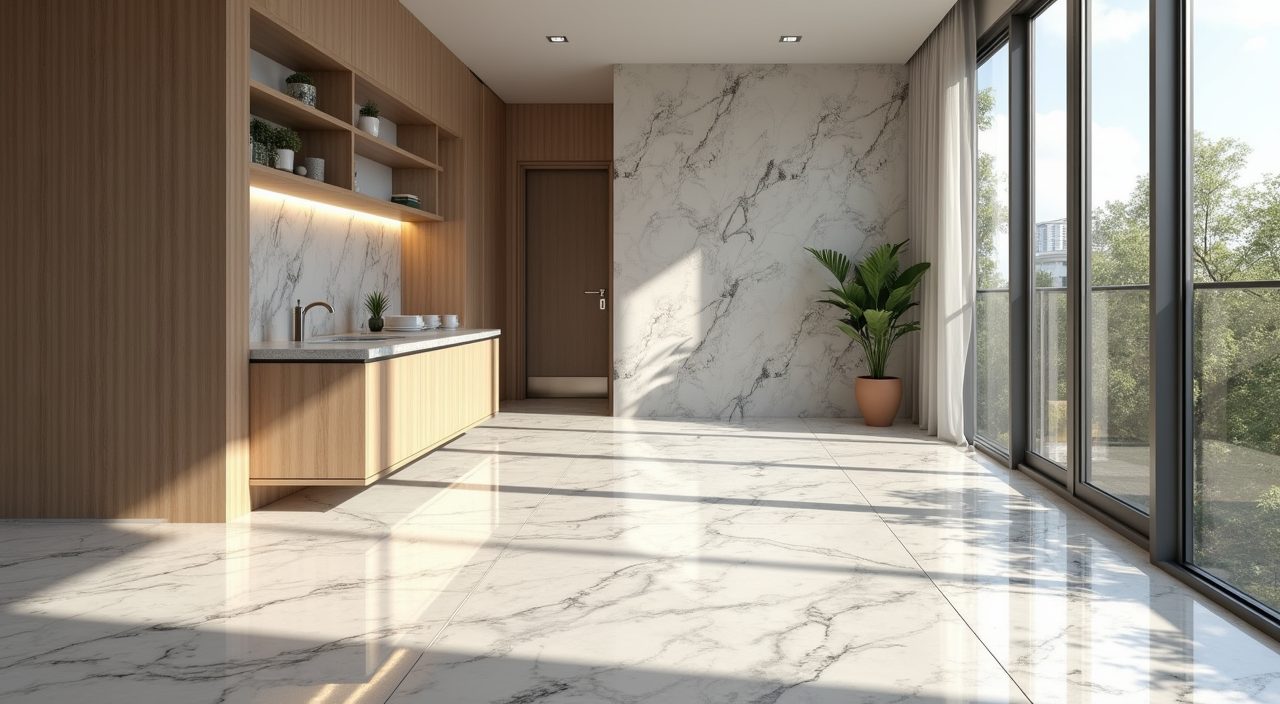
For most Singapore homes, homogeneous and porcelain tiles are the practical default: they are hard-wearing, water resistant and suit our humid climate, while ceramic works well on walls and lighter-traffic areas, and marble is a premium natural stone that looks stunning but needs more care. The right choice depends on where the tile goes, how much foot traffic it sees, and your budget. There is no single best tile, only the best tile for a given room and lifestyle.
In practice, the four types you will keep hearing about at tile showrooms in places like Balestier, Sungei Kadut and Genting Lane are homogeneous, porcelain, ceramic and marble. Each behaves differently underfoot, ages differently, and carries a different price tag. This guide breaks down how they compare so you can brief your contractor with confidence.
What are the main types of floor tiles used in Singapore?
Singapore homes overwhelmingly use manufactured tiles because they handle heat, humidity and heavy daily use well. The three manufactured types are homogeneous, porcelain and ceramic, while marble is a natural stone in a category of its own.
Here is the quick distinction between them:
- Homogeneous tiles: the colour and material run all the way through, so chips are less visible. Very hard and popular for HDB living areas and commercial spaces.
- Porcelain tiles: dense, low-porosity fired clay with a printed surface layer. Excellent water resistance and huge range of looks, including marble and wood effects.
- Ceramic tiles: softer and more porous than porcelain, usually glazed. Cheaper and easy to cut, best for walls and lighter-traffic floors.
- Marble: natural stone, luxurious and unique in veining, but softer, porous and higher maintenance.
Homogeneous vs porcelain: which is tougher for floors?
Both are strong choices for Singapore floors, and the line between them has blurred as porcelain quality has risen. Homogeneous tiles carry colour through the full body, so a deep scratch or chip is less obvious, which is why they are a long-time favourite for high-traffic HDB and condo floors.
Modern porcelain, especially rectified porcelain in large formats, is extremely dense and offers far more design variety, including convincing marble and timber looks. For a busy household with kids or pets, either works. Choose homogeneous if you want maximum chip-hiding durability, and porcelain if you want a specific realistic finish or a large seamless-looking format.
How do ceramic and marble compare for a Singapore home?
Ceramic is the budget-friendly, easy-to-work-with option. It is softer and more porous than porcelain, so it suits walls, backsplashes and bedrooms rather than heavy-traffic living or wet areas. Glazed ceramic still resists everyday water splashes, but it is more prone to cracking under impact than homogeneous or porcelain.
Marble sits at the opposite end. It brings genuine natural beauty and a cool underfoot feel that many owners love in our climate, but it is softer, scratches more easily, and its pores can stain from coffee, wine, oil or acidic cleaners if not sealed. Marble needs periodic sealing and gentler cleaning, so treat it as a premium finish for feature areas rather than a fuss-free everyday floor.
What do floor tiles cost in Singapore?
Tile prices vary widely by brand, size, finish and where they are made, so treat these as rough guides for the tile material only, before laying labour, screeding, adhesive and skirting. Larger and rectified formats, and imported ranges, sit at the higher end.
Typical material price ranges you will encounter:
- Ceramic tiles: roughly S$2 to S$6 per square foot, the most affordable option.
- Homogeneous tiles: roughly S$4 to S$10 per square foot for common sizes.
- Porcelain tiles: roughly S$5 to S$15 per square foot, more for large-format or premium designer ranges.
- Marble: often S$15 per square foot and up, sometimes much higher for premium stone, plus sealing and specialist care.
- Laying labour is charged separately and depends on tile size, layout complexity and whether old flooring must be hacked off first.
Which tile is best for wet areas like bathrooms and kitchens?
Water resistance comes down to porosity: the denser the tile, the less water it absorbs. Porcelain and homogeneous tiles have very low water absorption, which makes them the safest bet for bathrooms, kitchens, service yards and any area that gets wet.
For bathroom floors specifically, prioritise slip resistance as much as water resistance. Look for a matte or textured (anti-slip) finish rather than high-gloss, which becomes slippery when wet. Ceramic is fine for bathroom walls, but choose porcelain or homogeneous underfoot. Marble can be used in wet areas but must be sealed and cleaned carefully, since standing water and acidic products can etch and stain it over time.
How should I plan tiling with a contractor?
Getting tiles laid well matters as much as the tile you pick. Uneven screeding, hollow tiles, poor grout lines or lippage between large tiles are common complaints, and they are hard to fix after the fact. A proper job includes checking the substrate, correct adhesive for the tile type and format, consistent spacing, and neat grouting and sealing.
When you arrange renovation work through us, discuss the room use, expected traffic and your budget up front so the tiling is matched to the space, and ask for the full picture on our pricing page, including hacking of existing floors, screeding, laying labour and skirting, not just the tile cost. Also confirm who supplies the tiles, how wastage and spare boxes are handled, and the expected drying and curing time before the floor can bear normal use.
Frequently asked questions
Can I lay new tiles over existing floor tiles in an HDB flat? Yes, overlaying is often possible and avoids the mess and cost of hacking, but it raises the floor height slightly and needs a sound, level existing surface. Your contractor should check the current tiles are firmly bonded first, and be aware that HDB has rules on floor finishes and permitted works, so confirm before starting.
Are large-format tiles better than small ones? Large tiles give fewer grout lines and a cleaner, more spacious look, which many owners prefer. They do require a very flat, well-prepared base and skilled laying to avoid lippage, so labour can cost a little more.
How long do floor tiles last in Singapore? Quality homogeneous and porcelain floors can last decades with normal use, since the main risks are impact chips and grout wear rather than the tile wearing out. Marble also lasts a long time but needs ongoing sealing and care to keep looking its best.
Is matte or glossy tile better for the home? Glossy tiles look bright and reflective but show scratches, water marks and footprints more, and are slippery when wet. Matte and textured finishes hide marks better and are safer underfoot, which is why they are often chosen for floors and wet areas.