
HDB Renovation Guidelines: What Needs Approval
A Singapore homeowner's guide to HDB renovation guidelines: what needs HDB approval, what does not, permit timelines and rules to avoid penalties.
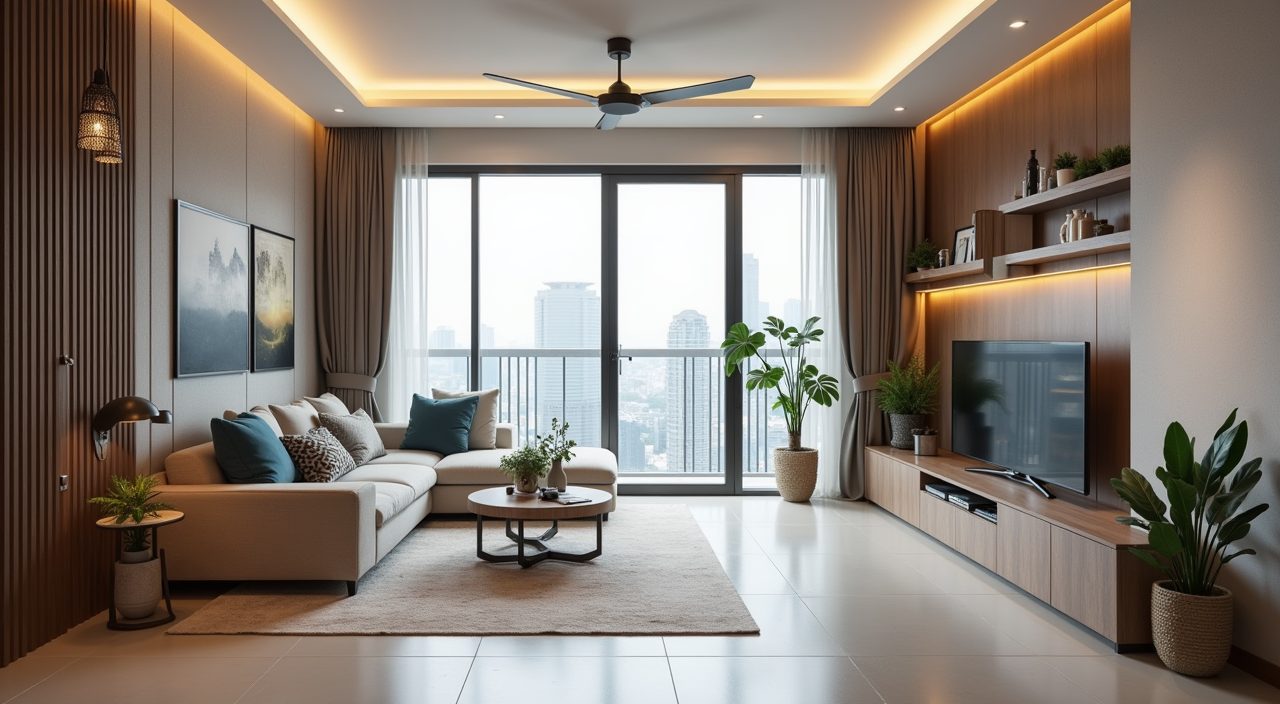
Under HDB renovation guidelines, any work that affects the structure, layout, or shared building elements of your flat needs HDB approval before it can start, while cosmetic works like painting or replacing fittings usually do not. The safest rule is simple: hemacking, demolition, hacking of walls, changes to flooring near common areas, and most electrical or plumbing alterations require a permit, and your contractor normally applies on your behalf. When in doubt, treat the work as needing approval and check with HDB first.
HDB flats are part of a shared building, so what you do inside your unit can affect your neighbours and the block itself. That is why HDB sets renovation guidelines covering structural safety, permitted works, approved renovation contractors, timing, and noise. Getting this right protects your deposit, avoids fines, and keeps you out of disputes with HDB and the town council.
What HDB renovation works need approval?
Works that touch structure, common property, floor loading, or safety generally require an HDB permit. These are the areas HDB watches most closely because a mistake can affect the whole block, not just your flat.
Your renovation contractor usually submits the permit application through HDB's system. Approval is often quick for standard works, but do not let any hacking or major work begin until the permit is confirmed.
- Hacking or demolishing walls, including partial hacking to widen doorways
- Removing or altering any structural wall, beam, column, or the reinforced concrete around them
- Building new walls, raised platforms, or fixed partitions
- Overlaying or replacing floor and wall finishes in certain areas, especially where waterproofing is disturbed
- Relocating or adding electrical points, distribution boards, and most rewiring
- Relocating plumbing, floor traps, or sanitary fittings, and works affecting the waterproofing membrane in wet areas
What renovation works do not need HDB approval?
Cosmetic and like-for-like works generally do not need a permit, because they do not affect structure or common property. These are the changes most homeowners can proceed with directly.
Even so, use licensed tradespeople for anything involving electrical or plumbing connections, and keep to HDB's permitted renovation hours to avoid complaints.
- Painting walls, ceilings, and doors
- Installing built-in carpentry such as wardrobes, cabinets, and kitchen cupboards
- Replacing kitchen and bathroom fittings on a like-for-like basis
- Hanging curtains, blinds, and light fixtures at existing points
- Laying certain non-permanent floor finishes that do not disturb waterproofing
Which structural rules matter most for HDB flats?
The single biggest rule is that you cannot hack or remove structural walls. In many HDB flats the walls between rooms may be structural, and hacking them can compromise the building. HDB requires a Registered Professional Engineer to assess and endorse works involving structural elements before any permit is granted.
There are also load limits. Wet areas like bathrooms and kitchens must keep their waterproofing intact, and floor screed thickness is controlled so the floor loading stays within limits. If your plan involves raised floors, heavy stone slabs, or a new bathroom layout, expect closer scrutiny and possibly an engineer's endorsement.
Do I need to use an HDB licensed renovation contractor?
Yes. For works that require a permit, HDB requires the work to be carried out by a contractor listed under its Directory of Renovation Contractors. Using a listed contractor is what allows the permit to be filed correctly and keeps you protected if issues arise.
This is where working with an experienced HDB renovation contractor pays off. A good contractor knows which works trigger a permit, handles the HDB application, arranges the engineer's endorsement when structural works are involved, and keeps the job within HDB's rules and hours so you avoid penalties. If you want the whole process managed end to end, this is exactly the kind of HDB renovation work we handle for homeowners across Singapore.
What are the HDB renovation hours and noise rules?
HDB sets strict timing to protect neighbours. General renovation work is allowed on weekdays and Saturdays within daytime hours, and is not allowed on Sundays and public holidays. Noisy works such as hacking, drilling, and demolition have an even tighter window and are typically limited to weekday daytime hours only, and not permitted on weekends or public holidays.
Renovation permits are also time limited, commonly running for a set number of days from the start date. Plan your schedule so noisy works finish early, and let your neighbours know before hacking begins to reduce complaints to the town council.
What happens if I renovate without approval?
Renovating without the required HDB permit is a serious matter. HDB can require you to reinstate the flat to its original condition at your own cost, and unauthorised works, especially structural ones, can lead to enforcement action and penalties. If a hacked structural wall causes damage, you may also be liable for the consequences.
Unauthorised works can surface later too, for example when you sell the flat and the buyer's checks flag illegal alterations. It is far cheaper to apply for the right permit upfront than to undo work and pay penalties afterward.
How do I plan an HDB renovation the right way?
Start by separating your wish list into works that clearly need approval and works that do not, then confirm the grey areas with HDB or a licensed contractor before committing. Lock in your layout early, because changing structural or wet-area plans midway is where costs and delays pile up.
Build the permit timeline into your schedule, book a contractor listed with HDB, and keep copies of your approved permit and any engineer endorsements. A clear plan up front means fewer surprises, a smoother inspection, and a renovation that stays fully within HDB guidelines.
Frequently asked questions
Do I need HDB approval to hack a wall? Yes, in almost all cases. Hacking or removing any wall requires an HDB permit, and if the wall is structural it also needs endorsement from a Registered Professional Engineer before work can begin.
Who applies for the HDB renovation permit, me or my contractor? Normally your renovation contractor applies on your behalf through HDB, which is one reason to use a contractor listed in HDB's Directory of Renovation Contractors. You should still see and keep a copy of the approved permit.
Can I renovate on Sundays or public holidays? No. HDB does not allow renovation work on Sundays and public holidays, and noisy works like hacking and drilling are restricted to weekday daytime hours only. Always check the current permitted hours before you schedule the job.
How long does HDB renovation approval take? For standard works the permit is often issued quickly, sometimes within a few working days, but works involving structural changes or engineer endorsement can take longer. Apply early and do not start any permit-required work until approval is confirmed.