
House Earthing Explained: Why It Matters and How to Check Yours in Singapore
A plain-English guide to house earthing in Singapore: what it does, why it protects your family, and simple ways to check that your home is properly earthed.
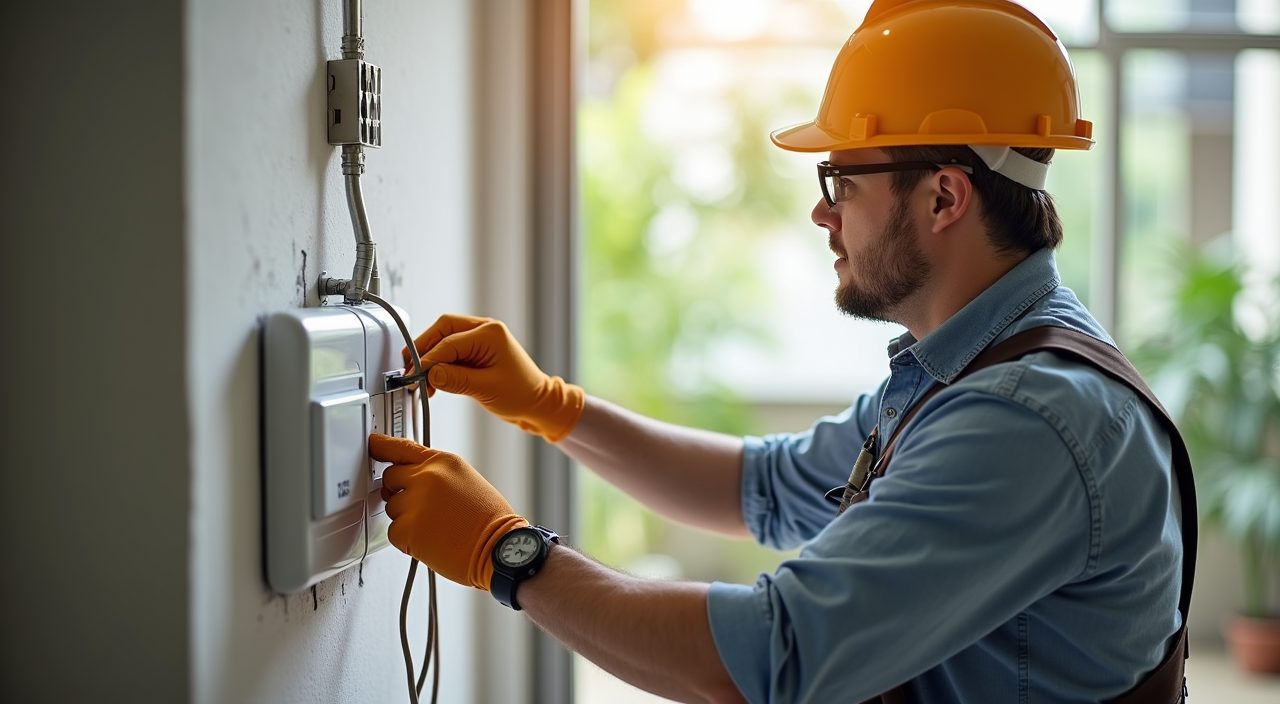
Earthing is the safety connection that gives stray electrical current a harmless path into the ground instead of through your body. In a Singapore home it works together with your RCCB (the trip switch in your consumer unit) so that a fault flips the power off in a fraction of a second. If earthing is missing or broken, a faulty appliance can stay live and the trip switch may never react, which is exactly when electric shocks happen.
Every HDB flat, condo and landed home in Singapore is built with an earthing system as standard, and the electrical supply here follows the SS 638 wiring code. The catch is that earthing can quietly fail over the years through corrosion, renovation damage or DIY wiring, and most homeowners never notice until something goes wrong. This guide explains what earthing does and gives you practical, safe ways to sanity-check your own home.
What is earthing and what does it actually do?
Earthing (also called grounding) connects the metal parts of your electrical system and appliances to the earth through a dedicated wire, usually green-and-yellow. Under normal conditions no current flows through this wire. It only carries current during a fault, for example when a live wire touches the metal casing of a washing machine or water heater.
When that fault happens, the earth wire gives the current somewhere to go, and the sudden surge trips your RCCB or MCB almost instantly. Without earthing, the metal casing stays live at mains voltage, and the first thing to complete the circuit could be you touching it with wet hands.
- Gives fault current a safe path to ground instead of through a person
- Lets the RCCB detect the leakage and cut power fast
- Keeps the metal bodies of appliances at a safe voltage
- Protects against fire from overheating fault currents
Why does earthing matter so much in Singapore homes?
Singapore homes are humid, and many rooms mix electricity with water: kitchens, bathrooms, service yards and balconies. Water heaters, instant showers, washing machines and kitchen appliances all have metal parts and sit in damp areas, so a single earthing fault in the wrong place is genuinely dangerous.
Earthing is also what makes your RCCB useful. An RCCB works by comparing the current flowing out on the live wire with the current returning on the neutral. When current leaks to earth through a fault or through a person, that balance breaks and the RCCB trips. Good earthing makes leakage trip the switch quickly; poor earthing can leave an appliance live without ever tripping anything.
How do I know if my home is properly earthed?
You cannot fully confirm earthing just by looking, but there are safe signs you can check yourself without opening anything live. Start at your consumer unit (the box with the trip switches, usually near the main door or in the service yard) and look for a clearly labelled RCCB or ELCB.
The single most useful home check is the RCCB test button. Every RCCB has a small button marked T or Test. With the power on, press it: the switch should trip off immediately. If it trips, the residual current protection is working. If nothing happens, the device is faulty or wired wrongly and you should get a licensed electrician to look at it.
- Consumer unit has a working RCCB or ELCB that trips when you press its Test button
- Wall sockets are the three-pin type, since the top pin is the earth pin
- Metal-body appliances use three-pin plugs, not two-pin, with no cut-off earth pin
- No tingling or mild shocks when you touch metal casings, taps or appliance bodies
- Trip switch is not constantly tripping for no clear reason, which can signal a leakage fault
What are the warning signs of bad or missing earthing?
Some symptoms are subtle and easy to dismiss as normal. A faint tingle when touching a fridge, oven, metal light fitting or a metal tap near an appliance is never normal, and it often points to an earthing fault feeding voltage into the casing. Treat any tingle as a reason to stop using that appliance and call an electrician.
Other red flags include an RCCB that will not trip when you press its test button, sockets that feel warm or smell of burning, frequent unexplained tripping, or old two-pin sockets in a home that has never been rewired. Homes that have gone through cheap renovation or DIY wiring are a common place for the earth wire to be left disconnected.
- Mild shocks or tingling from appliance casings or metal taps
- RCCB does not trip when the Test button is pressed
- Burning smell, warmth or scorch marks around sockets
- Repeated tripping with no obvious cause
- Two-pin sockets or three-pin plugs with the earth pin removed
Can I fix or test earthing myself?
Pressing the RCCB Test button and checking your plug types are safe for any homeowner to do. Beyond that, real earthing verification means measuring earth loop impedance and earth continuity with proper instruments, and that involves working inside a live consumer unit. That is not a DIY job.
In Singapore, any fixed electrical wiring work must be done by a Licensed Electrical Worker, and larger installations need a Licensed Electrical Worker registered with the Energy Market Authority. Doing it yourself is both unsafe and against the rules. If your checks raise any doubt, the correct next step is a professional inspection, not a YouTube fix.
When should I bring in a professional electrician?
Get a licensed electrician in if your RCCB fails the test-button check, if you feel any tingle from appliances or taps, if your home still has two-pin sockets, or if you are buying or renovating an older flat. A proper electrical safety check will test earth continuity, earth loop impedance and RCCB trip time, and confirm every circuit is bonded to earth as the wiring code requires.
This is also the right moment to plan wider work. If you are already renovating a kitchen or bathroom, or upgrading your consumer unit, folding an earthing and electrical safety inspection into the electrical works is far cheaper than sending someone back later. When you arrange your renovation and electrical services, ask specifically for earthing continuity and RCCB testing to be part of the scope, not just new points and fittings.
How much does an earthing or electrical safety check cost in Singapore?
Prices vary by the size of your home and how much testing is involved, so treat any figure as a rough guide rather than a fixed quote. A basic RCCB and earthing check on a standard flat is usually one of the cheaper electrical call-outs, while a full inspection with a written report costs more because it covers every circuit.
Replacing a faulty RCCB, rewiring a bad circuit or upgrading an old consumer unit adds materials and labour on top. The honest answer is that it depends on what the electrician finds, which is why a proper inspection is worth doing before assuming the worst. Ask for an itemised quote so you can see what is testing versus what is repair.
Frequently asked questions
Is earthing required by law in Singapore? Yes. Fixed electrical installations must comply with the SS 638 wiring code, which requires proper earthing and bonding, and the work must be carried out by a Licensed Electrical Worker. HDB flats, condos and landed homes are all built with earthing as standard.
Does pressing the RCCB test button confirm my whole house is earthed? No. The test button only confirms the RCCB itself can trip. It does not prove that every circuit and appliance is correctly connected to earth. Full confirmation needs instrument testing by a licensed electrician.
Why do I get a small shock from my fridge or metal tap? A tingle usually means voltage is leaking onto the metal casing, often because the earth connection is broken or the appliance has an internal fault. Stop using that appliance and have it checked, because the shock can become far worse under the right conditions.
Can I add earthing to an old flat with two-pin sockets? Yes, but it means running proper earth wiring and upgrading the sockets and consumer unit, which is licensed electrical work. It is commonly done as part of a renovation or a full rewire rather than as a small patch.