
How Long Does an HDB Renovation Take?
How long does an HDB renovation take in Singapore? A full flat runs 8 to 12 weeks on site, with permits and lead times adding more upfront.
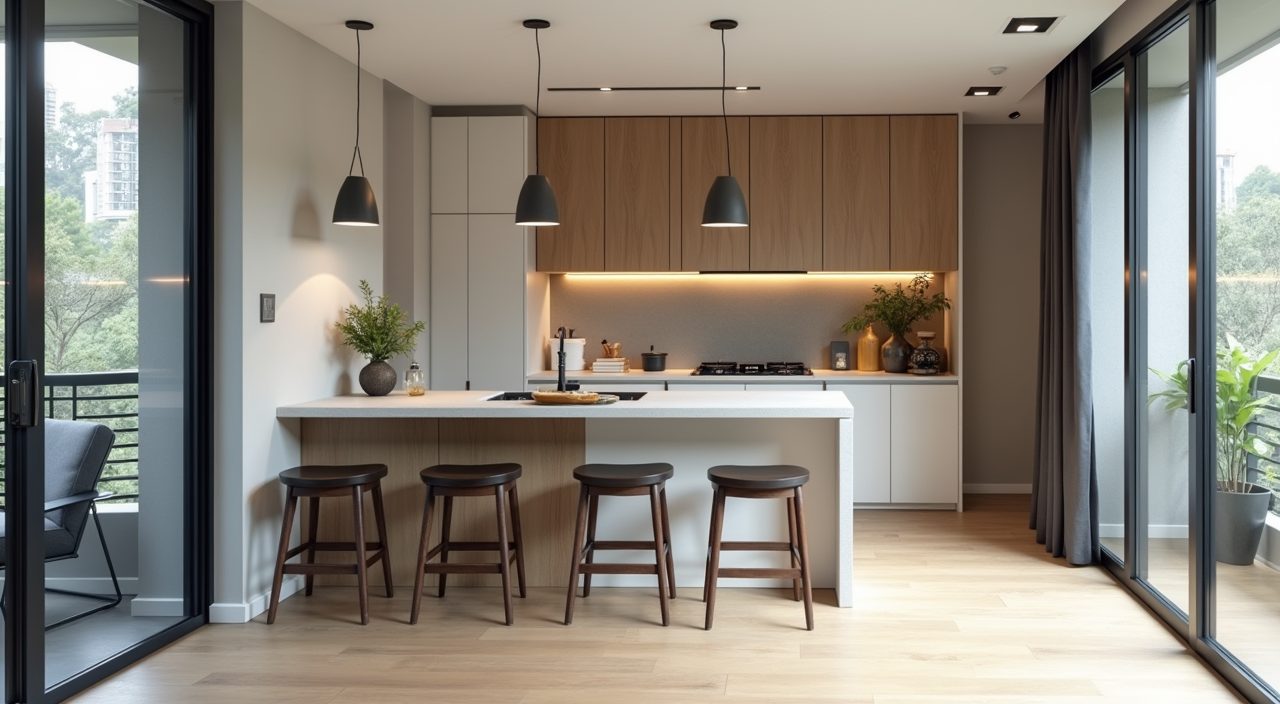
A typical full HDB renovation takes about 8 to 12 weeks of actual work on site once the contractor starts hacking. A light cosmetic refresh can finish in 3 to 5 weeks, while a large flat with heavy structural, wet works and full carpentry can stretch to 14 weeks or more. On top of that, add a few weeks upfront for design, quotation, HDB permit approval and material lead times.
The honest answer is that it depends on the flat size, the scope of works and how ready your decisions are. A 3-room resale flat gutted to bare walls behaves very differently from a new BTO where the surfaces are already fresh. The timeline below breaks down where the weeks actually go, so you can plan your move-in date with realistic buffers.
What is the typical HDB renovation timeline?
For most homeowners doing a moderate renovation, the on-site work falls into a fairly predictable window. Use these as planning ranges rather than fixed promises, since every flat and contractor differs.
- Light refresh (painting, some replacements, minor carpentry): about 3 to 5 weeks
- Standard renovation (kitchen, one or two bathrooms, built-in carpentry, flooring): about 7 to 10 weeks
- Full or extensive renovation (whole flat gutted, heavy hacking, full carpentry, multiple wet areas): about 10 to 14 weeks or more
- New BTO with lighter scope: often 6 to 9 weeks since surfaces are already new
Why does a resale flat take longer than a BTO?
A resale flat usually needs more demolition, hacking of old tiles, rewiring and plumbing replacement before any new work begins. That preparation adds real time and can also reveal hidden problems such as water damage or aged wiring that need extra days to fix.
A new BTO flat starts with fresh walls, floors and services, so contractors often skip the heaviest hacking. Work tends to focus on carpentry, feature walls and light fittings, which compresses the schedule.
What are the main stages and how long does each take?
Renovation runs in a sequence because each trade depends on the one before it. Wet works must cure before tiling, and tiling must finish before carpentry goes in. Here is a rough guide for a standard flat.
- Hacking and demolition: about 3 to 7 days
- Masonry, plumbing and electrical rough-in: about 1 to 2 weeks
- Waterproofing and screeding (needs curing time): about 1 to 2 weeks
- Tiling for floors and walls: about 1 to 2 weeks
- Carpentry installation (kitchen cabinets, wardrobes, features): about 2 to 4 weeks
- Painting, glass, sanitary fittings and final touch-ups: about 1 to 2 weeks
Do HDB permits and rules affect the timeline?
Yes. Many renovation works in an HDB flat need a permit, and only an HDB registered renovation contractor can apply for it. Permit approval commonly takes around 3 working days for straightforward jobs, but works involving hacking of walls or major changes can take longer to assess.
HDB also limits noisy and dusty work such as demolition, drilling and hacking to weekday and Saturday daytime hours, with none allowed on Sundays and public holidays. These rules protect neighbours but also mean the loudest work cannot be rushed into evenings or the full weekend, which naturally spreads it out.
What causes HDB renovations to run late?
Most delays are not the contractor working slowly. They come from decisions and materials that were not ready when the schedule needed them.
- Late design decisions, or changing your mind mid-project (variation orders)
- Long lead times on imported tiles, sintered stone or custom carpentry
- Hidden defects found after hacking, such as leaks or old wiring
- Peak season backlogs, especially after key collection waves and before festive periods like Chinese New Year
- Slow material selection or delayed payments that pause the crew
How do I get the work done on a predictable schedule?
The biggest lever you control is decision speed. Finalise your layout, materials and appliances before hacking starts, keep changes to a minimum once work begins, and ask your contractor for a written stage-by-stage schedule so you can track progress against agreed dates.
Working with an experienced HDB renovation contractor who handles the permit, coordinates the trades and sequences the works properly is what keeps the timeline tight. A good contractor will also build in realistic curing and buffer time rather than promising an unrealistically fast finish that slips later.
When should I start planning before my target move-in date?
Because design, quotation and permits happen before any hacking, give yourself lead time. A practical rule is to start engaging contractors and finalising your design roughly 3 to 4 months before you want to move in, more if your scope is large or you are renovating during a busy season.
Booking your contractor early also secures a better slot. Popular contractors get fully booked weeks ahead, so leaving it late can push your start date and your move-in further out than the actual construction ever would.
Frequently asked questions
How long does a BTO renovation take compared to resale? A BTO usually finishes faster, often 6 to 9 weeks, because the flat starts with fresh surfaces and needs less hacking. A resale flat that is gutted to bare walls typically runs 10 to 14 weeks due to extra demolition, rewiring and plumbing work.
Can I move in while renovation is still ongoing? It is possible for very light works, but not advisable during active hacking, tiling or carpentry because of dust, noise and safety. Most homeowners plan to move in only after final touch-ups and a proper cleanup are done.
Does a bigger flat always take longer? Generally yes, since more rooms mean more flooring, more carpentry and more wet areas to sequence. That said, scope matters more than size: a small flat gutted completely can take longer than a large flat given only a light refresh.
How can I avoid renovation delays? Lock in all your design and material choices before work starts, avoid mid-project changes, order long lead time items early, and choose an HDB registered contractor who provides a clear stage-by-stage schedule and handles the permit for you.