
How to Add Power Points to an HDB Flat
A Singapore homeowner guide to adding power points in an HDB flat: what a Licensed Electrical Worker does, typical costs, wiring options and safety rules.
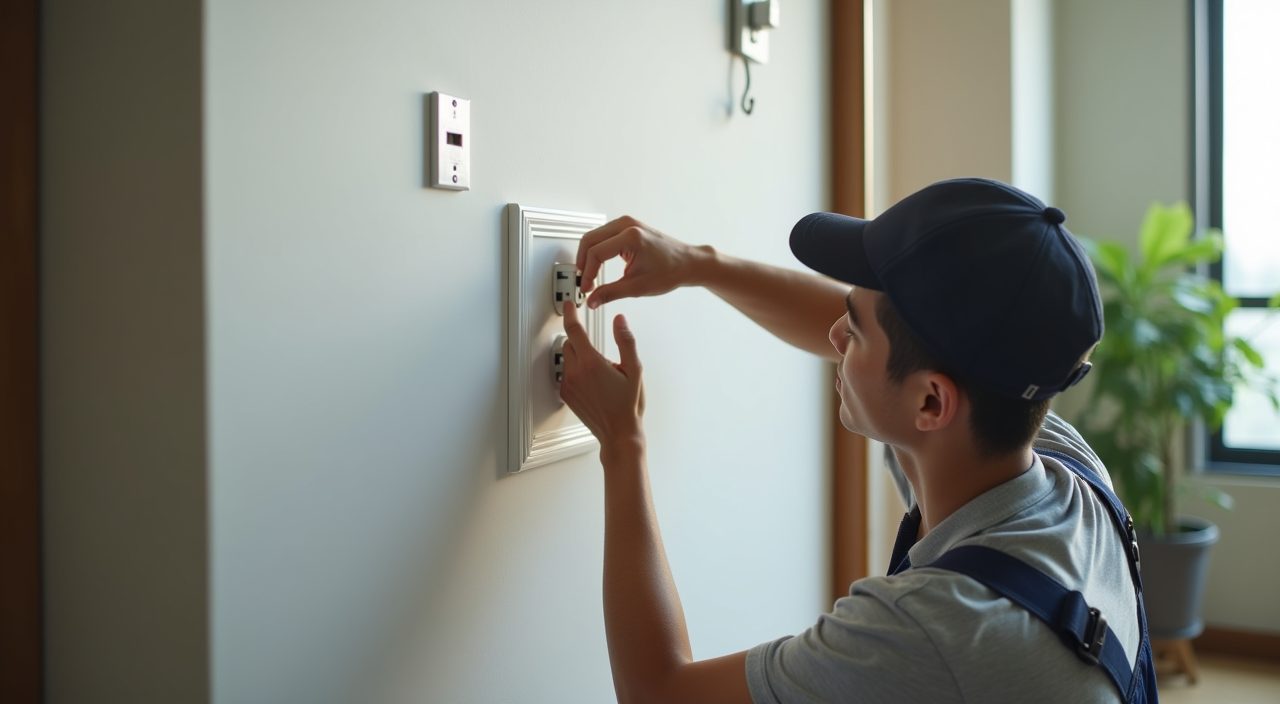
To add a power point to an HDB flat, engage a Licensed Electrical Worker (LEW) or a licensed electrician to run new wiring from your distribution board (DB) to the new socket location, install the outlet and test the circuit. You generally do not need HDB or SCDF permission for a straightforward extra socket inside your own flat, but the work must comply with the Singapore wiring code (SS 638) and, for larger loads, your electrical installation licence may need updating with SP Group. Costs usually fall in a wide range depending on distance from the DB, whether walls are hacked or trunked, and how many points you add.
Adding a power point sounds simple, yet it involves live wiring, correct circuit protection and neat cable routing. Doing it properly protects your family from electric shock and fire, and keeps you on the right side of HDB and Energy Market Authority (EMA) rules. This guide explains the process, the realistic costs and the safety points a homeowner in Singapore should know before booking the work.
Do I need permission to add a power point in my HDB flat?
For a single extra 13A socket inside your flat, you normally do not need to apply to HDB, since it is treated as minor electrical work rather than a renovation that affects the structure. However, if the job involves hacking walls, running new conduits in the ceiling or floor screed, or altering the flat layout, that portion may fall under HDB renovation rules and needs an HDB-registered renovation contractor and a renovation permit.
On the electrical side, the key requirement is that the work is done by a licensed person and complies with SS 638. If you significantly increase your total load (for example adding many high-power appliances), your electrical installation may need to be reviewed and your licence with EMA or SP Group updated. When in doubt, ask your electrician to confirm what applies to your specific flat and load.
Who is allowed to add power points in Singapore?
In Singapore, fixed electrical wiring must be carried out by a licensed electrician, and for anything beyond very minor work a Licensed Electrical Worker (LEW) should be involved. This is a legal requirement under EMA rules, not just good practice. A handyman without the right licence should not be opening your distribution board or running new circuits.
A properly licensed worker will size the cable correctly, connect to the right circuit breaker, and make sure the new point is protected by a residual current device (RCD or ELCB) at the DB. They can also issue or support the certification your installation needs if the scope is large enough to require it.
- Licensed Electrical Worker (LEW): required for larger or certified works
- Licensed electrician: handles day-to-day socket and switch installations
- Avoid unlicensed handymen for any fixed wiring or DB work
How much does it cost to add a power point in an HDB flat?
Pricing varies a lot, so treat any single figure with caution. A simple socket added close to the DB with surface trunking is at the lower end, while a point far from the DB that needs wall hacking, concealed conduit and making good will cost considerably more. Adding several points in one visit usually brings down the per-point price because the electrician is already on site.
The main cost drivers are the distance the cable must travel, whether wiring is concealed or run in visible trunking, the number of points, and any patching, plastering or repainting needed afterwards. Always ask for an itemised quote so you can see labour, materials and making-good separately.
- Distance from the distribution board to the new socket
- Concealed conduit and wall hacking versus surface trunking
- Number of power points added in one visit
- Making good: plastering, skimming and repainting after wiring
Concealed wiring or surface trunking: which should I choose?
Concealed wiring runs the cable inside the wall so nothing is visible, which looks cleaner and is popular during a full renovation. The trade-off is that it requires hacking a channel into the wall, then plastering and repainting, which adds cost and mess. It is best done before you tile or paint a room.
Surface trunking clips the cable inside a slim plastic casing along the wall. It is faster, cheaper and easy to modify later, which suits an existing flat where you do not want major works. The downside is that the trunking is visible, though modern trunking is neat and can be painted over to blend in.
What safety rules matter when adding a power point?
Every new socket circuit should be protected by an RCD or ELCB at the distribution board so power cuts off quickly if there is a fault or leakage current. The cable size and the circuit breaker rating must match the expected load, and the earth connection must be solid. These details are exactly why licensed work matters, since they are not visible once the socket is closed up.
Avoid overloading a single circuit by daisy-chaining many high-power appliances, and never rely on extension cords as a permanent replacement for a proper point. In wet areas such as kitchens, service yards and near bathrooms, sockets should be positioned and rated correctly, and switched socket outlets are strongly preferred so you can isolate appliances safely.
How do I get the work done properly?
The simplest route is to engage a contractor who handles electrical outlet and switch installation as a regular service, so the wiring, socket fitting, circuit protection and any making-good are all covered by one team. A good contractor will visit or assess photos, confirm the best cable route from your DB, and give you a clear quote before starting.
Ask whether the person doing the work is licensed, confirm that a new circuit will be protected by an RCD, and request that the point is tested before they leave. Booking any tiling, painting or other renovation around the same time keeps disruption to a single visit and often reduces the total cost.
Frequently asked questions
Can I add a power point myself in my HDB flat? You should not carry out fixed electrical wiring yourself in Singapore. The law requires a licensed person for this work, and a wrong connection or missing earth can cause shock or fire that also voids insurance.
How long does it take to add a power point? A single point near the distribution board can often be done in a few hours. Points that need wall hacking, concealed conduit and repainting take longer, sometimes spread over a day or more once making-good is included.
Do I need HDB approval to add a socket? For a straightforward extra socket inside your flat you generally do not need HDB approval. If the job involves hacking or altering walls it may fall under renovation rules, so check with your contractor and HDB before starting.
Will adding power points overload my flat's electrical supply? A single extra socket is usually fine. If you plan to add many high-power appliances, your electrician should check that your circuits and main supply can handle the total load, and advise if your installation needs review or upgrading.