
How to Clean and Maintain Vinyl Flooring So It Lasts 15 Years
A Singapore homeowner's guide to cleaning and maintaining vinyl flooring, from daily sweeping to the mistakes that void the wear layer and shorten its life.
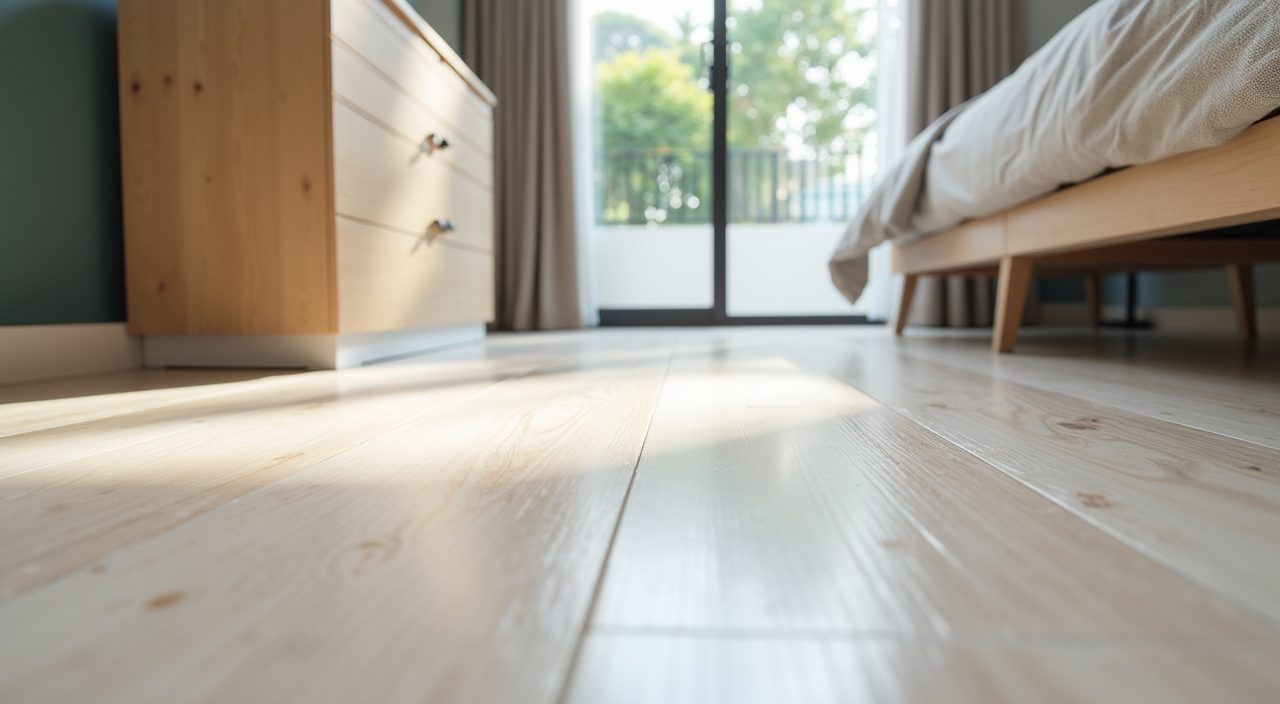
To make vinyl flooring last 15 years, sweep or vacuum grit daily, damp mop weekly with a pH-neutral cleaner and well-wrung microfibre, and wipe spills quickly. Avoid steam mops, abrasive scrubbers, and harsh solvents, since these attack the thin wear layer that protects the printed design. With gentle routine care and a few simple habits, most quality vinyl planks and tiles in a Singapore home will hold up well past a decade.
Vinyl flooring, whether it is luxury vinyl plank (LVP), SPC (stone plastic composite), or a glued sheet, is popular in HDB flats and condos because it is water-resistant, quiet underfoot, and forgiving in our humid climate. The catch is that all the durability sits in a wear layer only a fraction of a millimetre thick. Once that layer is scratched dull or eaten away by the wrong cleaner, there is no polishing it back. Good maintenance is really about protecting that top skin.
How often should you clean vinyl flooring?
Grit is the main enemy of vinyl. Fine sand and dust act like sandpaper underfoot and slowly haze the wear layer, so removing it often matters more than any deep clean. A light daily pass plus a proper weekly mop keeps most Singapore homes looking new.
In high-traffic zones near the main door, kitchen, and along the corridor, lean toward the more frequent end of each range below.
- Daily: sweep or dry-mop, or run a vacuum on the hard-floor (brush-off) setting to lift grit and hair.
- Weekly: damp mop the whole floor with a pH-neutral cleaner and a well-wrung microfibre mop.
- As needed: wipe spills, footprints, and splashes straight away, especially in the kitchen and near the shower.
- Monthly: check edges, skirting joints, and door thresholds for lifting or trapped dirt.
What is the correct way to mop vinyl?
The rule for vinyl is damp, not wet. Standing water can creep into seams and plank edges, and over months that can lift glue or swell the core, even on water-resistant products. Wring the mop until it feels barely moist, not dripping.
Use a pH-neutral or vinyl-specific floor cleaner diluted per the label. Skip anything that leaves a film, since residue attracts dirt and turns the floor dull and sticky.
- Sweep or vacuum first, so you are not dragging grit around with the mop.
- Mix a pH-neutral cleaner in warm water, following the dilution on the bottle.
- Mop in the direction of the planks, working in small sections.
- Change the water once it looks dirty, so you rinse rather than smear.
- Let the floor air dry, or wipe with a dry microfibre cloth to avoid streaks.
What should you never use on vinyl flooring?
Most vinyl that fails early is not worn out, it is damaged by the wrong products or tools. A few things are worth banning outright to protect the wear layer and the finish.
When in doubt, plain water with a well-wrung mop is safer than a strong cleaner you are unsure about.
- Steam mops: heat and moisture can loosen adhesive, warp planks, and void many warranties.
- Abrasive pads, steel wool, and scouring powder: they scratch the wear layer permanently.
- Bleach, ammonia, and strong solvents: these can discolour and dry out the surface over time.
- Wax, polish, and oil soaps: vinyl is a no-wax surface, and these build up a dull, slippery film.
- Very hot water and undiluted cleaners: both can dull or streak the finish.
How do you protect vinyl from scratches and dents?
Prevention does more for the 15-year goal than any cleaning routine. The two threats are grit that scratches and heavy or sharp loads that dent, since vinyl sits over a softer core.
Small habits, repeated, are what keep the surface intact through years of daily use.
- Place a coarse mat outside and a soft mat inside the main door to trap sand and shoes.
- Stick felt pads under chair, table, and sofa legs, and check them every few months.
- Lift furniture to move it rather than dragging it across the floor.
- Use wide, non-staining floor protectors under heavy items like fridges and cabinets.
- Keep pet claws trimmed and blinds drawn during peak sun to limit long-term fading near windows.
How do you handle stains, marks, and humidity in Singapore?
Most everyday marks lift with a soft cloth and the same pH-neutral cleaner. For stubborn scuffs, a drop of neutral cleaner on a soft damp cloth and gentle rubbing usually works, and a magic-eraser type sponge can help if you test a hidden corner first and use a light touch.
Singapore humidity is generally fine for vinyl, but trapped moisture is not. If you run aircon or leave windows open, that natural airflow helps. Just avoid letting water pool under mats, near the shower kerb, or along kitchen skirting, and fix any plumbing leak quickly so the subfloor stays dry.
When should you call a professional for repair or relay?
Routine cleaning is a homeowner job, but some issues need a contractor. Lifting edges, hollow or clicking spots underfoot, gaps opening between planks, or water damage under the surface usually point to subfloor or installation problems that will worsen if ignored. Individual damaged planks can often be swapped out rather than redoing the whole floor, which saves cost.
If you are weighing a repair, a relay, or a fresh vinyl installation as part of a wider renovation, a Singapore contractor who handles flooring can assess the subfloor, moisture, and levelling before quoting. It is worth asking for a clear breakdown of flooring costs up front so you can compare like for like, and bundling the work with any electrical or plumbing changes in the same rooms keeps disruption and pricing sensible.
Frequently asked questions
Can I use a steam mop on vinyl flooring? No. The heat and moisture from a steam mop can loosen the adhesive, warp planks, and damage the wear layer, and it often voids the manufacturer warranty. Stick to a well-wrung microfibre mop with a pH-neutral cleaner.
How do I get my vinyl floor to shine again? Vinyl is a no-wax floor, so shine comes from a clean, residue-free surface, not polish. Remove any built-up film with a fresh pass of pH-neutral cleaner and a rinse, then dry with microfibre. Avoid wax or gloss products, which leave a dull, sticky layer that traps dirt.
Is vinyl flooring really water-resistant enough for wet areas? Most quality vinyl resists surface water and splashes well, which is why it suits kitchens and living areas. It is water-resistant, not fully waterproof at the seams, so wipe spills promptly and do not let water sit or seep into joints, especially near showers and sinks.
Will vinyl flooring actually last 15 years in a HDB flat? Yes, a good quality vinyl with a thicker wear layer can comfortably last 15 years or more in a normal household when you sweep grit daily, damp mop gently, protect it from scratches, and avoid harsh cleaners and steam. Thin, budget vinyl in a heavy-traffic home will wear faster.