
How to Remove Formaldehyde After Renovation
A Singapore homeowner's guide to removing formaldehyde after renovation: ventilation, bake-out, air purifiers, and when it is safe to move back in.
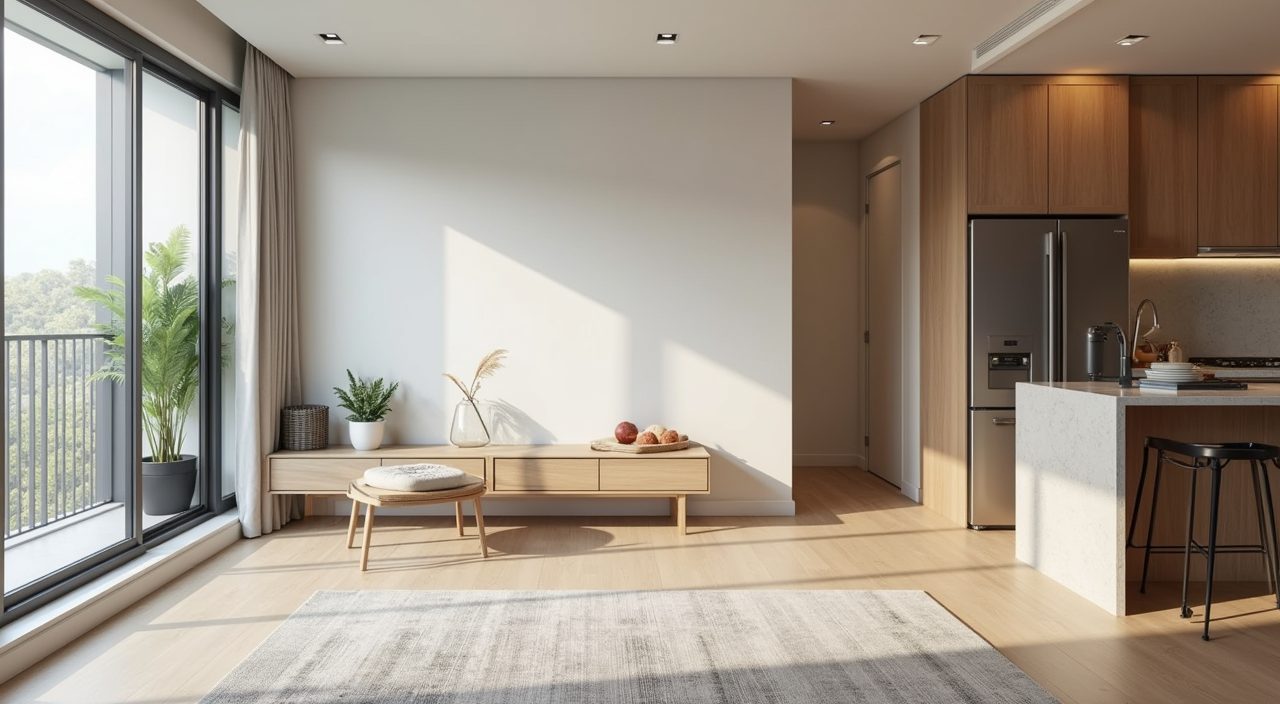
The most effective way to remove formaldehyde after a renovation is aggressive ventilation over several weeks, letting fresh air flush out the gas as new carpentry, laminates, and paint slowly off-gas. Open all windows and run fans daily, keep the home warm and well aired, and where possible avoid sleeping in the space until the sharp chemical smell fades. Air purifiers with activated carbon and time are the two things that genuinely help; there is no instant fix.
Formaldehyde is a colourless gas released by many common renovation materials, especially engineered wood used in built-in carpentry, wardrobes, and kitchen cabinets. In Singapore's warm, humid climate it off-gasses faster, which is actually good news because higher temperature and airflow speed up how quickly it leaves your home. The goal is not to hide the smell but to physically remove the source emissions and let the indoor air clear before you and your family live in it full time.
Where does formaldehyde come from after renovation?
Most post-renovation formaldehyde comes from pressed-wood products bonded with urea-formaldehyde resin. These are everywhere in a typical HDB or condo fit-out, so a fresh renovation with lots of new carpentry will off-gas more than a light cosmetic refresh.
- Plywood, MDF, particleboard, and blockboard used in built-in wardrobes and cabinets
- Laminates, veneers, and the adhesives that bond them
- Some paints, varnishes, lacquers, and wood coatings
- New foam mattresses, sofas, curtains, and certain carpets
- Wallpaper glue and some flooring adhesives
How long does formaldehyde take to clear?
Off-gassing is fastest in the first few weeks and then tapers off over months. For a home with a lot of new carpentry, plan for two to four weeks of intensive airing before the smell drops noticeably, though low-level off-gassing can continue for several months to a couple of years.
Heat and humidity in Singapore increase the emission rate, so the gas comes out faster but also builds up quickly in a closed, air-conditioned unit. That is why simply shutting the doors and blasting the aircon traps the problem instead of solving it.
What is the best way to ventilate?
Cross ventilation is the single most powerful tool you have, and it costs nothing. The aim is to move outdoor air through every room and pull it out again so the gas does not just recirculate.
- Open windows on opposite sides of the unit to create a through-draught
- Run standing or ceiling fans to push indoor air toward open windows
- Open every wardrobe, cabinet, and drawer so trapped air inside can escape
- Air out daily for the first few weeks, not just once
- Pull back curtains and lift covers off new furniture so surfaces can breathe
Does the bake-out method work?
The bake-out method means deliberately heating the home to drive off formaldehyde faster, then flushing it out. In practice this suits Singapore well: close the unit, turn off the aircon, and let it heat up naturally in the afternoon sun for a few hours, then throw open all windows and fans to vent the built-up gas outside.
Repeat this cycle over several days. Do not stay inside during the hot, closed phase because concentrations spike, and never leave gas or electrical hazards running unattended. Bake-out speeds things up but does not replace weeks of normal ventilation afterward.
Do air purifiers and plants help?
An air purifier with a genuine activated carbon filter can adsorb formaldehyde and other volatile compounds, which helps in bedrooms or when you cannot keep windows open. Note that HEPA filters alone target particles, not gas, so you specifically want a carbon or dedicated formaldehyde filter, and the carbon needs replacing as it saturates.
Houseplants are often marketed as air cleaners, but the effect is tiny compared with opening a window. Treat plants as a nice extra, not a real solution. Save your money for good ventilation and a decent carbon purifier instead of gimmicky sprays that only mask odour.
How do I lower formaldehyde before problems start?
The cleanest way to deal with formaldehyde is to reduce it at the source during the renovation itself, before the carpentry is even installed. When planning your renovation works, ask your contractor to specify low-emission boards and finishes so there is simply less gas to remove later.
A good renovation team will know which materials off-gas less and can schedule your carpentry and painting so the home has time to air out before handover.
- Request E1 or E0 rated boards, which emit less formaldehyde than standard grades
- Choose low-VOC paints, adhesives, and wood coatings where available
- Ask for water-based finishes instead of solvent-heavy lacquers
- Allow buffer time between completion and move-in for ventilation
When is it safe to move back in?
There is no single fixed date, but a practical guide is to wait until the sharp chemical smell has clearly faded and you can spend time in the unit without eye, nose, or throat irritation. For heavy carpentry jobs, that often means airing the home for two to four weeks before sleeping there regularly.
If anyone in the household is pregnant, an infant, elderly, or asthmatic, be more cautious and give it extra time. If you want certainty, a professional indoor air quality test can measure actual formaldehyde levels rather than relying on smell alone.
Frequently asked questions
Can I just use the aircon to remove formaldehyde? No. Standard air-conditioning cools and recirculates indoor air but does not remove the gas, so a closed, air-conditioned unit tends to trap formaldehyde. You still need fresh outdoor air moving through the home.
Is the formaldehyde smell dangerous? At renovation levels it commonly causes eye, nose, and throat irritation, headaches, and a strong chemical odour. Short exposure while you air the place out is generally manageable, but you should avoid living or sleeping in a heavily off-gassing space until it clears.
Do formaldehyde-removing sprays work? Most sprays mainly mask odour rather than removing the gas at its source, and any effect is short lived. Ventilation, time, and activated carbon filtration are far more reliable.
Does a bigger renovation always mean more formaldehyde? Generally yes, because more new pressed-wood carpentry and fresh finishes mean more material off-gassing at once. Choosing low-emission boards and finishes during the works is the best way to keep levels down from the start.