
Is Waterproof Vinyl Flooring Worth It in Singapore's Humid Climate?
A Singapore homeowner's guide to waterproof vinyl flooring: how it handles humidity, real cost ranges, where it works in HDB and condo homes, and its limits.
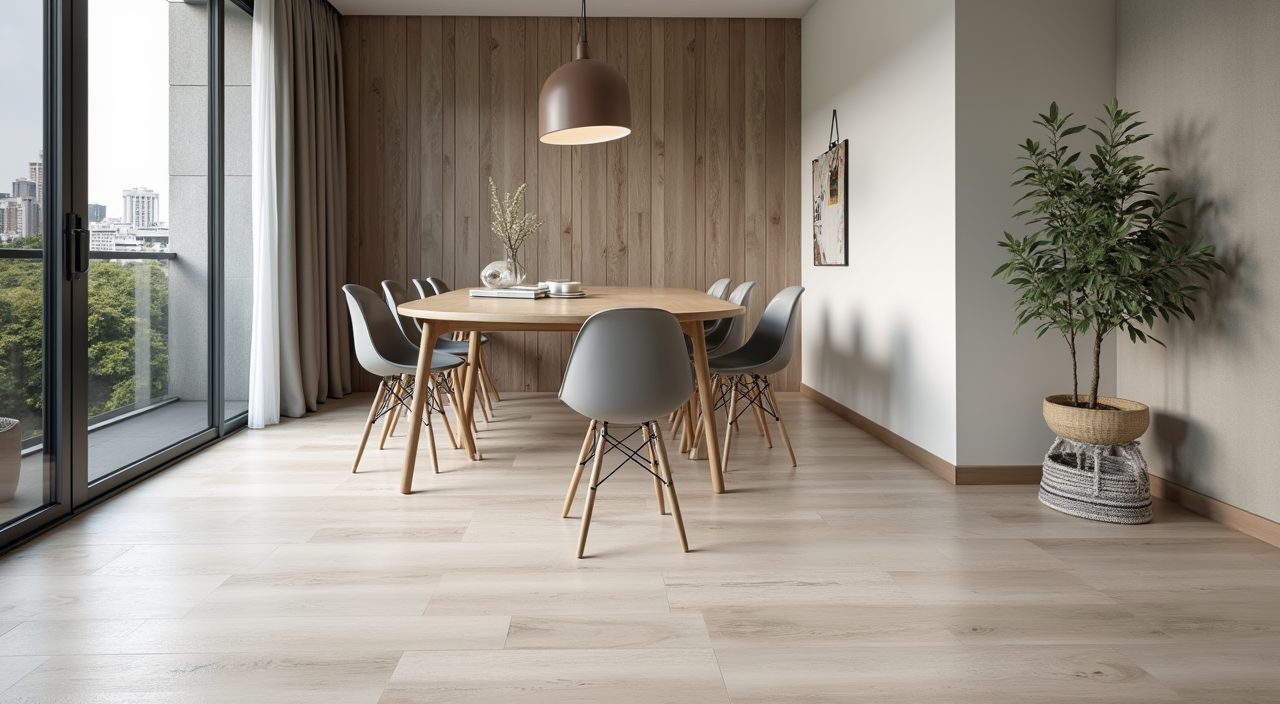
For most Singapore homes, waterproof vinyl flooring is worth it. The humidity here is high year round, and a fully waterproof or highly water resistant vinyl handles spills, mopping, and damp air far better than laminate or solid wood, which can swell and warp. It is warm underfoot, quieter than tiles, and usually cheaper than good timber, so it earns its place in living rooms, bedrooms, and even semi wet zones when installed correctly.
That said, vinyl is not a magic fix. The word waterproof describes the plank itself, not the joints or the subfloor underneath, and cheap products in a hot flat can still cup, gap, or lift if the prep is rushed. Understanding what vinyl actually protects against helps you decide where to use it and what to spend.
What does waterproof vinyl flooring actually mean?
Most vinyl sold in Singapore falls into two families. SPC (stone plastic composite) has a rigid mineral core, while WPC (wood plastic composite) has a slightly softer, warmer core. Both are commonly labelled waterproof because the plank body will not absorb water the way timber or laminate does. Luxury vinyl tile, or LVT, is the broad marketing term that covers both.
The honest nuance: the plank material is waterproof, but a click lock floating floor still has seams. Water can seep through the joints and sit on the subfloor or screed below, where it has nowhere to dry in humid conditions. So waterproof means the plank survives contact with water, not that your whole floor is a sealed bathtub.
- SPC: rigid, dimensionally stable, best for large open areas and warm climates
- WPC: softer feel underfoot, slightly more forgiving on minor subfloor bumps
- LVT: umbrella term, check the core type and wear layer before you buy
- Glue down vinyl: seams are far tighter, a better choice for wetter or high traffic zones
Why does Singapore's humidity matter for flooring?
Singapore sits around 70 to 90 percent relative humidity most days, and indoor temperatures swing when air conditioning cycles on and off. Materials that absorb moisture, like solid wood and laminate, expand and contract with these changes, which is how you get lifting edges, gaps, and that hollow tapping sound underfoot.
Vinyl is far more stable because its core does not soak up water vapour. SPC in particular barely moves with humidity, which is why it has become the default upgrade for HDB and condo owners who want a wood look without the timber headaches. It is a genuinely good fit for the local climate, not just a trend.
Where should you use it, and where should you not?
Vinyl shines in living rooms, bedrooms, study rooms, and hallways. In these dry to occasionally damp areas it is comfortable, easy to clean, and stable. Many owners also run it into open kitchens, where the odd splash is fine as long as standing water is wiped up.
Full wet areas are a different story. Bathrooms and open balconies that catch rain are better served by proper tiling with waterproofing membrane underneath, because those spaces see standing water, floor traps, and constant wetting. Vinyl can go into a powder room or a laundry corner, but treat a main shower area as tile territory.
- Great fit: living room, bedrooms, study, hallway, dry dining area
- Usually fine: open kitchen, laundry corner, powder room (with glue down and sealed edges)
- Better as tile: main bathroom, shower, open balcony exposed to rain
- Avoid: any area with a floor trap that regularly holds water
How much does waterproof vinyl flooring cost in Singapore?
Prices vary with the brand, plank thickness, wear layer, and whether you choose click lock or glue down. As a general guide, supply and install for a decent SPC or LVT floor tends to land in a mid range per square foot, with premium imported ranges costing more and budget stock costing less. Thicker wear layers, wider planks, and better finishes push the price up.
Do not judge on headline price alone. A very cheap plank with a thin wear layer scratches and dents faster, and in a humid flat a rushed installation can fail early, which wipes out any saving. It usually pays to spend on a proper wear layer and a careful installer rather than the thinnest option on offer.
- Main cost drivers: plank thickness, wear layer, click lock vs glue down, brand origin
- Extra costs to expect: removal of old flooring, subfloor levelling, skirting and trims
- False economy: thin wear layer plus cheap install often means early scratching or lifting
How do you get vinyl installed correctly in a humid home?
Good vinyl fails when the prep is poor. The subfloor must be flat, clean, and dry before laying, and expansion gaps at the walls must be respected so a floating floor can move slightly without buckling. In wetter zones, a glue down system with sealed edges beats click lock because it removes most of the seam risk.
This is where it helps to work with a renovation contractor who handles the full job, from checking the screed and levelling the subfloor to matching the right vinyl type to each room. When you ask for pricing, get the quote to spell out subfloor preparation, the specific product and wear layer, and where glue down versus click lock will be used, so you are comparing like with like rather than just a number per square foot.
How does vinyl compare to tiles and laminate?
Against tiles, vinyl is warmer and softer underfoot, quieter, faster to install, and easier on a dropped glass. Tiles win on being truly waterproof across the whole floor, on heat resistance, and on lasting for decades, which is why wet areas still go to tile.
Against laminate, vinyl is the clear winner for Singapore because laminate has a fibreboard core that swells if water reaches it. Laminate can feel crisp and look sharp, but in this climate the moisture risk makes vinyl the safer everyday choice for living spaces.
- Vinyl vs tile: vinyl is warmer, quieter, cheaper to lay; tile is more heat proof and truly wet safe
- Vinyl vs laminate: vinyl resists moisture, laminate can swell if water reaches the core
- Comfort and noise: vinyl is softest and quietest of the three
- Longevity: quality tile outlasts vinyl, but vinyl is easy and affordable to replace later
Frequently asked questions
Can I lay vinyl directly over my existing HDB tiles? Often yes, if the tiles are sound, level, and firmly bonded. A thin self levelling layer or underlay may be needed to smooth grout lines, and any loose or hollow tiles should be fixed first, so ask your installer to check the surface before quoting.
Will waterproof vinyl protect against a burst pipe or flooding? Not fully. The planks resist water, but a major leak can drive water through the seams to the subfloor, where trapped moisture in a humid flat can cause lifting and mould over time. Waterproof means splash and mop safe, not flood proof.
How long does vinyl flooring last in Singapore? A quality vinyl with a solid wear layer, installed well, commonly gives many years of service in living areas, often in the region of ten to twenty depending on traffic and care. A thin budget plank in a busy home will show wear much sooner.
Does vinyl flooring get too hot or fade in the sun? Vinyl tolerates normal indoor conditions well, but strong direct sunlight through large windows can fade cheaper planks and warm the surface, so use blinds or curtains in very sunny rooms and pick a reputable range with UV stability.