
Laminate Feature Wall Ideas: An Affordable Alternative to Stone and Wood
How to create a laminate feature wall in your Singapore HDB or condo: designs, realistic costs, finishes and installation tips as a cheaper alternative to real stone and wood.
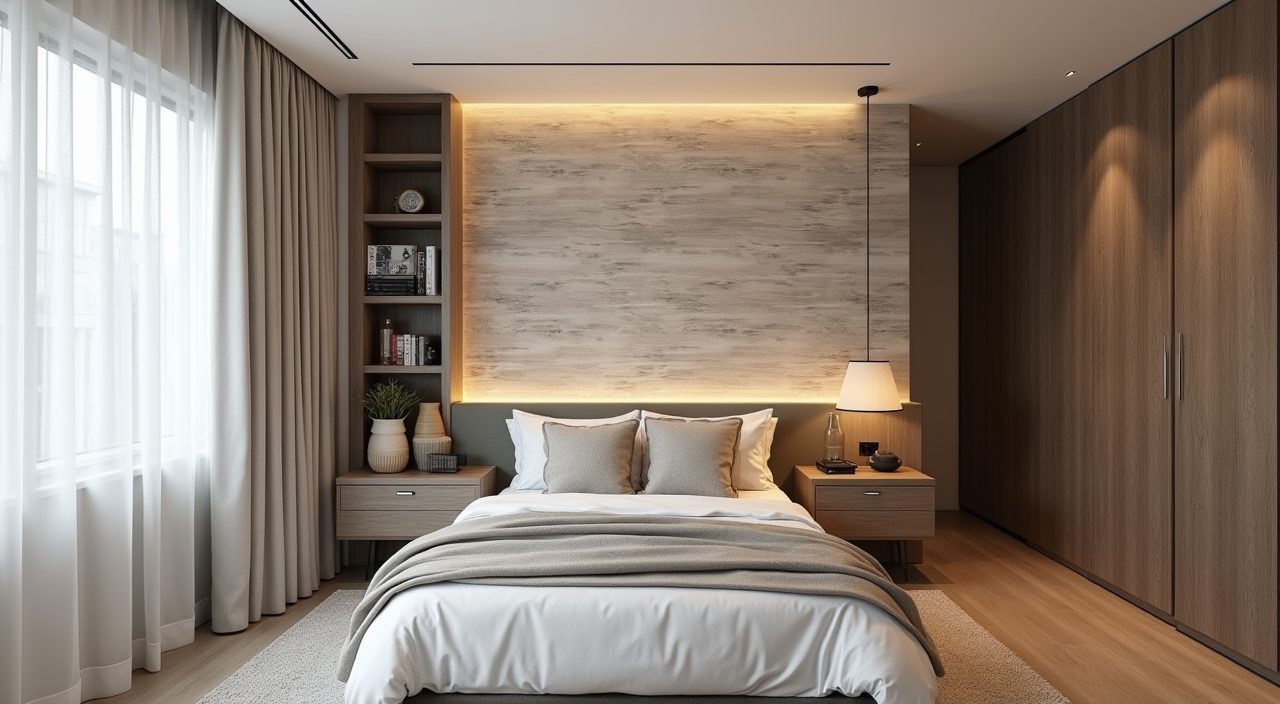
A laminate feature wall covers one wall in a decorative laminate that mimics stone, wood, marble or concrete, giving you a high-end look for a fraction of the cost of the real material. In Singapore homes, a typical laminate feature wall runs roughly 30 to 70 percent cheaper than natural stone cladding, installs faster, and suits the humid climate better than solid timber. It is one of the most popular ways to add a focal point to a living room, bedroom or TV console area in an HDB flat or condo.
The appeal is simple. You get the texture and grain of marble, teak or travertine without the weight, the price, or the sealing and maintenance that real stone and wood demand. Laminate is a thin engineered sheet bonded to a substrate such as plywood or MDF, so it is light, stable in local humidity, and available in hundreds of finishes. This guide covers realistic ideas, honest costs, and what to watch for before you commit.
What is a laminate feature wall and how does it work?
A laminate feature wall is built by fixing a base panel (usually plywood or moisture-resistant MDF) to your wall, then bonding decorative laminate sheets onto that panel. The laminate is the same family of material used on kitchen cabinet doors and countertops, so it is durable, wipeable and colour-stable. Some homeowners go further with fluted or grooved laminate panels for a three-dimensional ribbed effect that has been very popular in Singapore condos and HDB flats.
Because it is a surface finish rather than a structural build, laminate is well suited to feature walls behind a TV console, at a bed headboard, in a hallway, or framing a dining area. It handles Singapore's humidity far better than solid wood veneer, which can warp or lift over time if not properly sealed.
- Substrate: plywood or moisture-resistant MDF fixed to the wall
- Surface: decorative laminate sheet (matt, gloss, textured or fluted)
- Common looks: marble, travertine, timber, concrete, fabric, solid colour
- Best spots: TV wall, bed headboard, hallway, dining feature
What laminate feature wall ideas work best in Singapore homes?
The most requested looks are marble-effect laminate for a bright, luxe living room, warm wood-grain laminate for a cosy Scandinavian or Japandi feel, and fluted vertical panels that add texture and hide minor wall imperfections. Concrete and stone-effect laminates suit industrial or muji-style interiors, while dark charcoal or walnut tones frame a TV wall nicely by hiding cables and reducing glare.
Mixing finishes also works well. A common approach is a fluted timber panel section paired with a flat marble-effect stretch, or laminate combined with a slim metal trim for a sharper edge. Keep the rest of the room calmer when the feature wall is bold, so the wall stays the focal point rather than competing with busy furniture.
- Marble or travertine effect: bright, premium living room look
- Fluted wood panels: warm texture, hides small wall flaws
- Concrete or stone effect: industrial and muji interiors
- Dark walnut or charcoal: TV walls, hides cables and glare
- Mixed panels plus metal trim: modern, tailored finish
How much does a laminate feature wall cost in Singapore?
Pricing depends on the wall size, the laminate grade, and whether you want flat sheets or fluted panels. As a rough guide, a laminate feature wall in Singapore often falls somewhere between 60 and 150 dollars per square foot installed, including the base panel and carpentry. Fluted or premium designer laminates and curved or niche detailing push the figure higher. A standard TV feature wall in an HDB living room commonly lands in the low four figures rather than the tens of thousands that natural stone can reach.
These are indicative ranges, not quotes, because every wall differs in size, condition and detailing. The honest answer is that it depends on your layout, the finish you choose, and how much carpentry the design needs. For an accurate figure it is best to get a proper measured quotation from a renovation contractor based on your actual wall.
- Flat laminate feature wall: lower end of the range
- Fluted or designer laminate: higher end, more labour
- Extra cost drivers: concealed lighting, niches, curved edges
- Still typically far cheaper than solid stone or full timber cladding
Laminate versus real stone and wood: which should you choose?
Real marble and natural stone give unmatched depth and a genuine cold-to-touch feel, but they are heavy, expensive, need sealing, and can stain. Solid wood and timber cladding bring real warmth and grain, yet cost more, can warp in humidity, and need periodic care. Laminate trades a little of that authenticity for a big saving, easy maintenance and quick installation, which is why it is so common in local homes.
If budget and practicality matter most, laminate usually wins. If you want a true material statement in a specific spot and the budget allows, a small run of real stone can be worth it. Many homeowners compromise by using laminate for the large feature wall and reserving natural material for a smaller accent.
- Laminate: cheapest, light, low maintenance, huge range of looks
- Natural stone: most authentic and premium, but heavy and costly
- Solid wood: warm and real, but pricier and needs humidity care
- Value pick for most HDB and condo homes: laminate feature wall
How is a laminate feature wall installed?
Installation is carpentry work. The contractor first checks the wall is sound and dry, then fixes a plywood or moisture-resistant MDF base to it, ensuring it sits flat. Decorative laminate is cut to size and bonded to the base with adhesive, edges are trimmed, and joints are aligned so the grain or pattern runs cleanly. Fluted panels are set out carefully so the grooves stay vertical and evenly spaced.
Good preparation is what separates a clean feature wall from a lumpy one. Uneven walls, damp patches or rushed jointing show up quickly under lighting. If your design includes concealed LED strips, hidden storage or a floating console, plan the electrical points and cable routes before the laminate goes on, since retrofitting later means opening the wall up again.
How do you get a laminate feature wall done properly?
For a durable, straight and cleanly jointed result, this is best handled by an experienced renovation contractor rather than a weekend DIY job, especially if it involves fluted panels, concealed lighting or a TV mount. A contractor will measure the wall, advise on suitable laminates for humidity, coordinate any electrical work for cables or lighting, and finish the edges neatly.
At renocontractor.sg we handle laminate feature walls as part of our renovation and carpentry work, and can bring in electrical support where a TV wall needs concealed points or lighting. If you would like an idea of what your specific wall might cost, you can ask us for a measured quotation through our pricing page and we will size it to your actual layout and chosen finish.
Frequently asked questions
Is a laminate feature wall durable in Singapore's humidity? Yes. Quality laminate is stable, wipeable and resistant to moisture in the air, which is why it is widely used on kitchen and wardrobe surfaces here. The key is a moisture-resistant substrate and proper installation; problems usually come from damp walls or poor jointing, not the laminate itself.
Can I put a TV on a laminate feature wall? Yes, but the mount must be fixed into the plywood base or the wall behind it, not just the laminate surface. Tell your contractor the TV size and bracket type before installation so the base can be reinforced and cable points positioned correctly.
How long does a laminate feature wall last? With normal use it can look good for well over a decade. The finish resists fading and scratches better than paint, and unlike real wood it will not need re-oiling or re-sealing.
Can laminate really look like real marble or wood? Modern high-pressure laminates reproduce marble veining, timber grain and stone texture convincingly, especially in matt and textured finishes. Up close a trained eye can tell, but at normal viewing distance in a living room the effect is very convincing for a much lower cost.