
Laminate Flooring in Singapore: Pros, Cons and What It Really Costs
An honest Singapore guide to laminate flooring: real pros and cons, humidity concerns, HDB and condo rules, and what supply and installation actually cost.
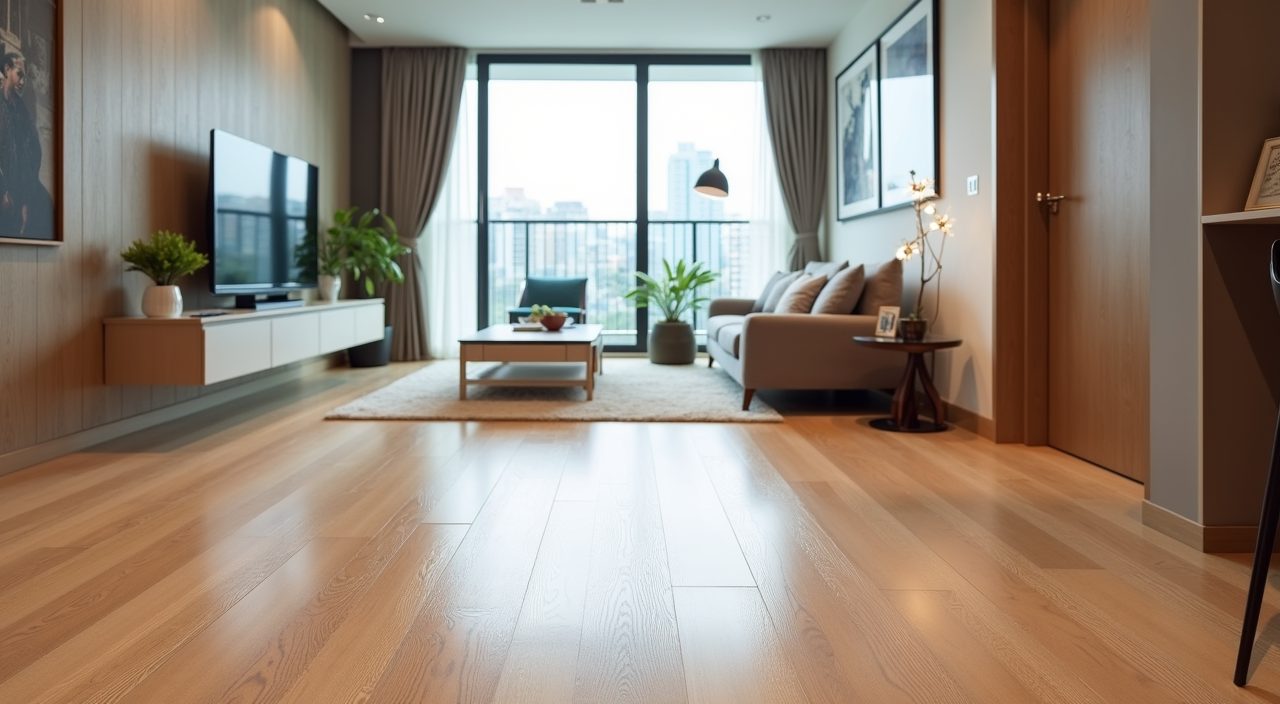
Laminate flooring is one of the most popular and affordable ways to cover an HDB or condo floor in Singapore. For most homes you can expect supplied and installed laminate to land somewhere around 3.50 to 8 dollars per square foot depending on thickness, brand and AC rating, which usually works out to a few thousand dollars for a typical flat. It looks like wood, installs fast over your existing screed, and is easy to live with, but it is not fully waterproof and it cannot be sanded down like real timber.
Laminate is a printed wood-look surface bonded onto a high-density fibreboard (HDF) core with a tough wear layer on top. It clicks together as floating planks over an underlay, so it does not need to be glued or nailed to your slab. That makes it a favourite for both budget renovations and rented units, but the tradeoffs are worth understanding before you commit, especially given Singapore's humidity and the occasional burst pipe or mopping mishap.
What are the main pros of laminate flooring in Singapore?
Laminate gives you a warm, wood-look floor at a fraction of the cost of solid or engineered timber, and it handles daily wear well. Because it floats over your existing floor, installation is quick and relatively low-mess, which suits owners who want a fast turnaround.
- Affordable: usually the cheapest wood-look option per square foot.
- Fast to install: a typical flat can be done in one to two days.
- Scratch and dent resistant: the wear layer shrugs off furniture and foot traffic better than real wood.
- Low maintenance: sweep and damp-mop, no waxing or polishing needed.
- Comfortable underfoot: warmer and quieter than tiles, especially with a good underlay.
- Renter-friendly: floating planks can sometimes be lifted and reused if you move.
What are the cons and honest drawbacks?
The biggest weakness is water. Standard laminate has an HDF core that swells if water seeps into the joints and sits there, and once a plank swells it cannot be repaired, only replaced. In Singapore's humid climate and in homes with kids or frequent mopping, this matters.
- Not fully waterproof: standing water or a leak can swell the core permanently.
- Cannot be refinished: unlike solid wood, you cannot sand and re-coat a worn laminate floor.
- Can sound hollow: a thin plank over a hard slab can feel and sound less solid.
- Shorter lifespan than tiles or timber: often 8 to 15 years before it looks tired.
- Humidity movement: planks expand and contract, so expansion gaps at walls are essential.
- Not ideal for wet areas: avoid bathrooms, kitchens with heavy splashing, and yards.
What does laminate flooring really cost in Singapore?
As a rough guide, supplied-and-installed laminate commonly runs from about 3.50 to 8 dollars per square foot, with thicker 12mm planks and higher AC wear ratings sitting at the top of that range. Skirting, door trims, removal of old flooring and levelling work are usually charged on top, so always ask whether a quote is supply-only or fully installed.
- Budget laminate (8mm, lower AC rating): around 3.50 to 5 dollars per square foot installed.
- Mid to premium laminate (12mm, higher AC rating, water-resistant core): around 5 to 8 dollars per square foot installed.
- Underlay: sometimes included, sometimes an add-on of a few hundred dollars.
- Skirting and trims: often quoted separately per running foot.
- Whole-flat example: a 3-room to 4-room HDB living and bedrooms can total a few thousand dollars depending on area and product.
- Prices vary by supplier, promotions and material availability, so treat these as ranges, not fixed rates.
How does laminate compare to vinyl and tiles?
If water resistance is your priority, vinyl (SPC or LVT) has largely overtaken laminate in Singapore because its core does not swell the same way. Laminate still tends to feel a touch more like real wood underfoot and can be cheaper at the entry level, while tiles remain the most durable and water-tolerant but coldest and hardest option.
- Laminate: warm wood look, budget-friendly, but water is its weakness.
- Vinyl (SPC/LVT): highly water-resistant, popular for wet-prone Singapore homes, similar or slightly higher price.
- Tiles: most durable and waterproof, best for kitchens and bathrooms, but cold, hard and pricier to install.
- Engineered or solid wood: the most premium feel, can be refinished, but far more expensive and fussier about moisture.
Can I install laminate over my existing HDB or condo floor?
In most cases yes, laminate is designed to float over an existing level surface such as your original screed, tiles or older flooring, as long as the base is clean, dry and reasonably flat. Uneven floors may need levelling first, which adds to the cost.
- Check flatness: significant dips or bumps should be levelled before laying.
- Keep expansion gaps: a small gap at every wall lets the floor move with humidity.
- HDB overlay rules: overlaying is generally fine, but hacking existing floor finishes is renovation work that may need an HDB permit and an HDB-registered contractor.
- Condo rules: check your MCST guidelines and renovation deposit requirements before starting.
- Moisture check: a damp or leaking slab must be fixed first, or the new floor will fail.
Getting laminate flooring installed the right way
The finish quality of a laminate floor depends heavily on prep: a level base, correct underlay, tidy expansion gaps and clean skirting lines. If you want it done properly with the base checked, old flooring removed where needed and trims finished neatly, it is worth getting a proper renovation quote rather than the cheapest supply-only deal.
When you reach out for pricing on your flooring, share your floor area, the rooms involved, and whether you are overlaying or removing existing finishes, so the quote reflects the real scope. That way you can compare like-for-like and avoid surprise add-ons for levelling, disposal or skirting later.
Frequently asked questions
Is laminate flooring waterproof? No. Standard laminate is water-resistant at the surface but the HDF core can swell if water sits in the joints, so wipe up spills quickly and avoid using it in bathrooms or heavy-splash areas. If you need water resistance, SPC or LVT vinyl is the safer choice.
How long does laminate flooring last in Singapore? Typically around 8 to 15 years for good-quality planks with proper installation and care, though a thin budget product in a busy household may look worn sooner. It cannot be sanded and refinished, so once the wear layer is gone it needs replacing.
Can laminate be laid over existing tiles? Usually yes, since it floats as a click-together layer, provided the tiles are sound, clean, dry and level. Loose or very uneven tiles may need attention or levelling first.
Do I need an HDB permit to install laminate? Simply overlaying laminate over your existing floor generally does not require hacking, but if the job involves removing or hacking the original floor finish, that is renovation work that may need an HDB permit and an HDB-registered contractor, so check before you begin.