
Landed Home Renovation: What's Different
Landed renovation in Singapore differs from HDB and condo work: URA and BCA rules, structural scope, longer timelines, and higher budgets. Here is what to expect.
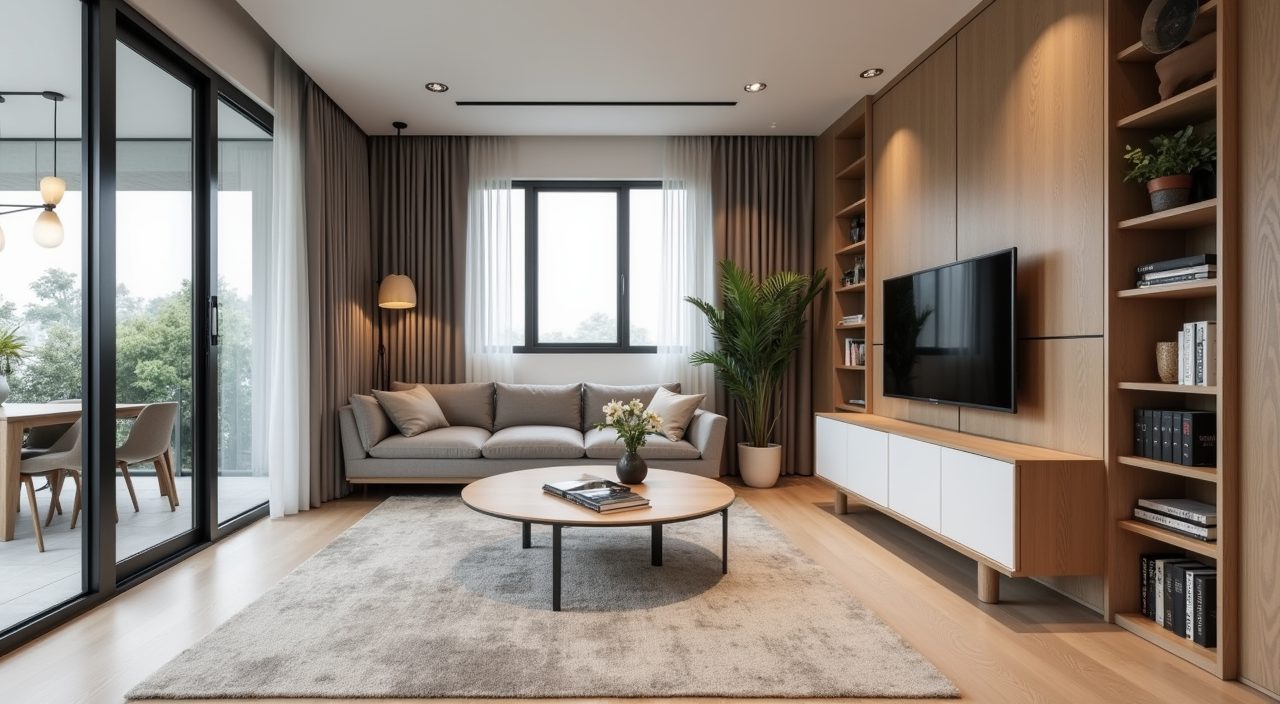
Renovating a landed home in Singapore is a bigger undertaking than an HDB flat or a condo unit. You own the structure and the land, so more of the building is fair game: external walls, the roof, the layout across multiple storeys, drainage, and sometimes the foundation. That freedom comes with more rules, longer timelines, larger budgets, and the need for qualified professionals such as a Qualified Person (a registered architect or professional engineer) for anything structural or that changes the building envelope.
In an HDB flat you work inside a fixed shell under HDB's renovation guidelines, and a condo unit is bounded by the MCST and the developer's structure. A landed property (terrace, semi-detached, or bungalow) is governed instead by URA planning rules and BCA building controls. That single difference reshapes almost every part of the project, from what you can knock down to how you plan the sequence of works.
What makes landed renovation different from HDB and condo?
The core difference is scope and authority. In a landed home you can alter the structure, extend the footprint, add or remove floors, change the roof, and reconfigure drainage, subject to approvals. HDB and condo owners mostly work within a fixed envelope and cannot touch structural or common elements.
- Approving bodies: URA and BCA for landed, versus HDB for flats and the MCST plus BCA for condos.
- Structural freedom: load-bearing walls, staircases, and the roof are often in scope for landed homes; in HDB and condo they are almost always off-limits.
- Footprint: landed owners can build extensions, attic conversions, or basements within plot ratio and setback limits; flats and condos cannot expand.
- Scale: a landed project spans multiple storeys and external works, so it is closer to a small building project than a unit refresh.
What approvals and rules apply to landed homes?
Most meaningful landed works need approvals before you start. Anything that changes the building envelope, adds gross floor area, or alters the structure typically requires URA planning approval and BCA building plan approval, submitted through a Qualified Person. Purely internal, non-structural cosmetic work usually does not, but you should confirm case by case.
Landed properties also carry planning parameters that dictate what you can build: allowable envelope controls, setback requirements from boundaries, storey height limits, and attic and basement rules. Conservation houses and homes in Good Class Bungalow areas face stricter controls, and works must respect party walls shared with neighbours.
- URA: planning approval for additions, extensions, envelope changes, and use changes.
- BCA: building plan and structural approval, plus permit to commence works for structural jobs.
- PUB: approvals where drainage, sewerage, or ground levels are affected.
- Engage a Qualified Person early; only they can lodge structural and planning submissions.
How much longer and more expensive is it?
Expect both timeline and budget to be materially higher than a flat. A significant landed renovation or an addition and alteration project commonly runs several months to well over a year, driven by approval lead times, structural works, and weather exposure on external elements. A light refresh is faster, but full reconfiguration and extensions are the slow, costly end.
Costs vary widely with condition, size, specification, and how much structural change you want, so treat any single figure with caution. As a rough guide, landed renovation is often quoted per square foot of built-up area, and a full rebuild-standard job sits far above a cosmetic update. Get itemised quotes and build in a contingency of around ten to fifteen percent for hidden issues, which older landed homes tend to hide.
What structural and building issues come up?
Older landed homes surface problems you rarely meet in a flat. Common ones include roof leaks, damp and rising moisture, timber decay, outdated or unsafe wiring, undersized incoming power, aging or corroded pipework, and settlement cracks. Any of these can widen the scope once work begins.
Because you control the whole building, coordination matters more. Roofing, waterproofing, structural steel or concrete, drainage, and the wet trades all have to be sequenced correctly, and a mistake in one trade can cascade. This is where experienced project management earns its keep.
How do electrical and plumbing differ in a landed home?
A landed home usually has a larger and more complex services layout than a flat: more circuits, multiple storeys of runs, external and garden points, water heaters, and often a bigger incoming supply. Rewiring an older house and upgrading the distribution board is frequently part of the job, and any work on the incoming supply must be done by a Licensed Electrical Worker to meet SP and EMA requirements.
Plumbing and sanitary work is also broader, covering multiple bathrooms, kitchens, external taps, and sometimes new drainage lines or pump systems. Works that connect to the public sewer or water main must be carried out by a PUB-licensed plumber. Planning these services alongside the structural design, rather than after, avoids expensive re-chasing of finished walls.
How do I get a landed renovation done properly?
Start with a clear scope and a realistic budget, then engage the right people early: a Qualified Person for approvals and structure, and a contractor who has genuinely handled landed projects, not only flats. Ask to see comparable past work, confirm licensing for electrical and plumbing, and get a written itemised quotation and schedule before committing.
A contractor who handles renovation, electrical, and plumbing under one roof simplifies coordination on a landed job, since the trades that most often clash are managed together rather than blamed on each other. If you want the full renovation planned and executed with the structural, electrical, and plumbing work coordinated from the start, our renovation service is built for exactly this kind of multi-trade landed project.
Frequently asked questions
Do I need URA and BCA approval for landed renovation? For structural changes, extensions, added floor area, or anything that alters the building envelope, yes: these go through a Qualified Person to URA and BCA. Purely internal, non-structural cosmetic work usually does not need approval, but confirm your specific case before starting.
How long does a landed renovation take in Singapore? A light refresh can take a couple of months, while a major addition and alteration or full renovation often runs from around six months to well over a year, since approvals, structural works, and external weather-exposed jobs all add time.
Is landed renovation more expensive than HDB? Yes, usually significantly more. You are dealing with more structure, more storeys, external works, and larger electrical and plumbing systems, so both the scope and the professional fees are higher. Always get itemised quotes and keep a contingency for hidden problems.
Can I do the electrical and plumbing work myself? No. Work on the incoming electrical supply must be done by a Licensed Electrical Worker, and connections to the public water and sewer network must be done by a PUB-licensed plumber. Doing this yourself is unsafe and against regulations.