
LVT vs SPC Vinyl Flooring: What the Terms Really Mean and Which to Pick
LVT and SPC both are vinyl flooring, but SPC has a rigid stone-plastic core. Here is what each term means and which suits your Singapore home.
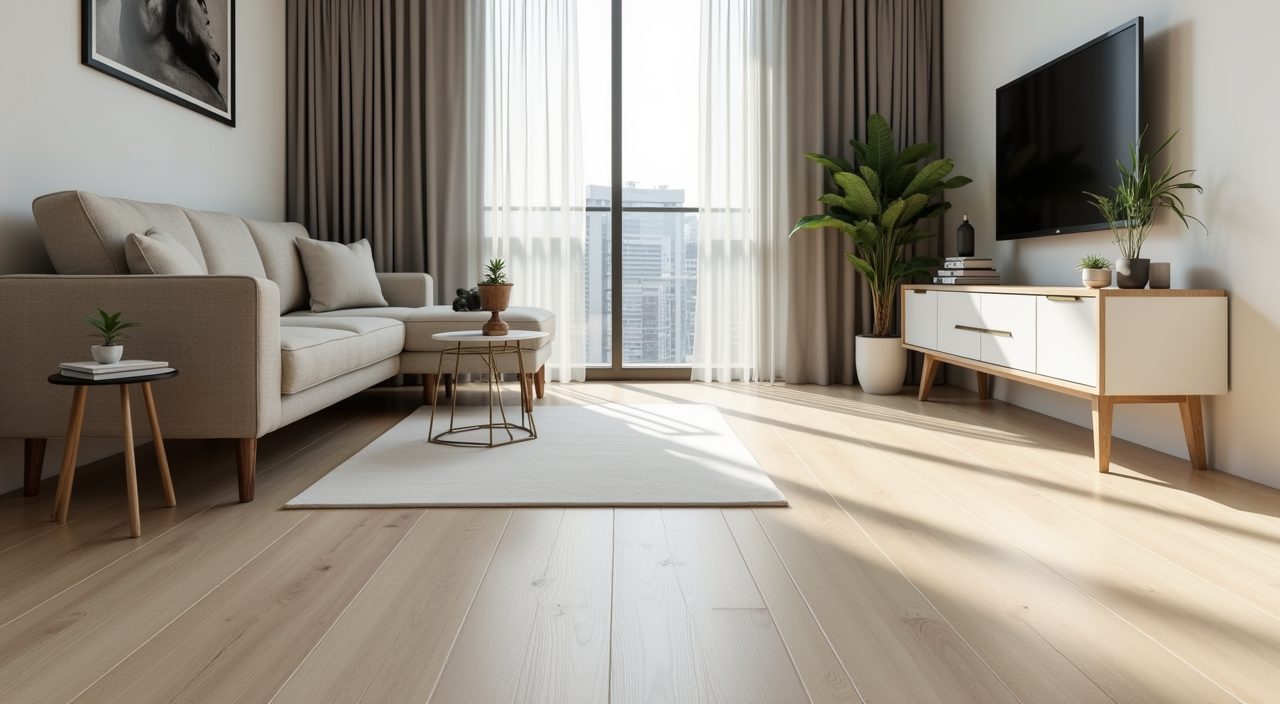
LVT and SPC are not really rivals; SPC is one type of LVT. LVT stands for Luxury Vinyl Tile, an umbrella term for premium plank or tile vinyl flooring that prints a wood or stone look on a wear layer. SPC stands for Stone Plastic Composite, which is a rigid-core version of LVT built around a dense limestone-and-plastic base. In most Singapore homes today, when someone says LVT they usually mean the older glue-down or flexible type, and SPC is the newer rigid click-lock type that many contractors now recommend by default.
The confusion is real because showrooms and suppliers use these labels loosely. One shop calls everything LVT, another splits it into LVT, SPC and WPC. What actually matters for your flat is the core construction, the thickness of the wear layer, and how it copes with our humidity and the occasional burst pipe. Get those three things right and the marketing name matters far less.
What does LVT actually mean?
LVT, or Luxury Vinyl Tile, describes multi-layer vinyl flooring made to look like timber or stone. A printed design film sits under a clear wear layer, bonded to a vinyl backing. The classic form is flexible and thin, laid either as glue-down planks or as a loose-lay type.
In everyday Singapore usage, LVT often refers specifically to this flexible, glue-down family. It is thinner, bends easily, and needs a very flat, well-prepared subfloor because any bump underneath will telegraph through over time.
- Flexible vinyl body, typically 2mm to 5mm thick
- Usually glued down to the screed or existing tile
- Needs a smooth, level subfloor to look good long term
- Feels a bit softer and warmer underfoot than rigid boards
What does SPC mean, and how is it different?
SPC stands for Stone Plastic Composite (some brands say Stone Polymer Composite). The core is a rigid board made from powdered limestone mixed with PVC and stabilisers, which makes each plank stiff rather than bendy. On top sits the same kind of printed layer and clear wear layer you get on LVT, often with an attached foam or cork underlay.
Because the core is rigid and dimensionally stable, SPC planks click together and float over the subfloor without glue. That rigidity means the boards hide minor subfloor imperfections better and are less likely to shrink or expand dramatically when the aircon goes on and off.
- Rigid stone-and-plastic core, planks stay stiff and flat
- Click-lock, floating installation with no adhesive needed
- More forgiving over slightly uneven subfloors
- Better dimensional stability in our hot, humid climate
LVT vs SPC: which is better for a Singapore home?
For most HDB flats and condos, SPC is the easier, more resilient choice, which is why so many local renovation packages now default to it. The rigid core copes well with the temperature swings from constant aircon use, resists dents from furniture, and its click-lock system is faster to lay and easier to replace board by board.
Flexible glue-down LVT still has its place. It can feel softer underfoot, works nicely over a genuinely flat screed, and is sometimes chosen for thin door thresholds or where a very low floor build-up is needed. If you are unsure, think about your subfloor condition and how much abuse the floor will take.
- Choose SPC if: subfloor is slightly uneven, you want fast click-lock install, or the room sees heavy foot traffic and furniture
- Choose flexible LVT if: subfloor is already dead flat, you want the softest feel, or you need the thinnest possible profile
- Both handle spills far better than laminate, but neither is a licence to ignore a leaking pipe underneath
How well do LVT and SPC handle water in a wet climate?
Both LVT and SPC are waterproof at the plank surface, which is a real advantage over timber and laminate in humid Singapore. Spilled water, mopping and the odd wet slipper will not swell the boards the way they would ruin a laminate floor.
The catch is what happens underneath. Water that seeps through joints or from a plumbing leak can sit on the screed and breed mould or lift a floating floor. That is why waterproofing, proper skirting and sound plumbing behind the scenes matter as much as the flooring you pick, especially near kitchens, bathrooms and balcony doors.
What should you check before buying, whatever the name?
Ignore the label wars and read the spec sheet. The wear layer thickness, measured in mils or microns, tells you how much daily scratching the floor will shrug off. A thicker wear layer around 0.3mm to 0.5mm suits busy family homes; a thinner one is fine for light-use bedrooms.
Also look at total plank thickness, the locking system, whether an underlay is pre-attached, and the fire and emission ratings. Ask the supplier for the actual figures rather than trusting words like premium or heavy-duty.
- Wear layer: thicker resists scratches and scuffs for longer
- Total thickness: affects feel, door clearance and how it hides subfloor flaws
- Locking system: quality click joints stay tight and quiet over time
- Underlay: pre-attached foam or cork improves comfort and reduces sound
Getting the floor installed properly
Vinyl flooring lives or dies on preparation. A rigid SPC floating floor forgives small dips, but it still needs a clean, dry, debris-free base and correct expansion gaps at the walls. Flexible glue-down LVT is even fussier; any hollow, hump or moisture in the screed will eventually show. Skirting, thresholds and transitions to other rooms all need to be planned before the first board goes down.
This is where using an experienced contractor pays off. A good team will assess your subfloor, sort out any levelling or waterproofing first, and lay the floor with the right gaps and trims so it stays flat and quiet for years. If you would like a clear breakdown of what the supply and installation is likely to cost for your flat, our pricing page walks through the typical ranges, and our team can quote your specific rooms.
Frequently asked questions
Is SPC the same as LVT? Not exactly. SPC is a rigid-core type of LVT, so all SPC is a form of luxury vinyl, but not all LVT is SPC. In common Singapore usage, LVT tends to mean the flexible glue-down type and SPC means the rigid click-lock type.
Can I lay SPC or LVT over my existing tiles? Often yes. Rigid SPC can usually float over sound, well-bonded tiles as long as the surface is reasonably flat and grout lines are not too deep. Flexible LVT usually needs those lines skim-filled first. A contractor should inspect the existing floor before confirming.
How long does vinyl flooring last in a HDB flat? With a decent wear layer and normal home use, expect many years of service, commonly in the region of a decade or more before it looks tired. Heavy traffic, dragged furniture and poor subfloor prep will shorten that.
Does vinyl flooring feel cheap or hollow? Good quality SPC with a pre-attached underlay feels solid and quiet underfoot. Cheap thin boards over a bad subfloor can sound hollow, which is why thickness, underlay and proper installation matter more than the brand name.