Modern Contemporary Bathroom Design Ideas for Singapore Homes
Practical modern contemporary bathroom design ideas for Singapore HDB flats and condos: palettes, layouts, lighting, storage and finishes that beat humidity.
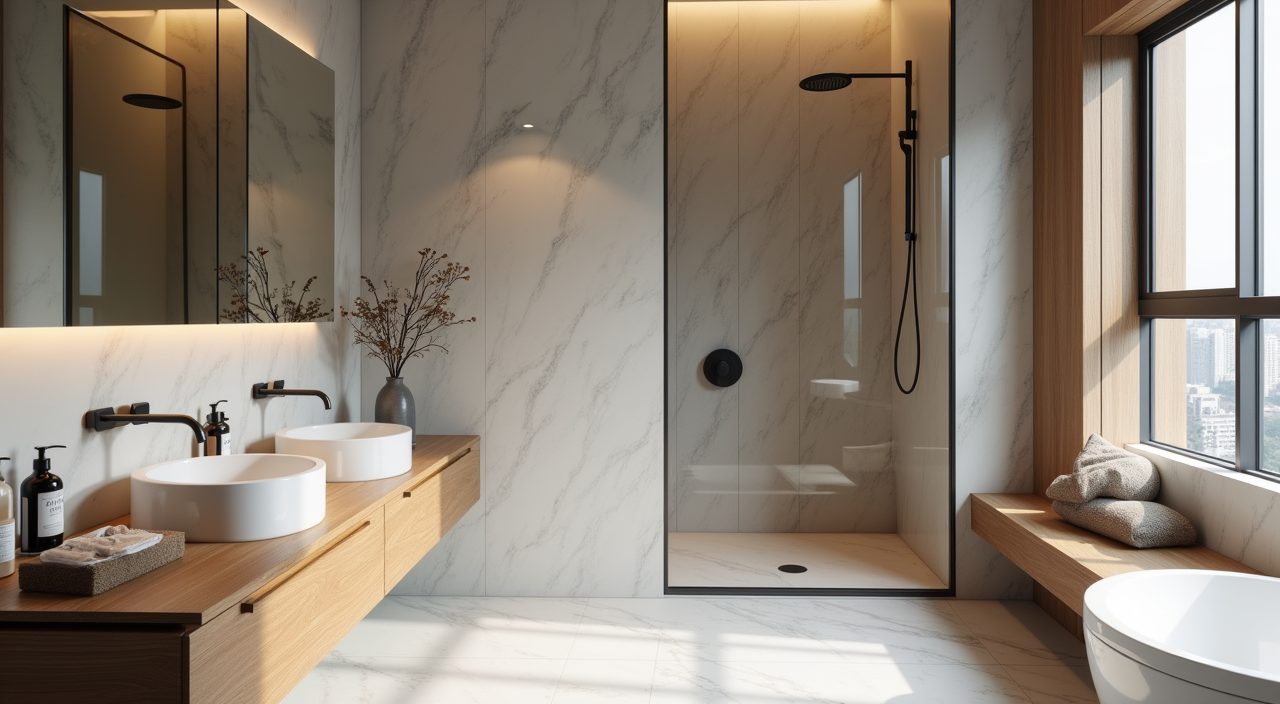
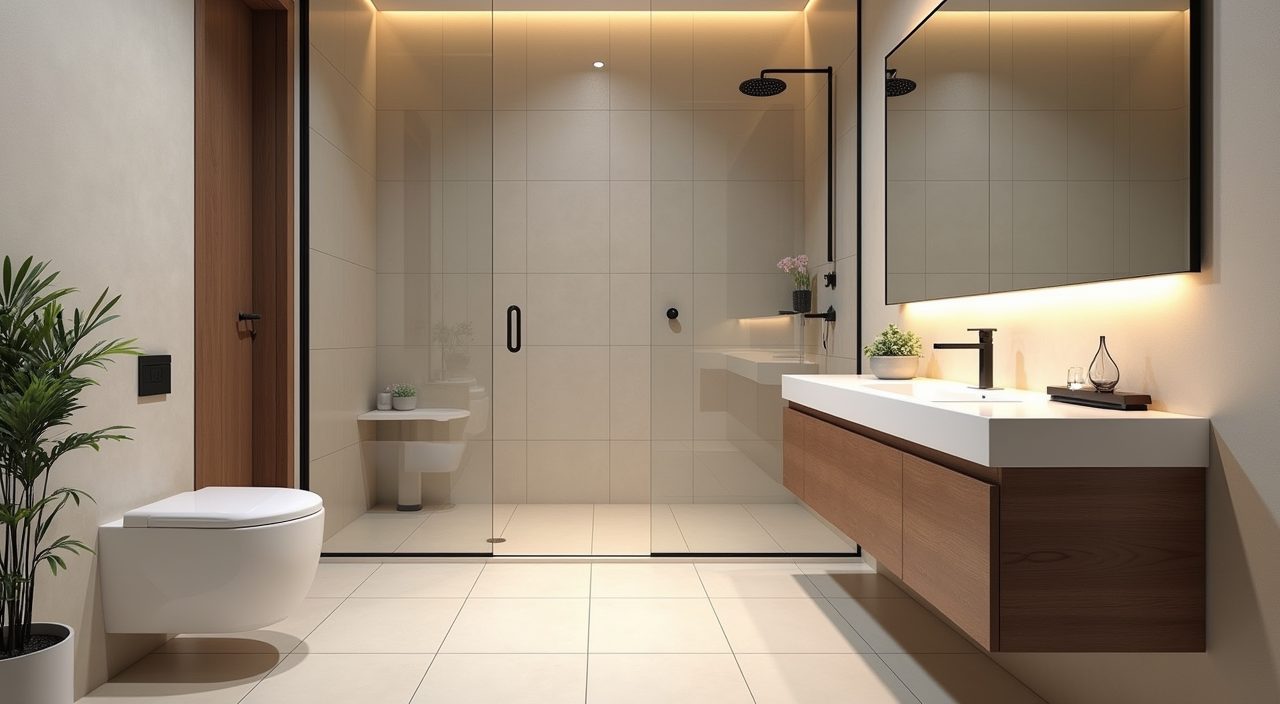
To design a modern contemporary bathroom well in Singapore, keep the palette calm and neutral, choose large low-maintenance surfaces like porcelain and microcement, and plan the layout around a wet and dry split so the whole room does not stay soaked. Then solve for the two things every local bathroom fights: limited floor area and constant humidity. Get ventilation, drainage and storage right first, and the pretty finishes will actually last.
Most Singapore bathrooms are small. A typical HDB common bathroom runs about 3 to 4 square metres, a master bath maybe 4 to 5, and even many condo bathrooms sit under 6. That means every design choice has to earn its place. Modern contemporary style suits this well because it leans on clean lines, hidden storage and a restrained material list, which reads as spacious rather than busy. The tropical climate then sets the hard constraints: warm damp air all year, so mould, rust and grout staining are the real enemies, not lack of trends.
Start with a warm neutral palette, not stark white
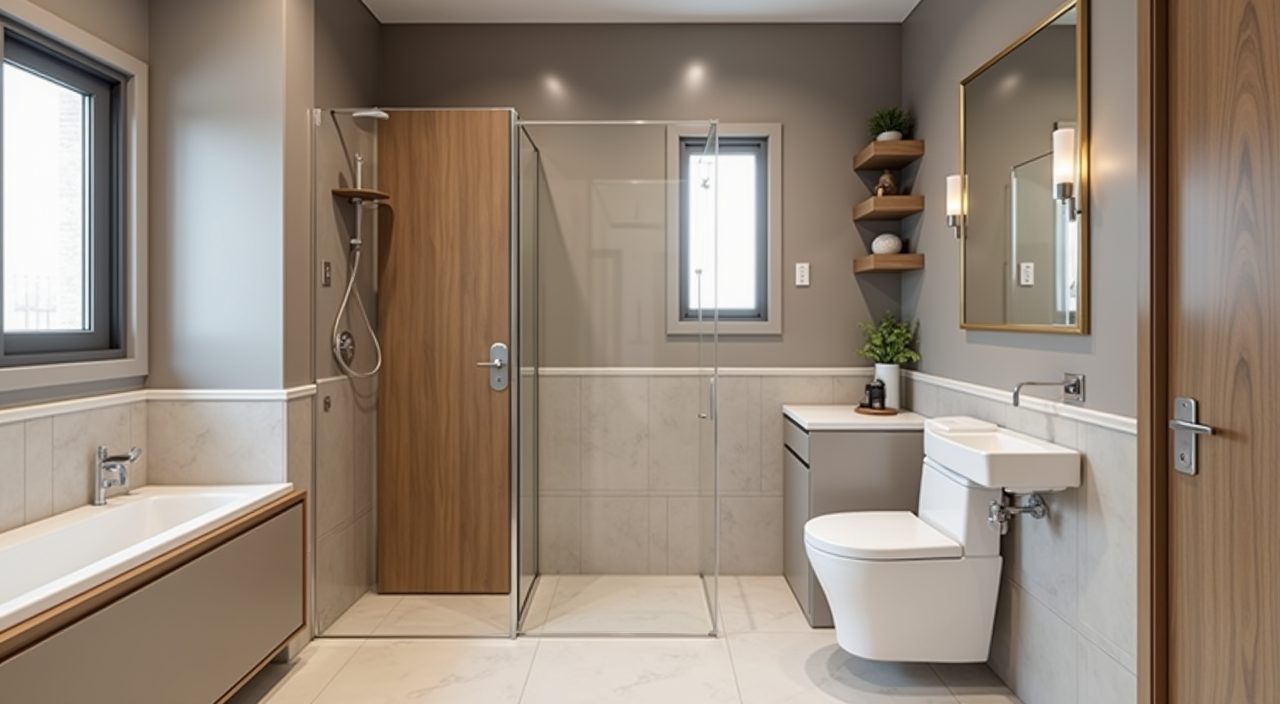
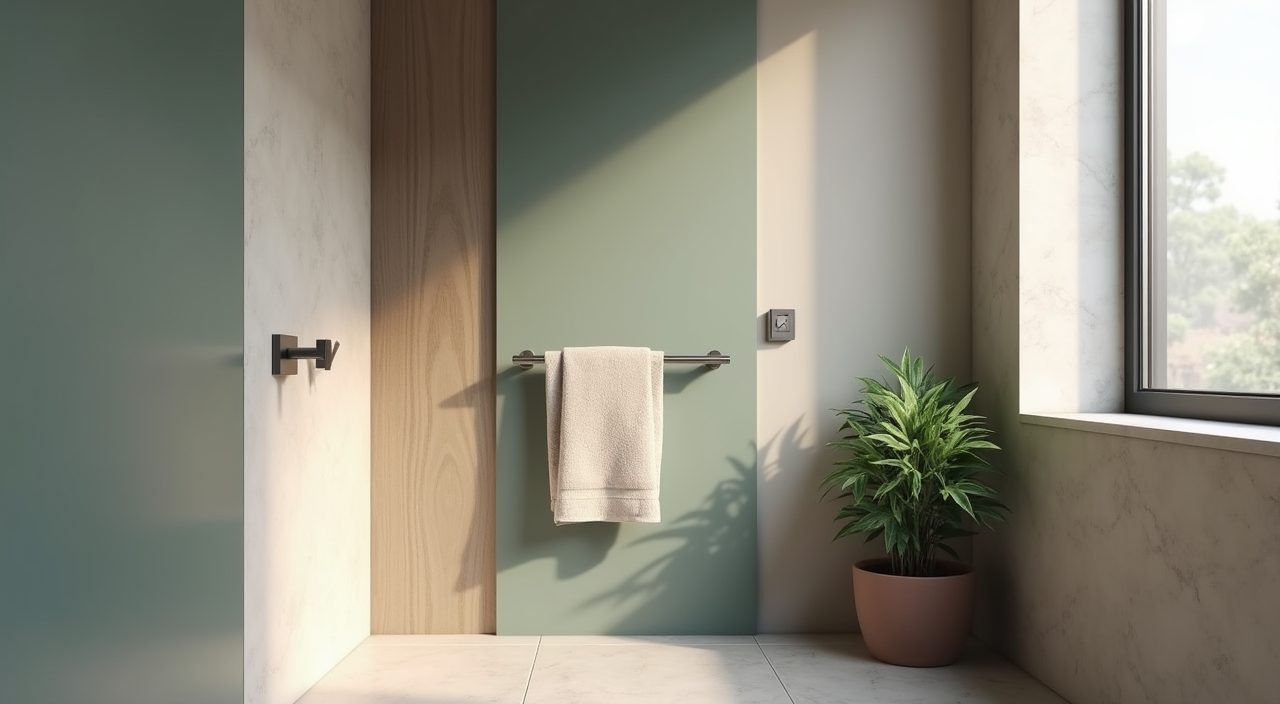
Contemporary does not mean cold. A base of warm greige, soft taupe or off-white on the walls, paired with a mid-tone floor, hides water spots and daily grime far better than a bright white that shows every splash. Add one grounding tone through the vanity or a feature wall, for example a smoky oak laminate, a matte charcoal, or a soft sage, so the room has depth without going loud.
Reserve true contrast for small doses: a dark tapware finish, a stone-look niche, or black-framed shower glass. In a compact HDB bathroom this keeps the eye moving without shrinking the space. If natural light is limited, which is common for internal bathrooms with only a small window or none, lean lighter and warmer overall so the room never feels like a cave.
Use large-format porcelain tiles to fake a bigger, seamless room
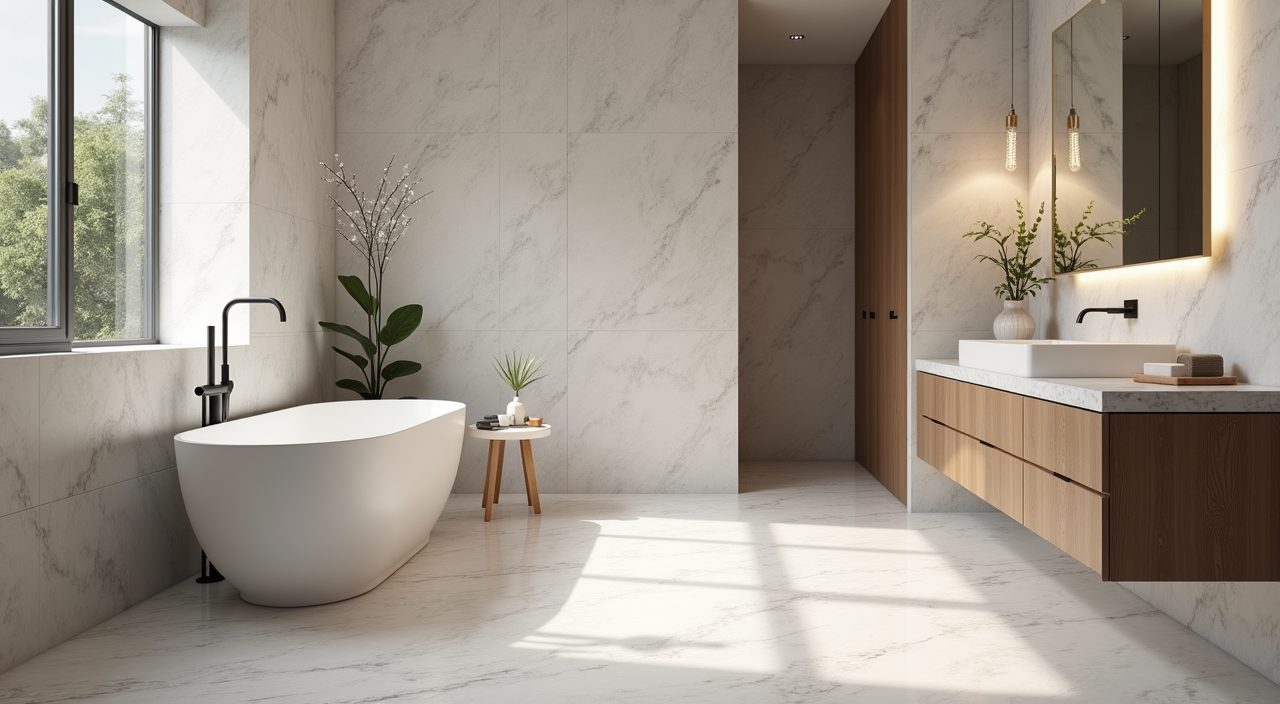
Big tiles mean fewer grout lines, and fewer grout lines mean less staining and a calmer, more expensive-looking surface. Formats like 600x600mm, 600x1200mm or larger porcelain slabs are widely stocked here and are the workhorse of contemporary Singapore bathrooms. Marble-look and travertine-look porcelain gives you the stone aesthetic without the sealing, etching and cost of real stone, which matters in a wet tropical room.
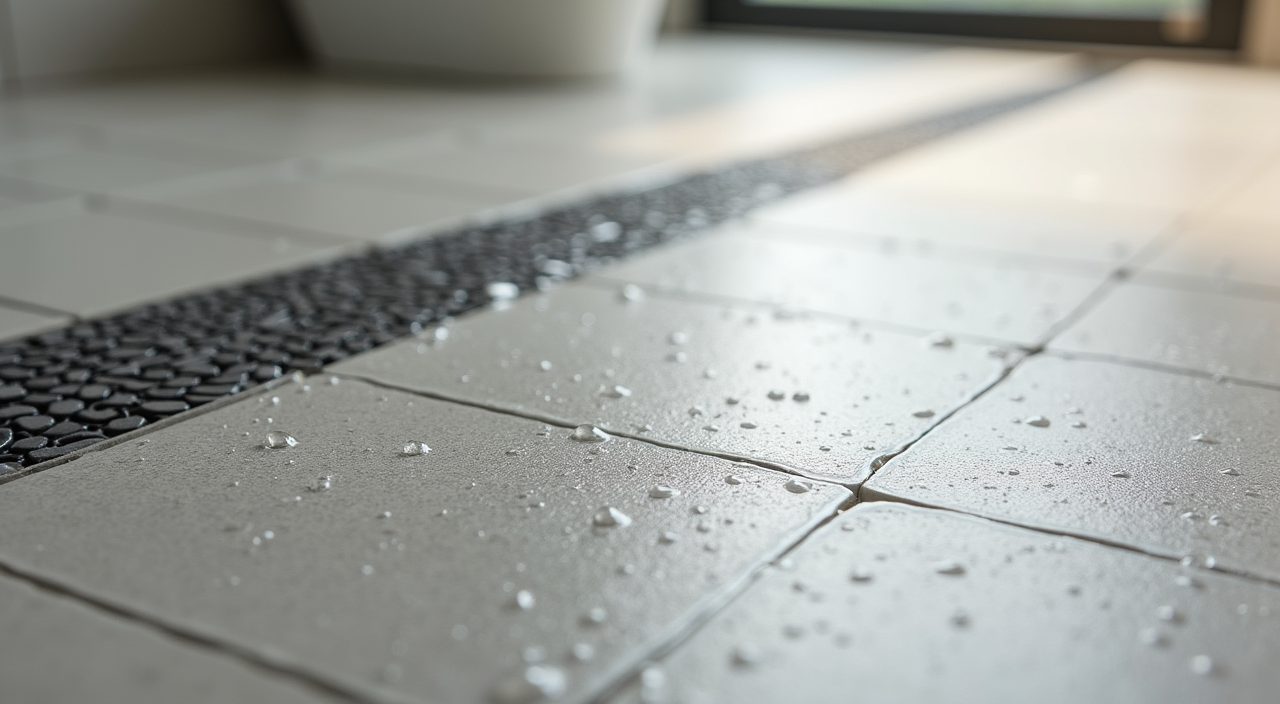
Run the same or a coordinating tile from floor up the walls to visually stretch a small bathroom. For the shower floor, switch to a smaller mosaic or a fine-textured tile so you get grip and enough grout for slip resistance where it counts.
- Floors: matte or textured finish for grip, never high-gloss when wet.
- Walls: large-format for a seamless look and easy wiping.
- Shower base: smaller mosaic or grooved tile for drainage and traction.
- Grout: epoxy or a stain-resistant grout to fight tropical mould.
Split wet and dry zones so the room stays usable
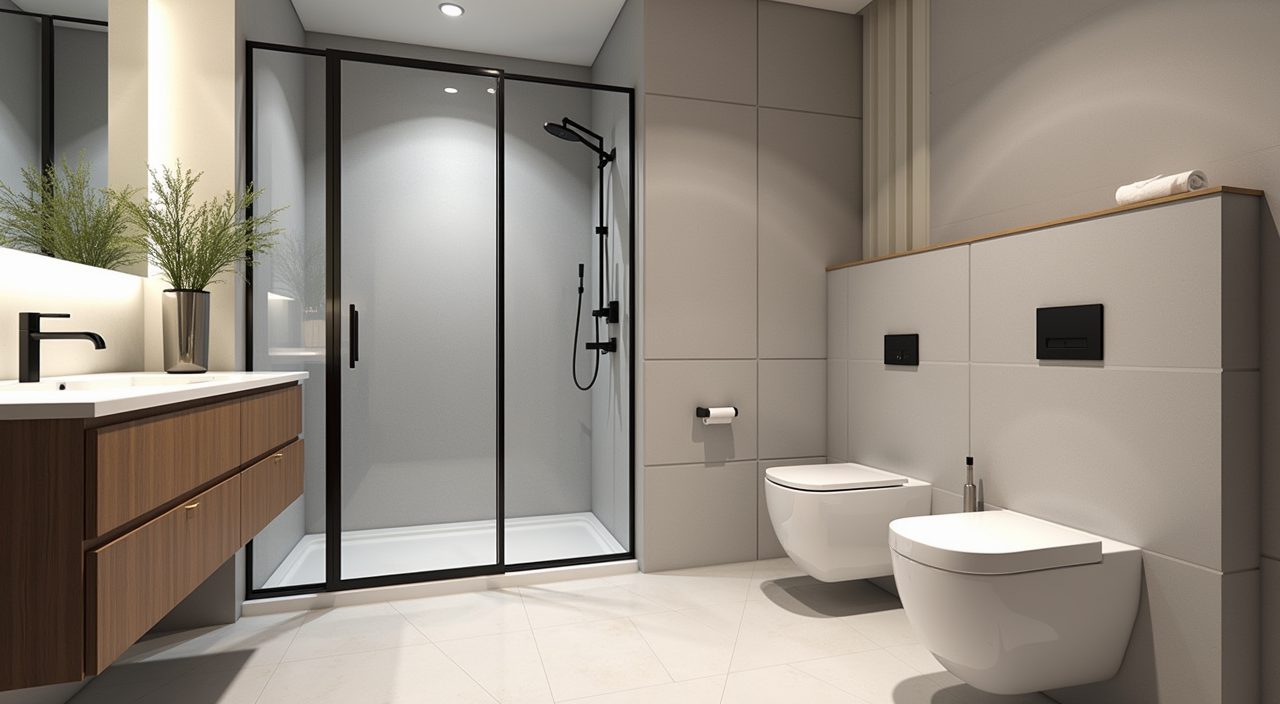
The single most practical move in a Singapore bathroom is separating the shower from the rest of the room with a glass screen or partition. It keeps the vanity, WC and floor dry, cuts down on slipping, and slows how fast humidity attacks everything else. Even in a tight HDB layout, a single fixed glass panel (a walk-in style screen) takes almost no space and delivers most of the benefit.
Frameless or slim black-framed glass suits the contemporary look and avoids the boxed-in feel of a full enclosure. If floor area is very tight, angle the screen or use a shorter fixed panel rather than trying to fit a swing door that needs clearance you do not have.
Choose a wall-hung vanity and floating storage
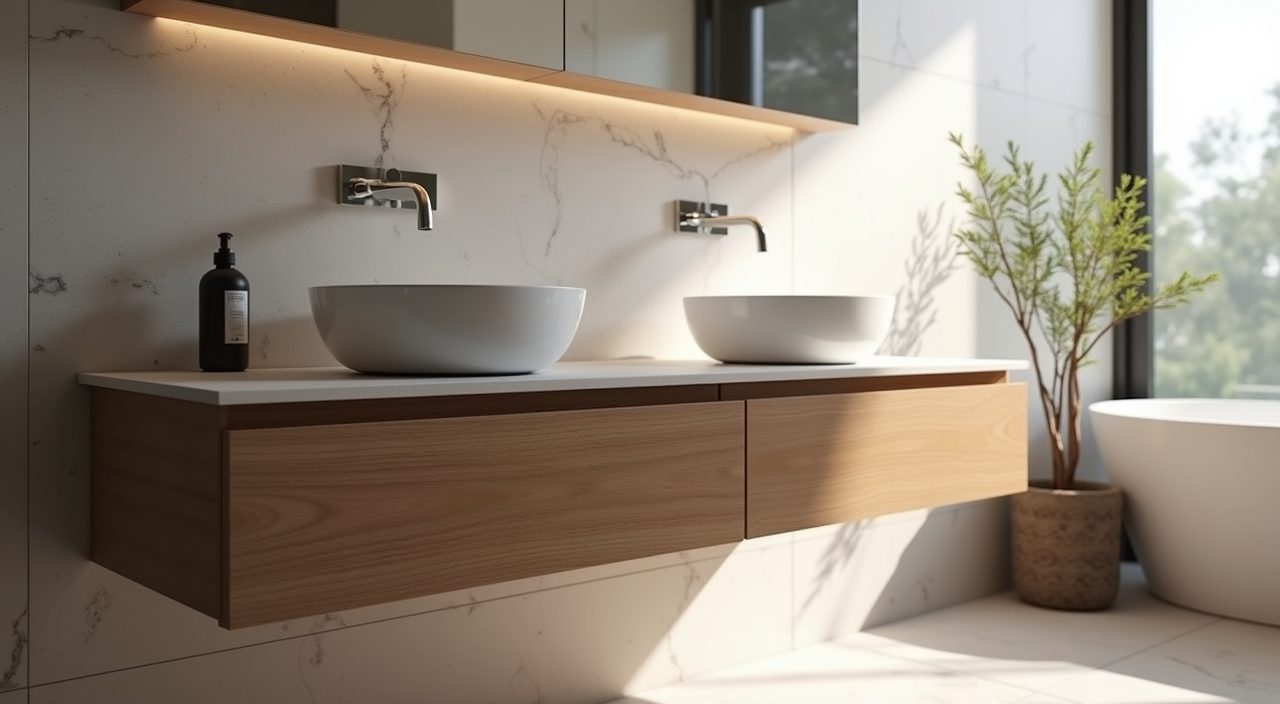
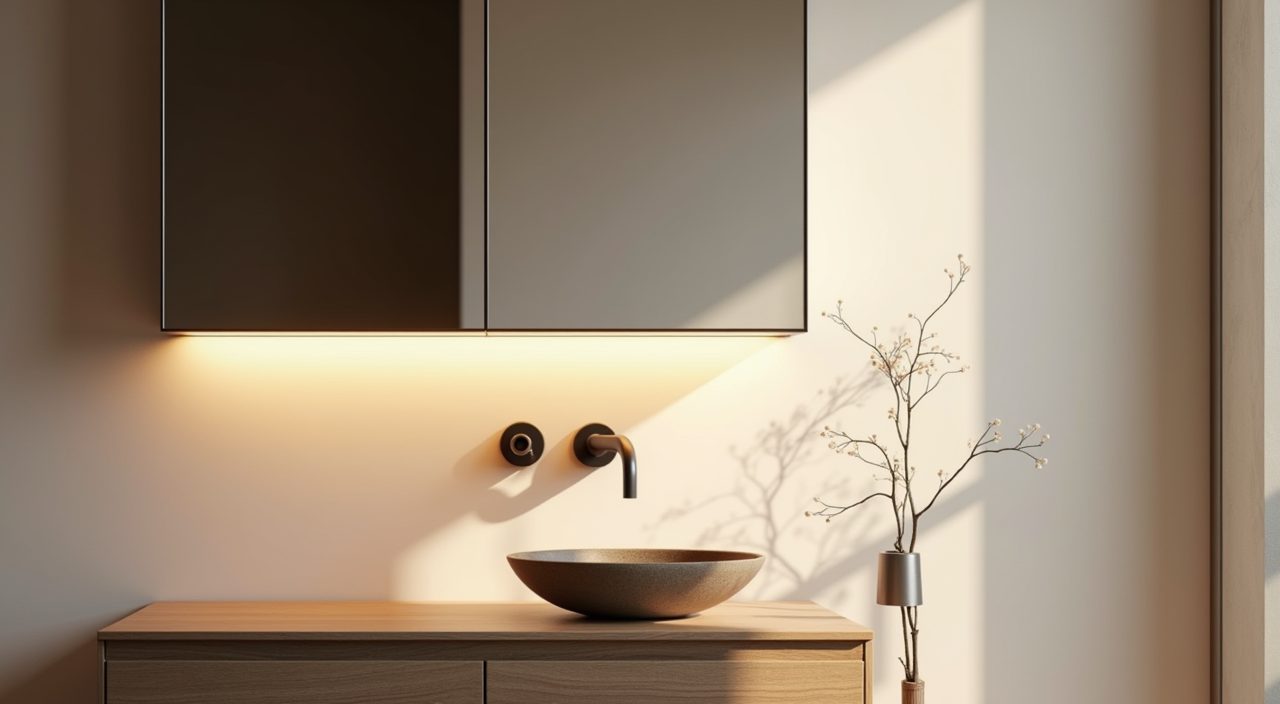
A wall-hung vanity is one of the highest-impact contemporary choices for a small local bathroom. Lifting the cabinet off the floor exposes more tile, which makes the room read larger, and it removes the grimy gap where water and hair collect at the skirting. It also makes floor cleaning genuinely easier, which matters when the floor is wet often.
Pick moisture-rated carcass materials. Marine plywood or a quality aluminium or PVC cabinet body handles Singapore humidity far better than untreated MDF or chipboard, which swells and delaminates over time. Pair it with a slim countertop basin or an under-mount for a clean line, and add a mirror cabinet above to reclaim storage you would otherwise lose.
Build a recessed niche instead of bulky shelves
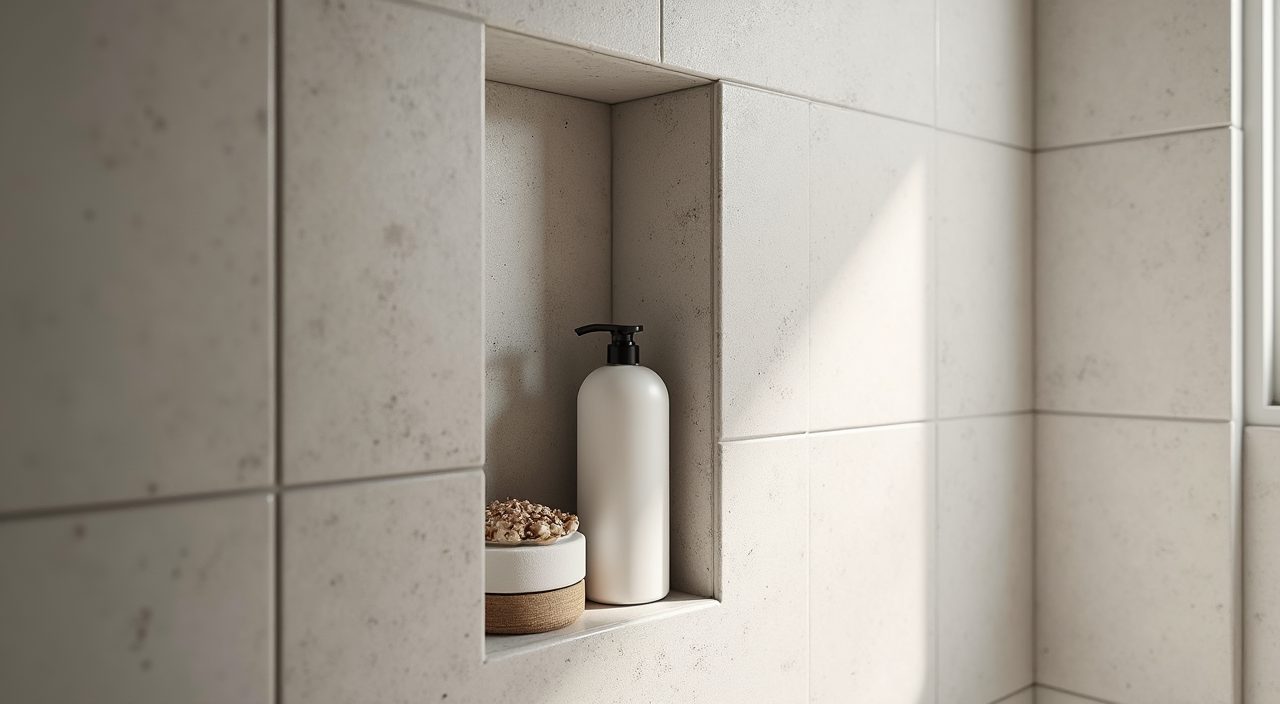
Bottles on the floor or on a suction caddy that eventually falls are the default in most flats. A recessed wall niche in the shower, tiled to match, gives you a permanent, clutter-free spot for shampoo and soap without anything protruding into an already narrow space. It looks deliberate and high-end, and it collects far less gunk than open metal racks that rust in the humidity.
Plan the niche early, since it needs to sit between wall studs or within the wet-wall build and be waterproofed properly. A single generous niche, or a tall vertical one, usually beats several small ones both for looks and for fitting large bottles.
Layer the lighting: bright, warm and glare-free
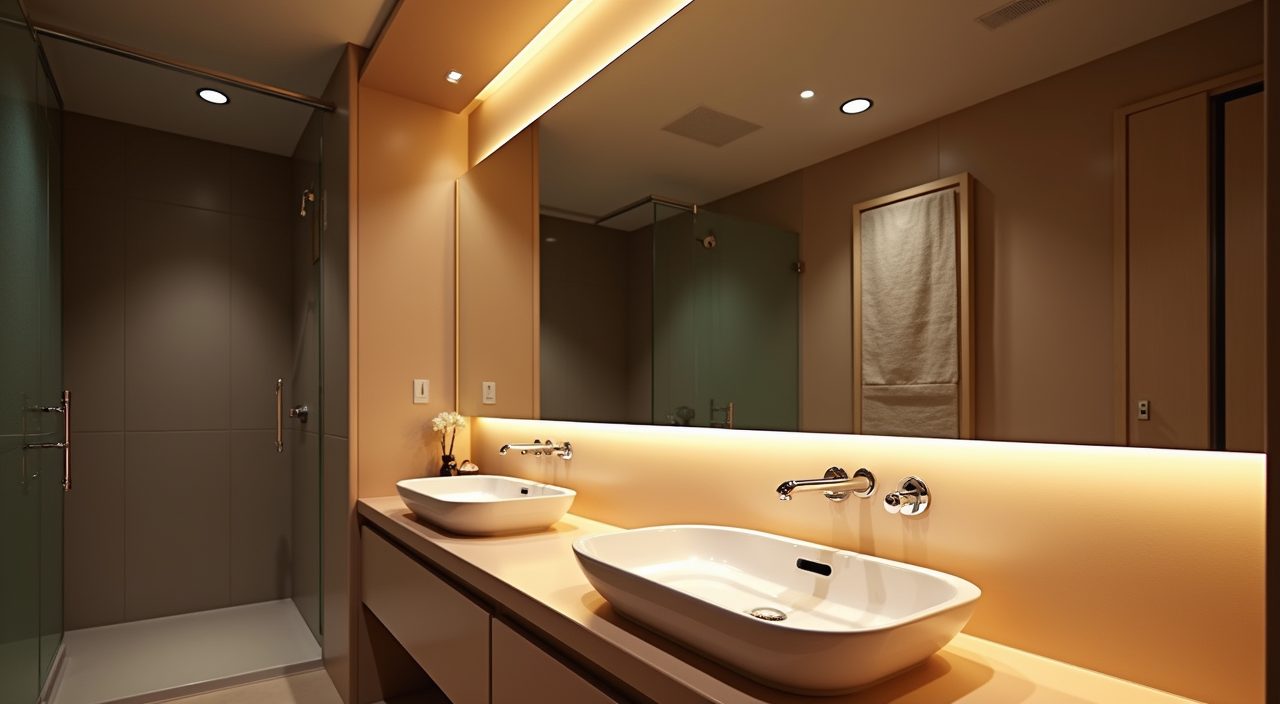
Contemporary bathrooms rely on good light rather than decoration. Aim for a bright, even general layer plus a dedicated light at the mirror so faces are lit from the front, not just from a downlight overhead that casts shadows. A warm-white colour temperature around 3000K to 4000K flatters skin and feels calm, while very cool blue-white light tends to look clinical.
Use IP-rated fittings in and near the shower, since that is a legal and safety point in wet zones, and consider an LED strip under the floating vanity or behind the mirror for a soft glow that also acts as a gentle night light. Keep fittings recessed or slim to match the clean aesthetic.
Get ventilation right, because humidity is the real design problem
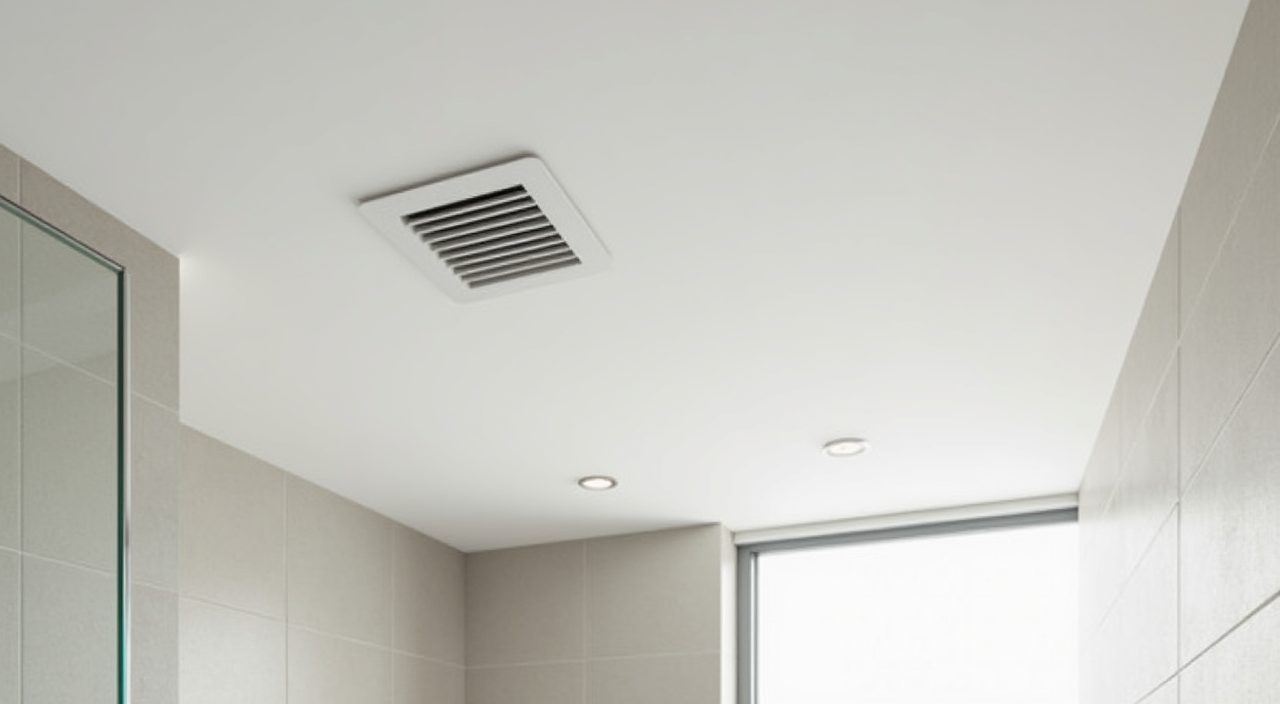
No finish survives a badly ventilated Singapore bathroom. A good exhaust fan, or a well-sized existing vent kept clear, pulls damp air out so mould does not take hold on grout, silicone and ceilings. If your bathroom has a window, use it, but do not rely on it alone in a humid climate. For internal bathrooms with no window, a quality mechanical fan is non-negotiable.
Choose finishes that forgive moisture: porcelain over natural stone, powder-coated or PVD-finished tapware over cheap chrome that pits, and quality silicone that resists blackening. This is the least glamorous part of a contemporary bathroom, and it is the part that decides whether the room still looks good in three years.
Pick tapware and hardware finishes with intent
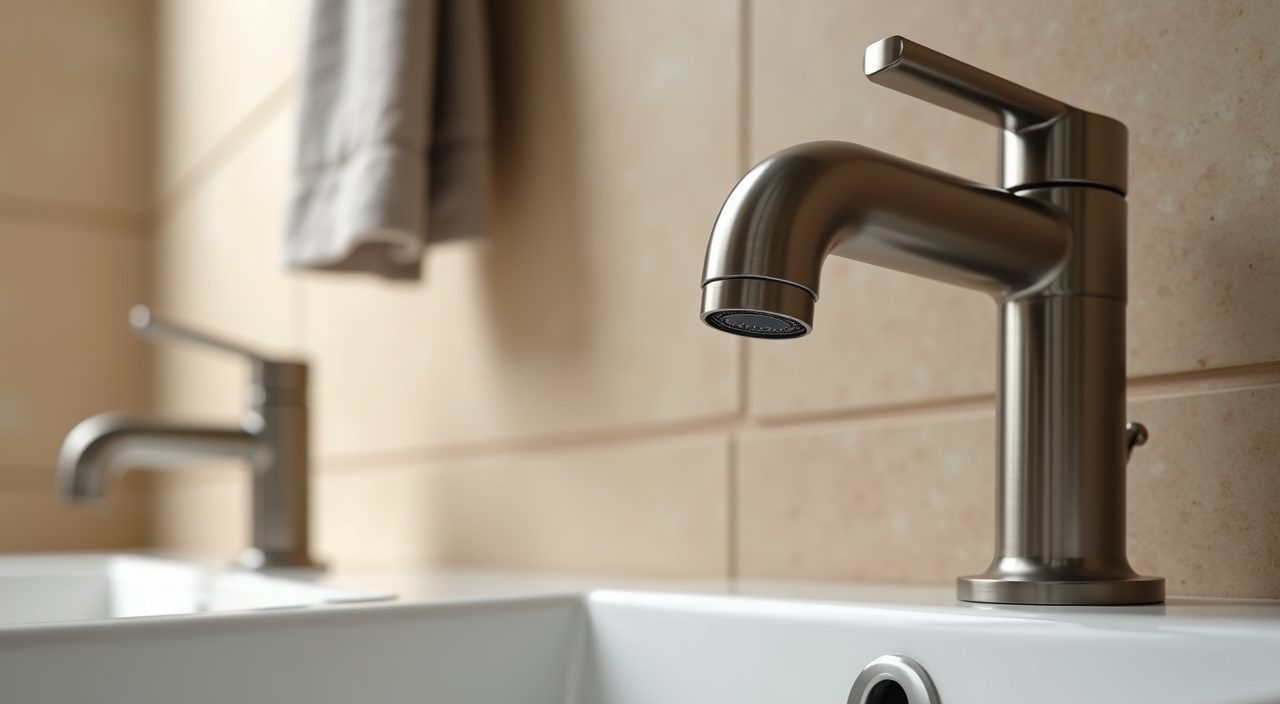
Fixtures are the jewellery of a contemporary bathroom, so keep them consistent. Matte black is popular and looks sharp, but it shows water marks and needs wiping; brushed nickel and gunmetal hide spots better and still feel modern. Whatever you choose, match the tap, shower set, towel bar, robe hook and drain so the room feels designed rather than assembled from whatever was on offer.
Prioritise finish quality over trend. In Singapore's humidity, a well-made PVD or powder-coated finish resists corrosion far longer than a bargain fitting that looks identical on day one and starts spotting or peeling within a year.
What to plan and budget for
Budget for the hidden work first: waterproofing, plumbing changes, tiling and ventilation usually cost more than the visible fixtures, and they are what protect your home from leaks and mould. A cosmetic refresh (retiling, new vanity, new tapware, glass screen) sits at the lower end, while a full hack-and-rebuild that moves plumbing or the WC position costs considerably more and takes longer. Buying better on the things you cannot easily redo, like waterproofing membrane, drainage falls and the shower screen, saves money over the life of the bathroom.
Get quotes on the actual scope, not a vague brief, so you are comparing like for like: number of tiles to hack, whether the WC or basin moves, waterproofing area, and fixtures supplied. If you want a modern contemporary bathroom design Singapore renovation done properly, engage a contractor who can handle waterproofing, tiling, plumbing and electrical together, since a bathroom touches all of them and coordination is where most projects go wrong.
Frequently asked questions
How small is too small for a modern contemporary bathroom in Singapore? No standard HDB or condo bathroom is too small. The style actually suits compact rooms, since clean lines, large-format tiles, a wall-hung vanity and a single glass shower screen all make 3 to 5 square metres feel bigger and less cluttered.
Should I use real marble in a Singapore bathroom? Usually not for a wet, humid room. Real marble stains, etches and needs sealing, which is high-maintenance in the tropics. Marble-look porcelain or a large porcelain slab gives the same contemporary look with far less upkeep and lower cost.
What is the best flooring for a wet tropical bathroom? Matte or textured porcelain is the reliable choice: it resists water, is easy to clean, and provides grip when wet. Use a smaller-format tile or mosaic in the shower base for extra traction and proper drainage.
Do I need to hack everything to renovate my bathroom? Not always. If the layout works and the waterproofing is still sound, a cosmetic refresh of tiles, vanity, tapware and shower screen can transform the look at lower cost. A full hack is mainly needed when you are moving plumbing, changing the WC position, or the existing waterproofing has failed.