
Bathroom Design Ideas in Singapore
The best approach for a Singapore bathroom is to lock the layout and waterproofing first, then choose a style that fits your home type and the way you actually use the space. In an HDB or condo the room is small and almost always internal or naturally humid, so the wins come from a sensible wet-and-dry split, materials that shrug off moisture, and lighting and storage that make three or four square metres feel calm rather than cramped.
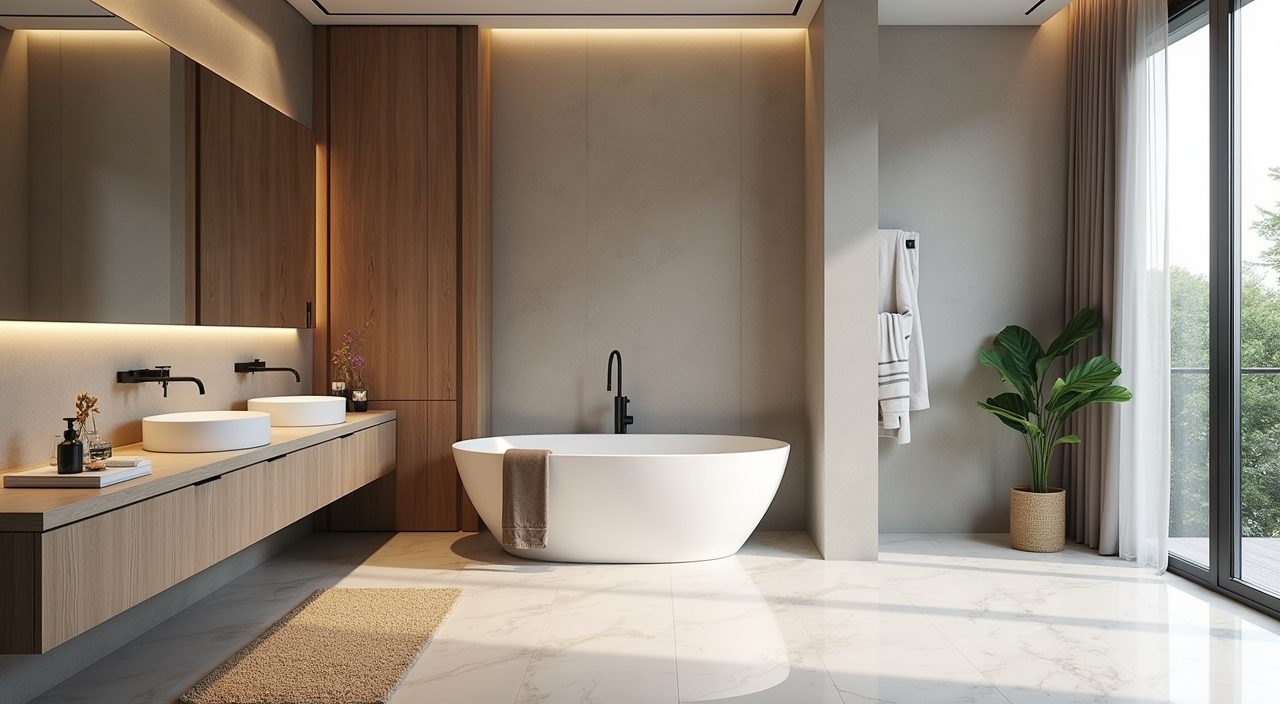
Below we group ideas two ways: by style (Scandinavian, Minimalist, Japandi, Modern Contemporary, Industrial, Muji, Modern Luxury, Mid-Century) and by home type (HDB, BTO, condo, resale flat, landed), including tight small-space layouts. Start with the constraints of your flat, then borrow the look you like. The individual posts linked further down go deeper on each one.
Plan the space before you plan the look
Most Singapore bathrooms are 3 to 5 square metres, so the layout decides how the room feels far more than the tiles do. Fix the position of the three fixtures (toilet, basin, shower) early, because moving soil pipes and floor traps is the expensive, disruptive part of any bathroom hack. In HDB flats the concrete floor and existing pipe positions limit how far you can shift things, which is why most successful renovations work with the original footprint rather than fighting it.
The single most useful idea for a small SG bathroom is a wet-and-dry separation: a glass screen or half-wall keeps the shower zone from soaking the basin and toilet, so the dry area stays usable and dries faster. It also cuts down the slip risk on wet tiles. If the room is too tight for a full screen, even a fixed glass panel beside the shower makes a real difference.
Whatever style you choose, sort waterproofing and falls to the floor trap before anything decorative. This is the one layer you cannot fix later without tearing out the finished room, and it is what protects the unit below you in an HDB block or condo stack.
- Keep the existing pipe and floor-trap positions where you can; relocating them drives cost and mess.
- Add a wet-and-dry split with glass or a low kerb so the dry zone stays dry and safe.
- Confirm waterproofing membrane and floor gradient before tiling; this is non-negotiable in stacked housing.
Materials and finishes that survive the tropics
Singapore bathrooms live in constant humidity, and many HDB and condo bathrooms have no window at all, so materials have to cope with moisture that never fully clears. Large-format porcelain or ceramic tiles are the workhorse: fewer grout lines means less mould to scrub and a cleaner, larger look in a small room. Matte or lightly textured floor tiles give grip when wet, while walls can go glossy to bounce light around a windowless space.
Grout and sealant are where tropical bathrooms fail first. Use a quality grout, seal natural stone if you insist on it, and expect to re-silicone corners every few years. Real timber, solid brass with a raw finish, and untreated stone all struggle here; where a style calls for warmth or metal, lean on moisture-tolerant stand-ins such as timber-look porcelain, treated plywood or laminate for vanities kept out of the splash zone, and PVD-coated or powder-coated tapware that resists spotting.
Ventilation is a material decision in disguise. A working exhaust fan, or better still one on a timer, is what keeps a windowless HDB bathroom from turning black at the ceiling. No finish survives a room that never dries, so budget for airflow the same way you budget for tiles.
- Large-format matte floor tiles for grip and fewer grout lines.
- Timber-look porcelain instead of real wood for a warm Japandi or Muji feel.
- PVD or powder-coated tapware and fittings to resist water spots and corrosion.
- A timer-controlled exhaust fan for internal, windowless bathrooms.
Lighting and storage for small, humid rooms
Many SG bathrooms get little or no daylight, so layered artificial light does the heavy lifting. Combine a general ceiling light with a dedicated light at the mirror (either side or from above) so shaving and makeup are not lit by a single shadow-casting downlight. Choose warm-neutral colour temperature around 3000K to 4000K for a natural skin tone, and make sure any fitting near the shower is rated for damp or wet zones.
Storage is where small bathrooms are won or lost. A mirror cabinet gives you a full wall of hidden storage without eating floor space, and a wall-hung vanity keeps the floor visible so the room reads larger and mops more easily. A recessed niche in the shower wall, formed during tiling, holds bottles without a single drilled hole and no rusting caddy.
For genuinely tiny layouts common in older resale flats and studio condos, go vertical and go floating: tall narrow cabinets, over-toilet shelving, and hooks instead of bulky rails. Every item lifted off the floor buys back both visual space and easier cleaning in a room that is always a little damp.
- Layer ceiling light plus a mirror light at 3000K to 4000K.
- Use damp/wet-rated fittings anywhere near the shower.
- Mirror cabinet plus wall-hung vanity to free up floor space.
- Build a recessed shower niche during tiling instead of using a hanging caddy.
Match the style to your home and how you live
Once the practical layer is sorted, the style is the fun part, and each one suits a slightly different home and temperament. Scandinavian, Muji and Japandi lean light, warm and pared-back, which flatters small HDB and BTO bathrooms and hides the fact that the room is tiny. Minimalist and Modern Contemporary keep surfaces clean and monochrome, easy to keep looking sharp in a compact space. Industrial (concrete-look tiles, black tapware, exposed lines) reads well in larger condo or landed bathrooms where the raw look has room to breathe.
Modern Luxury and Mid-Century want a bit more space and budget: stone-look surfaces, brass or bronze tones, and a freestanding tub or double vanity that a landed or larger condo bathroom can actually accommodate. In an HDB, you can still borrow the palette (a marble-look tile, a warm metal tap) without the footprint. The trick is to take the mood of a style and scale it to the room you have.
Have a browse through the specific ideas below. Each linked post covers one style or one home type in detail, with layouts, palettes and finish combinations worked out for Singapore conditions, so you can see how a look actually lands in an HDB, a BTO, a condo, a resale flat or a landed home before you commit.
Explore Bathroom styles
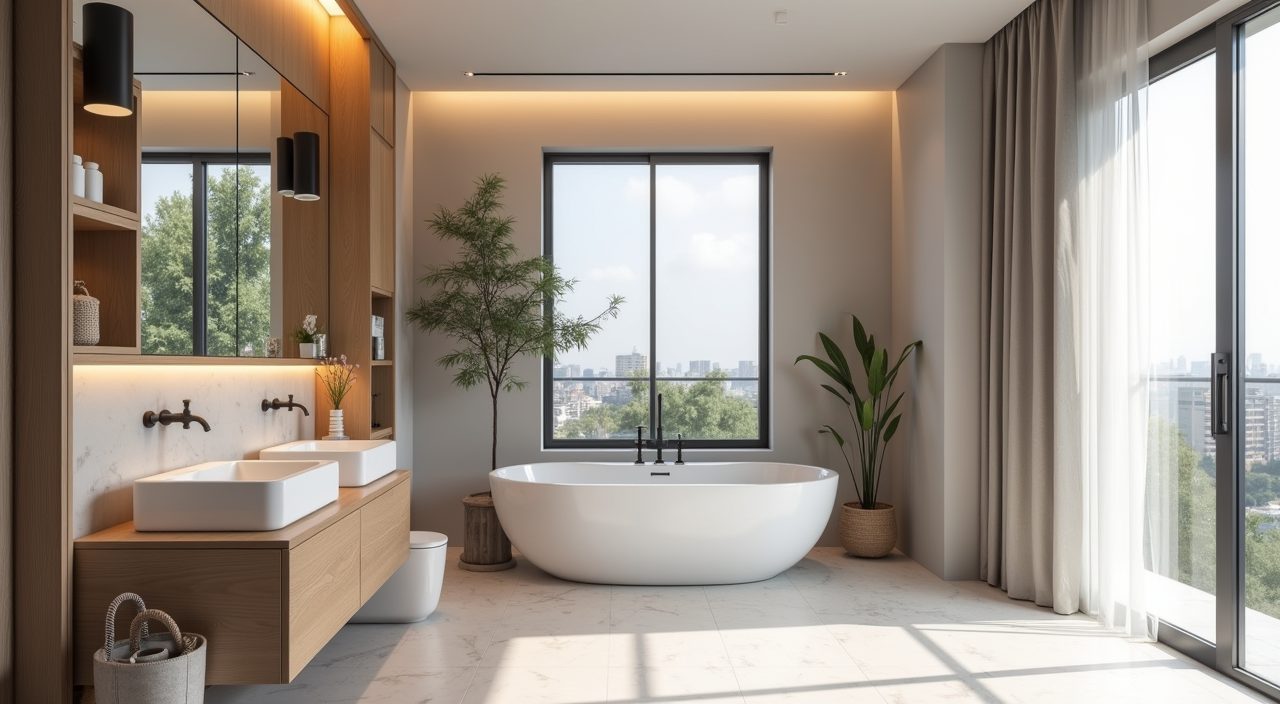 Scandinavian Bathroom Design Ideas for Singapore Homes
 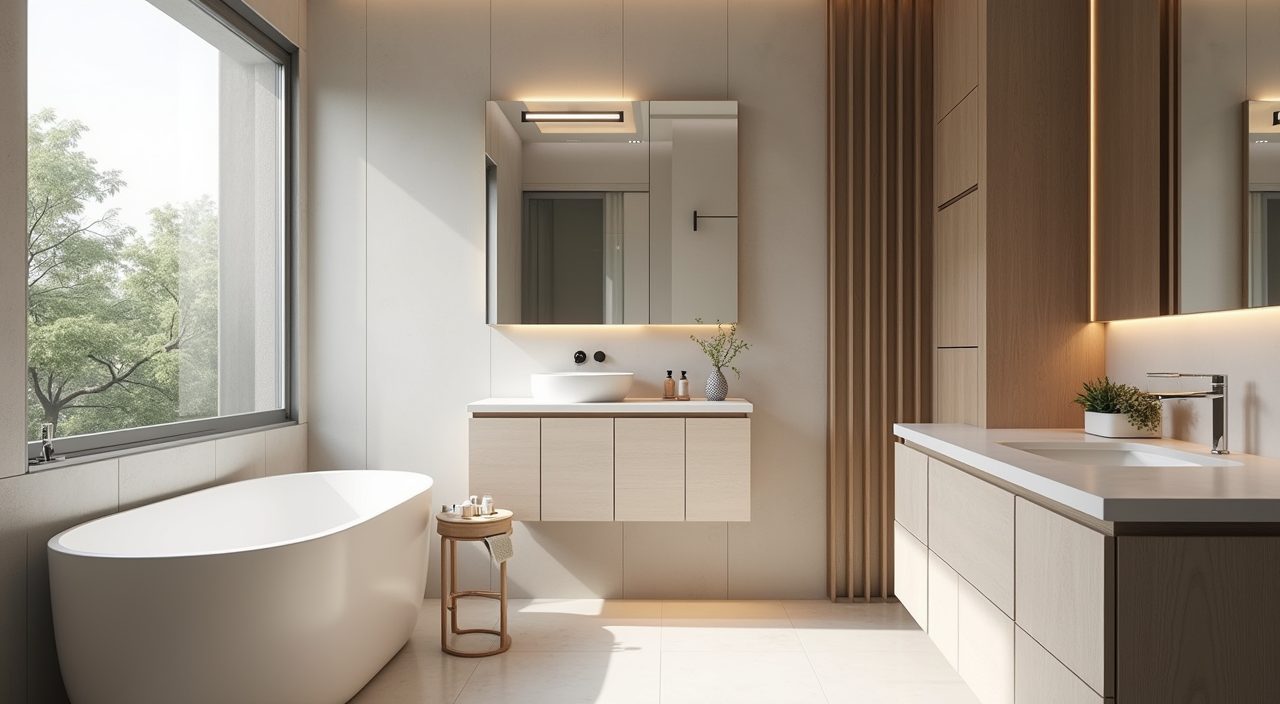 Minimalist Bathroom Design Ideas for Singapore Homes
 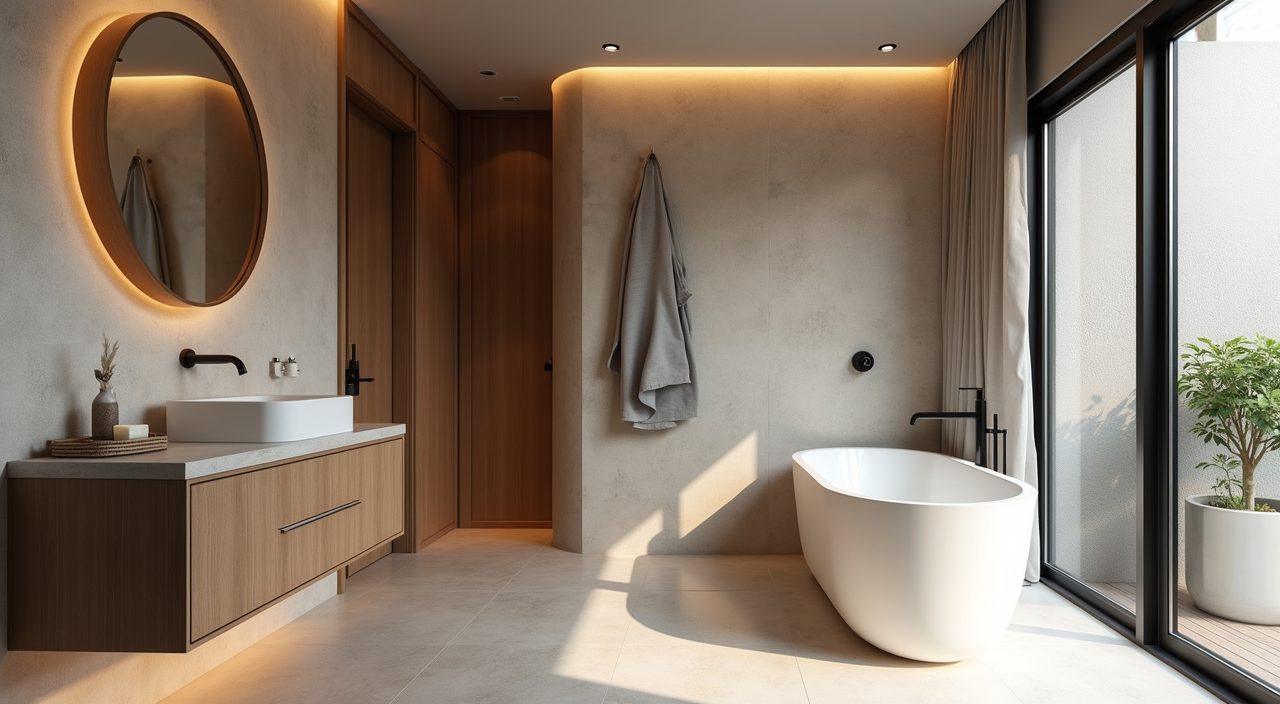 Japandi Bathroom Design Ideas for Singapore Homes
 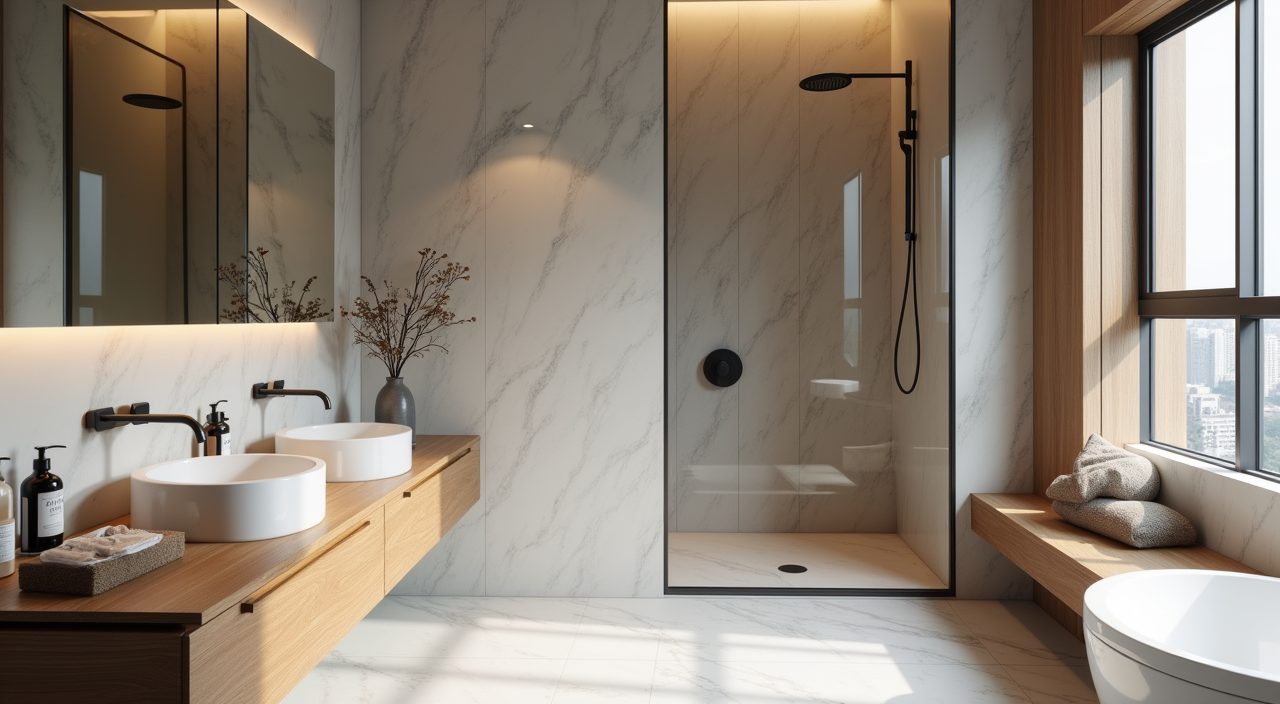 Modern Contemporary Bathroom Design Ideas for Singapore Homes
 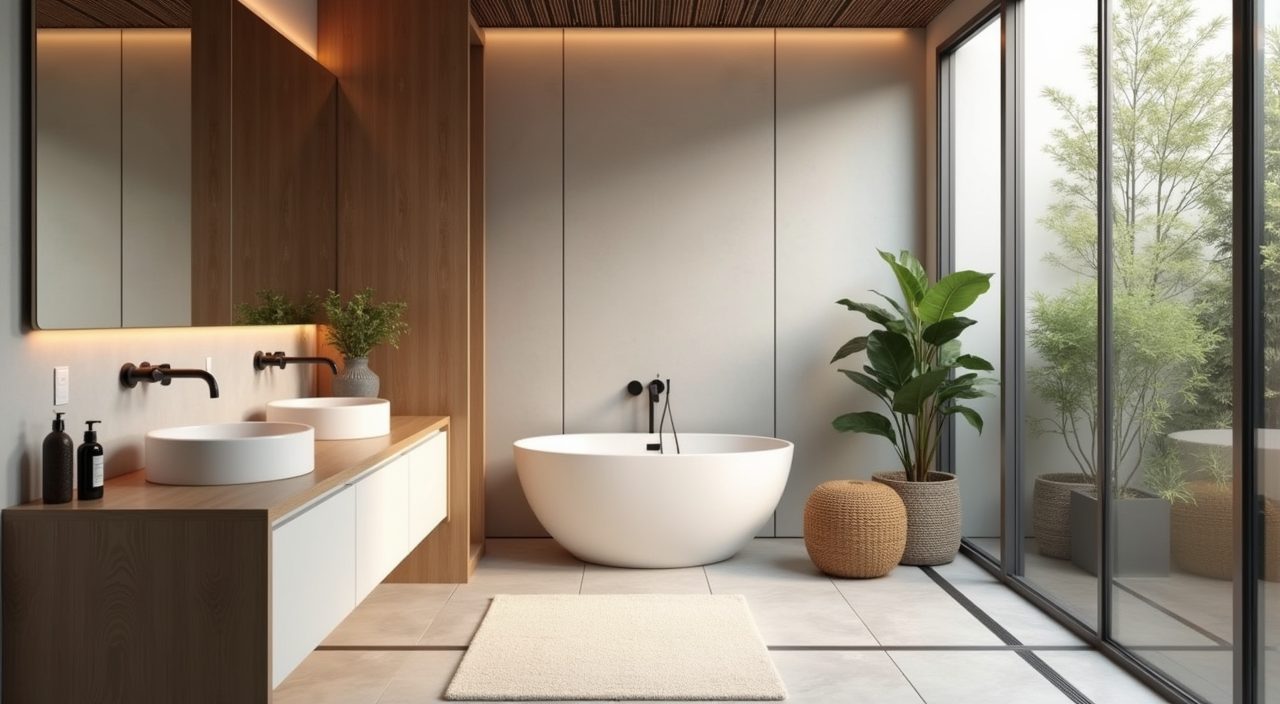 Muji Japanese Bathroom Design Ideas for Singapore Homes
 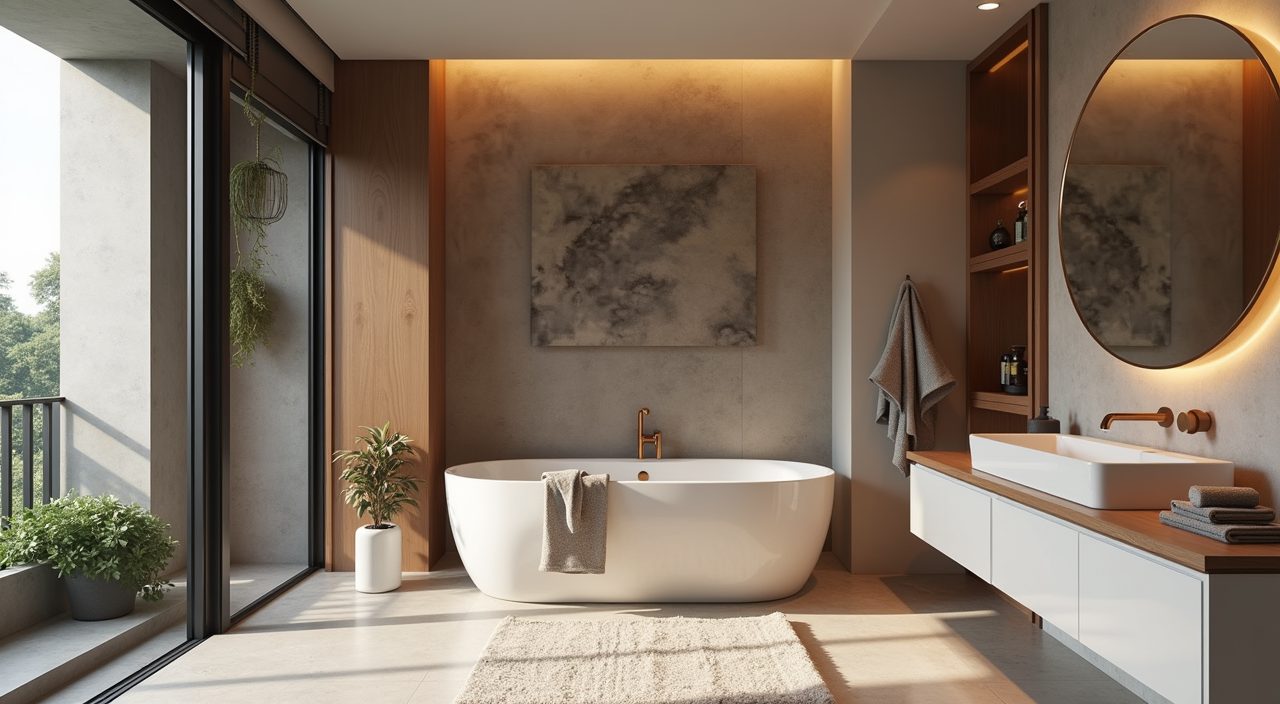 Modern Luxury Bathroom Design Ideas for Singapore Homes
 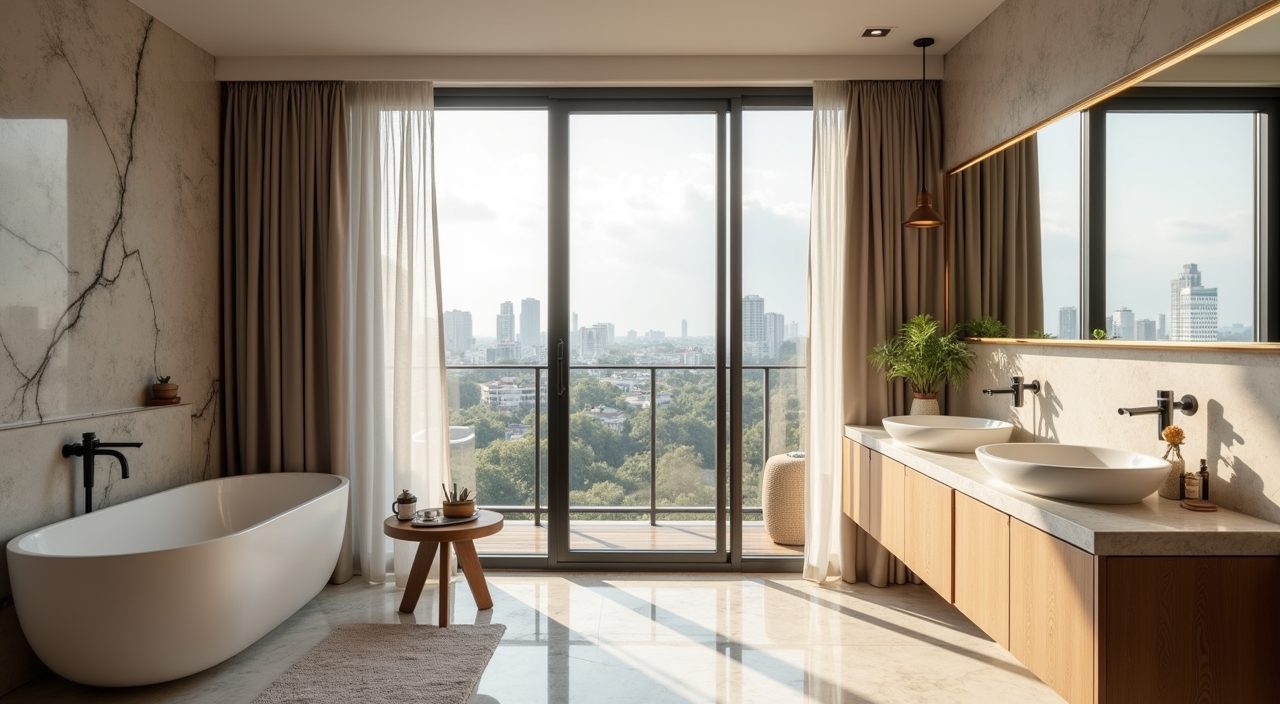 Mid-Century Modern Bathroom Design Ideas for Singapore Homes
 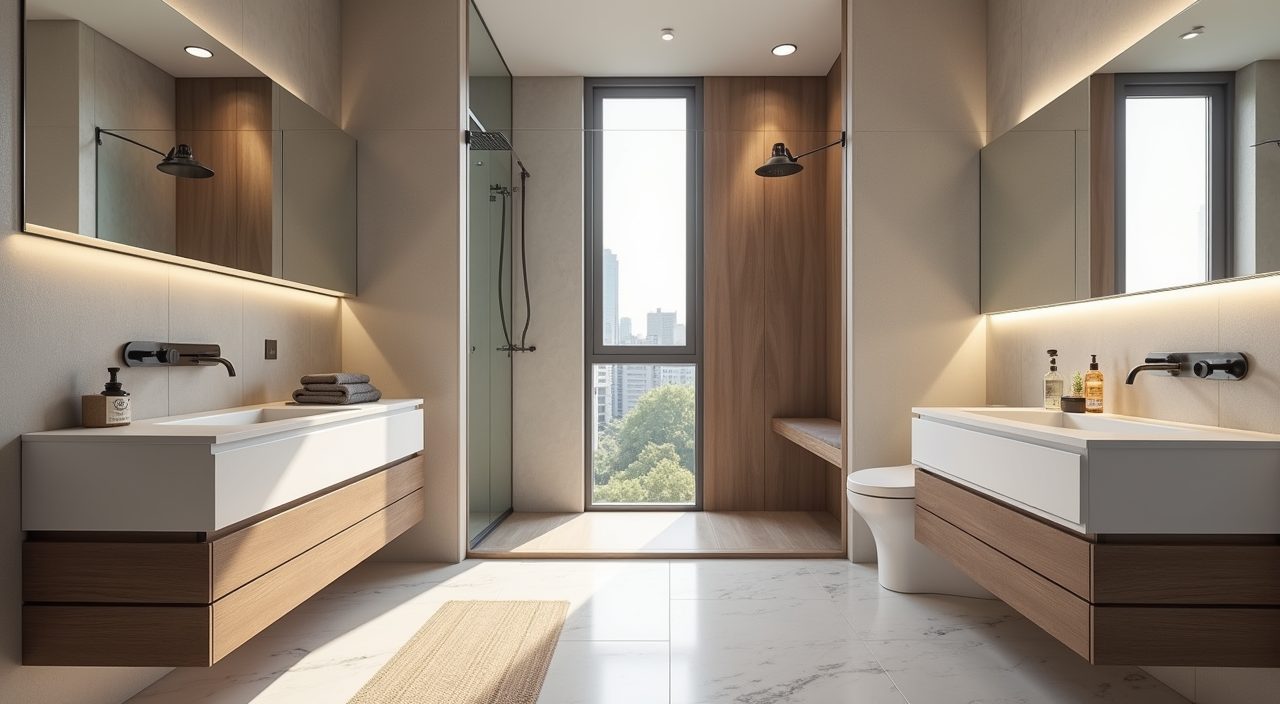 HDB Flat Bathroom Design Ideas
 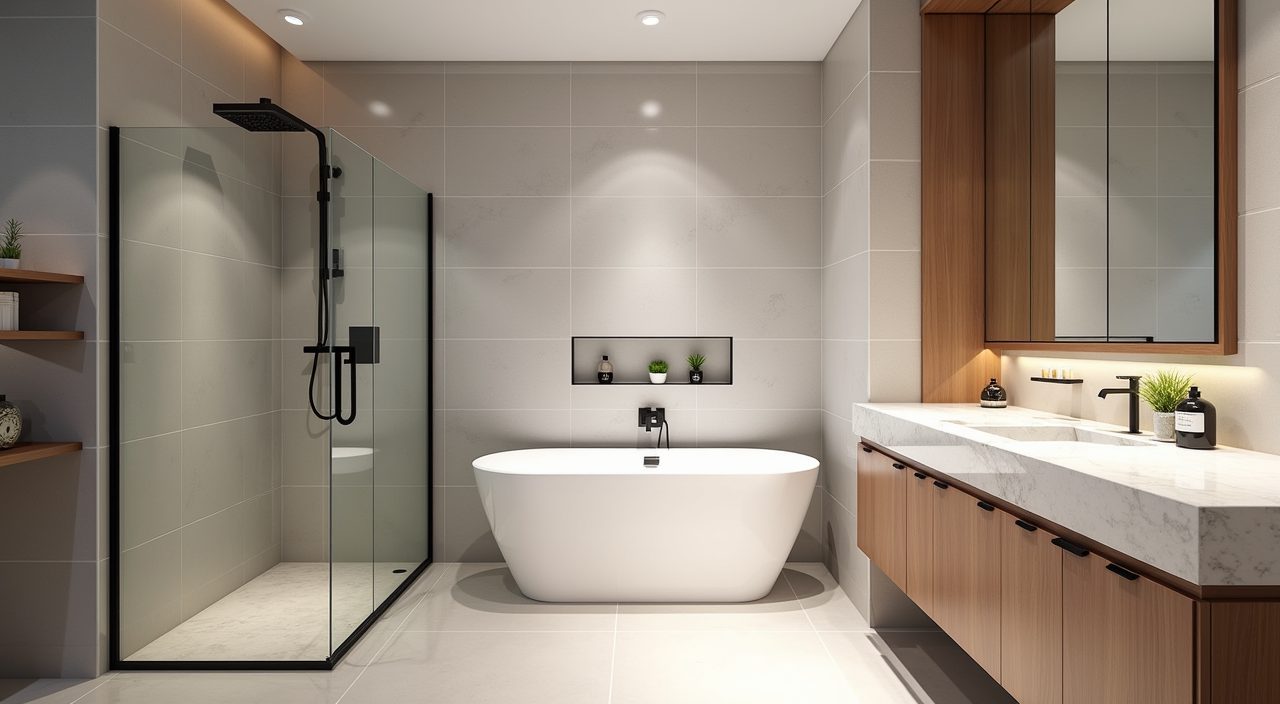 BTO Bathroom Design Ideas
 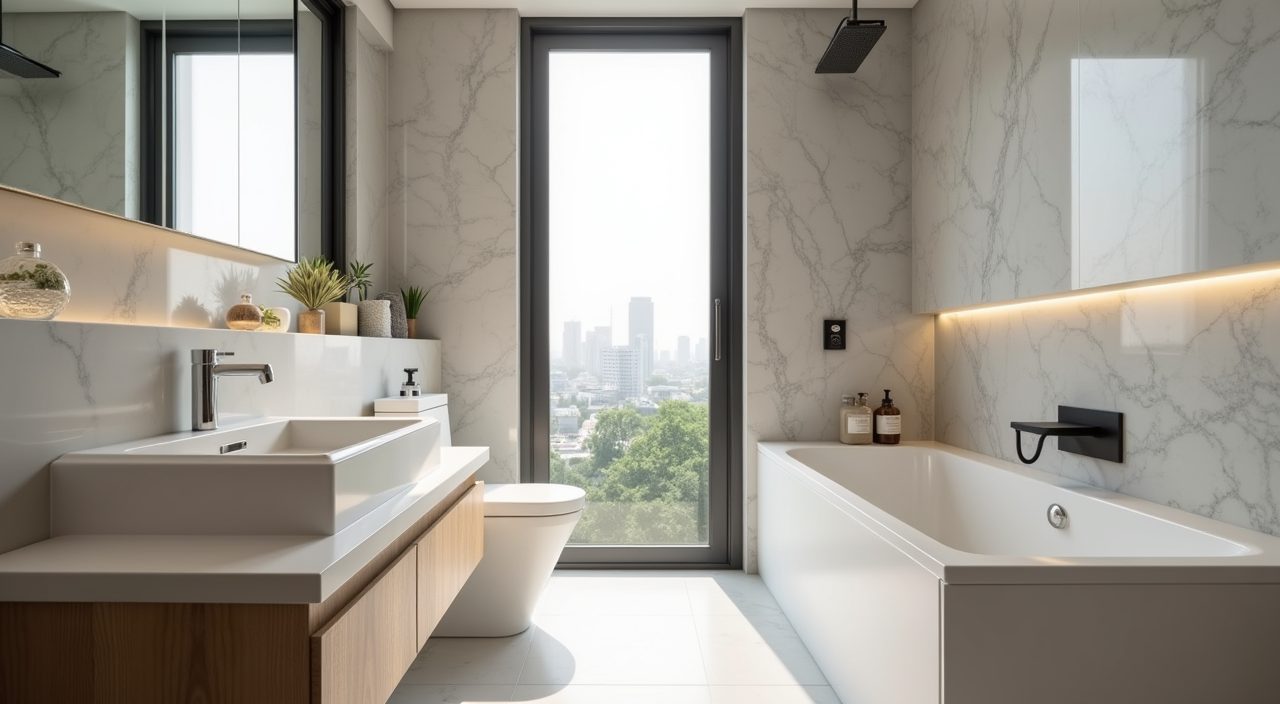 Small Bathroom Design Ideas to Maximise Space in Singapore
 Frequently asked questions
How much does a bathroom renovation cost in Singapore?
A basic HDB bathroom refresh typically starts from a few thousand dollars for retiling and new fittings, while a full hack-and-rebuild with wet-and-dry glass, a mirror cabinet and better tapware commonly runs into the low-to-mid five figures. Condo and landed bathrooms cost more because of larger areas and premium finishes. The biggest cost drivers are hacking existing tiles, relocating plumbing, and the quality of tiles and sanitaryware you choose.
What is the best flooring for a Singapore bathroom?
Matte or lightly textured large-format porcelain or ceramic tile is the safest choice: it grips when wet, resists our constant humidity, and has fewer grout lines to grow mould. Avoid polished stone or high-gloss tiles on the floor, as they become slippery once wet, which matters in a small room where the whole floor gets splashed.
How do I stop mould in an HDB bathroom with no window?
Airflow is everything. Fit a working exhaust fan, ideally on a timer so it keeps running after you shower, and leave the door ajar to help the room dry. Use quality grout and silicone, wipe down the shower glass, and re-seal corners every few years. A room that dries out between uses simply does not grow the black mould that plagues windowless bathrooms.
Can a small HDB bathroom still have a wet-and-dry layout?
Yes. Even in a 3 to 4 square metre bathroom you can install a fixed glass panel or a compact glass enclosure to fence off the shower zone. This keeps the toilet and basin area dry, safer to stand in, and quicker to dry out. If a full enclosure is too tight, a single fixed screen beside the shower head captures most of the benefit.