Japandi Bathroom Design Ideas for Singapore Homes
Practical Japandi bathroom ideas for Singapore HDB flats and condos: warm palettes, moisture-smart materials, small-space layouts and soft lighting.
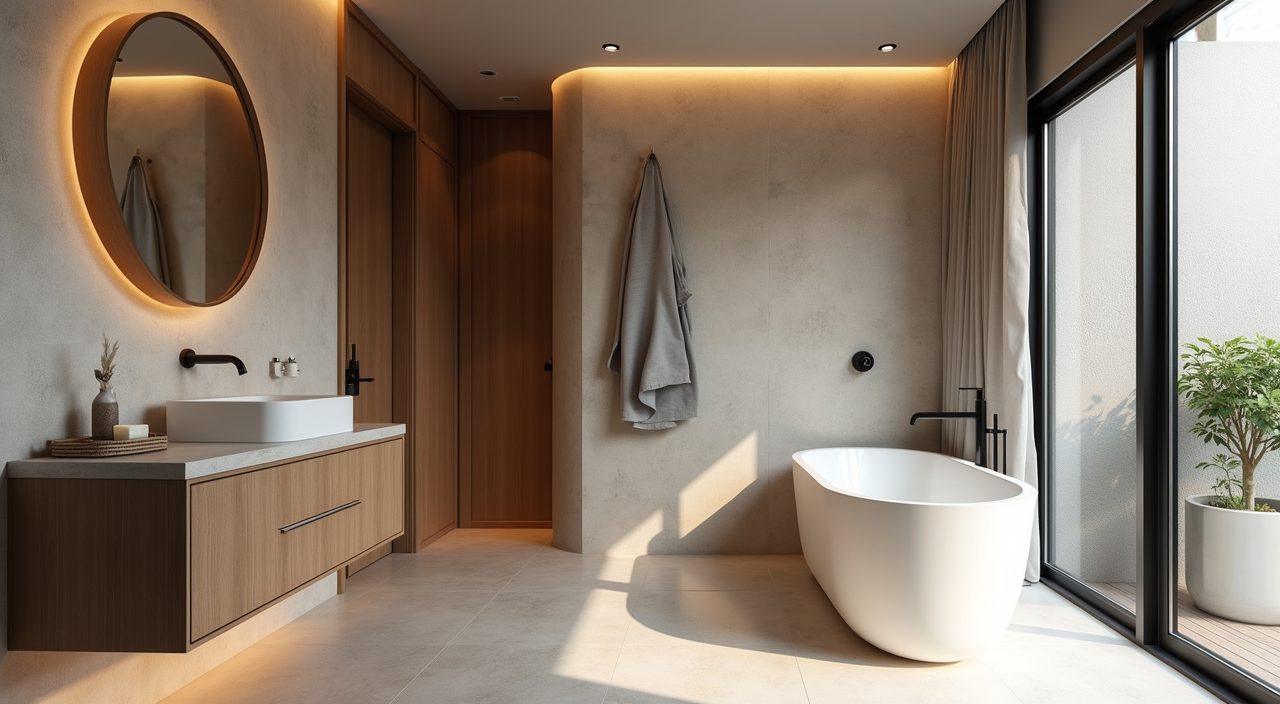
Design a Japandi bathroom in Singapore by keeping the palette warm and muted, choosing a few honest materials (wood-look tile, microcement, matte stone, black or bronze hardware), and stripping the room back to clean lines with hidden storage. Because Singapore bathrooms are small and humid, favour large-format tiles for fewer grout lines, moisture-tolerant finishes over real timber, and soft layered lighting instead of one harsh ceiling downlight. The result should feel calm, uncluttered and easy to keep dry.
Japandi blends Japanese restraint with Scandinavian warmth, which happens to suit local flats well. A typical HDB common bathroom is around 3 to 4 square metres and a master bath only slightly larger, so the style's low-clutter, natural-material approach makes a tight space feel intentional rather than cramped. The main thing to respect is our climate: high humidity, little cross ventilation, and strong tropical daylight where a window exists. Every material and layout choice below is picked with that in mind.
Start with a warm, muted earth palette
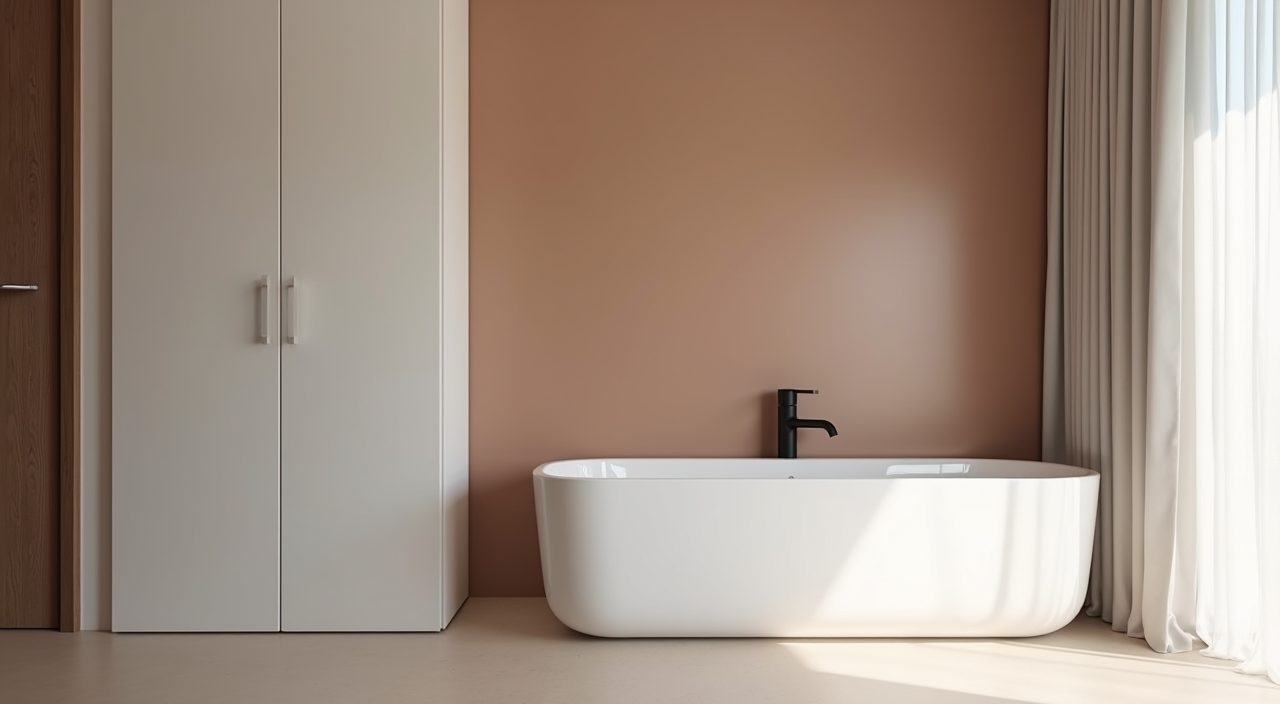
Japandi lives on quiet colour. Build the room from warm off-whites, oatmeal, greige, soft clay and muted greens, then anchor it with one darker tone through the hardware or a feature wall. Avoid stark cool white and glossy bright surfaces; they read clinical and show every water spot under Singapore's bright daylight. Warmer neutrals also hide the faint limescale that our water leaves on fittings.
A common local mistake is going too dark in a small windowless HDB bathroom. Keep walls and the larger floor area light and reserve the deep tones for smaller elements: a black tap, a timber-look vanity, a charcoal niche. That keeps the space feeling open while still giving it the grounded, moody depth Japandi is known for.
Choose wood-look tile or microcement instead of real timber
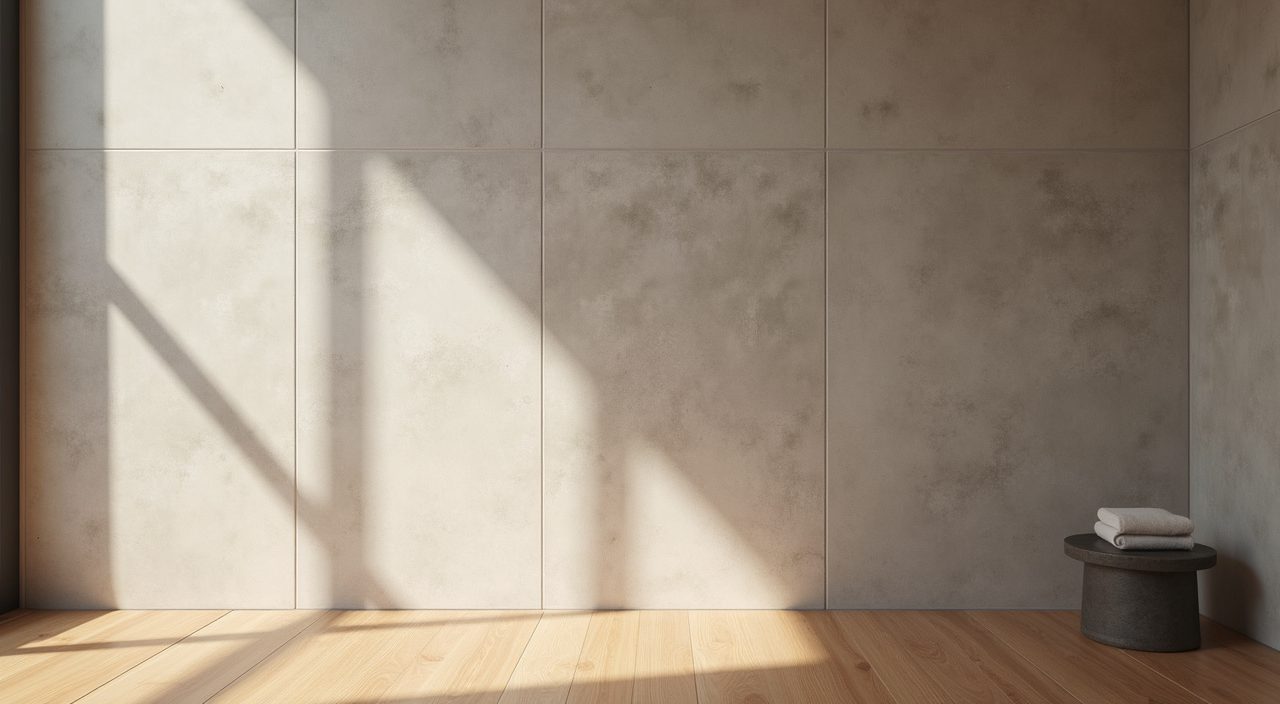
The warmth of natural wood is central to the look, but solid or veneered timber struggles in a Singapore bathroom where humidity sits high most of the year and ventilation is often just a small window or a mechanical vent. Wood-effect porcelain tiles give you the same warm grain without the swelling, mould and warping, and they wipe clean. Microcement (a thin cement-based coating) is the other strong option for walls and even the vanity front, delivering that seamless, hand-finished matte surface with almost no grout lines.
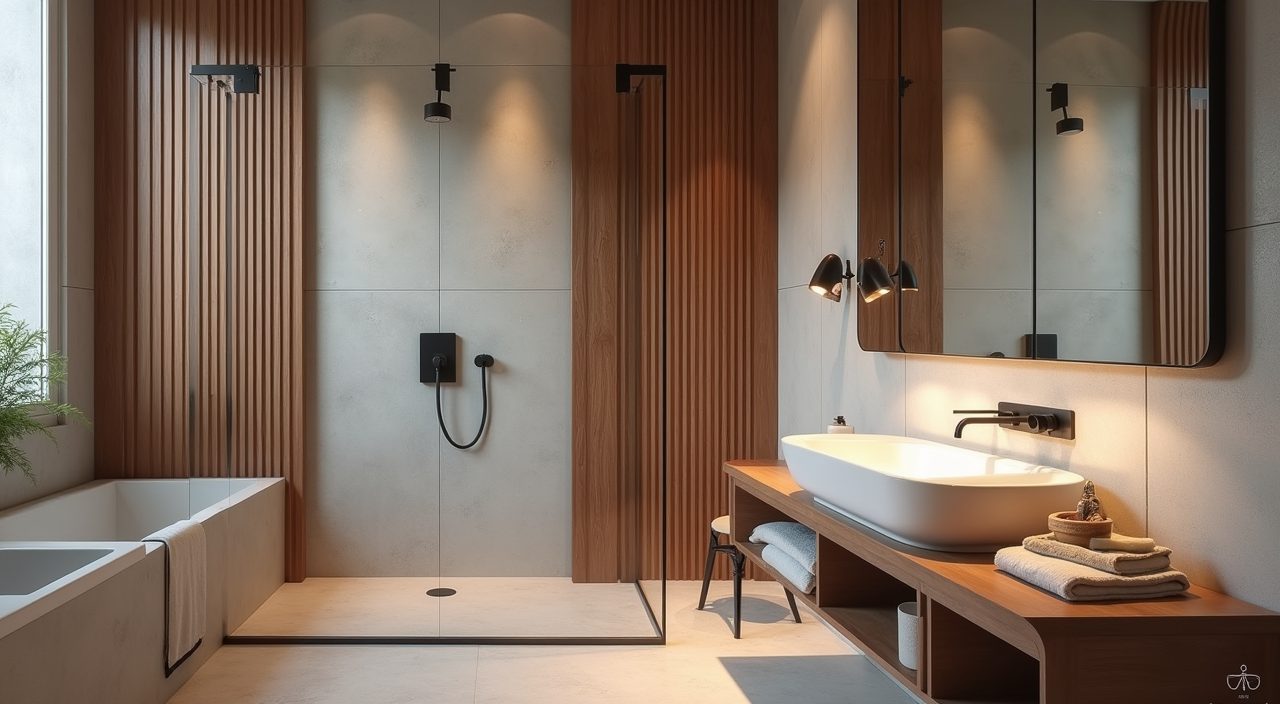
If you love real wood, use it only where it stays dry: a slatted timber accent above the splash zone, a teak or accoya duckboard, or the mirror frame. Keep it out of the shower and away from constant splashing.
- Wood-look porcelain: durable, water-safe, warm grain, easy to clean.
- Microcement: seamless matte walls and vanity, minimal grout, needs proper sealing.
- Real timber (teak, accoya): accents and dry zones only, not wet areas.
Use large-format tiles to cut grout lines
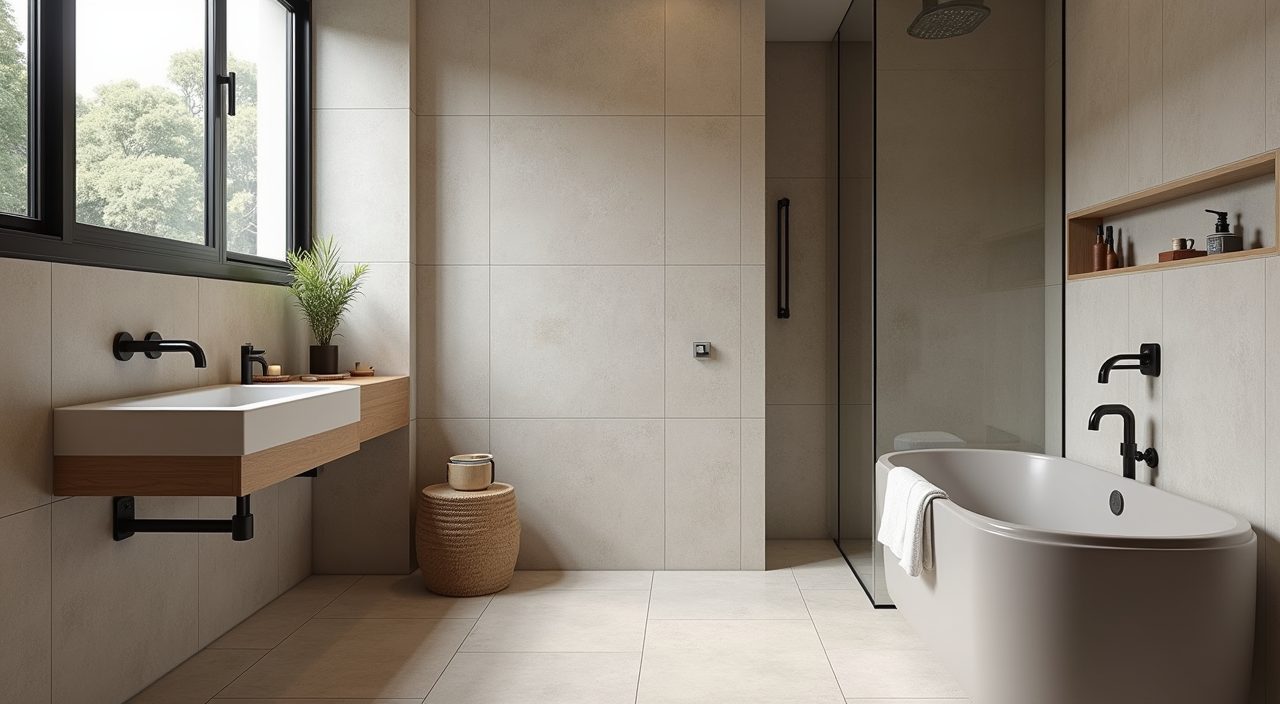
Grout is the enemy of a calm Japandi bathroom and the first thing to discolour in our humidity. Large-format tiles (600 by 600mm and up, or slab-style panels) mean fewer joints, a cleaner visual field, and far less scrubbing over the years. In a compact HDB or condo bathroom, running the same large tile up the wall and onto the floor also tricks the eye into reading the room as bigger.
Match the grout colour closely to the tile so the joints almost disappear, and ask for a matte or honed finish rather than polished. Matte suits the muted Japandi mood and is less slippery when wet, which matters in a small shower area where you step straight from the wet zone.
Plan a floating vanity with hidden, closed storage
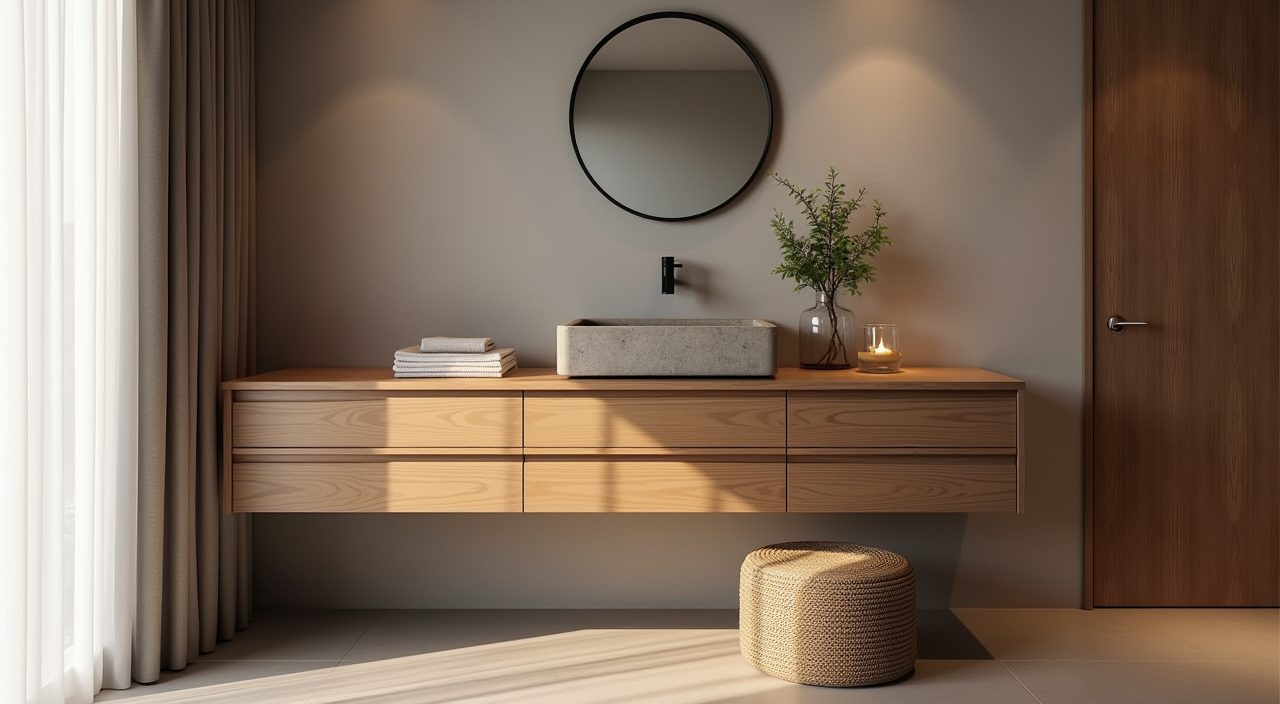
Clutter kills the look, so give every bottle and towel a home behind a flat, handle-free front. A wall-mounted floating vanity in a wood-look or microcement finish keeps the floor visible, which again makes a small bathroom feel larger, and it leaves room underneath for a laundry basket or a low stool. Push-to-open drawers keep the fronts clean with no visible pulls.
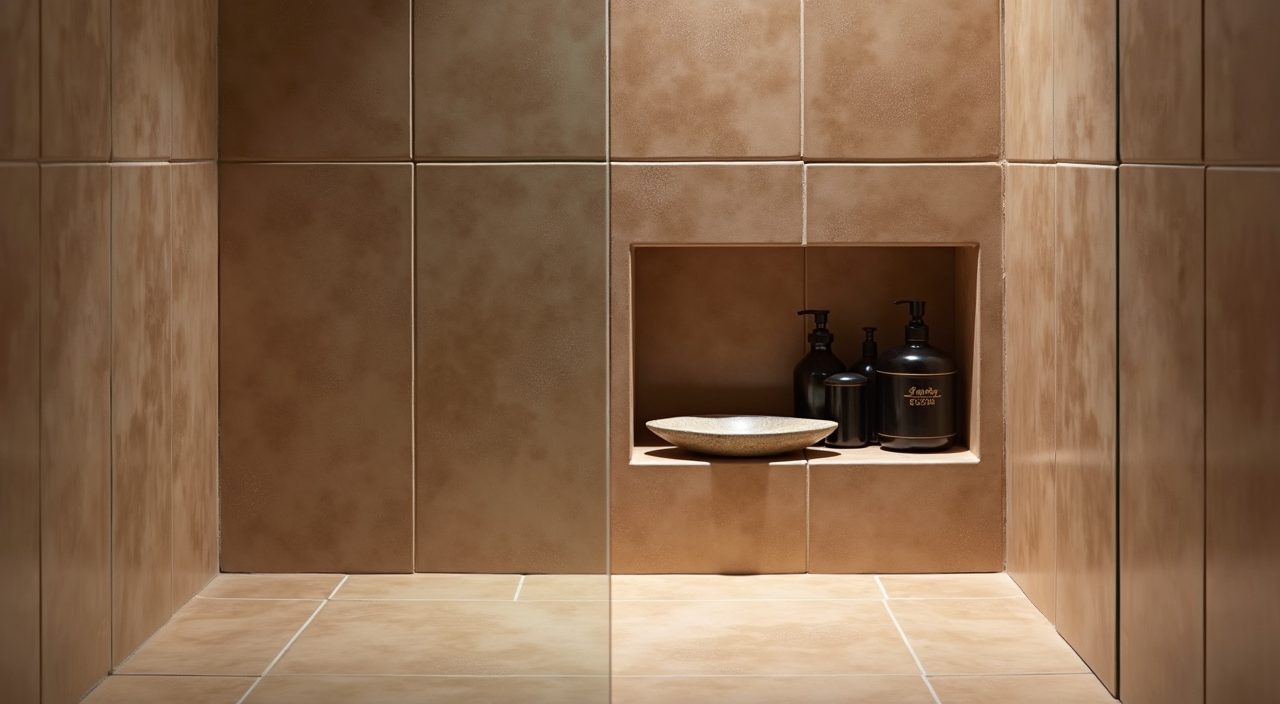
In an HDB bathroom where the vanity has to sit near the shower, seal the underside well and keep at least a small gap above the floor so water dries out rather than pooling. A recessed wall niche in the shower, tiled in the same material, replaces the usual plastic corner caddy and holds shampoo out of sight from the door.
Soften the tropical light with layered, warm lighting
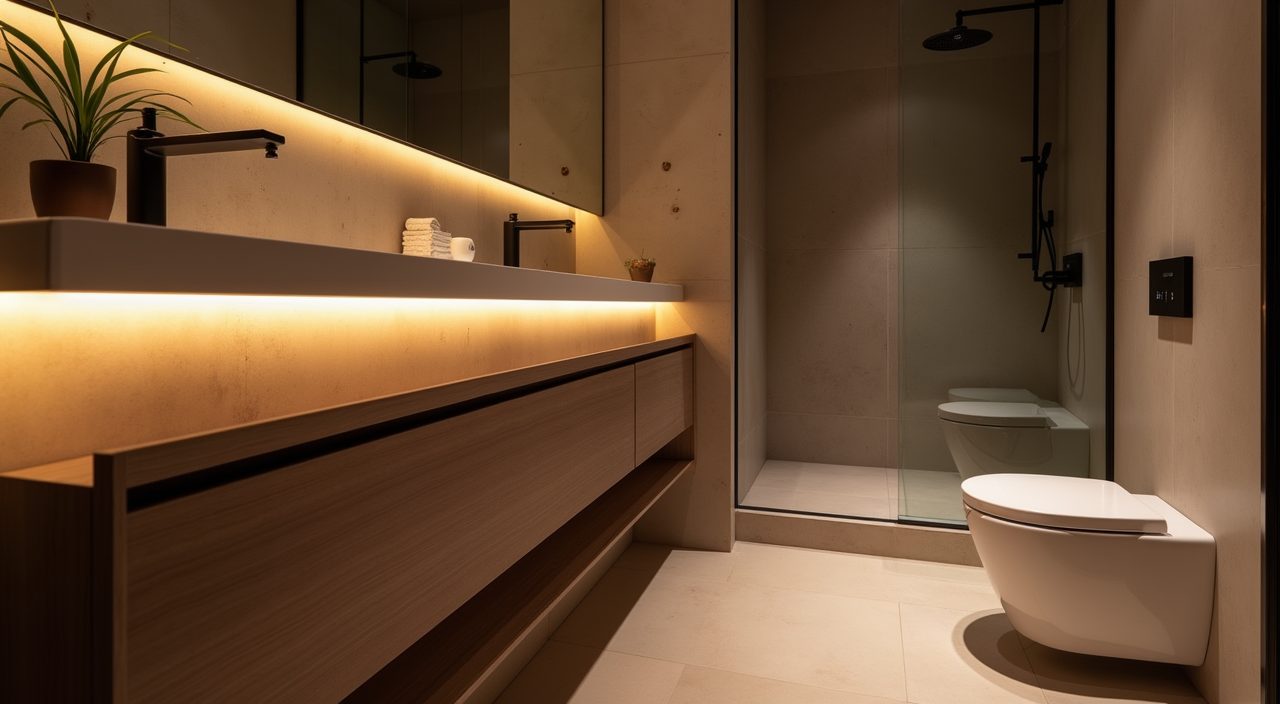
One cold downlight in the ceiling is the least Japandi thing you can do. Layer the lighting instead: a warm general light around 2700K to 3000K, a soft light at the mirror for grooming, and if possible a hidden LED strip under the vanity or inside the niche for a gentle glow. Warm colour temperature flatters the earthy palette and feels restful at the end of a hot day.
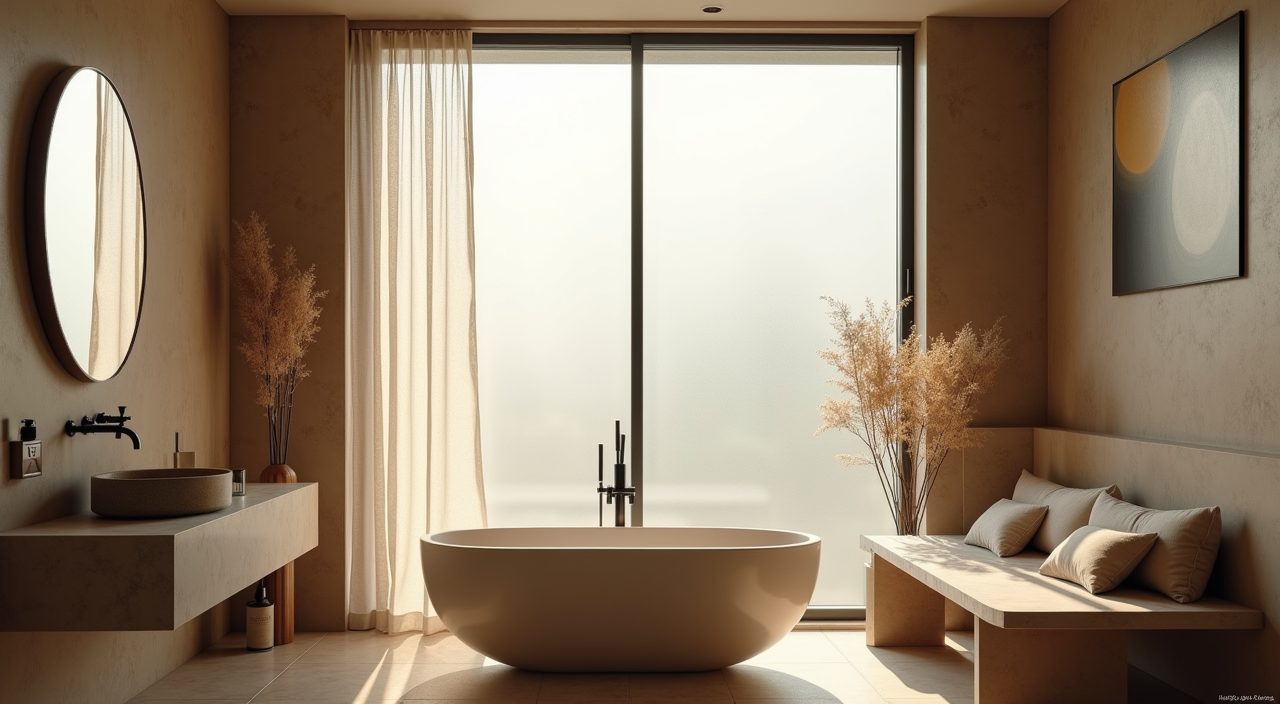
Where you have a window, make the most of it. Frosted glass or a light linen-look film keeps privacy while letting Singapore's strong daylight wash across the matte surfaces, which is exactly the soft, diffused light this style wants. Just avoid leaving fabrics or paper blinds in the splash zone where they will mould.
Keep fixtures minimal with matte black or bronze hardware
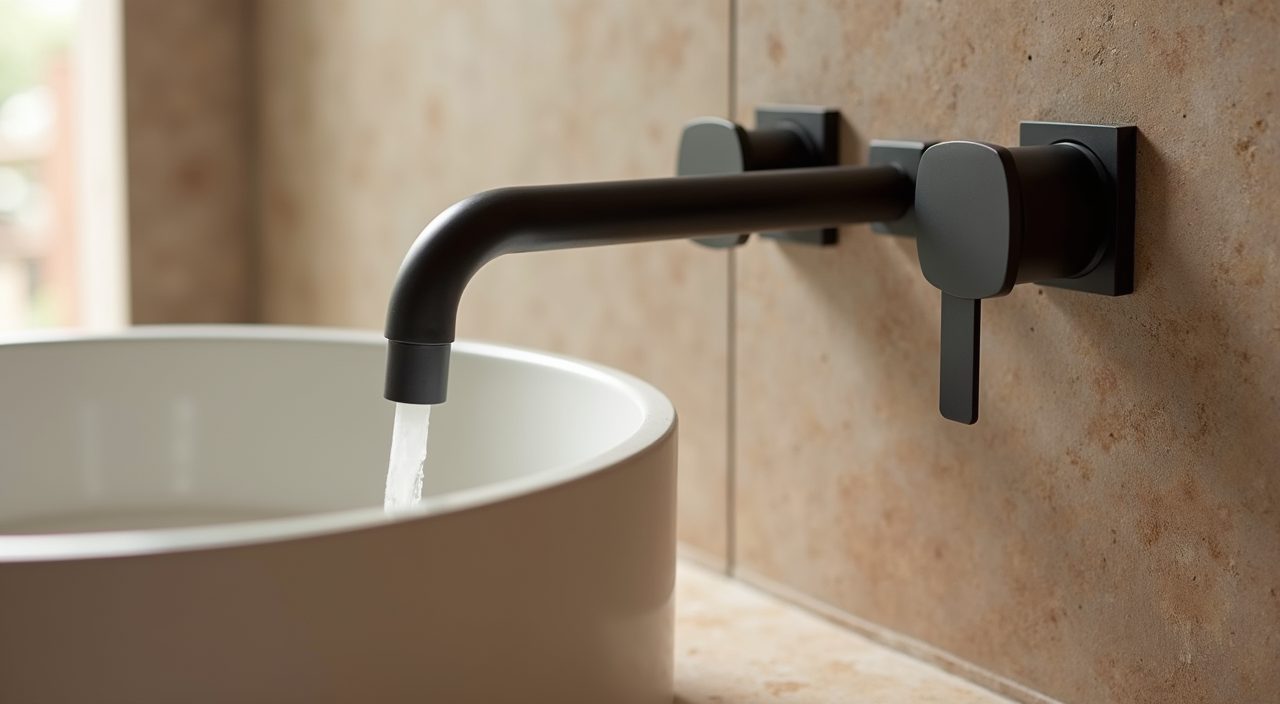
Hardware is where Japandi gets its quiet contrast. Swap chrome for matte black, brushed brass or bronze on the tap, shower set, towel bar and drain. These finishes read intentional against the neutral tiles and hide water marks better than shiny chrome. Choose simple, squared-off or gently rounded shapes rather than ornate designs.
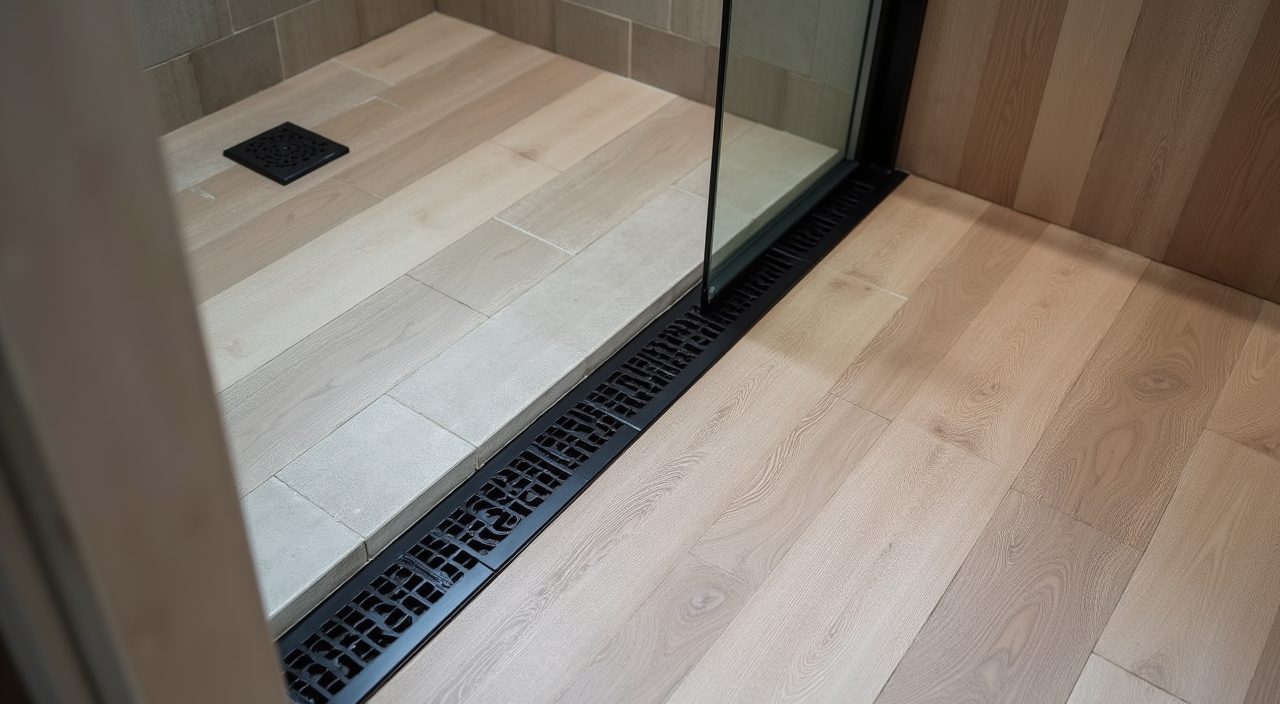
Do check the finish is rated for wet use and rinse it occasionally, since some cheaper coated fittings can spot or corrode over time in our humidity. A linear channel drain in a matching finish, set flush along the shower edge, keeps the floor clean and lets you run one continuous tile across the whole room.
Design a proper wet and dry separation
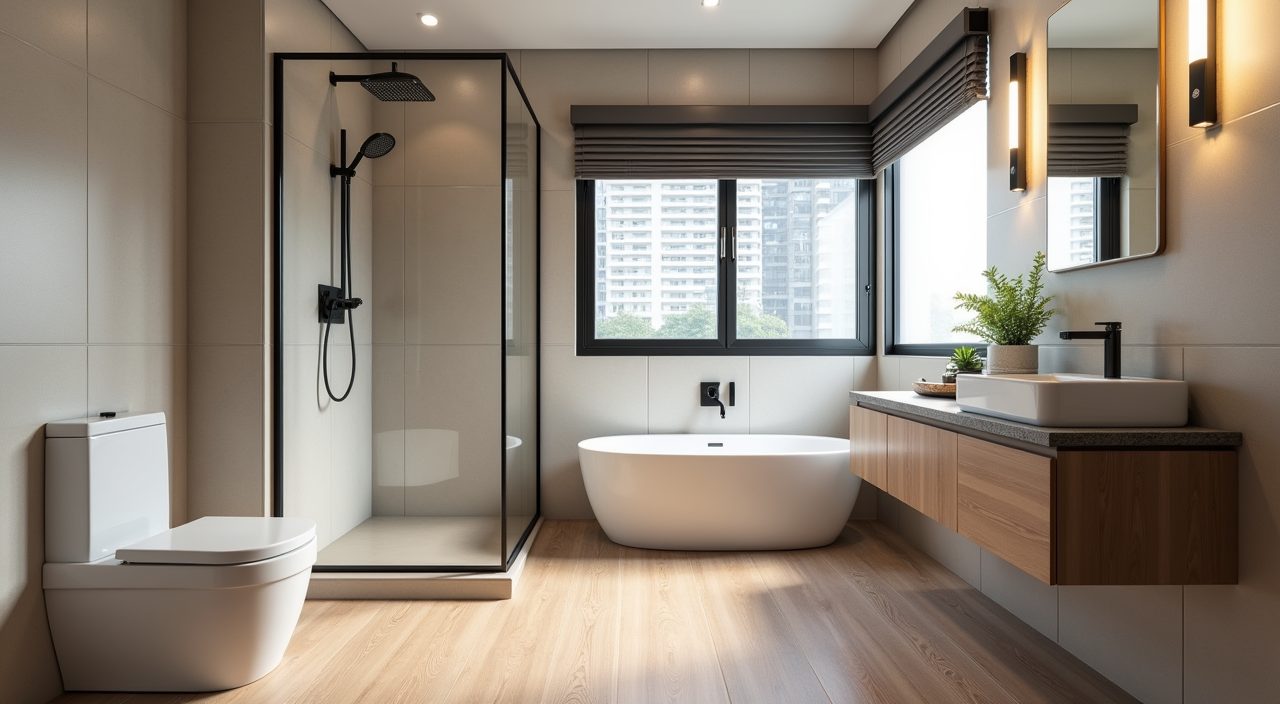
Most Singapore bathrooms are wet-throughout by default, but a simple glass screen or a low kerb to zone off the shower keeps the vanity and toilet area dry, which protects timber-look surfaces and stops the whole room feeling damp. A frameless or slim black-framed glass panel fits the Japandi language and keeps sightlines open in a small space.
Slope the floor correctly toward the drain, and if you are reconfiguring the layout, this is the moment to get the waterproofing and floor gradient done right. Getting the wet zone contained is as much a plumbing and tiling job as a design one, so it is worth planning before you fall in love with a particular finish.
Add restrained greenery and natural texture
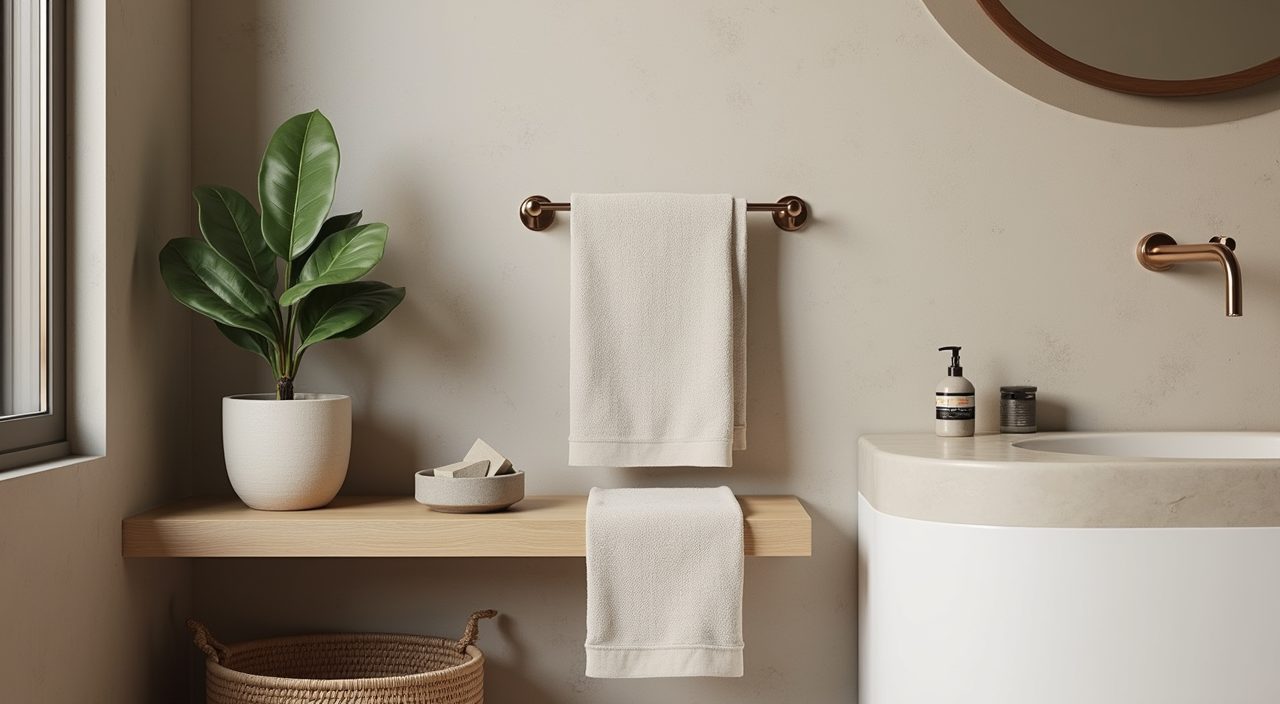
A single plant that tolerates low light and humidity (a pothos, a fern, a snake plant) brings the Japanese connection to nature without clutter. Keep it to one or two pieces on the vanity or a wall shelf; the discipline is the point. Pair it with natural texture elsewhere: a linen hand towel, a stone soap dish, a woven basket, a smooth pebble tray.
These small touches are what separate a genuine Japandi bathroom from a plain minimalist one. They add warmth and a handmade feel without adding surfaces to clean or things to trip over in a tight HDB layout.
What to plan and budget for
A Japandi look is more about material discipline than expensive fittings, but the finishes that make it work (large-format or slab tiles, microcement, quality matte hardware, custom vanity) sit above builder-grade cost. For a full common-bathroom overhaul in an HDB flat, budget for a mid to upper renovation range rather than the cheapest package, and expect microcement and continuous slab tiling to carry a premium because they are labour-intensive and need skilled application. Hacking and re-waterproofing, if you are changing the layout, is a meaningful line item on its own. Get itemised quotes so you can see where the money goes and trim where it does not show.
The parts that must be done right (waterproofing, floor gradient, plumbing points, tiling, electrical for the lighting and vanity) are exactly the parts you do not want to DIY in a wet, humid environment. If you are planning a japandi bathroom design singapore renovation, it is worth having a licensed contractor handle the wet works, tiling and electrical together so the waterproofing and finishes are coordinated and warrantied, and so the calm end result actually stays leak-free and mould-free for years.
Frequently asked questions
Does Japandi work in a small HDB bathroom? Yes, and it arguably works best there. The style's low clutter, hidden storage, light palette and large-format tiles all make a 3 to 4 square metre bathroom feel calmer and larger, as long as you keep the darker tones to small accents.
Is real wood a bad idea in a Singapore bathroom? For wet zones, yes. Constant humidity and splashing cause swelling and mould. Use wood-look porcelain or microcement for the main surfaces and save real timber (teak or accoya) for dry accents like a mirror frame or a duckboard.
How do I stop a Japandi bathroom from looking cold or clinical? Warmth comes from the details: choose warm neutrals over stark white, use 2700K to 3000K lighting, add matte black or bronze hardware, and bring in one plant plus natural textures like linen and stone. Matte finishes throughout also soften the room.
Do I need to hack the whole bathroom to get this look? Not always. If the layout works, an overlay of new tiles or microcement, a new floating vanity, updated hardware and layered lighting can deliver the look without full hacking. You only need to hack when you are changing the layout, plumbing points, or the existing waterproofing has failed.