
Japandi Interior Design Ideas in Singapore
Japandi works well in a Singapore home when you treat it as restraint plus warmth: a tight palette of warm neutrals, natural wood and matte black, low-profile furniture, and enough hidden storage that surfaces stay bare. In an HDB flat or condo, the trick is to keep the look calm without making a small, warm, humid space feel cold or cramped, so lean on light woods, soft textiles and layered lighting rather than a lot of decor.
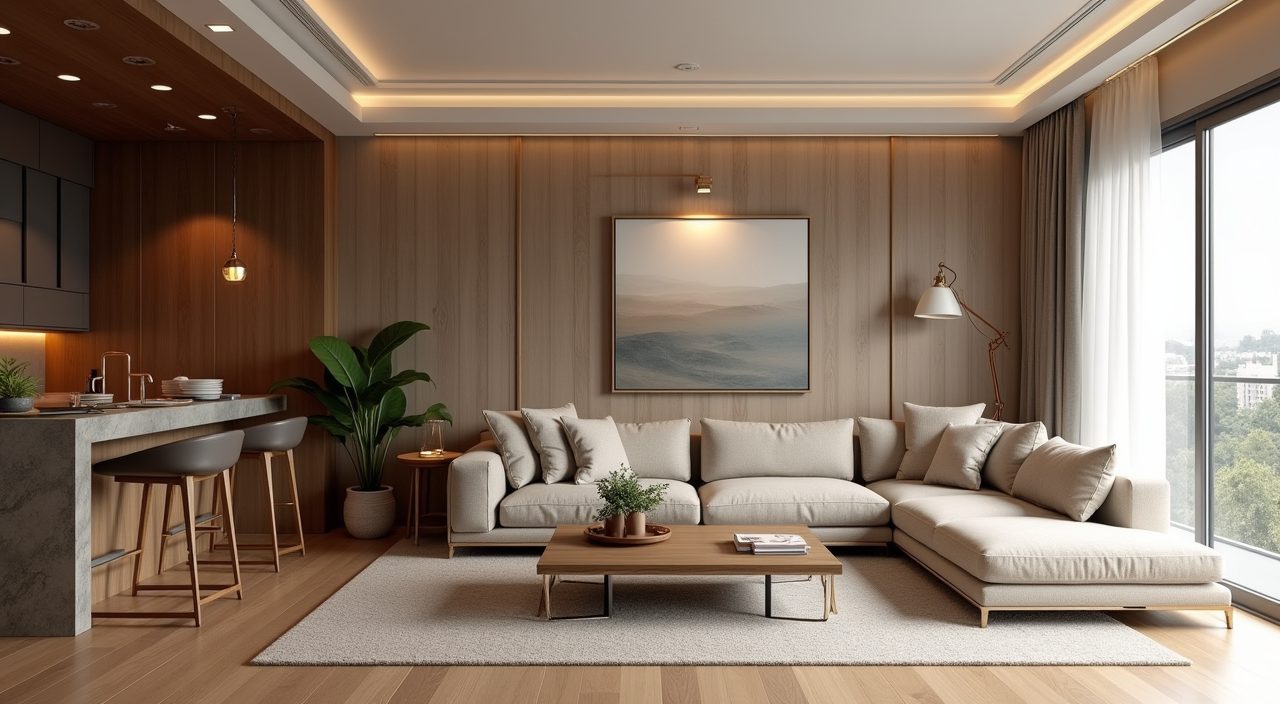
Below we break the style down by what defines it, why it suits local flats and condos, the materials and palette that survive our climate, and how to apply it room by room. Use the linked room guides to go deeper on the space you are renovating.
What defines the Japandi look
Japandi is the meeting point of Japanese minimalism and Scandinavian hygge. From Japan it takes wabi-sabi restraint, low furniture, natural materials and empty space that is left deliberately empty. From Scandinavia it takes warmth, soft light, cosy textiles and functional simplicity. The result is quiet and grounded rather than stark: fewer objects, but each one chosen and well made.
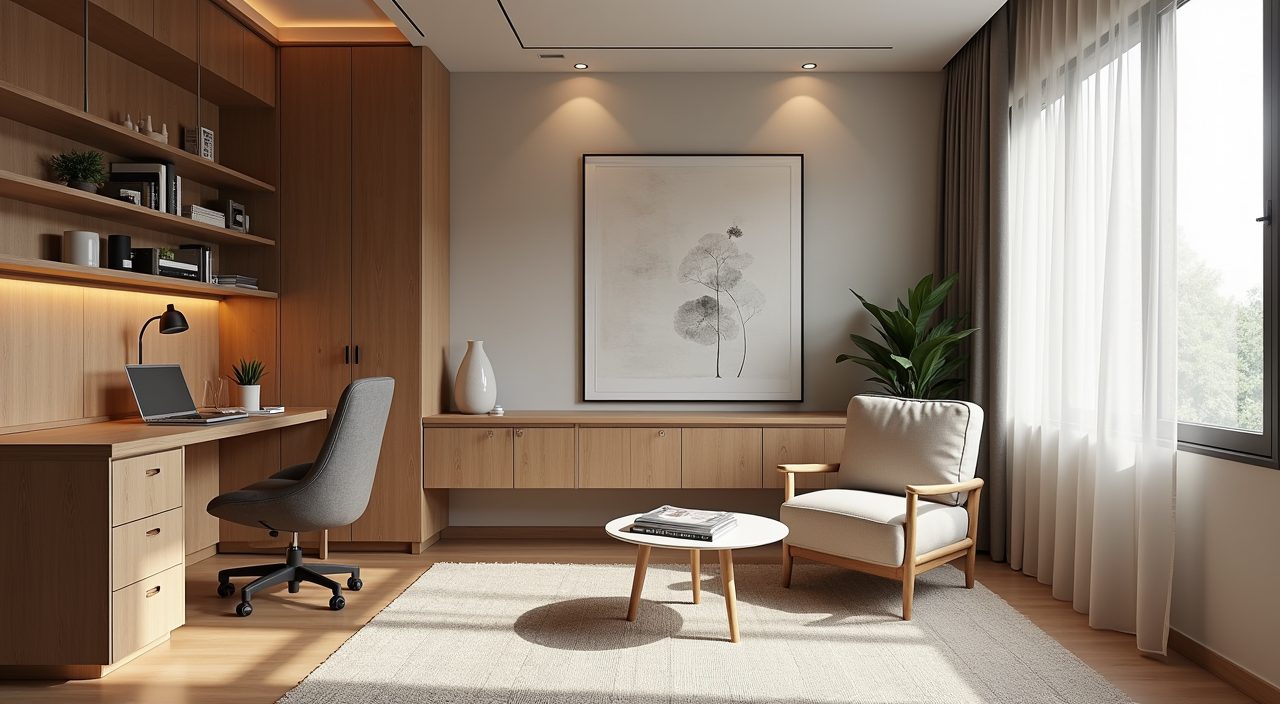
In practice the look reads through a few consistent moves. Furniture sits low and has clean, unfussy lines. Colours stay within a narrow warm-neutral band. Wood, linen, paper, stone and rattan do the decorating instead of prints and ornaments. Nothing shouts, and surfaces are mostly clear.
- Low-profile furniture with simple, honest lines
- A tight palette of warm neutrals with muted accents
- Natural materials on show: wood, linen, rattan, paper, stone
- Clear surfaces, generous negative space, minimal decor
- Matte finishes over gloss; craft over ornament
Why it suits Singapore HDB and condo homes
Japandi is a small-space style by nature, which makes it a natural fit for local flats and condos. Low furniture and light woods keep sightlines open, so a 3-room HDB or a compact condo living room feels larger and calmer. Because the palette is tight, the whole home flows visually even when rooms are small and doorways are close together.
It also suits how we actually live here. The emphasis on hidden storage and clear surfaces fights the clutter that builds up fast in a compact flat. And the muted, matte palette is easy on the eyes in strong tropical daylight, where high-gloss white and busy patterns can glare and feel harsh by mid-afternoon.
Materials and palette for our climate
Build the palette around warm off-whites, oatmeal, soft greige and putty, with light-to-mid wood tones (oak, ash, light walnut) as the anchor. Add depth with muted greens, terracotta, charcoal or matte black in small doses, on a single chair, a lamp, cabinet handles or a rug, rather than across whole walls. Keep finishes matte so they read soft in bright light.
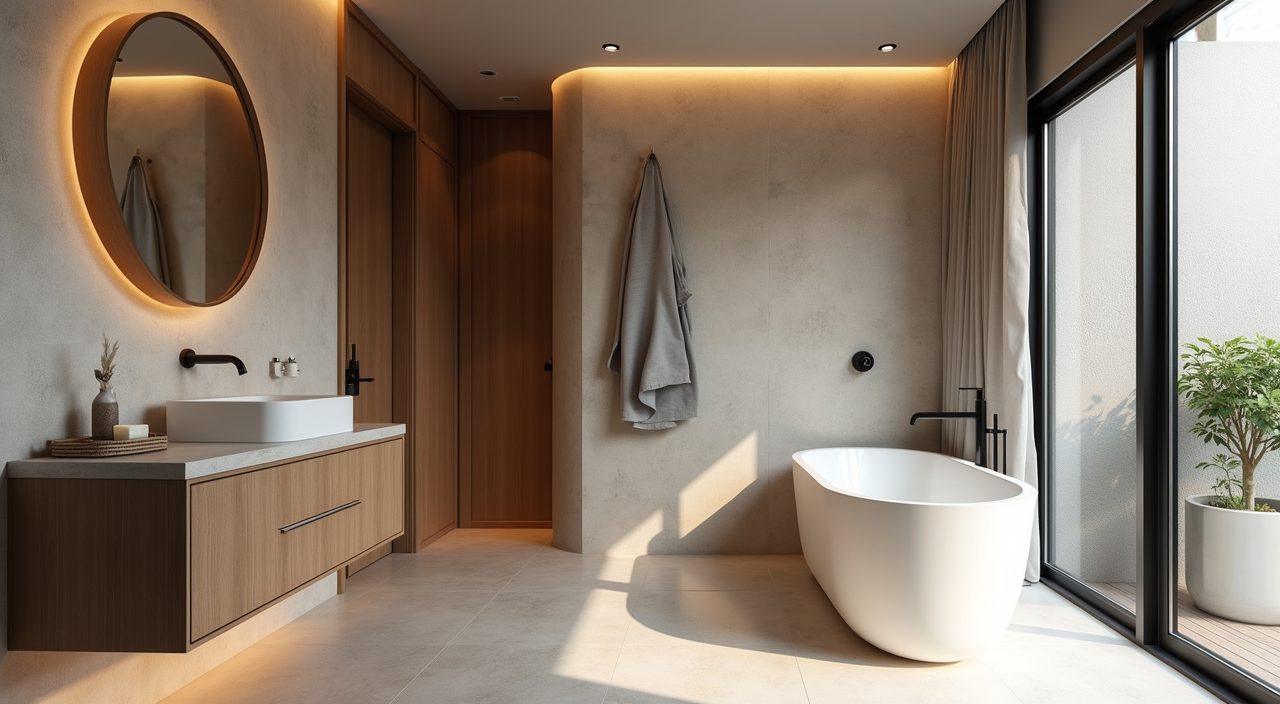
Material choice matters more here because of humidity. Solid timber and real rattan look the part but can warp, swell or attract mould in an un-airconditioned flat, so reserve them for AC-controlled rooms or accents, and favour engineered wood, quality laminates and wood-look tile or vinyl for floors and carpentry that must endure. In wet areas, microcement, matte porcelain tile and stone-look surfaces give you the raw, tactile Japandi feel while shrugging off moisture.
For softness, cotton and linen breathe better than heavy synthetics in our heat. Choose washable covers, and keep a couple of natural textures (a linen throw, a rattan pendant, a stoneware vase) rather than many, so the room stays calm.
- Base: warm off-white, oatmeal, greige, putty
- Wood anchor: oak, ash or light walnut tones
- Accents in small doses: muted green, terracotta, charcoal, matte black
- Humidity-smart swaps: engineered wood, laminate, wood-look tile or vinyl, microcement, matte porcelain
- Textiles: breathable linen and cotton, washable covers
How to apply it room by room
Japandi is easiest to get right one room at a time, because each space has its own light, moisture and storage needs. A living room leans on a low sofa, a wood media console and layered warm lighting; a kitchen wants handleless flat-front cabinetry in wood and off-white with the counter kept clear; a master bedroom uses a low bed, soft linen and blackout-friendly light control for our early sunrise. Bathrooms, study, dining and kids rooms each have their own moves for storage, finishes and climate.
Explore the room-by-room ideas linked below for detailed layouts, dimensions, finishes and lighting tailored to Singapore flats and condos. Start with the room you are renovating first, then keep the palette and materials consistent across the rest so the whole home reads as one calm, connected space.
Explore Japandi rooms
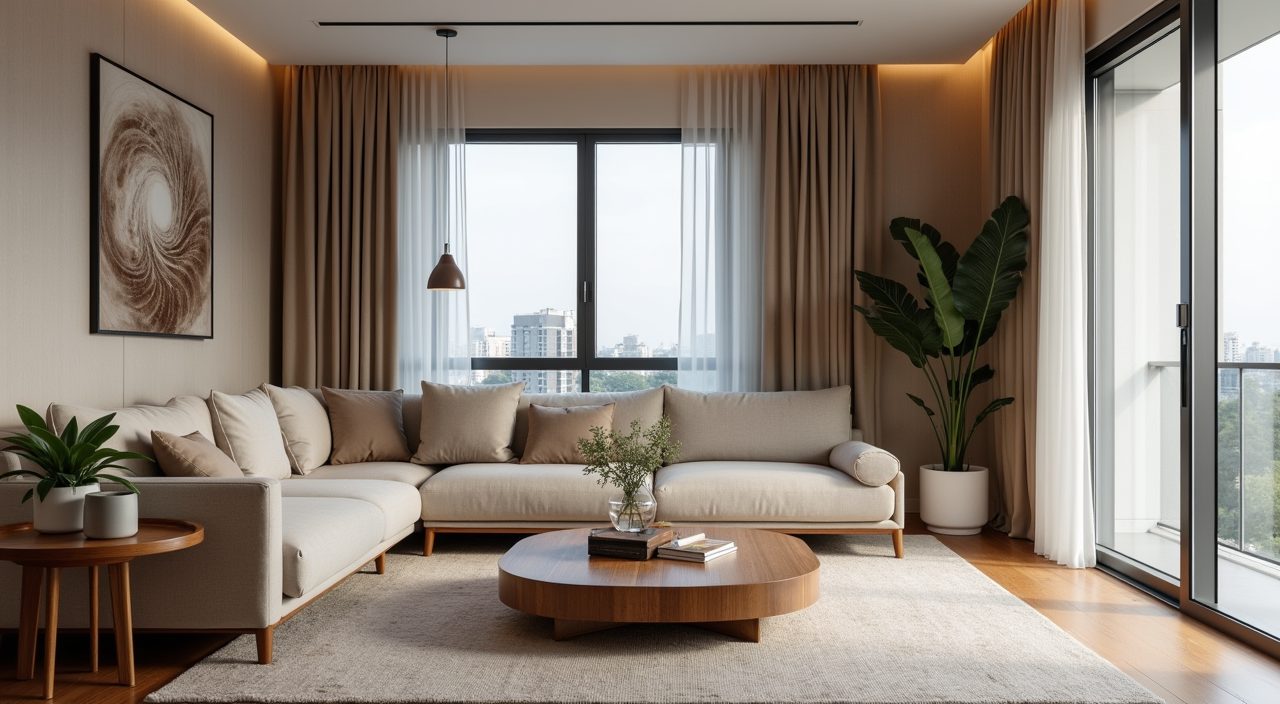
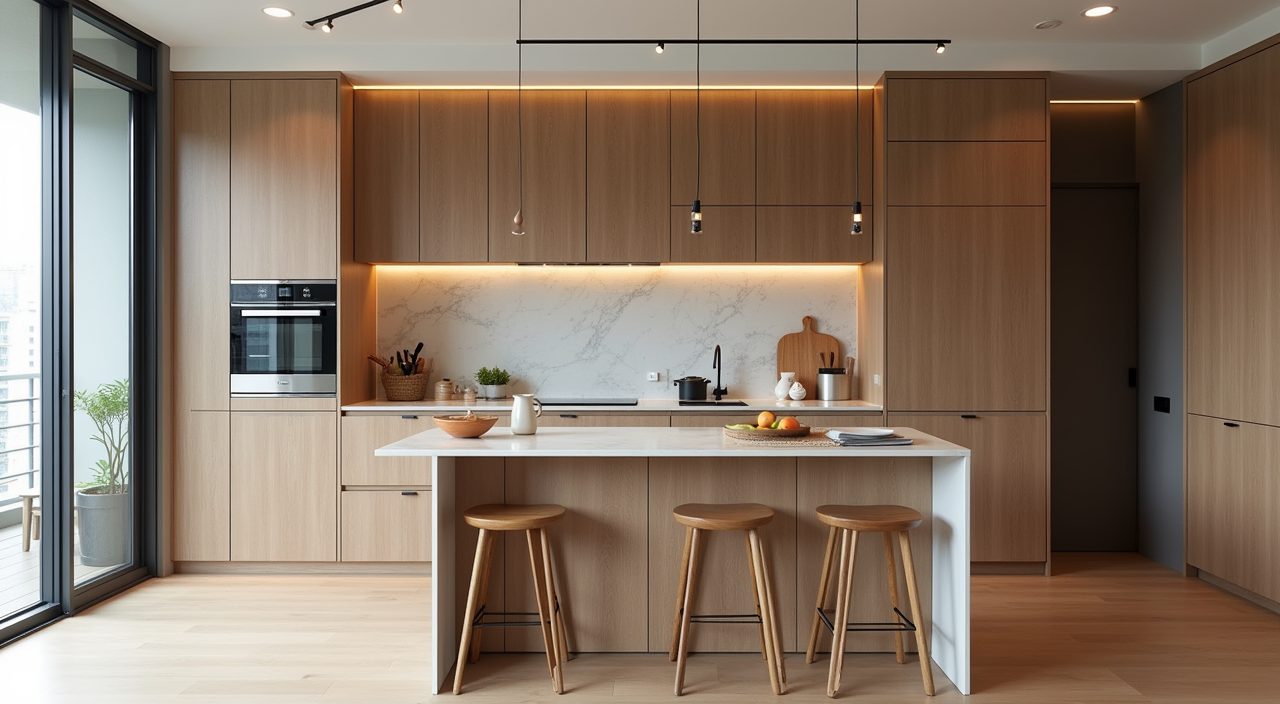
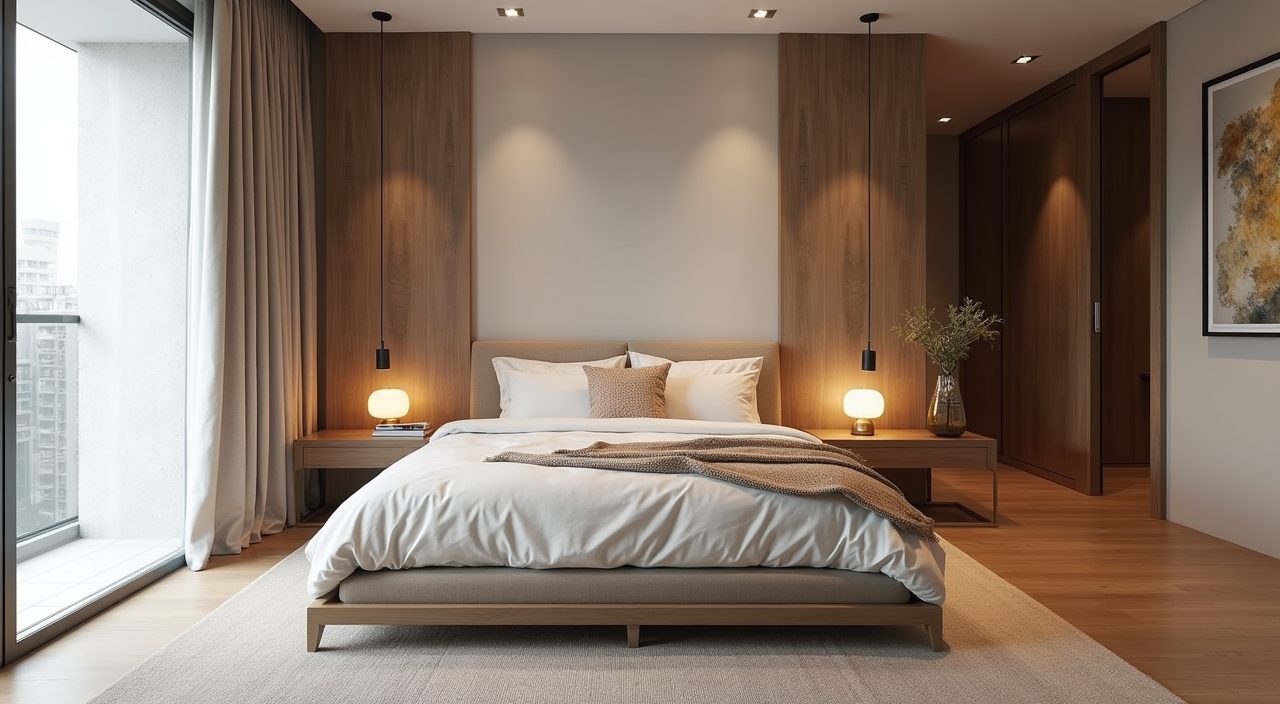
Frequently asked questions
Is Japandi a good style for a small HDB flat?
Yes. Japandi is built around low furniture, light woods, clear surfaces and a tight palette, all of which keep sightlines open and make a compact HDB feel larger and calmer. The focus on hidden storage also helps control clutter in a small flat.
Will real wood and rattan hold up in Singapore's humidity?
They can struggle in un-airconditioned rooms, where solid timber may warp and rattan can attract mould. Keep real wood and rattan to AC-controlled rooms or small accents, and use engineered wood, quality laminate, wood-look tile or vinyl for floors and carpentry that must last. In wet areas, microcement and matte porcelain give the same tactile feel without the moisture risk.
What colours work best for Japandi in a tropical home?
Warm neutrals such as off-white, oatmeal, greige and putty, anchored by light-to-mid wood tones. Add muted green, terracotta, charcoal or matte black in small doses. Keep finishes matte, since high-gloss surfaces glare under strong tropical daylight.
How is Japandi different from plain minimalism?
Minimalism can feel cold and empty. Japandi keeps the restraint but adds Scandinavian warmth: natural wood, soft linen, layered warm lighting and a few crafted pieces. The goal is a space that feels calm and cosy, not bare.