Japandi Kids Room Design Ideas for Singapore Homes
Practical Japandi kids room ideas for Singapore HDB flats and condos: warm palettes, humidity-smart materials, clever storage, and layouts that grow with your child.
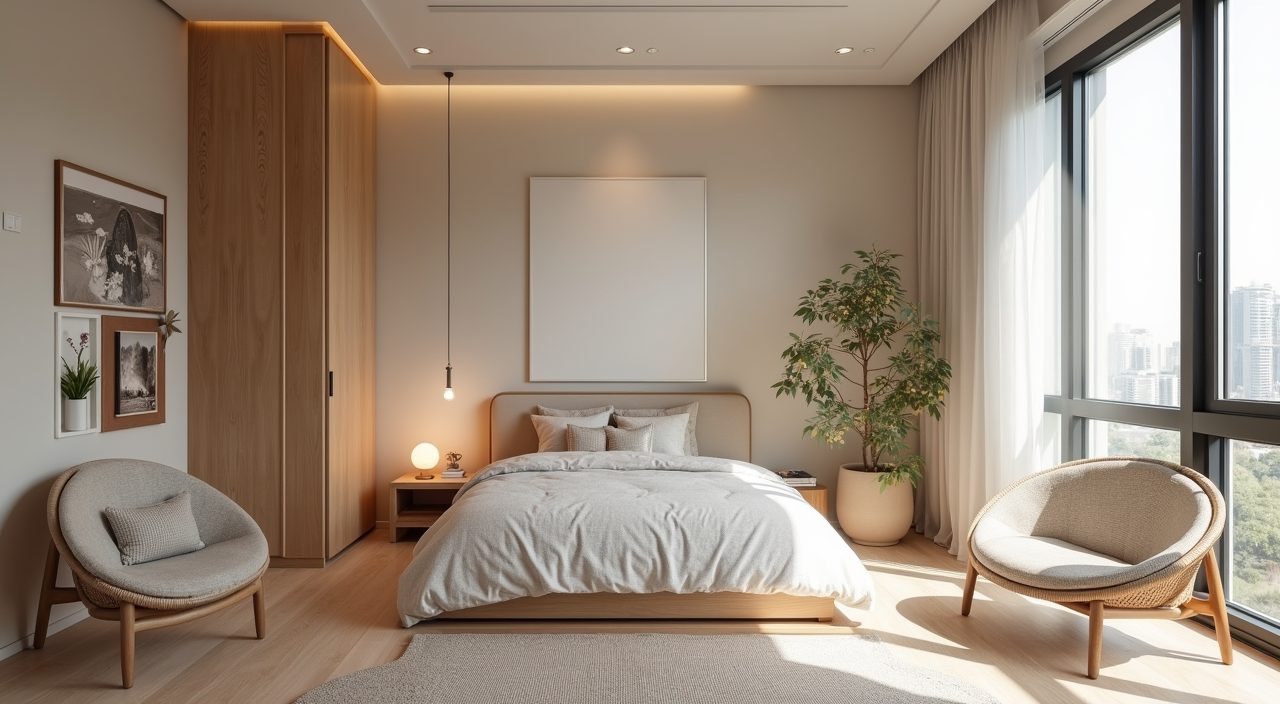
To design a good Japandi kids room in a Singapore home, keep the palette warm and low contrast, choose durable moisture friendly materials like laminate and engineered oak instead of solid timber, and plan floor to ceiling storage that hides clutter while leaving open floor space for play. The look works best when you commit to a few natural textures, keep colours muted, and size furniture to the real dimensions of an HDB bedroom (often 2.4m by 2.8m for a common room).
Japandi blends Japanese restraint with Scandinavian warmth, which suits Singapore because it favours light woods, soft neutrals, and clean lines that make small rooms feel calm rather than cramped. The challenge here is not style but climate and space: high humidity, strong afternoon sun, and rooms that have to double as sleep, study, and play zones. The ideas below are built around those local realities.
Start with a warm, low contrast neutral palette
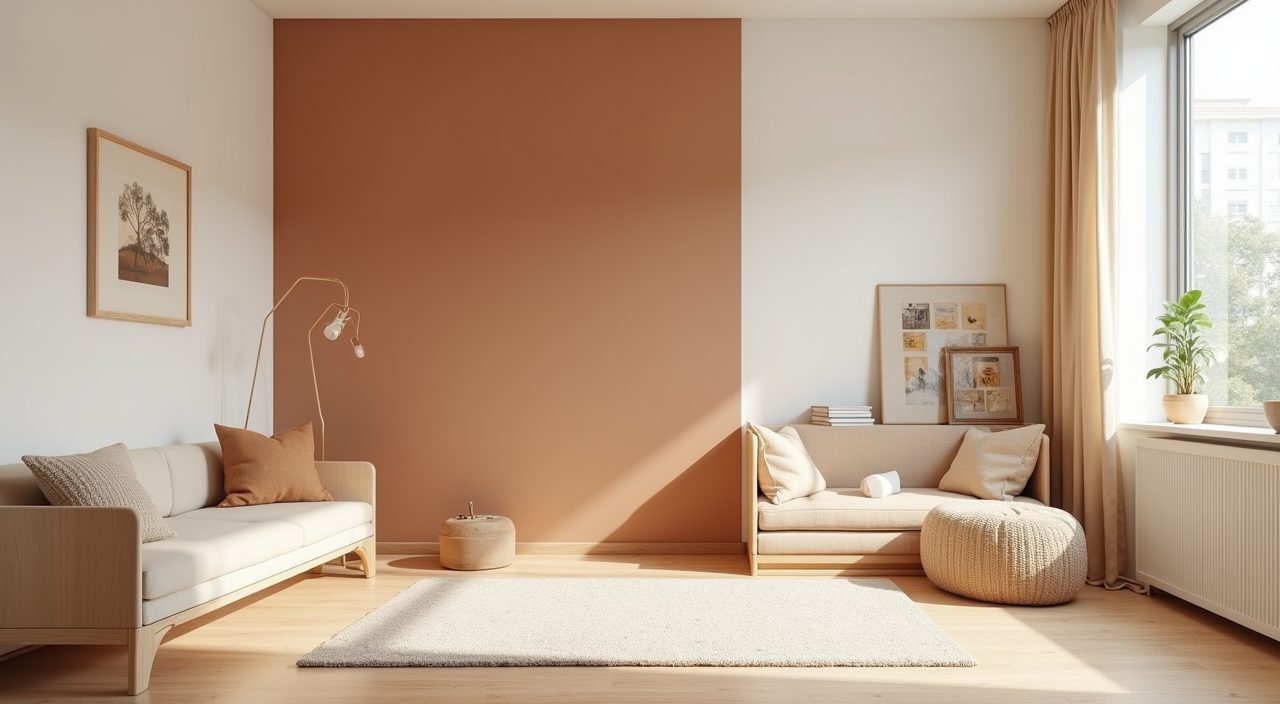
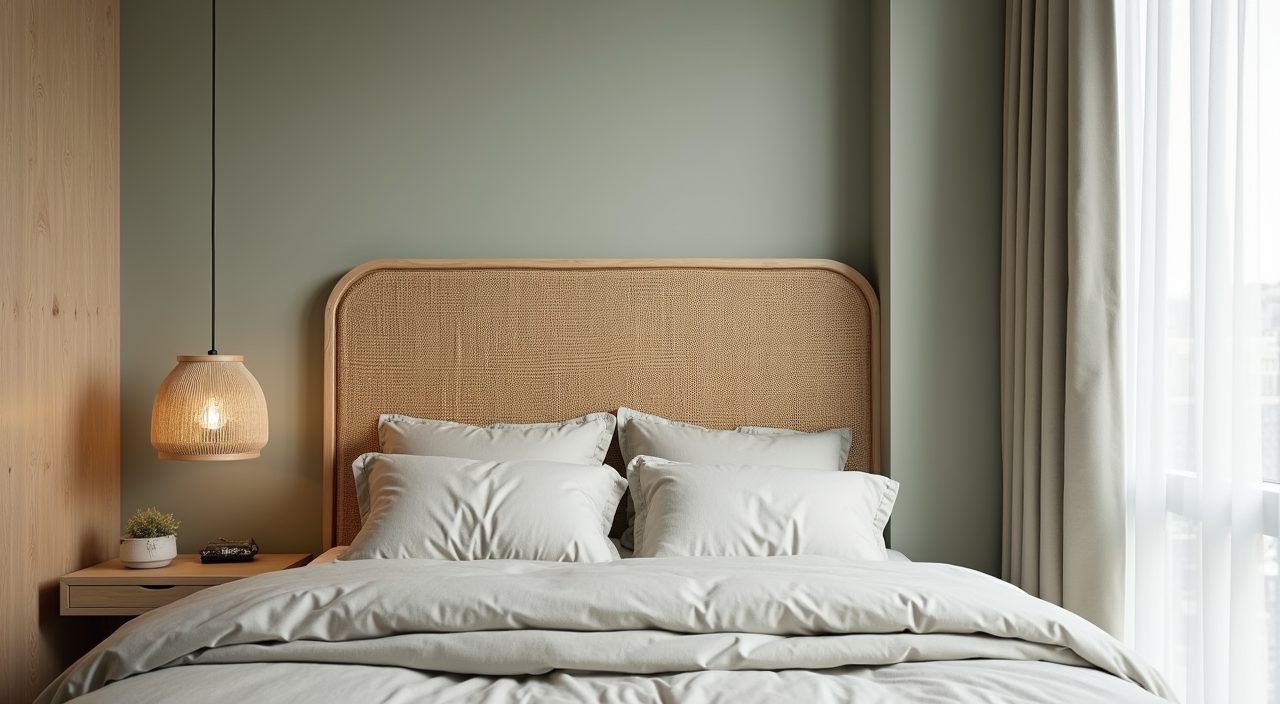
Japandi kids rooms live on muted tones: oatmeal, warm white, soft clay, sage, and pale wood. Skip stark bright white, which reads cold under Singapore's LED downlights and shows every scuff. A warm off white on the walls with one grounding accent (a dusty terracotta feature wall or a sage headboard nook) gives depth without the loud primary colours most kids rooms default to.
Keep contrast gentle so the room stays restful for sleep. If you want playfulness, add it through soft textiles and a couple of toys on open shelves rather than painted walls, since those are easy and cheap to swap as your child grows.
- Walls: warm white or greige in a washable matte or eggshell finish
- One accent only: clay, muted olive, or soft blue on a single wall or nook
- Wood tones: pale oak or ash, not orange toned or dark walnut
Choose humidity friendly materials over solid timber
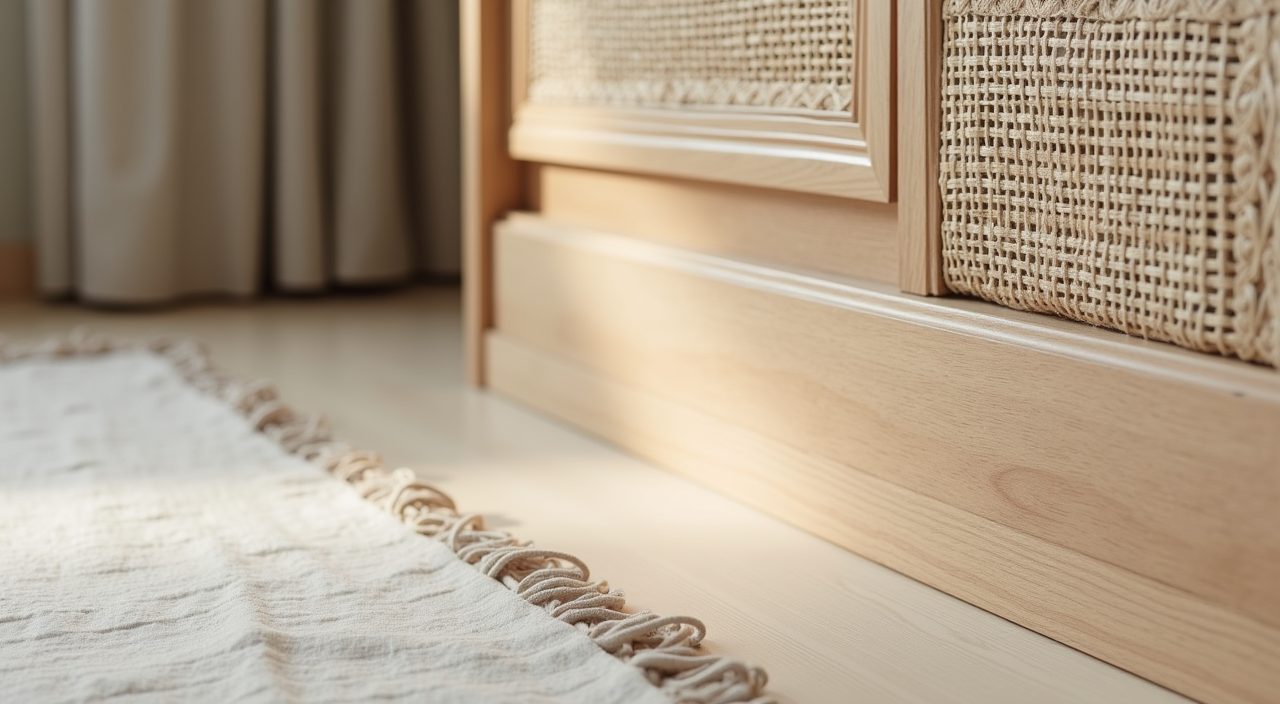
Solid wood furniture warps, cracks, and grows mould in Singapore's humidity, especially in rooms that are not air conditioned all day. Engineered oak veneer, quality laminate, and plywood carcasses give you the same soft Japandi wood look while handling moisture far better. For built ins, moisture resistant plywood or HMR board is the sensible base.
For soft finishes, favour cotton, linen, and washable rugs over wool, which can trap damp and dust in our climate. Rattan and cane details add authentic Japandi texture, but keep them on decorative pieces (a headboard panel or a light shade) rather than high wear surfaces, since cane frays with rough handling.
Plan floor to ceiling storage to beat clutter
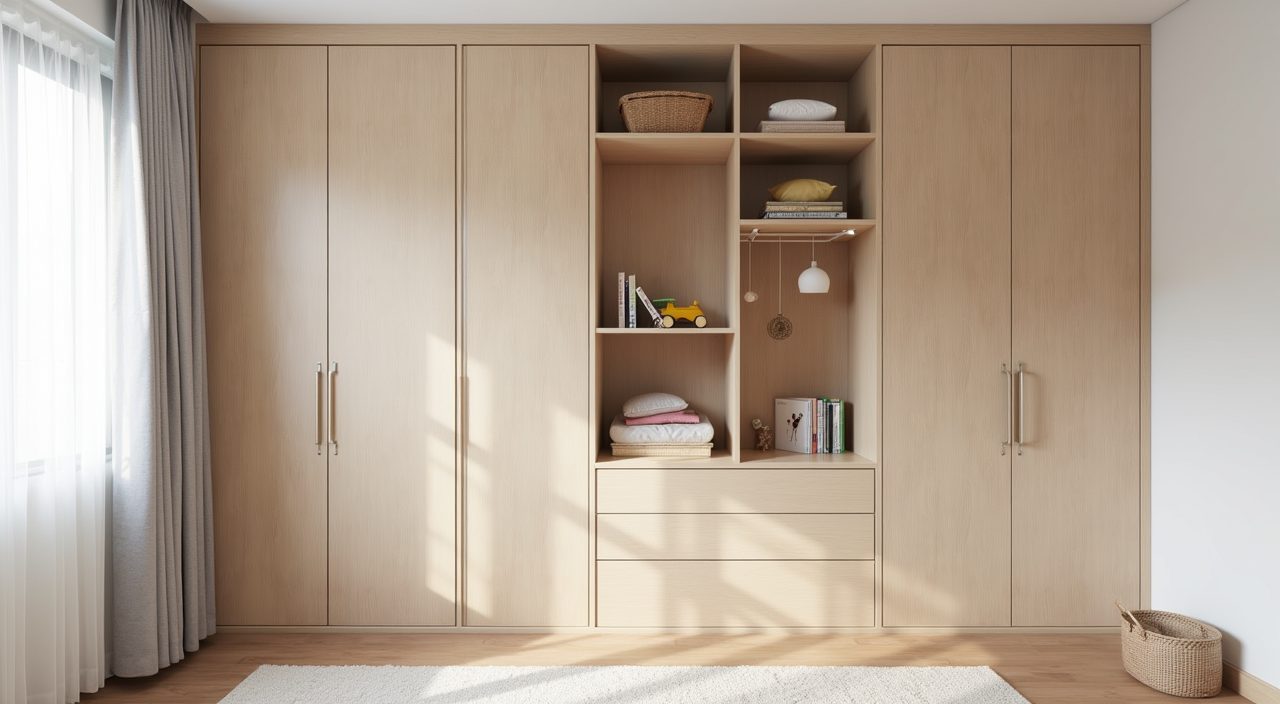
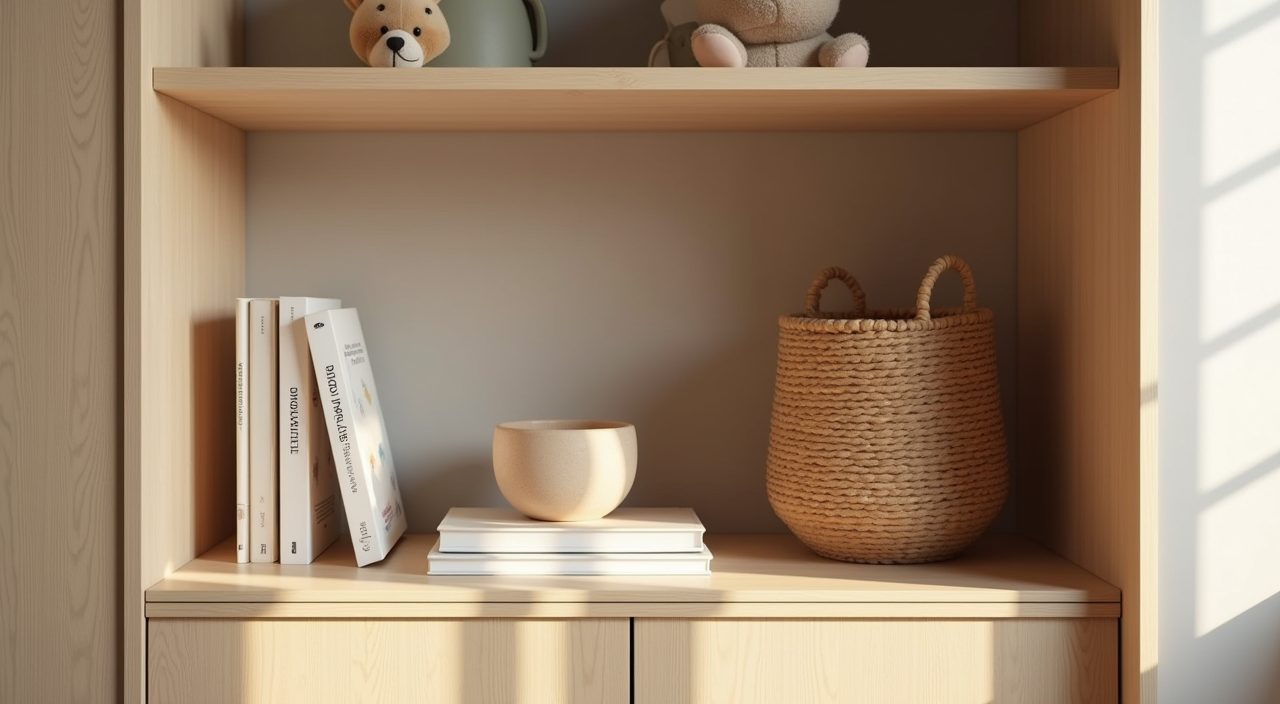
The single biggest reason a kids room stops looking Japandi is toy clutter. In an HDB common room you rarely have floor space to spare, so build upward. A full height custom wardrobe with a mix of closed cabinets (for the mess) and a few open niches (for a curated handful of books and toys) keeps the calm, uncluttered feel that defines the style.
Design the lower third for the child: low drawers and pull out bins they can reach teach tidying and keep daily items accessible. Reserve upper cabinets for seasonal clothes and things you control. This is also where getting a carpenter involved pays off, since off the shelf units rarely use the full 2.6m to 2.9m ceiling height common in local flats.
Keep furniture low and the floor open
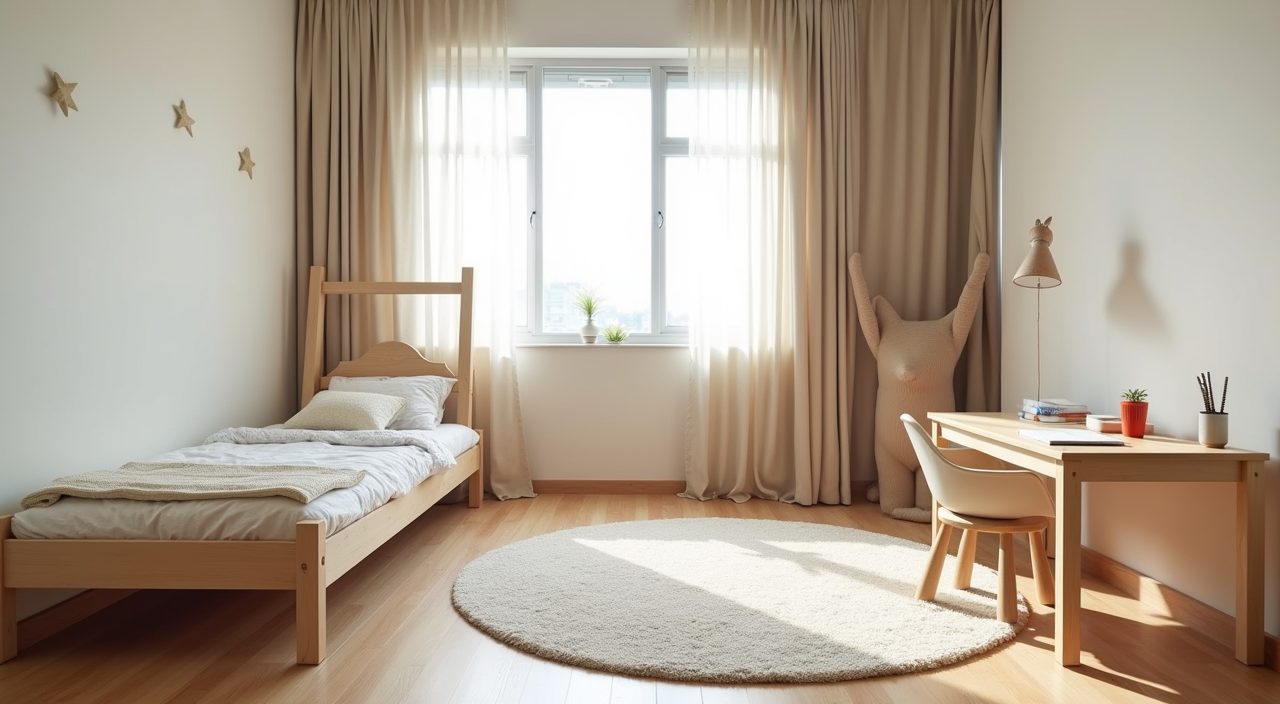
Low profile furniture is core to the Japanese half of Japandi and it happens to be ideal for kids: a low platform bed, a floor mattress for toddlers, and a small floor table for drawing all keep sight lines open so a compact room feels larger. Low pieces are also safer, since there is less height to fall from.
Leave a clear play zone on the floor rather than filling every corner. A single washable cotton rug can define that zone and soften the hard tile or vinyl flooring most Singapore homes have. Resist the urge to buy a large bulky bookshelf; open floor is more valuable than storage you do not strictly need.
Layer lighting for study, play, and sleep
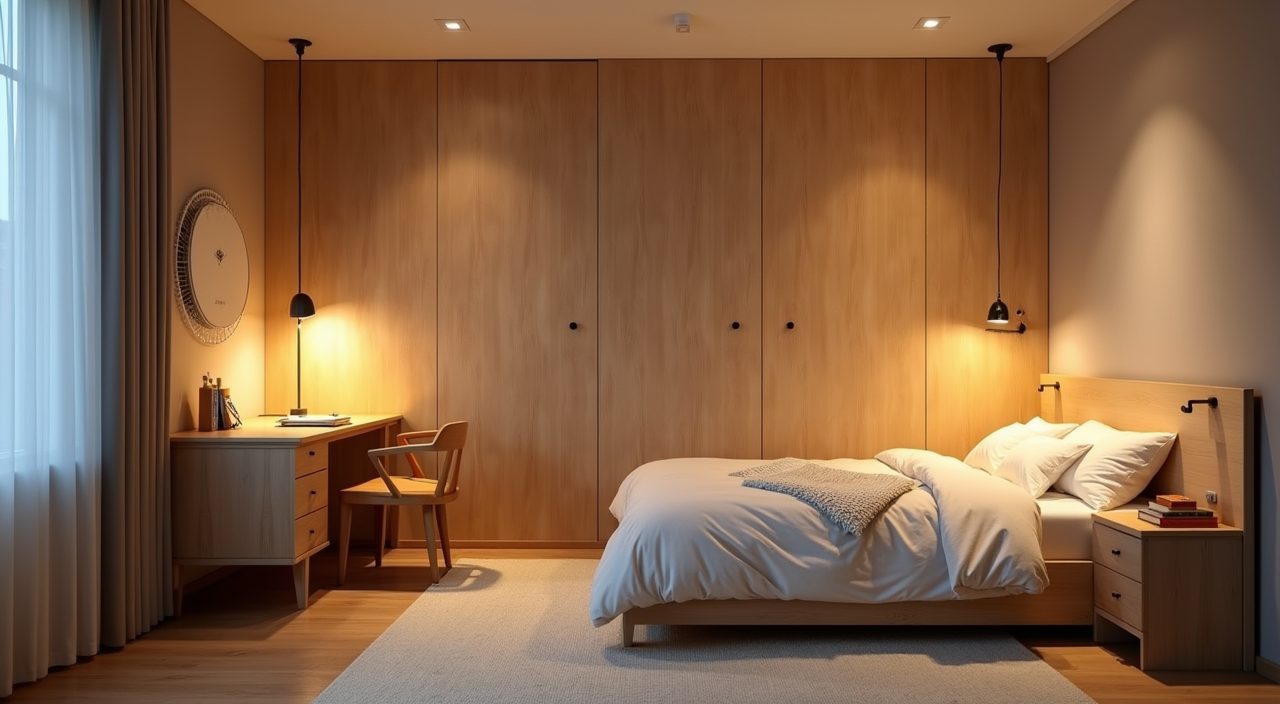
One harsh ceiling light does not suit a room used for three different activities. Layer it: keep the main downlights on a dimmer or use warm 3000K bulbs, add a focused task light at the study desk, and include a soft bedside or plug in night light for wind down. Warm colour temperature matters in a Japandi scheme because cool white flattens the wood tones the whole look depends on.
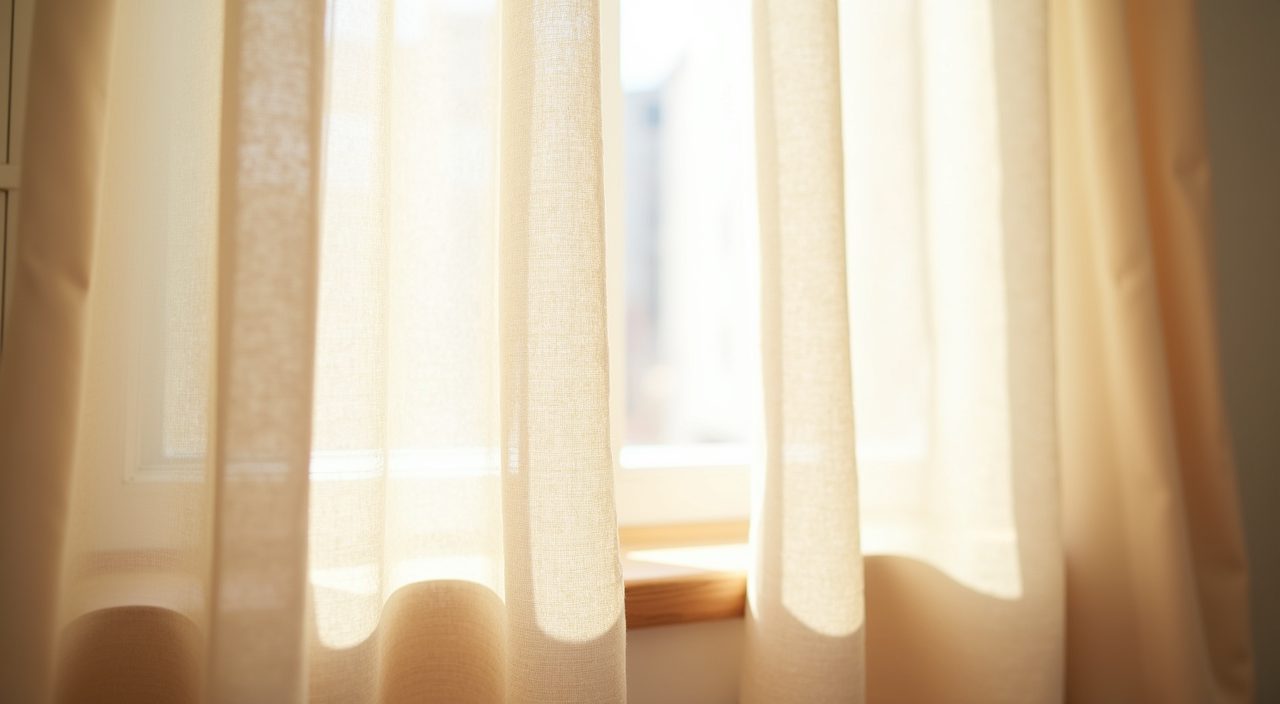
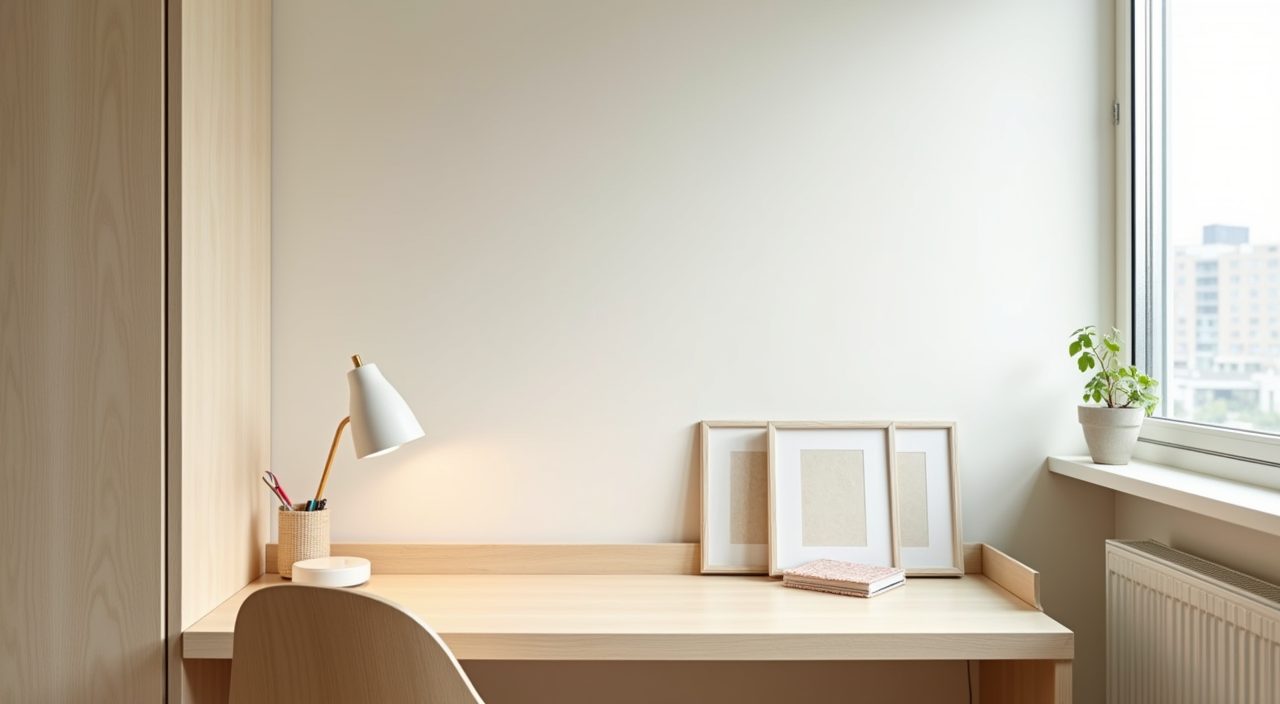
Make the most of natural light, which is abundant in Singapore. Sheer linen curtains diffuse the strong daytime glare while keeping the room bright, and a blackout layer behind them helps daytime naps and early sunrises. Position the desk near the window but not facing direct west sun, which gets punishing by late afternoon.
Design the room to grow with your child
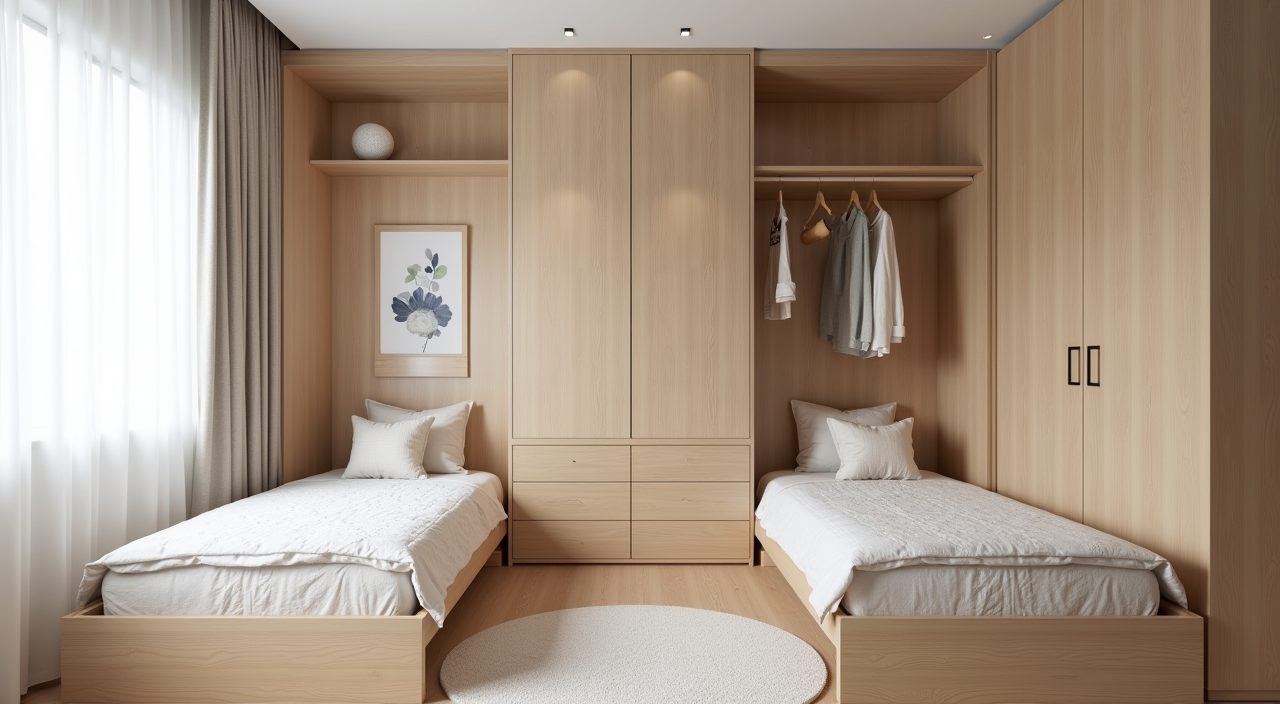
Renovation is expensive, so avoid baby specific themes that date fast. A neutral Japandi base lets you adapt the room from toddler to teen by swapping textiles, art, and a few accessories rather than rebuilding. Choose a bed frame and desk that suit a range of ages, and plan wardrobe internals that can be reconfigured with adjustable shelves and rails.
If you are fitting out a room for two children in a condo second bedroom, a low bunk or a pair of single platform beds in matching pale wood keeps the scheme cohesive without the clutter of mismatched furniture.
Add nature and soft texture, sparingly
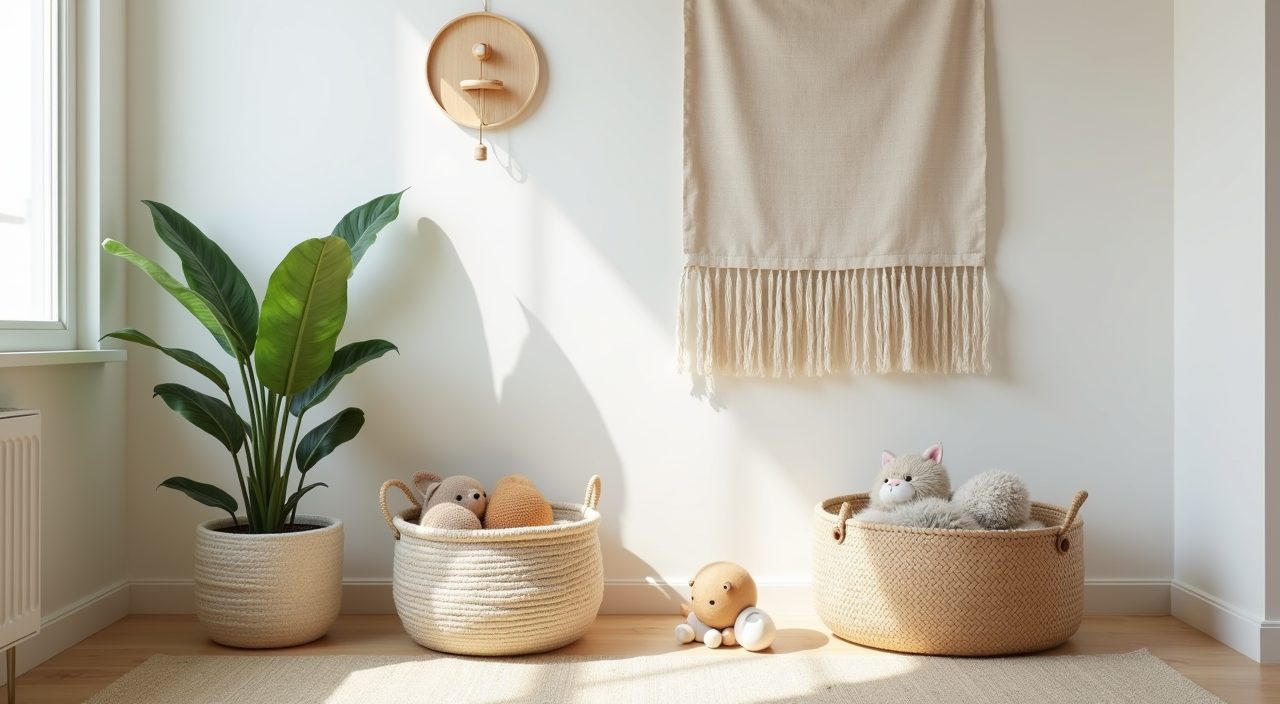
Japandi leans on natural imperfection and biophilia, which is easy to overdo in a kids room. A single hardy plant (a pothos or snake plant tolerates local conditions and low light), a woven basket for soft toys, and a linen wall hanging are enough to bring warmth. The rule is restraint: a few honest natural materials read as calm, while too many competing textures read as busy.
Keep decor at a child's eye level where it matters to them, and leave upper walls quiet. Handmade ceramics, a simple wood mobile, or a small gallery of two or three framed prints suit the style better than a wall crowded with cartoon graphics.
Pick flooring and finishes that survive real kids
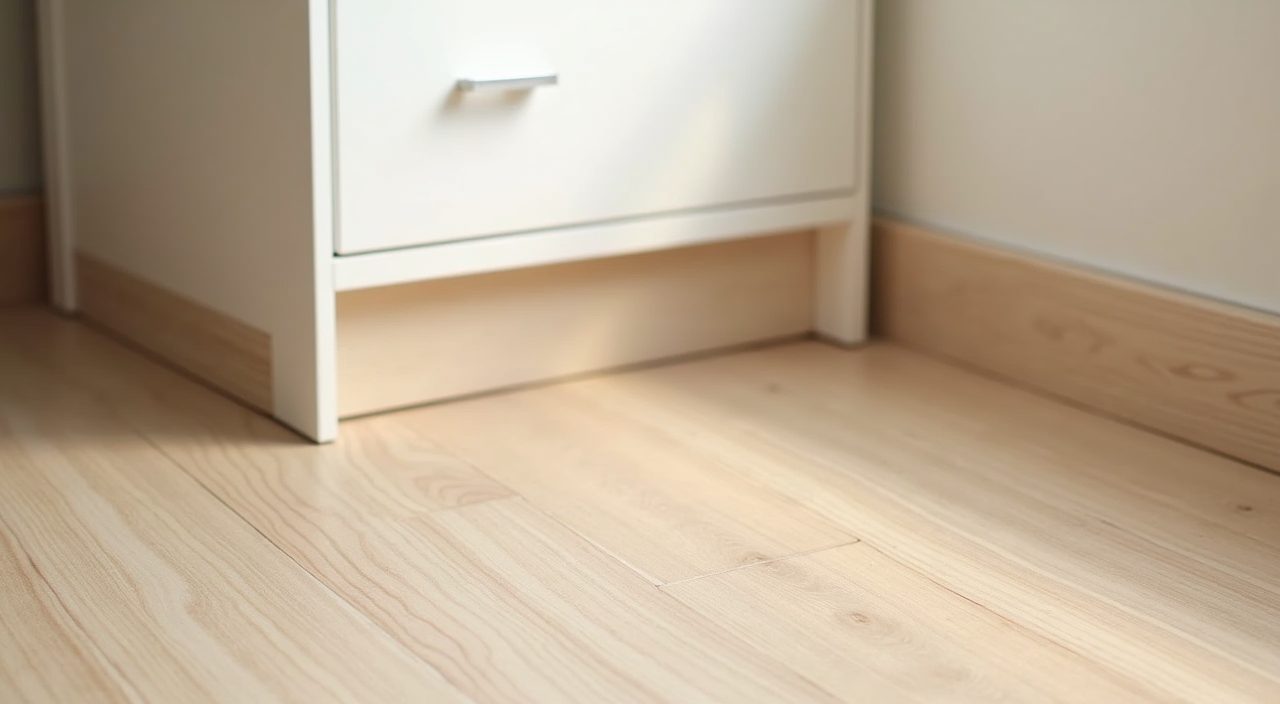
Most Singapore homes come with tile, which is cold underfoot but practical. If you want the warmer Japandi wood floor feel, SPC vinyl planks in a pale oak tone are moisture resistant, quieter, and softer than tile, and they handle spills and scooter traffic well. This is a common and affordable upgrade for a single room.
For wall and cabinet finishes, choose washable, low sheen surfaces. Fingerprints and crayon are a fact of life, so a wipeable paint and laminate fronts save you repainting. Rounded edges on any custom carpentry are worth specifying for a toddler's safety.
What to plan and budget for
A Japandi kids room is more about disciplined material and colour choices than expensive furniture, so it can be done at many price points. The biggest line items are usually custom carpentry (a full height wardrobe and any built in study nook) and flooring if you switch from tile to SPC vinyl. Budget for carpentry as your main spend, then a moderate amount for the bed, desk, lighting, and soft furnishings; loose decor and textiles can be added slowly over time. Get a few itemised quotes so you can see where the money actually goes, and prioritise the storage, since it does the most work for the look and the everyday tidiness. If you want the built ins, electrical for the layered lighting, and any flooring done properly, it is worth engaging a contractor for the japandi kids room design singapore renovation so the wardrobe, wiring, and finishes are handled together rather than piecemeal.
Frequently asked questions
Does Japandi work in a small HDB bedroom? Yes, and it is arguably better suited to small rooms than busier styles. The muted palette, low furniture, and floor to ceiling storage all make a compact common room of around 2.4m by 2.8m feel calmer and more open, as long as you keep clutter hidden and the floor clear.
What materials hold up best in Singapore's humidity? Engineered oak veneer, quality laminate, and moisture resistant plywood outlast solid timber, which tends to warp and attract mould. For soft goods, choose washable cotton and linen over wool, and use cane or rattan only on decorative pieces rather than high wear surfaces.
How much should I budget for a Japandi kids room renovation? It varies with how much custom carpentry and flooring you take on. The wardrobe and any built in desk are usually the largest costs, followed by flooring if you switch to SPC vinyl, then furniture and lighting. Ask for itemised quotes and put your money into storage and finishes first, since decor can be added gradually.
Can the room grow with my child? Yes, if you keep the base neutral. A Japandi scheme adapts from toddler to teen by changing textiles, art, and accessories rather than rebuilding, so choose a bed, desk, and wardrobe internals that suit a range of ages from the start.