Japandi Living Room Design Ideas for Singapore Homes
Practical Japandi living room ideas for Singapore HDB flats and condos: warm wood tones, low furniture, humidity-safe materials, and soft tropical lighting.
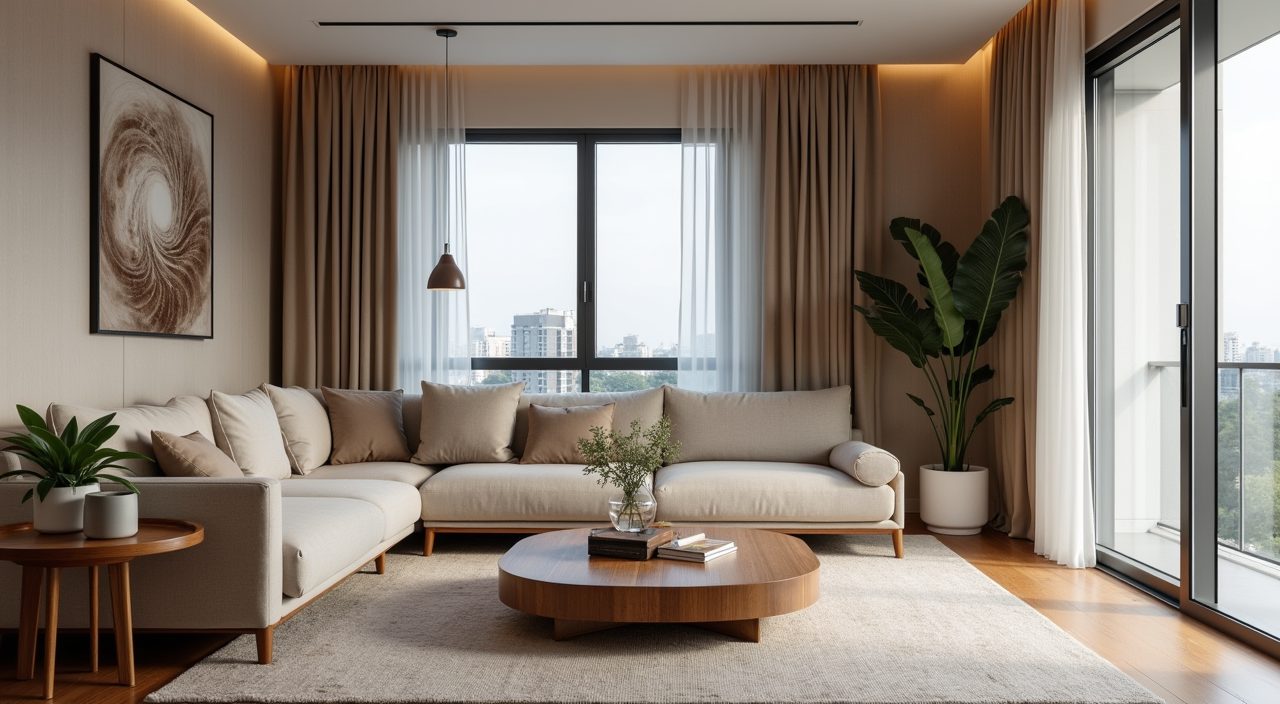
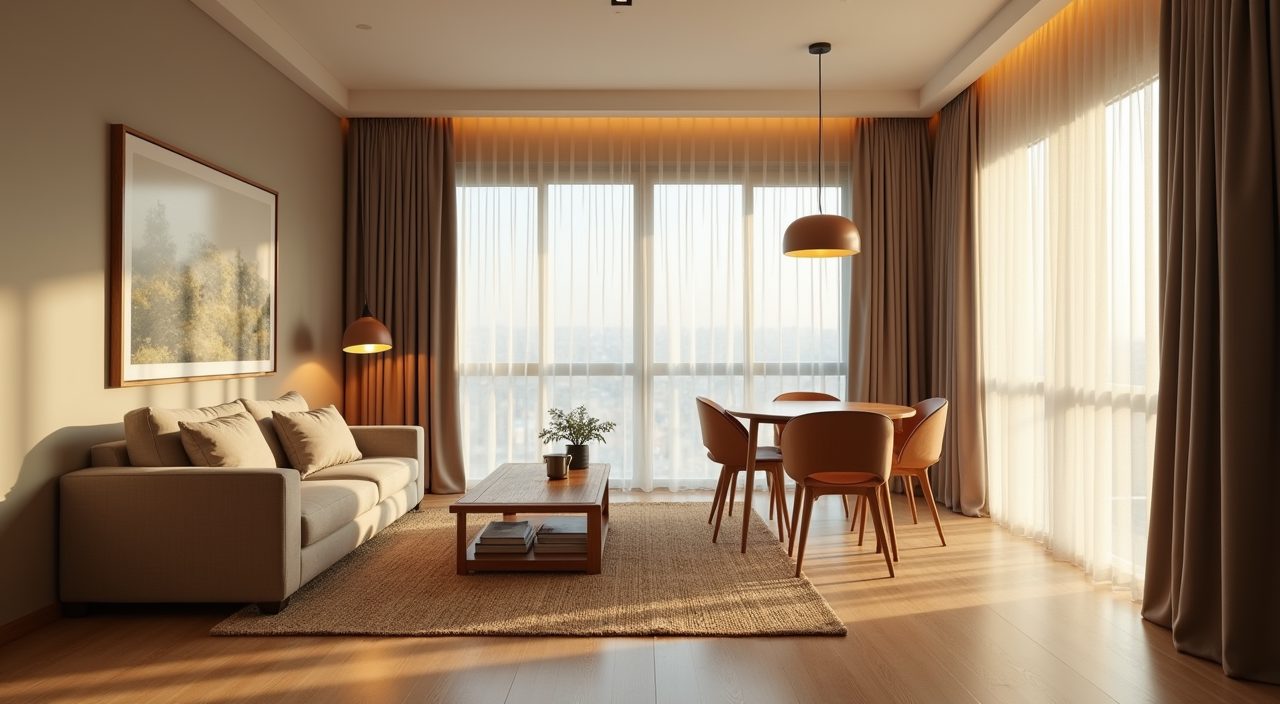
To design a Japandi living room well in a Singapore home, keep the palette warm and quiet (oak or ash wood against off white and muted greige), choose low profile furniture that frees up floor space, and let in soft daylight while controlling glare from strong tropical sun. Prioritise a few honest natural materials over clutter, and pick finishes that hold up in high humidity so the calm look lasts.
Japandi blends Japanese minimalism with Scandinavian warmth, which happens to suit local flats and condos very well. A typical 4 room HDB living and dining zone runs roughly 25 to 32 sqm, and many condo living rooms are tighter than that, so the restraint of this style reads as spacious rather than bare. The ideas below are grouped so you can pick what fits your unit, your light, and your budget.
Build the palette on warm wood and muted neutrals
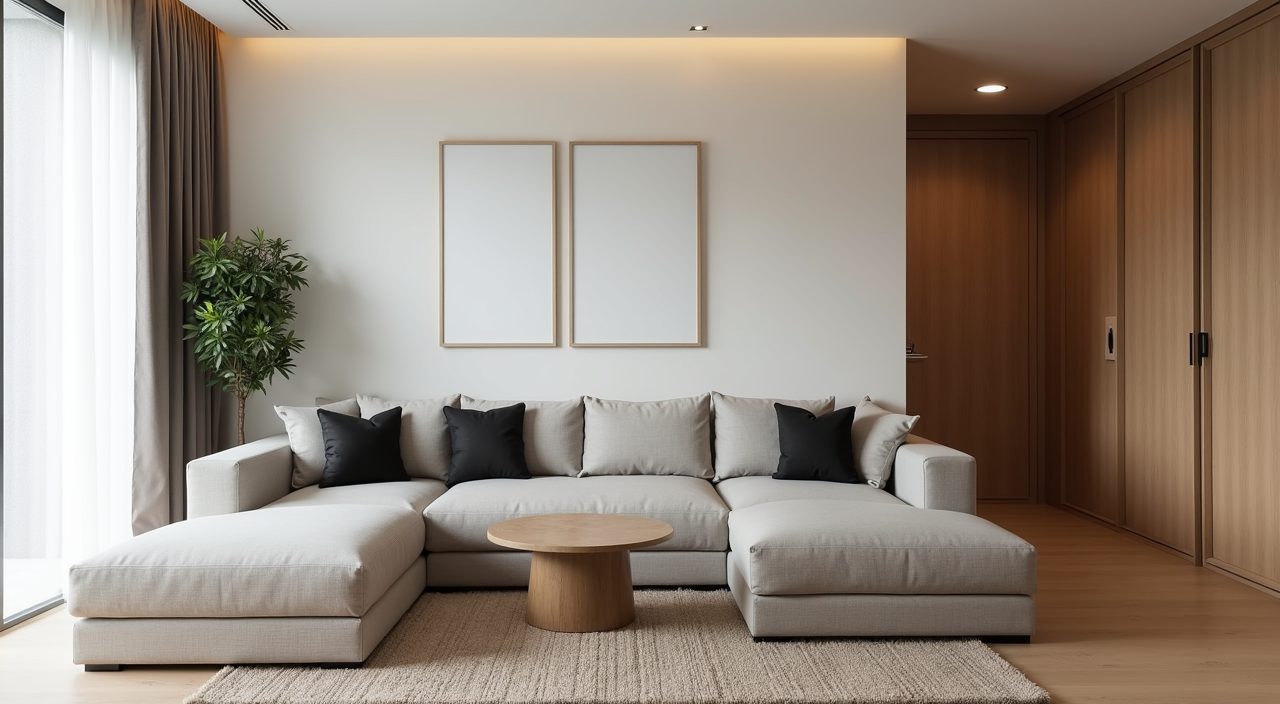
Start with one dominant wood tone and let everything else stay quiet around it. Light to mid oak, ash, and walnut are the Japandi staples, and in Singapore a warmer oak reads better under our bright daylight than a cold grey laminate. Pair the wood with off white or warm white walls, then layer in greige, soft clay, and a deep charcoal or ink accent for grounding.
Keep the number of colours small. Two or three neutrals plus the wood is usually enough, with maybe one muted earth tone (terracotta, olive, or a soft sage) used sparingly on a cushion or a piece of pottery. Avoid stark black and white contrast, which tips the room toward hard Scandinavian minimalism and loses the softness that makes Japandi feel liveable.
- Walls: off white or warm white, not cool grey
- Wood: one main species (oak or ash) repeated across furniture
- Accents: charcoal, clay, olive, or sage in small doses
Choose low profile furniture to open up small floor plans
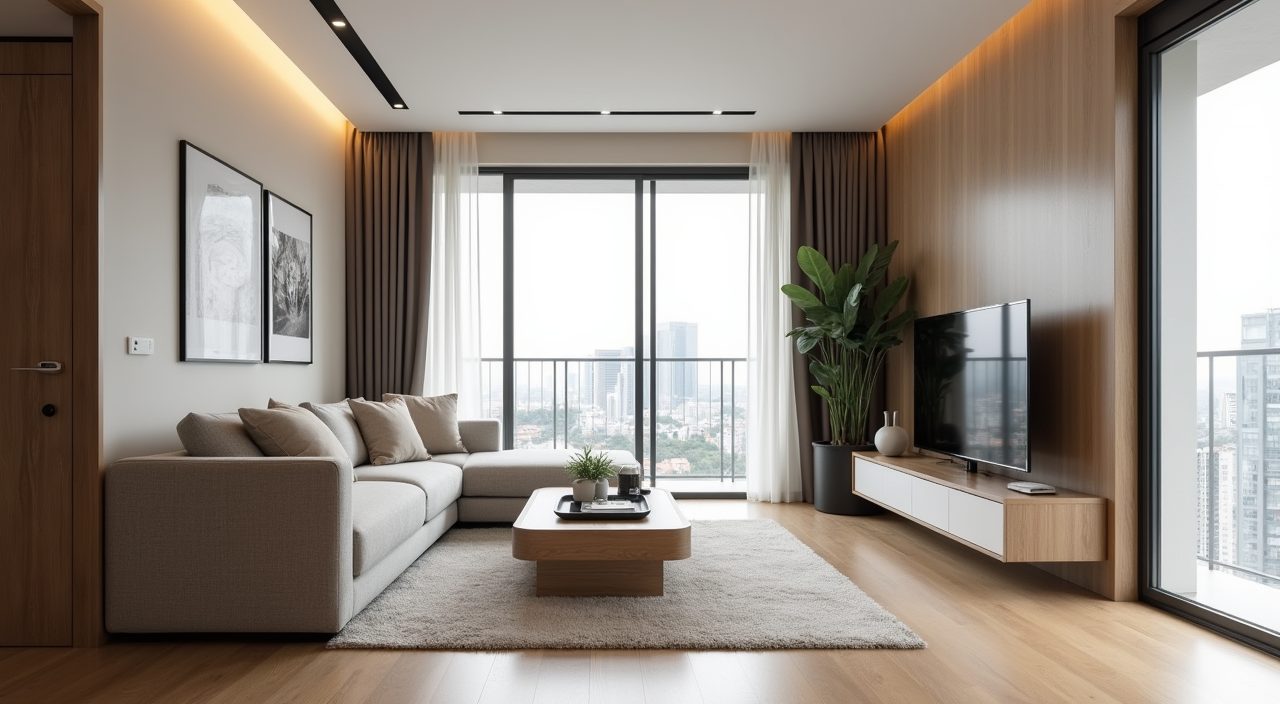
Low furniture is a signature Japandi move and it genuinely helps in compact Singapore living rooms. A low slung sofa, a low TV console, and a short coffee table keep the sightline above the furniture clear, which makes a 25 sqm space feel taller and less crowded. It also suits the common local habit of sitting on the floor or lounging casually.
Watch the scale carefully. A deep, oversized sofa that looks great in a showroom will swallow a condo living room, so measure your walkways and aim to keep at least 700 to 900mm of clear circulation around seating. Legs raised slightly off the floor (rather than a base that sits flush) let you see more floor and make the room easier to clean, which matters in a dusty, tropical climate.
Pick humidity friendly materials that age well
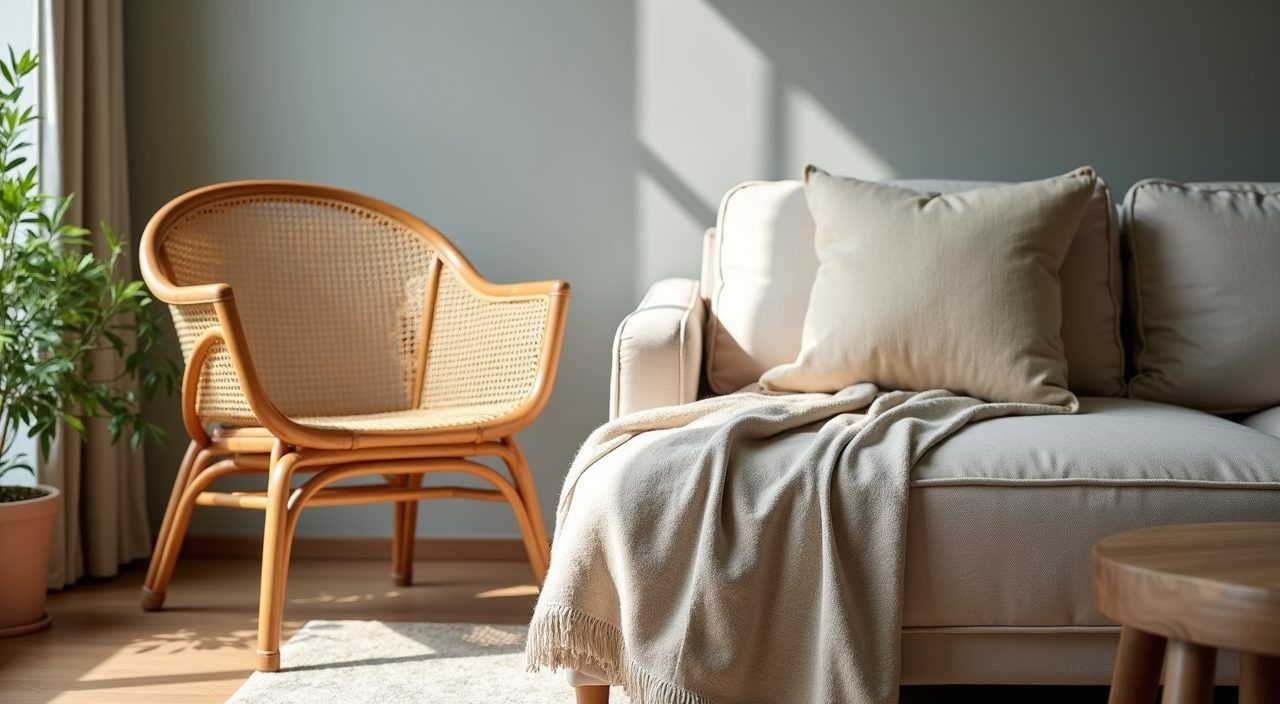
Singapore humidity is the real test of any natural material scheme. Solid wood and quality veneers behave better than cheap laminate over time, but even good wood needs stable indoor conditions, so keep pieces away from direct afternoon sun and run aircon or a dehumidifier during long wet spells. Rattan and cane look right at home in Japandi and cope well with the climate, though they collect dust and want a wipe down every couple of weeks.
For upholstery and rugs, favour breathable, washable fabrics. Linen and cotton blends suit the look and dry faster than dense synthetics, while a flat weave wool or jute rug is easier to air out than a deep pile that traps moisture. Avoid untreated iron or raw steel legs near windows, since they can spot with rust in high humidity.
- Good bets: solid wood, quality veneer, rattan, cane, linen, cotton
- Handle with care: deep pile rugs, untreated metals, thin laminate
- Run a dehumidifier during monsoon months to protect timber
Layer soft, warm lighting instead of one bright ceiling light
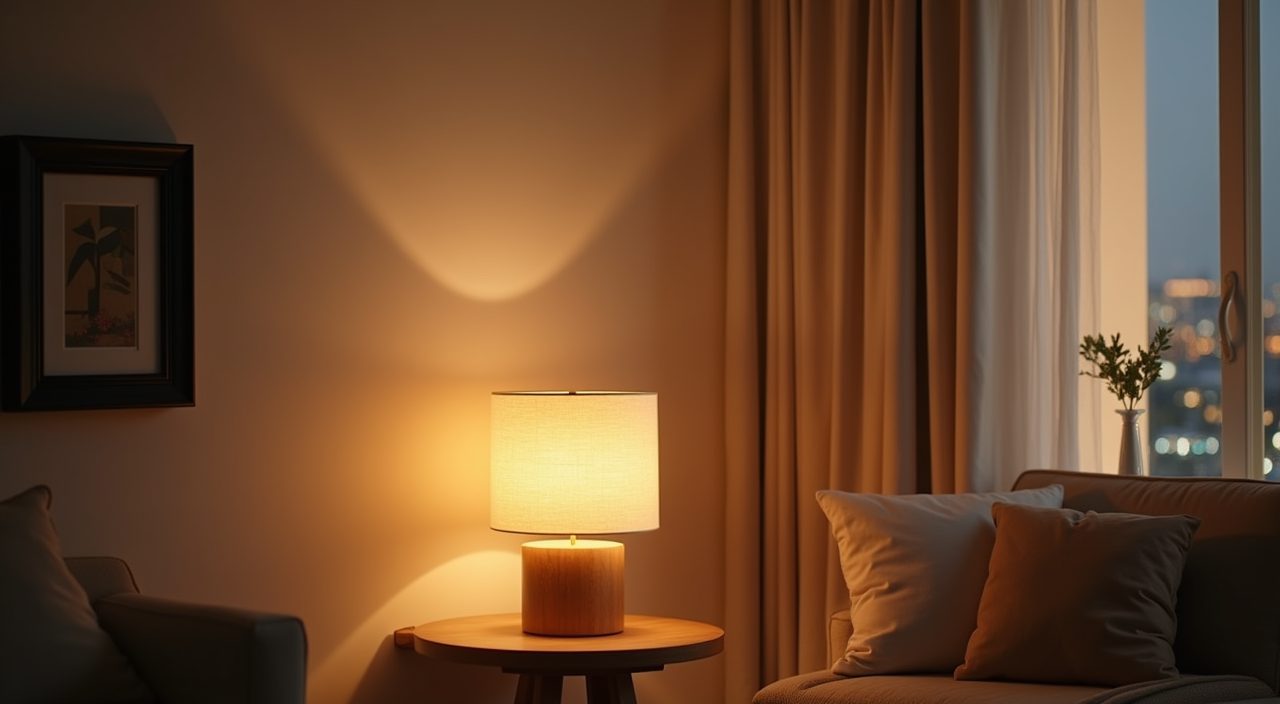
The default developer setup of a single bright cool white downlight kills the Japandi mood instantly. Swap to layered, warm lighting: a mix of recessed lights on a dimmer, a paper or linen shade pendant, and a low floor or table lamp for evening. Aim for warm colour temperatures around 2700K to 3000K, which flatter wood and neutral walls far better than the 4000K to 6500K white common in HDB fittings.
Because our daylight is strong and direct, plan for glare control too. Positioning a lamp to bounce light off a wall gives a softer glow than a bare bulb, and dimmable circuits let you drop the room to a calm evening level. If you are moving light points or adding dimmers, that is electrical work that should be done by a licensed professional rather than a DIY fix.
Filter the tropical light with sheer layered window treatments
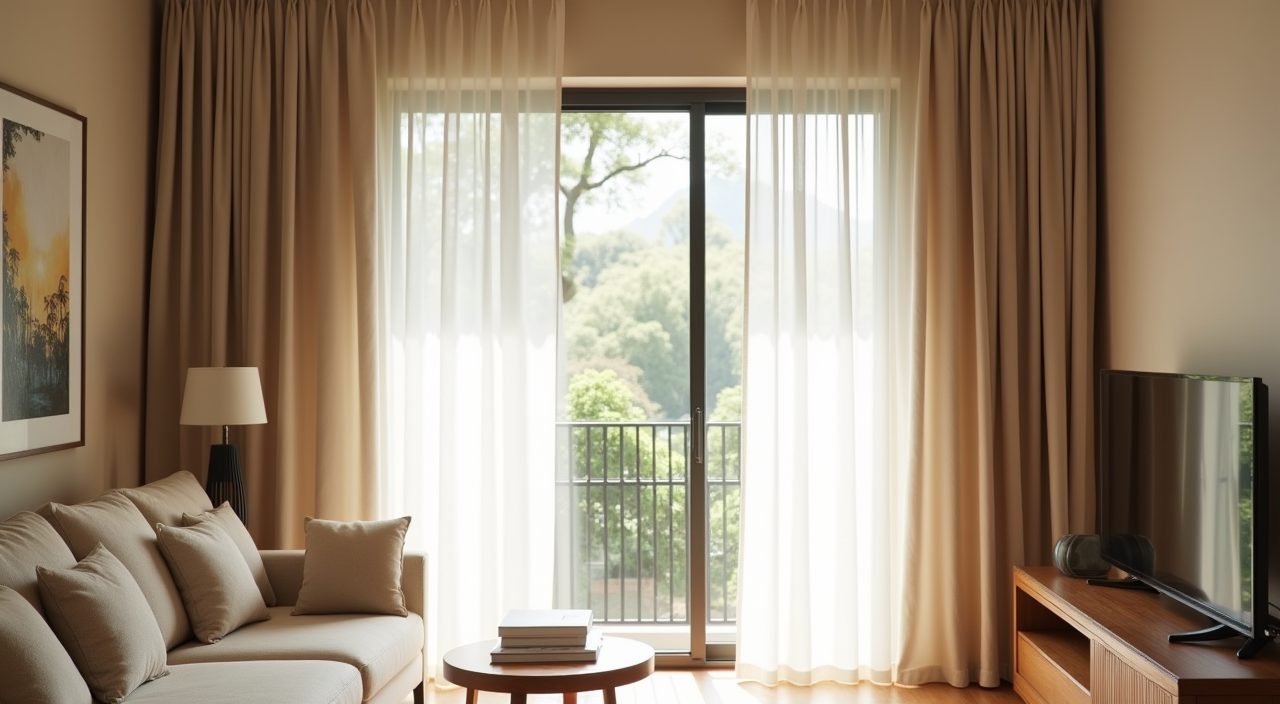
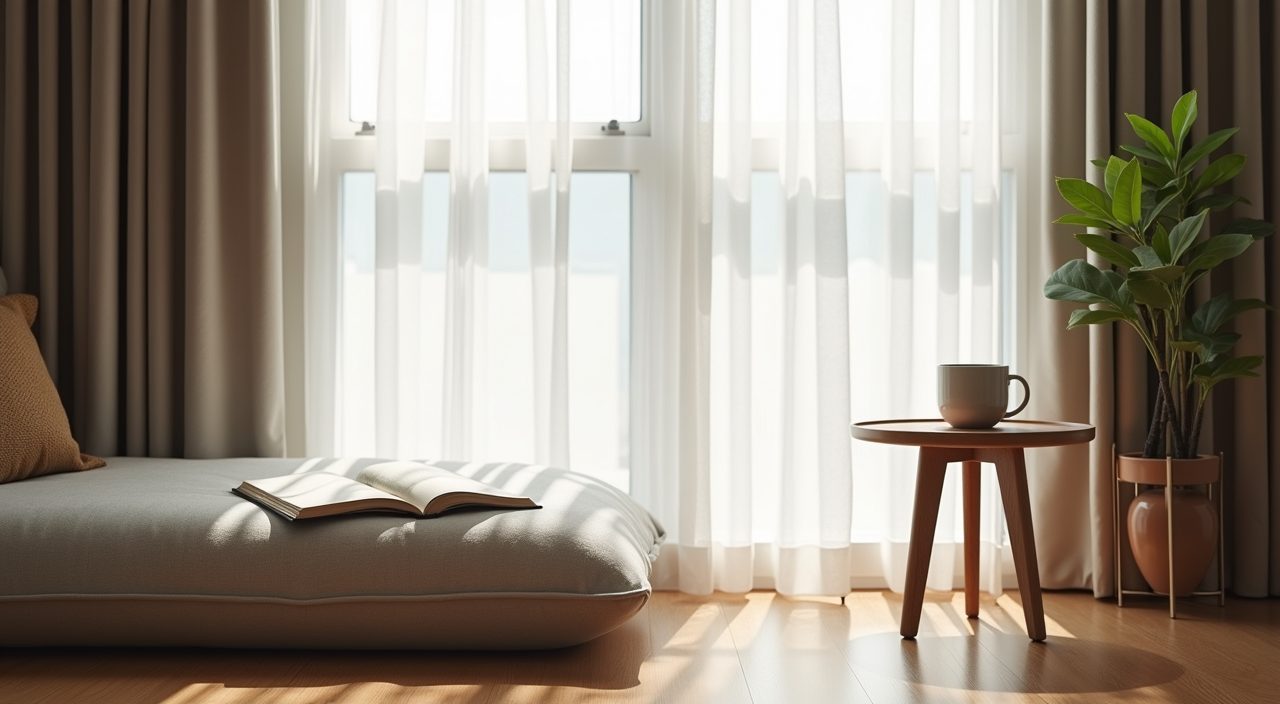
Windows are where Japandi and the Singapore climate meet head on. A sheer linen or cotton curtain diffuses harsh midday sun into a soft wash of light, which is exactly the quiet atmosphere the style wants. Layer a heavier day curtain or a simple roller blind behind the sheer so you can cut heat and glare in the afternoon without making the room dark.
Keep the hardware minimal and the fabric floor length to add a sense of height. Natural, undyed tones (oatmeal, ecru, warm grey) keep the palette calm. If your unit faces west and bakes in the afternoon, a light blockout blind behind the sheer will also take some load off your aircon.
Add greenery and a few honest natural textures
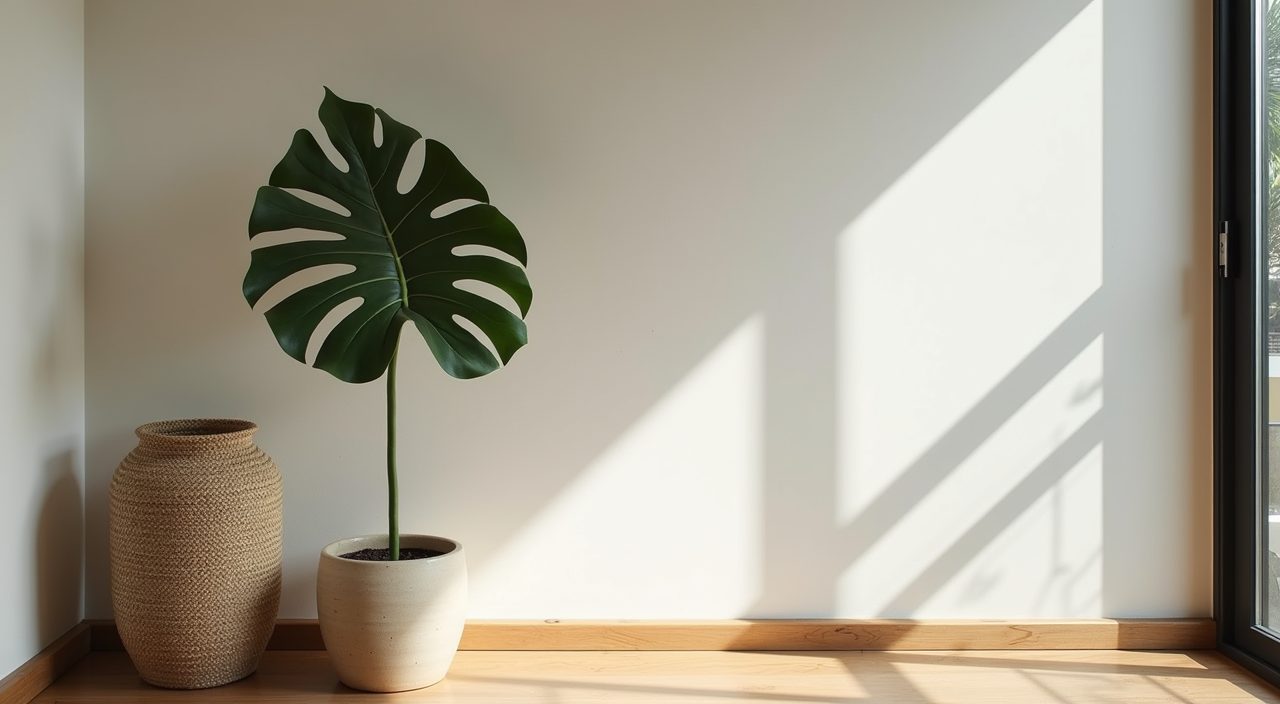
A little greenery brings the wabi sabi warmth that stops Japandi from feeling sterile. You do not need a jungle: one sculptural plant such as a fiddle leaf fig, a rubber plant, or a cluster of smaller pots in simple ceramic is enough. Singapore light varies a lot by unit, so match the plant to your actual conditions, since a bright balcony facing room and a north facing inner room want very different species.
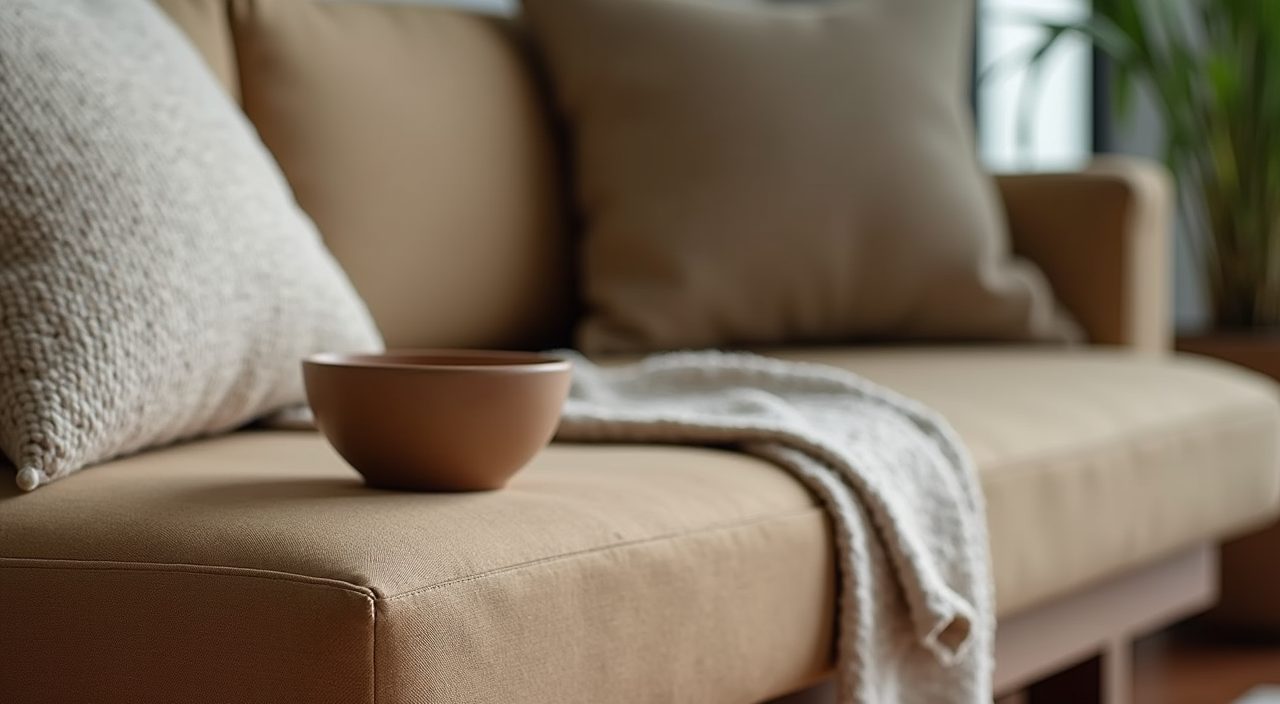
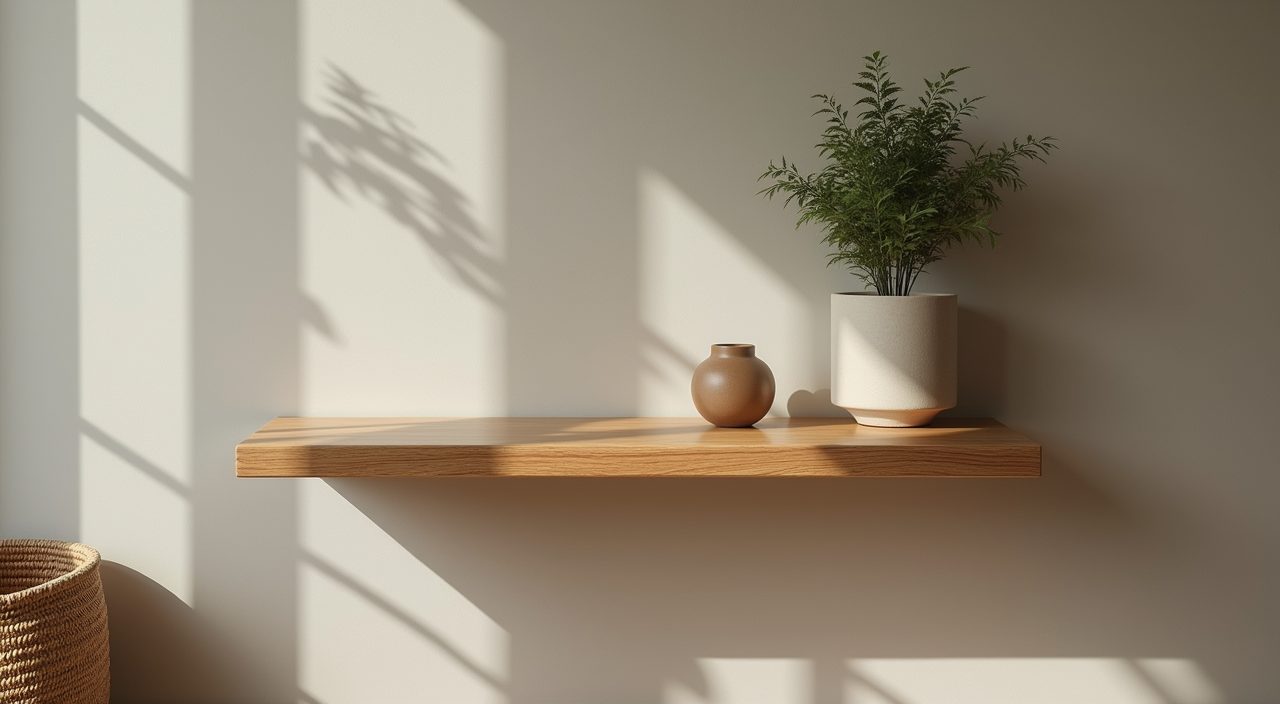
Beyond plants, texture is what gives a minimal room depth. Think a rough ceramic vase, a woven basket for storage, a stoneware bowl, a coarse linen throw. These small imperfect, handmade pieces do a lot of the work, so you can keep surfaces mostly clear and still have the room feel considered rather than empty.
Design in concealed, clutter free storage
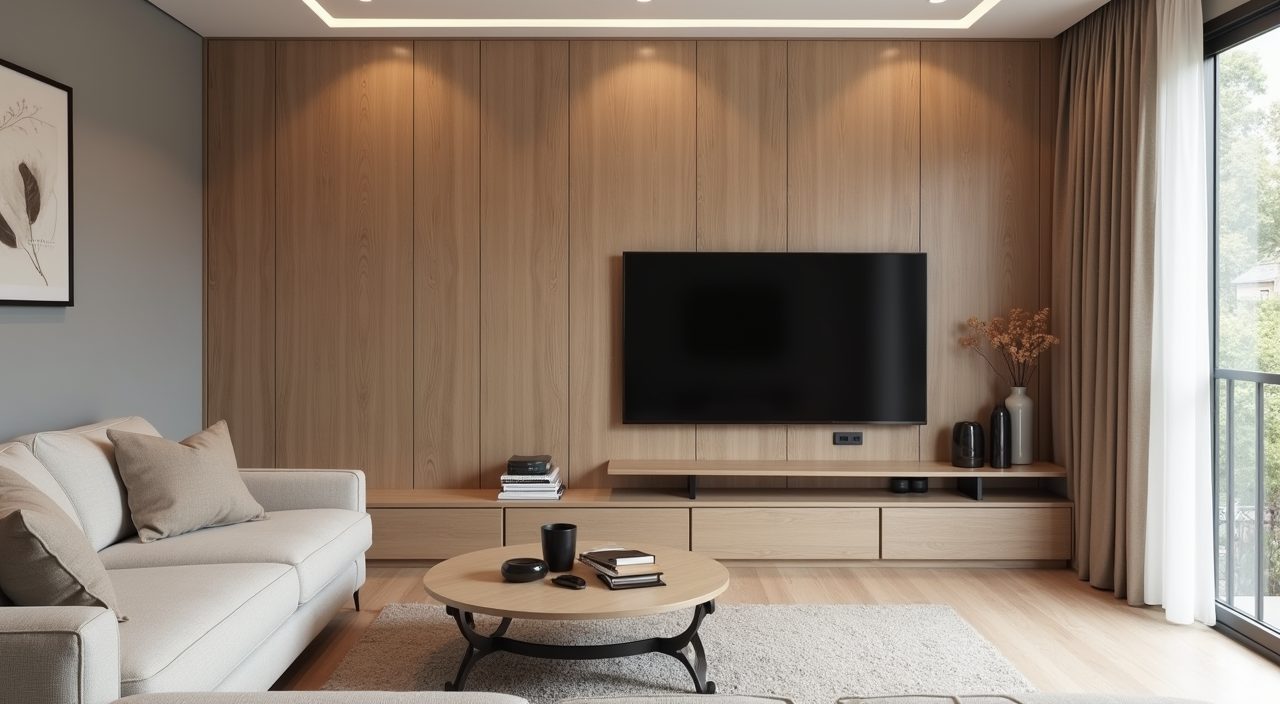
Japandi lives or dies on how little clutter is on show, which is hard in a compact flat where everything has to live somewhere. The fix is built in, low profile storage: a full wall of flush front carpentry in a matching wood or a muted matte finish, floating shelves used sparingly, and a TV console with closed cabinets rather than open shelving. Handleless push to open fronts keep the lines clean.
Plan storage around what you actually own before the carpenter starts, so the joinery earns its cost. In an HDB living room, a shallow feature wall that hides the meter, router, and cables while housing the TV can transform how tidy the space feels. Keep the finish quiet, since a busy wood grain or high gloss will fight the calm you are after.
Keep the floor and hero surfaces calm and continuous
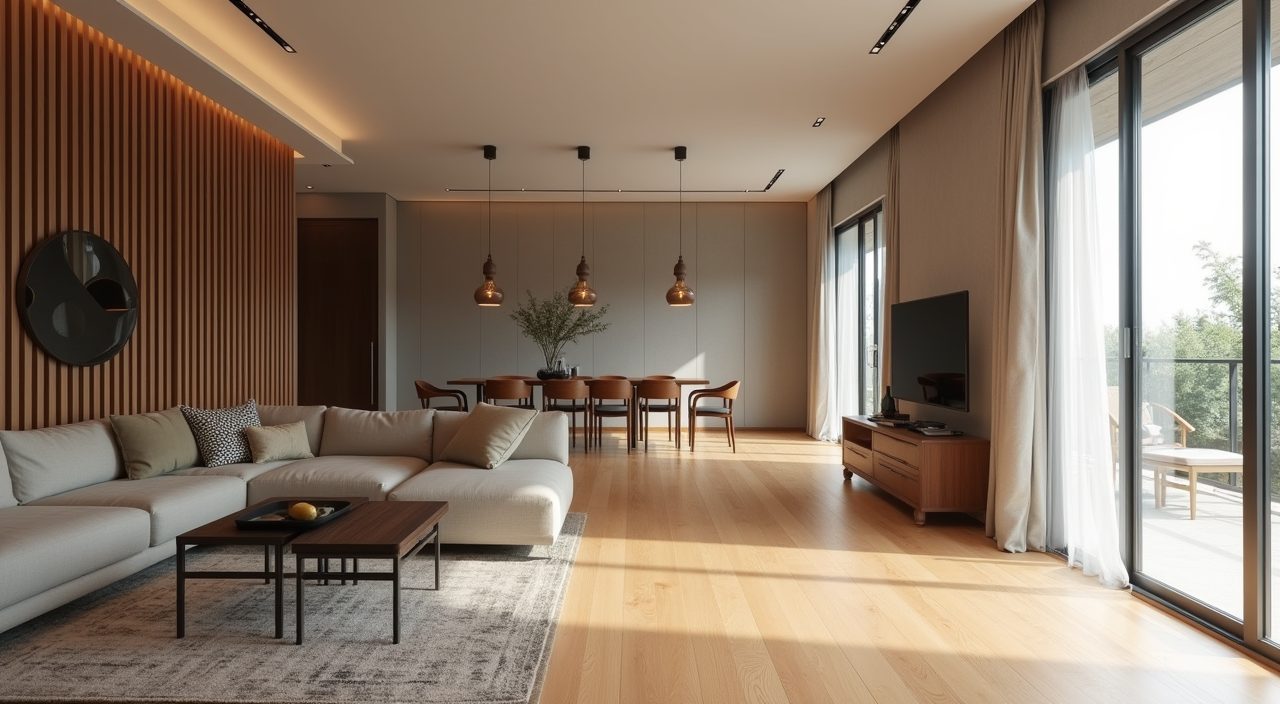
A continuous, low contrast floor makes a small Singapore living room read as one generous space. Warm toned engineered wood, or a good wood look SPC or vinyl for a tighter budget, suits Japandi and holds up to humidity better than solid timber on the ground. Running the same flooring through the living and dining zone visually stretches the area, which is useful in open plan HDB layouts.
Let one or two surfaces be quietly special rather than making everything loud. A microcement or lightly textured feature wall, a stone or timber TV console, or a single considered piece of art gives the eye a resting point. The rule of thumb is one hero, calm supporting cast, which keeps the room from tipping into busy.
What to plan and budget for
Be honest with yourself about scope before you commit. A light Japandi refresh (repaint, new soft furnishings, lighting swaps, a few pieces of furniture) is very achievable on a modest budget, while a fuller change involving custom carpentry, new flooring, moved light points, and window works climbs quickly. Carpentry and flooring are usually the biggest line items, so budget for them first and let the decor follow. Get itemised quotes, confirm material grades in writing, and remember that electrical changes such as new light points or dimmers must be done by a licensed electrician, not improvised on site. If you want the look built properly and safely, it is worth engaging a contractor for the actual japandi living room design singapore renovation rather than piecing it together ad hoc, since a good team will coordinate the carpentry, flooring, lighting, and any electrical or plumbing changes into one clean result.
Frequently asked questions
Does Japandi work in a small HDB flat? Yes, and it is arguably a great fit. The low furniture, restrained palette, and hidden storage all make a compact 3 or 4 room living room feel larger and calmer, as long as you keep surfaces clear and pick furniture scaled to the room rather than the showroom.
How is Japandi different from plain minimalist or Scandinavian style? Japandi keeps the clean lines and function of both, but adds warmth and a wabi sabi acceptance of natural, slightly imperfect materials. It is softer and more textured than cool Scandinavian minimalism, and warmer than stark modern minimalism, which is why it feels comfortable rather than clinical.
Will natural wood and rattan survive Singapore humidity? They can, with sensible care. Choose quality wood and treated rattan, keep pieces out of direct afternoon sun, and run aircon or a dehumidifier during the wet season. Engineered wood or wood look SPC on the floor handles moisture better than solid timber underfoot.
Do I need a contractor or can I do it myself? Soft styling like paint, curtains, plants, and furniture is DIY friendly. Anything structural or technical, such as custom carpentry, flooring, moving light points, or adding dimmers, is better handled by professionals, and electrical work in particular must be carried out by a licensed electrician for safety.