Japandi Study Room Design Ideas for Singapore Homes
Japandi study room ideas built for Singapore HDB flats and condos: warm palettes, humidity-safe materials, small-space layouts, and calm task lighting.
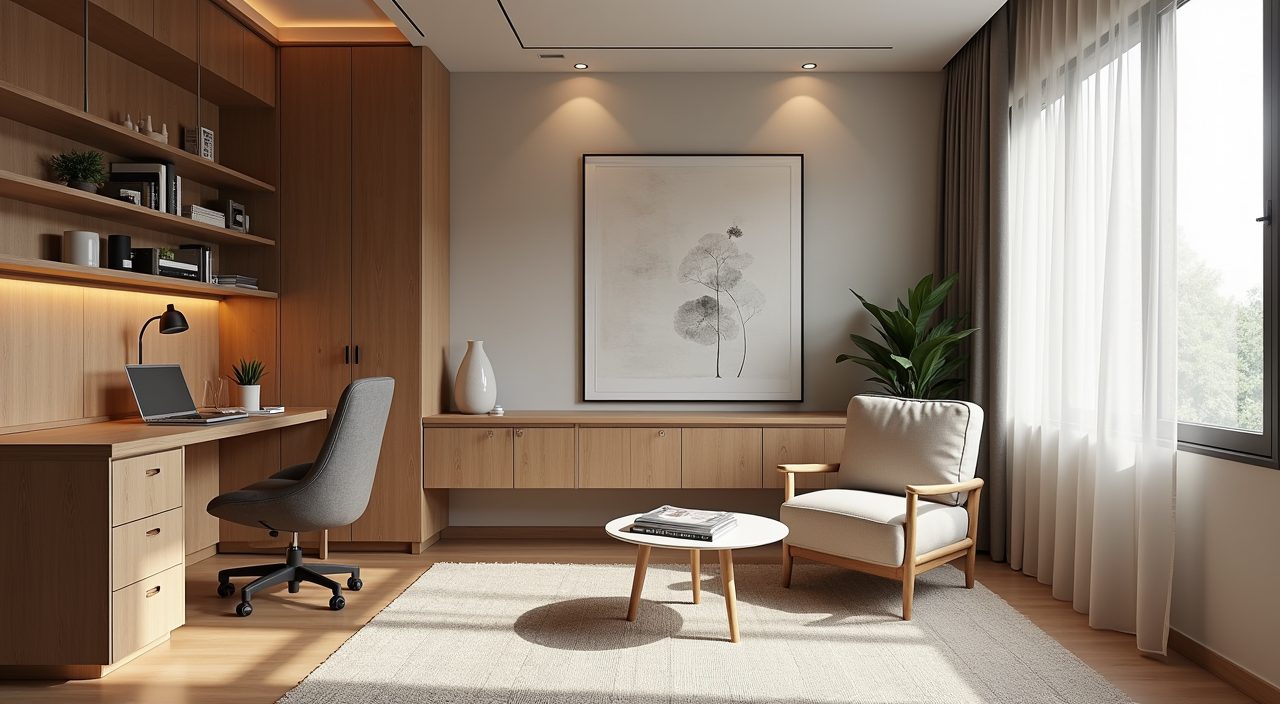
To design a good Japandi study room in a Singapore home, start with a warm neutral palette (oatmeal, clay, soft grey), pick one or two honest materials like oak veneer and matte black metal, and keep the desk clean with concealed storage so the room reads calm. Work with the small footprint you have (a bay window nook, a corner of the master bedroom, or a spare 6 to 8 sqm room) instead of forcing a full home office, and plan lighting and airflow for the tropics from the start. The result is a focused, uncluttered space that feels grounded rather than sterile.
Japandi blends Japanese restraint with Scandinavian warmth, which is a natural fit for compact Singapore homes where every square metre counts. The style leans on natural light, low visual noise, and quality over quantity, so it hides clutter well and photographs beautifully. The catch is humidity and heat: solid wood can warp, dark timber shows dust, and a poorly ventilated corner turns muggy fast, so material and layout choices matter as much as looks.
Anchor the room in a warm, low-contrast palette
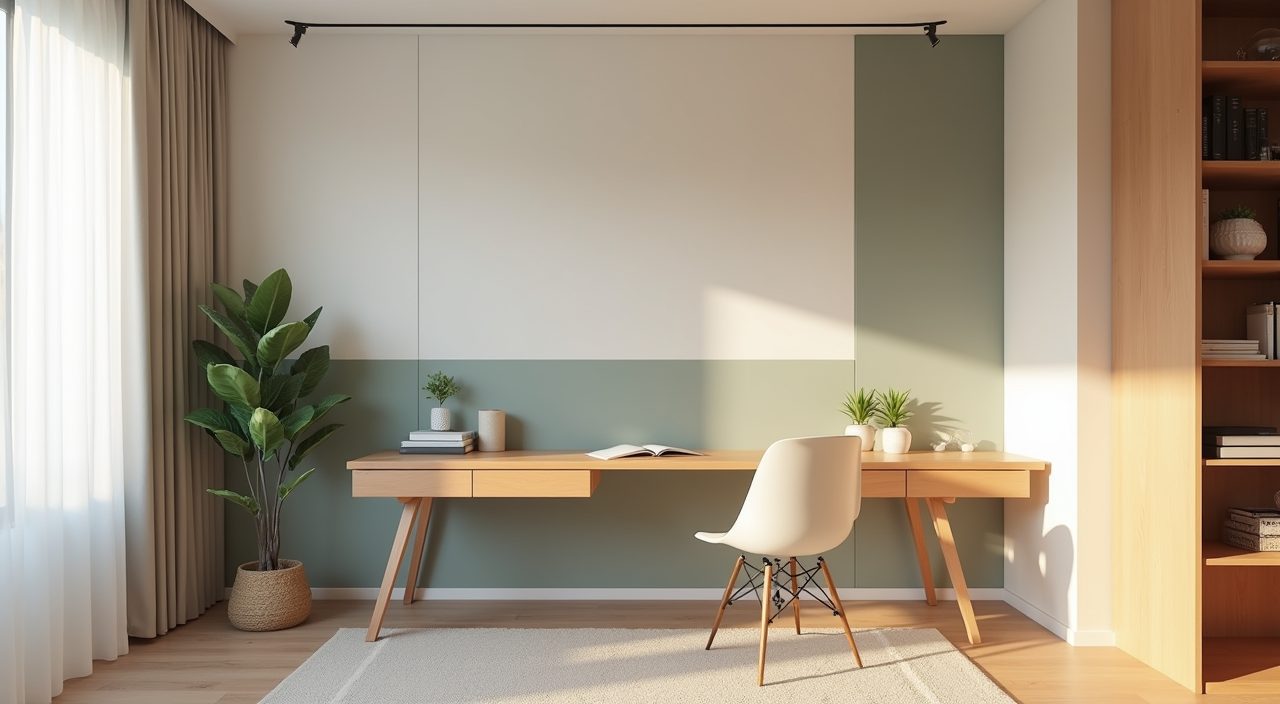
Japandi in Singapore works best when you avoid the cold, stark version of minimalism. Build the base from warm off-whites and greige on the walls, then layer in earthy accents like terracotta, muted sage, or a soft charcoal so the room feels lived in. Keep contrast gentle: three to four tones that sit close together read far calmer than a stark black and white scheme, and they hide the grey light we get on overcast, rainy days.
Paint holds up better than dark feature walls in our climate because condensation and mould show less on lighter matte finishes. If you want depth, use a single muted accent wall behind the desk rather than wrapping the whole room, which also makes a video call background look composed.
- Walls: warm white or greige in a washable matte or eggshell finish
- Accents: terracotta, clay, sage, or charcoal in small doses (a chair, a tray, textiles)
- Avoid pure cool greys and glossy black, which feel cold and show dust and fingerprints
Choose humidity-safe materials, not solid slabs
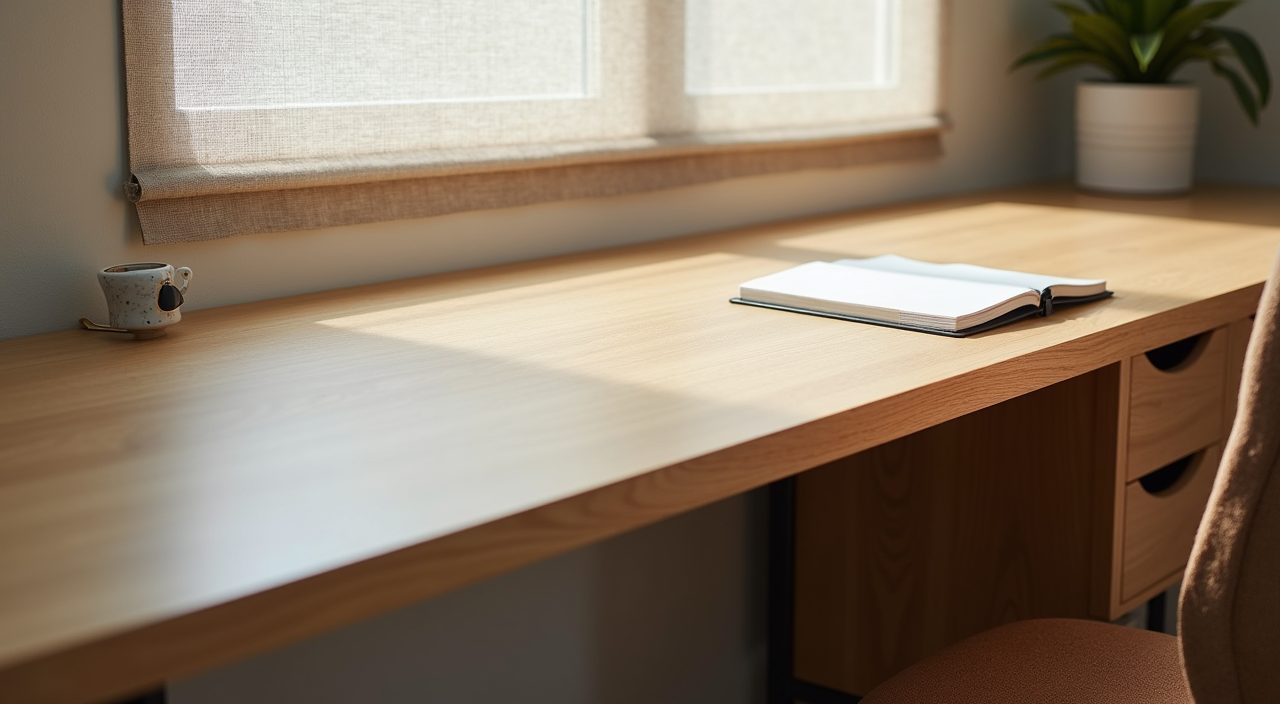
The Japandi look relies on visible wood grain, but solid timber can cup and warp in Singapore humidity, especially near a window or an air-con vent. For a desktop or shelving, oak or ash veneer over moisture-resistant plywood or MDF gives you the grain you want with far more stability. Reserve small pieces of real solid wood for items that can move and dry out, like a stool or a tray.
Balance the wood with matte, tactile surfaces: a linen roman blind, a wool-blend rug, rattan or cane on a cabinet front, and black powder-coated metal legs. These textures carry the warmth of the style without adding shine. Skip high-gloss laminate, which reads more developer-showflat than Japandi and shows every smudge in tropical glare.
Design a slim, built-in desk that fits the footprint
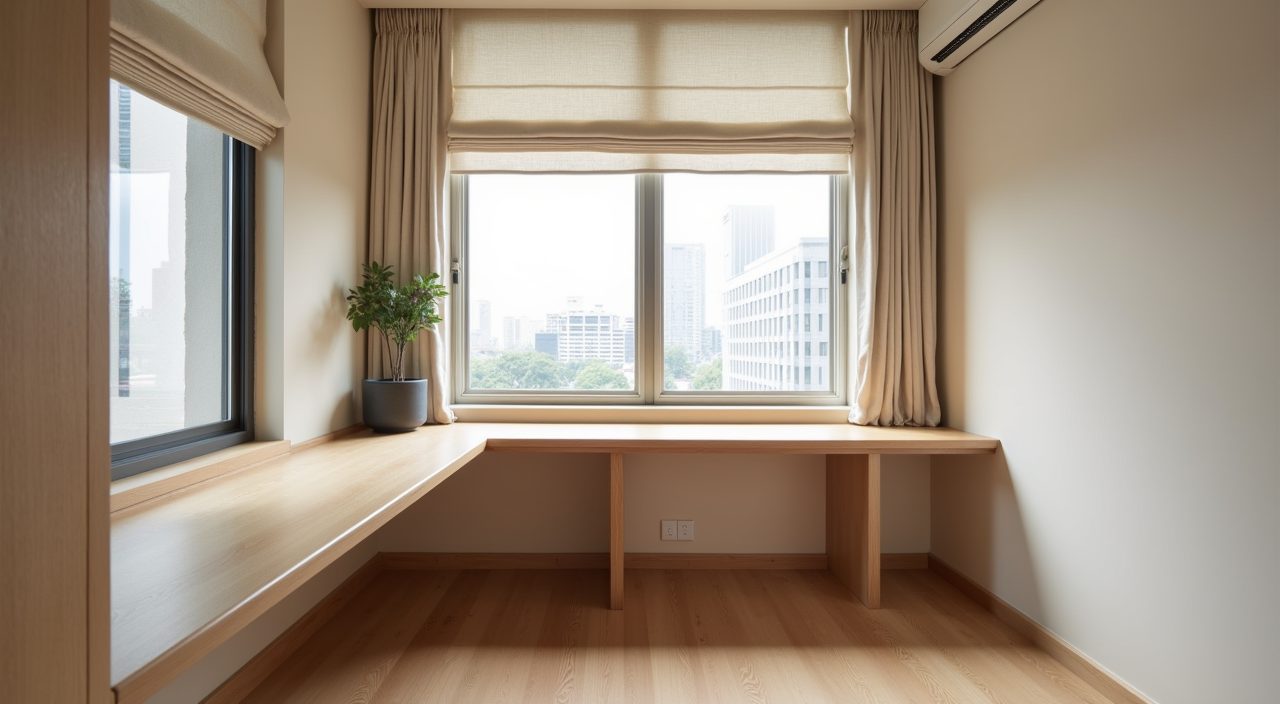
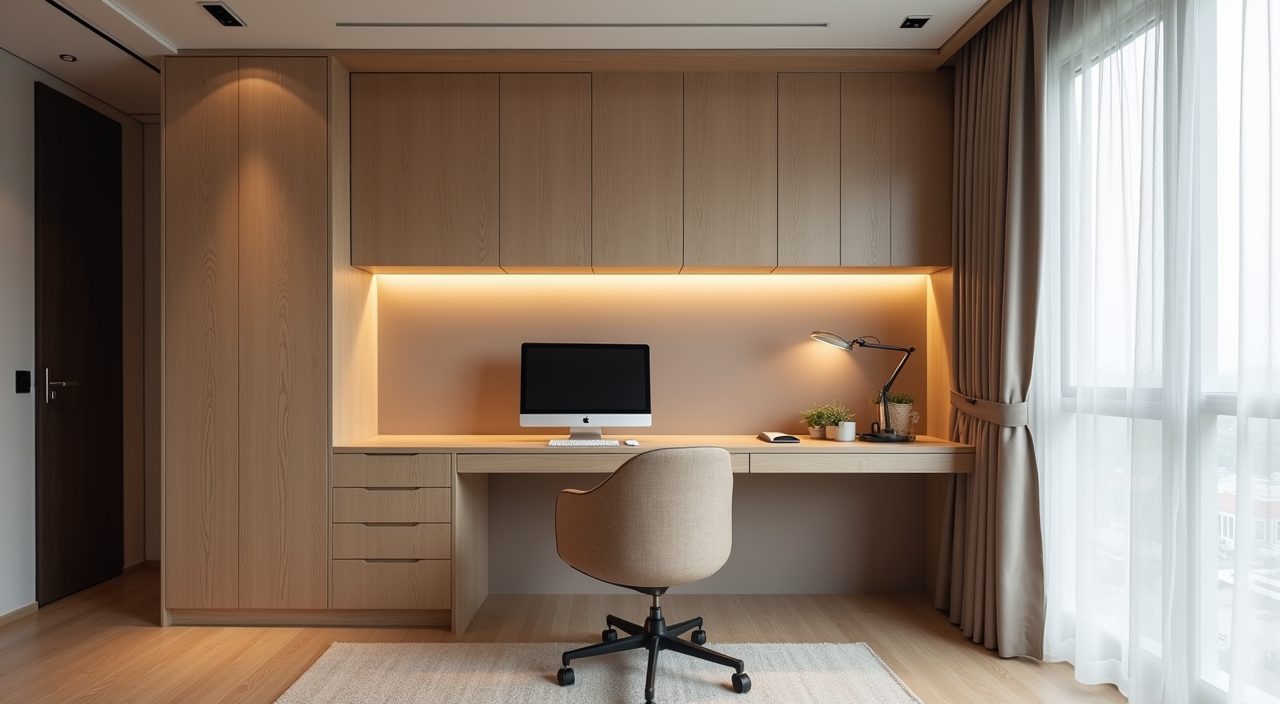
Most Singapore study spaces are carved from a corner, a bay window, or a bomb shelter conversion, so a floating or built-in desk usually beats a bulky freestanding one. A slim carpentry desk 500 to 600mm deep runs the length of a wall or a window and gives you a clean surface without eating floor space. In an HDB bay window, a desktop cut to sit level with the ledge turns awkward architecture into usable work surface.
Keep the desk apron shallow and the legs minimal so the piece looks light. If two people share the room, an L-shaped run in the corner gives two stations while keeping the centre of the room open, which matters when the whole study is only 6 to 8 sqm.
Hide clutter with closed, low storage
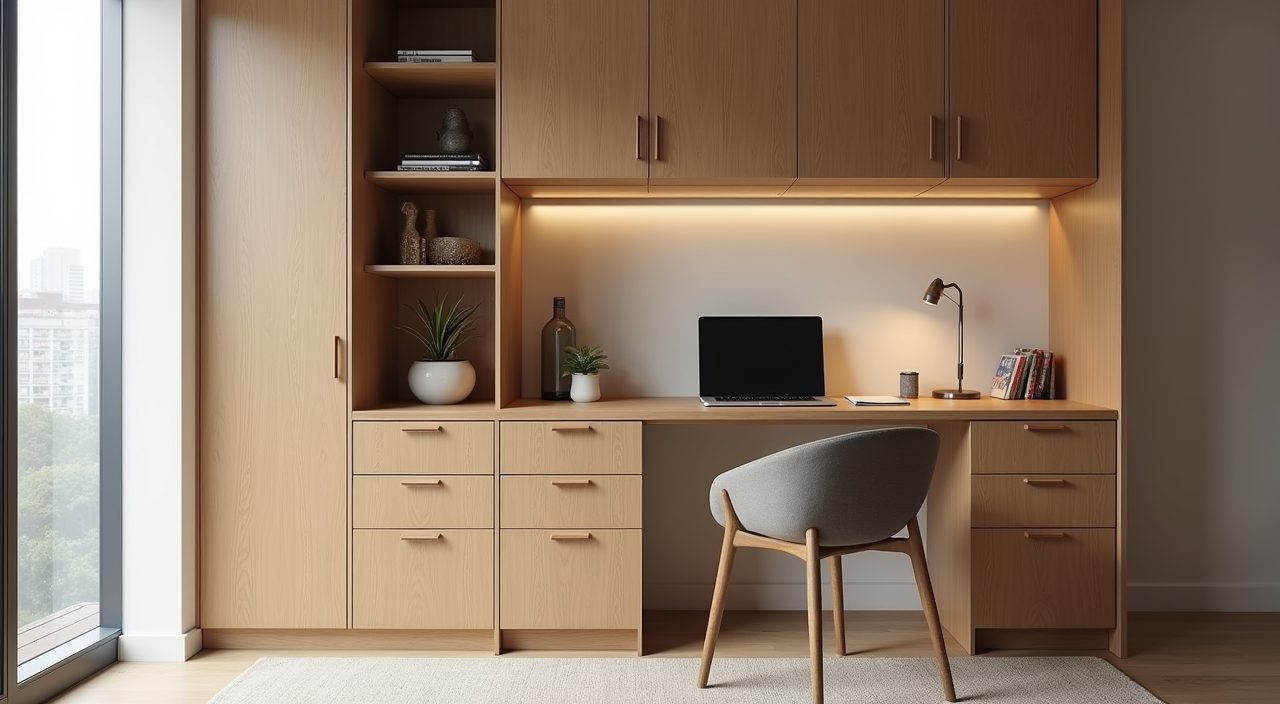
Japandi is quiet because the mess is out of sight, so plan storage before you plan decor. Favour closed cabinets and drawers over fully open shelving; a run of floor cabinets under the desk plus one tall slim cupboard usually holds far more than a wall of shelves and keeps the visual field clean. Handleless push-to-open fronts or slim recessed pulls keep the lines simple.
Allow a little open display, but ration it. One shelf or a single niche with a few books, a ceramic, and a plant is enough to signal the style. In a humid room, closed storage also protects paper, cables, and electronics from the damp better than open racks.
Layer lighting for the tropics and long screen hours
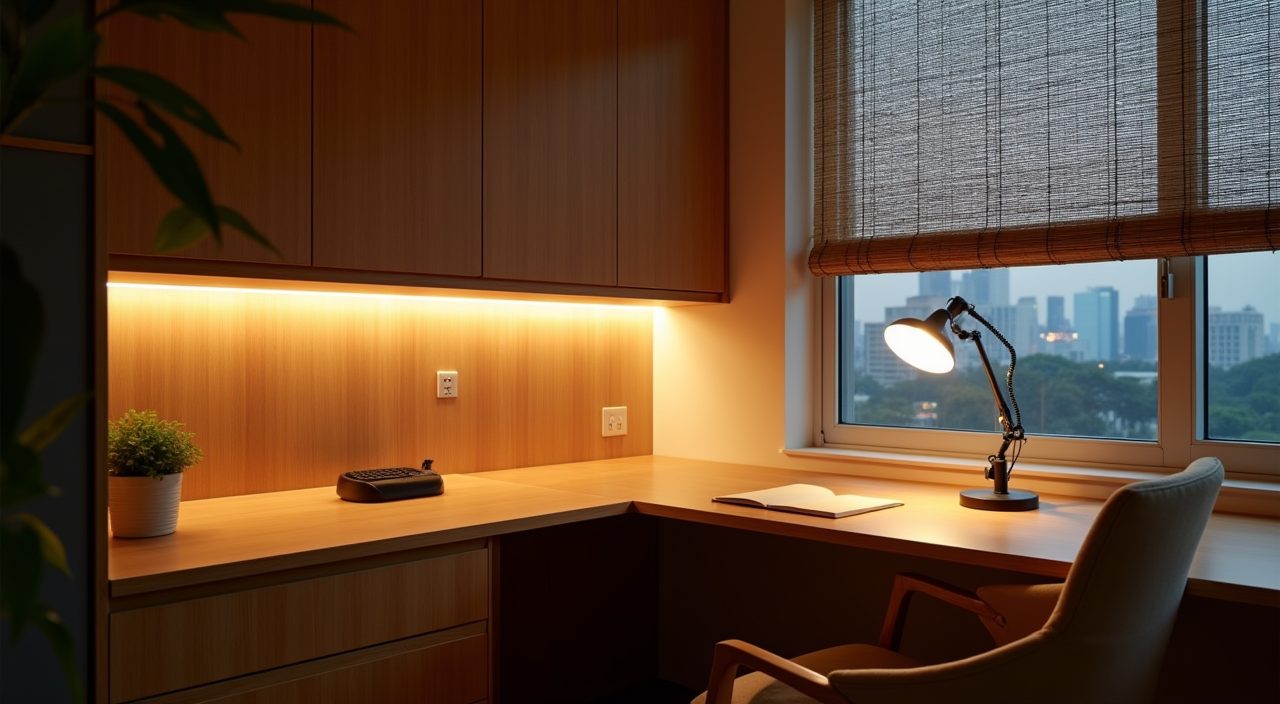
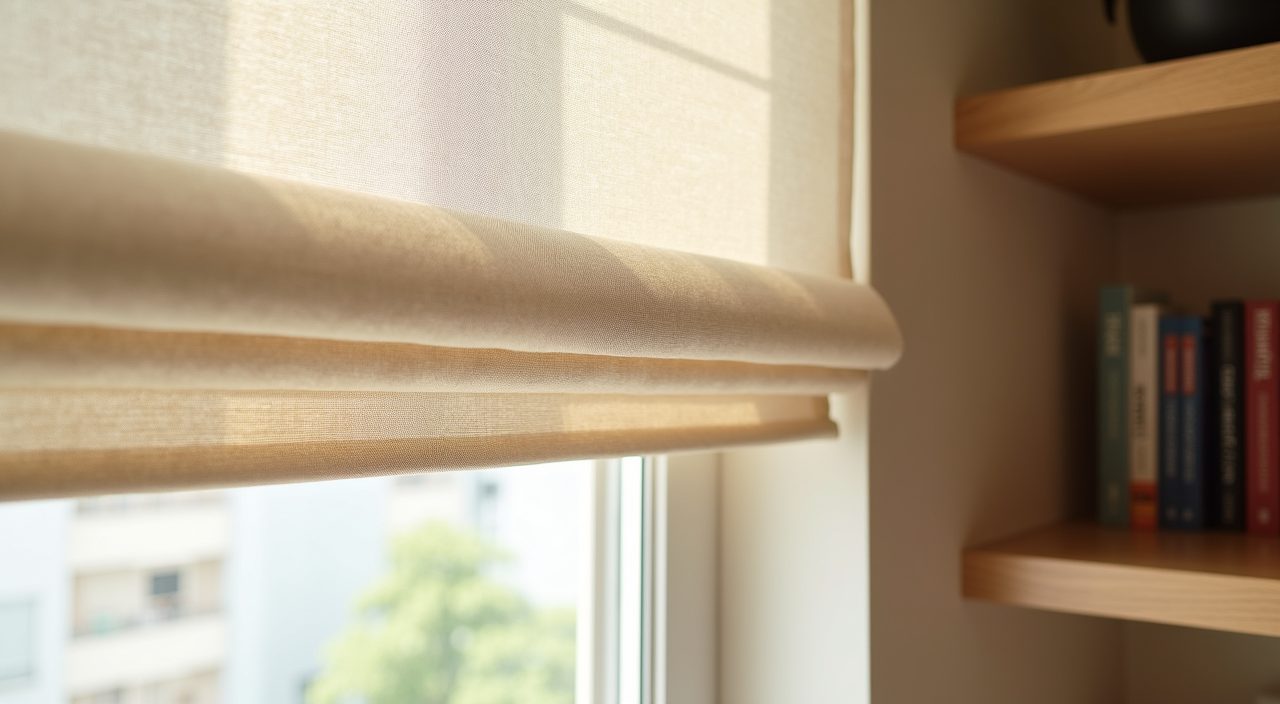
Singapore daylight is bright but harsh, so control it rather than block it: a linen or bamboo blind diffuses glare on the screen while keeping the room airy. For work after dark, do not rely on a single ceiling downlight, which casts shadows and feels flat. Layer a warm ambient source with a dedicated task light on the desk.
Use warm-white LEDs around 3000K to 3500K for the Japandi mood, and choose a task lamp with an adjustable arm so you can angle light onto the work, not into your eyes. If you are already rewiring, a few well-placed downlights on a dimmer plus a discreet LED strip above the desk cabinet gives flexible, low-glare light. This is electrical work worth getting a licensed contractor to do properly rather than relying on plug-in extensions.
- Ambient: warm-white 3000K to 3500K, on a dimmer if possible
- Task: adjustable desk lamp positioned to the side of your screen
- Daylight: linen, bamboo, or roller blind to cut glare without darkening the room
Plan cable management and power from the start
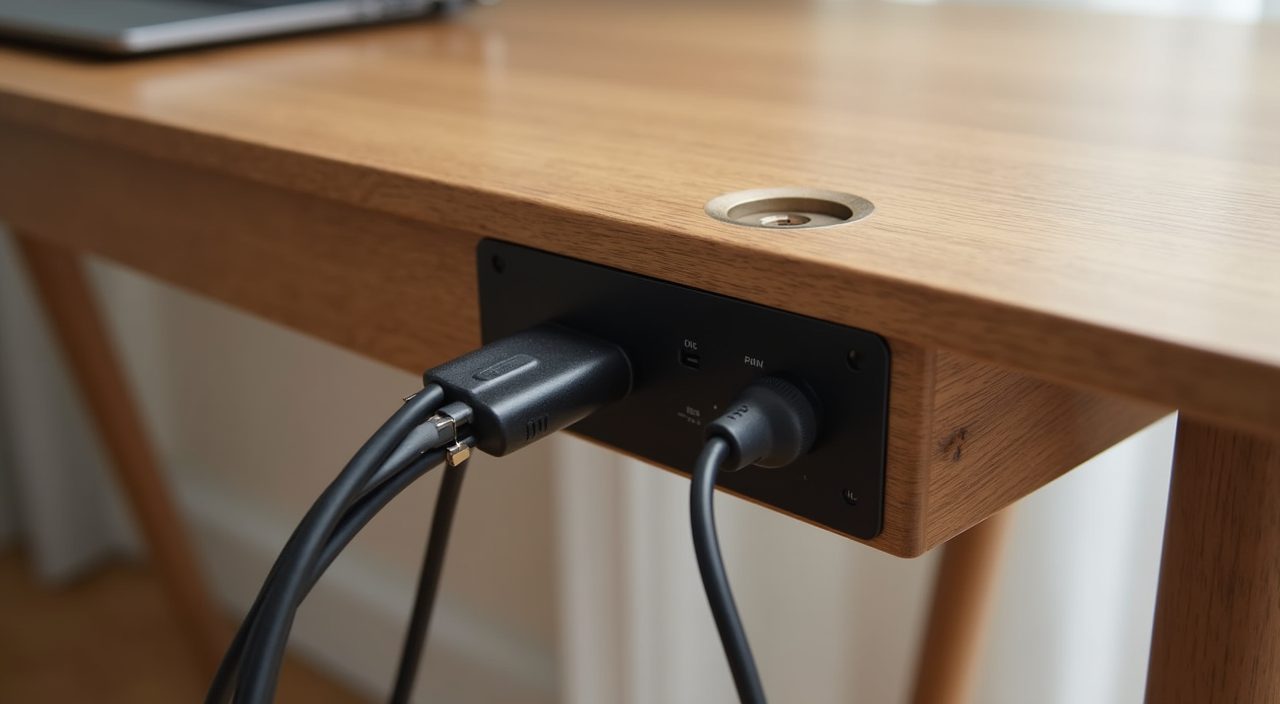
Nothing breaks the Japandi calm faster than a tangle of chargers and a trailing power strip. Decide where the desk will sit early, then position power points at desk height and add a discreet cable tray or grommet through the desktop so wires drop straight into a hidden multi-plug. A dedicated point for a monitor, laptop, and lamp keeps the surface clear.
In older HDB flats you may only have one or two sockets in the room, so factor in adding outlets during renovation. Getting the wiring right before the carpentry goes in is far cheaper than retrofitting around a finished built-in.
Bring in greenery and natural texture that survives indoors
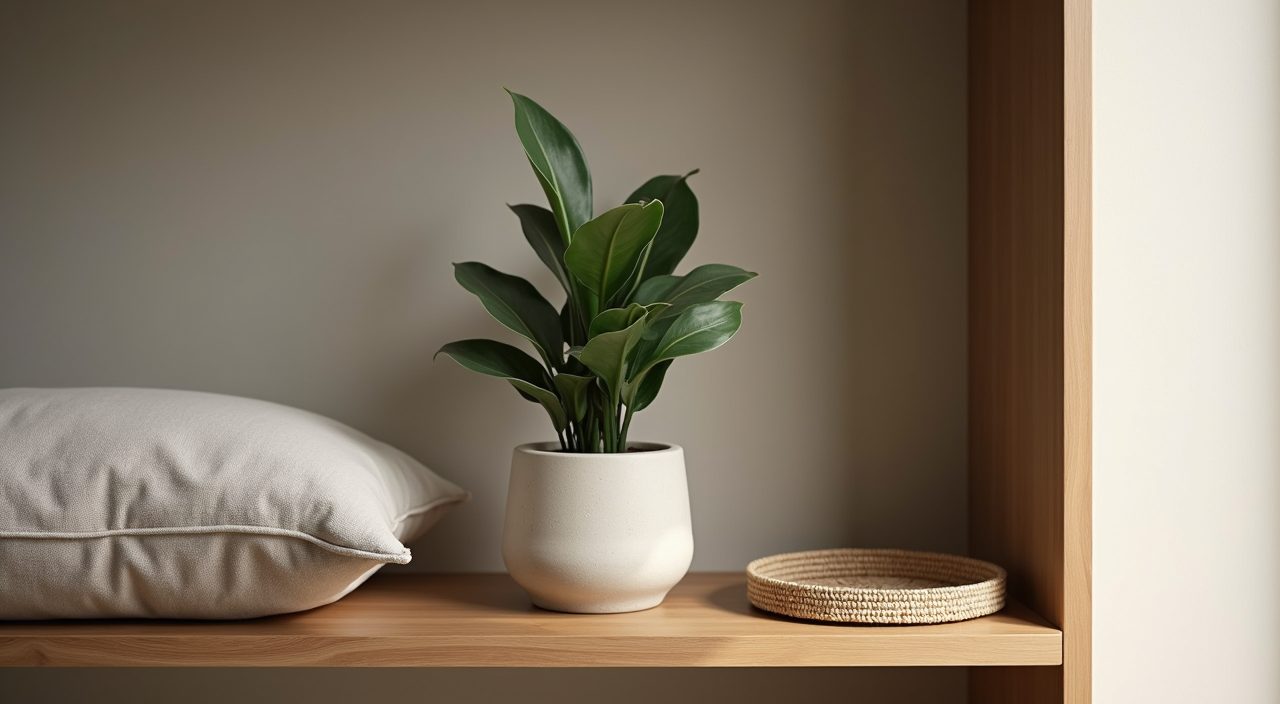
A touch of green softens the restraint and adds the Scandinavian warmth that stops Japandi feeling cold. Choose plants that tolerate an air-conditioned, lower-light study: snake plant, ZZ plant, or a pothos on a shelf are forgiving and suit the muted palette in a simple stoneware or concrete pot. Keep it to one or two plants so the room stays edited.
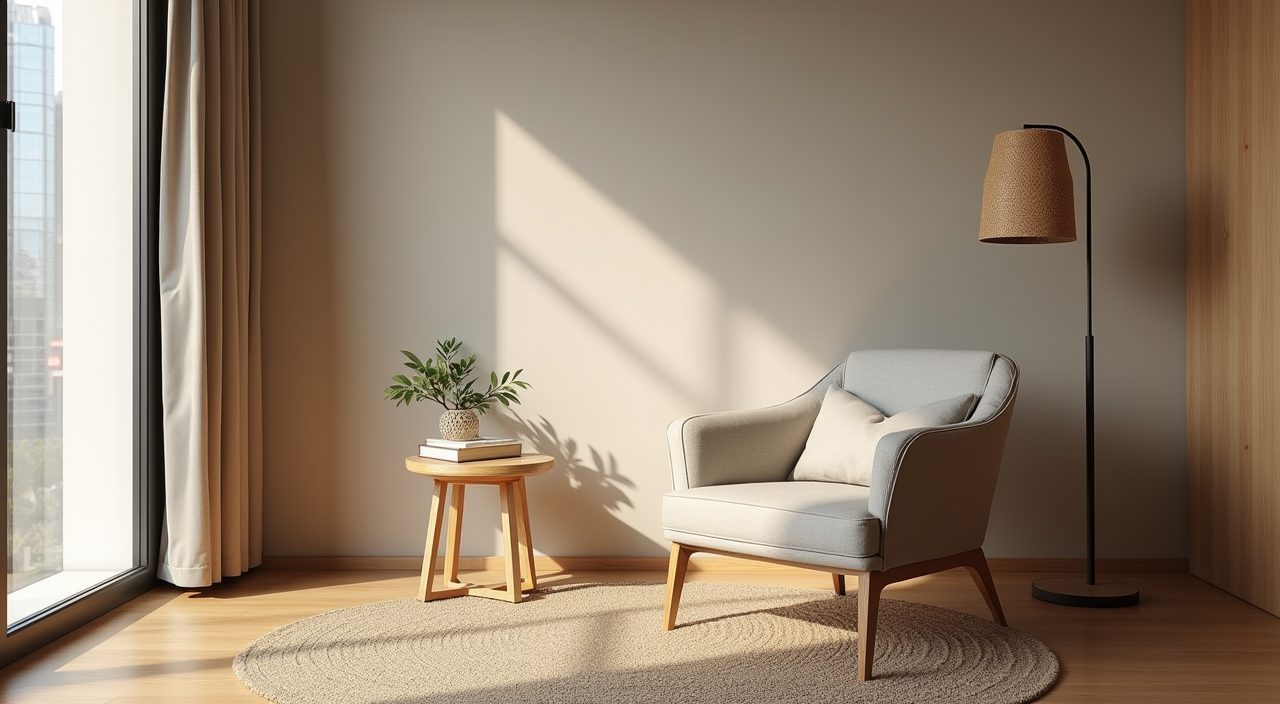
Add natural texture elsewhere too: a flat-weave rug to warm the floor underfoot, a linen cushion on the reading chair, and a woven tray for small items. These small tactile moments carry the whole scheme without clutter.
Keep the room airy so it stays comfortable
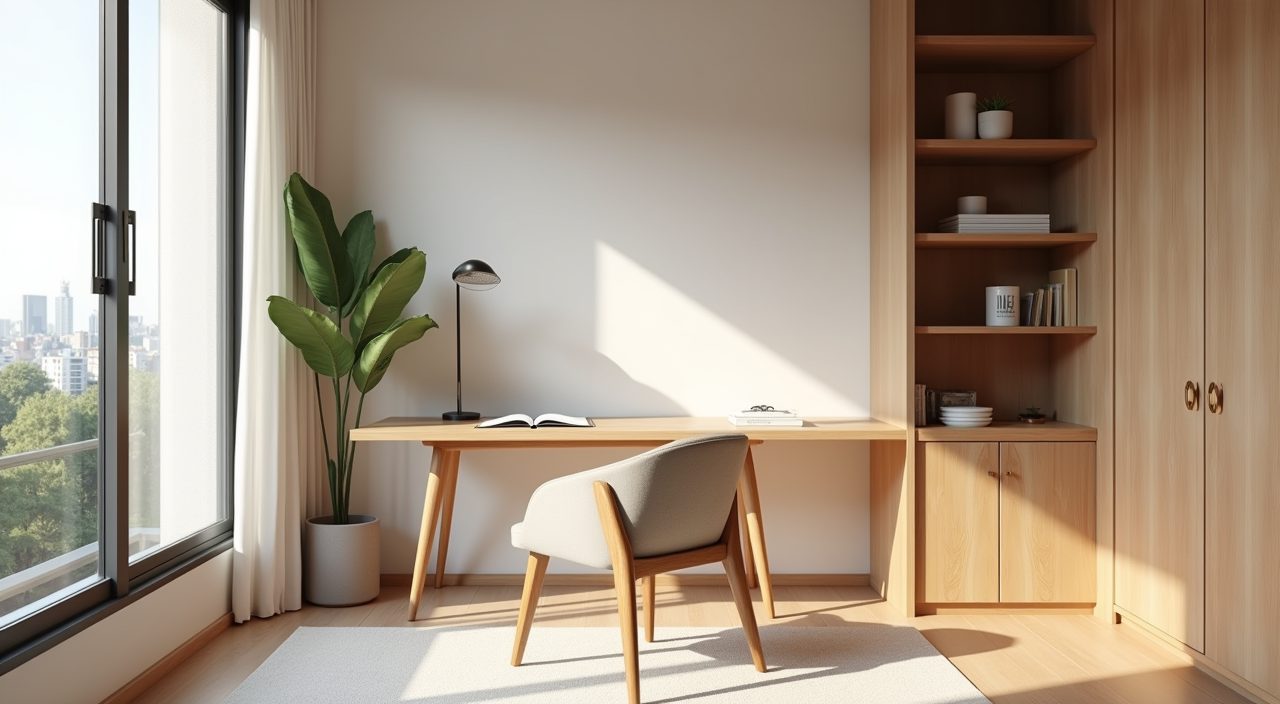
A study is often the smallest, most enclosed room in the home, which makes heat and stuffiness a real problem. Position the desk where you get some cross-breeze or air-con reach, and avoid boxing the room in with heavy full-height carpentry on every wall. Leaving some wall bare and using lighter, leggy furniture keeps air moving and the room feeling open.
If the space is a windowless bomb shelter or an internal room, plan for ventilation or a small air-con outlet, because no palette will make a hot, airless corner pleasant to work in for hours.
What to plan and budget for
The biggest cost driver in a Japandi study is carpentry, since built-in desks, cabinets, and clean concealed storage are where the style lives. Budget for custom carpentry as your main line item, then a smaller allowance for lighting and electrical (added outlets, task and ambient lights, dimmers), plus paint and soft furnishings. A simple desk-and-shelf corner is relatively affordable, while a full built-in wall with integrated lighting sits at the higher end; the exact figure depends on your material grade, the size of the room, and how much electrical rewiring is involved. Be realistic that veneer, quality hardware, and proper lighting cost more than flat-pack, and that is where the calm, high-quality Japandi feel actually comes from. For a solid estimate, get a licensed contractor to quote the carpentry and the wiring together, since the two need to be coordinated. If you want the built-ins, added power points, and task lighting done properly as one job, this is where a japandi study room design singapore renovation team can plan the layout, carpentry, and electrical work so it all fits and functions.
Frequently asked questions
How much space do I need for a Japandi study in an HDB flat? You can create a proper Japandi study in as little as 3 to 4 sqm, such as a bay window nook or a corner of the master bedroom, using a slim built-in desk and closed storage. A dedicated small room of 6 to 8 sqm gives you room for a reading chair and a shelf, but the style is designed to feel calm even in tight footprints, so the corner approach works well.
Is real wood a problem in Singapore's humidity? Solid timber can warp or cup in our climate, especially near windows or air-con vents, so it is safer to use oak or ash veneer over moisture-resistant board for large surfaces like desktops and cabinets. You still get the grain and warmth of the Japandi look, with far more stability. Save small pieces of solid wood for items that can move and dry, like stools or trays.
Can I convert a bomb shelter into a Japandi study? Yes, and a small enclosed room actually suits the quiet, focused feel of the style, but ventilation is the deciding factor. Plan for airflow or a small air-con outlet, keep the palette light so the room does not feel closed in, and use closed storage to protect items from damp. Without ventilation, even a beautiful room becomes uncomfortable for long work sessions.
Do I need to hire a contractor or can I DIY? You can handle paint, plants, and soft furnishings yourself, but the parts that make Japandi work (built-in carpentry, added power points, and layered lighting) are best done by professionals. Electrical work in particular should be done by a licensed contractor for safety, and coordinating carpentry with wiring in one renovation avoids costly retrofits later.