
Study Room Design Ideas in Singapore
A study room in a Singapore home almost never gets a dedicated room, so the smart approach is to treat it as a zone: carve out a corner of the bedroom, a nook off the living room, or a converted bomb shelter or store, and design it around one honest work surface, glare-free light, and vertical storage. Get the desk depth, task lighting and cable routing right first; the styling comes after.
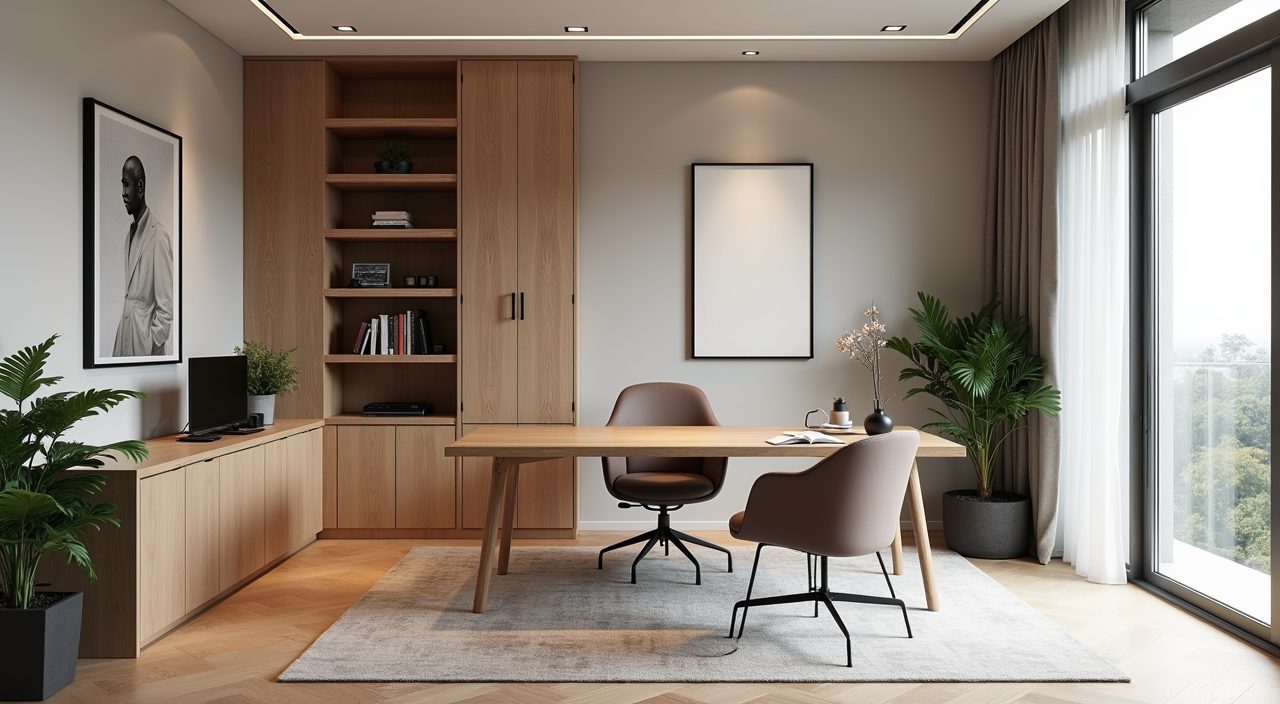
The ideas below span looks and home types, from Scandinavian and Japandi to Muji and Modern Luxury, and from HDB study corners and BTO bedroom desks to condo home offices and landed studies. Use this page to understand the fundamentals of planning a workspace here, then explore the specific room posts for the exact style or home type you are working with.
How to plan a study space in a Singapore home
Start by being realistic about where the study actually lives. In most HDB and condo layouts there is no spare room, so the desk shares space with a bedroom, a living wall, or a household shelter (bomb shelter) that you should never seal or drill into. Decide early whether you need a quiet, door-closed room for video calls, or whether an open nook is enough. That single decision drives everything: acoustics, lighting, and whether you need a partition.
Map the space to how you use it. If you spend hours at the desk, prioritise a proper chair and correct desk height over a bigger tabletop. If it is a homework-and-admin corner, a compact ledge desk and good overhead light may be all you need. Sketch the furniture footprint against your real wall dimensions before buying anything, because Singapore rooms leave little room for error.
- Confirm the power and data points: home offices need at least a double socket per person plus one for a monitor or charger dock.
- Never build storage into or block the HDB household shelter (bomb shelter) door; use it as-is or fit a removable shelf unit.
- Position the desk so a window is to the side, not behind or in front of you, to avoid glare and backlight on calls.
- Leave at least 700 to 800 mm of clear pull-out space behind the chair so you are not trapped against a wall or bed.
Layout and dimensions that actually work in tight rooms
A comfortable desk depth is 600 mm; 500 mm works for a laptop-only setup, and you only need 700 mm or more if you run dual monitors. Standard sitting desk height is around 720 to 750 mm. For a study nook built into carpentry, plan the desk width to the available wall run in one clean line rather than an L-shape, which eats floor and often creates a dead corner.
For shared bedrooms and BTO study corners, a floating (wall-mounted) desk keeps the floor visually open and makes cleaning easier, which matters in dusty, high-rise units. Where two people work at home, a shared double-width ledge along one wall is usually smarter than two separate desks. If you genuinely need to close the space off, a sliding or bi-fold partition costs and intrudes far less than a hacked wall.
- Small nook: 900 to 1200 mm desk width fits a laptop, a lamp and a small plant.
- Full home office: 1400 to 1600 mm gives room for a monitor, documents and a side tray.
- Overhead shelving should start about 400 to 450 mm above the desktop so it clears a raised monitor.
- Keep at least a 600 mm walkway around the working zone so the room still functions.
Materials and finishes for the tropical climate
Singapore's heat and humidity are hard on the wrong materials. Solid real-wood desktops can warp or split near an aircon draught or a sunny window, so many local homes use plywood or MDF with a durable laminate or veneer, which stays flatter and wipes clean. For anything near a window that gets afternoon sun, avoid high-gloss dark tops that show every speck of dust and heat up under direct light.
Humidity also means mould and rust risk. Keep paper, books and electronics off the floor and away from external walls that sweat. Choose powder-coated or anodised metal legs and hardware rather than raw steel, and skip fabric-heavy pinboards or upholstered panels in rooms with poor airflow. If the study sits inside the bomb shelter or a windowless store, running the aircon or a small dehumidifier periodically protects both your gear and the finishes.
- Laminate or veneer on ply or MDF: the practical default for desktops and carpentry here.
- Matte or satin finishes hide dust better than gloss in bright, sunlit rooms.
- Powder-coated metal and treated wood resist the humidity better than raw steel or untreated timber.
- Add felt or rubber feet under the chair to protect vinyl, laminate and tile flooring.
Lighting and storage for focus
Singapore daylight is bright but harsh, so control it rather than rely on it. A sheer or light-filtering blind softens glare while keeping the room feeling open, and it stops the screen from washing out in the afternoon. Layer in a dedicated task light: a 4000K to 5000K (neutral to cool white) desk lamp placed on the opposite side to your writing hand reduces shadows, while overhead ceiling light handles the general fill. Avoid a single warm ceiling bulb as your only source, which is a common reason home study corners feel gloomy and tiring.
Storage should go up, not out. In a small room, tall shelving, wall-mounted cabinets and a slim drawer unit under the desk hold far more than a wide low sideboard while keeping the floor clear. Give cables a home from day one: a cable tray under the desk, a grommet hole through the top, and a labelled power strip keep the setup calm and dust-free. A single closed cabinet for the messy items (router, chargers, printer, files) does more for a clean look than any amount of styling.
Match the look to your style and home type
The fundamentals above stay the same whether you want a warm Japandi nook, a bright Scandinavian corner, a pared-back Muji setup, a moody Industrial study, or a polished Modern Luxury home office. Style mainly changes the palette, the timber tone and the hardware, not the desk depth or the lighting logic. Home type matters too: an HDB or BTO study usually means integrating a desk into an existing room, a condo may give you a genuine spare room or a bay window to build into, and a landed home can support a proper enclosed study.
Browse the specific ideas linked below to see each style and home type worked through in detail, with palettes, carpentry layouts and small-space solutions you can take straight to your renovation contractor. Pick the one that matches your flat and the look you are after, then bring the measurements from this page along.
Explore Study Room styles
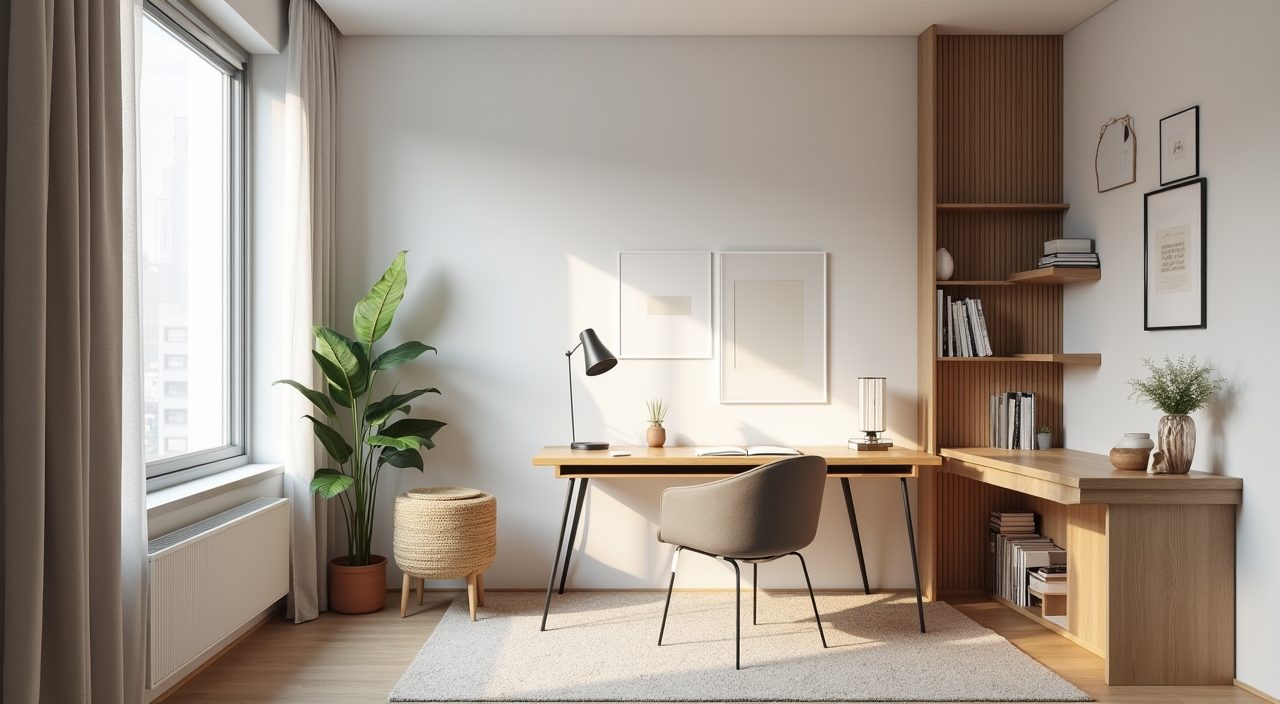 Scandinavian Study Room Design Ideas for Singapore Homes
 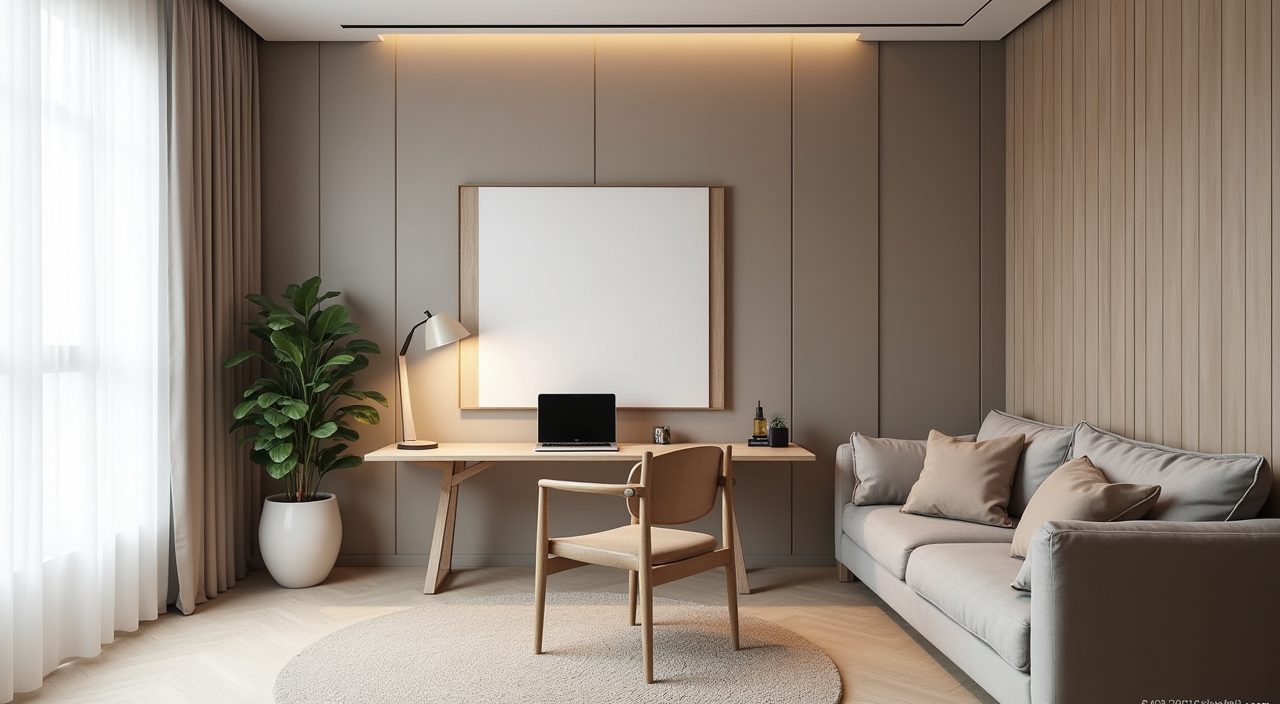 Minimalist Study Room Design Ideas for Singapore Homes
 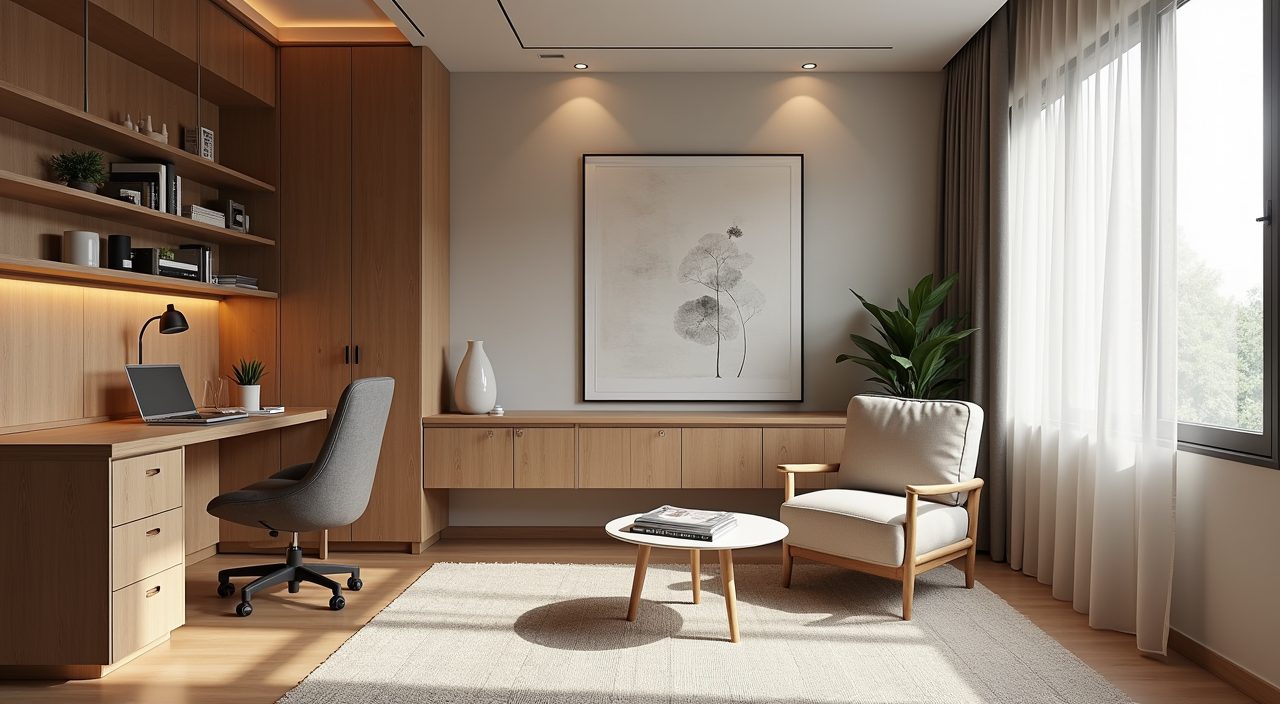 Japandi Study Room Design Ideas for Singapore Homes
 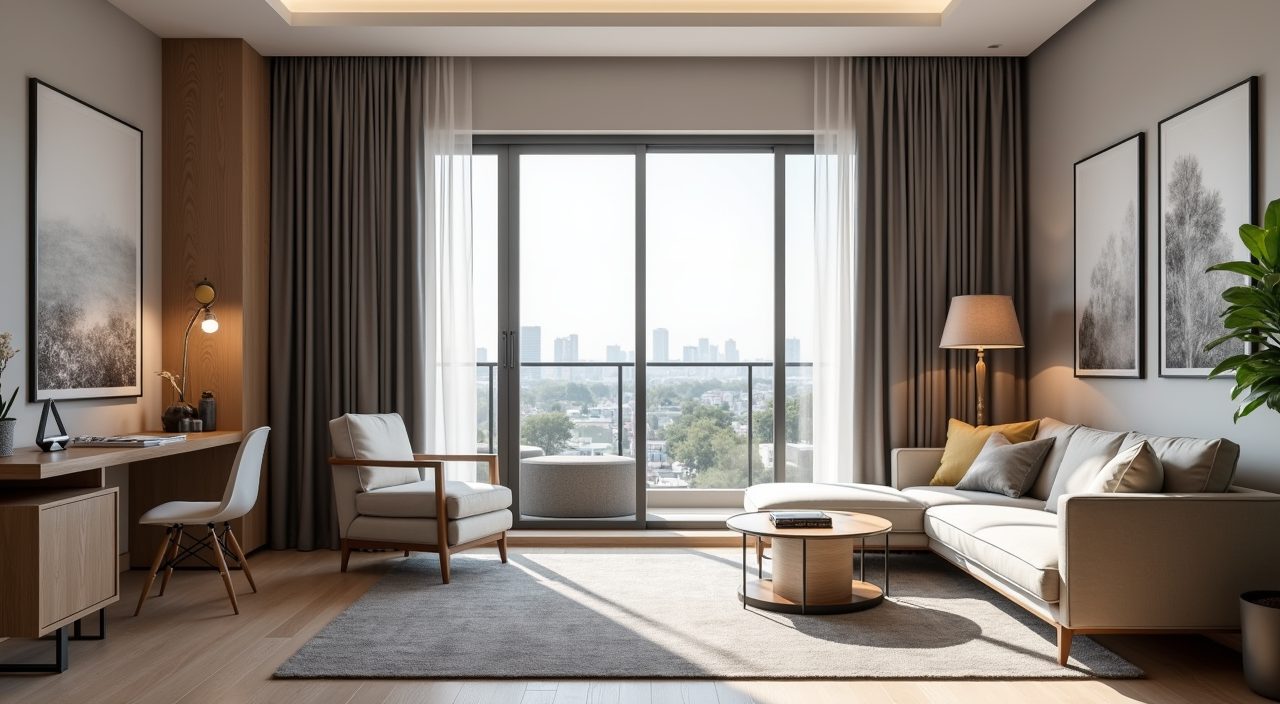 Modern Contemporary Study Room Design Ideas for Singapore Homes
 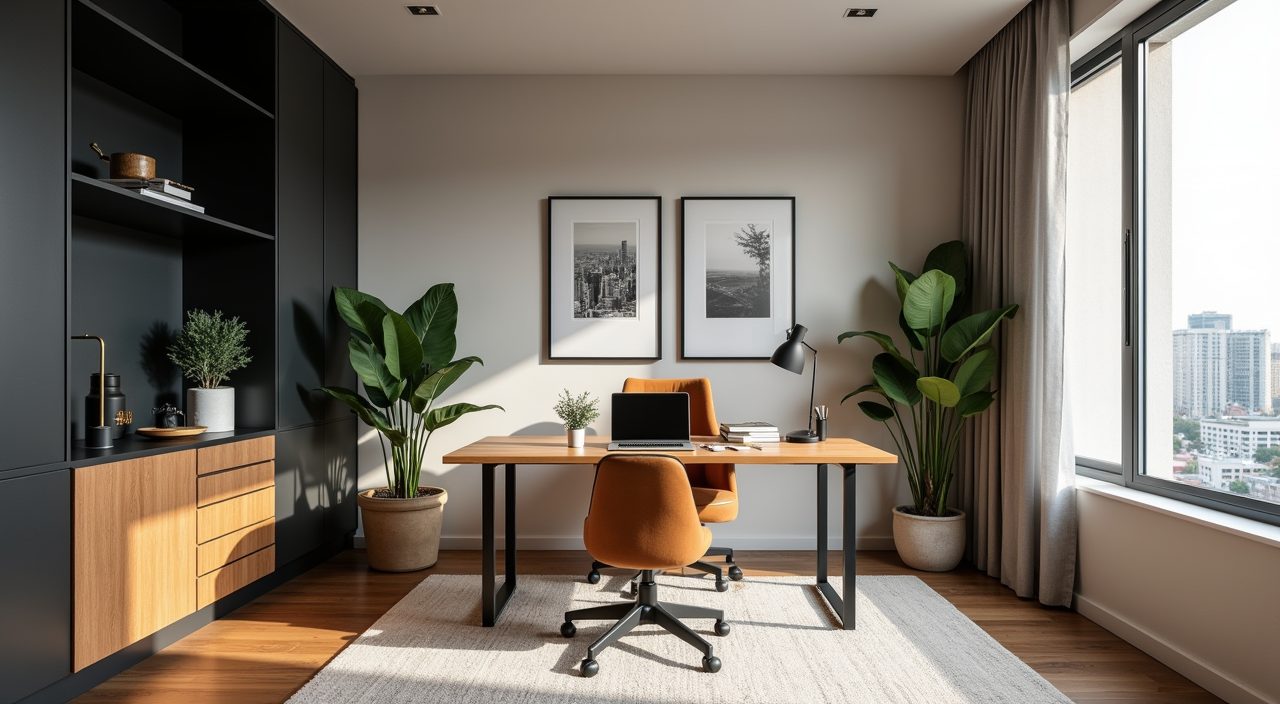 Industrial Study Room Design Ideas for Singapore Homes
 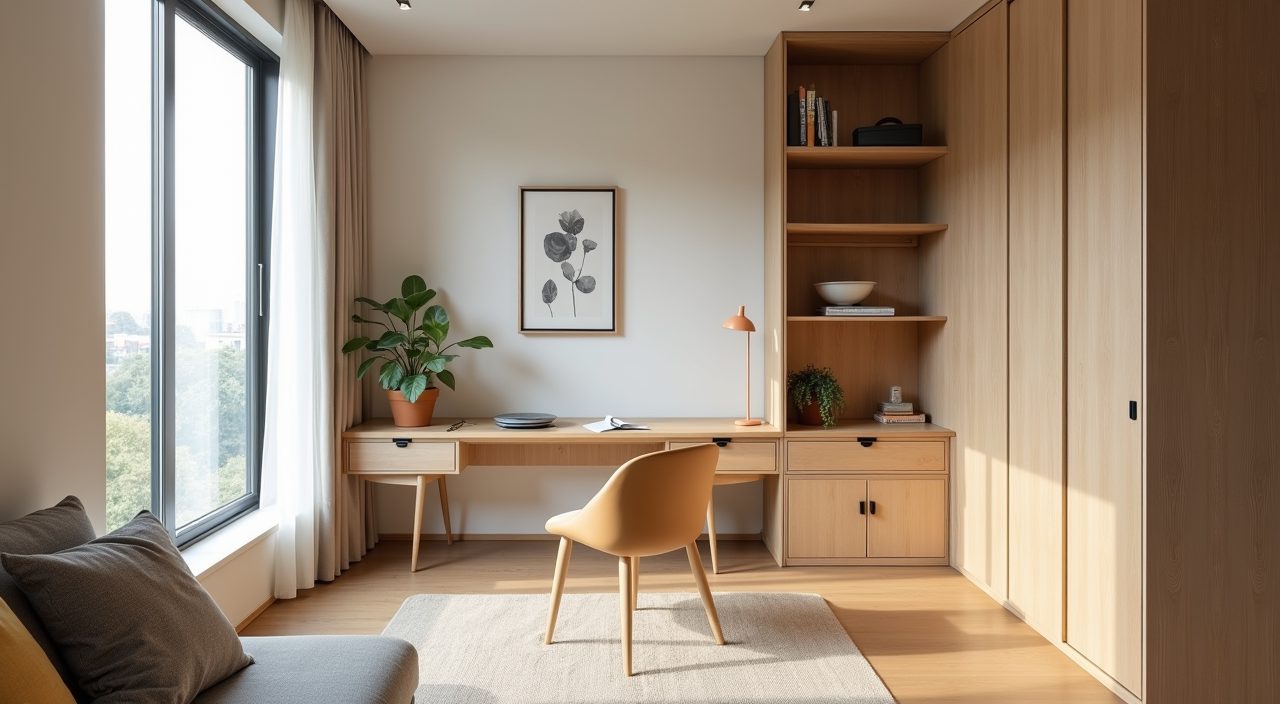 Muji Japanese Study Room Design Ideas for Singapore Homes
 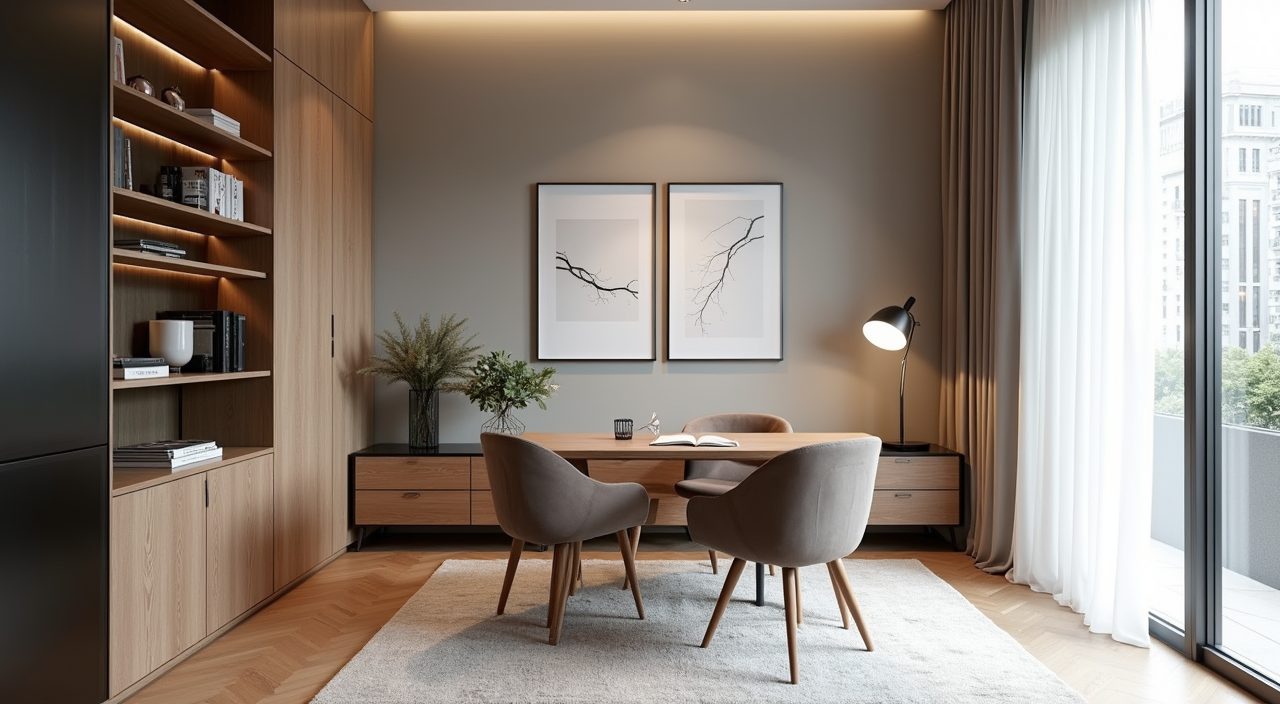 Modern Luxury Study Room Design Ideas for Singapore Homes
 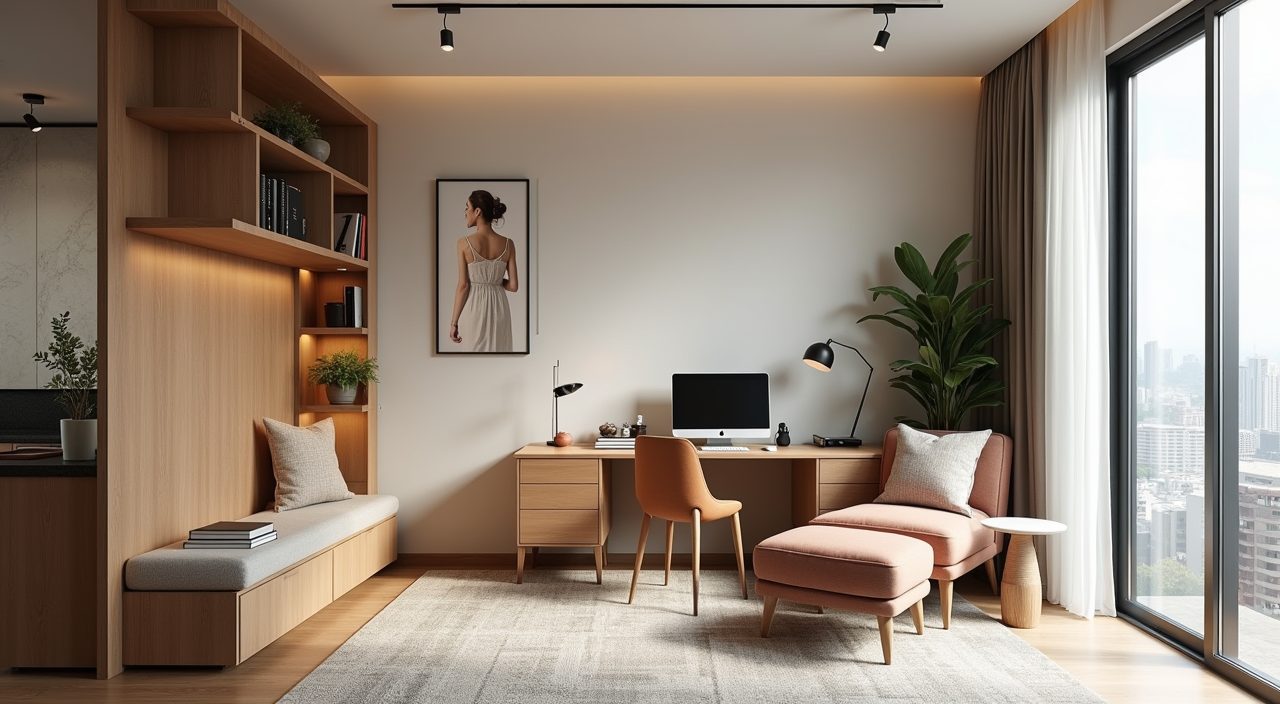 Mid-Century Modern Study Room Design Ideas for Singapore Homes
 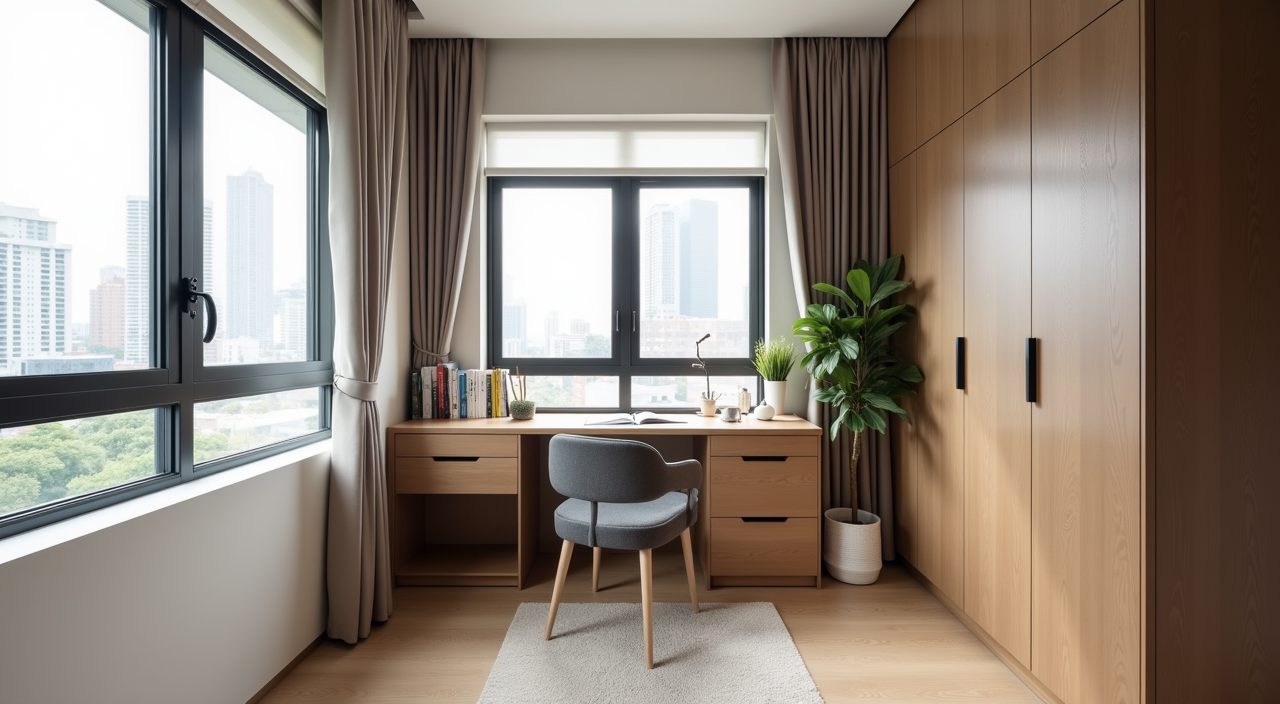 HDB Flat Study Room Design Ideas
 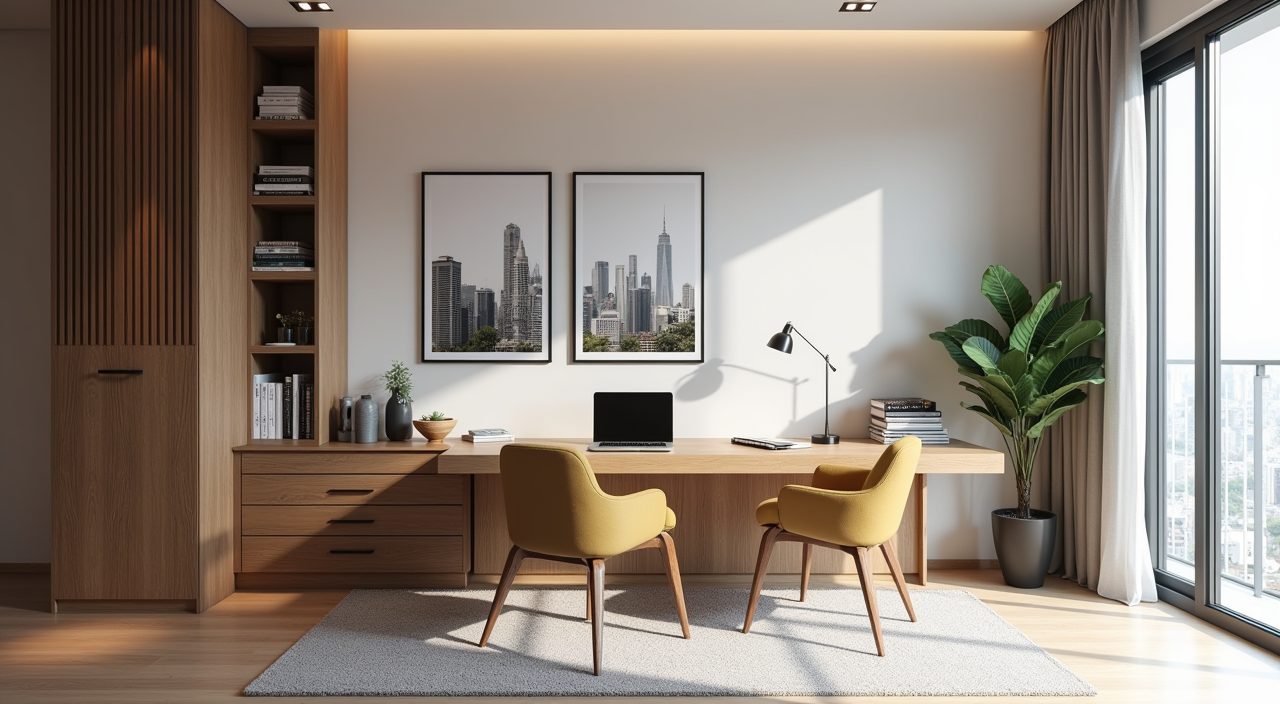 BTO Study Room Design Ideas
 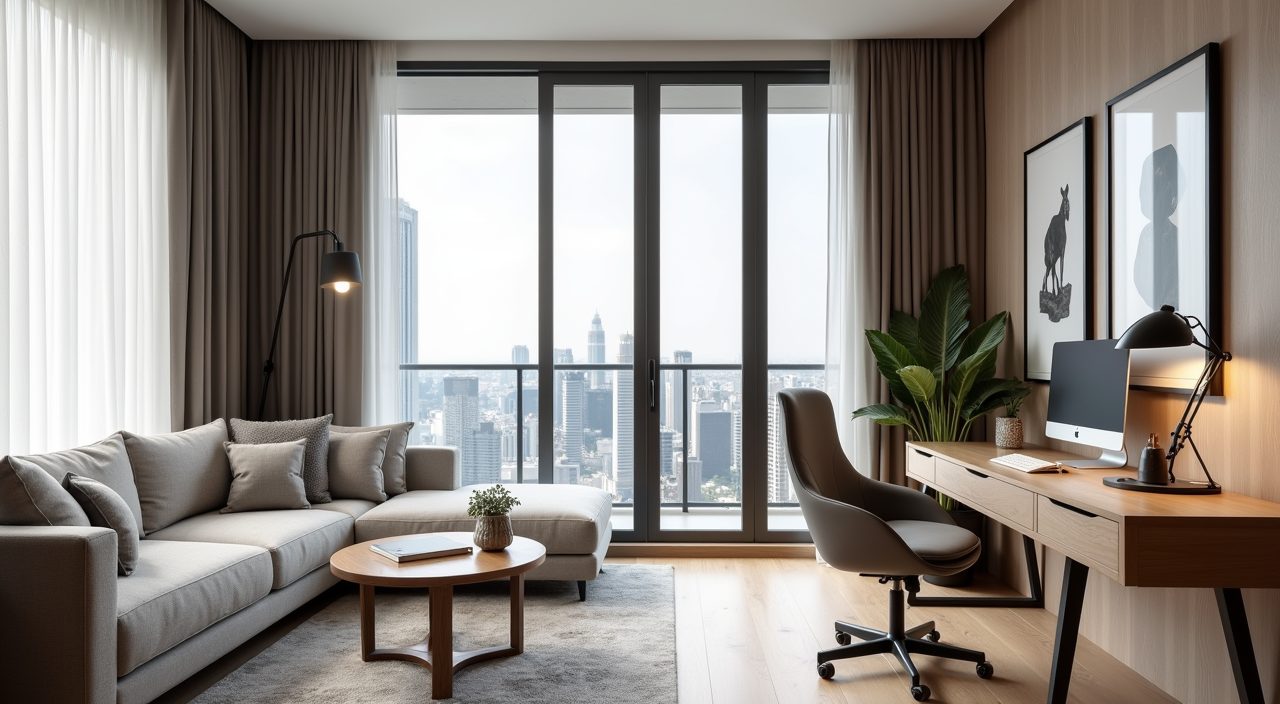 Condo Study Room Design Ideas
 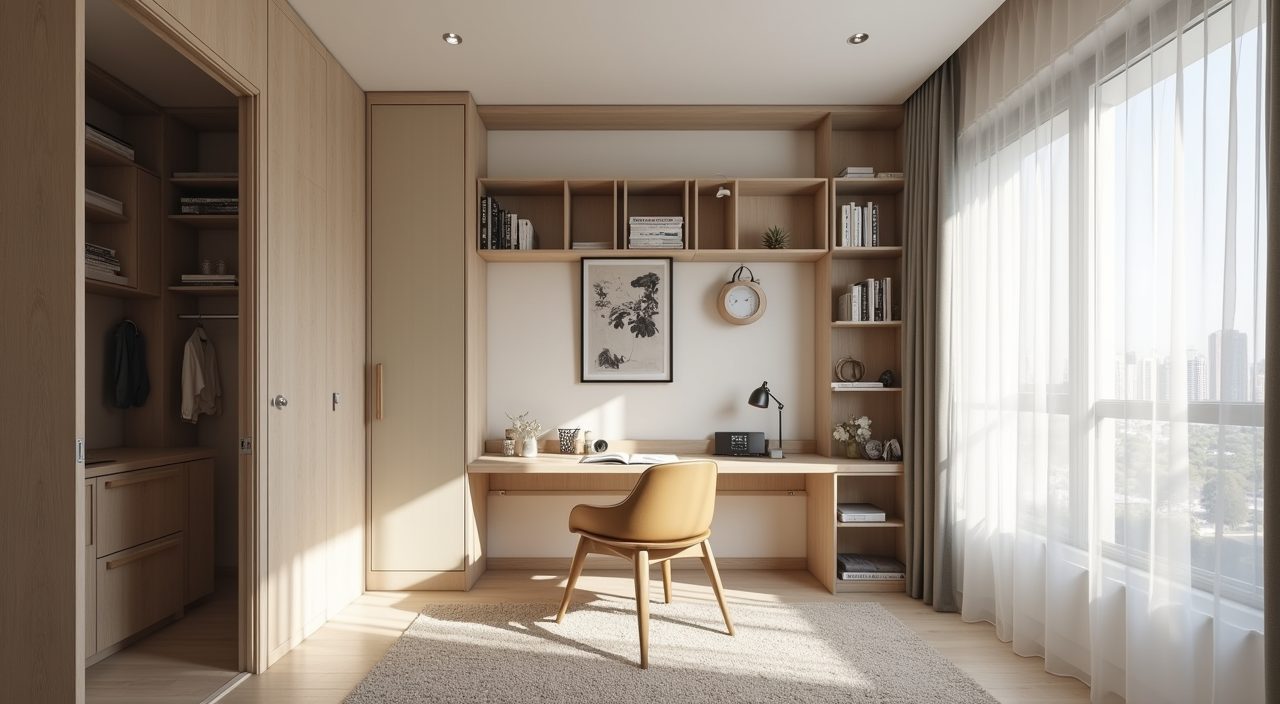 Small Study Room Design Ideas to Maximise Space in Singapore
 Frequently asked questions
How much space do I need for a study room in an HDB flat?
You rarely need a full room. A workable study corner needs roughly a 900 to 1200 mm wall run for the desk plus about 700 mm of clear space behind the chair. A serious home office wants 1400 to 1600 mm of desk width. Many HDB homes carve this out of a bedroom, a living-room nook, or a converted store, keeping the household shelter (bomb shelter) untouched.
Can I convert my HDB bomb shelter into a study?
You can use it as a small study or work nook, but you must not hack, drill into or seal the shelter door and walls, since they are protective structures. Use freestanding or removable furniture, and run an aircon or dehumidifier at times because it is windowless and prone to humidity and stuffiness. For anything more than a quiet corner, the poor ventilation makes it a compromise.
What desk height and depth are best for a home office in Singapore?
Standard sitting desk height is around 720 to 750 mm. Aim for a 600 mm deep top for general work, 500 mm if it is laptop only, and 700 mm or more if you run dual monitors. Match the chair to the desk and prioritise a good chair over a larger tabletop if you sit for long hours.
What materials hold up best for a study in our humid climate?
Laminate or veneer over plywood or MDF is the practical default, as it resists warping better than solid wood near aircon draughts or sunlit windows. Choose matte or satin finishes to hide dust, powder-coated or treated metal to resist rust, and keep books and electronics off the floor and away from sweaty external walls to limit mould.