Muji Japanese Study Room Design Ideas for Singapore Homes
How to design a calm Muji Japanese study room in a Singapore HDB flat or condo: palettes, storage, lighting, humidity control and budget tips.
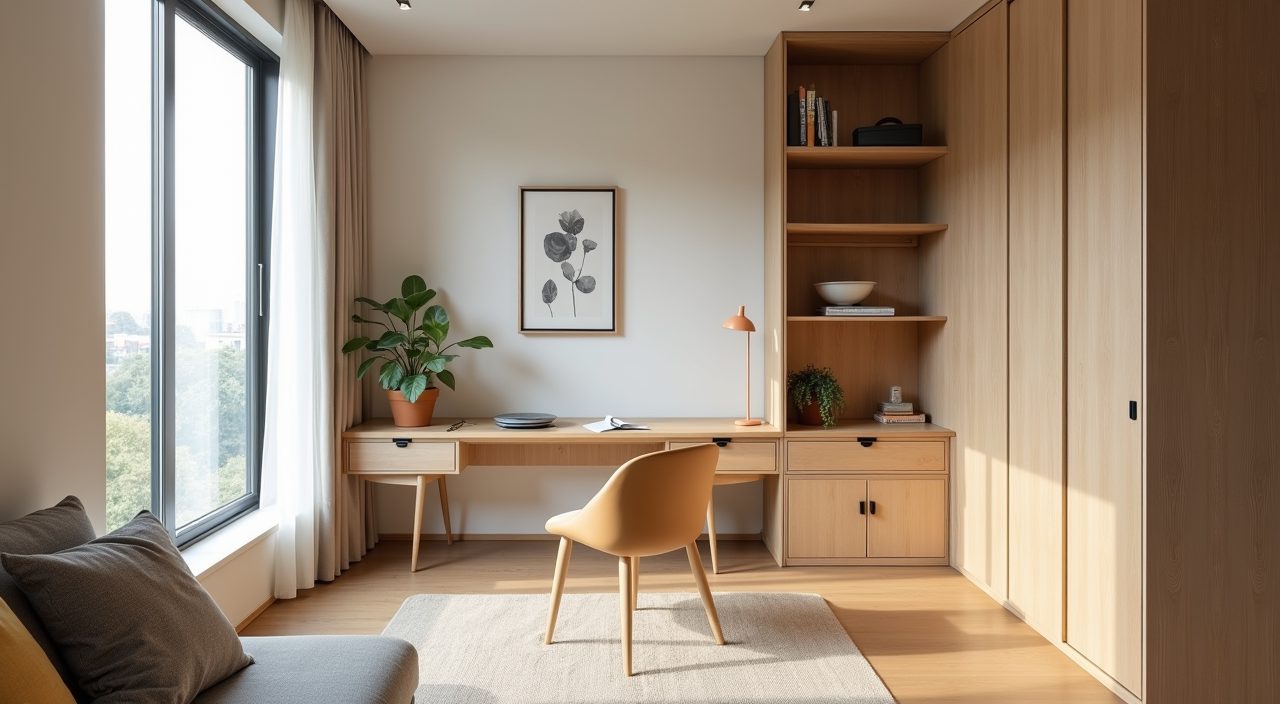
To design a Muji Japanese study room well in a Singapore home, keep the palette to warm whites and light wood, hide clutter behind flush cabinetry, and build around one clean desk with a single task light. Choose engineered or laminate wood over solid timber so the finish survives local humidity, and plan for cross ventilation or steady air conditioning to protect books and electronics.
The Muji look reads as calm because almost nothing is on display. That is harder than it sounds in a Singapore flat, where a study often doubles as a WFH corner, a storeroom, and sometimes a guest sleeping spot. The ideas below are shaped around real HDB bedroom and condo study sizes, tropical light, and the fact that most homes here fight moisture and tight square footage rather than cold winters.
Anchor the room in a warm off white and light wood palette
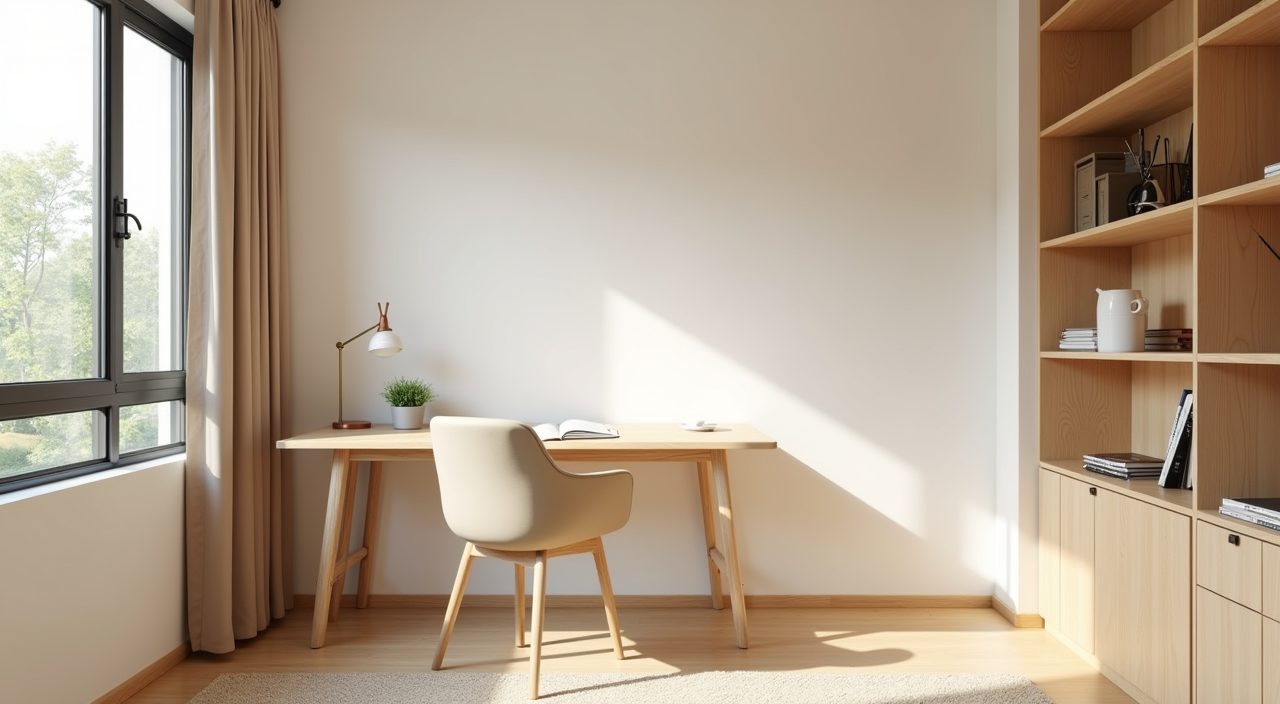
The core Muji scheme is two or three quiet tones: an off white or warm grey wall, natural light wood such as oak, ash, or beech, and a soft neutral for textiles like oatmeal or pale grey. Avoid stark hospital white, which turns cold under Singapore's LED downlights and blue afternoon sky. A warm white with a slight cream undertone keeps the room feeling soft even at night.
Wood tone matters more than any single feature. Pick one light wood and repeat it across the desk, shelving, and any window trim so the eye reads the room as one continuous surface. If your flat already has dark laminate flooring, you do not need to hack it out; a light wood desk and a pale rug will lift the space enough.
- Walls: warm white or a barely there greige.
- Wood: one light species, repeated (oak, ash, or beech look).
- Accents: charcoal, muted sage, or raw linen, used sparingly.
Build one clean desk and let it float against the window
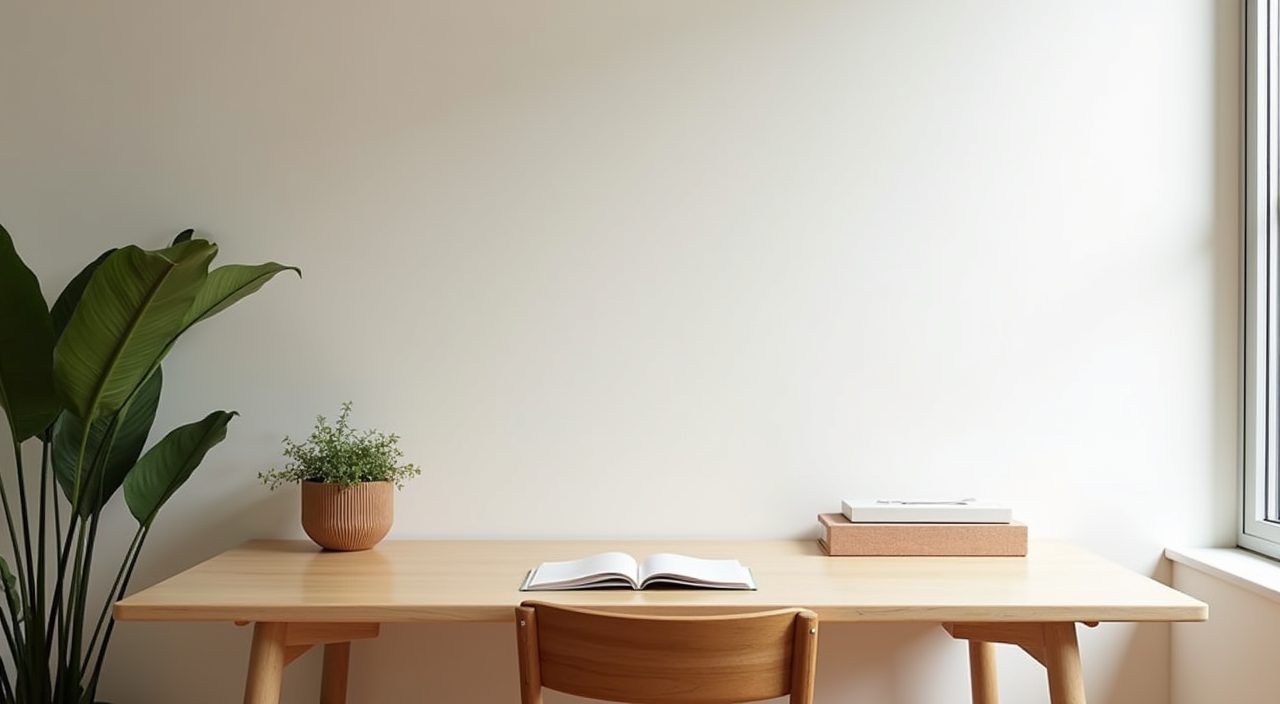
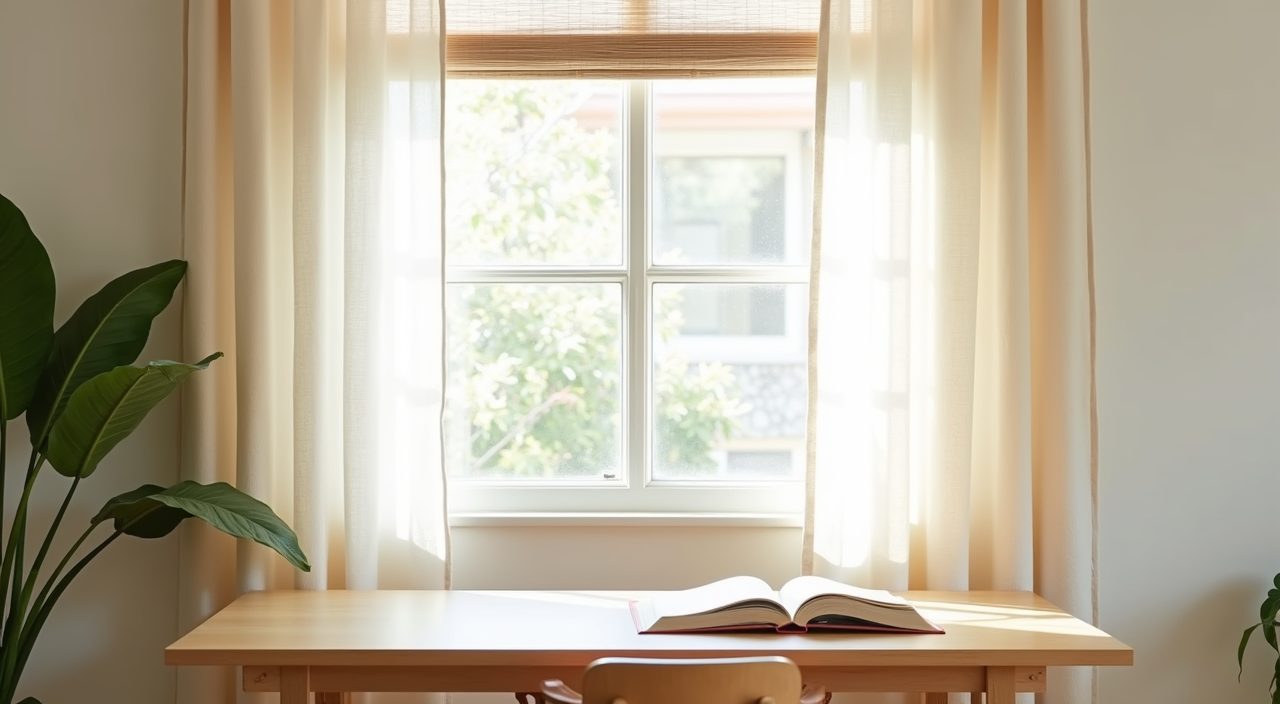
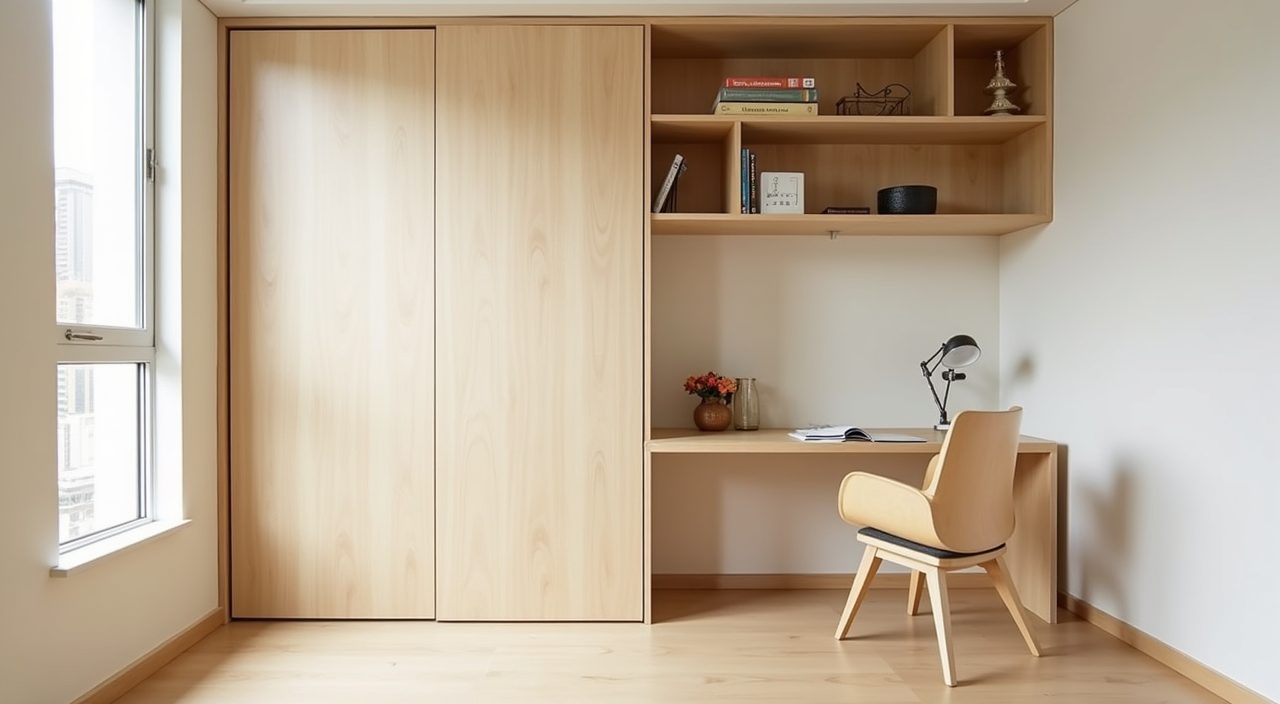
Muji study rooms are built around a single uncluttered work surface, not a wall of furniture. A simple rectangular desk in light wood, 120cm to 140cm wide, suits most HDB bedrooms and condo studies. Position it so you face or sit side on to a window: natural daylight reduces eye strain and the view gives the small room a sense of depth.
Resist adding a hutch or overhead shelf directly on the desk. Keeping the surface clear is the whole point of the style, and it also stops the desk from feeling bulky in a room that might only be 2.4m to 2.7m wide. Route cables through a single grommet or a tray under the top so nothing trails across the floor.
Hide everything behind flush, handleless storage
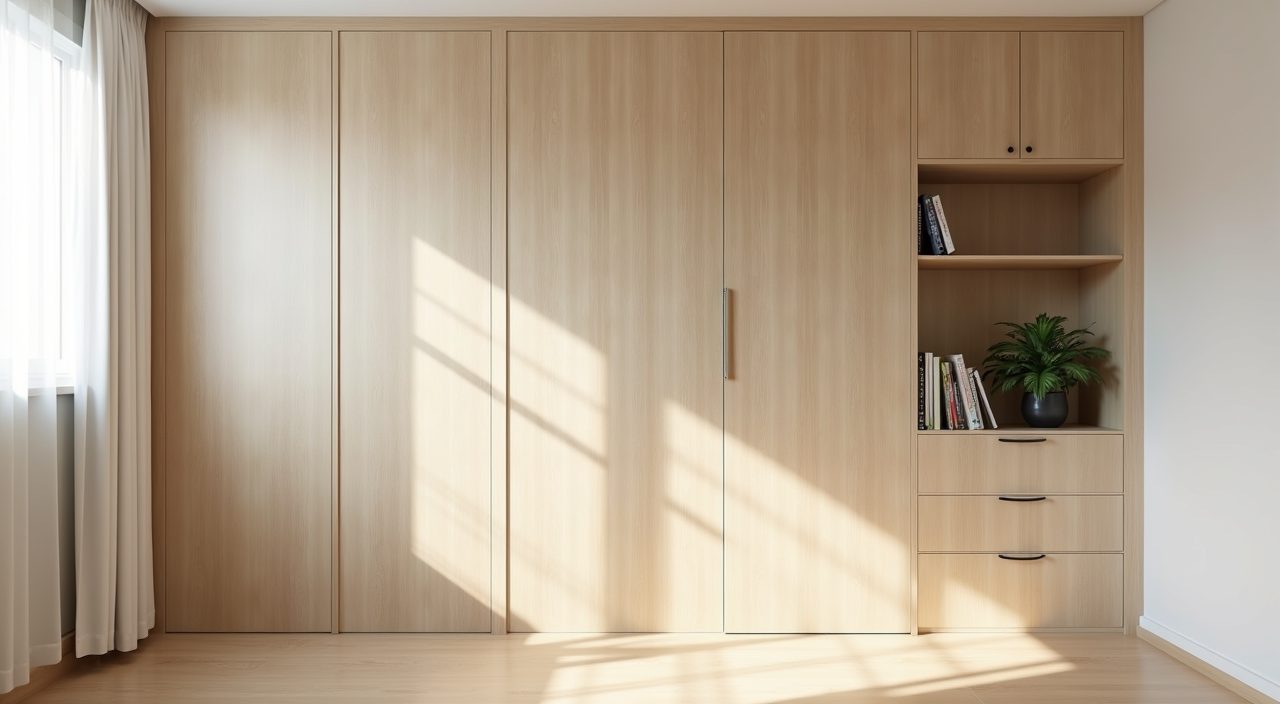
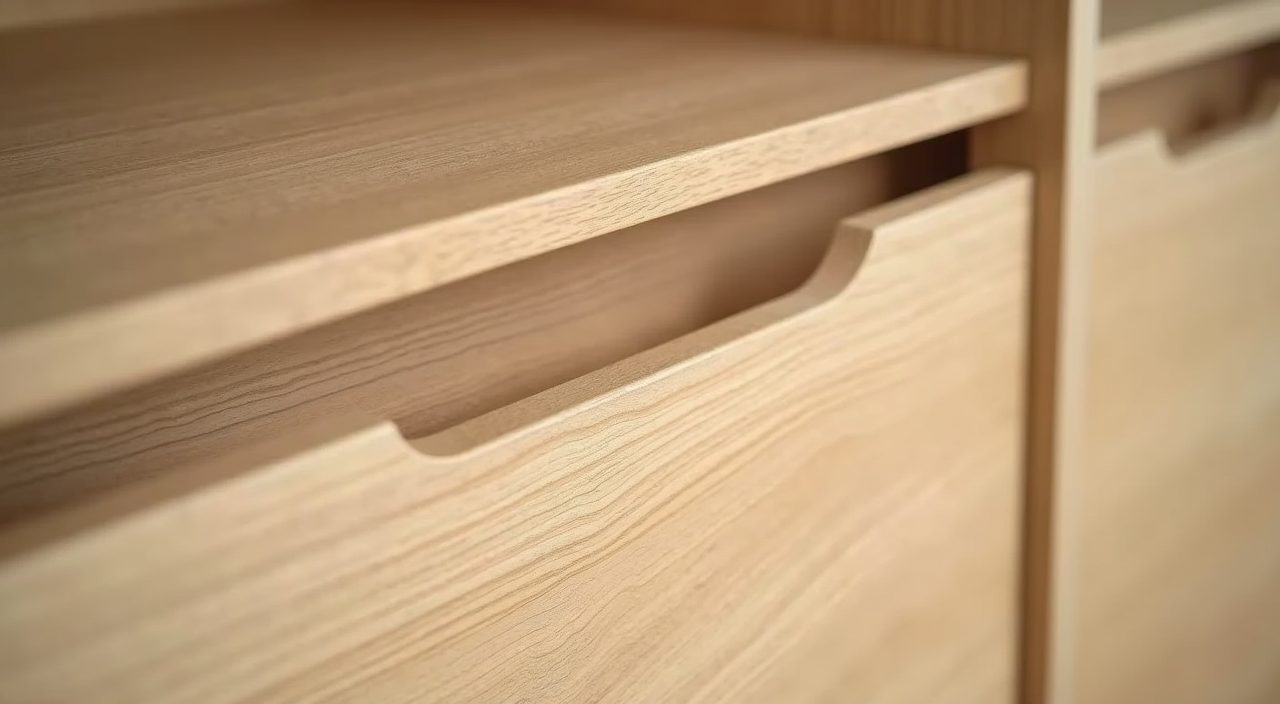
The reason a Muji room looks serene is that storage disappears. Use full height cabinets or a built in wardrobe carcass with plain flat fronts and push to open or J pull edges instead of visible handles. In an HDB bedroom study, a floor to ceiling run along one wall gives you far more capacity than open shelving and keeps visual noise down.
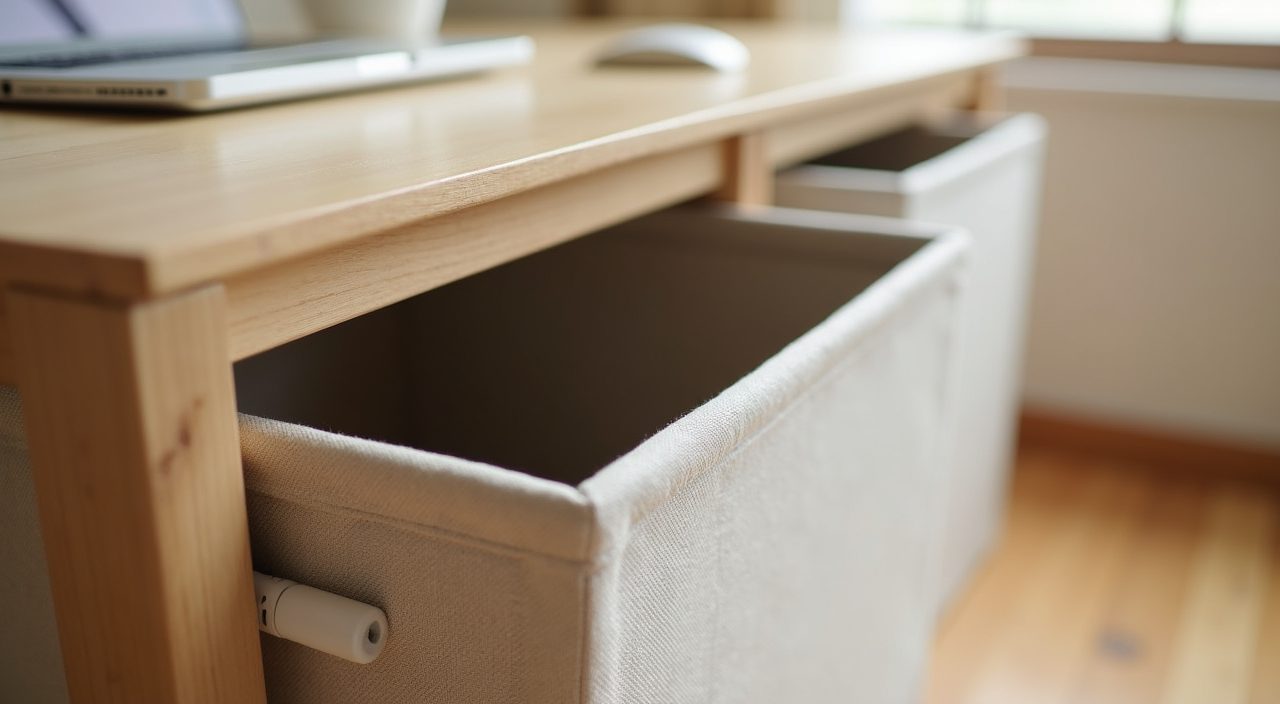
Mix closed and open storage at roughly an 80 to 20 ratio. Most of your books, files, cables, and printer live behind doors; a small open niche holds a few chosen objects, a plant, or a stack of favourite books. This is where Muji style rattan or plain fabric boxes earn their place, corralling loose items inside cabinets.
Choose humidity friendly materials, not solid timber
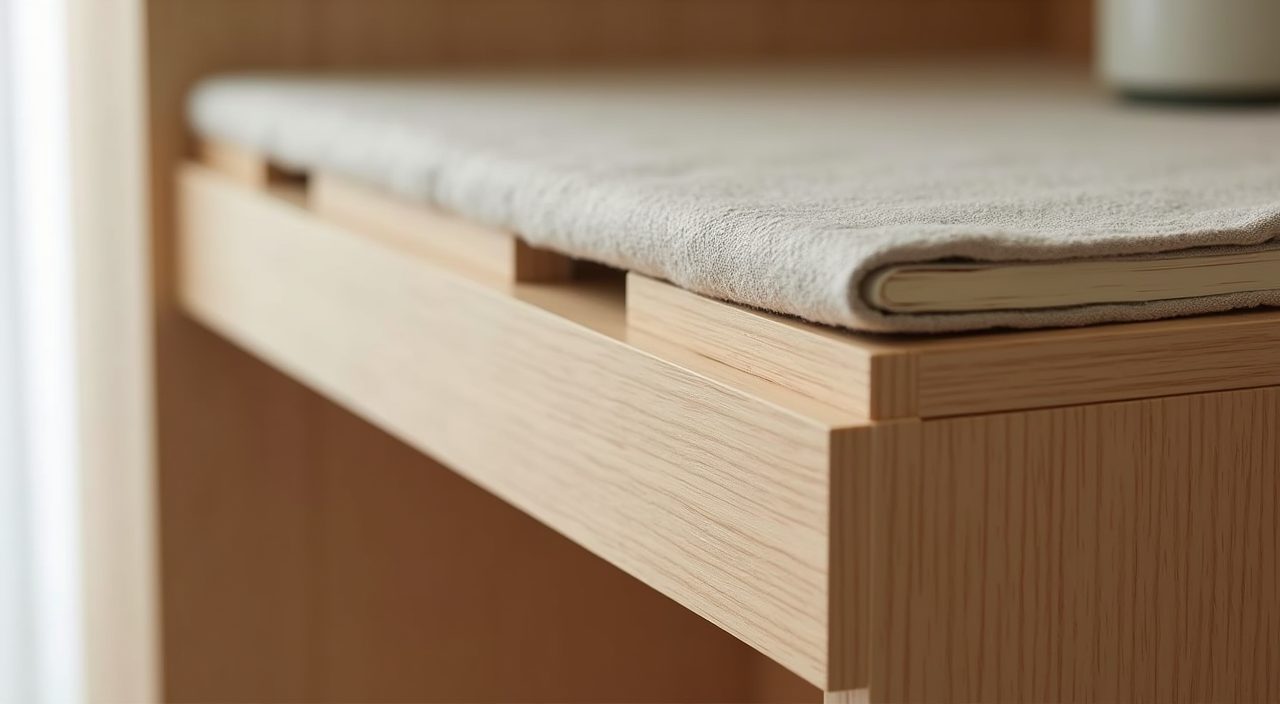
Singapore sits at 70 to 90 percent relative humidity for much of the year, and solid wood can cup, warp, or split as it takes on and releases moisture. For built ins and the desk, engineered wood, plywood with a wood veneer, or a good quality wood effect laminate gives you the Muji warmth without the movement. Laminate also wipes clean, which matters in a room that collects dust and the odd coffee ring.
For soft furnishings, lean on linen and cotton rather than heavy synthetics, which can feel clammy in the heat. If the study is prone to damp, keep a small dehumidifier or run the air con on dry mode, and avoid placing bookshelves flush against an external wall that may sweat.
Layer soft, warm lighting instead of one harsh ceiling light
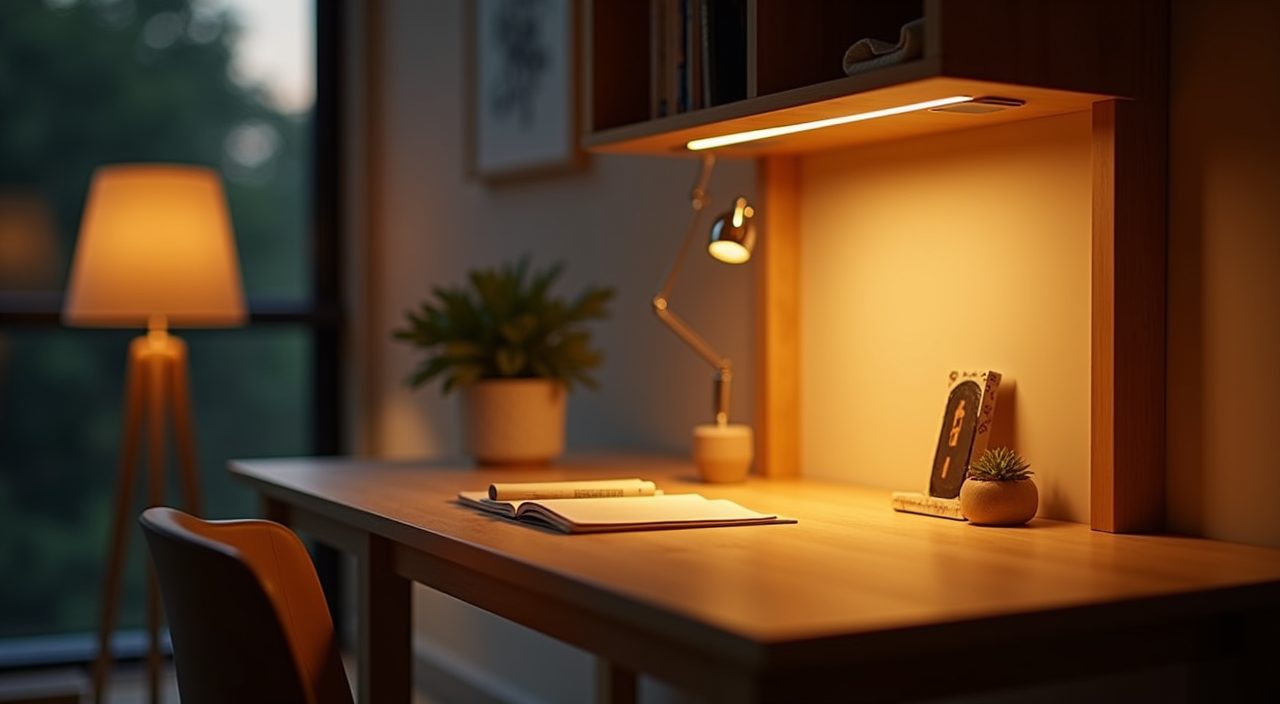
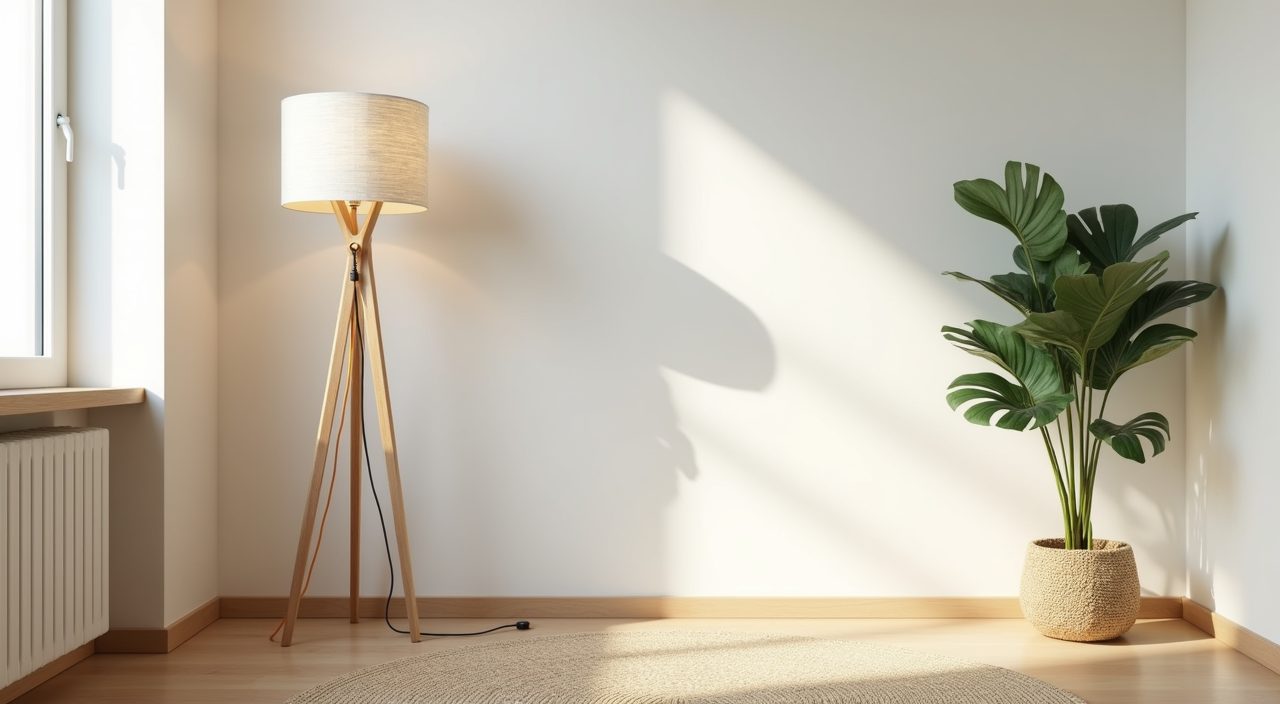
Muji lighting is warm and low glare. Swap a single cool white ceiling fixture for a mix: a warm 3000K to 4000K general light, a focused task lamp on the desk, and a low ambient light such as an LED strip tucked under a shelf or a paper shade floor lamp in the corner. This gives you bright light for focused work and a softer setting for reading.
In Singapore, daylight is strong but very directional, so control it rather than block it. Sheer linen curtains or a light timber blind diffuse the glare without darkening the room, and they suit the material palette better than heavy blackout drapes. Keep the desk out of direct harsh sun to avoid screen glare and heat.
Use tatami, a low platform, or a reading nook for the Japanese layer
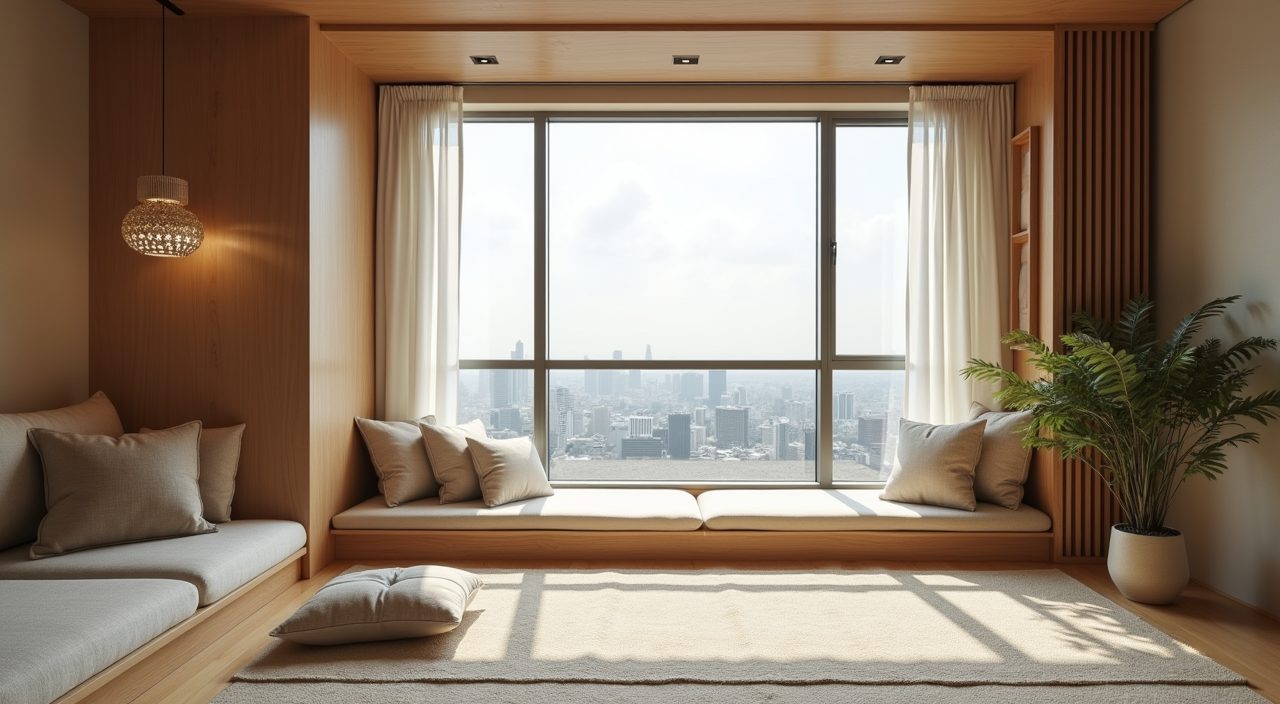
If you want the room to read as Japanese and not just minimalist, add one grounded, low element. A tatami mat corner, a low platform with a floor cushion, or a shallow window bench turns part of the study into a spot for reading or quiet work. In a condo with a bay window, a built in bench with storage drawers underneath is a natural fit and adds function.
Keep it modest. One low zone is enough; filling the room with floor seating makes it impractical for daily desk work. Real tatami needs airflow and can hold moisture here, so many homeowners choose a tatami style mat or a timber platform that is easier to maintain in the local climate.
Add greenery and natural texture to keep it from feeling clinical
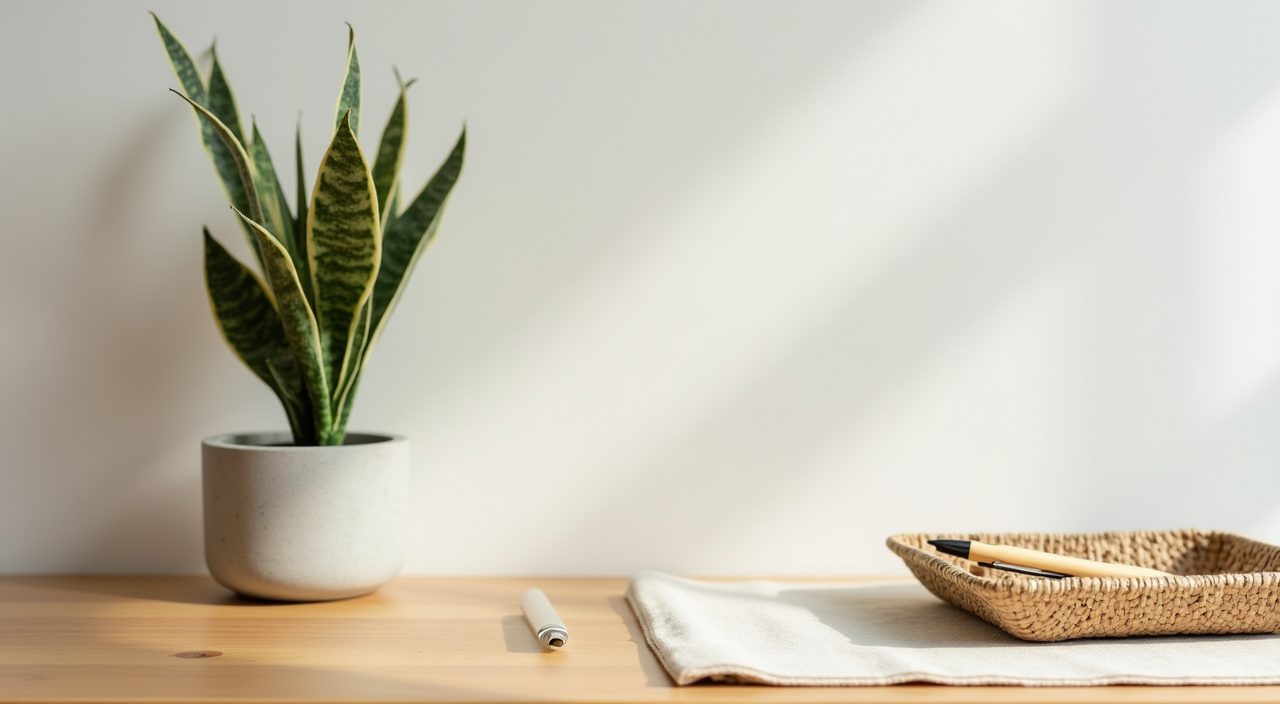
A pure white and wood room can tip into looking sterile. One or two plants that tolerate indoor Singapore conditions, such as a snake plant, ZZ plant, or pothos, bring life without demanding much light or care. Set them in plain ceramic or concrete pots that match the muted palette rather than bright glazed ones.
Texture does the same job quietly. A rattan pen tray, a linen desk mat, a ceramic mug, or a rough weave rug adds warmth and stops every surface from reading as flat laminate. The Muji rule is restraint: a few natural materials, well chosen, beat a shelf full of decorative objects.
Zone the room if it has to do more than one job
Many Singapore study rooms are not single purpose. If yours also serves as a guest room or nursery, use the storage wall to define zones and consider a wall bed or a slim sofa bed so the study function stays primary. A light open shelf or a sliding shoji style panel can separate a sleeping corner from the desk without closing off light or making the room feel cramped.
Where space is really tight, such as a small HDB bedroom converted to a study, a wall mounted fold down desk keeps the floor clear when the room switches to another use. Plan the electrical and data points around these zones early so you are not running extension cords later.
What to plan and budget for
The biggest cost in a Muji study is usually the carpentry: full height flush cabinetry and a built in desk are what make the look work, and they are priced by the running foot, so a longer storage wall costs more. Budget for the storage first, then loose furniture, lighting, and finishes. Expect built in carpentry to be the single largest line item, with lighting, painting, and any electrical or data points added on top. If you are keeping existing flooring and walls, you can direct more of the budget into good cabinetry and lighting.
Some of this is achievable with off the shelf furniture and a coat of paint, but flush handleless built ins, hidden wiring, added power points, and any platform or partition work need a proper contractor. If you want a full muji japanese study room design singapore renovation done cleanly, including the carpentry, electrical, and lighting handled together, it is worth getting a licensed renovation and electrical contractor to quote and coordinate the trades so the finish lands right and the wiring is safe.
Frequently asked questions
Does a Muji study room work in a small HDB bedroom? Yes. The style is built on restraint, so it suits small rooms well. Focus on one full height storage wall, a single clean desk against the window, and a light palette to make the space feel larger, and avoid bulky freestanding furniture.
Is solid wood a good idea for the desk and shelves in Singapore? Usually not. Singapore's high humidity can cause solid timber to warp or crack over time. Engineered wood, veneered plywood, or a quality wood effect laminate gives the same warm Muji look with far better stability, and it is easier to clean.
How do I keep the room from looking cold or sterile? Warm up the whites with a cream undertone, use warm 3000K to 4000K lighting rather than cool white, and add a little natural texture such as a linen desk mat, a rattan tray, or one or two low maintenance plants. A few well chosen natural materials do more than lots of decoration.
Do I need a contractor or can I do it myself? Loose furniture, paint, and styling you can do yourself. Flush built in cabinetry, hidden cable runs, extra power or data points, and any platform or partition work are best left to a licensed renovation and electrical contractor so the finish is neat and the wiring is safe.