
Muji Japanese Interior Design Ideas in Singapore
To get a genuine Muji Japanese look in a Singapore home, keep the palette light and warm, choose a few honest materials (light oak, off-white walls, linen and rattan), and hide clutter behind flush, handleless storage so surfaces stay clear. The style works best when you resist decoration and let daylight, natural wood and empty space do the work.
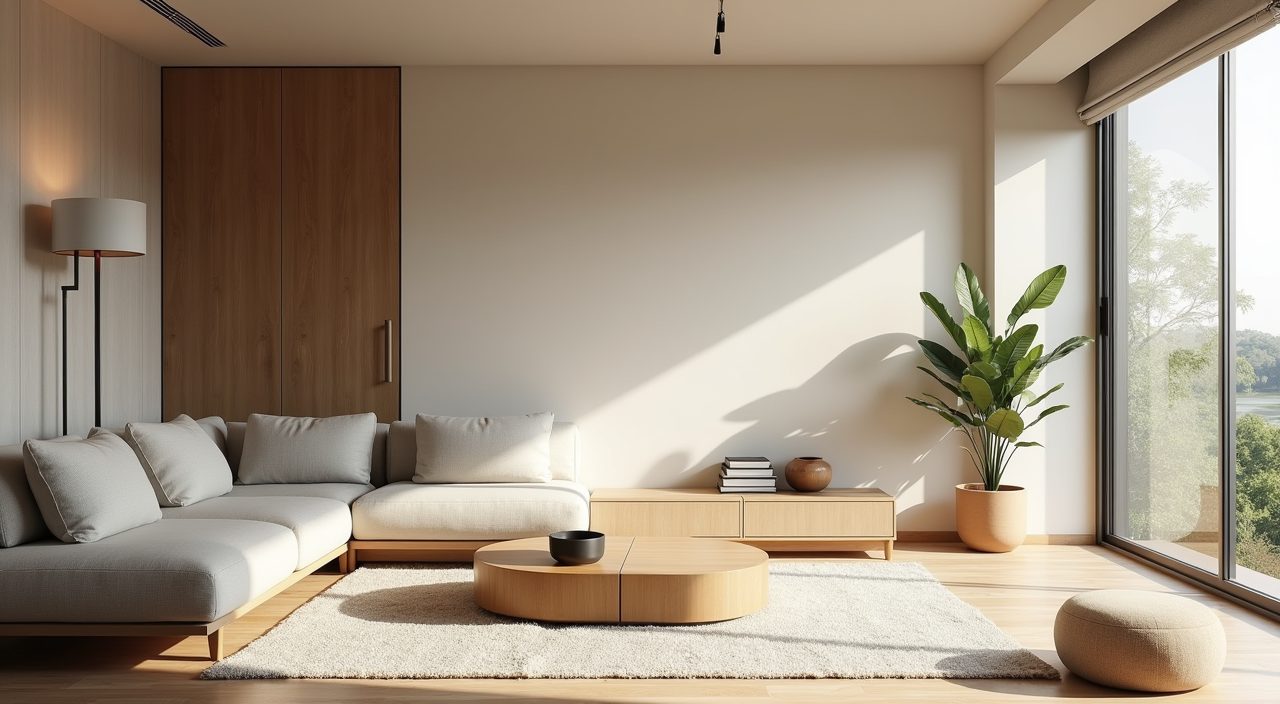
This look suits our flats and condos because it is built for small footprints and bright, tropical light. Below we break down what actually defines the aesthetic, why it fits Singapore living, the materials and colours that hold up in our climate, and how to translate it into each room of your home. Explore the room-by-room ideas linked below to see how the principles play out in real spaces.
What defines the Muji Japanese look
Muji-style Japanese interiors are quiet by design. The core is restraint: a small material palette, no visual noise, and storage that disappears into the architecture. Instead of feature walls and mouldings, you get flush surfaces, soft edges and a sense of breathing room. It borrows from Japanese minimalism and the idea that a tidy, uncluttered space is calming to live in.
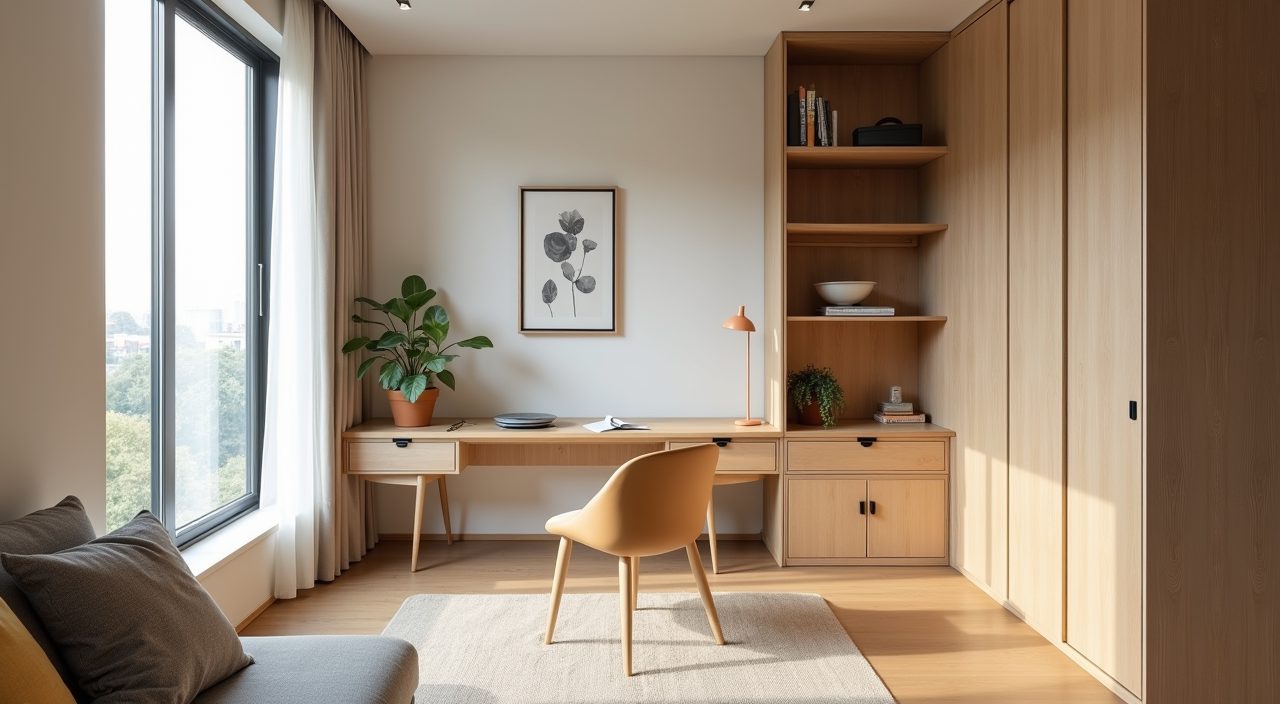
The signatures are easy to spot once you know them. Warm light-toned wood (typically oak, ash or birch) paired with off-white or warm-grey walls. Furniture sits low and simple, with clean lines and honest joinery rather than gloss or ornament. Fabrics are natural: cotton, linen, wool. Lighting is warm and layered, never a single harsh ceiling downlight. And crucially, there is negative space; not every wall or corner needs to be filled.
- Light, warm wood as the anchor material (oak, ash, birch)
- Off-white, warm grey and beige walls, not cool blue-grey
- Handleless, flush storage that hides everyday clutter
- Low, simple furniture with clean lines and no gloss
- Natural fabrics: cotton, linen, wool, rattan
- Warm, layered lighting instead of a single bright downlight
- Deliberate empty space, kept clear rather than decorated
Why it suits Singapore HDB flats and condos
The style is a natural fit for local homes for practical reasons, not just taste. Most of our living spaces are compact, and a light palette with clear surfaces makes a small HDB living room or condo bedroom feel larger and less boxed in. Handleless built-in storage lets you absorb the reality of Singapore living (bulky items, no attic or basement, families sharing tight square footage) without the room ever looking full.
Our light and climate also play in its favour. Singapore gets strong, near-vertical daylight for most of the day, and pale walls with warm wood soften that glare into something comfortable rather than clinical. The catch is humidity: the same natural materials that define the look (real wood, rattan, linen) can warp, swell or grow mould if you specify them carelessly. Done right, the style is airy and low-maintenance. Done wrong, it is a humidity trap. The materials section below covers how to get it right.
Materials and palette that survive our climate
Keep the palette tight: one wood tone, one wall colour, one or two natural fabrics. For walls, warm whites and beiges read better under our daylight than cool greys, which can turn dull and cold. For wood, light oak or ash is the classic Muji choice, whether in solid furniture, veneer carpentry or a wood-look laminate for surfaces that take a beating.
Because of humidity, be deliberate about where you use real timber versus lookalikes. Solid or veneered wood is fine for feature furniture and joinery in air-conditioned or well-ventilated rooms, but for kitchens, bathrooms and anything near constant moisture, a quality wood-grain laminate or engineered surface gives the same warmth without the risk of swelling. Rattan and cane look beautiful but should stay out of consistently damp, poorly ventilated corners. For soft furnishings, cotton and linen are ideal; just make sure the room gets airflow so they dry out and do not hold mustiness.
A short spec that ages well in Singapore: matte finishes over gloss (they hide dust and fingerprints in our humidity), light oak or oak-look laminate as the wood tone, warm-white walls, and linen or cotton for curtains and upholstery. Avoid dark, high-contrast schemes; they fight the calm, light-filled feeling that makes the style work.
- One wood tone, one wall colour, keep the palette disciplined
- Warm whites and beiges over cool grey under tropical light
- Real wood for dry, ventilated rooms; wood-look laminate near moisture
- Matte finishes to hide dust and fingerprints in humid air
- Cotton and linen fabrics, with airflow so they stay dry
- Use rattan and cane sparingly and only where it can breathe
How to apply it room by room
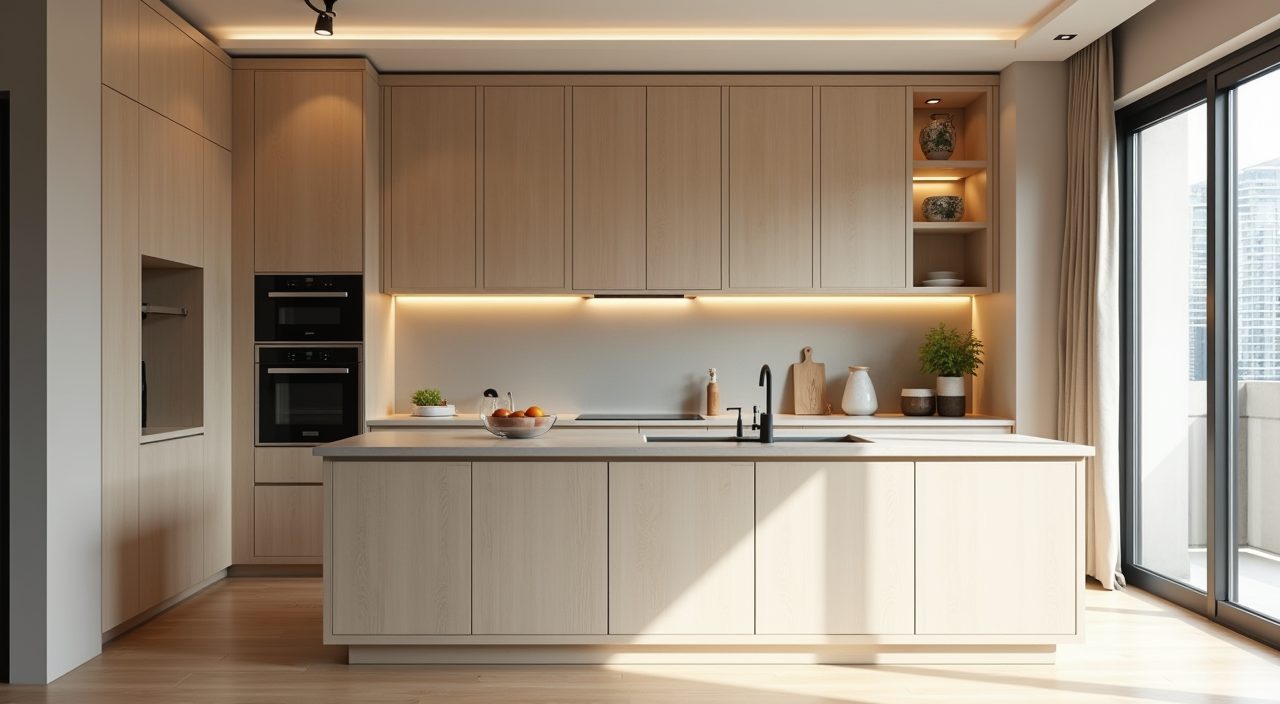
The principles stay the same across the home, but each room has its own priorities. In the living room and dining area, the goal is clear surfaces and low furniture, with concealed storage running along one wall so the space feels open. In the kitchen, handleless cabinet fronts, a warm wood-look laminate and a decluttered countertop deliver the look while standing up to daily cooking.
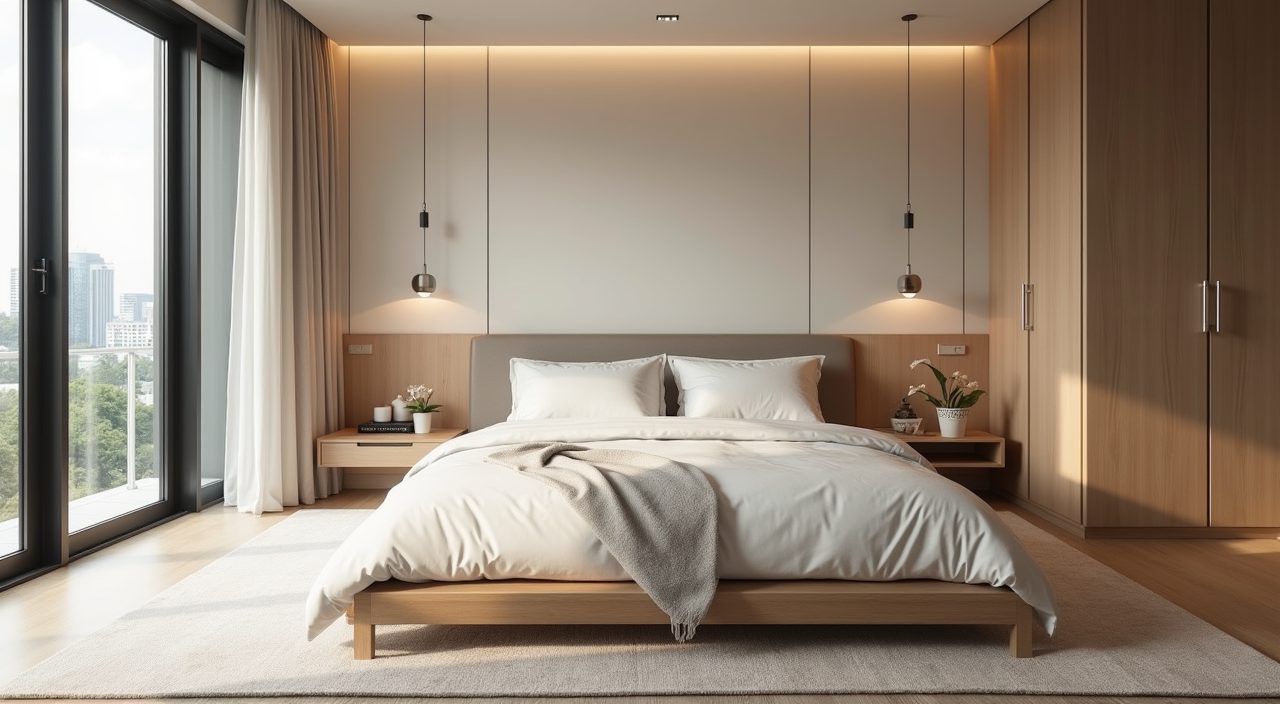
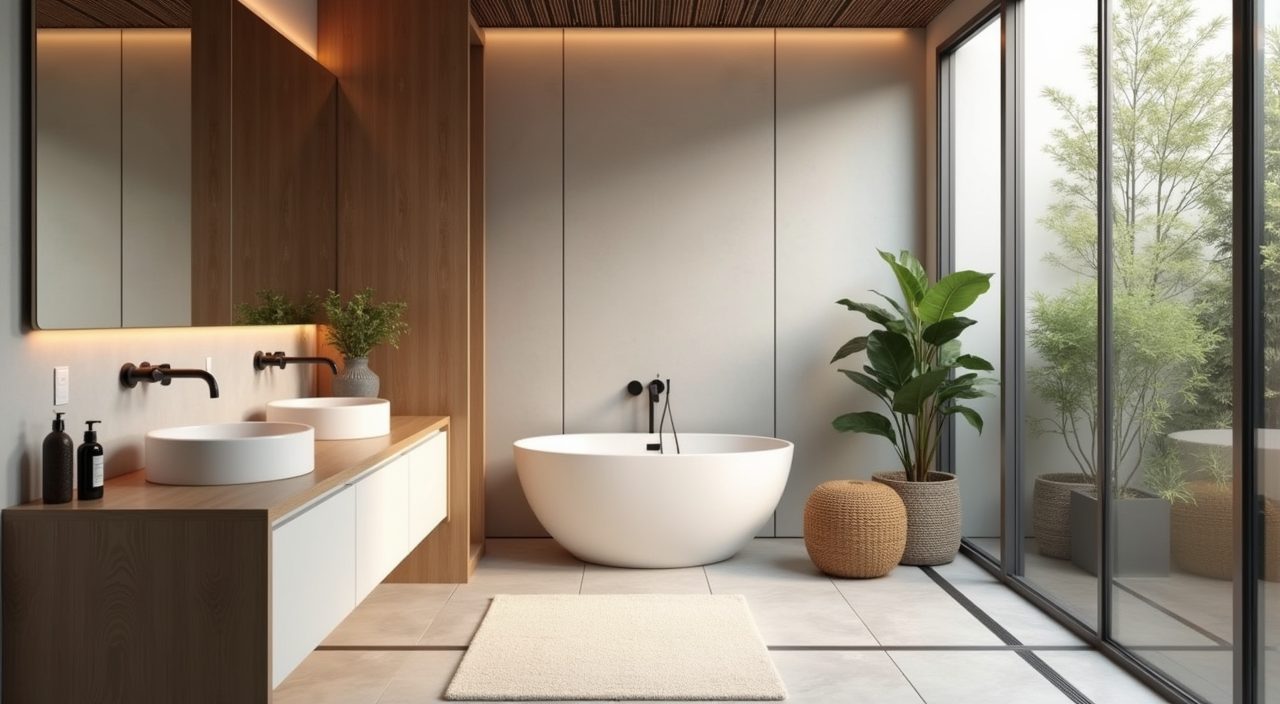
In the master bedroom and secondary bedrooms, a low bed, built-in wardrobe with flush doors, and soft warm lighting create the calm the style is known for. Bathrooms lean on warm-toned tiles, matte fittings and hidden storage, with good ventilation as the non-negotiable. A study or work corner benefits from a simple desk, cable management kept out of sight, and just enough shelving; a kids room applies the same clean storage logic while leaving room for the reality of toys.
Rather than treat every room in isolation, use the detailed room ideas linked below. Each one shows layouts, dimensions and finishes tuned to that specific space in a Singapore home, so you can carry one coherent Muji look through the whole flat instead of assembling a patchwork.
Explore Muji Japanese rooms
Frequently asked questions
Is Muji Japanese interior design expensive to do in Singapore?
Not necessarily. The style is more about restraint than expensive finishes, so the cost driver is usually carpentry, specifically the built-in, handleless storage that keeps surfaces clear. You can spend less by keeping loose furniture simple and honest, and spend more on well-made joinery where it counts. Because the palette is minimal, you also avoid the cost of feature walls, heavy mouldings and lots of decorative pieces.
Does the style work in a small HDB flat?
Yes, it is arguably at its best in a small flat. Light walls, low furniture and concealed storage make a compact HDB space feel larger and calmer, and the emphasis on clear surfaces directly fights the clutter that makes small homes feel cramped. The key is disciplined storage so everything has a hidden home.
Will real wood and rattan hold up in Singapore's humidity?
They can, if you place them thoughtfully. Solid and veneered wood are fine in air-conditioned or well-ventilated rooms, but near constant moisture (kitchens, bathrooms) a wood-look laminate is safer. Rattan and cane need airflow to avoid mould, so keep them out of damp, closed-up corners. Good ventilation and matte finishes go a long way toward keeping natural materials looking right.
What is the difference between Muji style and general minimalism?
General minimalism can be cool, stark and monochrome. Muji-style Japanese interiors are warmer and softer: light natural wood, off-white and beige tones, natural fabrics and a lived-in calm rather than a showroom emptiness. The aim is a home that feels quiet and comfortable, not clinical.