Muji Japanese Bathroom Design Ideas for Singapore Homes
Muji Japanese bathroom design ideas for Singapore HDB flats and condos: warm neutral palettes, moisture-smart materials, and small-space layouts that work in the tropics.
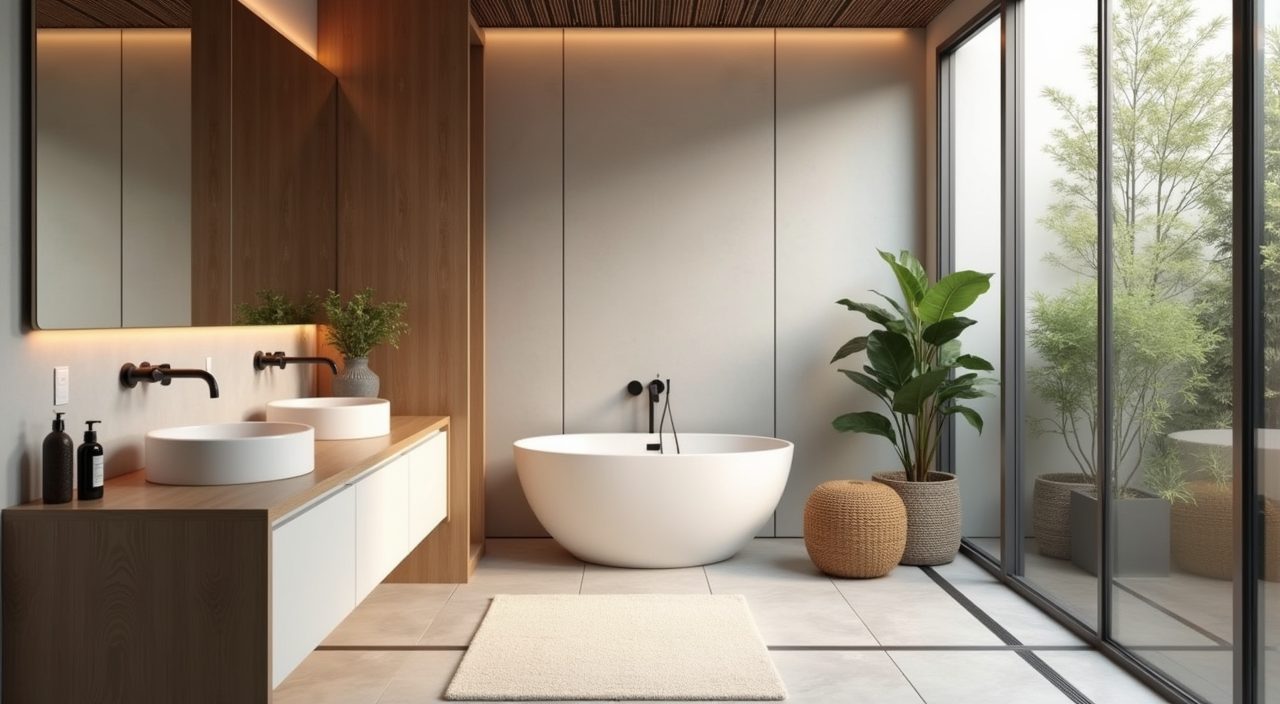
To design a Muji Japanese bathroom well in a Singapore home, keep the palette to two or three warm neutrals, choose matte moisture-resistant finishes over glossy ones, and hide clutter behind flush cabinetry so surfaces stay calm and open. Prioritise a large-format light stone or microcement look, warm wood accents that can survive humidity, and soft layered lighting instead of a single harsh ceiling light. The goal is a quiet, spa-like room that still handles a tropical climate and the tight footprint of a typical HDB or condo bathroom.
Most Singapore bathrooms are small. A common HDB common bathroom runs around 3 to 4 square metres, a master bathroom slightly larger, and many condo bathrooms are similar or tighter. The Muji look actually suits this because it relies on restraint, not on space. The challenge here is humidity and constant wet use, so the real skill is choosing materials and layouts that stay looking clean and calm after two or three years of daily showers, not just on handover day.
Start with a warm off-white and wood palette, not stark white
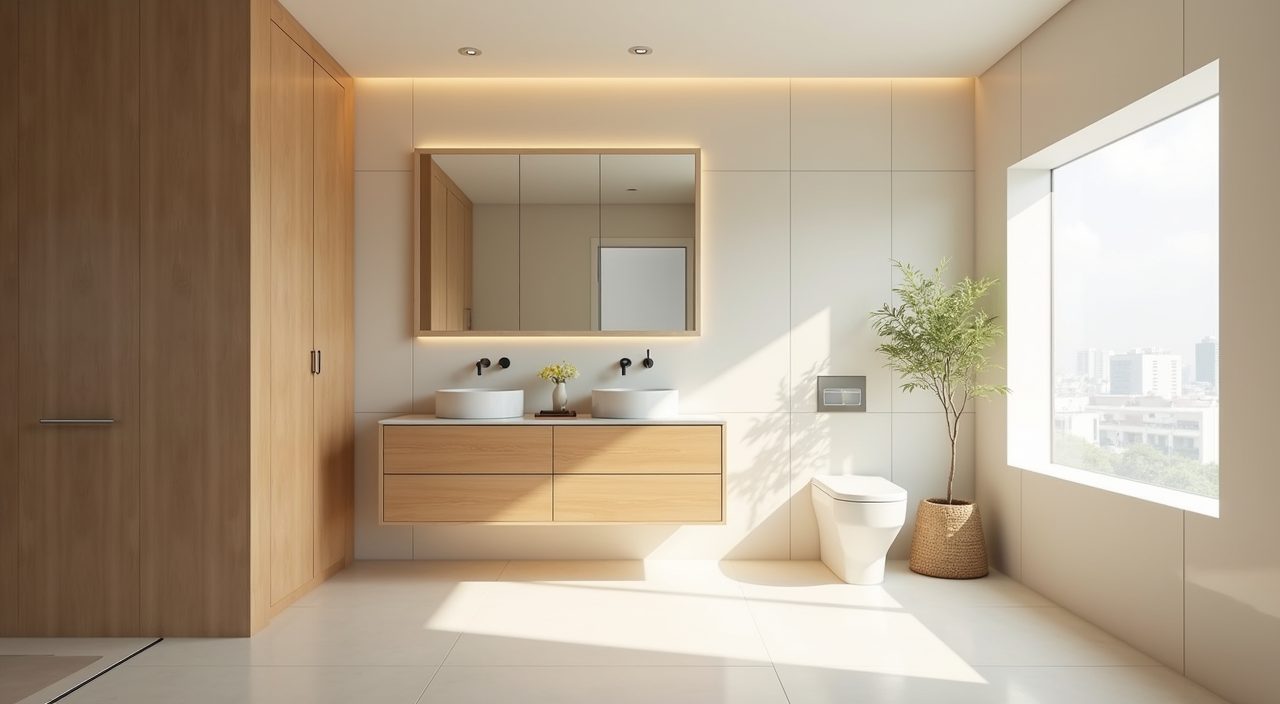
The Muji signature is warm and soft, not clinical. Instead of bright white tiles and cool grey grout, lean into off-white, oatmeal, warm beige, and pale greige, then add one grounding tone such as light oak or a muted charcoal for contrast. This warmth reads better under Singapore's bright daylight, which can make pure white surfaces look flat and glaring.
Keep the number of tones low. A calm bathroom usually uses one main wall and floor tone, one accent, and one wood note, and stops there. Resist adding a feature wall in a loud pattern, since that fights the whole quiet-Japanese idea.
Use large-format tiles or microcement to reduce grout lines
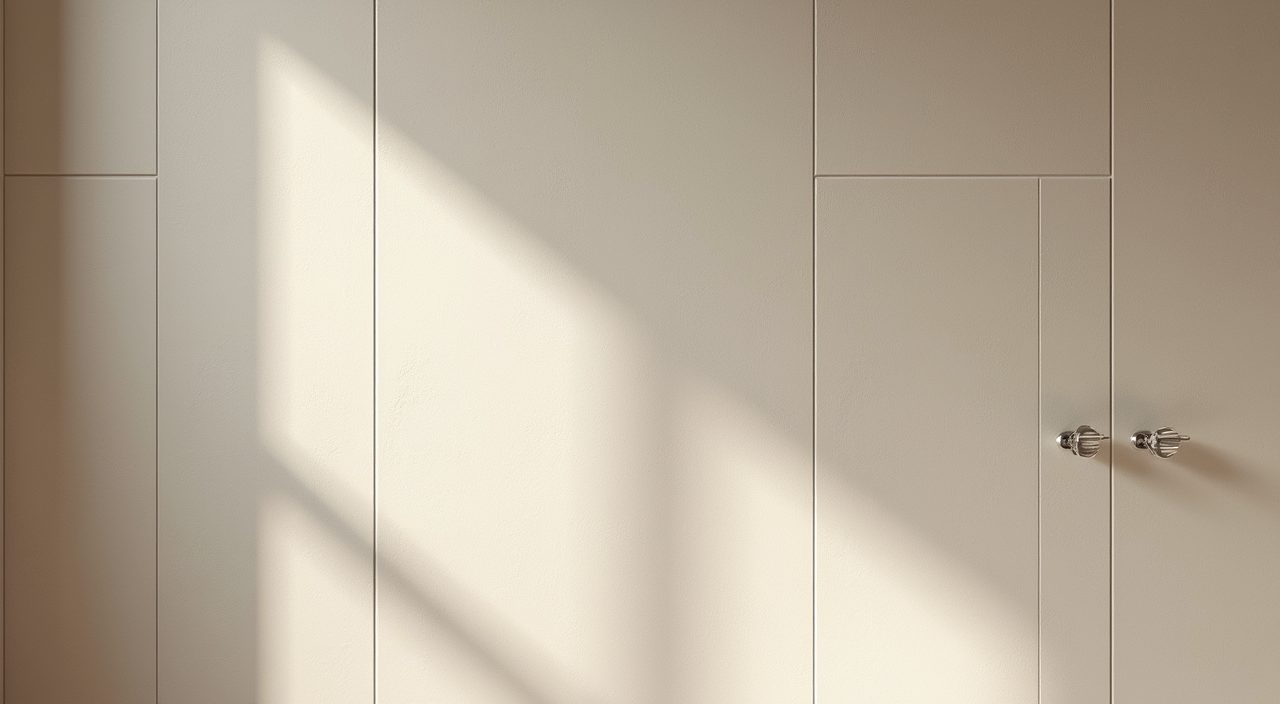
Grout lines are the enemy of the seamless Muji look, and in humid Singapore they also collect mould and discolour over time. Large-format tiles (600x600mm or larger, or slim porcelain slabs) cut the number of grout lines dramatically and make a small bathroom feel more continuous. A stone-look or plaster-look porcelain gives you the soft matte surface without the maintenance of real stone.
Microcement is the other popular route for a truly seamless finish on walls and floors. It looks beautiful and very on-brand, but be honest about the tradeoff: it must be installed by an experienced applicator and sealed properly, or it can hairline-crack and stain in a wet, tropical bathroom. If you go this way, treat the waterproofing and the applicator's track record as non-negotiable.
Choose warm wood accents that can survive humidity
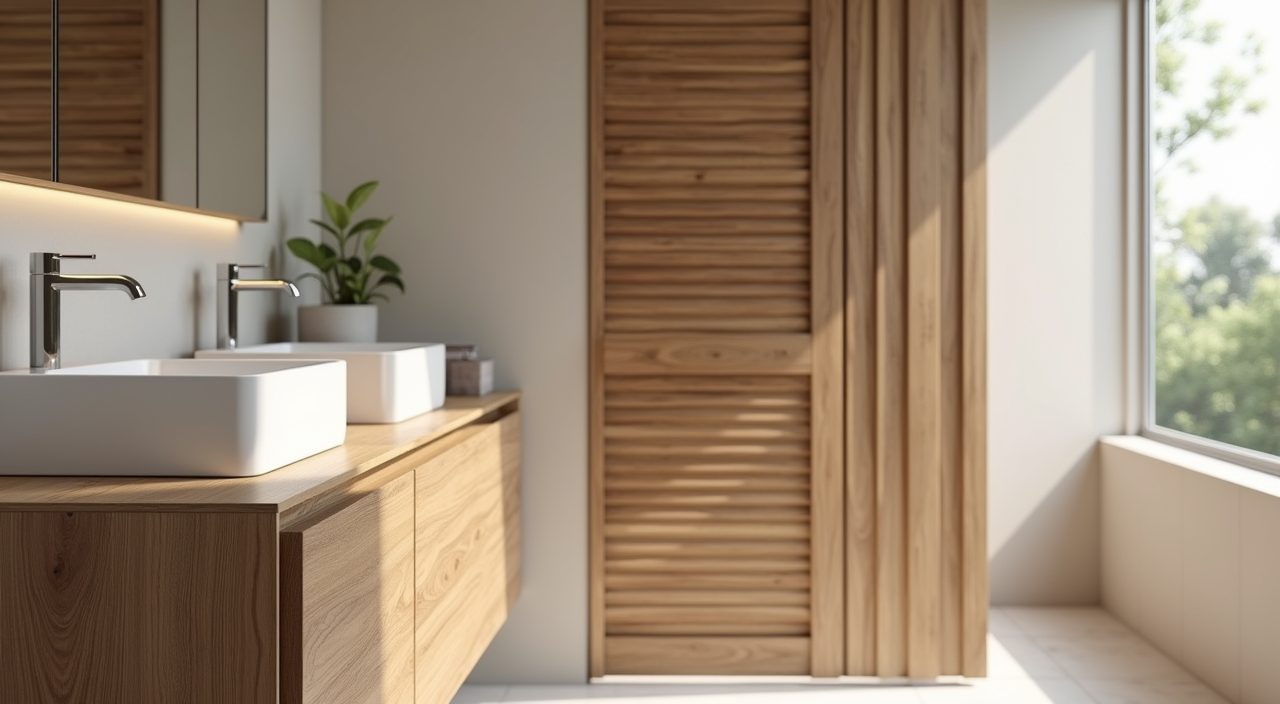
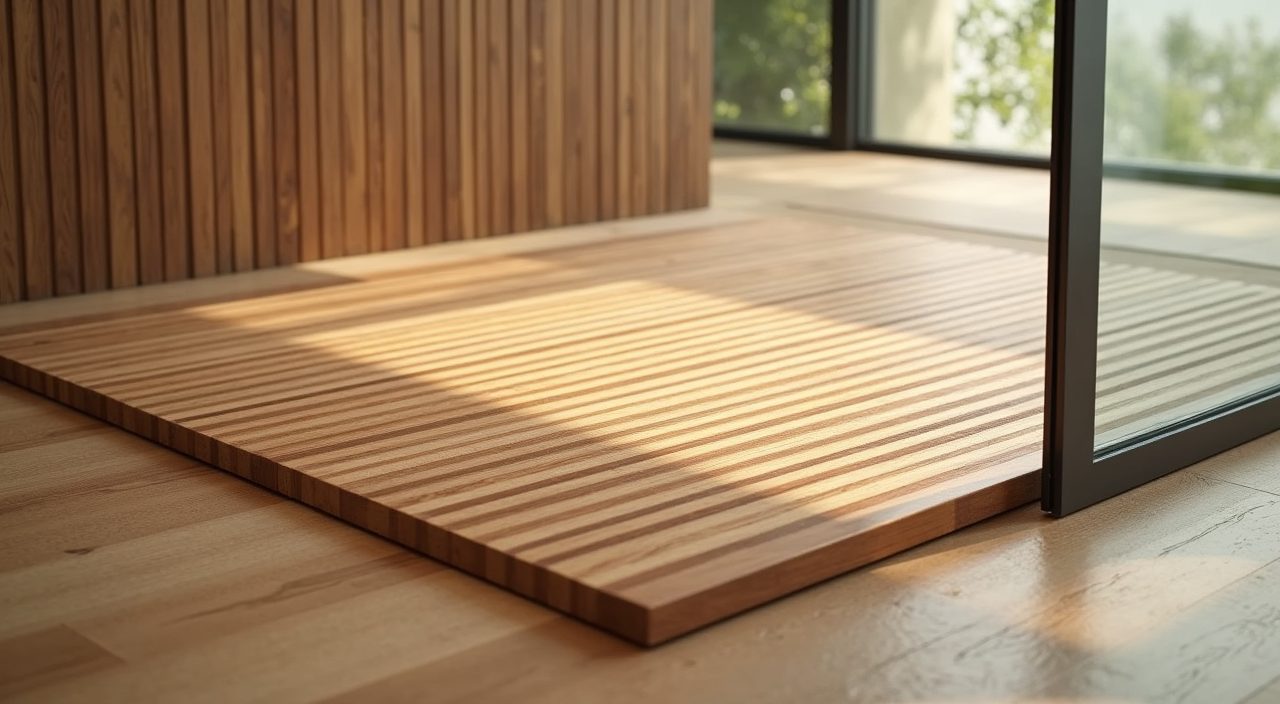
Wood is what makes a neutral bathroom feel Japanese rather than just minimal. The trick in Singapore is to use it where it will not sit in standing water. Good places are the vanity carcass and door fronts, a slatted timber-look feature, a mirror frame, a niche lining, or a duckboard mat by the shower.
For anything near constant moisture, prefer moisture-resistant engineered options or wood-look porcelain and laminate over solid softwood, which can swell, warp, and grow mould in our climate. You still read it as warm and natural, but it holds up far better over the years.
- Vanity fronts in oak-look laminate or moisture-rated veneer
- Wood-look porcelain for any floor or wet-zone surface
- A removable teak or composite duckboard at the shower entry
- Slatted timber-look screen to zone the shower without a hard wall
Keep everything off the counter with concealed storage
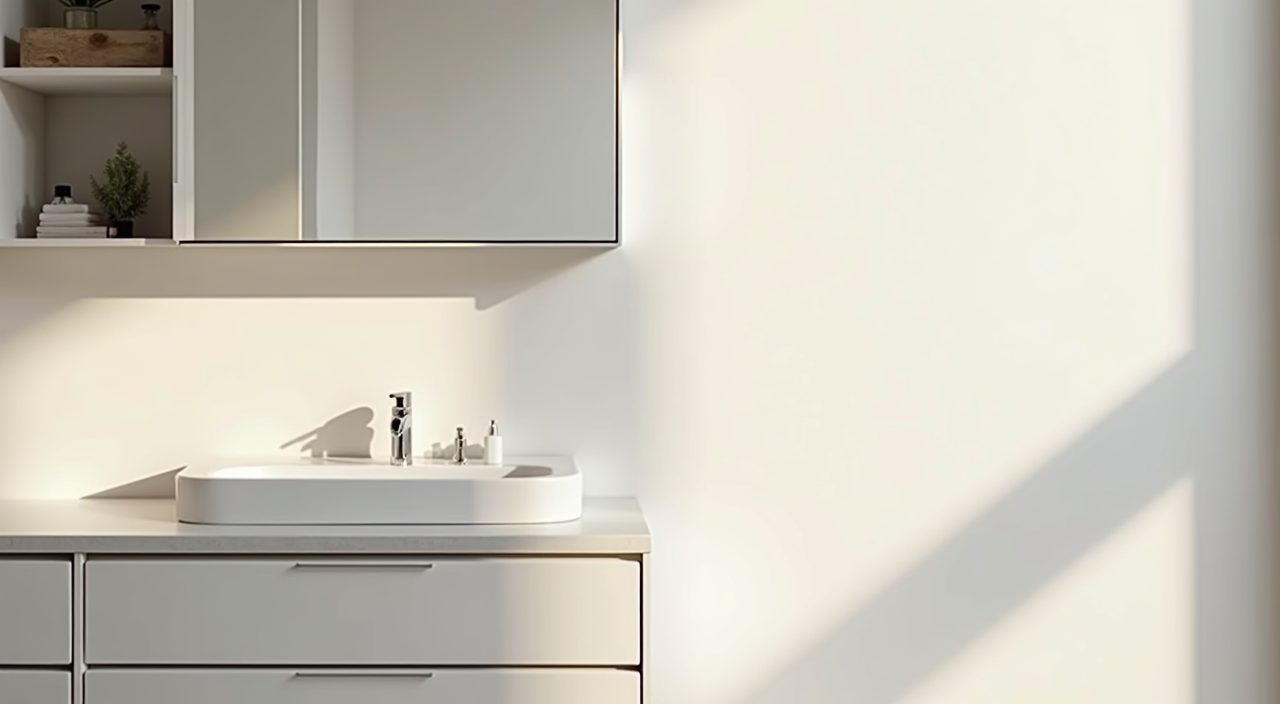
Visual calm in a Muji bathroom comes almost entirely from having nothing on show. Bottles, razors, and toothbrushes are what kill the look. Plan a mirror cabinet with the depth to hold everyday items, plus a vanity with drawers rather than a single open shelf, so daily clutter disappears behind flush fronts.
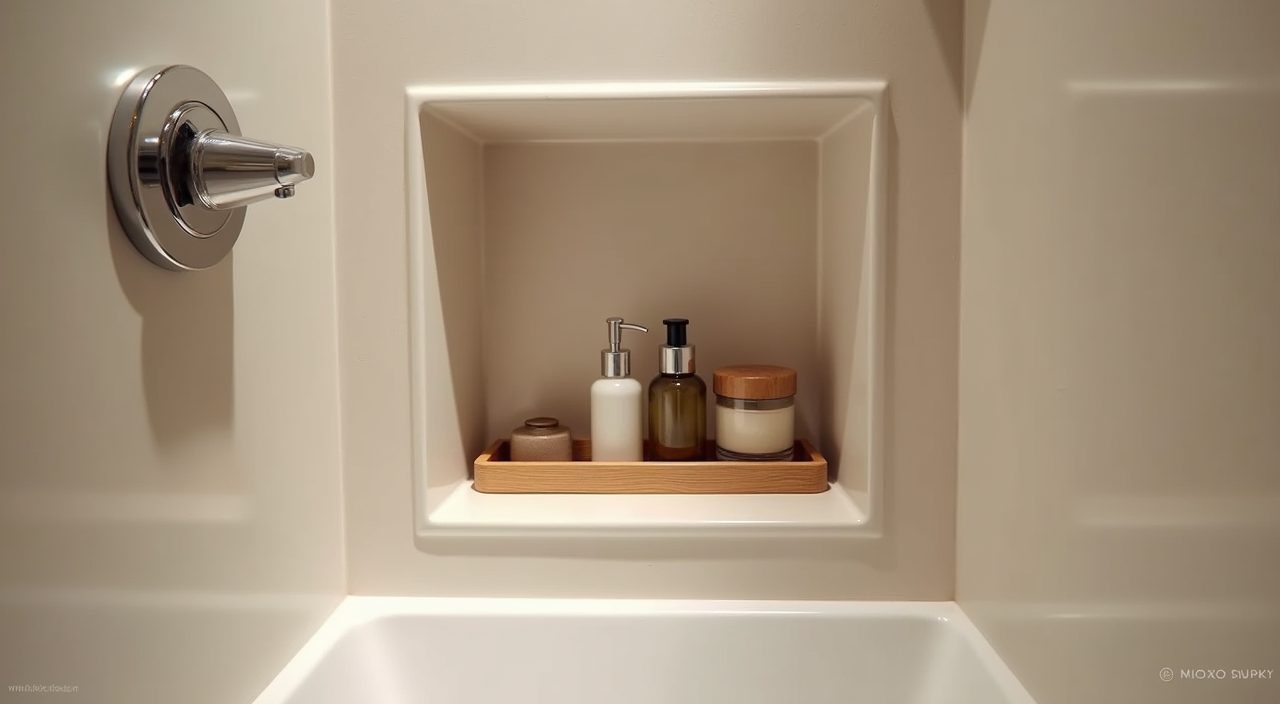
In small HDB and condo bathrooms, build storage into dead space: a recessed niche in the shower wall for shampoo, a slim tall cabinet in an awkward corner, and drawers that use the full cabinet depth. Handleless or push-to-open fronts keep the surfaces clean and reinforce the seamless feel.
Layer soft, warm lighting instead of one bright ceiling light
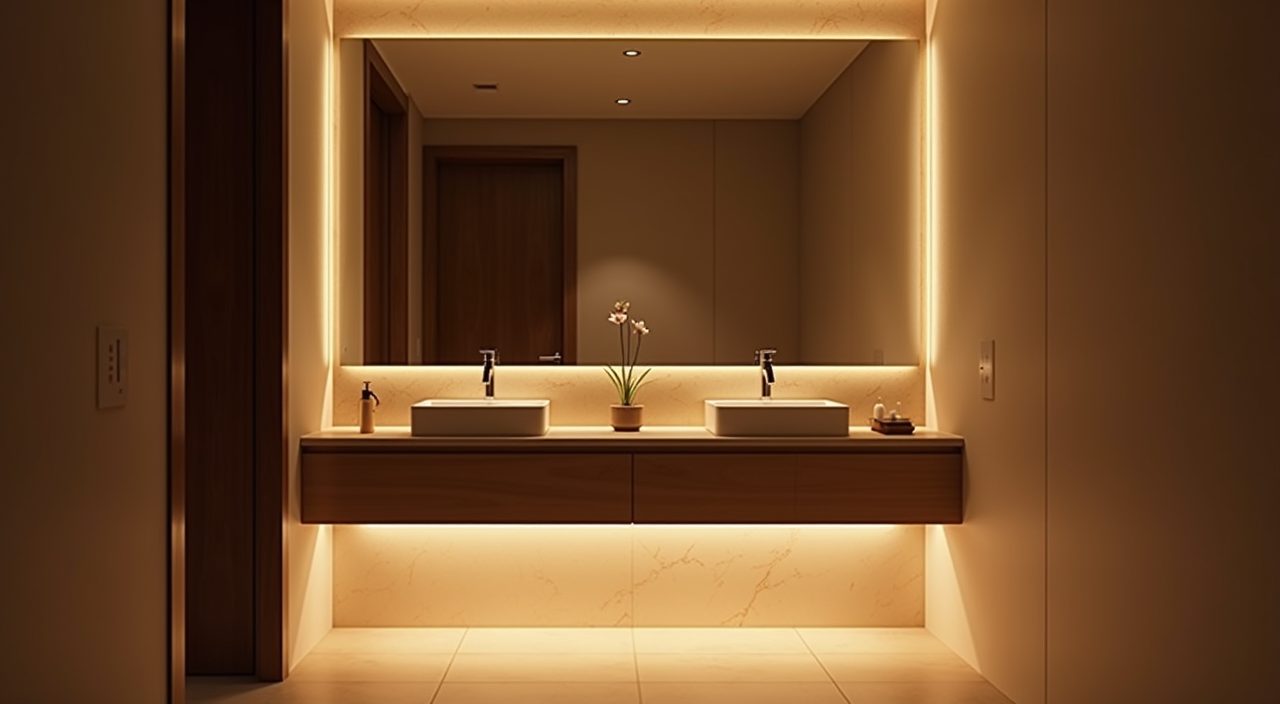
Lighting sets the whole mood. A single cool-white downlight makes any bathroom feel like a clinic, which is the opposite of the calm you want. Use warm-white light around 2700K to 3000K, and layer it: a general ceiling source, a light at the mirror for grooming, and a soft accent such as an LED strip under the vanity or inside a niche.
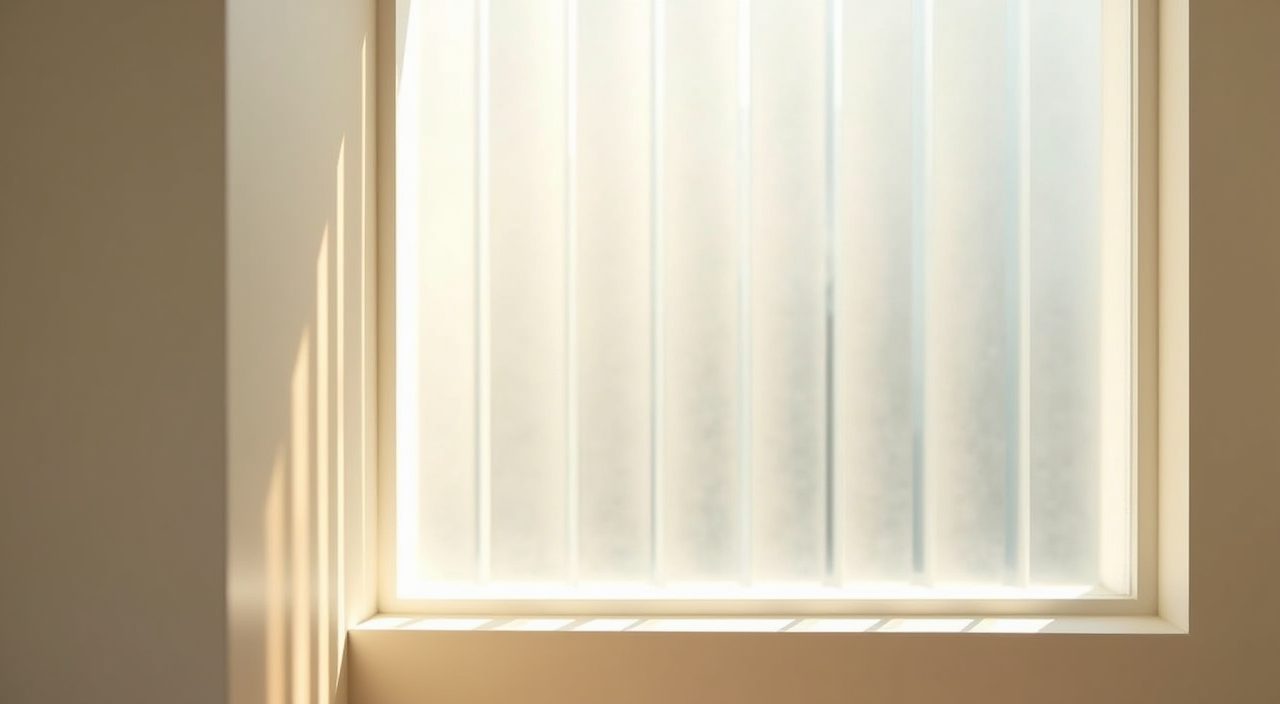
If your bathroom has a window, protect and use that daylight, since soft natural light is central to the Japanese aesthetic. Frosted or fluted glass keeps privacy while letting light through. For windowless bathrooms, which are common in newer condos and some HDB layouts, warm layered fittings and a large mirror do the heavy lifting.
Design a wet-and-dry split to keep the room calm and dry
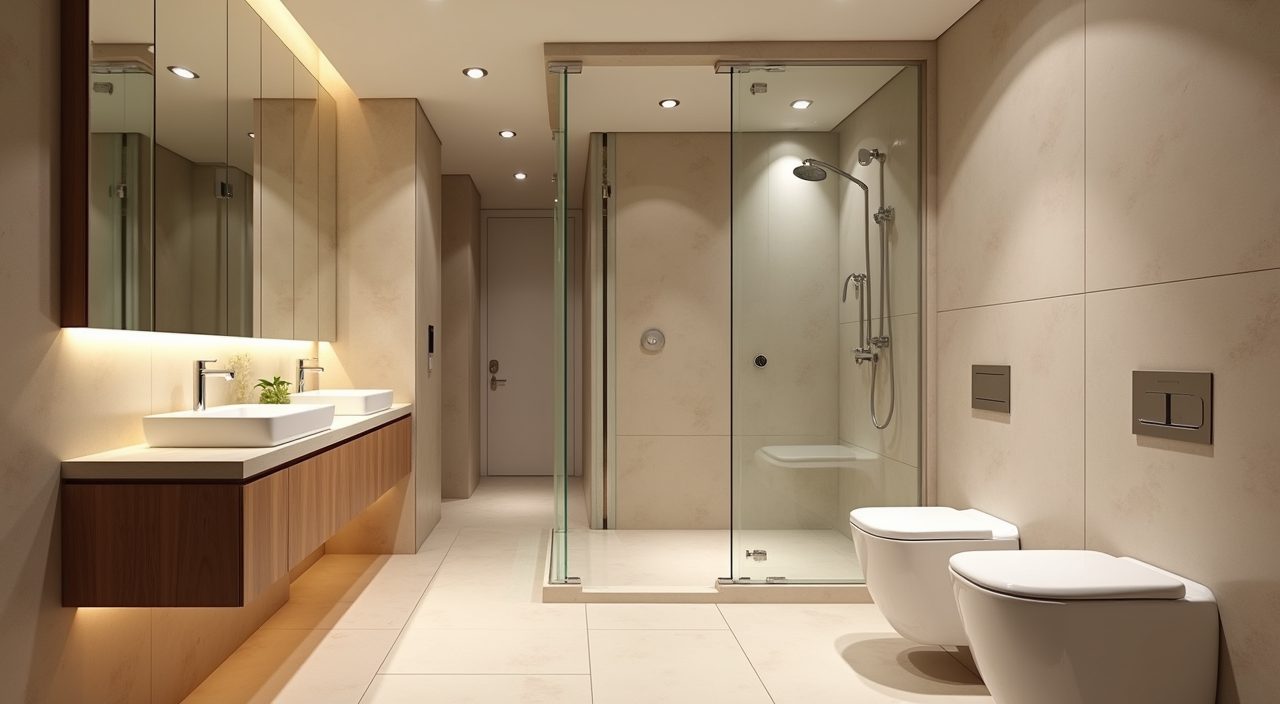
A wet-and-dry layout separates the shower from the rest of the bathroom, usually with a clear glass panel or a low kerb. This is practical in Singapore because it keeps the vanity zone dry, reduces water everywhere, and cuts down the wiping and mould that make a bathroom feel messy. It also visually organises a small room into clean zones.
Frameless or slim-framed glass keeps the sightline open so a compact bathroom does not feel chopped up. If a full glass screen is not feasible in a very tight common bathroom, even a half-height panel plus a well-placed floor gradient toward the drain helps keep the dry zone dry.
Pick simple, matte fixtures and hidden hardware
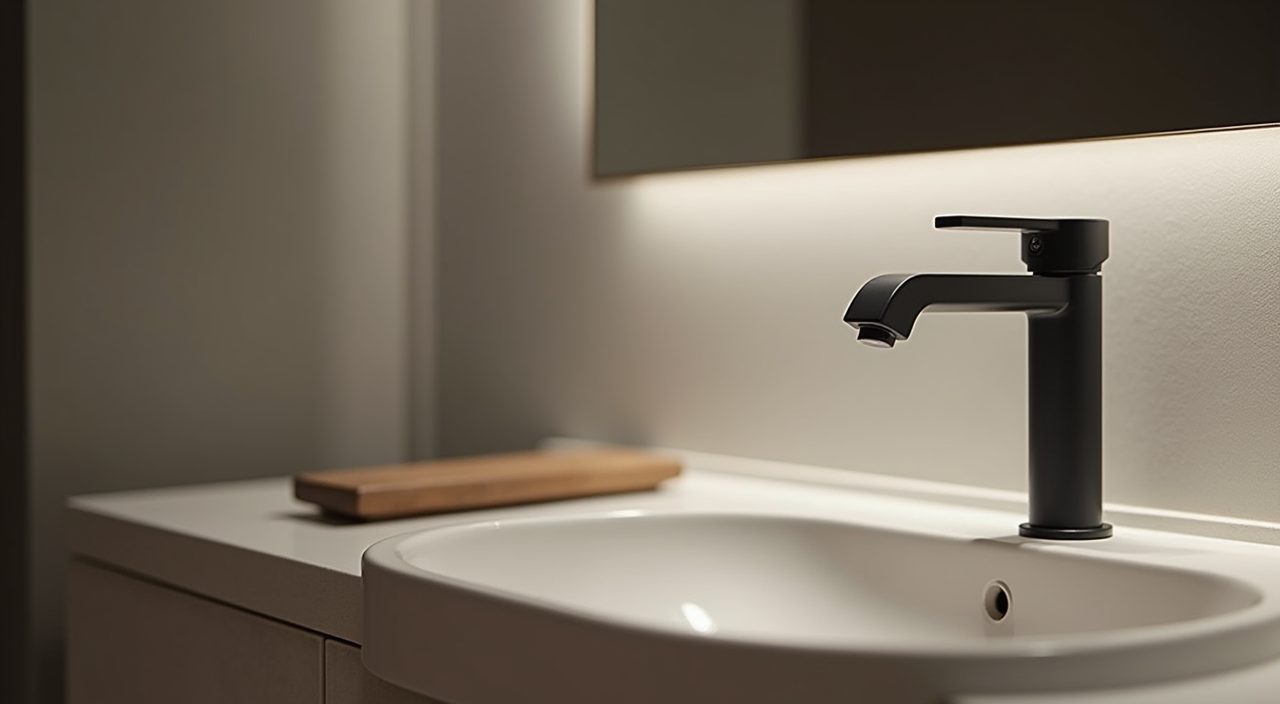
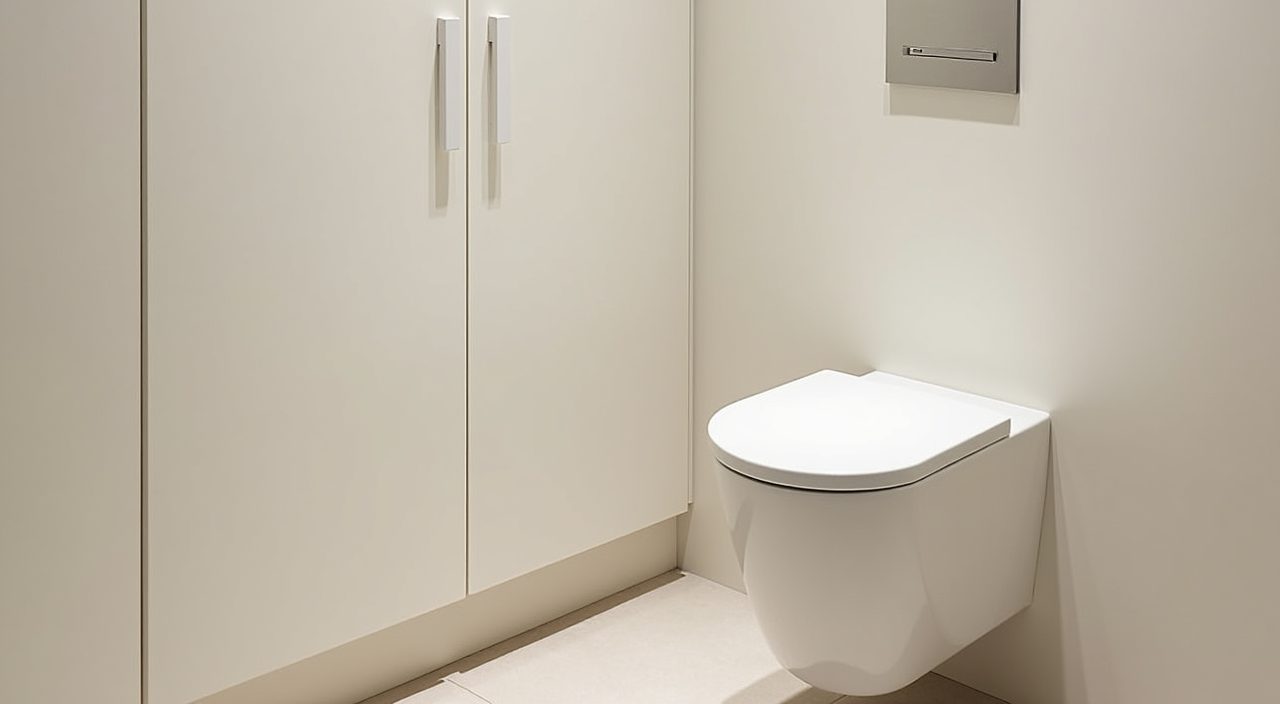
Fixtures should recede, not sparkle. Choose simple geometric taps and a slim basin, and consider matte black or brushed finishes that suit the muted palette better than bright chrome. A wall-hung vanity and a wall-hung or concealed-cistern toilet free up floor area and make the room easier to clean, which matters in a small footprint.
Keep the shapes quiet and consistent. One family of finishes across taps, shower set, and accessories looks intentional, while a mix of styles reads as busy. Rounded, soft-edged basins and a rimless toilet lean into the gentle Japanese feel.
Add a few natural, tactile touches for warmth
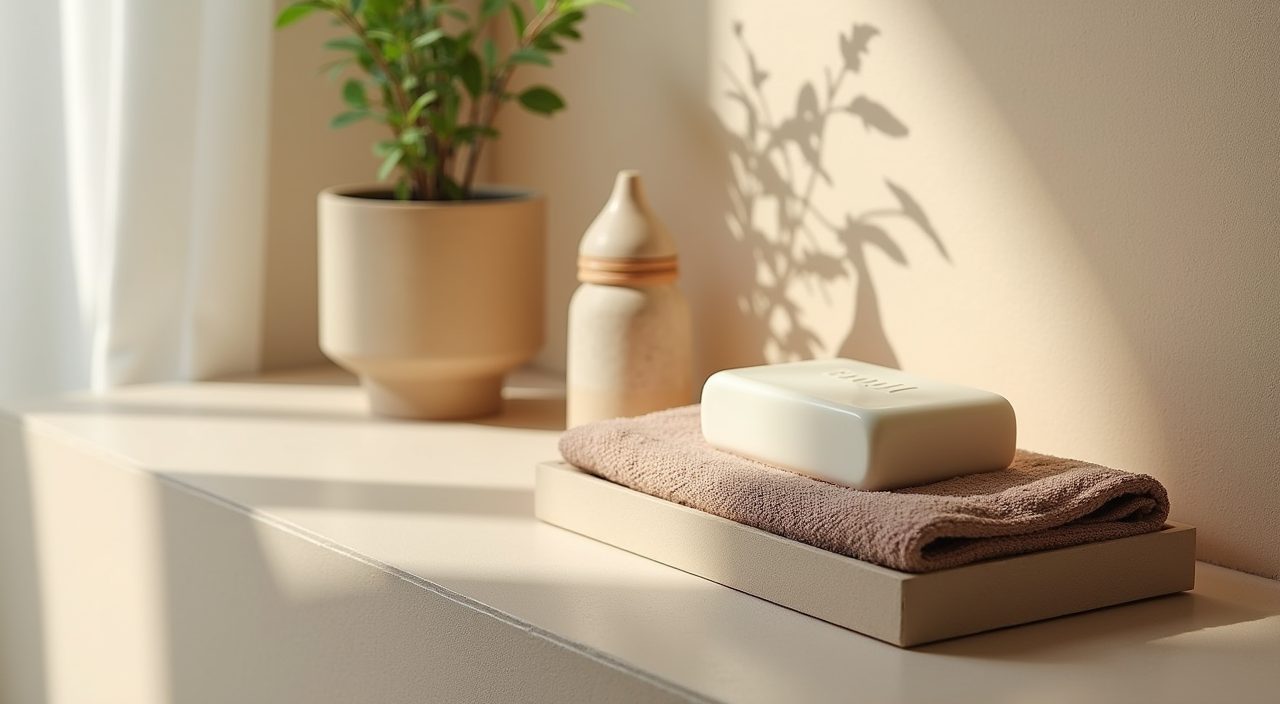
Once the hard finishes are calm, a small number of natural textures bring the room to life: a stone or ceramic soap tray, a linen or waffle-cotton towel in a muted tone, a simple ceramic vessel, and one plant that tolerates a humid, lower-light bathroom such as a pothos or a fern. These are the details that separate a warm Muji bathroom from a cold minimal one.
Restraint still applies. A shelf crammed with decor undoes the effect, so pick two or three pieces and give them room. In the tropics, choose accessories you can wipe down and that will not degrade in constant moisture.
What to plan and budget for
A Muji-style bathroom is less about expensive materials and more about clean detailing and good waterproofing, which is where most of the real cost and risk sits. Budget for proper hacking, re-waterproofing, and plumbing or drainage adjustments if you are changing the layout or moving to a wet-and-dry split, since these are the parts you cannot see but absolutely must get right. A straightforward retile-and-refit of a single HDB bathroom is one tier of spend; a full reconfiguration with a new wet-and-dry layout, microcement, and relocated points sits meaningfully higher, and condo bathrooms can add cost due to management approvals and access. Get itemised quotes so you can see where the money goes rather than a single lump figure. For the actual build, a muji japanese bathroom design singapore renovation is best handled by a contractor who does the tiling, waterproofing, plumbing, and electrical together, so the seamless look is backed by wet works that hold up. If you want the calm finish without the leaks and callbacks later, plan the trades as one coordinated job from the start.
Frequently asked questions
Does a Muji Japanese bathroom work in a small HDB bathroom? Yes, and it often works better there than a busy design. The style relies on restraint, low contrast, and hidden storage, all of which make a 3 to 4 square metre bathroom feel calmer and more open rather than cramped.
Is microcement a good idea in humid Singapore? It can look excellent and very on-brand, but only if it is applied and sealed correctly by an experienced installer over sound waterproofing. Done poorly, it can hairline-crack or stain in a wet tropical bathroom, so vet the applicator and do not cut corners on the substrate.
Can I use real wood in the bathroom? Use it sparingly and away from standing water, such as on vanity fronts, a mirror frame, or a niche. For floors and wet zones, wood-look porcelain or moisture-rated materials give the same warm look without swelling or mould in Singapore's humidity.
How do I keep the seamless look with a tiled bathroom? Choose large-format tiles or slim slabs to minimise grout lines, match the grout colour closely to the tile, and keep counters clear with mirror-cabinet and drawer storage. Fewer visible joints and less clutter are what create the seamless effect.