Muji Japanese Master Bedroom Design Ideas for Singapore Homes
Muji Japanese master bedroom ideas for Singapore HDB and condo homes: warm palettes, low beds, humidity-smart materials, storage and lighting that work in tropical light.
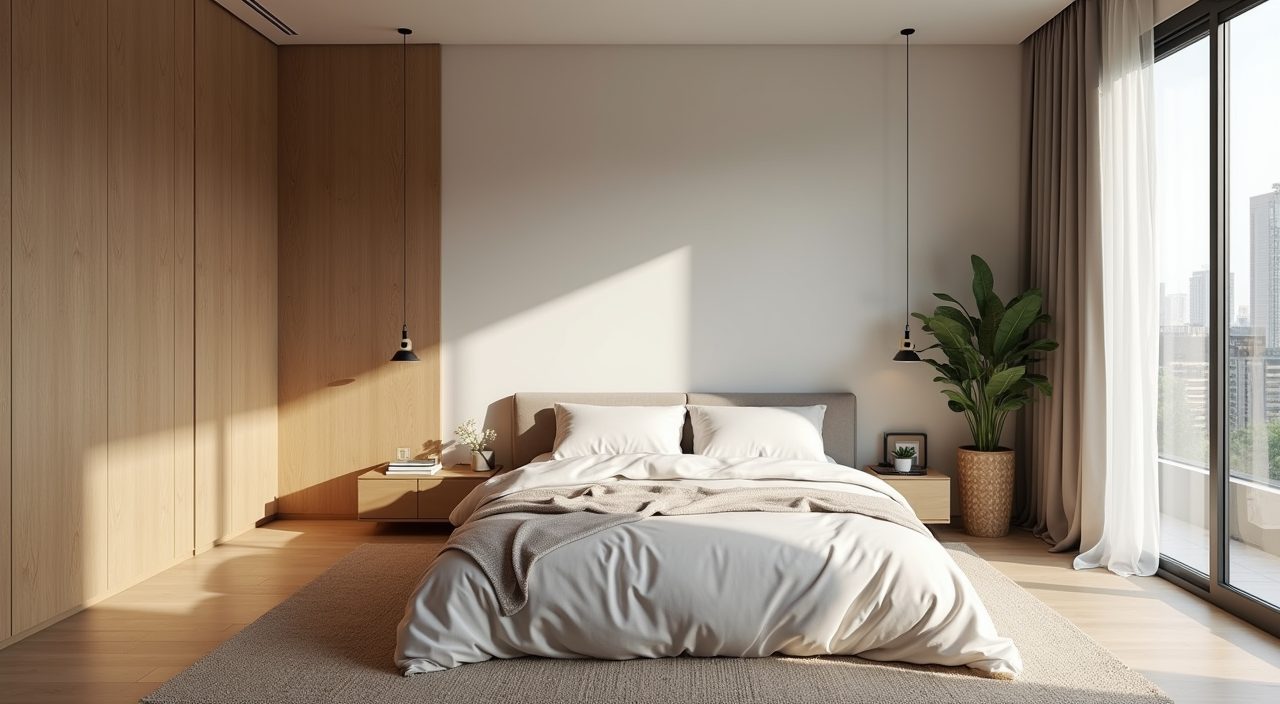
To design a Muji Japanese master bedroom well in a Singapore home, keep the palette warm and neutral, choose a low bed with a light oak or ash tone, and hide clutter behind flush built-in wardrobes so the room reads calm and open. Layer soft, indirect lighting instead of a single harsh ceiling light, pick materials that shrug off humidity, and leave deliberate empty space rather than filling every wall. The look depends more on restraint and good storage than on buying more furniture.
This style suits local homes because it is designed for small footprints. A typical HDB master bedroom runs roughly 11 to 14 square metres, and many condo master bedrooms are similar or only slightly larger, so the low-slung, uncluttered Muji approach makes a compact room feel bigger. The catch in Singapore is our climate: high humidity, strong afternoon sun, and year-round warmth mean you need to choose finishes and airflow carefully, or that warm timber look turns into mould and warping within a couple of years.
Anchor the room with a warm neutral palette, not stark white
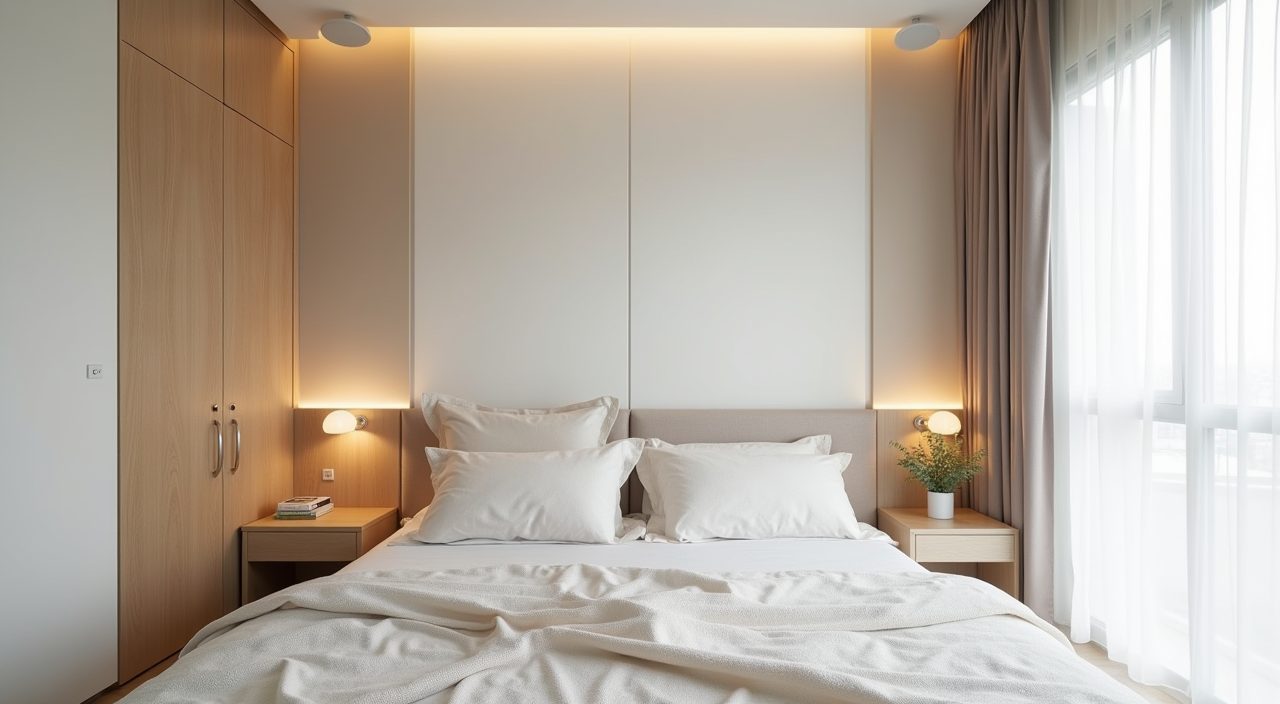
The Muji look is often mistaken for plain white, but the real signature is warm off-whites, oatmeal, soft greige, and pale wood. In Singapore this matters practically: our daylight is bright and slightly cool, and pure white walls can read clinical or show every scuff. A warm white or a barely-there beige on the walls keeps the room soft under both morning light and warm evening lamps.
Bring in one or two grounding tones through textiles and a headboard wall: think unbleached linen, muted clay, or a soft charcoal for contrast. Keep the number of colours low. Three to four tones across the whole room is plenty, and letting wood be the main accent does most of the work for you.
Choose a low platform bed to open up a small room
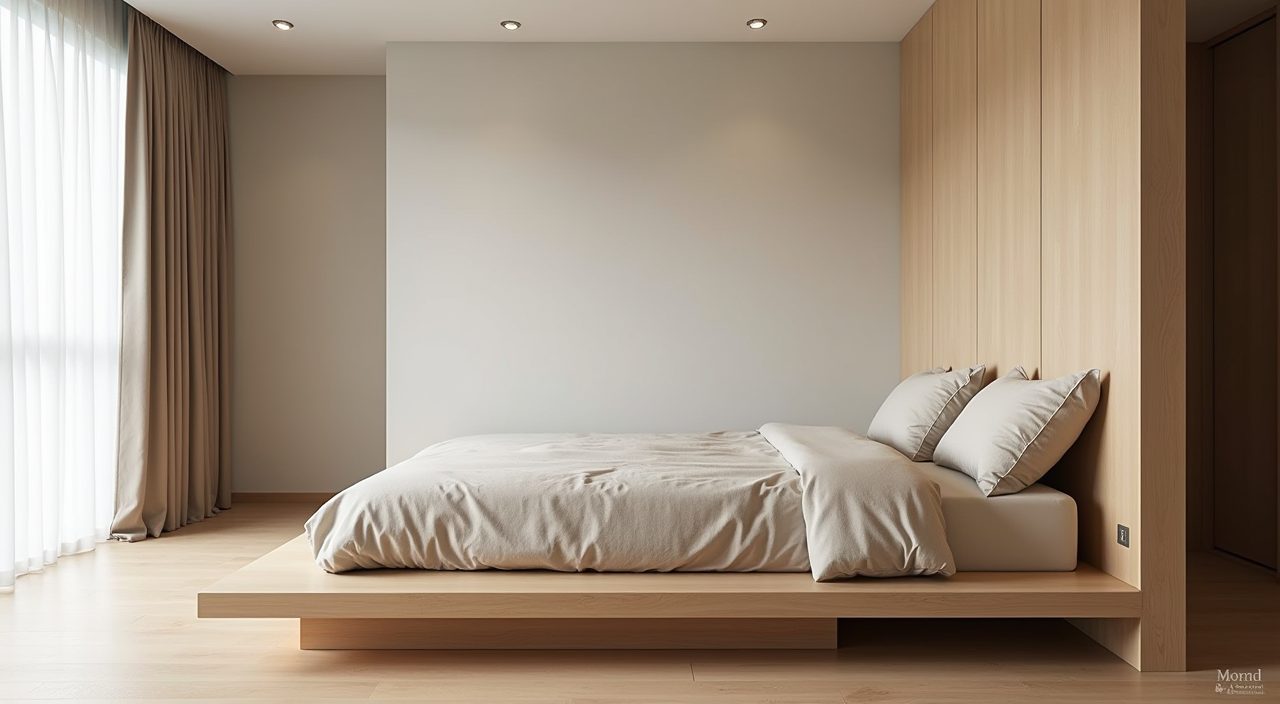
A low bed frame is the single most recognisable Muji Japanese move, and it earns its place in a tight HDB or condo bedroom. Lowering the sightline makes the ceiling feel taller and the floor feel larger, which is exactly what a 3 by 3.5 metre room needs. A light oak, ash, or oak-veneer frame keeps the mood warm without going heavy.
Be honest about the tradeoff before you commit. A very low platform means less or no under-bed storage, which is precious in Singapore homes. If you need that space, look for a low frame with shallow drawers or a slim storage divan in a pale finish, and accept a slightly higher bed height in exchange for the extra capacity.
Build flush, floor-to-ceiling wardrobes to hide the clutter
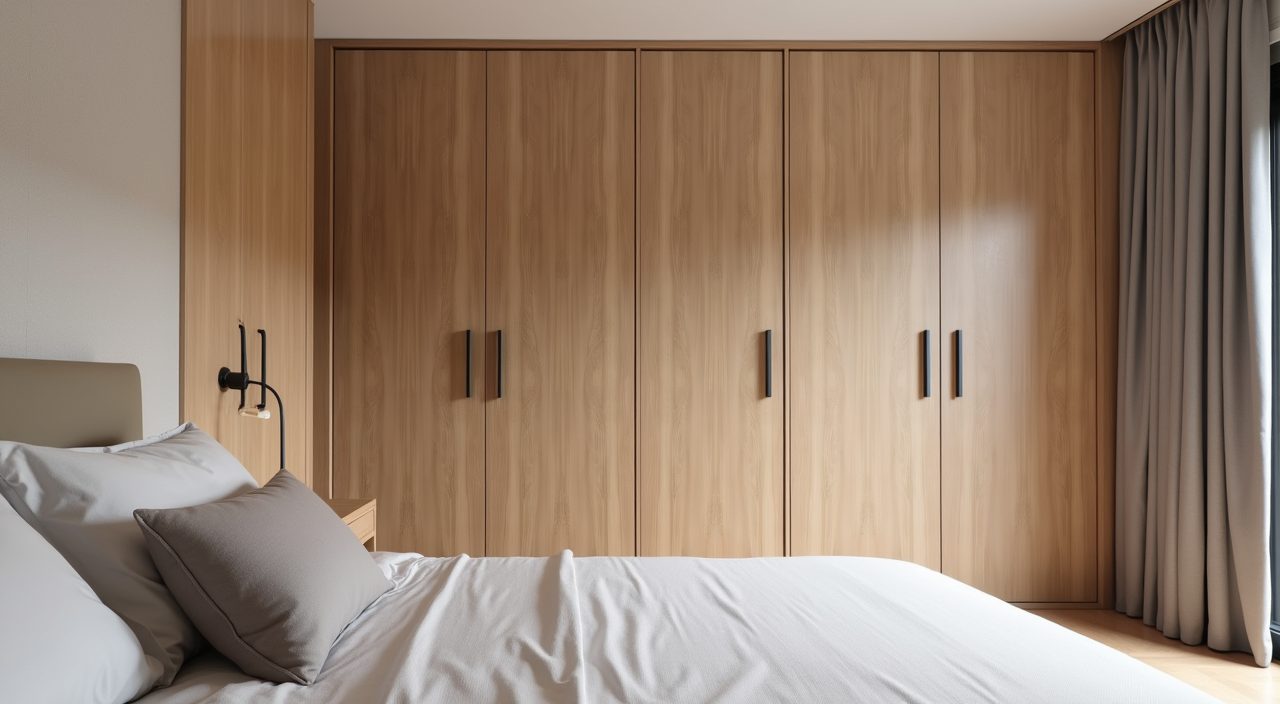
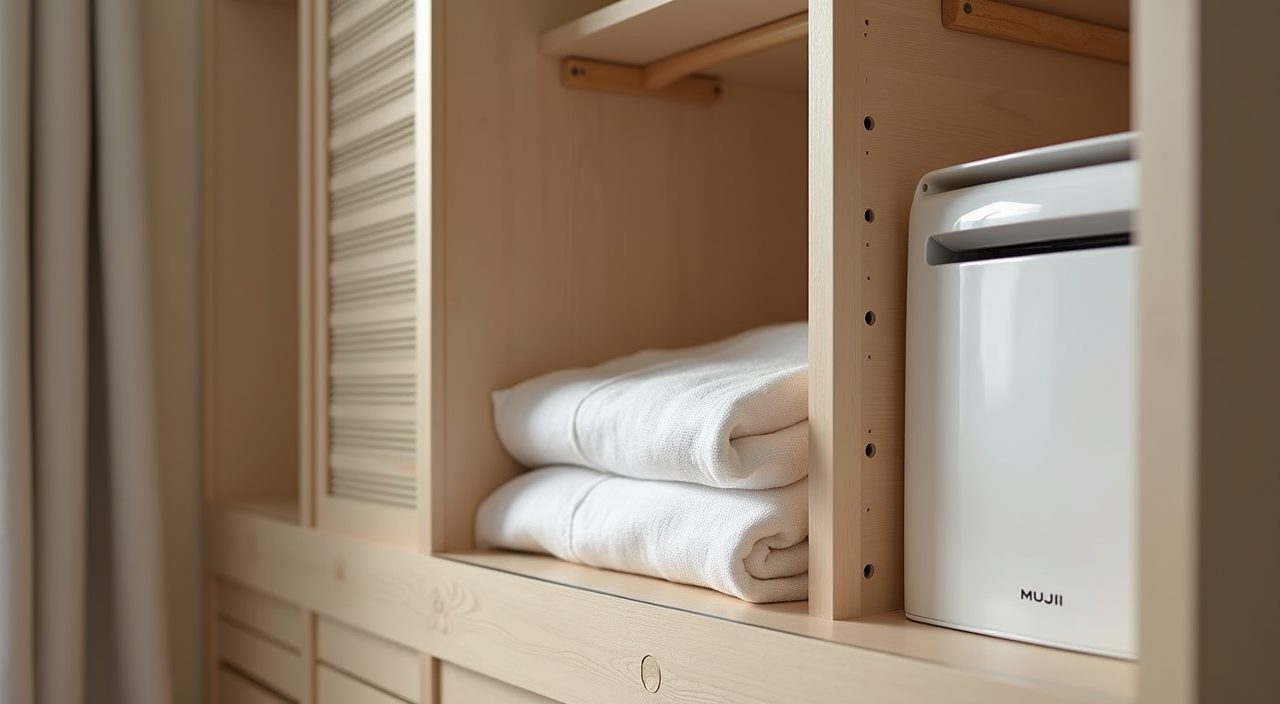
The calm of a Muji room comes from what you do not see. Full-height built-in wardrobes with flat, handleless fronts in a wood grain or matte off-white keep clothes, bags, and clutter out of sight and make the wall disappear into the room. Running them floor to ceiling also removes the dust-collecting gap on top that a freestanding wardrobe leaves.
For Singapore specifically, plan the wardrobe interior for humidity, not just looks.
- Add a few ventilation gaps or louvred sections so trapped air does not turn musty.
- Leave room for a small dehumidifier or moisture absorber boxes inside deep sections.
- Choose moisture-resistant carcass materials and a good laminate or veneer finish over raw untreated wood.
Pick timber tones and finishes that survive local humidity
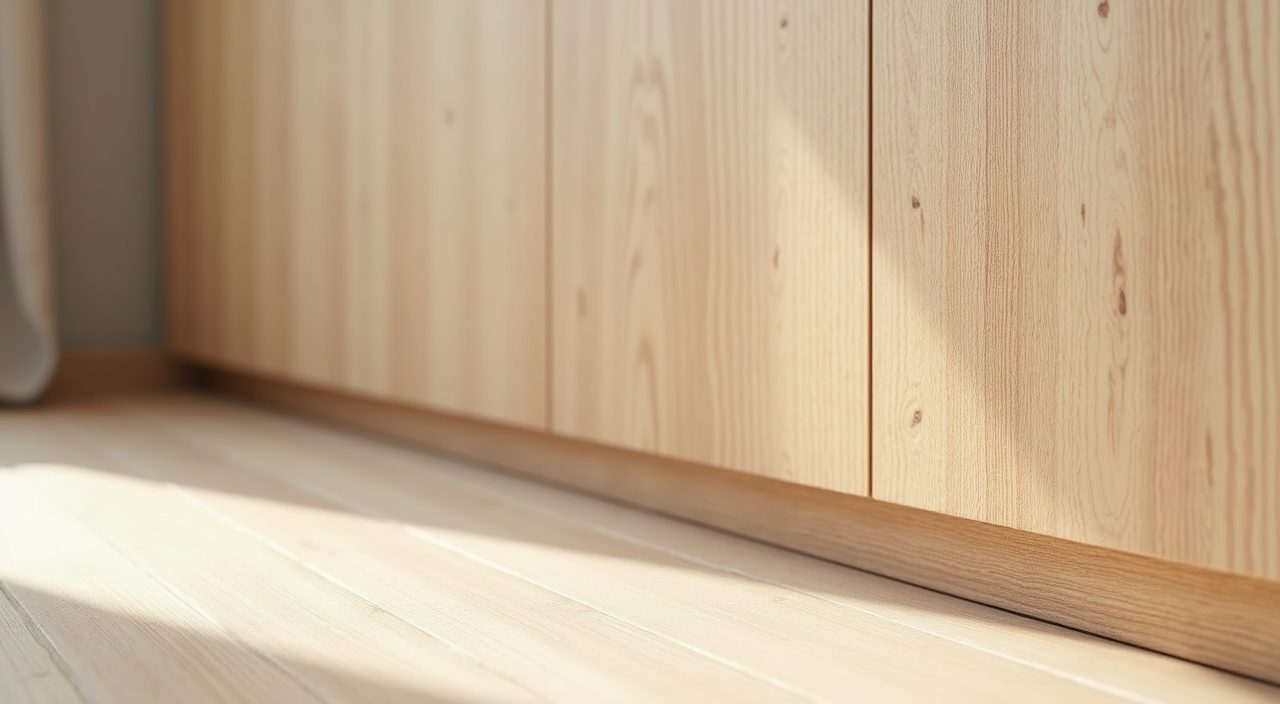
Warm wood is the heart of this style, but solid timber can warp, and cheap veneers can peel in our climate, especially near a window that gets afternoon sun. Engineered wood, quality veneer, and warm wood-look laminate hold up far better than solid slabs and cost less, while still giving you that oak or ash tone. Reserve real solid wood for smaller pieces like a bedside stool or a headboard ledge where movement is less of a problem.
On the floor, vinyl or SPC planks in a pale oak tone are the practical local choice: they resist moisture, feel warm underfoot, and suit both HDB and condo layouts. If you prefer engineered wood flooring, keep the room well ventilated and run the aircon or a dehumidifier regularly so boards do not cup.
Layer soft, indirect lighting instead of one bright ceiling light
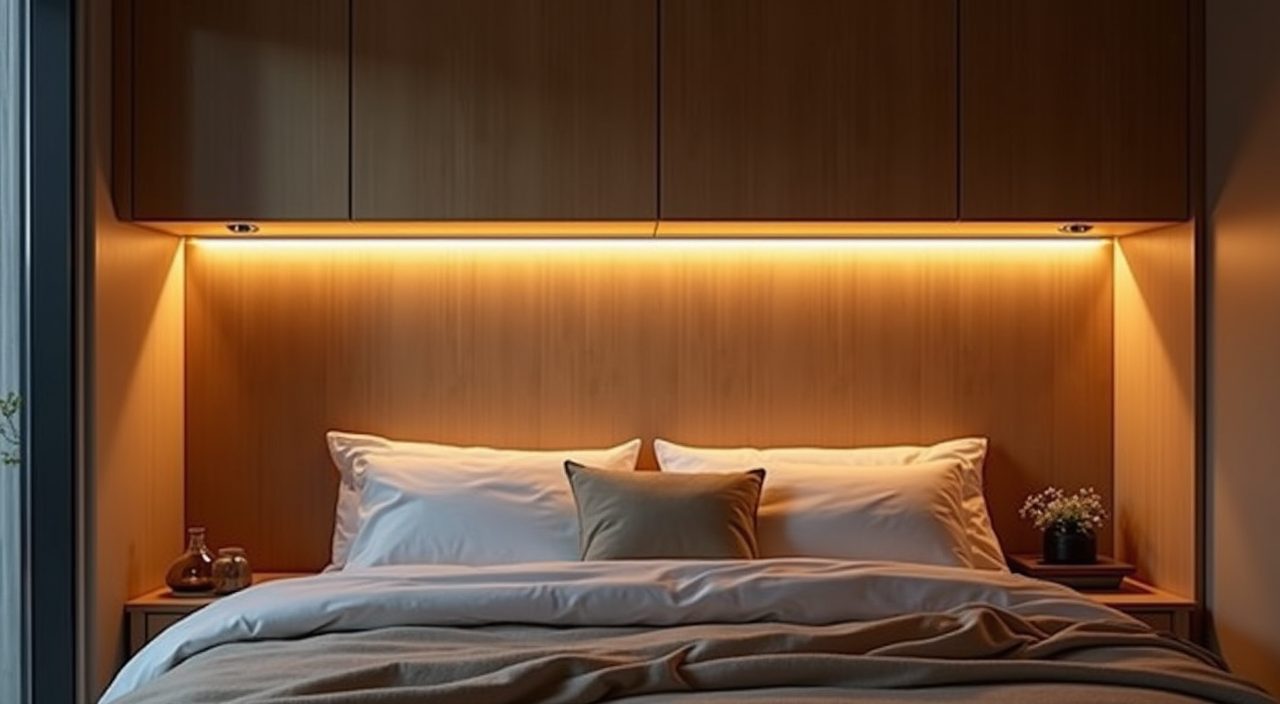
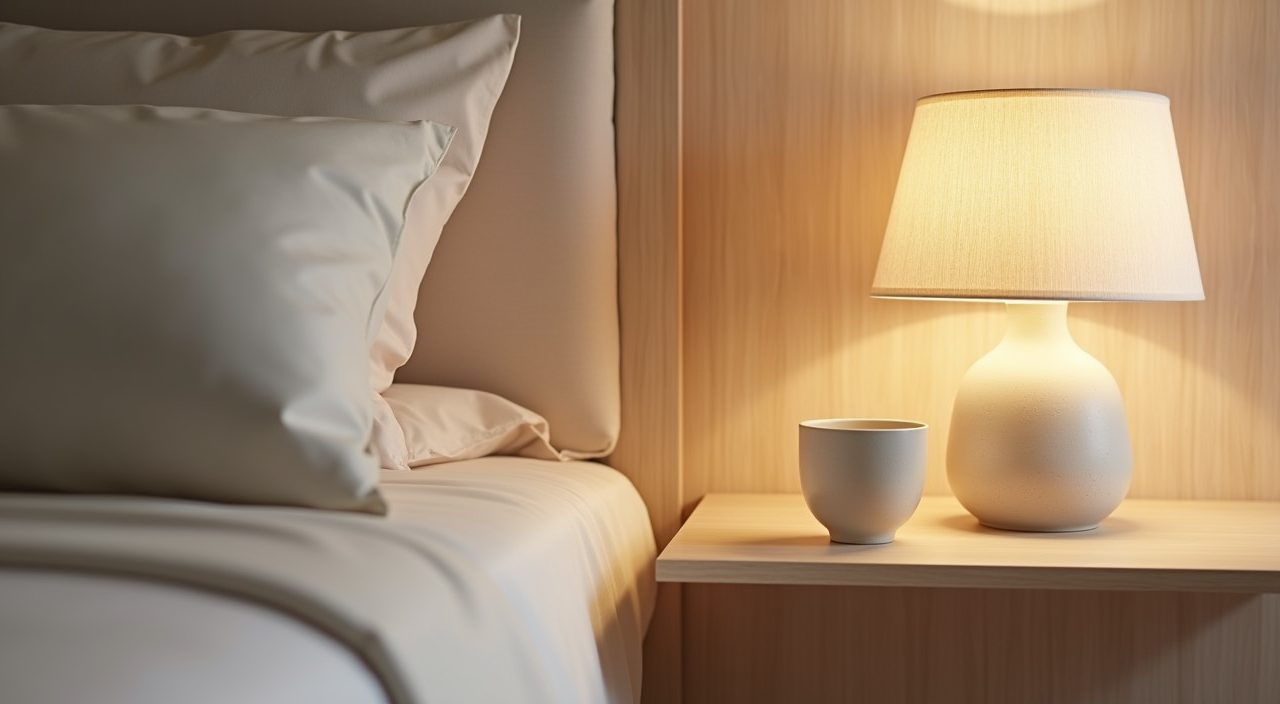
Most local bedrooms come with a single bright ceiling fixture, which flattens the room and kills the mood you are going for. A Muji Japanese bedroom wants gentle, layered light: warm LED strips tucked above the wardrobe or behind a headboard, a paper-shade or fabric-shade table lamp, and a dimmable main light for when you need it. Aim for warm colour temperatures around 2700K to 3000K rather than cool white.
If you are already hacking the ceiling or moving wardrobes, this is the moment to plan the wiring. Recessed cove lighting, extra bedside switch points, and a dimmer need to be sorted during renovation, since adding them later means reopening finished ceilings and walls.
Keep surfaces clear and let empty space do the work
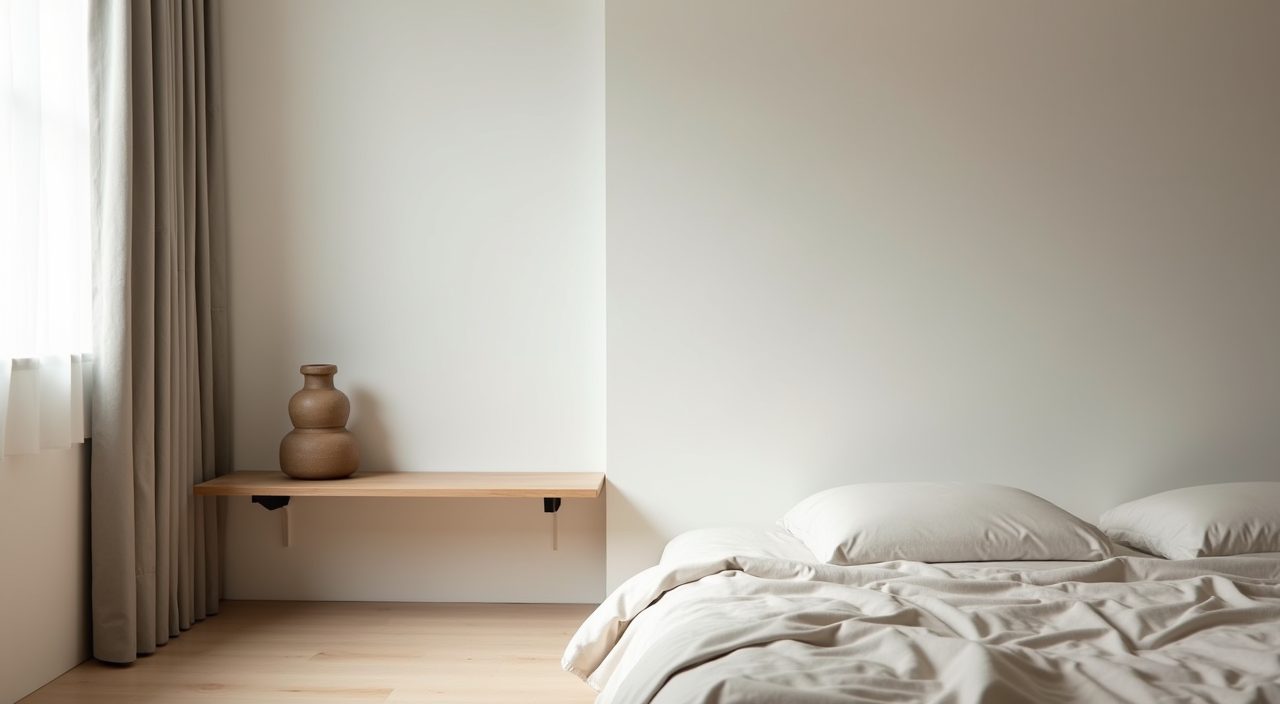
Negative space is a design element in this style, not wasted room. Resist filling every corner and wall. A clear floor, a mostly bare bedside surface, and one or two considered objects will feel more expensive and more restful than a room packed with decor. In a small Singapore bedroom this restraint is also what keeps the space feeling open rather than cramped.
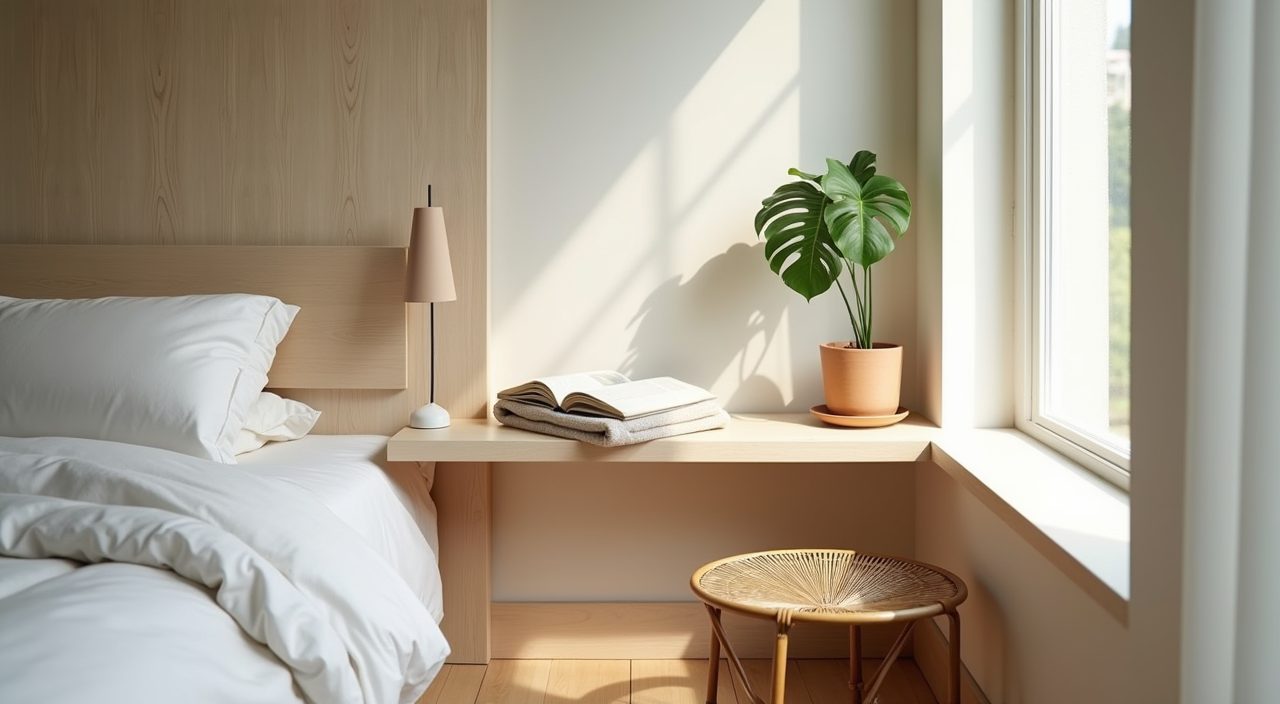
The way to make clear surfaces realistic is to give everything a home. Wall-mounted bedside shelves instead of bulky nightstands, a slim wall hook rail for tomorrow's clothes, and hidden storage inside the bed or wardrobe mean the room can stay tidy in daily life, not just in photos.
Add natural texture with linen, cotton, rattan, and a few plants

Because the palette is quiet, texture is what keeps the room from feeling flat. Washed linen or cotton bedding, a low-pile rug in a neutral tone, a rattan or woven detail, and unglazed ceramics add warmth and depth without adding colour or clutter. These natural materials also breathe well, which suits our warm nights.
A small amount of greenery completes the look and thrives locally with minimal fuss. A single snake plant, a pothos, or a low bowl of foliage brings life into the corner without demanding much care. Keep it to one or two plants so the room stays calm rather than busy.
Design for airflow and screen the tropical sun
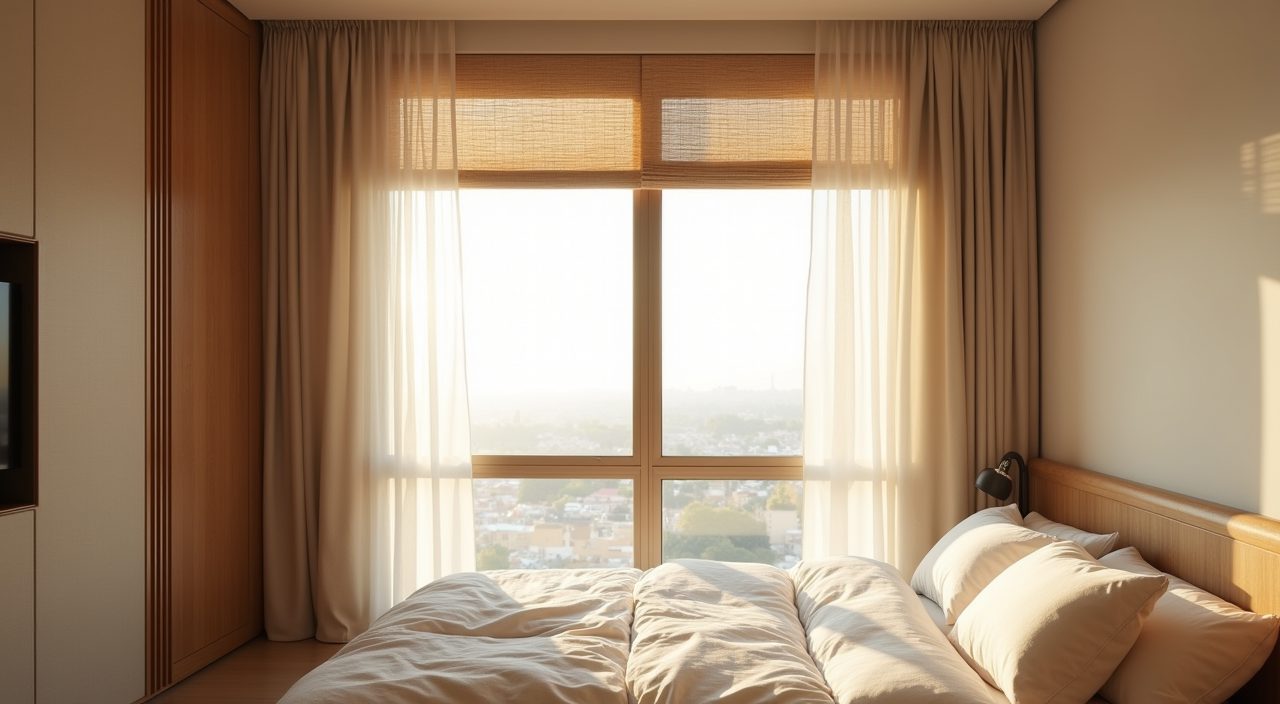
This style leans on natural light and air, which is a gift and a hazard in Singapore. Sheer linen curtains or light timber-look blinds soften harsh afternoon sun while keeping the airy feeling, and a layer of day-and-night or blackout behind the sheers lets you actually sleep in. West-facing bedrooms in particular need proper sun control, or the room overheats and finishes fade.
Airflow protects the whole look. Keep a clear path for cross ventilation, do not block windows with tall furniture, and run the aircon or a dehumidifier regularly to keep humidity in check. Good air movement is what stops warm wood, linen, and closed wardrobes from developing that musty smell over time.
What to plan and budget for
The biggest costs in a Muji Japanese master bedroom are the built-in carpentry and the wardrobes, since custom full-height storage is where most of the money goes. Flooring, lighting rework, and window treatments follow, while the bed and soft furnishings are usually the smaller, more flexible line items. As a rough guide, budget for carpentry as your largest bucket, set aside a sensible amount for electrical and lighting changes, and keep a contingency of around ten to fifteen percent for surprises once walls or ceilings are opened up. Prices vary a lot by material grade and how much is custom, so treat any single quote as one data point and compare a few. If you want the built-ins, wiring, and any tiling or plumbing done properly, it is worth getting a contractor to scope a muji japanese master bedroom design singapore renovation and give you an itemised quote rather than piecing it together yourself, since carpentry, electrical, and finishing all need to be sequenced correctly to avoid rework.
Frequently asked questions
Is a Muji Japanese bedroom suitable for a small HDB master bedroom? Yes, it is one of the better styles for small rooms. The low bed, floor-to-ceiling storage, restrained palette, and clear surfaces all make a compact 11 to 14 square metre HDB bedroom feel larger and calmer, as long as you plan the built-in storage carefully so nothing has to sit out in the open.
Will the wood finishes survive Singapore humidity? They will if you choose the right materials. Favour engineered wood, quality veneer, and warm wood-look laminate over solid timber for wardrobes and large surfaces, use vinyl or SPC flooring in a pale oak tone, and keep the room ventilated with regular aircon or dehumidifier use. That combination gives you the warm look without the warping and mould risk of untreated solid wood.
How much should I budget for this kind of bedroom renovation? It depends heavily on how much custom carpentry you want, since built-in wardrobes and storage are the main cost. Expect carpentry to be your largest expense, followed by flooring, lighting changes, and window treatments, and keep a ten to fifteen percent contingency. Rather than rely on a fixed figure, get a few itemised quotes so you can compare material grades and scope.
Do I need to change the lighting and wiring? For the full effect, usually yes. The signature soft, layered glow relies on warm LED strips, cove lighting, dimmers, and extra bedside points, and these are far easier to add during renovation than after. If you are keeping the existing single ceiling light, you can still improve the mood with warm table and floor lamps, but the built-in indirect lighting is what makes the room feel truly Muji.