
Master Bedroom Design Ideas in Singapore
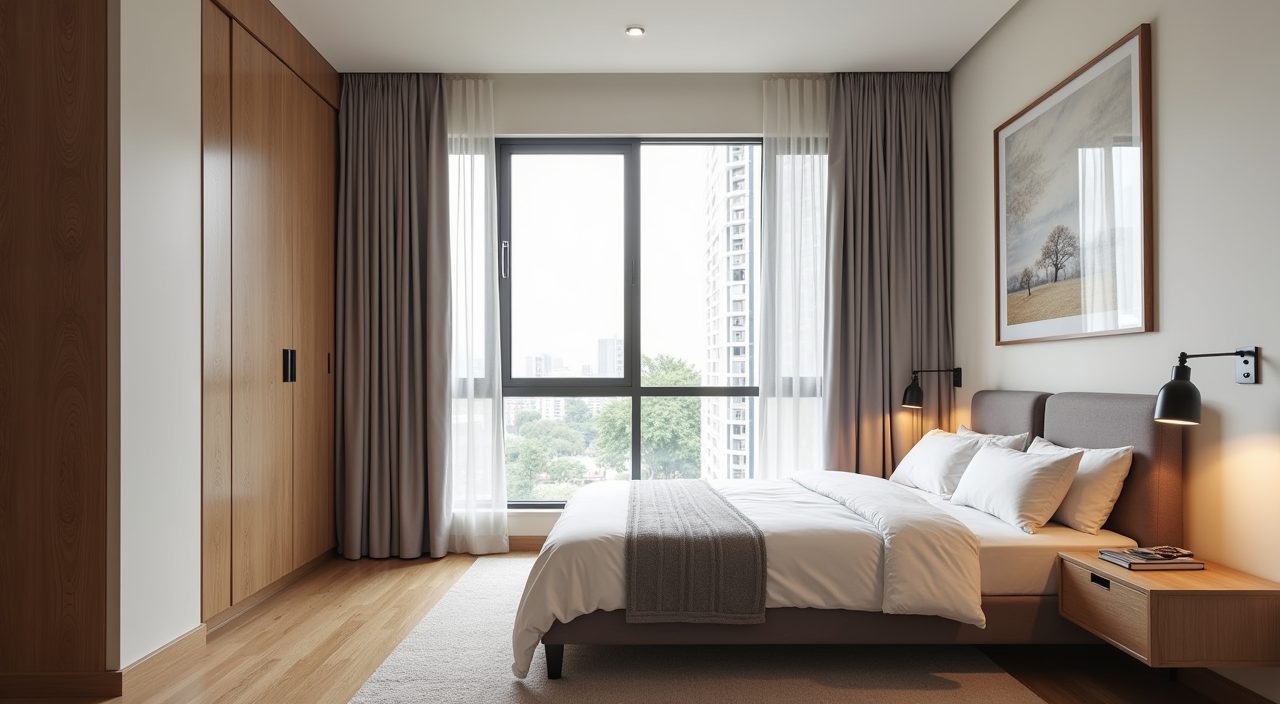
The best master bedroom in a Singapore home starts with the layout, not the look. Sort out the walking paths around the bed, the wardrobe run, and where the aircon and windows sit first, then pick a style that works with the light and floor area you actually have. Most HDB and condo master bedrooms are small, so the wins come from clever storage and calm materials rather than extra furniture.
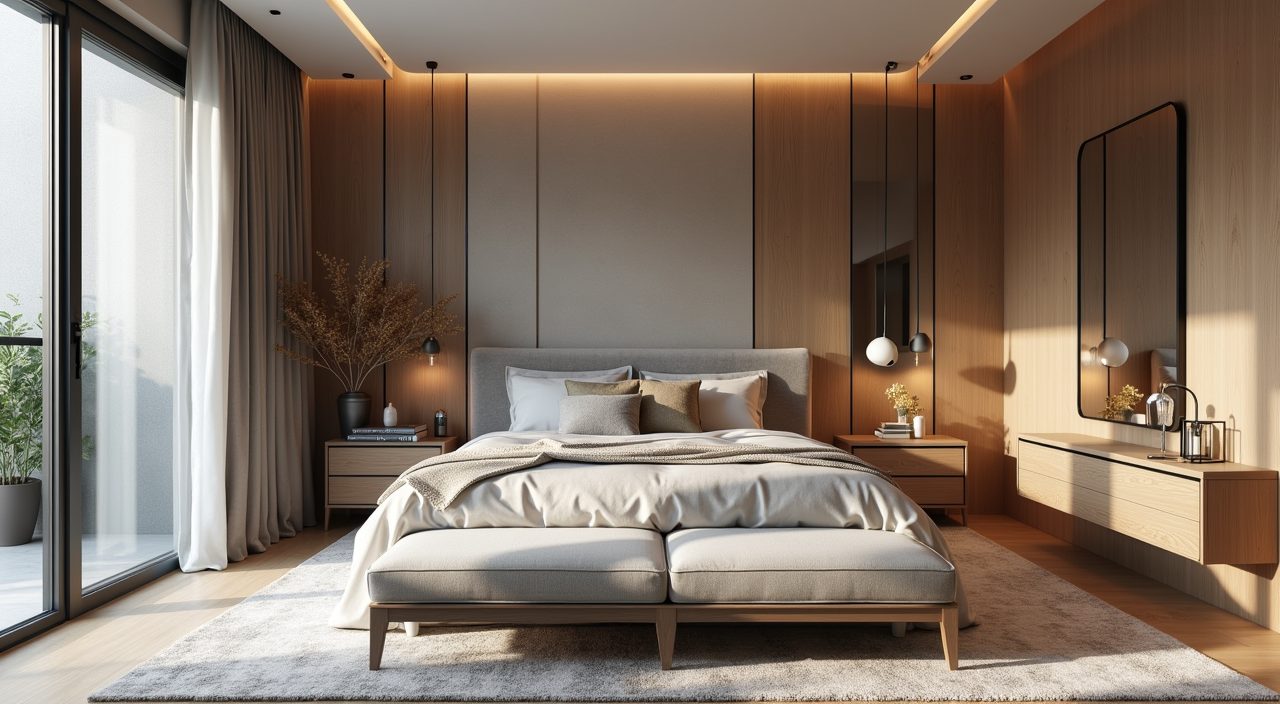
Below we group ideas by style (Scandinavian, Minimalist, Japandi, Modern Contemporary, Industrial, Muji, Modern Luxury, Mid-Century) and by home type (HDB, BTO, condo, resale flat, landed), including small-space layouts. Use this page to understand the fundamentals for a Singapore bedroom, then open the specific idea posts below for room-by-room detail.
Plan the room around real Singapore dimensions
A typical HDB or BTO master bedroom runs roughly 10 to 13 sqm, and a mass-market condo master is often similar or a little larger. A queen bed (about 1.5m by 2m) plus a king (about 1.8m by 2m) are the usual choices; a king leaves very little walking space in a small room, so measure before you commit. Aim for at least 60cm of clear space on each side you need to walk, and keep a clear path to the wardrobe and the aircon so the room does not feel boxed in.
Work with the fixed points you cannot move: the window, the aircon fan coil unit, the door swing, and any bomb shelter or service duct wall. In many BTO units the master bedroom shares a wall with the household shelter, which is a solid RC wall you cannot hack or drill freely, so plan wardrobes and headboard walls around it. Position the bed so you are not sleeping directly under the aircon draft, and so the wardrobe doors have room to open fully.
- Queen bed suits most HDB and BTO master bedrooms; reserve king beds for larger condo or landed rooms.
- Keep at least 60cm clearance on walking sides of the bed.
- Do not plan to hack or heavily drill the household shelter wall; design around it.
- Avoid placing the bed head directly under the aircon or in the cold draft path.
Choose materials and finishes that survive the tropics
Singapore humidity sits high all year, so materials matter more than in a temperate climate. For wardrobes and bed frames, moisture-resistant plywood or good-quality laminate carcasses handle the damp better than raw MDF, which can swell if it gets wet. Solid wood and veneer look beautiful but can move and need more care; keep them out of direct contact with wet zones. Matte and textured laminates hide dust and fingerprints better than high-gloss surfaces, which show every smudge in our strong daylight.
Flooring is usually vinyl (SPC), tiles, or laminate. Vinyl is popular in HDB and condo bedrooms because it is warm underfoot, quiet, and copes with humidity, while tiles stay coolest. Whatever you pick, plan for mould and dust: keep a small gap behind tall wardrobes for airflow, avoid trapping damp against external walls, and choose bedding and curtains you can wash easily. If your room faces west it will heat up in the afternoon, so factor that into your colour and curtain choices too.
- Use moisture-resistant ply or quality laminate for wardrobe carcasses, not bare MDF.
- Matte and textured finishes hide dust and marks better than high gloss.
- SPC vinyl is warm and humidity-tolerant; tiles stay coolest for hot-facing rooms.
- Leave airflow behind tall carpentry to reduce mould on external walls.
Get lighting and window dressing right for our light
Singapore daylight is bright and direct, and glare is a real problem in bedrooms with large windows. A day-and-night curtain setup (a sheer layer plus a dimout or blackout layer) gives you privacy in the day and proper darkness for sleep, which matters if you work shifts or want to block early sunrise. Roller blinds and blackout curtains both work; blackout is worth it in the master bedroom specifically.
For artificial light, layer it: a soft general ceiling light, warm bedside lamps or wall sconces for reading, and if you have a false ceiling, a strip of cove lighting for a calm glow at night. Choose warm white (around 3000K) for the bedroom rather than the cool white common in living areas; it reads as more restful. Put the main light on a two-way or dimmer switch so you can control it from the bed, and add a low-level nightlight if you get up during the night.
- Use a sheer plus dimout or blackout layer for privacy by day and darkness for sleep.
- Layer general, task (bedside), and ambient (cove) lighting rather than one bright downlight.
- Pick warm white around 3000K for a restful feel.
- Add a two-way switch or dimmer at the bed so you are not walking to the door in the dark.
Solve storage in a small master bedroom
Storage is where a Singapore master bedroom is won or lost. Go vertical: a full-height wardrobe to the ceiling uses the whole wall and removes the dust-collecting gap on top. Sliding doors save the swing space that hinged doors eat up, which is valuable in a tight room. If floor space is very limited, a storage bed with drawers or a hydraulic lift base adds a lot of hidden capacity without taking extra footprint.
For couples, plan the wardrobe as a proper his-and-hers split with a mix of hanging, shelves, and drawers rather than all shelving. If the room genuinely cannot fit enough storage, consider a small walk-in or an L-shaped wardrobe that borrows a corner, or move seasonal and bulky items to storage elsewhere in the flat. Keep the top of surfaces clear; visual calm makes a small bedroom feel larger and easier to rest in.
- Take wardrobes full height to the ceiling to use every inch and skip the dusty top gap.
- Sliding wardrobe doors save swing space in tight rooms.
- A storage bed with drawers or a lift-up base hides bulky items with no extra footprint.
- Split his-and-hers wardrobe zones with a mix of hanging, drawers, and shelves.
Pick a style that fits your home and light
Once the practical layer is sorted, the style is where your bedroom gets its personality. Scandinavian, Japandi, Muji, and Minimalist looks lean on light woods, soft neutrals, and clean lines, which make small HDB and condo rooms feel bigger and calmer. Modern Contemporary and Mid-Century add warmer tones and statement pieces for those who want more character. Industrial suits taller condo or landed rooms that can carry darker, rawer finishes without feeling cramped, and Modern Luxury works when you have the space and budget for richer materials like fluted panels, feature lighting, and upholstered headboards.
There is no single right answer; the best choice matches your home type, the room's light, and how you actually live. Explore the specific style and room ideas linked below to see how each look is applied to a real Singapore master bedroom, from a compact BTO to a resale flat or a landed room, so you can borrow the details that fit your space.
Explore Master Bedroom styles
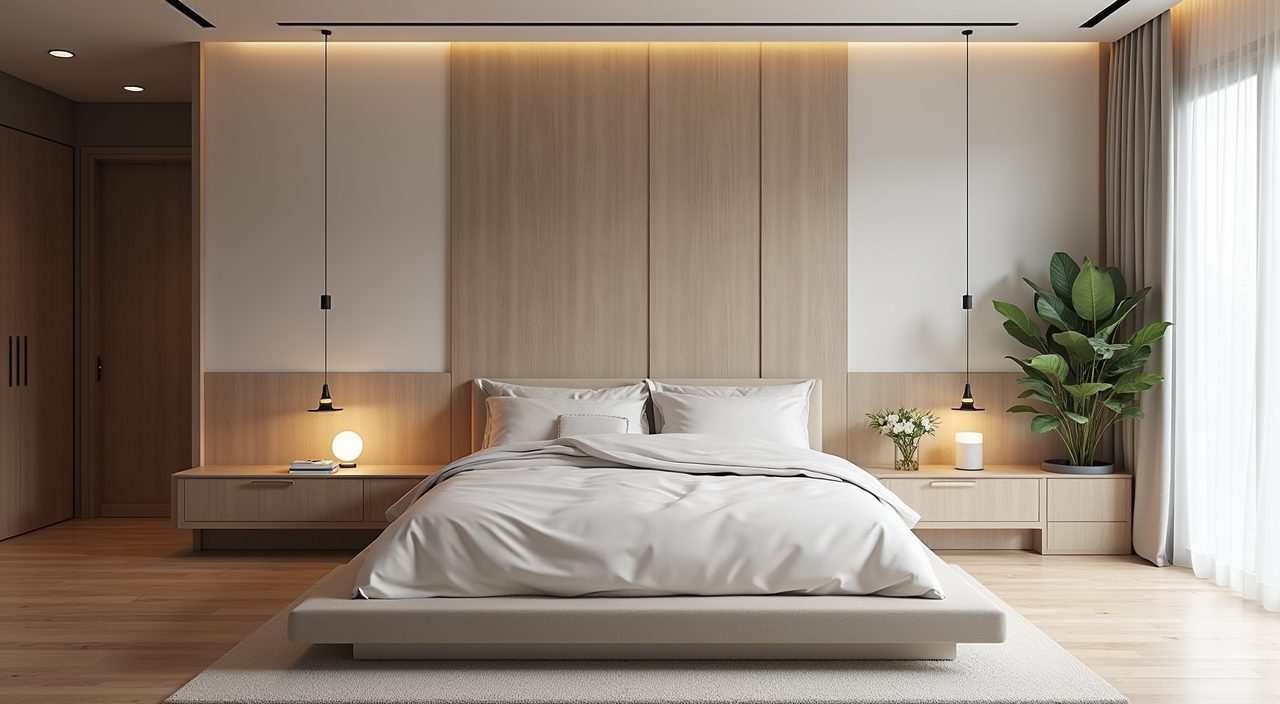 Minimalist Master Bedroom Design Ideas for Singapore Homes
 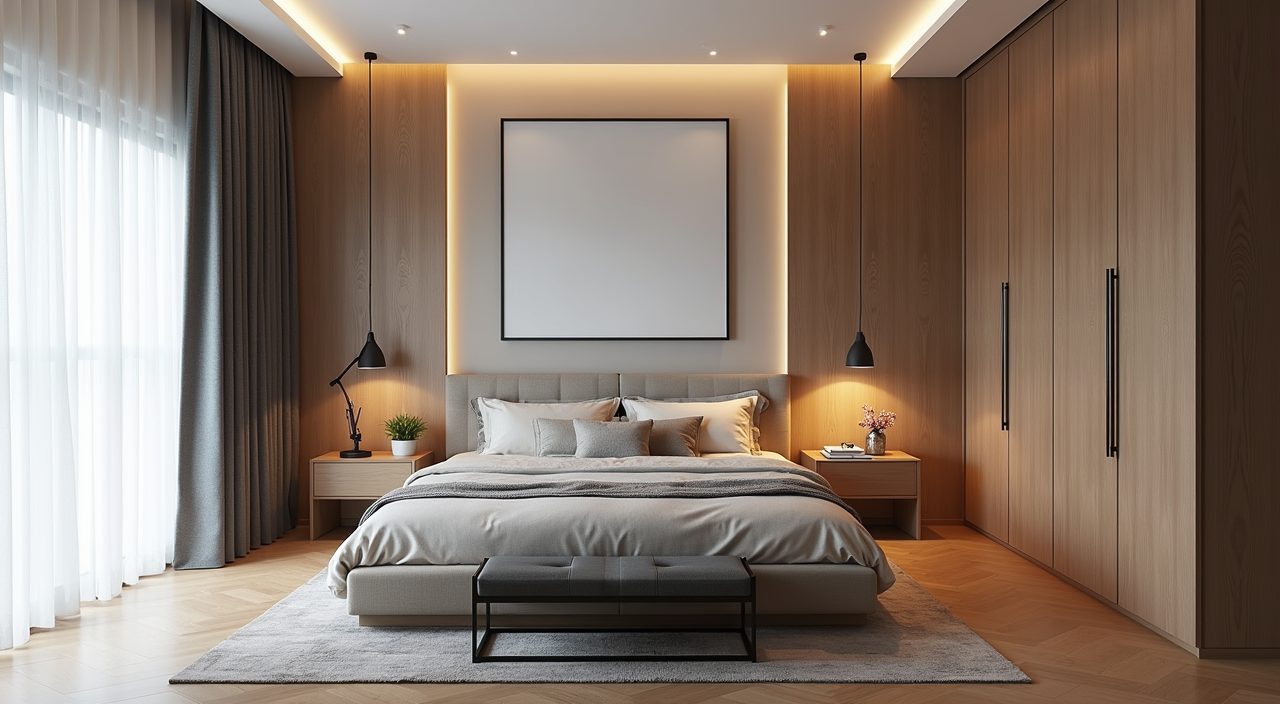 Modern Contemporary Master Bedroom Design Ideas for Singapore Homes
 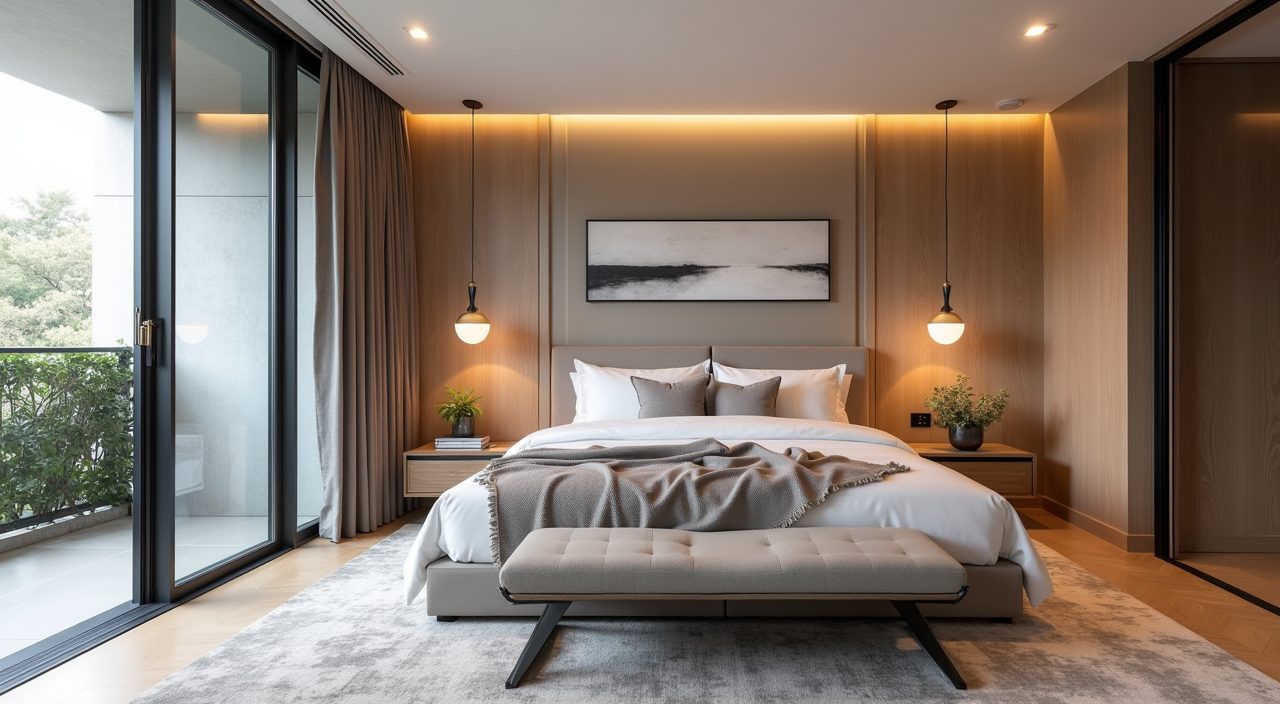 Modern Luxury Master Bedroom Design Ideas for Singapore Homes
 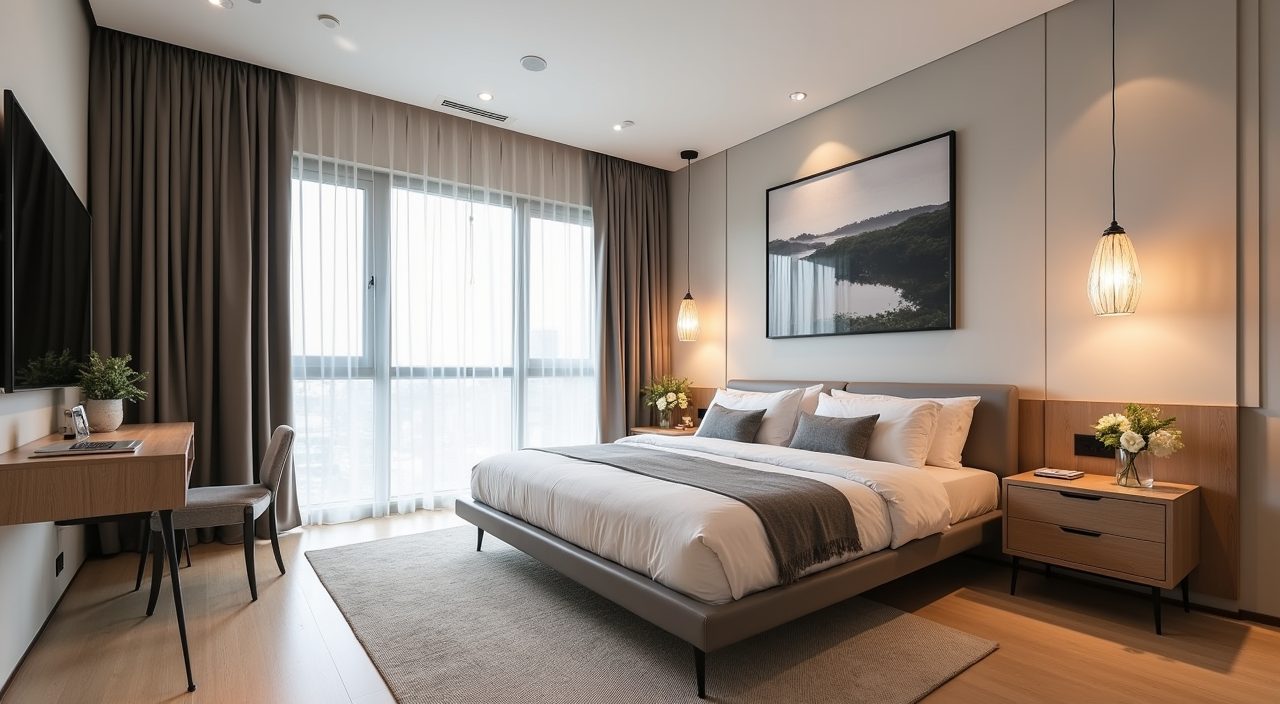 HDB Flat Master Bedroom Design Ideas
 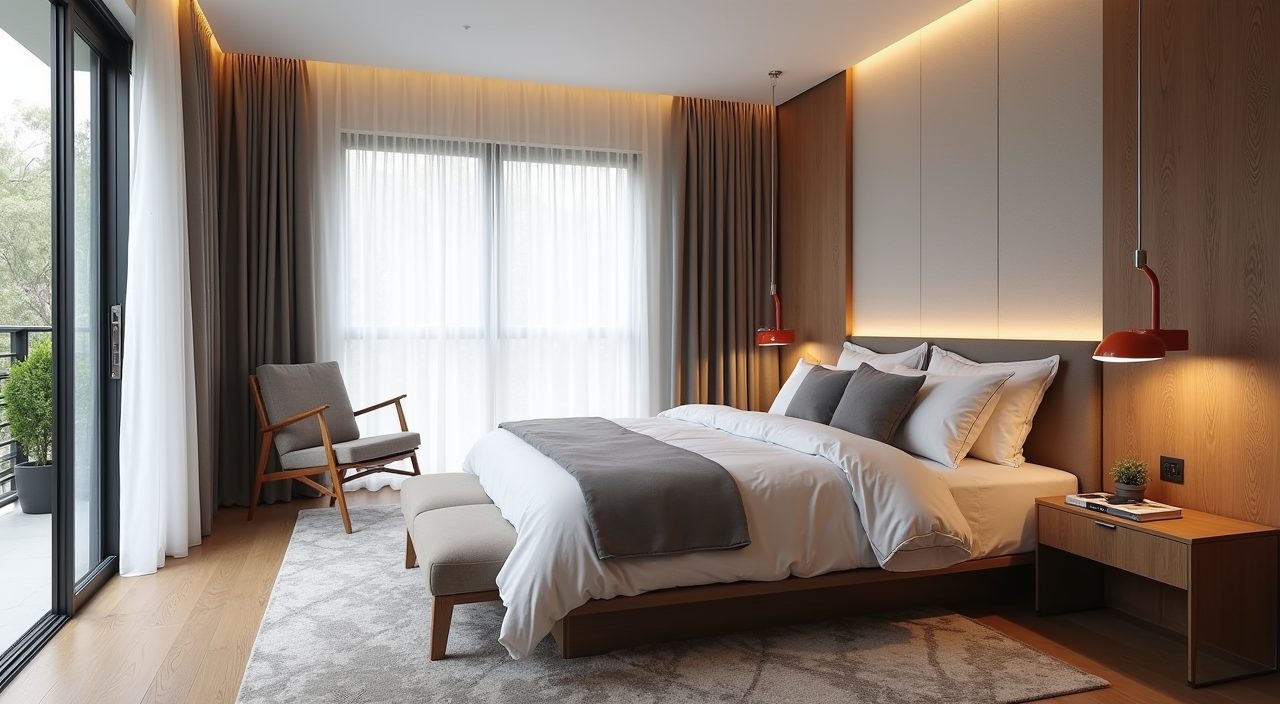 BTO Master Bedroom Design Ideas
 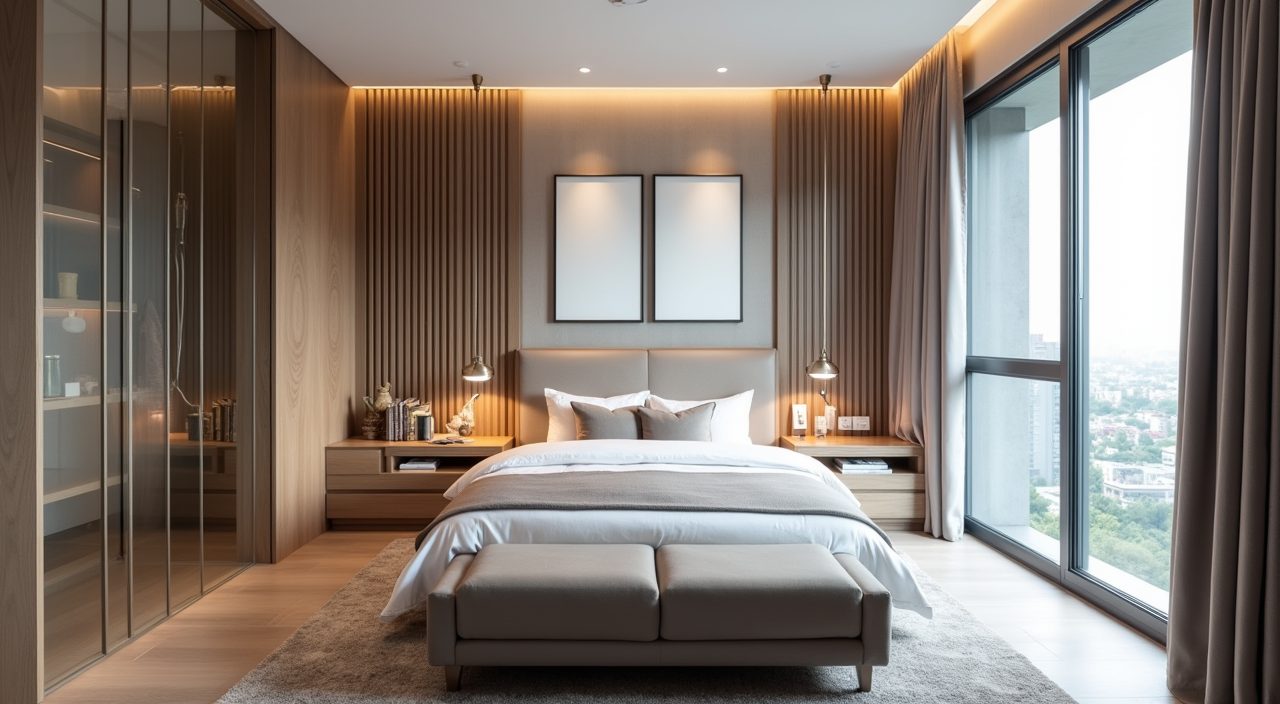 Condo Master Bedroom Design Ideas
 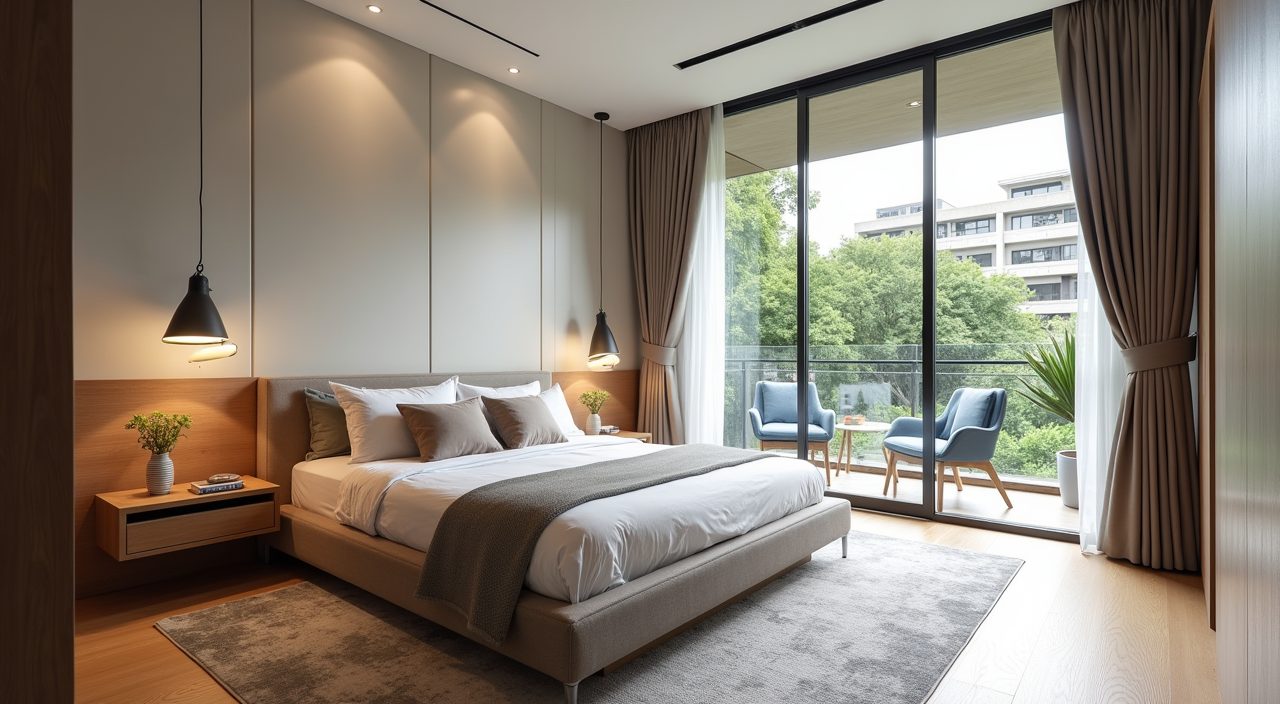 Landed Home Master Bedroom Design Ideas
  Small Master Bedroom Design Ideas to Maximise Space in Singapore
 Frequently asked questions
What size bed fits a typical HDB or BTO master bedroom?
A queen bed (about 1.5m by 2m) is the safe choice for most HDB and BTO master bedrooms of around 10 to 13 sqm, leaving room to walk and open the wardrobe. A king fits only if you have a larger condo or landed room; in a small room it leaves very tight walking space. Always measure your room and mark out the bed footprint before buying.
How do I stop mould and damp in my bedroom wardrobe in Singapore?
Use moisture-resistant plywood or quality laminate carcasses rather than bare MDF, leave a small airflow gap behind tall wardrobes on external walls, and avoid sealing damp against the wall. Run the aircon or a dehumidifier during very humid spells, keep clothes fully dry before storing, and add a moisture absorber inside the wardrobe if the room is prone to damp.
How much does a master bedroom renovation cost in Singapore?
It depends mostly on carpentry. A basic refresh with a wardrobe, some lighting, and painting can start in the low thousands, while a full custom fit-out with a feature wall, false ceiling, storage bed, and premium finishes runs higher. Carpentry (wardrobe and bed) is usually the largest single cost, so get an itemised quote and confirm materials before you commit.
Can I hack or drill the walls in my HDB master bedroom?
You can drill normal walls for wardrobes and fittings, but you cannot hack or freely drill the household shelter (bomb shelter) wall, ceiling, or door, and structural RC walls are also restricted. Hacking non-structural walls needs HDB approval and a qualified contractor. When in doubt, check with your interior firm or HDB before planning any layout that relies on removing or heavily drilling a wall.