Muji Japanese Kids Room Design Ideas for Singapore Homes
Practical Muji Japanese kids room design ideas for Singapore HDB flats and condos: calm palettes, low storage, tropical-proof materials and smart layouts.
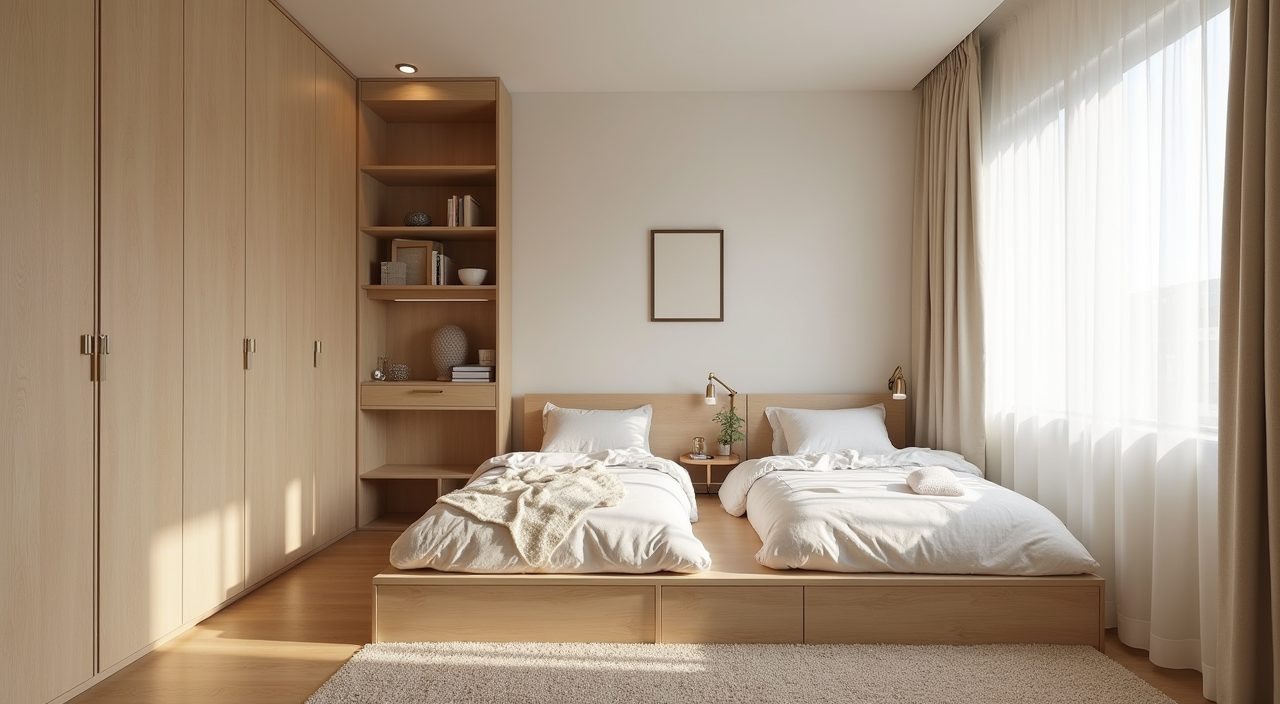
Design a Muji Japanese kids room in Singapore by keeping the palette to warm whites, oatmeal and light wood, choosing low furniture the child can reach on their own, and building storage that hides clutter behind clean fronts. Pick materials that shrug off tropical humidity (moisture-resistant laminate, engineered light oak, washable cotton) and lay the room out so a single window drives soft natural light across the floor. The whole point is a calm, uncluttered space that still works for a growing child.
Most Singapore kids rooms sit in a 2.4m by 2.6m HDB bedroom or a slightly tighter condo second bedroom, often with one window and a built-in wardrobe recess. That is exactly the kind of small, warm, bright box the Muji look was made for, as long as you plan around real constraints: limited floor area, high humidity, strong afternoon sun on west-facing units, and the need for the room to grow from toddler to primary-school years without a full redo.
Anchor the room in a warm off-white and light wood palette
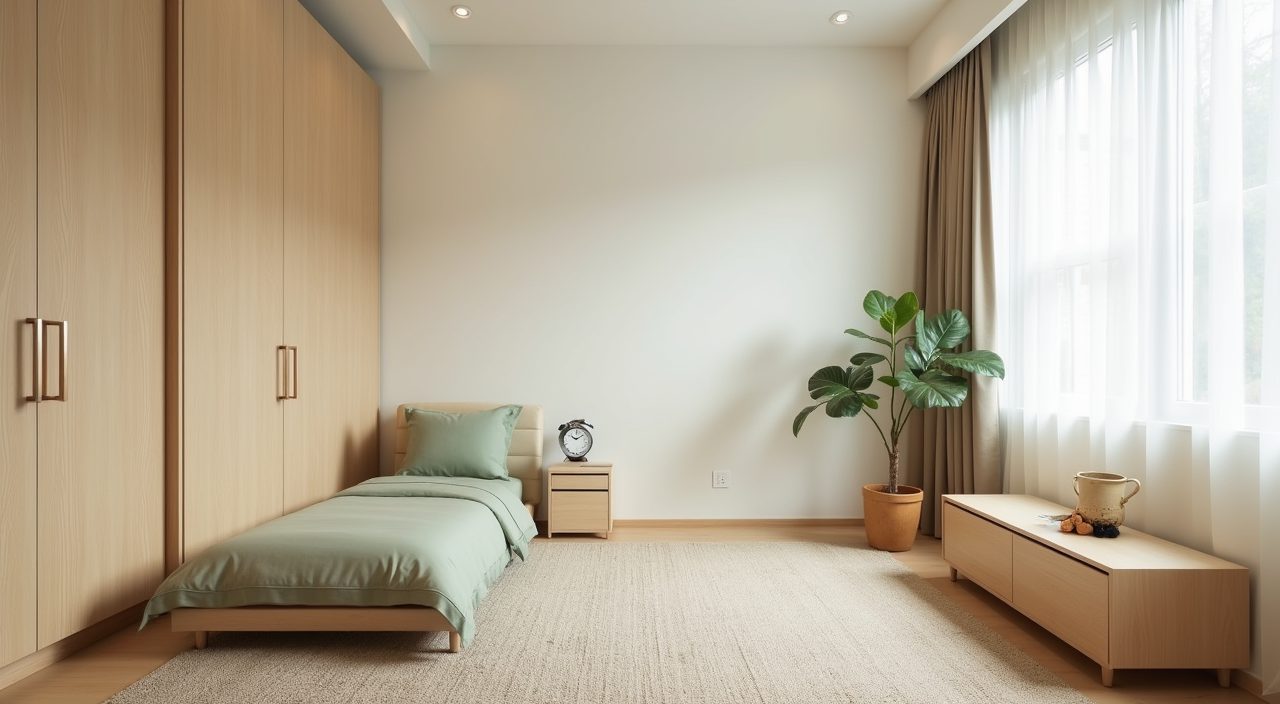
The Muji base is a narrow, warm neutral palette: off-white or soft oatmeal walls, light oak or ash wood tones, and one muted accent such as sage, dusty blue or a soft clay. Avoid stark cool white, which reads clinical under Singapore's bright daylight and cheap LED downlights. A warm white (think a paint with a slightly creamy undertone) keeps the room feeling soft rather than sterile.
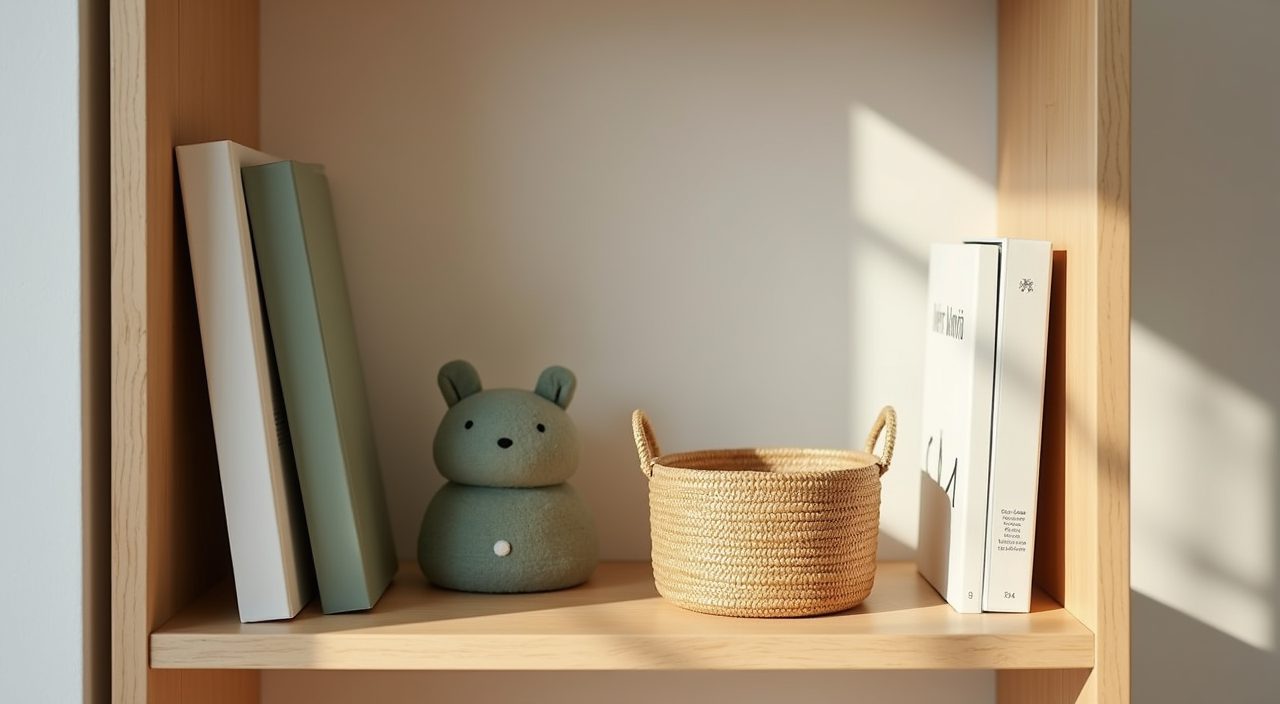
Keep pattern and colour to small, movable items: a cushion, a rug, a few book spines. That way the room stays calm and you can refresh the look as your child's taste changes without repainting or replacing built-ins.
- Walls: warm white or oatmeal, matt finish so it hides small marks.
- Wood tones: light oak, ash or birch laminate, not orange-toned or dark walnut.
- One accent only: sage green, dusty blue or soft terracotta in textiles.
Choose low, child-height furniture the kid can actually use
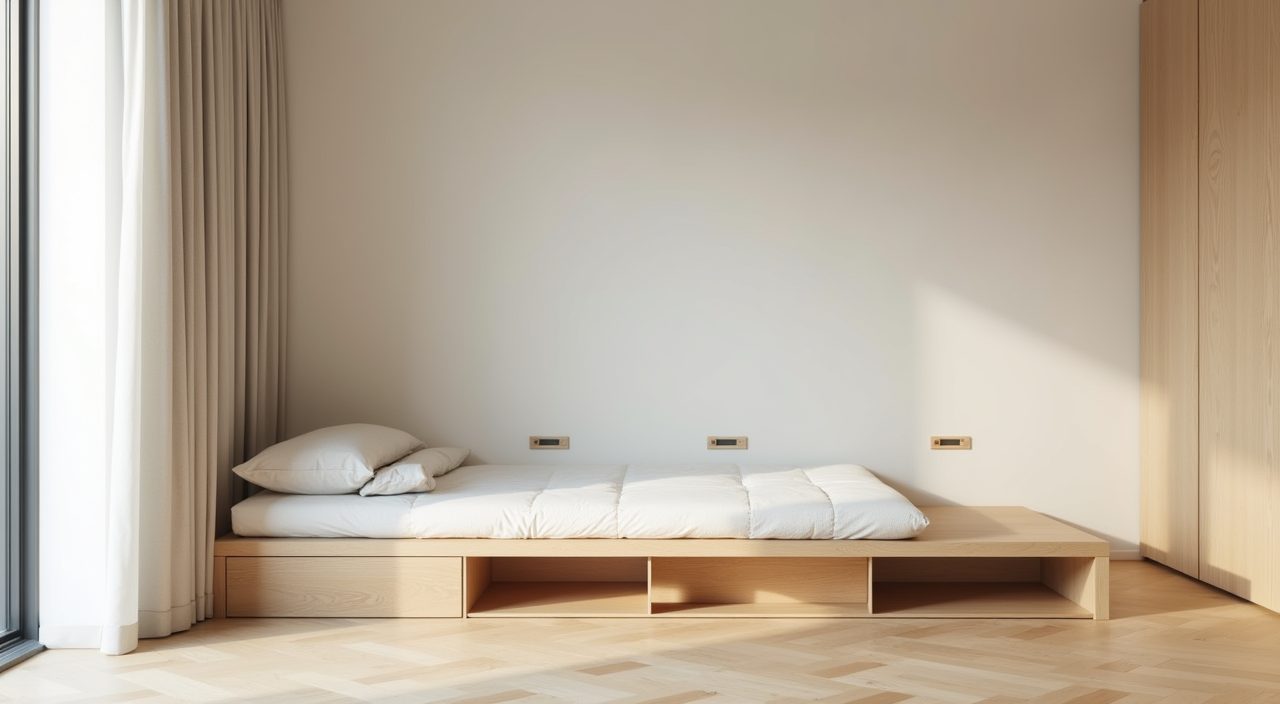
A signature of Japanese and Montessori-influenced kids rooms is putting things within reach: a low bed or floor mattress, a low open shelf, hooks at child height. This suits small Singapore bedrooms because low furniture keeps sightlines open and makes a 2.4m by 2.6m room feel less boxed in. A low platform bed also removes the fall risk of a raised frame for toddlers.
As the child grows, a low single bed still works, and you can add a taller wardrobe or study desk along one wall. Plan the low pieces as freestanding where you can, so the layout can shift when the child moves from play-focused to study-focused years.
Build hidden, full-height storage to beat clutter and humidity
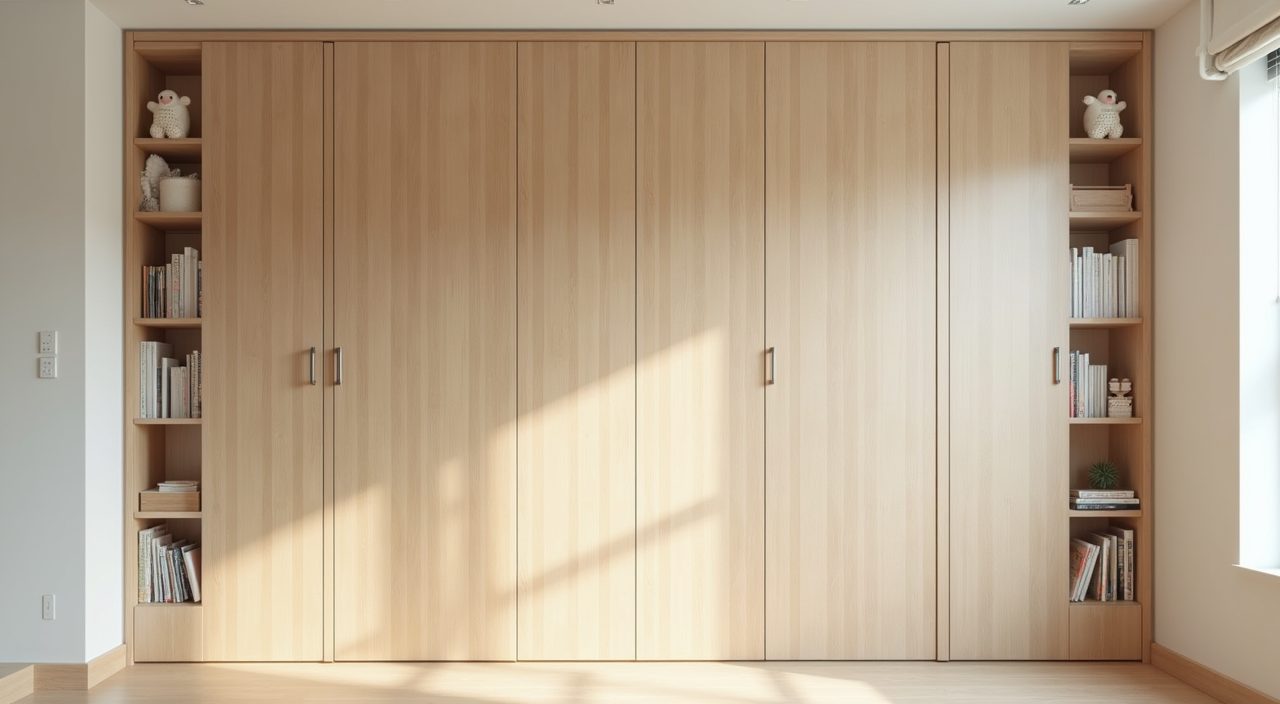
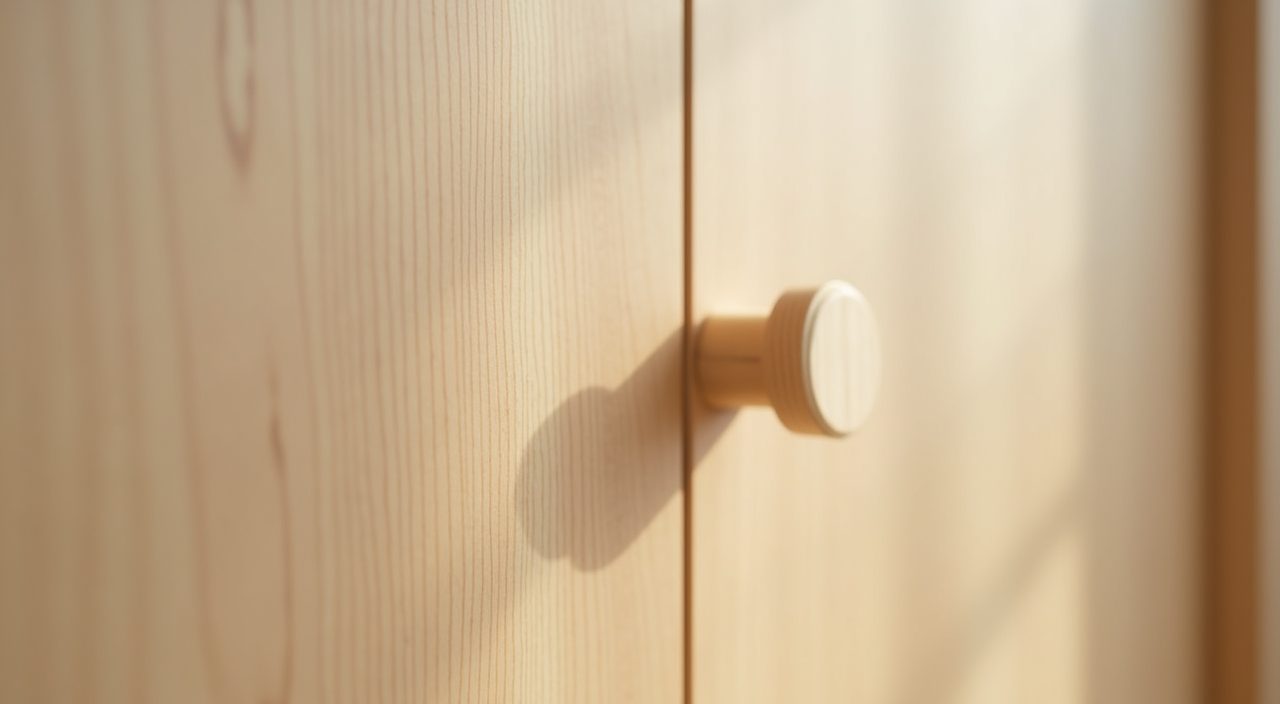
Muji calm depends on hiding mess, and Singapore homes rarely have spare cupboards, so a floor-to-ceiling built-in along one wall does the heavy lifting. Use plain flat-front doors in a light wood or off-white laminate with recessed or push-to-open handles for a clean, seamless face. Combine closed cabinets for the bulk of toys and clothes with a few open cubbies for books and displayed items.
For the interior, moisture-resistant carcass material matters. Singapore humidity sits high year round, so specify HMR (high moisture resistance) board for the wardrobe body and keep at least a small gap for airflow. A few silica or activated-charcoal packs inside help control damp and musty smells in enclosed shelves.
- Flat-front laminate doors with handleless or J-groove pulls for the clean Muji face.
- Mix roughly two-thirds closed storage to one-third open display.
- Specify HMR board and leave airflow gaps to fight humidity and mould.
Layer soft, warm lighting instead of a single harsh downlight
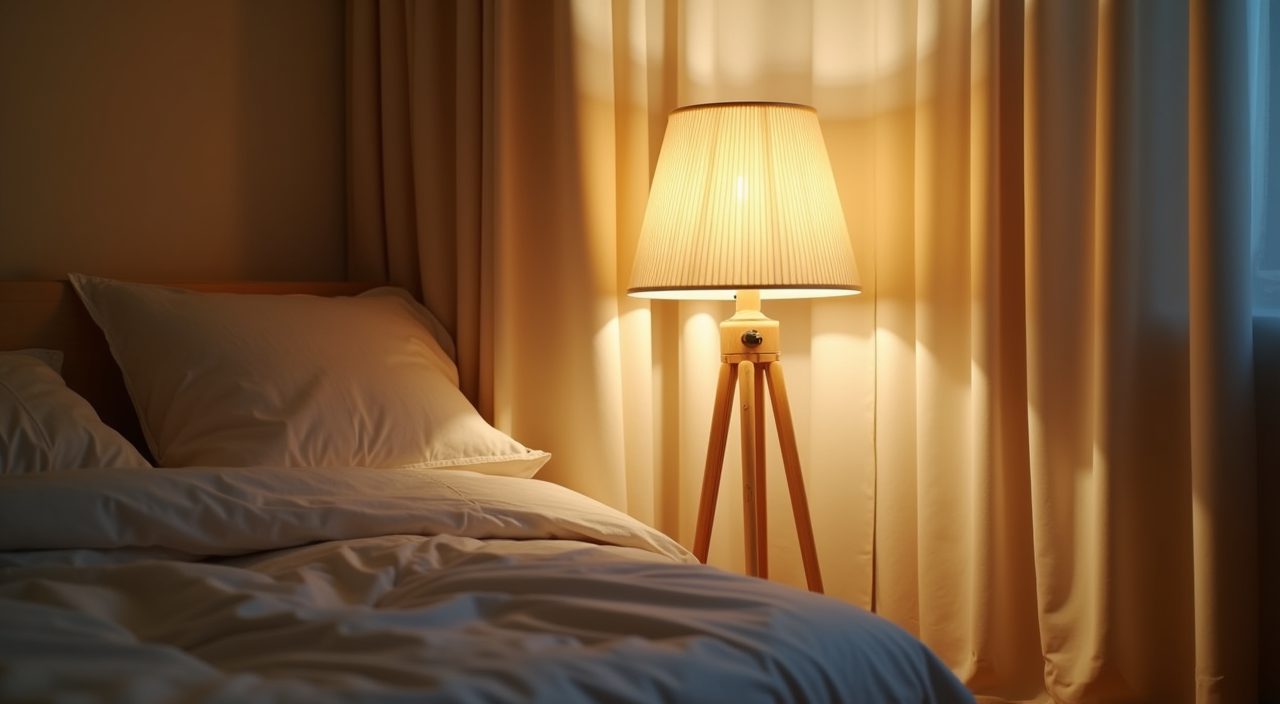
Most HDB and condo bedrooms come with one central fitting, which throws flat, glary light. For a Muji feel, aim for warm colour temperature (around 2700K to 3000K) and split the light into layers: a soft ceiling source, a low bedside or floor lamp for wind-down time, and a focused task light at the study desk once your child starts homework.
A dimmable main light is worth the small extra cost because it lets the same room shift from bright play mode to a calm bedtime setting. Paper-shade or fabric-shade lamps give that diffused Japanese glow, and a warm night light near the bed helps younger kids settle.
Pick tropical-proof, washable materials and finishes

Singapore's heat, humidity and the reality of a child means every surface should be wipeable or washable. On the floor, engineered light-oak or a good vinyl plank in a pale wood tone handles humidity better than solid timber and is easy to clean. Avoid deep-pile carpet, which traps dust and dust mites in our climate; a small flat-weave cotton rug you can throw in the wash is the better move.
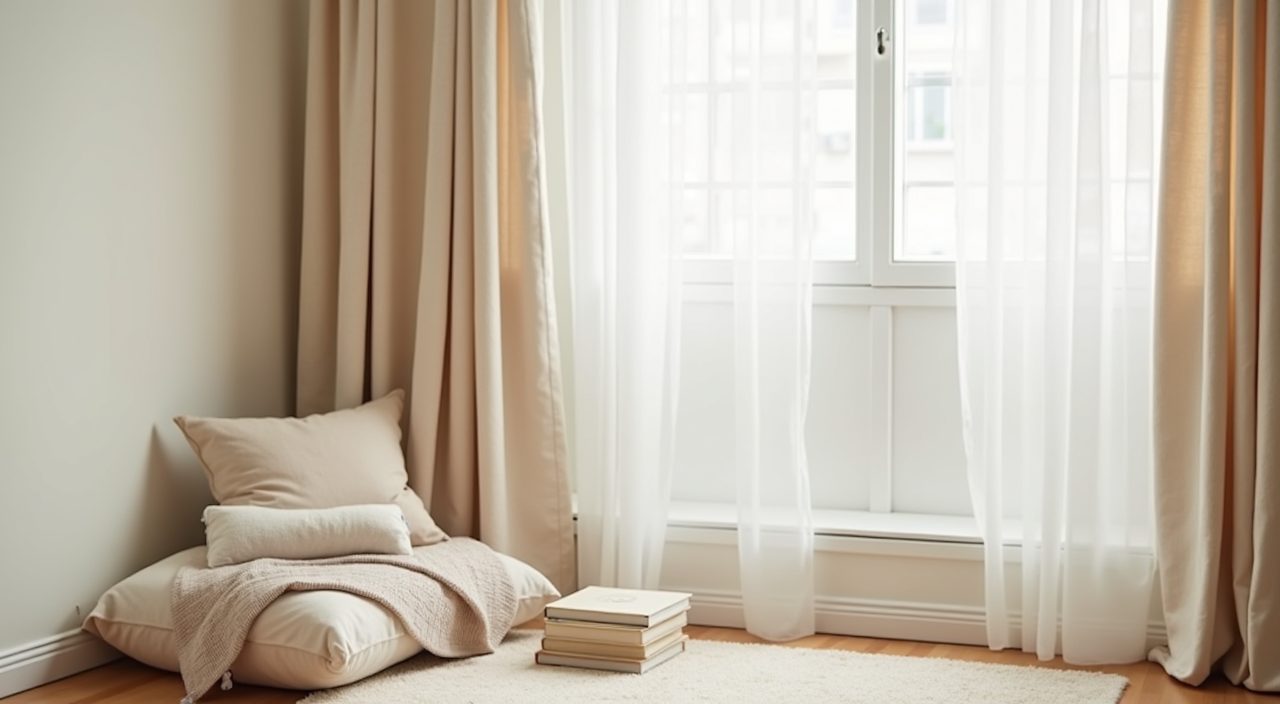
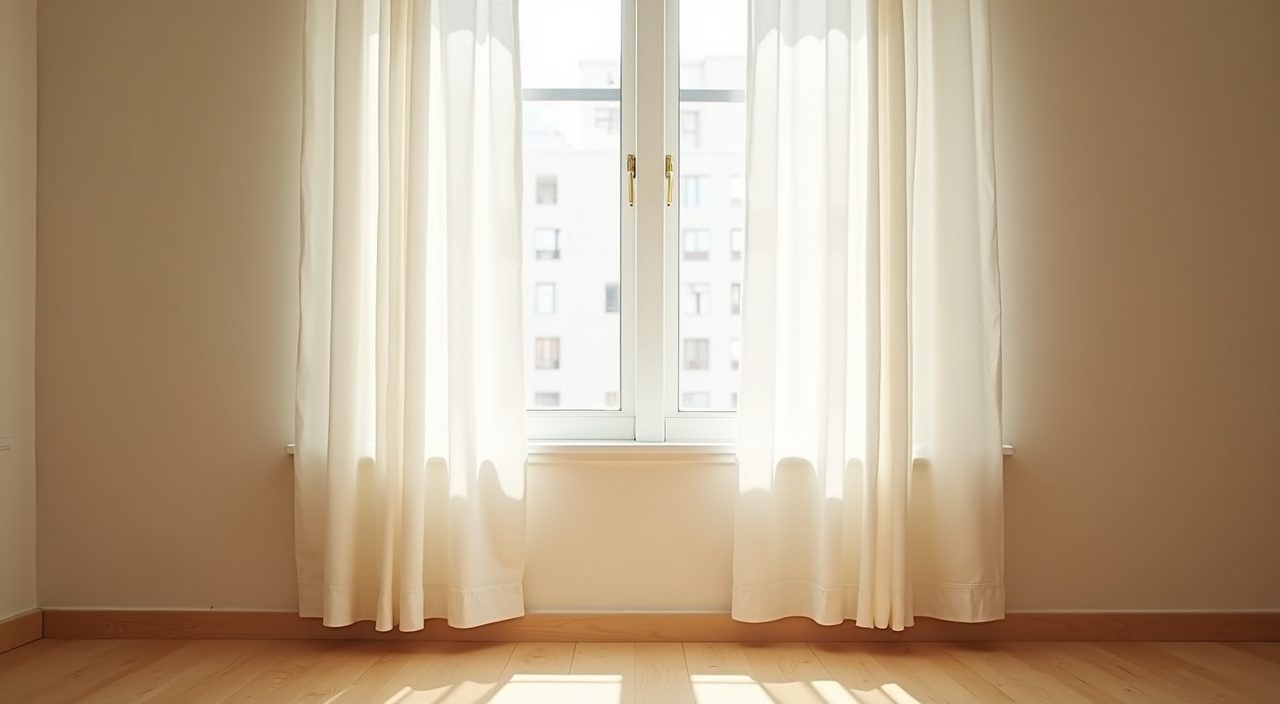
For soft furnishings, stick to cotton and linen in the Muji spirit: breathable, washable, and comfortable in the heat. Choose curtains that filter rather than fully block light during the day, and add a blackout layer only if the room faces strong morning or afternoon sun.
Plan a small study nook that grows with the child
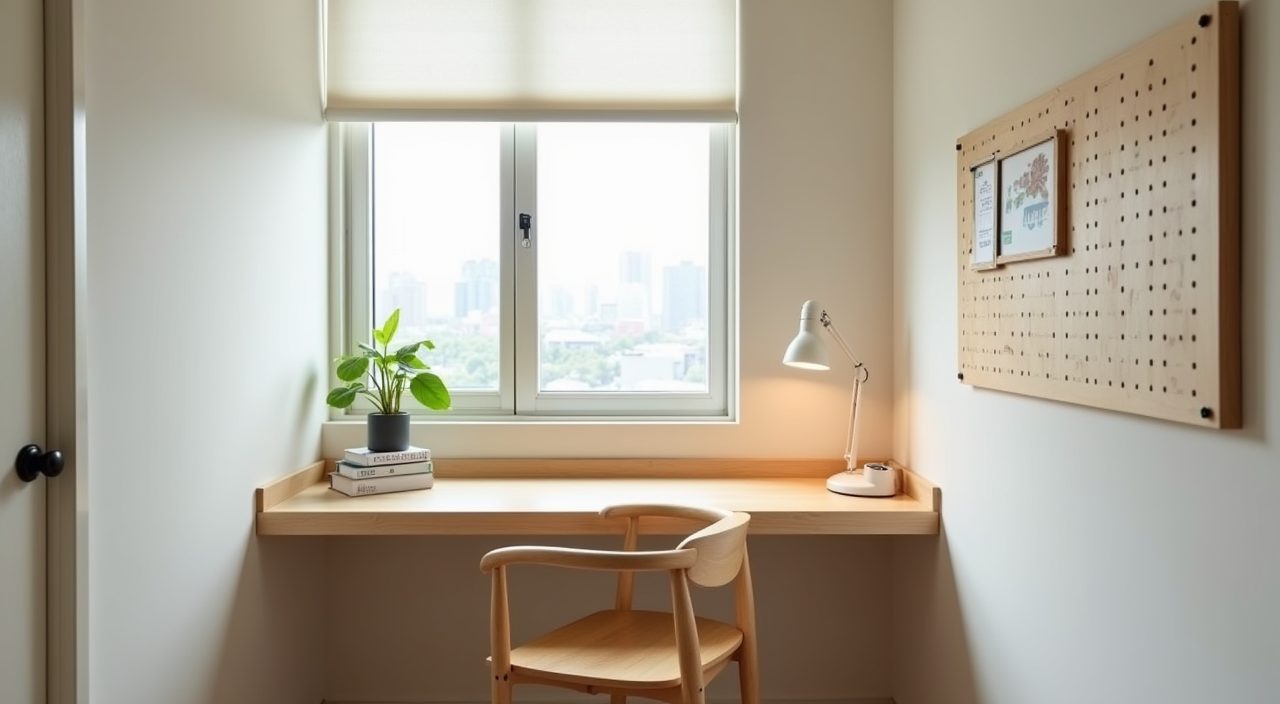
Even in a tight room, carving out a simple study zone pays off, because Singapore kids start structured work early. A slim wall-mounted or freestanding light-wood desk (around 100cm to 120cm wide) fits most bedrooms without crowding the bed. Keep the desktop clear with a small shelf or pegboard above for stationery and a task lamp.
Position the desk near the window for daylight where you can, but not directly in the harshest sun. A chair that suits the child's current height, swapped or adjusted as they grow, keeps posture right through the primary-school years.
Use a feature wall or wood slats sparingly for warmth
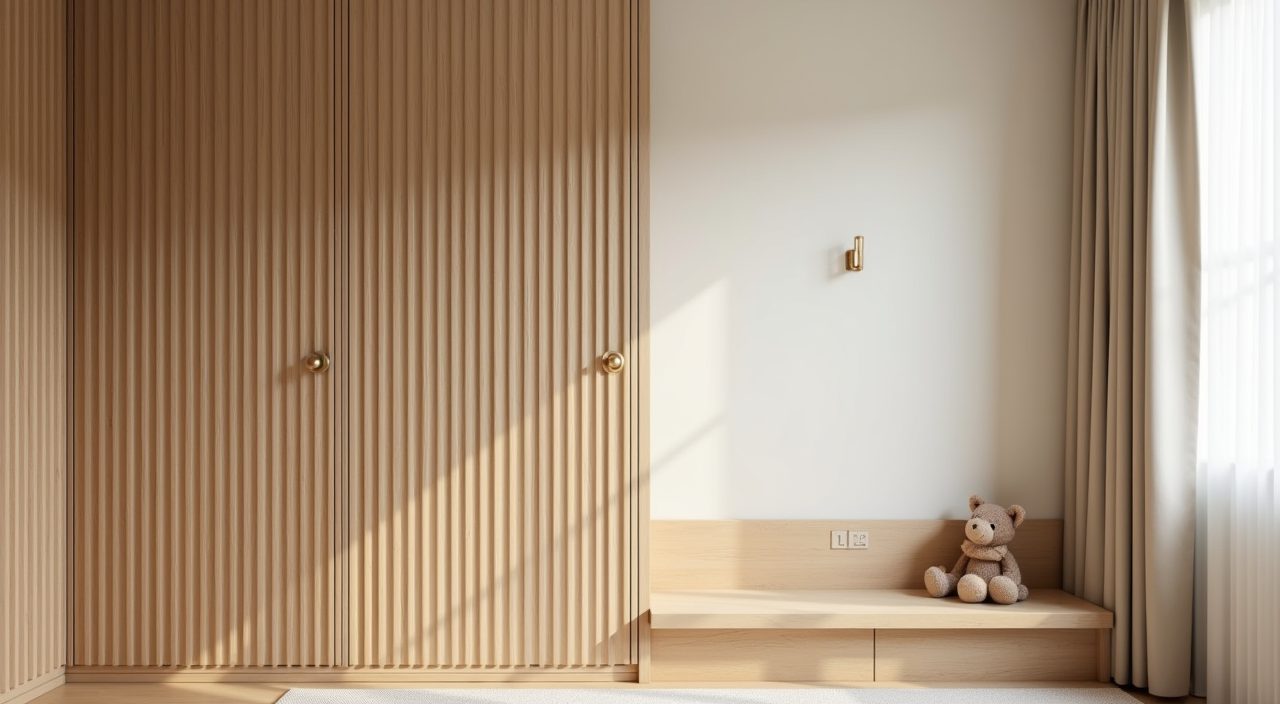
If the room feels flat, one restrained feature adds warmth without breaking the calm: a section of light-wood slats, a plain arch-painted headboard shape in a muted tone, or a single wall in soft oatmeal against off-white elsewhere. The key is restraint, one feature, not four.
Wood slats also double as a subtle way to mount hooks or a low shelf. Keep the slat tone matching your wood storage so the room reads as one considered palette rather than a mix of finishes.
Keep the floor open with multi-use, movable pieces
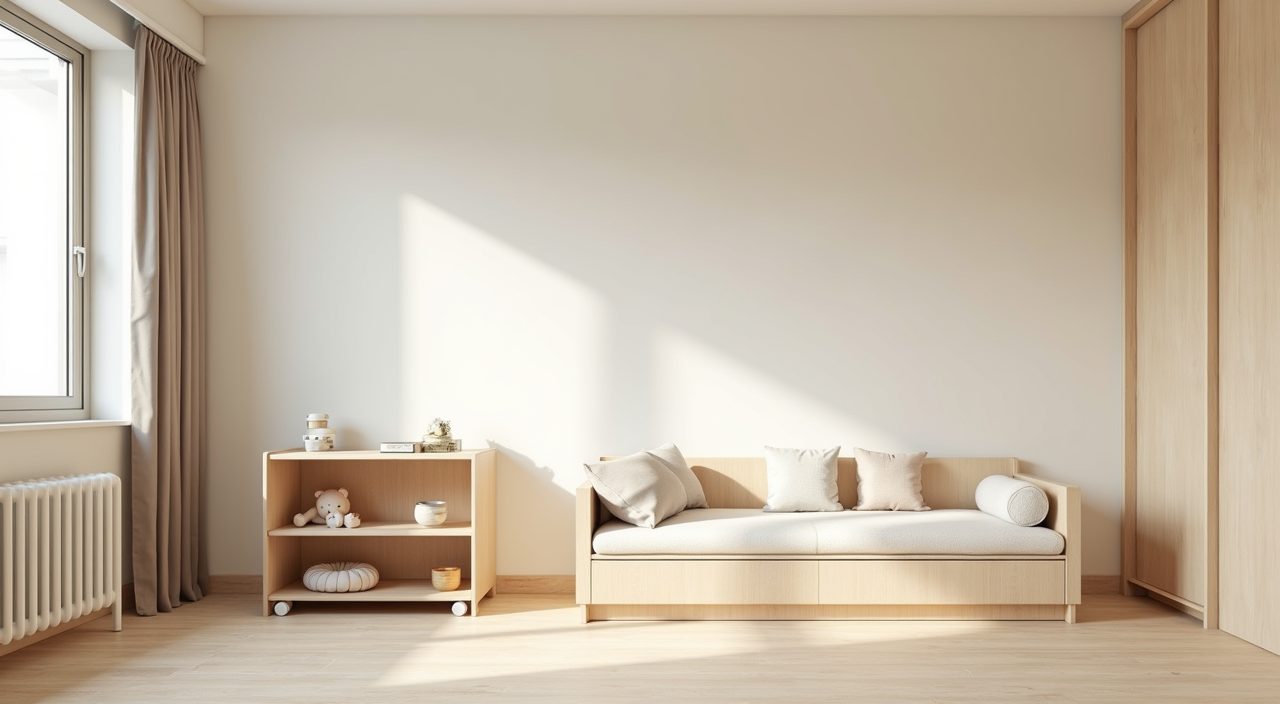
Open floor space is precious in a small Singapore bedroom and it is where a young child actually plays. Favour pieces that pull double duty: a storage bench that seats and stores, a low toy shelf on castors, floor cushions instead of a bulky chair. Anything on wheels or light enough to shift lets you clear the centre of the room in seconds.
This flexibility is also future-proofing. A room that can be rearranged easily carries a child from toddler play to a study-and-sleep setup without new carpentry, which keeps long-term cost down.
What to plan and budget for
The biggest cost drivers in a Muji kids room are carpentry (the full-height wardrobe and any built-in desk), flooring if you are replacing it, painting, and lighting changes. As a rough guide, expect built-in carpentry to be the largest line, followed by flooring, with paint, lighting and soft furnishings much smaller. A light refresh that reuses the existing wardrobe and floor sits at the lower end; a full room with new built-ins, flooring and rewired lighting sits considerably higher, so budget for the carpentry first and treat decor as the flexible part. Get at least two to three itemised quotes so you can compare like for like rather than a single lump sum. If your plan touches new lighting circuits, dimmers or moving power points for the study desk, that is electrical work, and any wardrobe or feature involving plumbing walls should be flagged early. For the actual build, a proper muji japanese kids room design singapore renovation handled by a licensed contractor covers the carpentry, electrical and finishing under one accountable team, which avoids the gaps that appear when you piece the trades together yourself.
Frequently asked questions
Does a Muji Japanese kids room work in a small HDB bedroom? Yes, and arguably better than in a large room. The low furniture, tight neutral palette and hidden storage were made for compact spaces, so a typical 2.4m by 2.6m HDB bedroom suits the style well once you build one wall of full-height storage to absorb clutter.
What materials hold up best in Singapore's humidity? Use moisture-resistant HMR board for wardrobe carcasses, engineered light-oak or pale vinyl plank for flooring, and washable cotton or linen for textiles. Avoid solid timber that can warp, deep carpet that traps dust, and any enclosed storage without airflow, and add silica or charcoal packs to control damp.
How do I stop the Muji look from feeling cold or boring? Keep the walls warm off-white rather than cool white, use warm 2700K to 3000K lighting, and add texture through wood, a soft rug and cotton cushions. One muted accent colour and a single restrained feature (wood slats or a painted shape) give warmth without cluttering the calm.
Can the room grow with my child without a full redo? Design it to. Favour freestanding or movable low pieces, size the built-in wardrobe and desk for the primary-school years from the start, and keep colour in swappable items like cushions and rugs. That way you refresh the decor, not the carpentry, as your child gets older.