Landed Home Bathroom Design Ideas
Practical bathroom design ideas for Singapore landed homes: layouts, materials, ventilation and finishes built for tropical humidity and daily use.
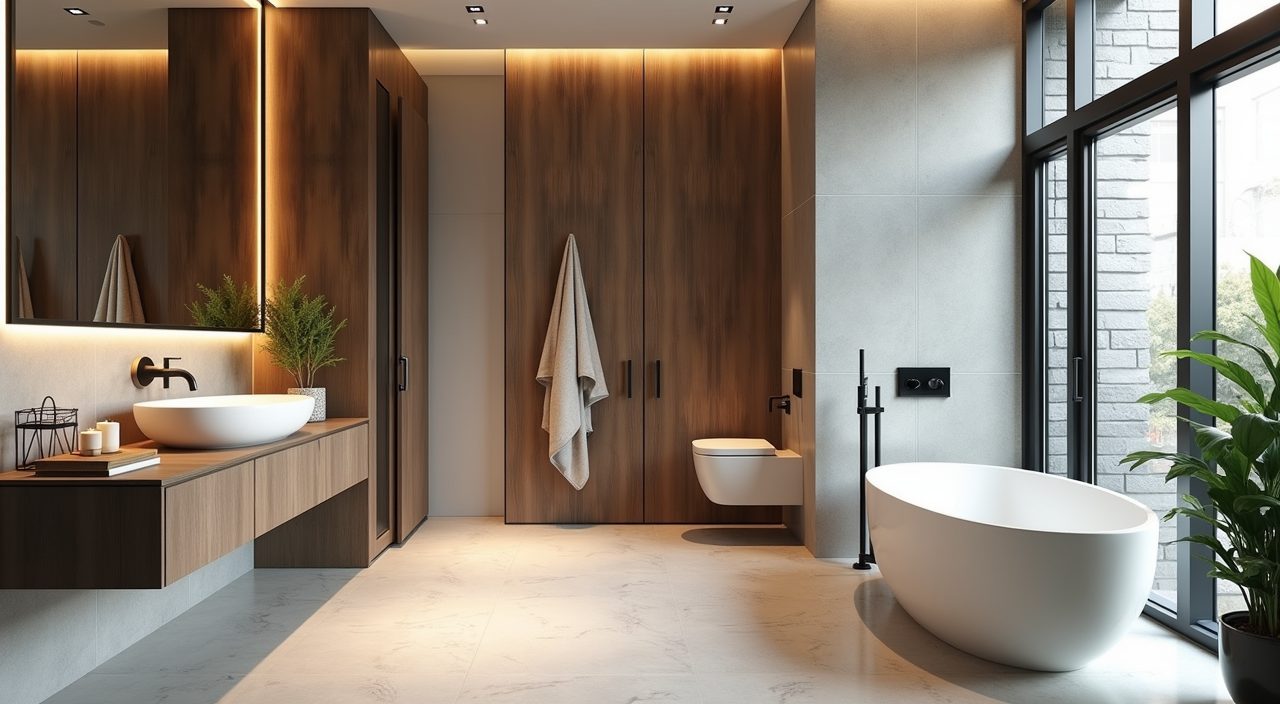
Design a landed home bathroom in Singapore around three fixed realities: high humidity, hard water, and the fact that most of these rooms sit inside a larger, more generous plan than an HDB or condo. Start with proper ventilation and waterproofing, choose slip resistant and mould resistant finishes, then zone the room into a dry area (basin, WC) and a wet area (shower or tub) so the whole floor is not soaked after every use. Once the wet and dry split is settled, the rest of the design is about light, storage, and material honesty.
Landed bathrooms range widely: a compact powder room near the entrance might be 3 to 4 sqm, a common family bathroom sits around 5 to 7 sqm, and a master ensuite in a good terrace or semi detached can run 8 to 12 sqm or more. That extra floor area is the real advantage over apartment bathrooms, but it also means poor planning shows up faster. The ideas below assume you are renovating an existing landed bathroom or fitting one out in a rebuild, and they are ordered roughly from structure to finishes.
Split the room into clear wet and dry zones
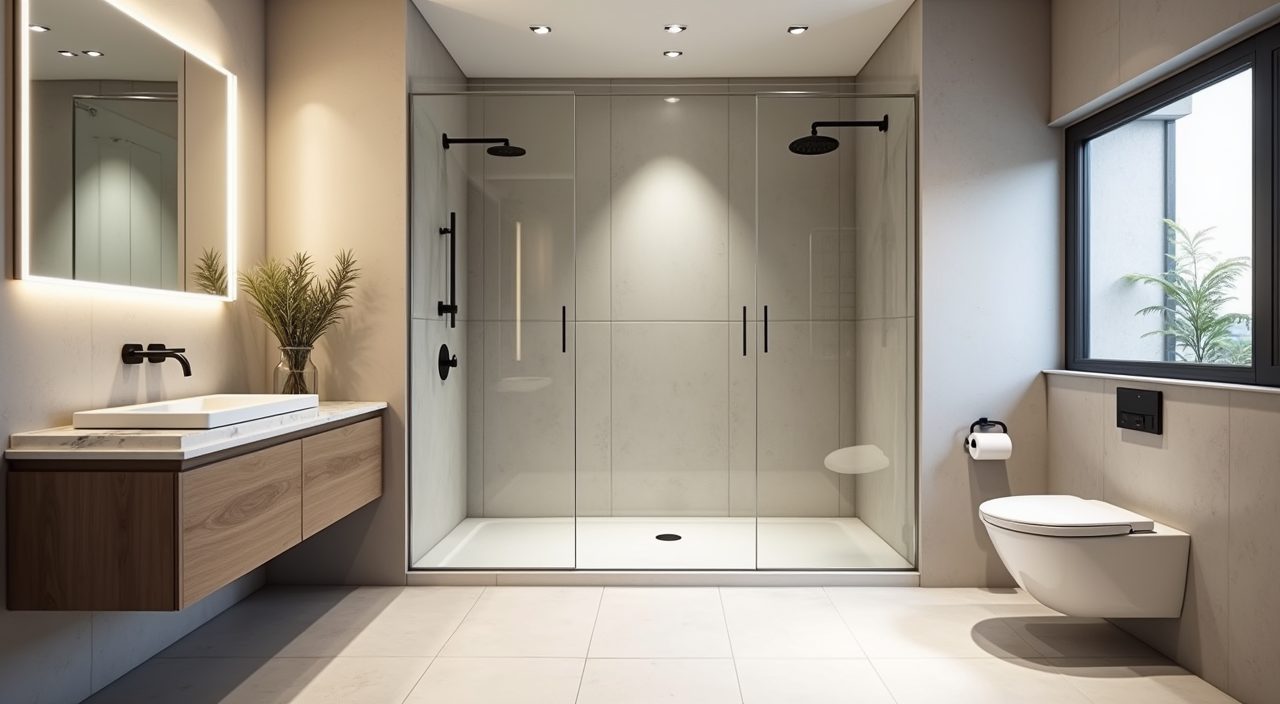
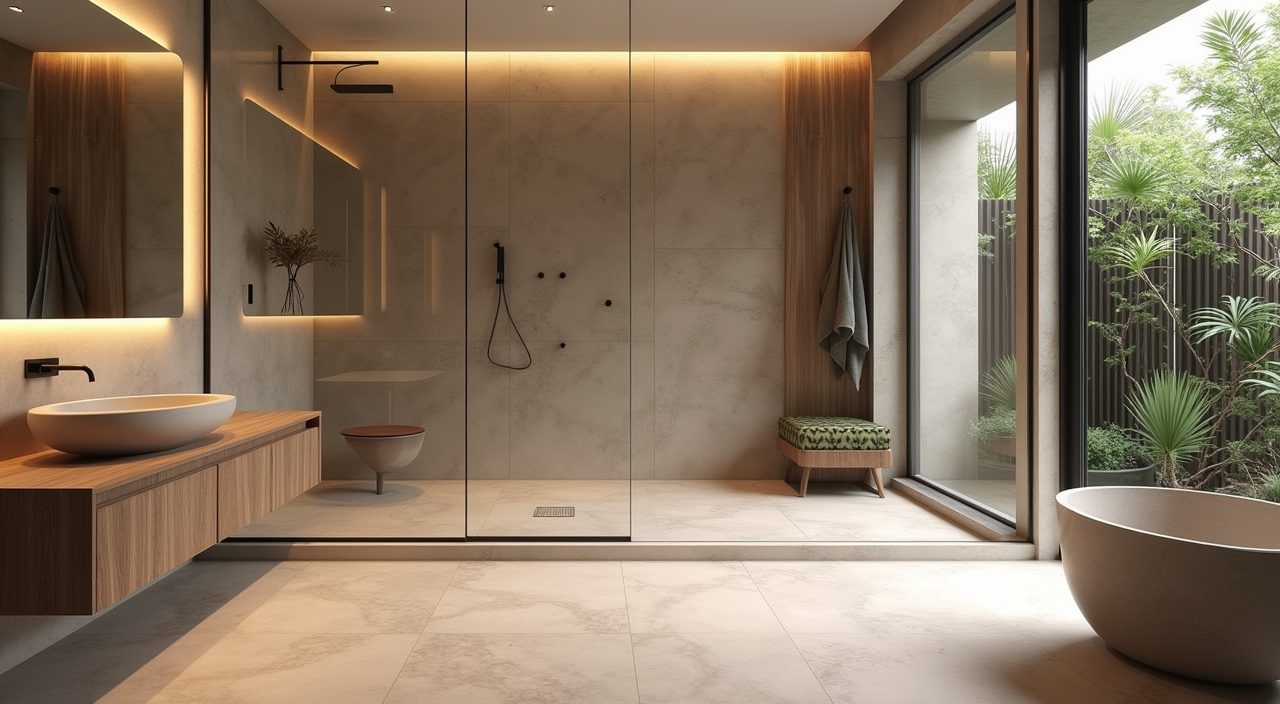
The single most useful move in a Singapore bathroom is separating the shower or tub from the rest of the room with a glass screen or a low kerb, not just relying on a shower curtain. It keeps the WC and basin area dry, cuts the amount of water that reaches your storage and joinery, and makes the floor safer underfoot. In a larger landed bathroom you have the space to do this properly, with a walk in shower behind a fixed panel rather than a cramped enclosure.
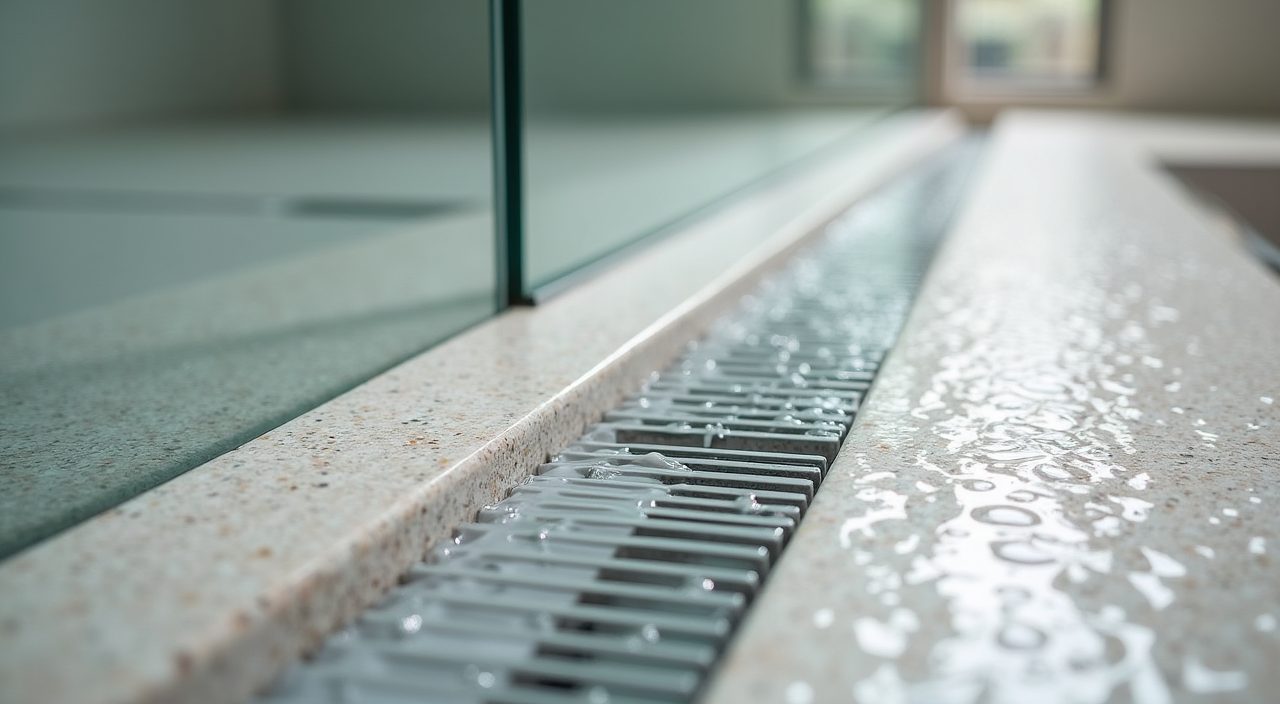
Fall (the floor slope toward the drain) matters more than people expect. A shallow, even gradient toward a linear drain along one wall drains faster and looks cleaner than a central floor trap with slopes coming from four directions. Get this set during the waterproofing and screeding stage, because it is expensive and messy to correct later.
Prioritise ventilation before you pick a single tile
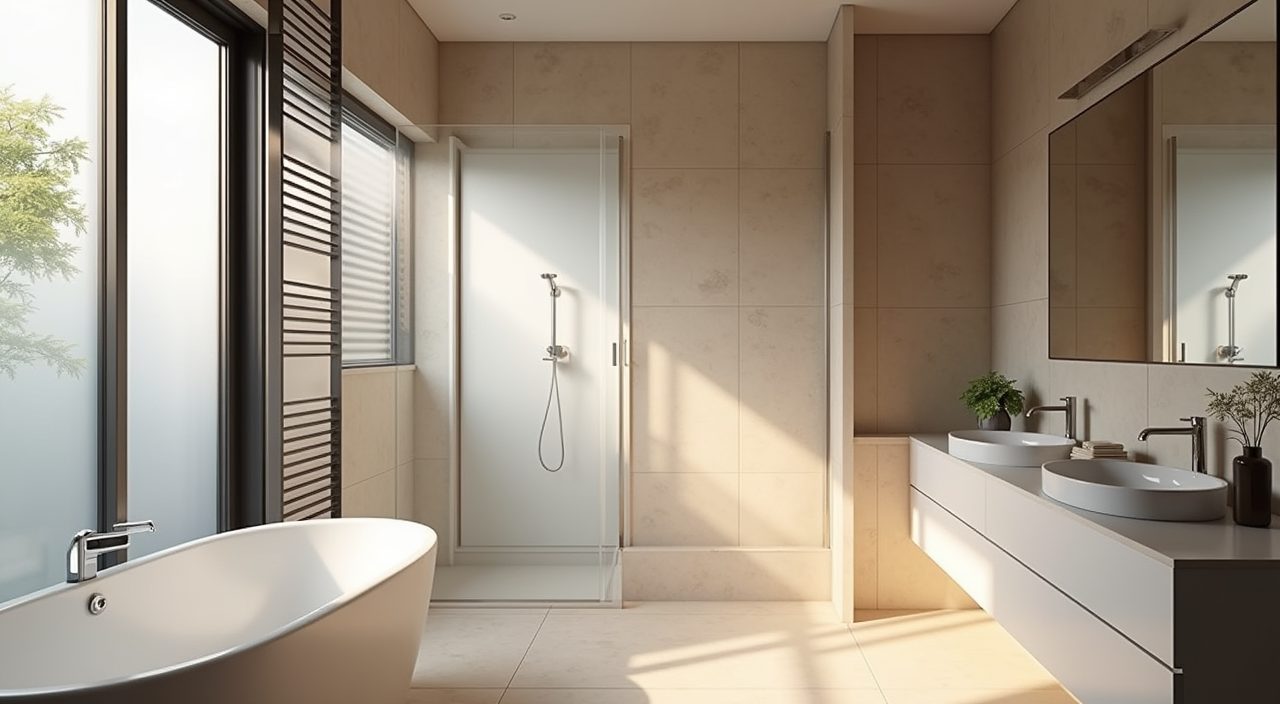
Humidity is the quiet destroyer of Singapore bathrooms. Mould on grout, peeling paint on the ceiling, and swollen vanity carcasses almost always trace back to air that has nowhere to go. If your landed bathroom has an external wall or roof, push for a proper mechanical exhaust fan ducted to the outside, and where you can, a real openable window for cross ventilation.
Where a full window is not possible, a top hung louvre window or a well sized ceiling extractor on a timer or humidity sensor does the heavy lifting. Plan this early because the ducting route affects your ceiling height and where you can run lighting.
- Duct the exhaust fan to the exterior, never into the ceiling void, or moisture just moves upstairs.
- Aim for an extractor rated to clear the room's air several times per hour, sized to the bathroom volume.
- Leave a gap under the door or fit a vent so replacement air can enter while the fan runs.
Use large format tiles and minimise grout lines
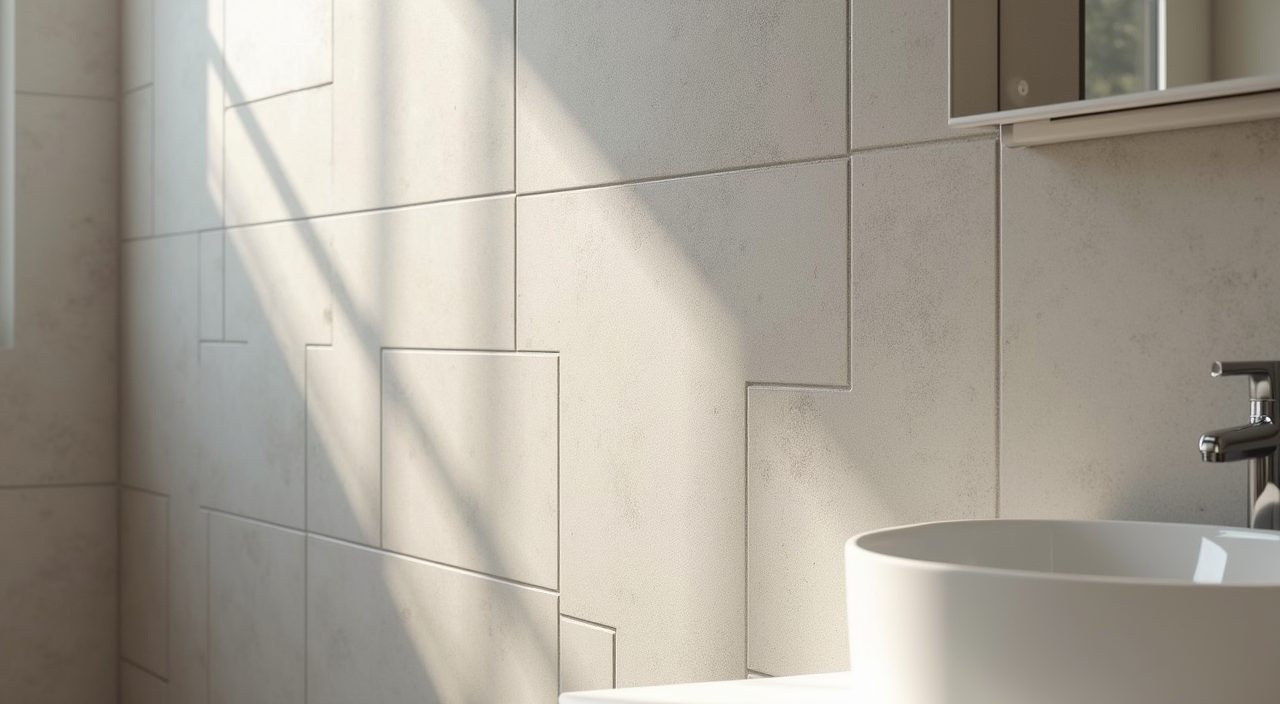
Large format porcelain tiles (for example 600 by 600 or 600 by 1200) suit landed bathrooms because there is enough wall and floor area to show them off, and fewer grout lines mean fewer places for mould and stains to gather. Matte or lightly textured porcelain gives grip underfoot on the wet zone floor while a smoother finish works on the walls.
For the shower floor specifically, drop to a smaller mosaic or a fine textured tile so there is more grip and the fall to the drain can be shaped. Epoxy grout costs more than cement grout but resists staining and mould far better in a humid, hard water environment, which is worth it in the wettest parts of the room.
Choose a palette that handles tropical light and hard water
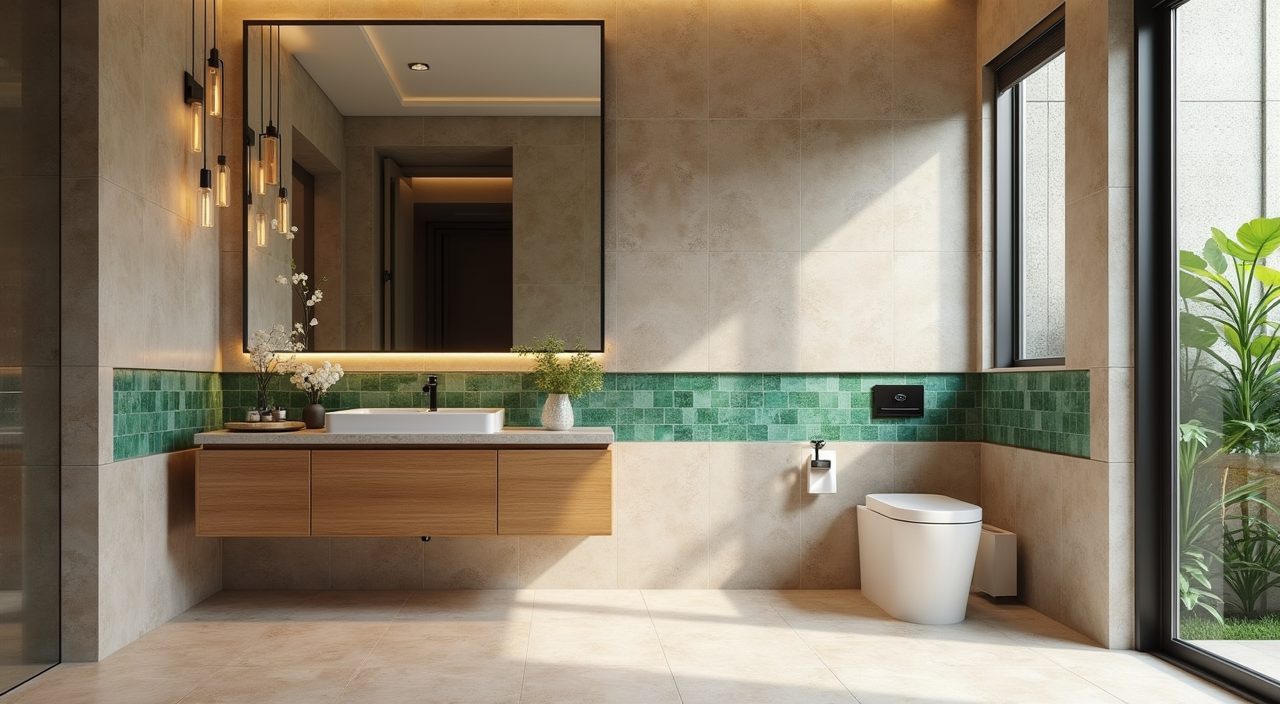
Singapore daylight is bright and often direct, so warm neutrals, soft greiges, and natural stone tones read better than stark cool white, which can feel clinical under midday sun. Pair a calm wall and floor base with one honest accent: a timber look vanity, a band of green or terracotta zellige style tiles, or a stone effect feature wall behind the basin.
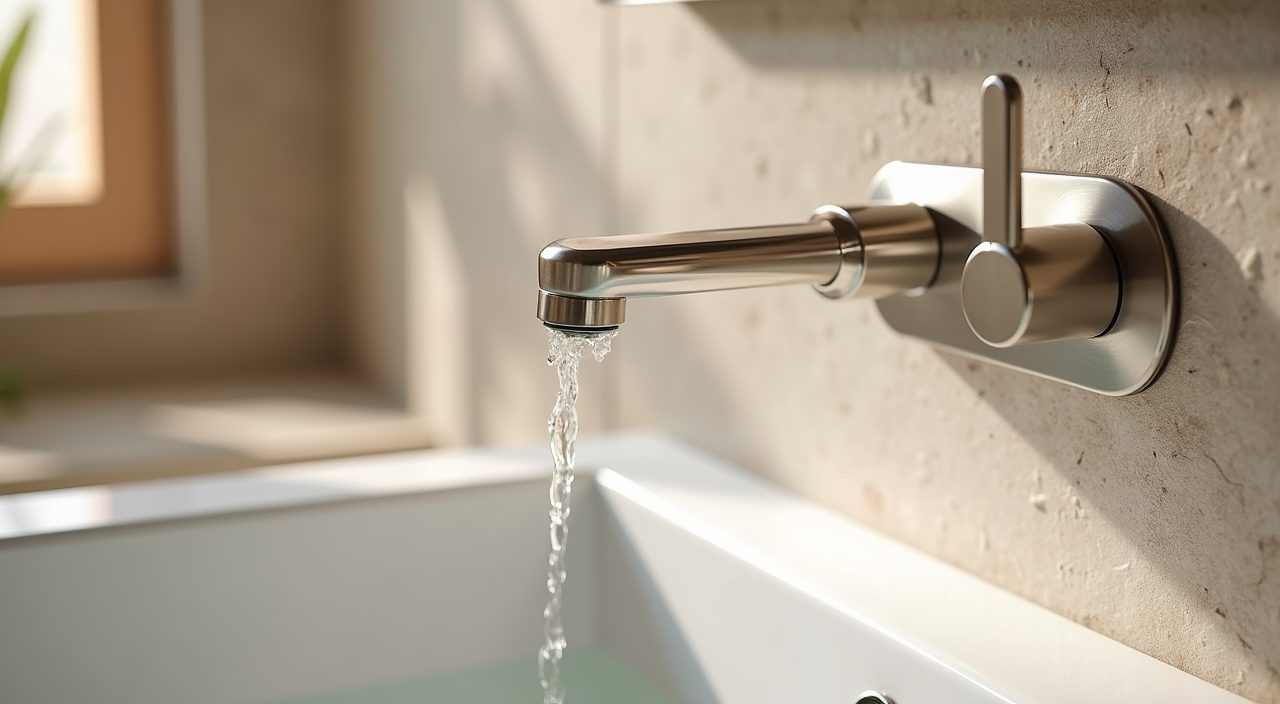
Be practical about hard water. Polished chrome and matte black tapware both show limescale and water spots, but brushed nickel and brushed stainless hide them better between cleans. If you love matte black, accept that it needs wiping down more often to stay looking sharp.
Design storage as sealed, moisture tolerant joinery
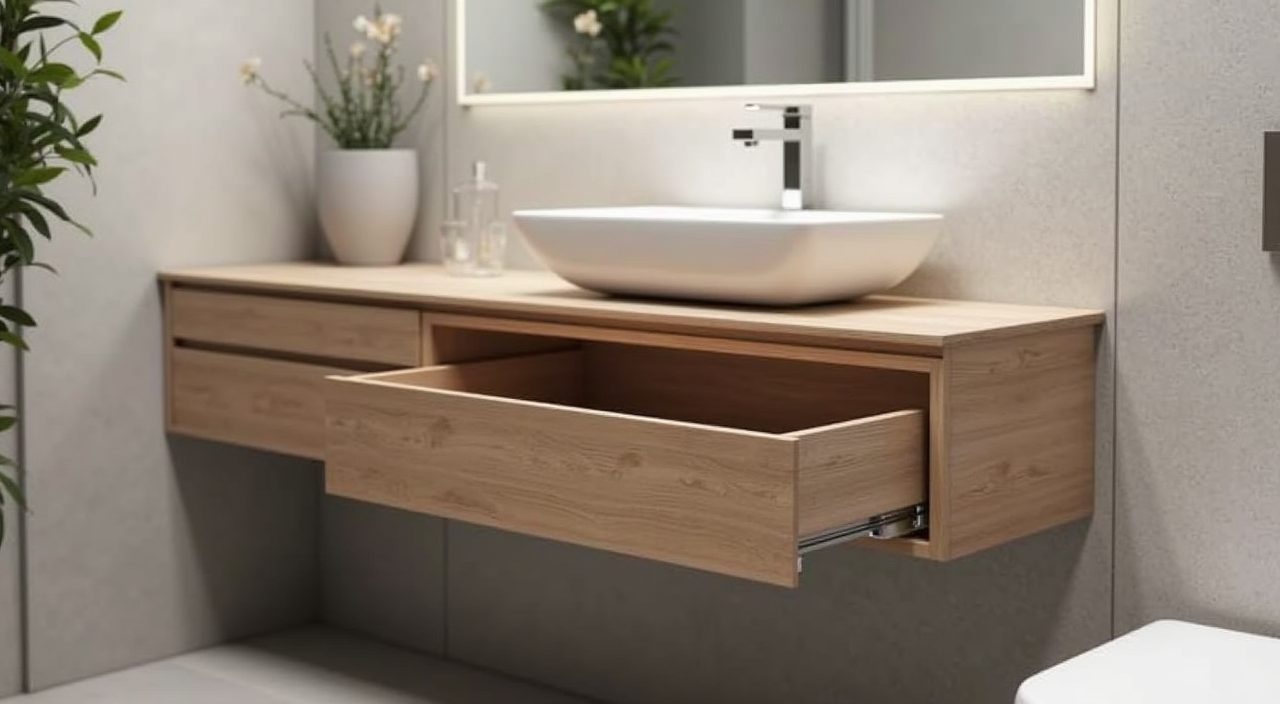
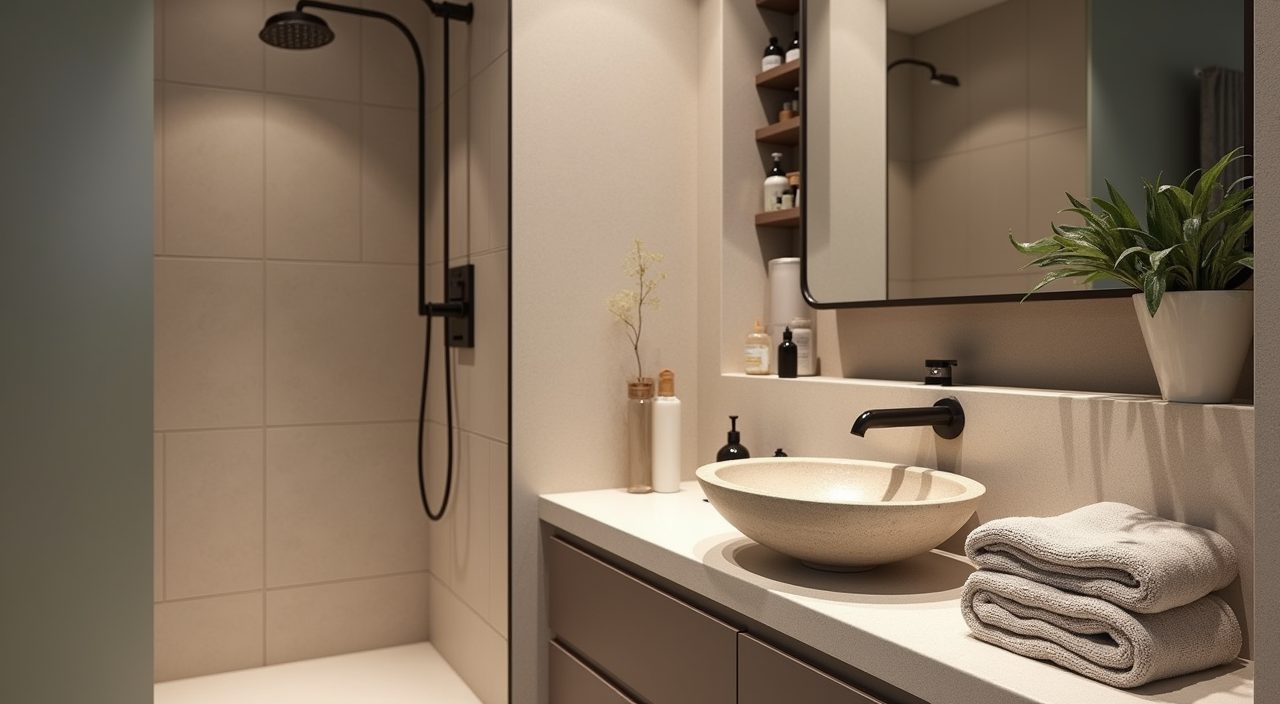
Landed bathrooms usually have room for a proper vanity, so use it, but specify materials that survive humidity. A wall hung vanity in moisture resistant ply or an aluminium or PVC carcass keeps the base off a wet floor, dries faster, and makes cleaning underneath easy. Avoid ordinary MDF carcasses in the wet zone; they swell at the edges within a couple of years.
Think about where things actually go. A tall mirror cabinet or a niche recessed into the shower wall keeps bottles off the floor, and a drawer near the basin beats deep cupboards for daily items. In a shared family bathroom, plan double the storage you think you need.
Layer the lighting instead of one ceiling downlight
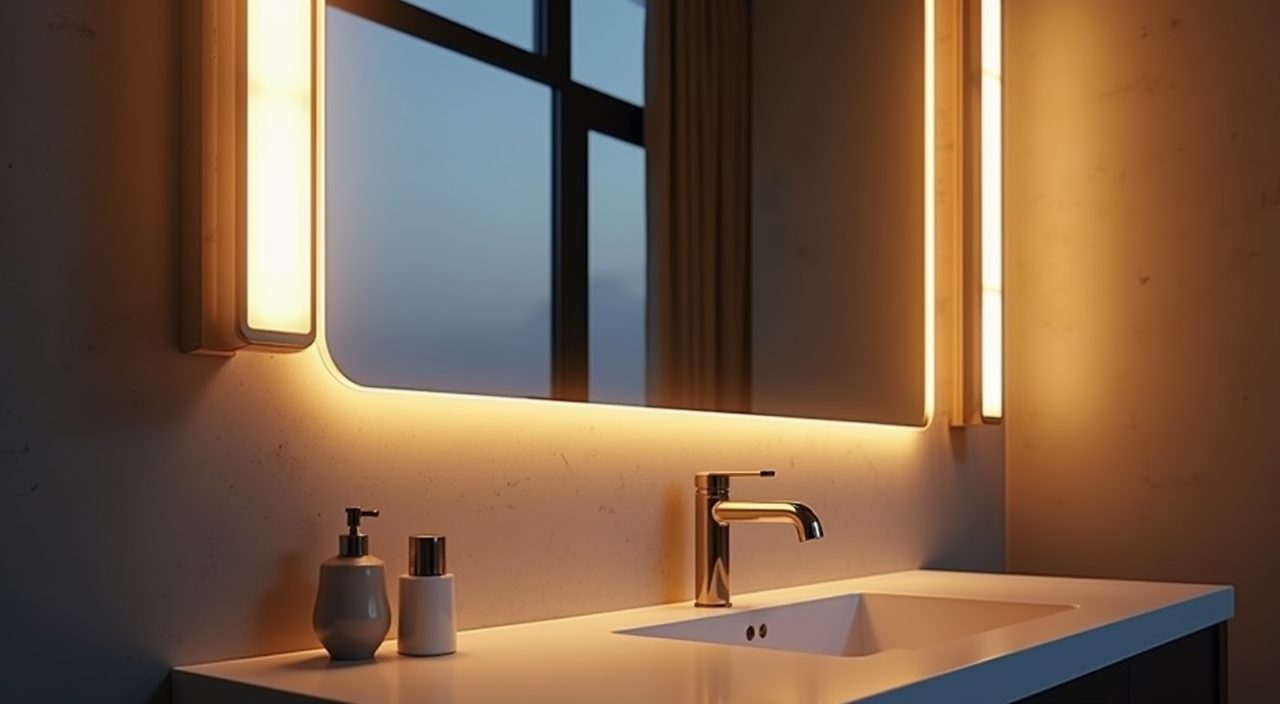
A single central downlight flattens the room and throws shadows onto your face at the mirror. Layer instead: general ceiling light for the room, a task light at the mirror (vertical strips beside it or a backlit mirror are more flattering than a light directly overhead), and a warm low level or shower light for evenings.
Use warm white around 2700K to 3000K for a calm feel, and make sure every fitting in or near the wet zone carries the right ingress protection rating for its position. A dimmer or a separate switch for the mirror light gives you a soft setting at night without lighting the whole room.
Borrow natural light and a view where the plan allows
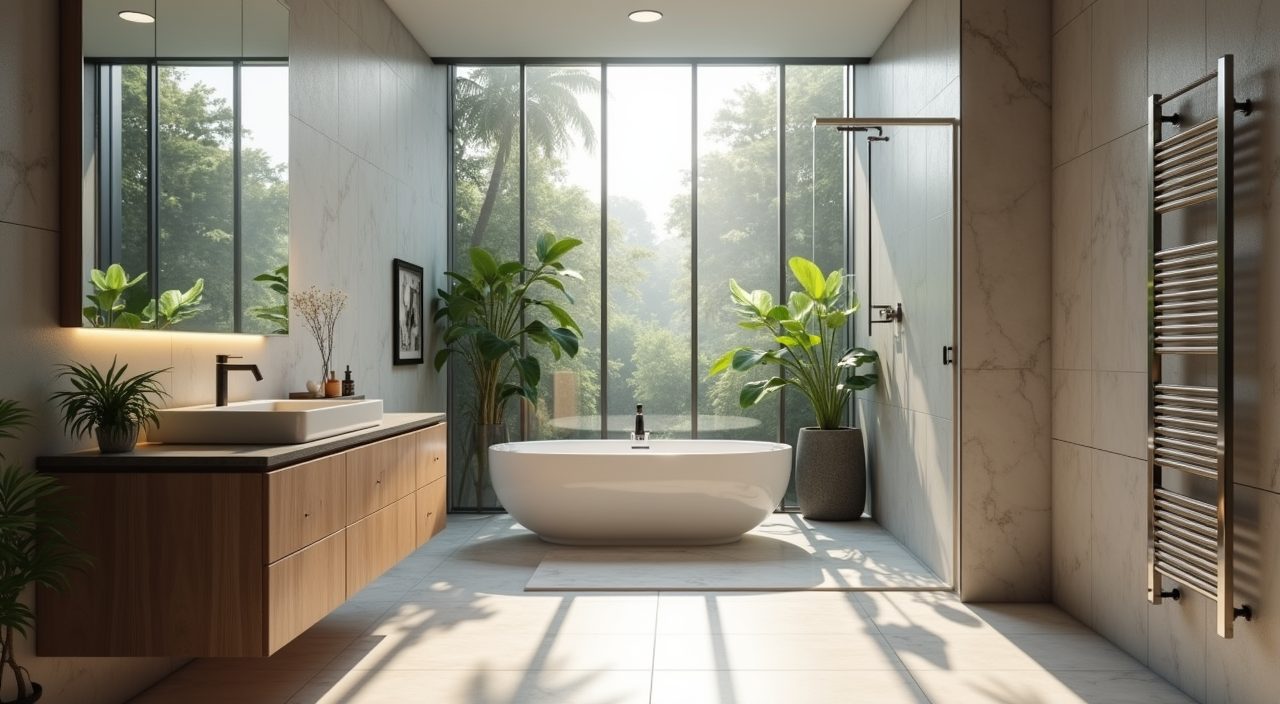
One real luxury of a landed home is that bathrooms can sit on an external wall or under the roof, so you can bring in daylight that apartment bathrooms never get. A frosted or reeded glass window, a high clerestory strip, or a skylight over the shower makes a small room feel open and helps dry it out between uses.
Where privacy is a concern, obscured glazing, planting outside the window, or a light well solves it without giving up the daylight. Even a modest strip of glazing near the ceiling changes how the room feels through the day.
Add one grounding natural material
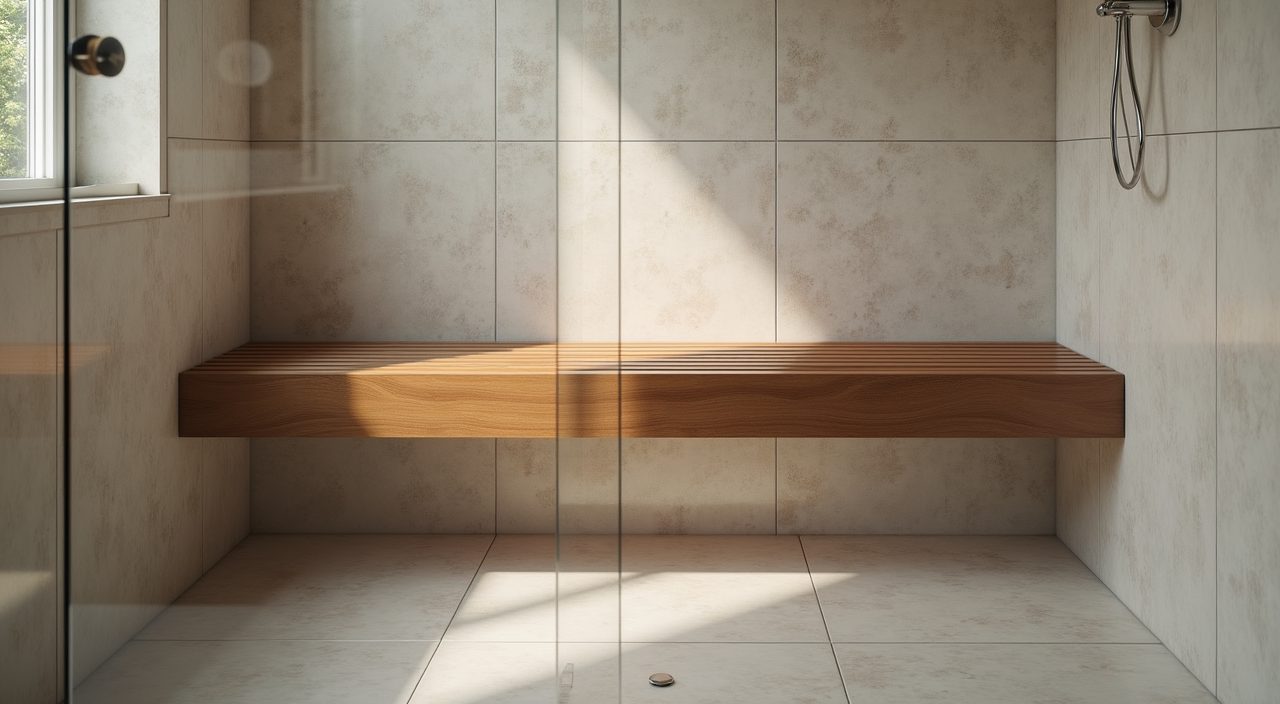
Bathrooms can feel cold and hard when every surface is tile and glass. A single natural element warms the whole room: a teak or accoya slatted bench in the shower, a stone basin, or timber look shelving that can cope with damp. These materials are chosen because they tolerate moisture, not just because they look good.
Keep it to one or two moves so the room stays calm and easy to clean. A grounding material reads as considered when it is restrained and cluttered when it is everywhere.
What to plan and budget for
Be honest that the finishes you see on Pinterest sit on top of unglamorous work: hacking, replumbing, re waterproofing, screeding, and tiling. In a Singapore landed home, budget for the hidden layers first, because a beautiful tile over failed waterproofing is money wasted. As a rough guide, a straightforward common bathroom refresh is a mid range spend, while a full gut and reconfigure of a master ensuite with premium tiles, glass, and custom joinery can run several times that. Get itemised quotes so you can see where the money goes and where you can trade down without regret. Because so much of the result depends on the waterproofing, falls, and plumbing being done correctly, a landed home bathroom design ideas renovation is worth handing to a contractor who does the wet works, electrical, and plumbing under one roof rather than coordinating trades yourself.
Frequently asked questions
How big is a typical landed home bathroom in Singapore? It varies a lot. A powder room near the entrance is often 3 to 4 sqm, a common family bathroom sits around 5 to 7 sqm, and a master ensuite in a decent terrace or semi detached can be 8 to 12 sqm or more, which is why layout and zoning decisions matter more here than in a tight apartment bathroom.
Do I need to redo the waterproofing when renovating an old landed bathroom? In almost every case yes. Waterproofing membranes age, and if you are hacking out old tiles you should re waterproof and re screed before tiling. Skipping it to save money is the most common cause of leaks that damage rooms below, so treat it as non negotiable.
What flooring is best for a humid, wet bathroom? Matte or textured porcelain for grip, with a smaller or mosaic tile on the shower floor so it drains well and stays slip resistant. Pair it with epoxy grout in the wettest zones to resist mould and staining from hard water.
Should the master bathroom have a bathtub? Only if you genuinely use one. In a landed home you often have the floor area for a tub, but many owners get more value from a larger walk in shower plus better storage. If you rarely soak, put the space and budget into the shower and vanity instead.