Small Bathroom Design Ideas to Maximise Space in Singapore
Practical small bathroom design ideas for Singapore HDB and condo homes: layouts, materials, storage and lighting that beat humidity and tight space.
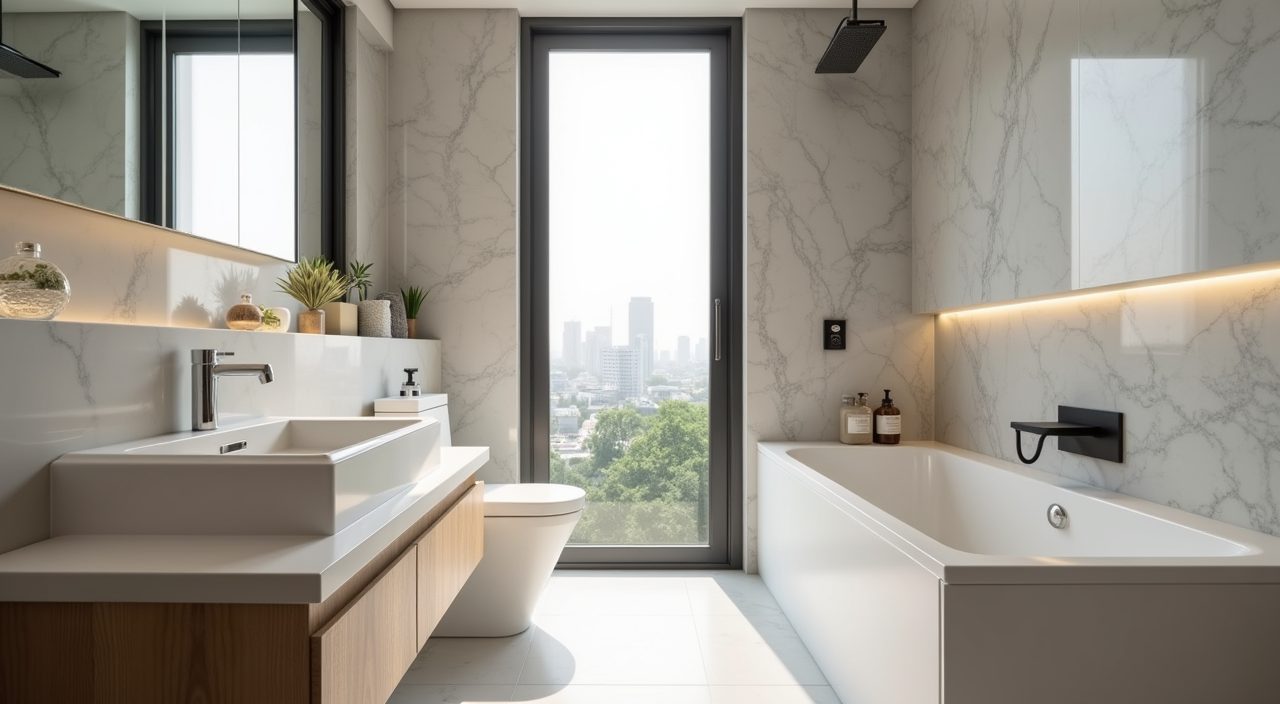
To make a small Singapore bathroom feel bigger, keep the layout wet and dry zoned, use large light coloured tiles with fewer grout lines, wall hang the vanity and toilet where the plumbing allows, and push storage up the walls instead of out into the floor. The goal is to free up visual floor area and keep every surface easy to dry in our humidity.
Most HDB common bathrooms run about 3 to 4 square metres, and condo shared baths are often similar. That is not a lot of room once you fit a shower, a WC and a basin, so the design has to earn every centimetre. Singapore also brings its own constraints: constant moisture, limited natural light in interior bathrooms, and HDB rules on hacking and waterproofing that shape what you can actually move.
Zone wet and dry, and skip the bulky shower kerb
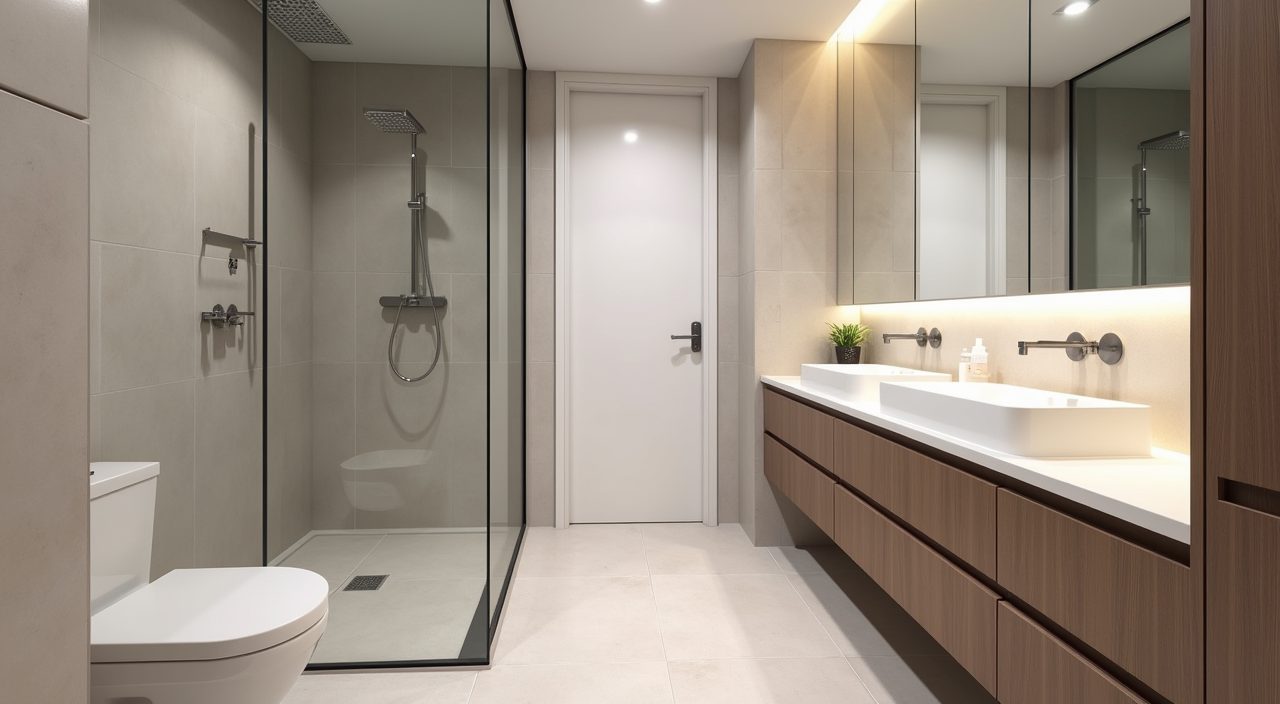
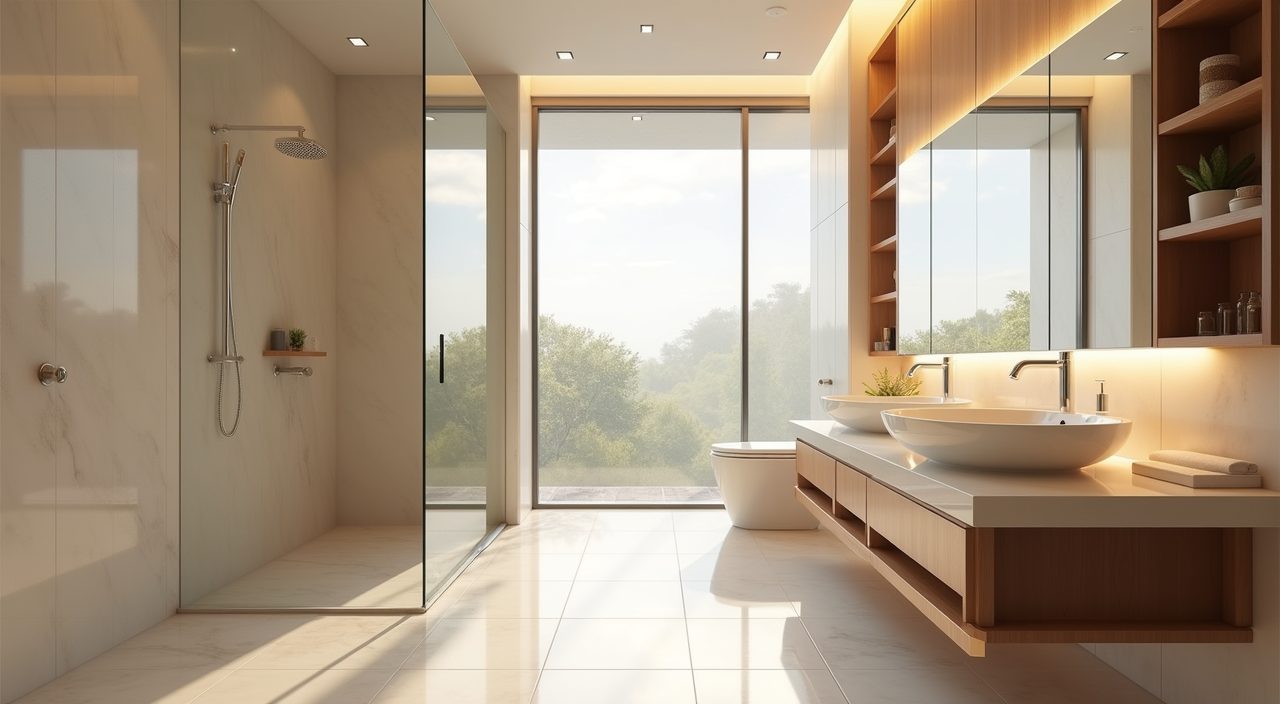
The single biggest win in a small Singapore bathroom is a clean wet and dry split. Put the shower at the far end behind a single fixed glass panel (a walk in screen) rather than a swinging door or a full enclosure, so the eye travels all the way to the back wall and the space reads longer. A frameless or slim black framed panel keeps sightlines open while still containing spray.
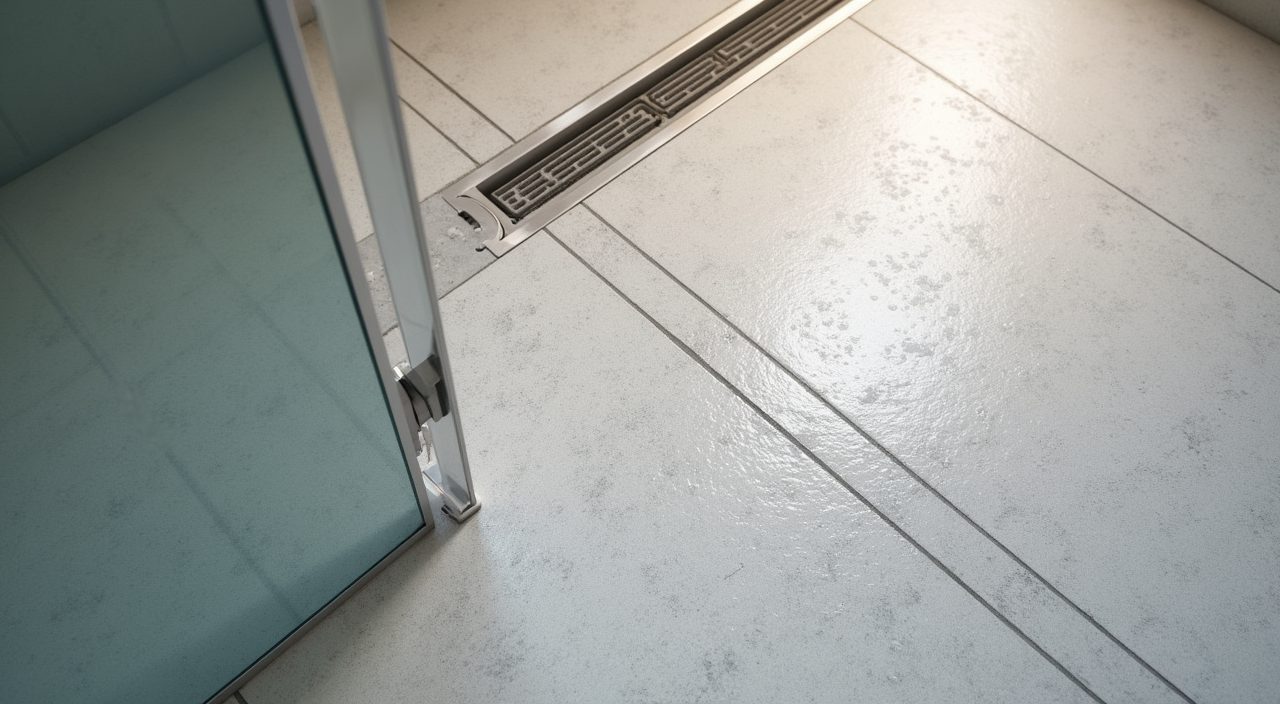
Where possible, go for a level or near level shower floor with a linear drain instead of a raised kerb and a shower tray. It looks seamless, it is safer, and it makes a tiny room feel like one continuous space. This depends on being able to set the floor falls correctly during waterproofing, so it is a wet works item to confirm early, not an afterthought.
Wall hang the vanity and the WC to show more floor
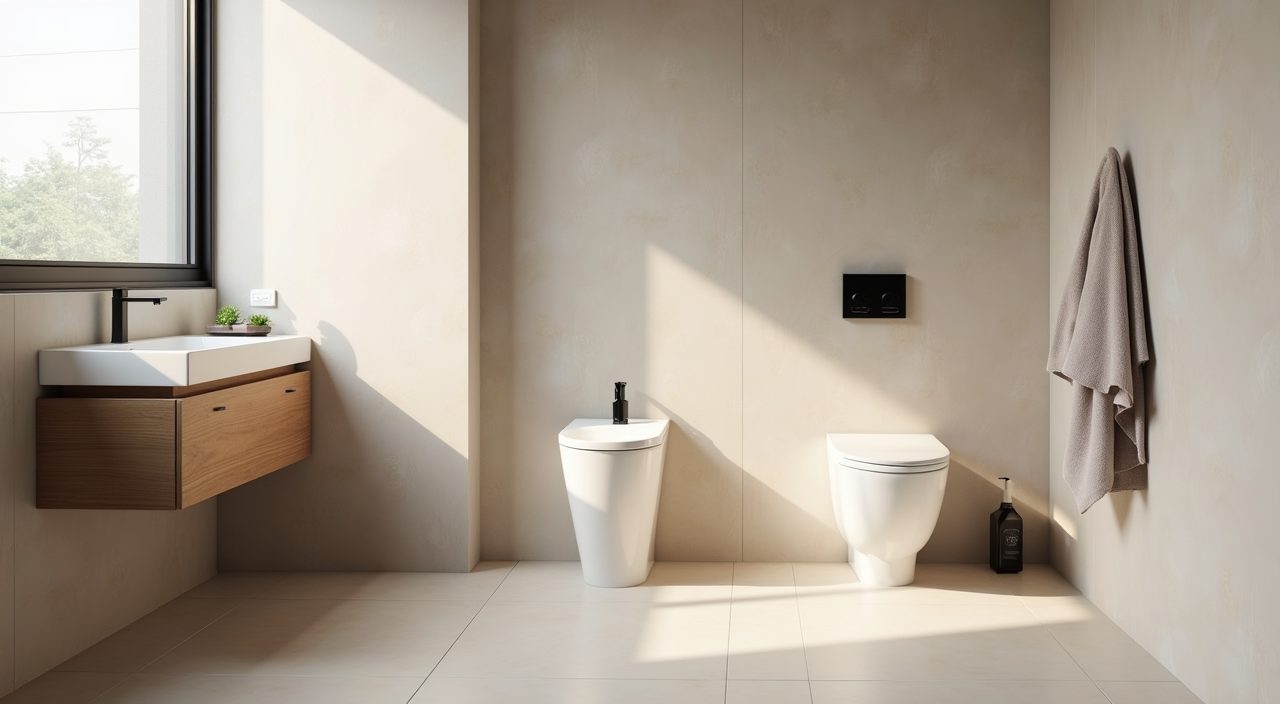
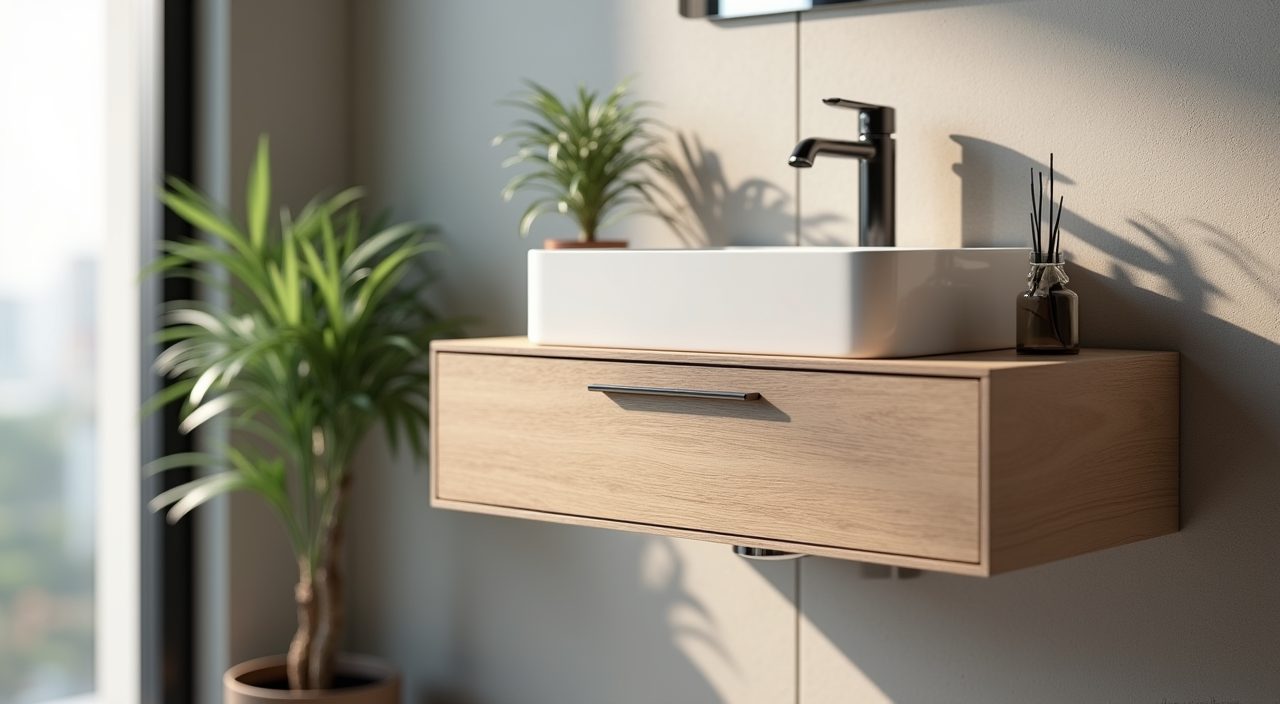
Floor mounted cabinets and a floor standing toilet visually anchor and shrink a room. A wall hung vanity with a gap of open floor beneath it does the opposite: you see tile running under it, and the bathroom feels airier. It also makes mopping and drying under the unit far easier, which matters here because trapped damp is where mould starts.
A wall hung WC with a concealed cistern is the cleaner look, but it needs an in wall frame and enough wall depth, so it suits condos and BTO layouts better than tight resale walls. If concealed carpentry is out of budget, even a compact close coupled toilet with a slim tank helps. Confirm any WC relocation with your contractor, since moving the soil pipe is a real plumbing job, not a swap.
Use large, light tiles and minimise grout lines
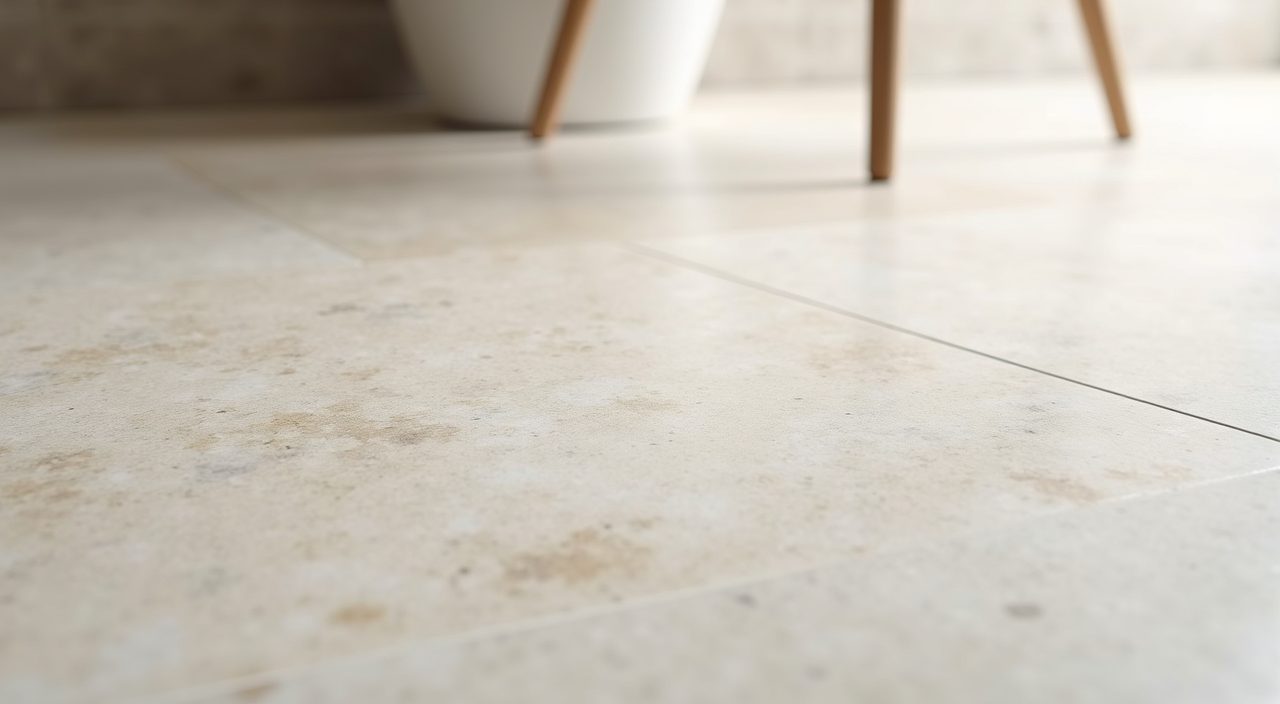
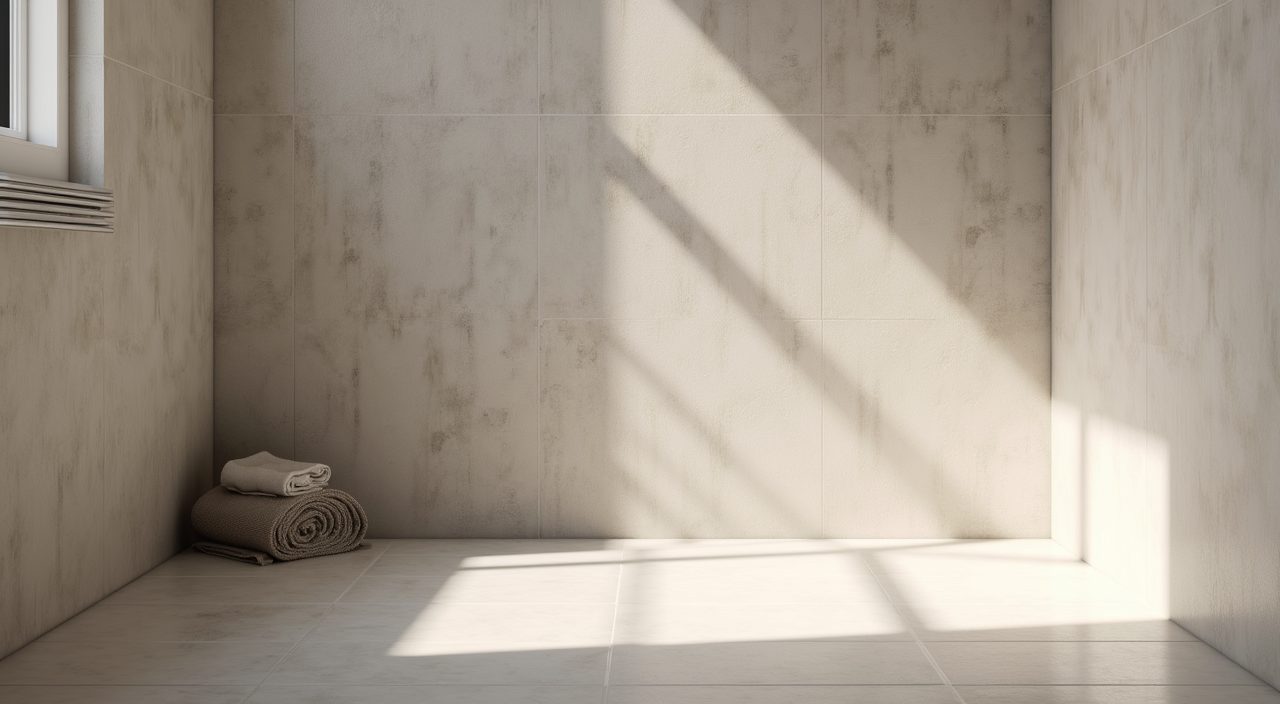
Small tiles and dark grout chop a little room into a grid and make it feel busier and tighter. Larger format tiles (for example 300 by 600mm or 600 by 600mm) with fewer joints do the reverse, giving calmer, more continuous surfaces. Light, warm neutrals such as off white, greige, soft sand or pale stone effect bounce what little light you have and keep the room bright.
Carrying the same or a similar tile from floor to walls, and even into the shower zone, removes visual breaks and tricks the eye into reading more space. If you want contrast or personality, add it in one controlled spot rather than everywhere.
- Match grout colour closely to the tile to soften the joint grid.
- Save a bolder feature tile for a single wall or the shower niche, not the whole room.
- Choose a matt or lightly textured floor tile for grip, since wet Singapore bathrooms get slippery.
Build storage up the wall, not out into the floor
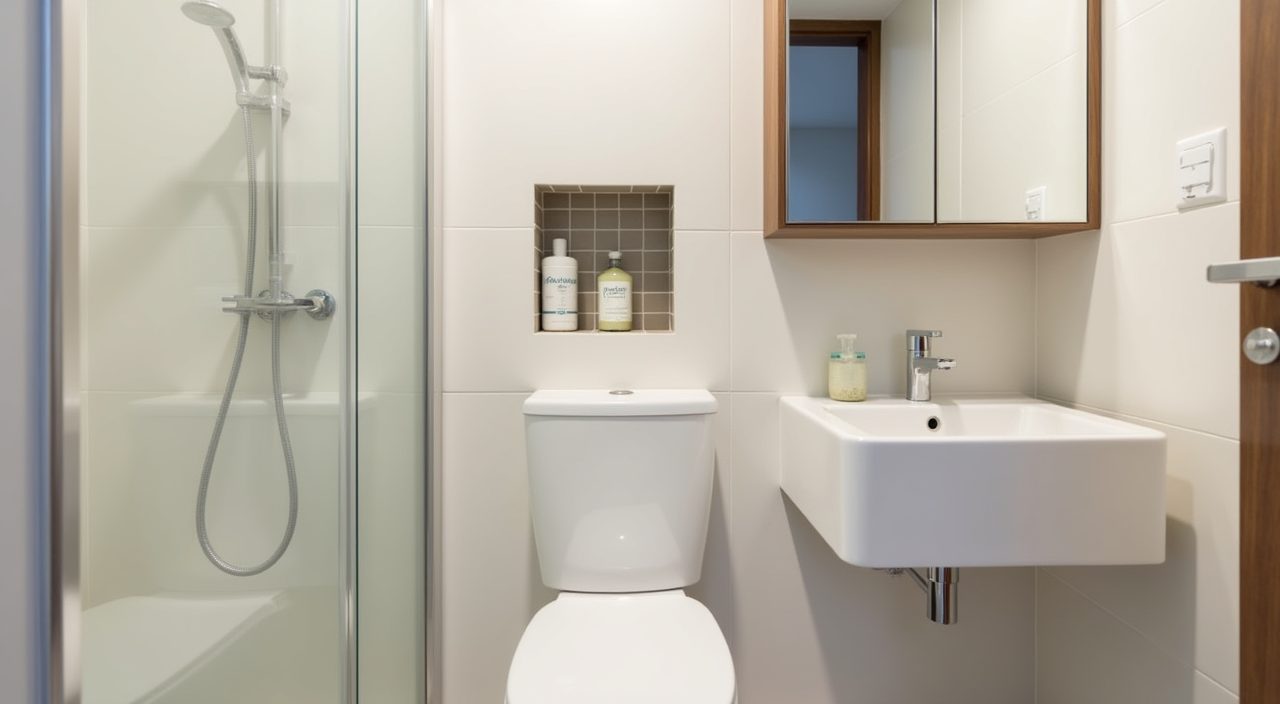
In a small bathroom, horizontal surfaces are precious and floor space is king, so storage should go vertical. A mirror cabinet above the basin hides toiletries at eye level and doubles as your mirror, doing two jobs in one footprint. Above the WC, a slim wall cabinet or open shelf uses dead space that is otherwise wasted.
Recessed niches are the quiet hero here. A niche set into the shower wall holds shampoo and soap without a single protruding rack, and because it sits inside the wall cavity it costs zero floor or elbow room. Plan niches during hacking and tiling, since they cannot be added neatly later.
Add a proper mirror to double the perceived space
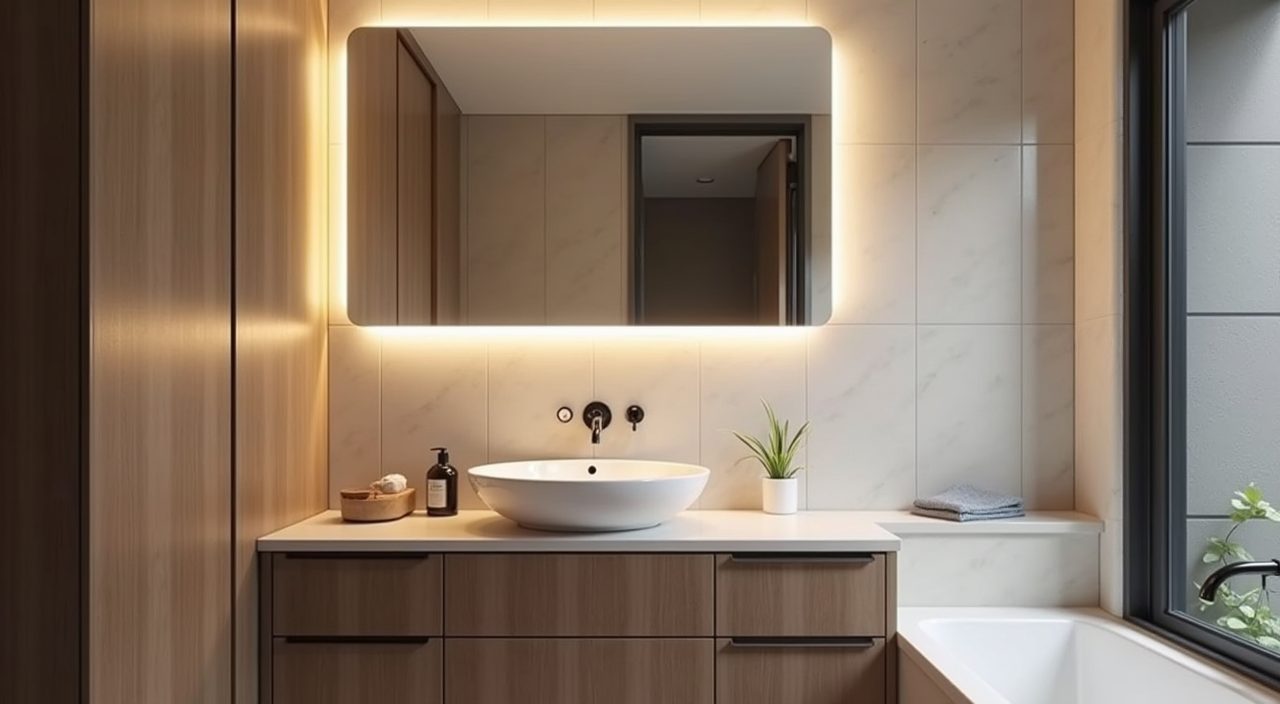
A generous mirror is the cheapest way to make a compact bathroom feel twice as big. Run it as wide as the wall above the vanity allows, or go for a large frameless mirror that reflects the tile and any light source back into the room. In interior HDB bathrooms with no window, this reflected light does real work.
A backlit or LED edge mirror adds soft ambient light and a modern feel, and it keeps the wall clear of a separate light fitting. If you fit a mirror cabinet, choose one with the LED and demister built in so the mirror stays usable after a hot shower in our climate.
Light it in layers and fight the humidity
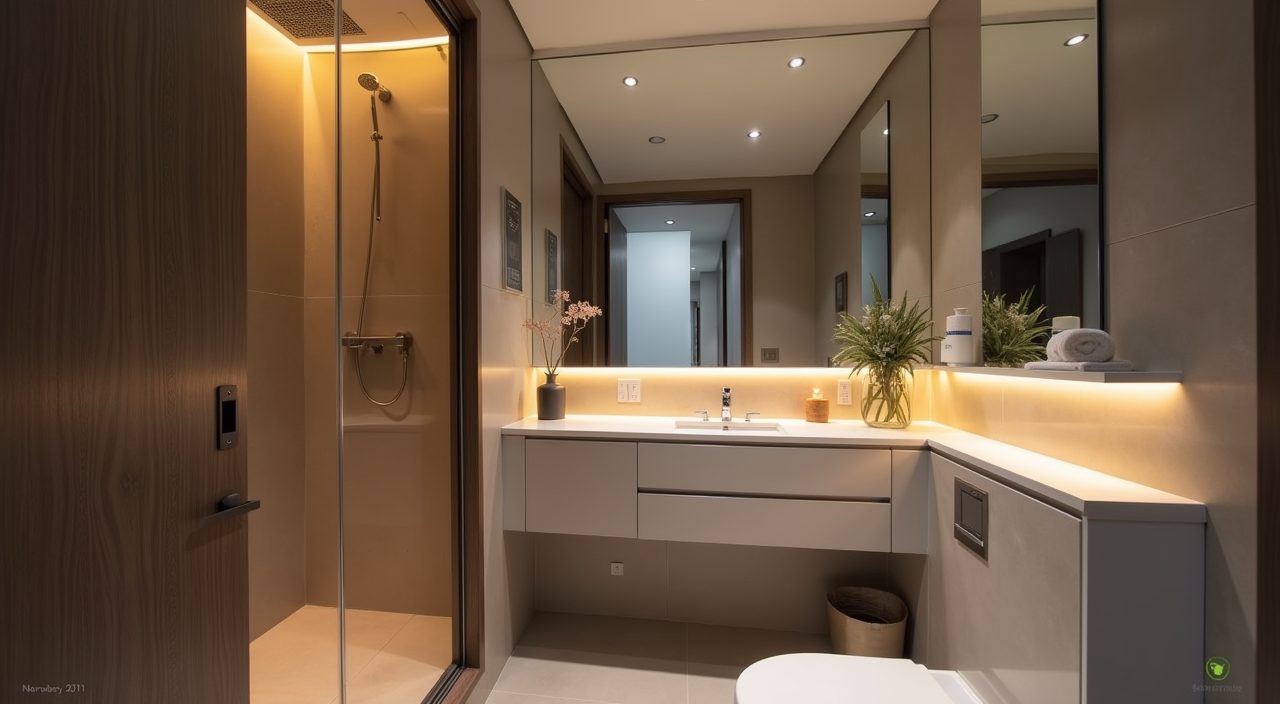
One ceiling downlight in the middle leaves the corners gloomy and the room feeling smaller. Layer your lighting instead: bright, cool enough general light from the ceiling, plus task light at the mirror so faces are lit evenly, plus a warmer accent if there is a niche or a feature wall. Good vanity lighting is the difference between a bathroom that feels considered and one that feels like a cupboard.
Because Singapore bathrooms sit in constant moisture, ventilation is part of the lighting and electrical plan, not a separate detail. A decent exhaust fan or a mechanical ventilation point clears steam so mirrors, paint and silicone last longer. Any new fan, heater, or LED mirror is electrical work that should be done properly and safely, not improvised.
- Use damp rated or IP rated fittings in and near the shower zone.
- Add a mirror or vanity light so you are not lit only from behind.
- Make sure the exhaust point actually vents the steam, not just recirculates it.
Choose slim, wall mounted fittings and hidden hardware
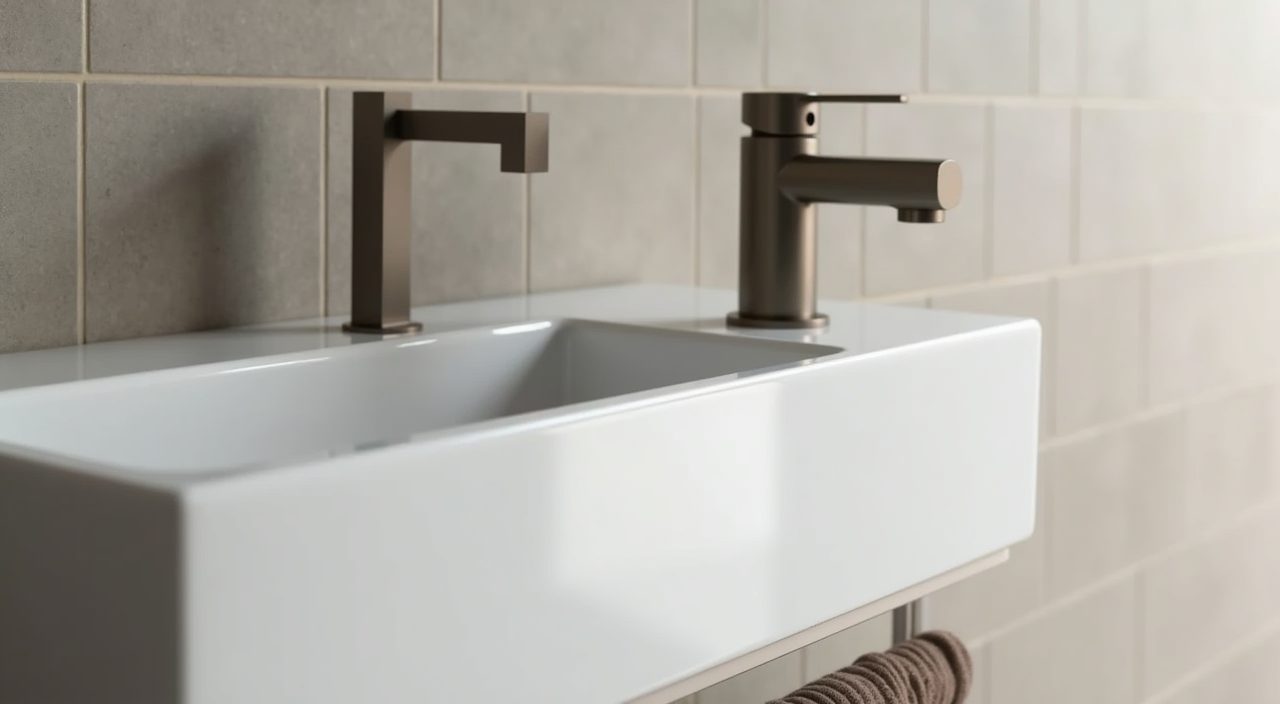
Fittings scale a room. A slim single lever mixer, a compact basin, and a wall mounted tap free up the counter and the visual clutter that makes small bathrooms feel cramped. A rain shower or slim handheld on a rail reads cleaner than a bulky multi function shower column.
Keep hardware restrained and consistent. Recessed or wall mounted towel bars, a hidden paper holder, and matching finishes across the taps and accessories give a calm, uncluttered look that photographs and lives bigger than the actual square metres.
Pick moisture proof materials that survive our climate
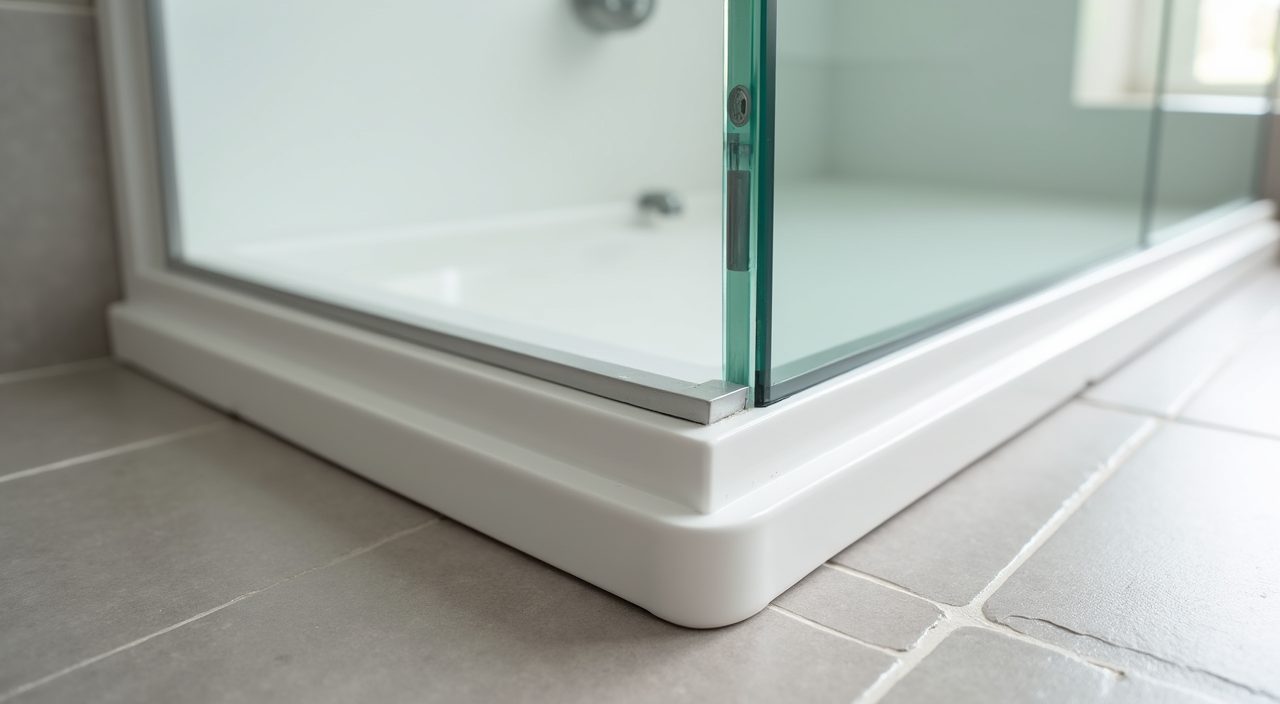
Singapore humidity is relentless, so every material choice should assume constant damp. Porcelain and ceramic tiles, tempered glass, stainless or quality coated hardware, and moisture resistant vanity carcasses (aluminium, PVC, or well sealed marine ply) last far longer than pretty but fragile finishes. Cheap MDF vanities swell and bubble within a couple of years in a wet bathroom.
Waterproofing is the invisible material that matters most. A proper waterproofing membrane under the tiles, correct floor falls to the drain, and clean silicone joints are what keep water out of your walls and out of the unit below you. This is not where to cut corners, and in HDB flats it is closely tied to the rules on wet works.
What to plan and budget for
A small bathroom is deceptively involved because so much happens in a tight space: hacking, waterproofing, tiling, plumbing, electrical and fitting installation all stack up. Budget for the wet works and waterproofing first, since redoing them later means tearing out finished tiles. Relocating the WC or basin, going for a level entry shower, or adding concealed cisterns and in wall niches all add cost, so decide early which of these you truly want. Fittings and tiles span a wide range, so it helps to set a rough allowance per item rather than chasing the cheapest of everything and paying again when it fails. If you are planning a small bathroom design ideas singapore renovation, it is worth getting a contractor who handles the renovation, plumbing and electrical together to quote and sequence the works, so the waterproofing, drainage falls, ventilation and lighting are all coordinated instead of clashing on site.
Frequently asked questions
How small is too small for a walk in shower in an HDB bathroom? Most HDB common bathrooms can take a walk in shower with a single fixed glass panel, even at around 3 to 4 square metres, as long as the wet zone is planned at one end and the floor falls drain properly. The panel contains spray without the bulk of a full enclosure, so you rarely need a swinging door.
Can I move the toilet or basin to a better position? Sometimes, but it is real plumbing work, not a quick swap, because it means rerouting the soil or waste pipe and getting the falls right. In HDB flats this counts as wet works and is subject to the rules and time limits, so confirm feasibility and permits with your contractor before you commit to a new layout.
What tile colour makes a small Singapore bathroom look biggest? Light, warm neutrals in a large format with grout matched close to the tile colour make the room feel most open, because they reflect light and reduce the busy joint grid. Carrying one tile across floor and walls removes visual breaks and stretches the perceived space.
How do I stop mould and damp in a small bathroom here? Combine good ventilation (a working exhaust fan), moisture proof materials, and a wall hung vanity and WC so surfaces dry quickly and you can clean underneath. Proper waterproofing and clean silicone joints stop water getting into walls in the first place, which is where most long term damp problems start.