Modern Luxury Kids Room Design Ideas for Singapore Homes
Modern luxury kids room ideas for Singapore HDB flats and condos: calm palettes, humidity-proof materials, smart storage and layered lighting that grows with the child.
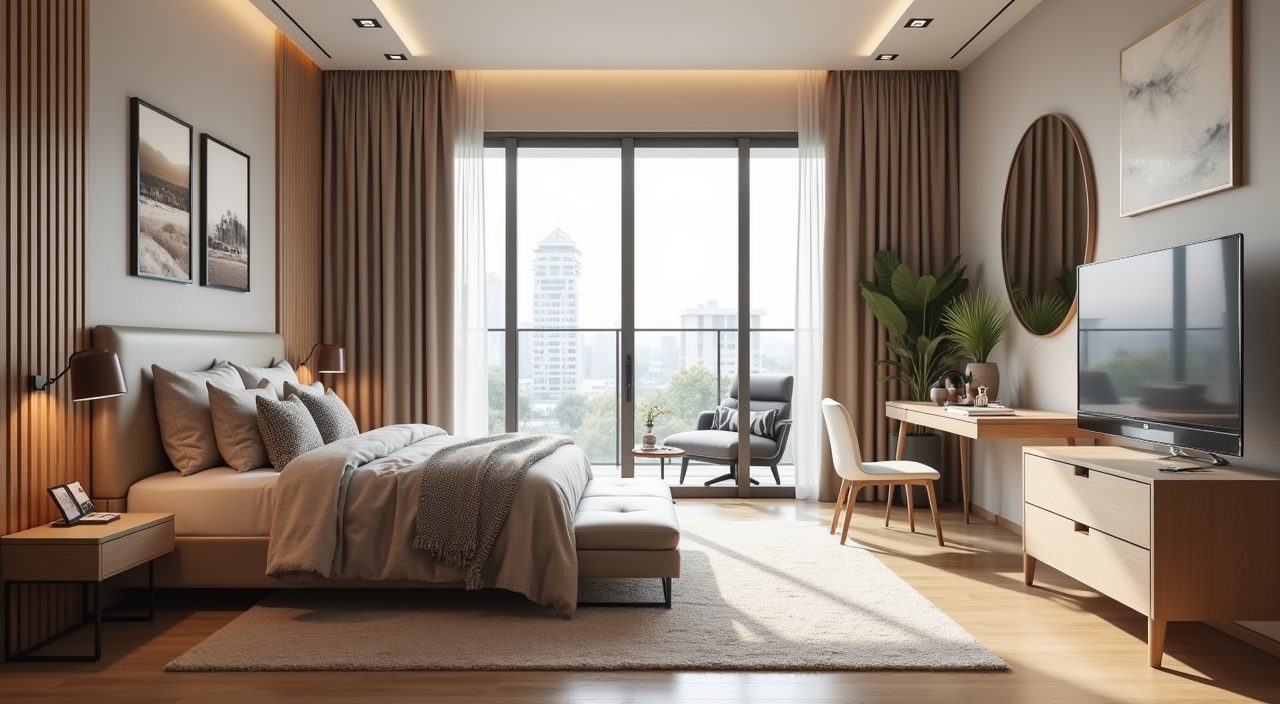
Design a modern luxury kids room in Singapore by starting with a calm, neutral base (warm white, soft greige, muted sage or dusty blue), then layering in quality materials like fluted wood, brushed brass and a soft wool rug so the room reads refined rather than loud. Keep the layout tight and multifunctional because most rooms are only 6 to 12 sqm, use built-in joinery to reclaim floor space, and plan lighting in three layers so the space works for play, study and sleep. Above all, choose finishes that handle our heat and humidity, and pick pieces that can grow with the child so you are not re-renovating in three years.
In a typical HDB flat, the common bedroom runs about 7 to 9 sqm and a condo kids room often sits in the 8 to 12 sqm range, so "luxury" here is about material quality and clever planning, not square footage. The tropical climate matters too: strong afternoon light through west-facing windows, year-round humidity, and the risk of mould behind furniture placed flush against external walls. The ideas below are built around those real constraints.
Start with a quiet, sophisticated palette
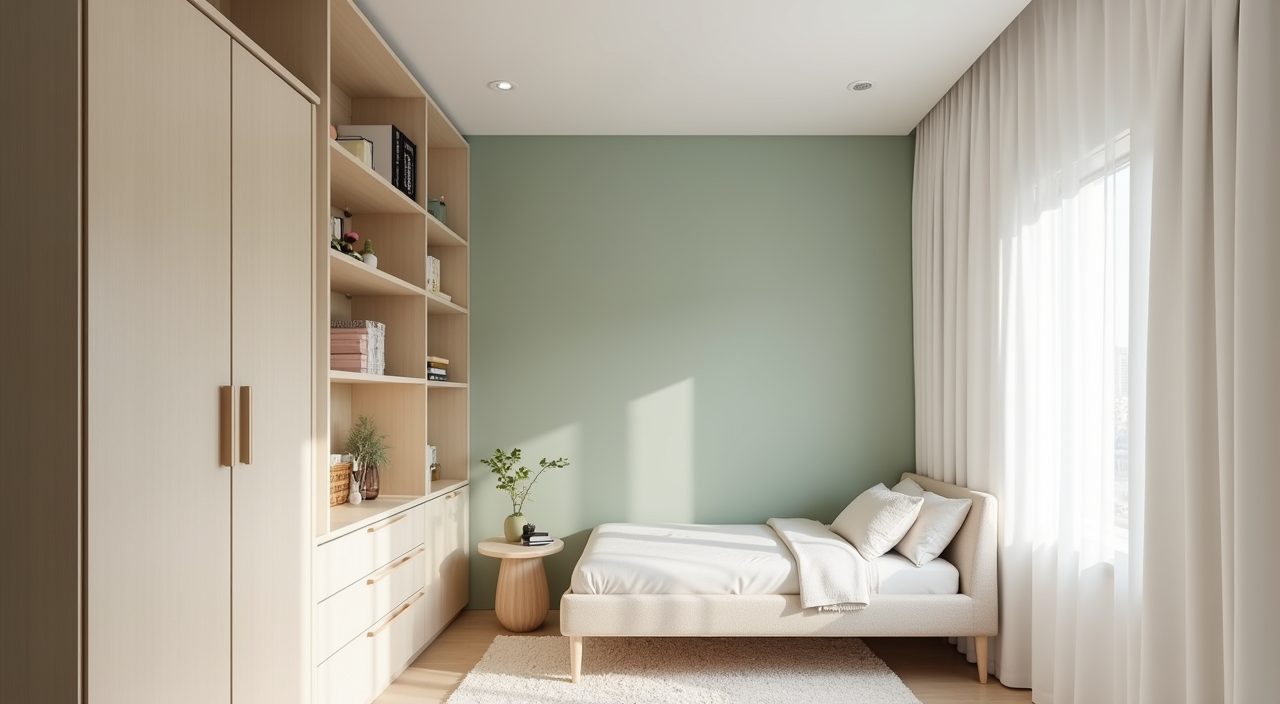
Modern luxury reads calm, not candy-coloured. Anchor the room in a warm neutral (off-white, oat, soft greige) across walls and large joinery, then bring personality through one or two muted accent tones such as sage green, terracotta, dusty blue or blush. This restraint is what makes a small Singapore room feel considered and expensive rather than busy, and it ages far better than a bright primary theme the child outgrows.
For accents that are hard to change later, like tiles or built-in carpentry, stay neutral and add colour through bedding, art, cushions and a rug you can swap cheaply. Matte finishes suit this look, but in a humid room a slightly washable matte or eggshell on the walls is more practical than a true flat paint.
Build in floor-to-ceiling joinery to win back space
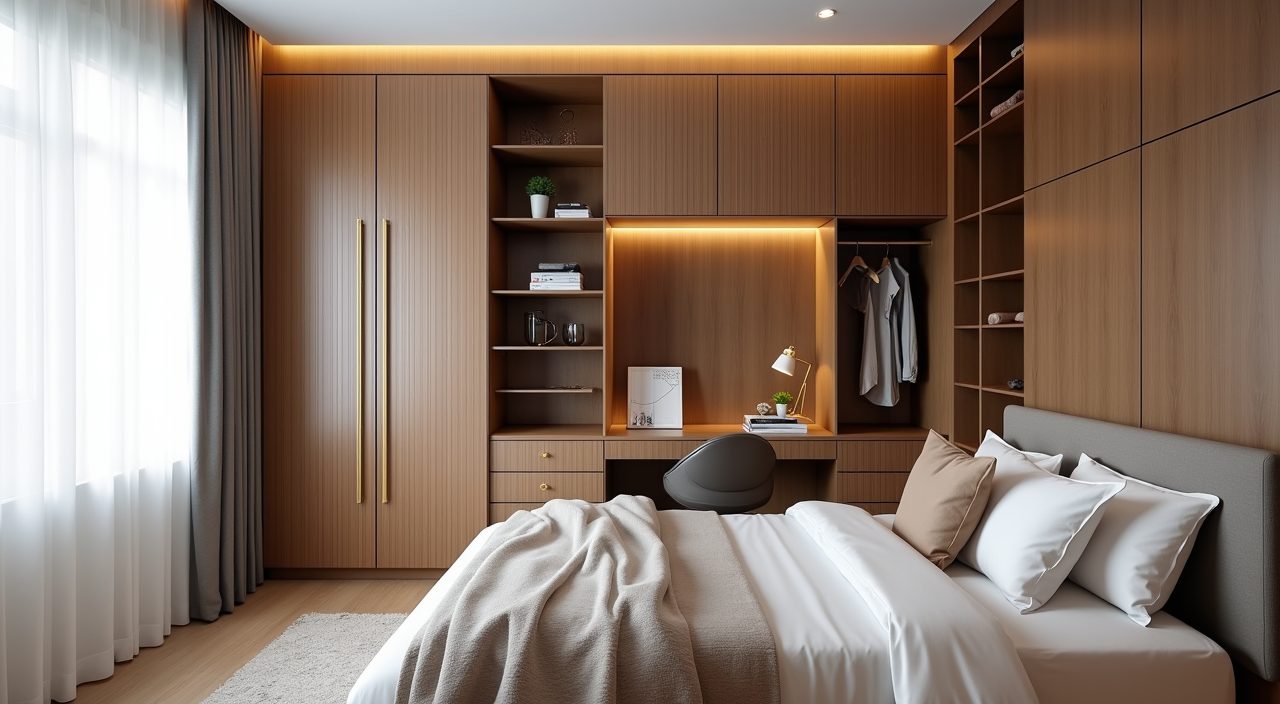
In a 7 to 9 sqm room, freestanding wardrobes and shelves eat the floor and collect dust on top. Custom floor-to-ceiling joinery along one wall gives you a wardrobe, open display, a desk return and hidden storage in a single clean run, which is the single biggest move for making a small room feel luxurious and uncluttered.
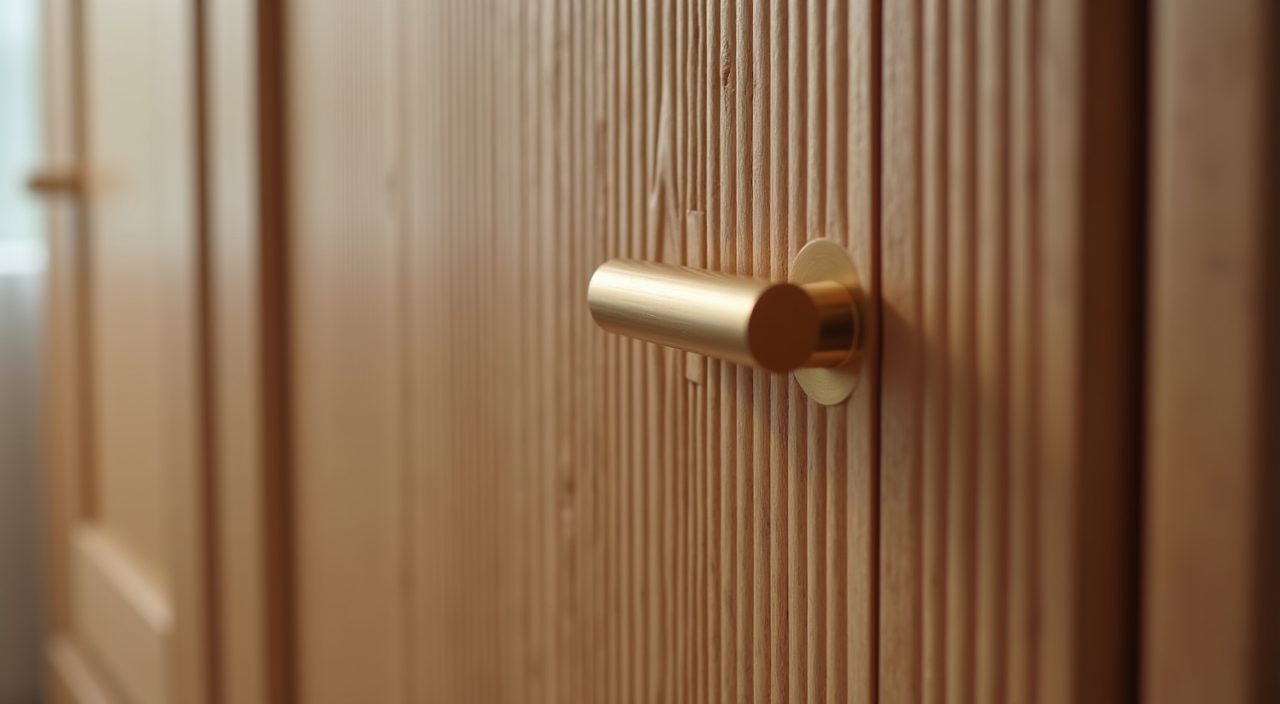
Fluted or reeded timber fronts, a slim brass or leather pull, and a mix of closed and open sections keep it from looking like a plain cabinet wall. Ask your contractor about carcass material carefully: in Singapore humidity, moisture-resistant plywood or HMR (high moisture resistance) board holds up far better than standard MDF, especially on the lower sections near the floor.
- Run joinery to the ceiling to avoid a dust-collecting gap and to visually raise the room.
- Specify moisture-resistant ply or HMR board for humidity, not standard MDF.
- Mix closed storage (toys, mess) with a little open display (books, a few objects) so it stays tidy but warm.
Choose a bed system that grows with the child
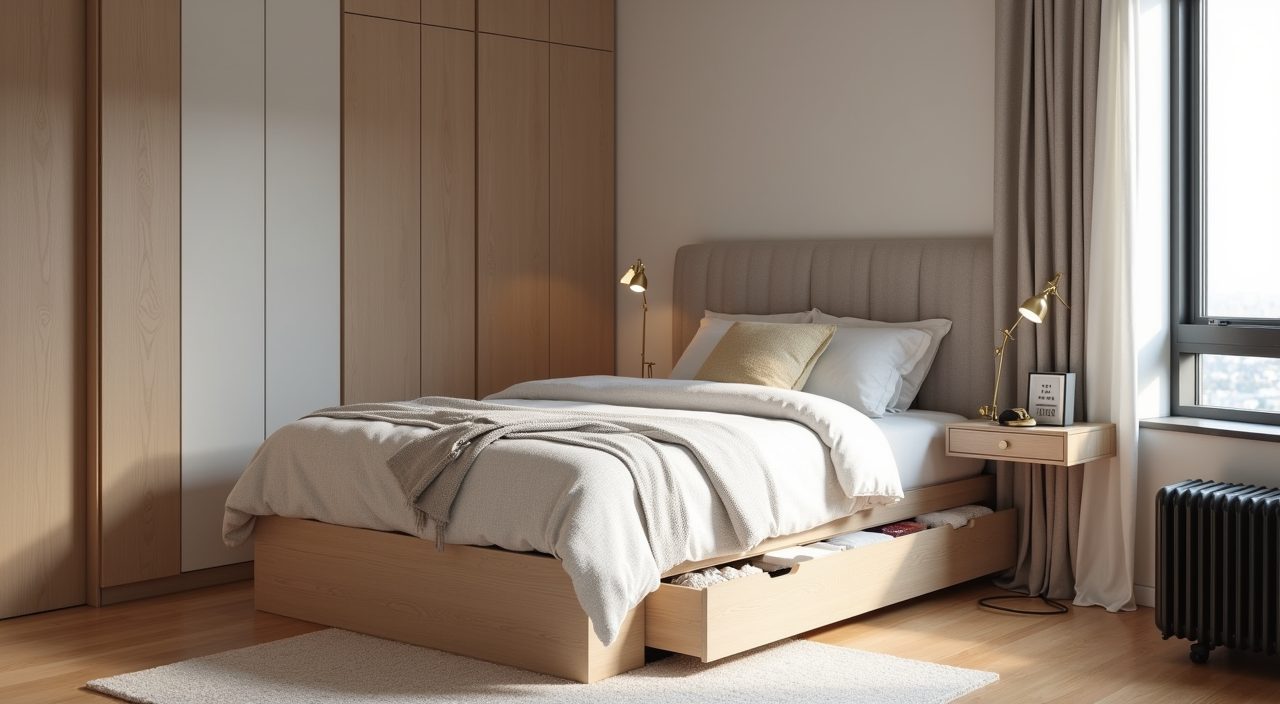
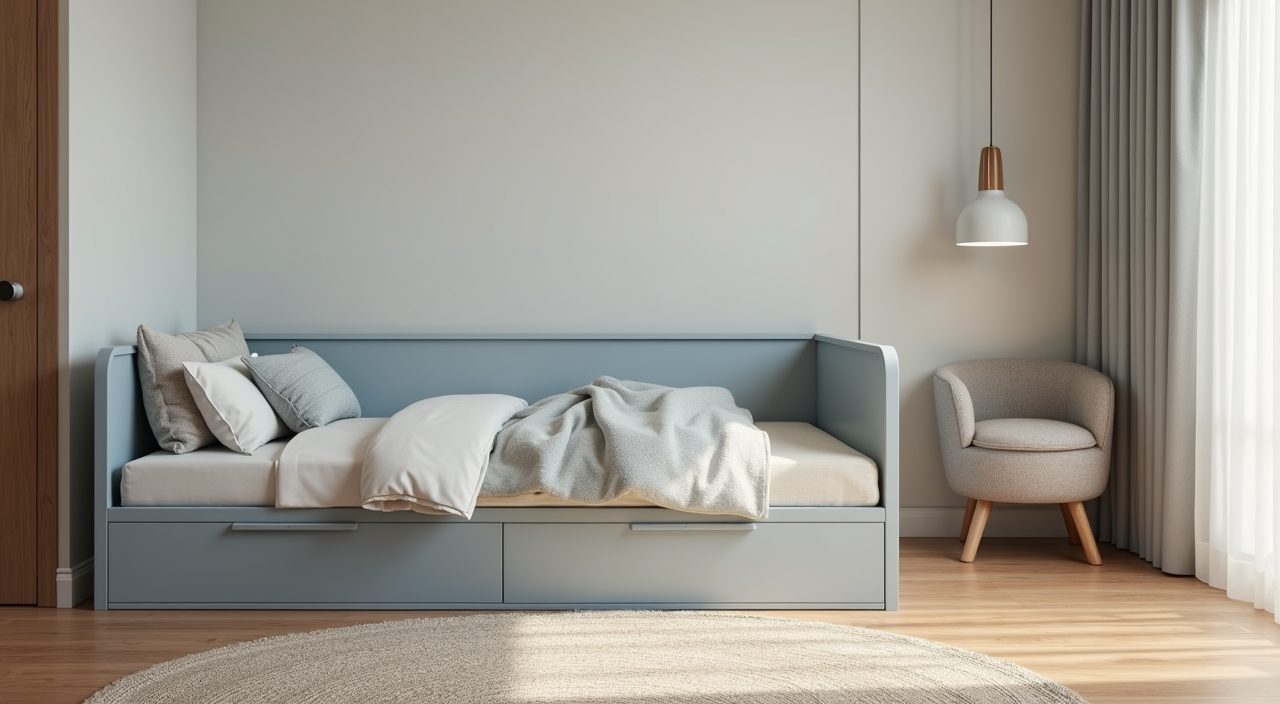
The luxury move in a small room is buying once. A single bed with a full-height headboard in bouclé or upholstered fabric looks grown-up and lasts into the teen years, while a well-made loft or storage bed frees the floor beneath for a desk, reading nook or extra drawers. Avoid heavily themed beds (car frames, castle shapes) that date quickly and are hard to resell.
If you are planning for two children or future flexibility, a bunk with a solid ladder and a proper guard rail is sensible, but insist on quality joints and a sturdy frame. For toddlers, a low platform bed keeps things safe and clean-lined, and you can add a rail rather than committing to a cot-style frame you replace within two years.
Layer your lighting for play, study and sleep
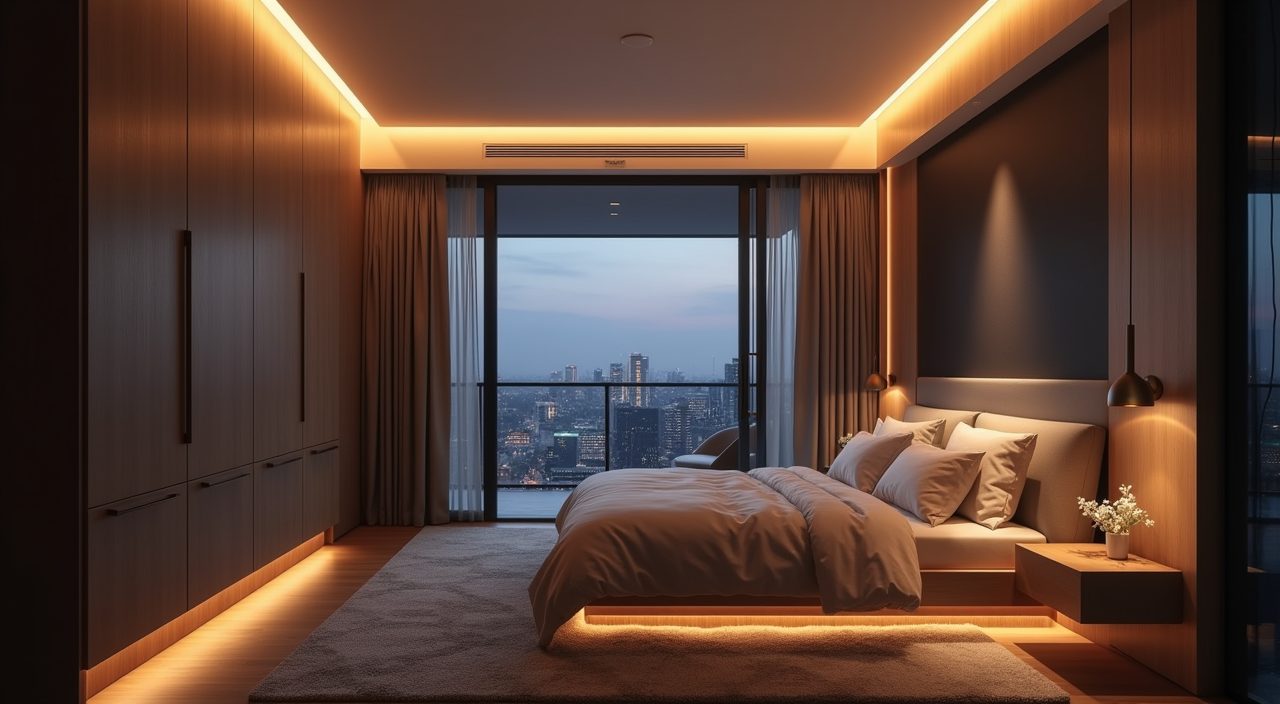
One ceiling light is the fastest way to make a room feel flat and institutional. Plan three layers instead: ambient (a recessed or slim ceiling fixture, ideally on a dimmer), task (a proper desk lamp and a bedside reading light), and soft accent lighting such as an LED strip tucked under a shelf or above the headboard for a calm night-time glow.
Colour temperature matters for kids. Use around 3000K to 4000K warm-neutral light for study and daytime, and keep a dimmable warm option (closer to 2700K) for the wind-down before bed. If you are already rewiring, add a couple of extra switched and USB points near the bed and desk now, because retrofitting power later means hacking finished walls.
Pick materials that survive heat, humidity and kids
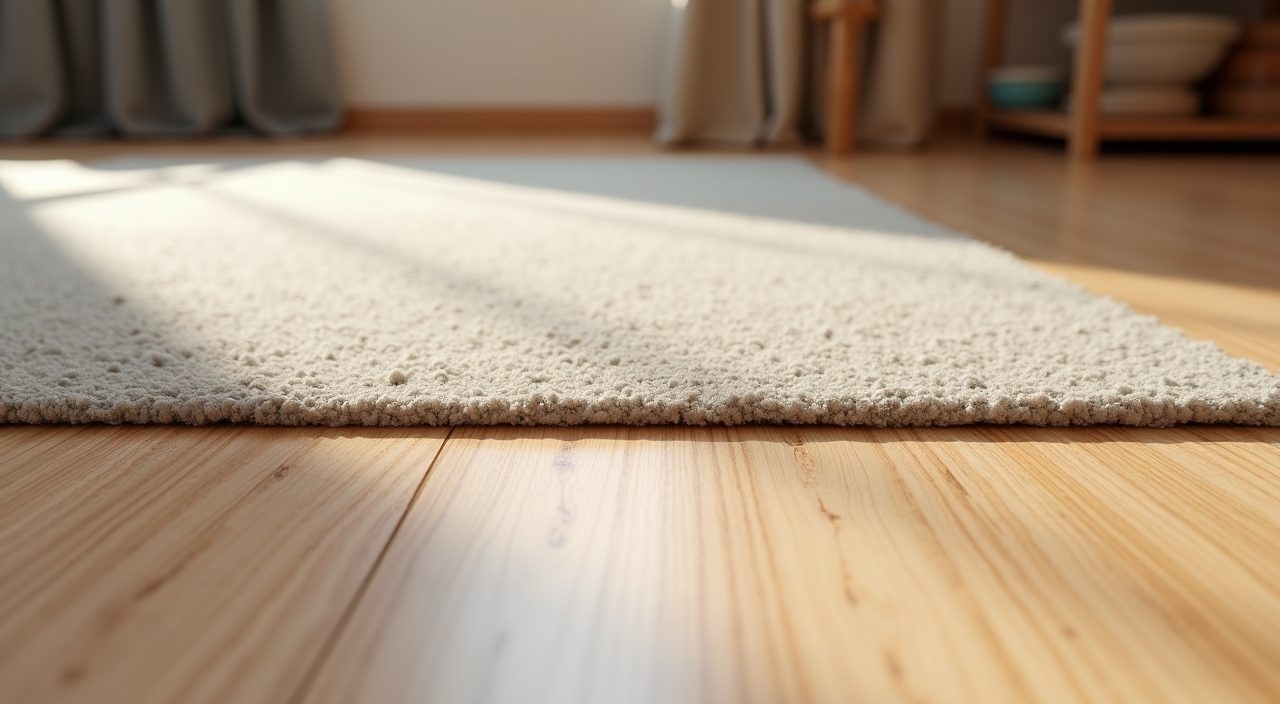
Modern luxury is really about tactile, hard-wearing materials rather than shiny plastic. Vinyl plank or good laminate flooring handles spills and our climate better than solid wood, and it is warmer underfoot and quieter than tile. On soft surfaces, a washable wool-blend or flatweave rug adds warmth and sound absorption while staying practical for a room that sees a lot of floor play.
Avoid pushing large furniture dead flush against an external or bay-window wall, since trapped air in a humid climate invites mould on the back panel. Leave a small gap for airflow, and favour performance fabrics and wipeable finishes on anything a child touches daily.
Carve out a dedicated study and reading zone
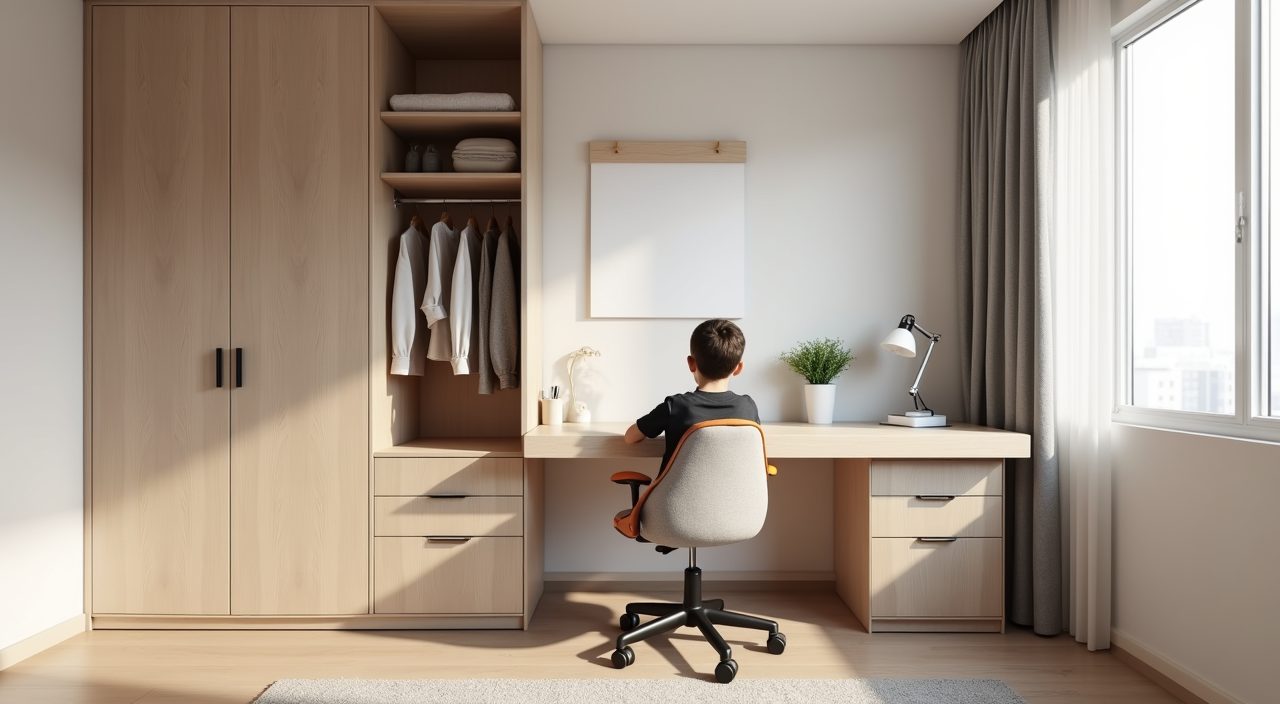
Even in a compact room, a defined desk zone signals a considered, upgraded space and supports focus as the child grows into school years. A built-in desk return off the wardrobe run saves space and looks seamless, paired with an ergonomic adjustable chair and a pin or magnetic strip for artwork so the wall stays clean.
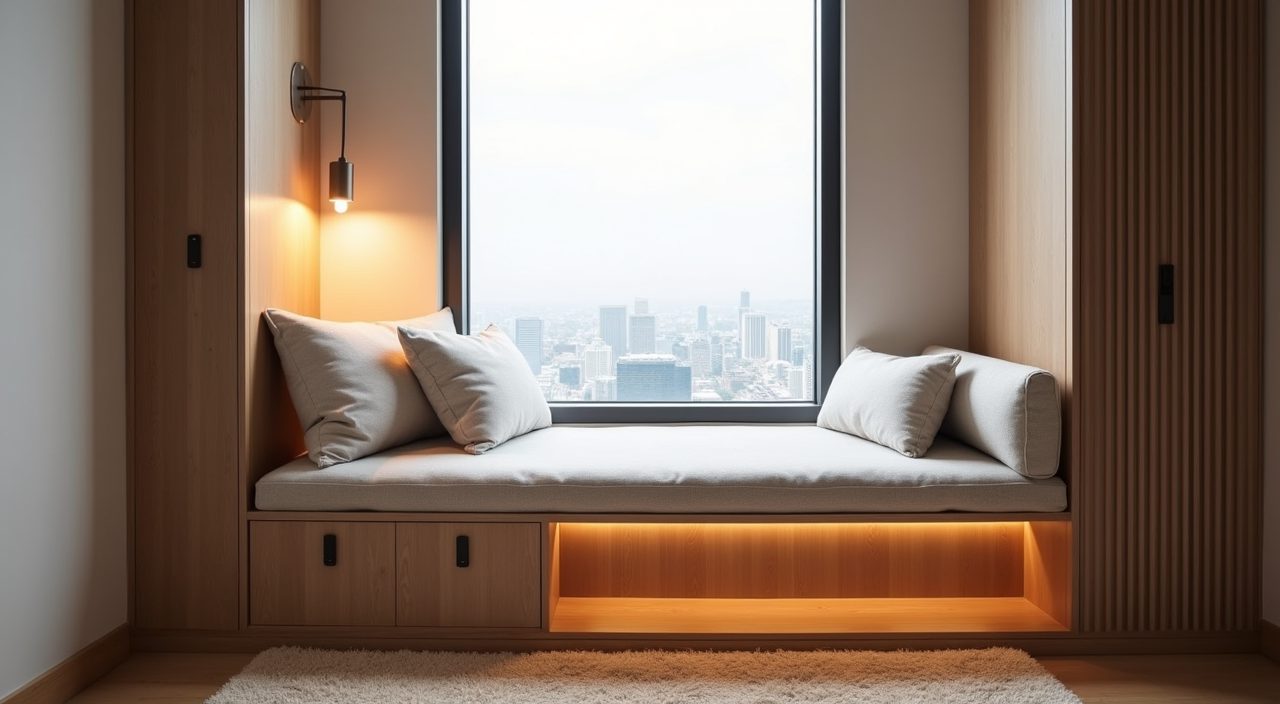
A small reading nook adds the boutique-hotel feel that reads as luxury: a padded window bench with hidden storage below, a soft wall light, and a couple of cushions. Window seats work especially well in condo units with deeper sills or bay windows, and they turn otherwise dead space into the room's favourite spot.
Use full-height curtains and manage the tropical light
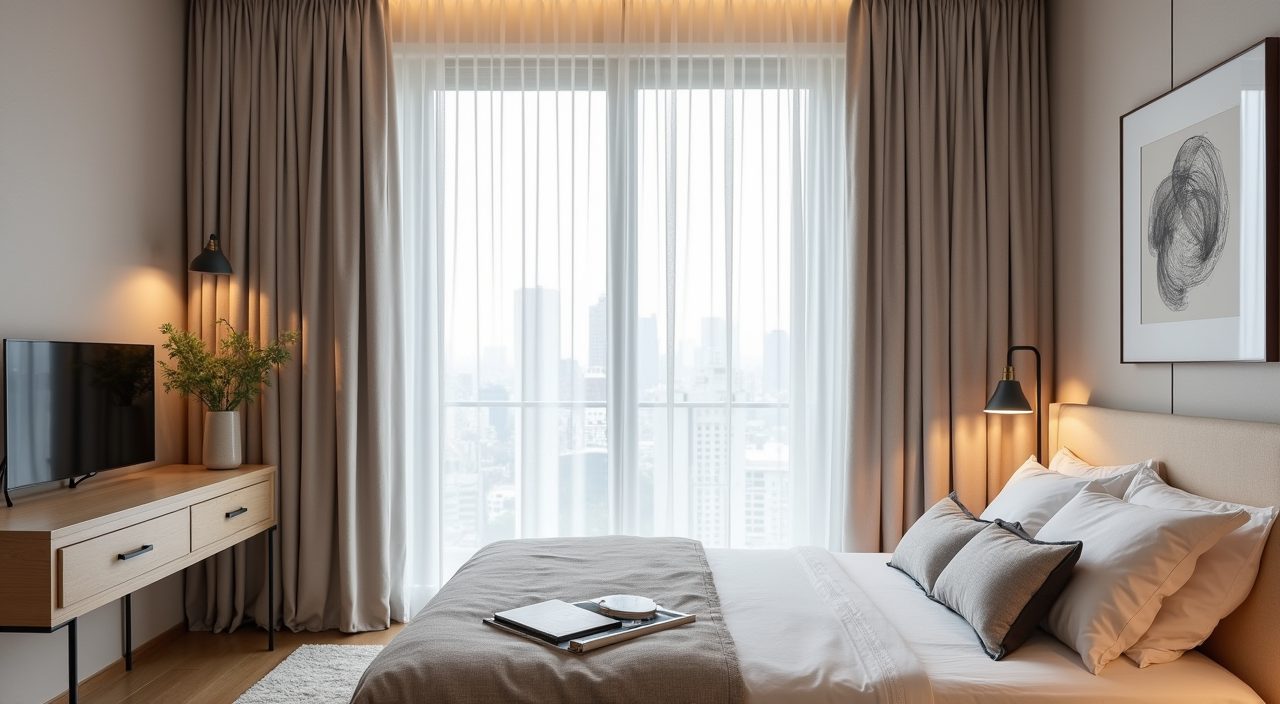
Curtains that hang from just below the ceiling to the floor make any HDB or condo room feel taller and more finished, and they are one of the cheapest ways to add softness and a hint of luxury. For a kids room facing strong afternoon sun, pair a light day curtain with proper blackout so naps and early bedtimes actually work in our long, bright evenings.
In muted linen-look fabric, floor-length curtains reinforce the calm palette while cutting glare and heat gain on west-facing windows. Motorised or top-down blinds are a nice-to-have if the budget allows, but a good blackout track does most of the heavy lifting.
Add warmth with texture, art and a few real objects
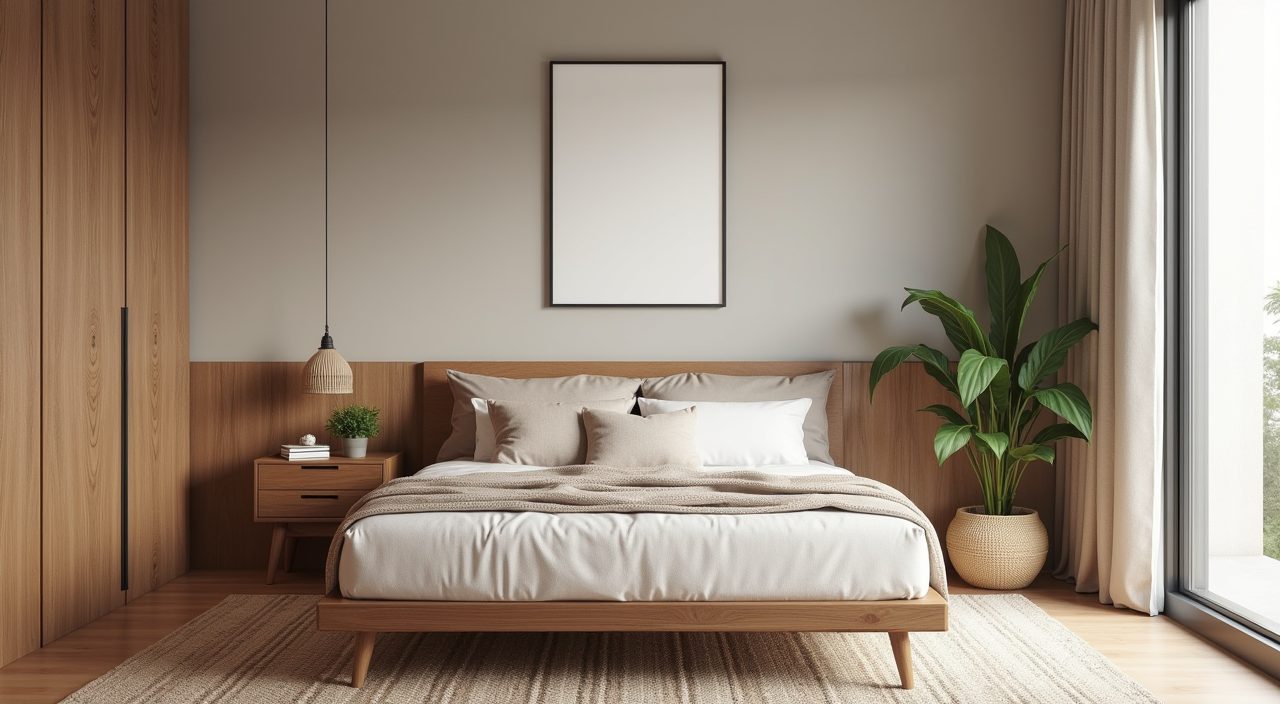
Because the palette is restrained, texture is what stops the room feeling cold. Layer bouclé, linen, rattan, a wool rug and a warm timber tone so surfaces feel rich to the eye and hand. A single large piece of framed art above the bed reads more grown-up and intentional than lots of small posters, and it is easy to swap as tastes change.
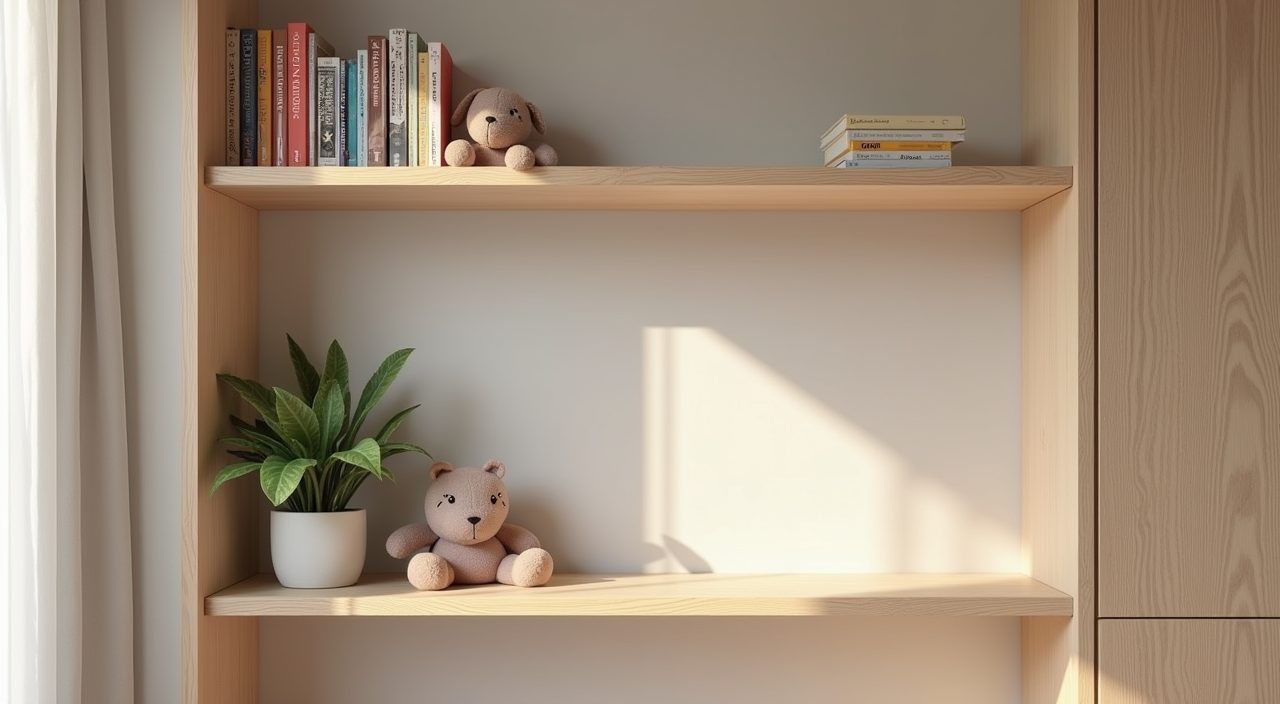
Keep decorative clutter deliberate: a few well-chosen books, one or two soft toys on display, a small plant the child can help care for. The discipline of showing less is exactly what separates a modern luxury room from a busy themed one, and it keeps daily tidying realistic for a family.
What to plan and budget for
Costs vary widely with joinery volume, materials and how much rewiring you do, so treat any single figure with caution. As a rough guide, the biggest line items are custom carpentry (wardrobe, desk and any bed platform), lighting and electrical changes, flooring, paint and window treatments. A light refresh that keeps existing floors and layout sits at the lower end, while a full room with floor-to-ceiling joinery, new lighting circuits and quality finishes moves into the mid range and up. Budget separately for the fabric, rug, art and decor that actually deliver the luxury feel, since these are easy to under-plan. Get an itemised quote so you can see where the money goes and trade off, for example, spending on solid joinery and softer decor while saving on a modest lighting spec. If you want the joinery, wiring, lighting and finishes done properly and safely, it is worth engaging a contractor who handles the renovation, electrical and plumbing work together for a modern luxury kids room design Singapore renovation, so the built-ins, power points and any nearby wet works are coordinated rather than patched together by separate trades.
Frequently asked questions
How small can a kids room be and still feel luxurious? A common HDB bedroom of about 7 to 9 sqm can absolutely feel luxurious. The trick is not more space but restraint: a calm neutral palette, one full run of floor-to-ceiling joinery to clear the floor, a single quality bed, and layered lighting. Small rooms actually reward this discipline because there is less to make look expensive.
What materials hold up best in Singapore's humidity? For built-ins, ask for moisture-resistant plywood or HMR board rather than standard MDF, especially near the floor. For flooring, vinyl plank or good laminate handles spills and humidity well and feels warmer than tile. Use washable, wipeable fabrics on anything the child touches daily, and leave a small gap behind large furniture on external walls to reduce mould risk.
Should I pick a colour theme or keep it neutral? Keep the permanent elements (paint, joinery, flooring, tiles) neutral and add colour through bedding, rug, cushions and art that you can swap cheaply. This is what makes the room age well: a two-year-old's favourite colour changes fast, but a warm neutral base with muted accents stays elegant for years and is far cheaper to update.
Do I need an electrician just for a kids room? Often yes, if you are adding lighting layers, dimmers, extra power or USB points near the bed and desk, or moving existing points. Retrofitting after the walls and joinery are finished means hacking and patching, so it is cleaner and safer to plan the electrical work upfront alongside the carpentry rather than adding it later.