
Overlay vs Hacking Tiles: Should You Lay Vinyl Over Your Existing Floor?
A Singapore homeowner's guide to laying vinyl over existing tiles: when overlay works, when hacking is smarter, HDB rules, costs and moisture risks.
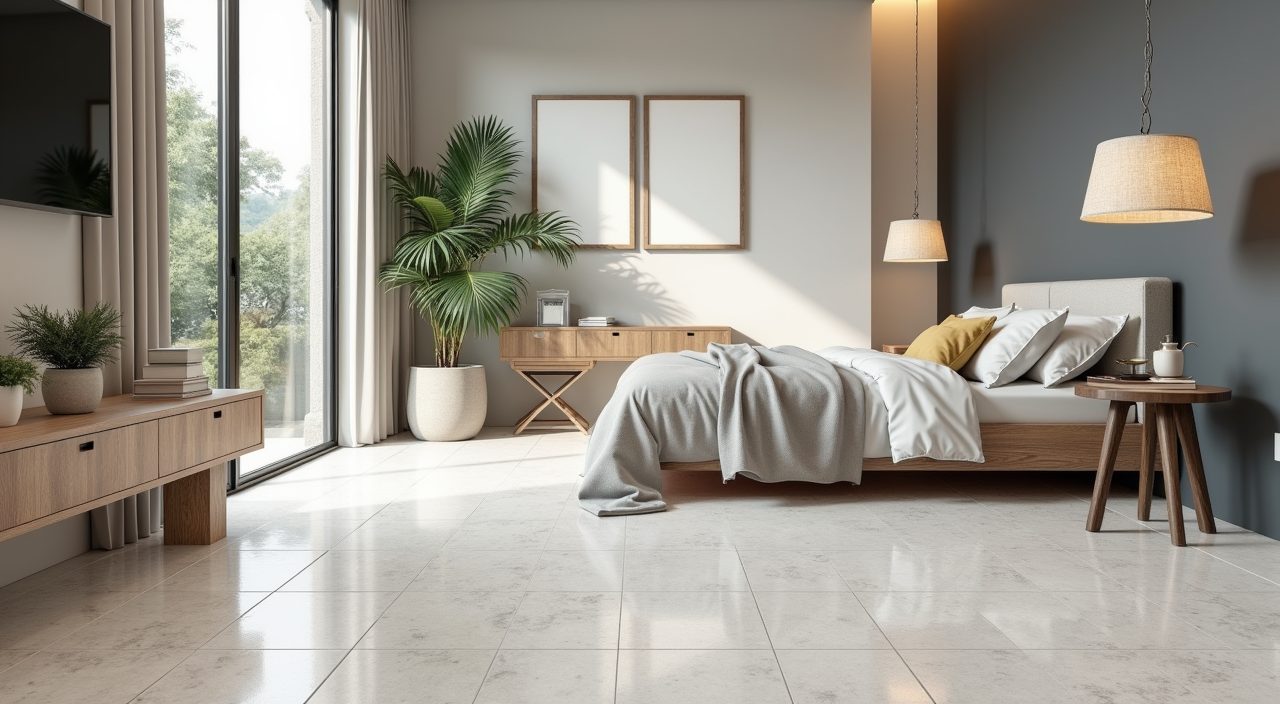
Yes, in most Singapore homes you can lay vinyl over existing tiles without hacking, as long as the tiles are firmly stuck down, reasonably level and dry. Vinyl overlay is faster, cheaper and far less messy than hacking, which is why it has become the default choice for many HDB and condo owners. Hacking still makes sense when the floor is uneven, the tiles are lifting or hollow, or you want to fix a screed or waterproofing problem underneath.
The real decision is not about the vinyl itself but about the condition of what sits below it. Vinyl is thin and flexible, so it copies the surface it lies on. A good surface gives you a floor that looks and feels solid for years. A bad surface telegraphs every lump, gap and loose tile straight through, no matter how premium the plank.
What does overlaying vinyl over tiles actually mean?
Overlaying means installing vinyl flooring directly on top of your current tiles instead of removing them first. The old tiles stay in place and become the sub-floor. Most homes use click-lock (floating) vinyl that simply lays over the tiles, or glue-down vinyl that bonds to them.
Because nothing is demolished, there is no debris to cart down, no screed to relay and no waiting for concrete to cure. A typical room can be done in a day, and a whole flat often within a few days depending on size and prep work.
When is vinyl overlay a good idea?
Overlay works well when the existing floor is sound. The quick test many installers use: walk the whole floor and tap suspect tiles. If nothing shifts, cracks or sounds hollow, you are usually a good candidate for overlay.
- The tiles are firmly bonded with no lifting, cracking or hollow-sounding spots
- The floor is fairly level, with no big dips or high points across the room
- There are no active water leaks or damp patches rising from below
- You want to keep cost, noise and disruption to a minimum
- You are staying in the home and cannot empty every room for weeks
When should you hack the tiles instead?
Hacking is the safer route when the base itself is the problem. Overlaying onto a bad floor just hides the fault temporarily; it will show up again through the vinyl, and then you pay twice.
Consider hacking in these situations.
- Many tiles are hollow, loose, cracked or already popping (common with older flats)
- The floor is noticeably uneven or slopes, so leveling compound alone will not fix it
- You have a leak, rising damp, or waterproofing that needs to be redone underneath
- You are combining rooms or changing levels and need a fresh, consistent screed
- The added height from overlay would clash badly with doors, thresholds or built-ins
Overlay vs hacking: how do they compare?
Both give you a new vinyl floor, but the experience and the long-term outcome differ. Here is the honest trade-off.
- Cost: overlay is cheaper because you skip demolition, disposal and re-screeding; hacking adds labour and debris removal
- Time: overlay is often one to a few days; hacking plus screed and curing can stretch to a couple of weeks
- Mess and noise: overlay is quiet and clean; hacking is loud, dusty and generates bags of rubble
- Floor height: overlay raises the floor by a few millimetres, which can affect door clearance; hacking keeps or resets the level
- Durability: overlay is only as good as the tiles beneath; hacking lets you fix the base for a truly solid result
- Fixing hidden problems: overlay hides leaks and unevenness, hacking is your chance to correct them properly
Are there HDB rules and height issues to watch?
For HDB flats, hacking floor tiles counts as renovation work and generally needs an HDB permit, and hacking is not allowed in wet areas like toilets in the first three years after key collection. Overlaying vinyl over existing tiles is far less regulated because you are not demolishing anything, but you should still use a HDB-registered contractor and check current HDB guidelines before you start, since rules are updated from time to time.
Height is the other practical catch. Vinyl plus any underlay adds a few millimetres. That sounds trivial until a bedroom door scrapes the floor or a bathroom threshold no longer keeps water in. A good installer will check door clearances and thresholds before quoting, and may shave doors or add trims to finish neatly.
Will moisture or hollow tiles ruin an overlay?
This is the biggest reason a vinyl overlay fails early in Singapore. Trapped moisture under tiles can push up through gaps and cause the vinyl to lift, warp or grow mould, so overlay is not advisable over a floor with active leaks or damp. If you have any doubt, deal with the water source first rather than sealing it under a new floor.
Hollow or loose tiles are the other silent killer. Even one loose tile under a floating vinyl floor can rock, click and eventually crack the vinyl above it. A careful installer will re-secure or fill isolated hollow spots and level the surface before laying anything on top.
How do you get it done right in Singapore?
Start with an honest site assessment. A reputable contractor should walk your floor, tap for hollow tiles, check for level and moisture, and tell you plainly whether overlay is safe or whether hacking is the wiser spend. Be wary of anyone who quotes overlay sight unseen.
When you ask us to look at your renovation and flooring options, we assess the actual condition of your tiles, flag any moisture or leveling issues, and give you a clear breakdown of overlay versus hacking so you can compare cost and outcome before committing. You can see indicative figures and what shapes them on our pricing page, then get a proper quote for your specific floor.
Frequently asked questions
Can I really lay vinyl directly over floor tiles? Yes, in most cases, provided the tiles are firmly stuck, reasonably level and dry. Click-lock vinyl floats over the surface, while glue-down vinyl bonds to it. The condition of the tiles matters far more than the vinyl brand you choose.
Does overlaying vinyl over tiles last as long as hacking? It can, but only if the base is sound. Vinyl copies whatever is beneath it, so on firm, level tiles it performs well for years; over loose or damp tiles it will fail early no matter how good the vinyl is.
Do I need an HDB permit to overlay vinyl? Overlaying without hacking usually does not need a hacking permit because nothing is demolished, but hacking existing tiles does require a permit and has restrictions in wet areas for the first three years. Always use an HDB-registered contractor and confirm current rules before starting.
How much does vinyl flooring cost in Singapore? It depends on the vinyl grade, the floor area and how much prep or leveling is needed, so prices vary widely. The most accurate way is a site visit and a written quote; our pricing page explains the ranges and the factors that move the number.