
Post-Renovation Cleaning Checklist
A practical Singapore post renovation cleaning checklist: what to clean first, how to clear fine dust, and whether to DIY or hire a pro.
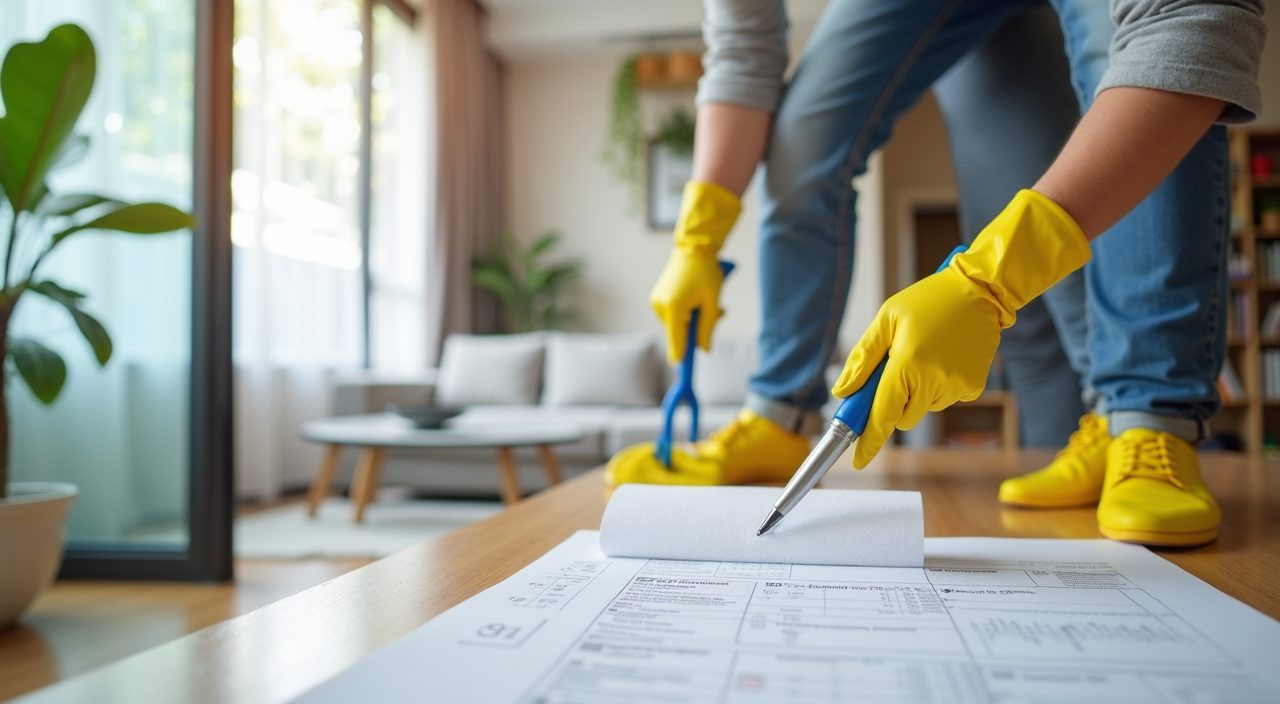
Post renovation cleaning means a deep clean that removes construction dust, cement haze, paint splatter, adhesive residue and debris left behind after renovation works. Start from the top and work down, ceilings and lights first, then walls and windows, then floors last, so settled dust is not spread onto surfaces you already cleaned. Most Singapore homeowners either book a professional post reno cleaning service or set aside a full weekend to do it room by room with the right tools.
Renovation dust is finer than everyday dust and gets everywhere: inside cabinet joints, along skirting, in aircon vents and behind toilet bowls. It keeps resurfacing for days after the visible mess is gone, so a rushed wipe down is rarely enough. This checklist walks through the order of work, the tricky spots people miss, and the safety steps that matter in HDB flats and condos alike.
What order should you clean in after renovation?
Always clean top to bottom and leave the floor for last. Dust falls, so if you mop first and dust the ceiling fan after, you simply redo the floor. Ventilate the unit, open windows and run fans, before you disturb settled dust.
A sensible sequence keeps the job efficient and avoids double work.
- Clear large debris, offcuts, packaging and leftover materials first
- Ceiling, ceiling fans, light fixtures and aircon fascia
- Walls, doors, door frames and switches
- Windows, grilles, tracks and window ledges
- Built-in cabinets, wardrobes and drawers, inside and out
- Kitchen surfaces, sink, hood and backsplash
- Bathrooms, tiles, toilet, basin and floor trap
- Skirting and corners
- Floors: vacuum thoroughly, then mop, last of all
How do you get rid of fine renovation dust?
Vacuum before you wipe. Dry wiping or sweeping just lifts fine dust back into the air, where it resettles for hours. A vacuum with a HEPA filter captures the fine particles instead of blowing them around, and a microfibre cloth traps what is left far better than a dry rag.
Cement or grout haze on tiles usually needs a damp cloth and repeated passes, changing the water often. Do not use a bone dry cloth on glass or tile, it smears the fine powder. Rinse cloths and mop heads frequently, since dust saturated water just redeposits grime.
- Use a vacuum with a HEPA filter, not a broom
- Wipe with slightly damp microfibre cloths
- Change your bucket water often, it turns grey fast
- Replace or wash aircon and fan filters, they clog with dust
- Wipe the same surface twice, dust keeps resurfacing for days
Which spots do people always miss?
The visible surfaces get cleaned first and the hidden ones get forgotten. These are the areas that trap dust and reappear on your fingertips a week later, so give them a deliberate pass.
Do not forget to run the taps and flush the toilet a few times to clear any debris or fine grit that settled inside pipes and cisterns during the works.
- Tops of doors, cabinets, wardrobes and the fridge
- Aircon vents, fan blades and light diffusers
- Window and sliding door tracks
- Skirting boards and floor corners
- Switch plates, power points and door handles
- Inside drawers, shelves and cabinet carcasses
- Floor traps and behind the toilet bowl
- Balcony, service yard and bomb shelter, if you have one
What tools and supplies do you need?
You do not need anything exotic, but the right basics make the difference between a clean that lasts and one that keeps shedding dust. A vacuum is the single most useful item.
Keep a mask and gloves on hand. Fine construction dust and cleaning chemicals are not something you want to breathe or handle for hours.
- Vacuum cleaner with HEPA filter and crevice tool
- Plenty of microfibre cloths and a couple of buckets
- Mop, ideally flat microfibre, plus a stiff brush for grout
- Mild all purpose cleaner, glass cleaner and a degreaser for the kitchen
- Dust mask, rubber gloves and a step ladder
- Trash bags for offcuts and packaging
Should you DIY or hire a professional cleaner?
A DIY clean works for a small HDB flat or a light refresh, if you have a full day, a good vacuum and patience for the repeat passes. For a full home renovation, a large unit, or anywhere with heavy cement haze and paint splatter, a professional post reno cleaning team is usually worth it: they bring industrial vacuums, do the high and awkward areas, and finish in hours.
Professional post renovation cleaning in Singapore is commonly priced by unit size and condition, so a compact flat costs far less than a large condo. Get a quote based on your floor area and whether it is a partial or full renovation clean.
When should the cleaning happen?
Do the deep clean only after all works are truly finished, including touch ups, silicone sealing and the final defect fixes. If you clean before the contractor is done, new dust and marks will land on freshly cleaned surfaces and you pay for the same work twice.
If your renovation was well planned and coordinated end to end, the handover, defect check and final clean fall into place in the right sequence. Getting the renovation itself managed properly by a contractor who sees it through to a clean handover makes this last stage far smoother, which is exactly the kind of full renovation work our team handles.
Frequently asked questions
How long does post renovation cleaning take? A professional team typically finishes a standard HDB flat in a few hours, while a large condo can take most of a day. Doing it yourself usually means a full day or a weekend, especially with the repeat passes fine dust demands.
How much does post renovation cleaning cost in Singapore? It is usually priced by unit size and condition, so a small flat costs noticeably less than a large landed home. Ask for a quote based on your floor area and whether it is a partial or full renovation clean, rather than assuming a fixed figure.
Can I move in before the cleaning is done? It is better not to. Fine construction dust settles on everything and can irritate your airways, so clear the dust and let the unit air out before you bring in furniture and start living there.
Why does dust keep coming back after I clean? Renovation dust is extremely fine and stays airborne for hours, so it resettles even after a thorough wipe down. Expect to wipe key surfaces a second or third time over the following days, and clean or replace your aircon and fan filters which trap a lot of it.