
Sintered Stone Explained: The Surface Material Taking Over Singapore Kitchens
What sintered stone is, how it compares to quartz and marble, real Singapore price ranges, and whether it is right for your HDB or condo kitchen worktop.
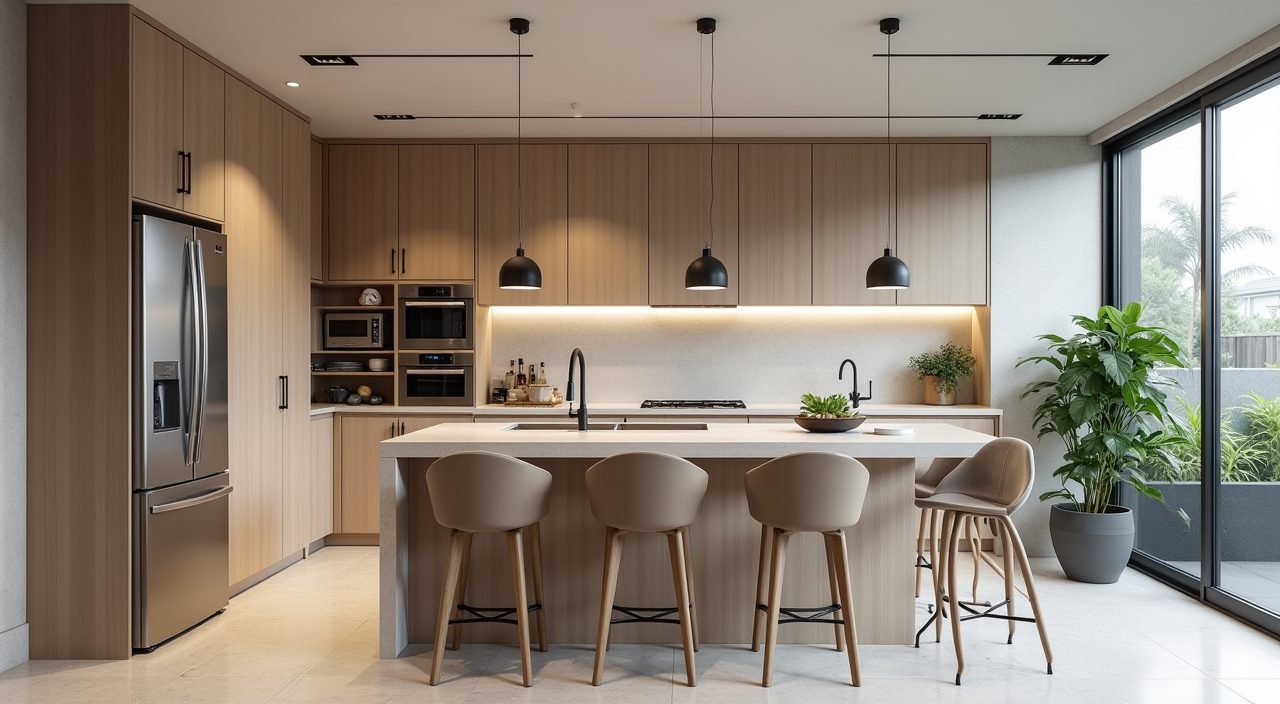
Sintered stone is a fully man-made surface made by pressing natural mineral powders under extreme heat and pressure until they fuse into a single dense slab, with no resin or plastic binder inside. In Singapore kitchens it has become popular for countertops, island tops and full-height splashbacks because it resists heat, scratches and stains better than quartz or natural marble, and it comes in large slabs that reduce visible joints.
The material goes by several brand and trade names, so you will hear it called sintered stone, porcelain slab, or specific brands like Dekton, Neolith, Laminam and Lapitec. They are broadly the same category of ultra-compact surface. If you are choosing a worktop for a renovation right now, this guide covers what it actually is, how it stacks up against quartz and marble, and the honest trade-offs before you commit.
What exactly is sintered stone?
Sintered stone is produced by taking natural raw materials such as feldspar, silica, clay and mineral oxides, grinding them into a fine powder, then compacting that powder and firing it at roughly 1,200 degrees Celsius. This process, called sintering, mimics in hours what nature does to rock over thousands of years. The result is a non-porous slab that contains no resins, unlike engineered quartz which is around 90 percent stone bound with roughly 10 percent polymer resin.
Because there is no resin, sintered stone behaves very differently around heat and UV light. Slabs are typically sold at 6mm, 12mm or 20mm thickness, and large formats up to around 3.2 by 1.6 metres, which is why designers like it for seamless islands and feature walls.
How does it compare to quartz and marble?
For a Singapore kitchen, the practical differences come down to heat tolerance, staining, scratching and cost. Sintered stone leads on durability, marble leads on natural beauty and quartz sits in the middle on price and everyday performance.
Here is a plain comparison of the three surfaces homeowners weigh most often:
- Heat: sintered stone handles a hot pot placed directly on it without scorching; quartz can yellow or crack from direct heat; marble can be damaged and discoloured
- Stains: sintered stone and quartz are both non-porous and stain resistant; unsealed marble stains easily from coffee, soy sauce, oil and acids
- Scratches: sintered stone is among the hardest surfaces available; quartz resists scratches well; marble scratches and etches more readily
- Look: marble has genuine natural veining; sintered stone and quartz print or replicate patterns, and modern sintered slabs mimic marble convincingly
- Cost: quartz is usually the most budget friendly, sintered stone sits higher, and premium natural marble can go higher still
What does sintered stone cost in Singapore?
Prices vary a lot by brand, thickness, finish and the fabricator, so treat any figure as a range rather than a fixed quote. As a rough guide for a supplied and installed kitchen worktop, sintered stone commonly runs from around 150 to 400 Singapore dollars per square foot, with premium brands and thick 20mm slabs at the upper end. Quartz for comparison often sits lower, in the region of 80 to 200 dollars per square foot.
Your final cost depends on total surface area, the number of cutouts for sinks and hobs, whether you want a waterfall island edge, splashback height, and edge profiling. Complex fabrication such as mitred waterfall edges adds labour because the slab is hard and slow to cut. Always get an itemised quote so you can see material versus fabrication versus installation.
What are the downsides you should know?
Sintered stone is excellent, but it is not flawless. The two honest weaknesses are chipping at sharp edges and installation difficulty. Because the material is very hard and can be brittle at thin edges, a heavy knock on a corner can chip it, and chips are hard to repair invisibly. The 6mm and 12mm slabs are more vulnerable here than the thicker 20mm.
Installation matters more than with softer materials. Cutting and handling large, heavy slabs needs experienced fabricators with the right tools; a poor cut or an uneven substrate can lead to cracks. This is why the installer you choose is as important as the brand you buy.
Is it a good fit for HDB and condo kitchens?
Yes, for most Singapore homes it is a strong choice, especially in open-concept HDB and condo layouts where the kitchen island doubles as a dining or work surface and takes daily abuse. The heat resistance suits local cooking with woks and hot pots, and the stain resistance handles soy sauce, turmeric, coffee and oil without fuss.
If your budget is tight, quartz remains a sensible everyday worktop and you can reserve sintered stone for a hero feature like the island top. For heritage or luxury looks where genuine veining matters, some homeowners still prefer real marble and accept the higher maintenance.
How do you get it installed properly?
Getting sintered stone right is mostly about template accuracy, clean cutting and level installation, so use a renovation contractor or fabricator with real experience handling these dense slabs. Ask to see past kitchen projects, confirm they template on site after your cabinets are in, and check how they detail sink cutouts and edges.
If you want a fixed idea of what your worktop, splashback and any coordinating electrical or plumbing works will cost, our team can scope the job and give you a clear pricing breakdown before any slab is ordered. Bringing the countertop, cabinetry, wiring and plumbing under one contractor also avoids the finger-pointing that happens when separate trades disagree on tolerances.
Frequently asked questions
Can you put a hot pan directly on sintered stone? Yes, sintered stone is highly heat resistant and will not scorch or discolour from a hot pot in normal kitchen use, which is one of its main advantages over quartz. Even so, using a trivet is sensible for very heavy cast iron to protect the edges from knocks.
Is sintered stone the same as porcelain? They are closely related and often used interchangeably; both are fired ceramic-based surfaces. Sintered stone generally refers to the thicker, denser slabs marketed for countertops, while thin porcelain tiles use similar technology at smaller sizes.
Does sintered stone need sealing? No, it is non-porous and does not require sealing, unlike natural marble which should be sealed regularly to resist stains. Everyday cleaning with a mild detergent and water is enough.
Can a chip in sintered stone be repaired? Small chips can sometimes be filled with a colour-matched resin, but the repair is rarely invisible, so prevention through careful edge handling and a thicker 20mm slab is the better approach for high-traffic corners.