
Surge Protection Devices for Singapore Homes: Do You Need One and Where to Fit It
Do Singapore HDB and condo homes need a surge protection device? Learn when an SPD is worth it, where it fits in your DB, and typical costs.
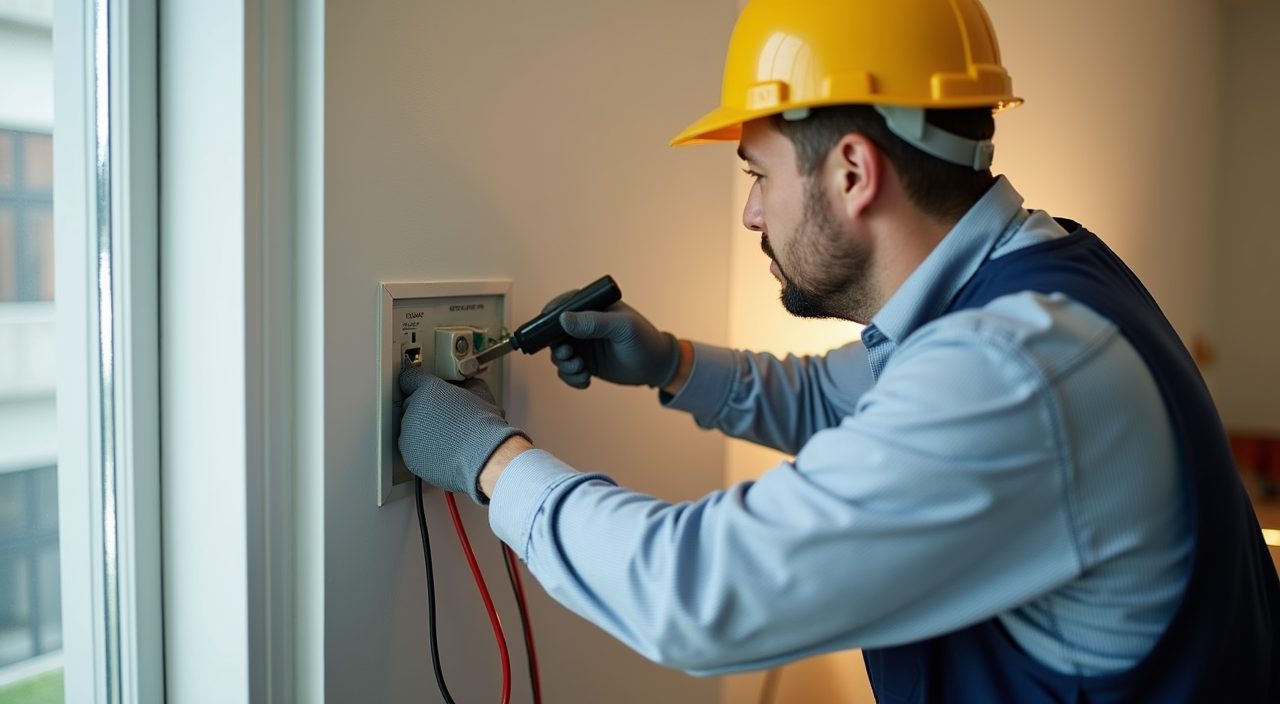
Most Singapore homes do not strictly need a surge protection device (SPD), but fitting one is a low cost, sensible upgrade if you own a lot of expensive electronics or your home has sensitive equipment like a home lab, aircon inverters, or a solar system. An SPD clamps sudden voltage spikes from lightning, grid switching, or faults before they reach your appliances. The main unit installs inside your distribution board (DB), also called the consumer unit, and the work should be done by a licensed electrician.
Singapore sits in one of the most lightning-prone regions in the world, so nearby strikes and the surges they induce on the grid are a real, if occasional, risk. SP Group's supply is generally clean and stable, and modern HDB and condo blocks already have building-level earthing and protection. That means a whole-home SPD is best thought of as cheap insurance for your gadgets, not a mandatory fix.
What is a surge protection device and what does it actually do?
A surge protection device is a component that diverts excess voltage safely to earth when a spike occurs, then returns to normal once the surge passes. A typical spike might last only microseconds but can carry hundreds or thousands of volts, enough to damage circuit boards in TVs, routers, fridges, and aircon units. The SPD absorbs or shunts that energy so your appliances see something close to the normal 230V.
It is worth being clear about what an SPD is not. It does not protect against sustained overvoltage, brownouts, or power cuts, and it is not the same as a circuit breaker or RCCB. Those protect against overload and electric shock; an SPD protects against transient voltage spikes.
- SPD: handles fast voltage spikes (lightning, grid switching, faults)
- MCB or breaker: handles overload and short circuit
- RCCB or ELCB: handles earth leakage and shock protection
- UPS: handles short outages and gives clean backup power to a few devices
Do Singapore HDB and condo homes really need one?
For a typical HDB flat with everyday appliances, an SPD is optional. The building's earthing and the utility's protection already reduce most risk, and a single damaged appliance is often cheaper to replace than you might fear. If your electronics are modest, you can reasonably skip it.
The calculation changes when you have concentrated or high-value equipment. If any of the points below apply to you, a whole-home SPD starts to look worthwhile rather than optional.
- You own multiple high-value items: large OLED TVs, gaming PCs, NAS or a home server
- You have inverter aircon, a heat pump, or an EV charger at a landed property
- You have installed solar PV, which adds its own surge exposure
- You run a home office where downtime or data loss is costly
- You live in a landed house or top-floor unit with more direct lightning exposure
Where should the surge protection device be fitted?
The primary SPD is fitted inside your distribution board, wired at the incoming supply so it protects the whole installation. This is the single most effective position because it stops surges at the point of entry before they spread to every circuit in the home. In most Singapore homes there is space in or beside the DB for this unit.
For very sensitive equipment you can add a second layer closer to the device, such as a plug-in surge strip at the TV console or home office desk. This two-stage approach, a main SPD at the board plus point-of-use protection, gives the best coverage. Point-of-use strips alone are cheaper but only protect what is plugged into them.
- Type 1 SPD: for buildings with an external lightning protection system, usually handled at building level
- Type 2 SPD: the common choice inside a home DB, protects against most induced surges
- Type 3 SPD: plug-in or socket-level protection for individual sensitive devices
- Best practice: Type 2 at the board, Type 3 at your most valuable gear
How much does it cost to install an SPD in Singapore?
As a rough guide, a good quality Type 2 SPD unit plus professional installation in an existing DB typically falls in the low hundreds of dollars, often somewhere around a few hundred dollars all in for a straightforward job. The exact figure depends on the brand of SPD, whether your DB has spare space and spare capacity, and how much rewiring or a new busbar link is needed.
If your board is old, full, or lacks a proper earth arrangement, the electrician may recommend related work at the same time, which adds to the cost. Plug-in Type 3 strips for individual devices are much cheaper, often tens of dollars each, but they only cover what is connected to them.
- Type 2 SPD supply and fit into an existing DB: usually low hundreds of dollars
- Add point-of-use surge strips: tens of dollars per unit
- Extra cost if DB is full or needs upgrading before the SPD fits
- Always get an itemised quote so you know what the unit and the labour cost separately
Getting it installed safely by a licensed electrician
Work inside your distribution board is not a DIY job in Singapore. Anything connected to the incoming supply must be handled by a competent, licensed electrical worker, both for safety and to keep your installation compliant. A qualified electrician will size the SPD correctly, confirm your earthing is sound, and make sure the unit is coordinated with your existing breakers and RCCB.
If you would like a whole-home surge protection device fitted, or you are not sure whether your DB has the space and earthing for one, our electrical services team can assess your board and advise honestly on whether it is worth it for your home. We can install the SPD, add point-of-use protection where it matters, and check the rest of your board while we are there.
How to decide: a quick checklist
If you are still on the fence, run through the questions below. The more you answer yes, the stronger the case for fitting a surge protection device.
There is no wrong answer here. For many homeowners the honest conclusion is that an SPD is nice to have rather than essential, and that is fine. For those with valuable or sensitive equipment, it is money well spent.
- Do you own several thousand dollars of electronics you would hate to replace?
- Do you have inverter aircon, solar, a home server, or an EV charger?
- Have you or neighbours had appliance damage after a storm?
- Is your home a landed property or a high, exposed unit?
- Does your work or data depend on gear staying alive?
Frequently asked questions
Does a power strip with surge protection do the same job? Not quite. A surge protection power strip only protects the devices plugged into it and usually offers a lower level of protection than a Type 2 SPD wired into your distribution board. It is a useful second layer for a TV or desk, but it does not protect your whole home or hardwired appliances like aircon.
Will an SPD stop my appliances tripping during a thunderstorm? No. An SPD manages voltage spikes, not power cuts or the flickers you get when supply drops. If you want protection against short outages for a specific device, that is the job of a UPS, not an SPD.
How long does a surge protection device last? SPDs slowly wear out as they absorb surges, and many have an indicator window that turns from green to red when the unit needs replacing. It is worth having your electrician glance at it during any routine electrical check, and replacing it if the status has changed.
Is a surge protection device required by regulation for HDB flats? For a normal home there is no blanket rule forcing you to fit one, so it remains a recommended upgrade rather than a legal must. Any installation work still has to be done to Singapore wiring standards by a licensed electrician.