
Upgrading From Single Phase to Three Phase in Your Flat: Process, Cost and Timeline
A Singapore homeowner's guide to a 3 phase power upgrade: when you actually need it, the SP application process, realistic cost ranges and timeline.
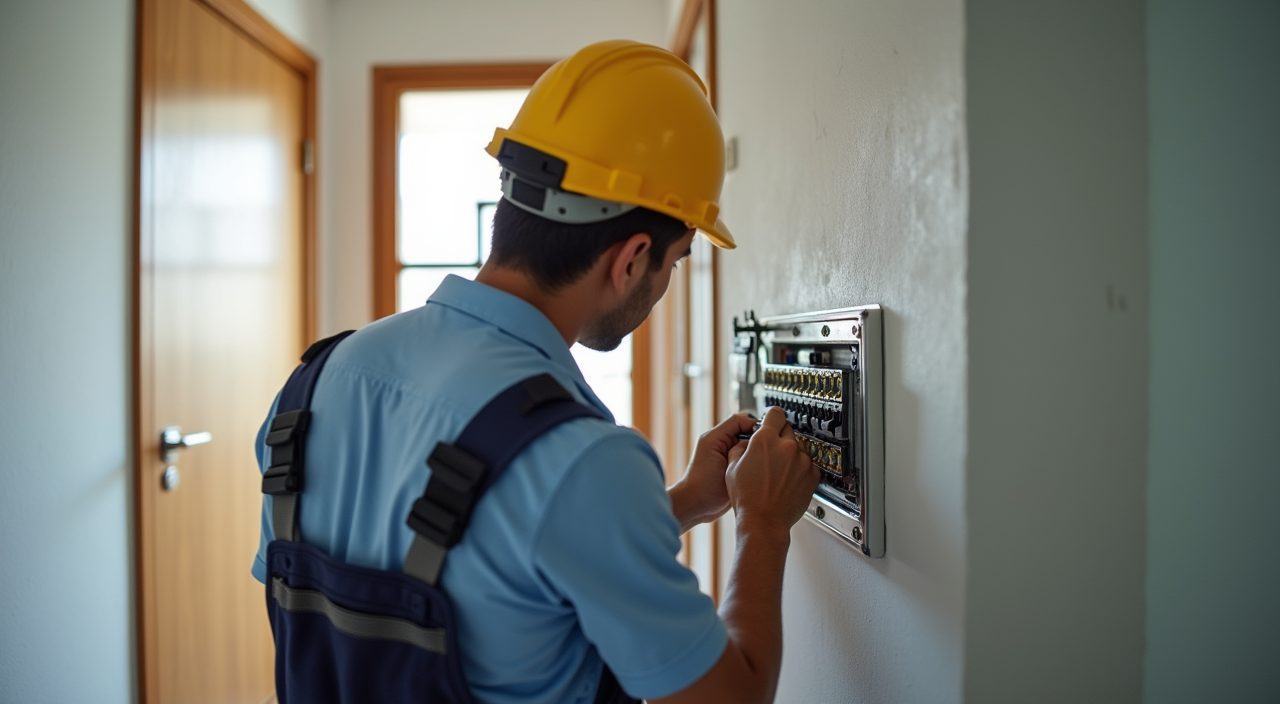
A 3 phase power upgrade means switching your flat's electrical supply from a single live wire to three, which raises your usable capacity from a typical 40A or 63A single phase supply to a much larger three phase supply. In Singapore the work must be filed with SP Group by a Licensed Electrical Worker, and the realistic end to end cost usually lands somewhere between roughly 2,000 and 6,000 dollars depending on your switchboard, cable runs and how much rewiring is needed. Expect the whole process to take a few weeks once the application, meter change and internal works are lined up.
Most HDB flats and older condos run on single phase, which is fine for everyday living. You usually only need three phase when you add heavy simultaneous loads, such as multiple aircon compressors, an EV charger, a large instant water heater bank or a home lift. This guide walks through when the upgrade is actually justified, who is allowed to do it, what SP requires and what you should budget.
What is the difference between single phase and three phase power?
Single phase delivers electricity through one live wire at 230V and is the standard supply for most Singapore homes. Three phase delivers power through three live wires at 400V between phases, so it can carry far more total load and spread that load evenly across circuits. In practice, three phase lets you run several large appliances at the same time without tripping your main breaker.
The key point for a homeowner is capacity, not voltage at the socket. Your normal 13A power points and lights still run on 230V single phase even after an upgrade. What changes is that your distribution board can now draw from a bigger supply, so heavy circuits stop competing for the same limited headroom.
- Single phase: one live wire, 230V, common HDB supply around 40A to 63A.
- Three phase: three live wires, 400V between phases, much higher total capacity.
- Everyday sockets and lights stay single phase 230V either way.
- Three phase mainly helps when several large loads run together.
Do I actually need a three phase upgrade in my flat?
Many homeowners ask about this upgrade when a single appliance trips the main breaker, but the real question is your total simultaneous demand. Before committing to a full upgrade, a licensed electrician should do a load assessment: adding up the connected loads and how likely they are to run at once. Often the fix is redistributing circuits or a modest main fuse increase within single phase, not a jump to three phase.
You are a genuine candidate for three phase when your combined heavy loads clearly exceed a healthy single phase supply. Common triggers include several aircon systems, an EV home charger, a swimming pool or spa pump, an electric sauna, or a full induction kitchen paired with high powered water heaters running together.
- Consider single phase fixes first: circuit balancing or a main fuse rating increase.
- Real three phase triggers: EV charger plus multiple aircon compressors.
- Landed homes and large penthouses hit the ceiling far sooner than HDB flats.
- Ask for a written load assessment before approving any upgrade.
Is a three phase upgrade even possible in an HDB flat?
For most standard HDB flats, three phase is rarely needed and the incoming supply is designed around single phase, so an upgrade is not always feasible or approved. Whether it is possible depends on the infrastructure serving your block and riser, which SP Group and your electrician must confirm before any work is quoted.
Landed properties, larger condos and executive or maisonette style homes are more commonly upgraded because they have both the demand and the supply infrastructure. If you live in a typical HDB flat and are hitting your limit, it is worth exploring whether balancing circuits or increasing your single phase supply solves the problem first, since that is usually faster and cheaper.
What is the process and who can do the work?
In Singapore, any change to your incoming supply and main switchboard must be carried out or endorsed by a Licensed Electrical Worker, and the application to change your supply and meter goes to SP Group. You cannot legally do this yourself or hire an unlicensed handyman for the metered and main board portion; that is both unsafe and against the rules.
The typical sequence runs from assessment through to SP approval and the physical meter change, followed by your internal upgrade works. A qualified team handling your electrical services can manage the load assessment, the switchboard and cabling, and the coordination with SP so you are not chasing multiple parties.
- Step 1: Licensed electrician performs a load assessment and confirms feasibility with SP.
- Step 2: Application submitted to SP Group to change the supply and meter.
- Step 3: SP schedules the meter change once approval and internal readiness align.
- Step 4: Electrician upgrades the distribution board, main cabling and protective devices.
- Step 5: Testing, certification and commissioning before the supply goes live.
How much does a three phase power upgrade cost in Singapore?
There is no single fixed price, because cost depends on your existing switchboard, the length and difficulty of cable runs, the number of new circuits, and SP charges for the supply and meter change. As a broad guide, homeowners often see total costs in the region of 2,000 to 6,000 dollars, and larger landed jobs with long cable routes or a full board replacement can run higher.
Treat any quote given without a site visit as a rough placeholder only. A proper quotation should itemise the main switchboard, the meter and supply change, cabling, protective devices, testing and certification, so you can see exactly what you are paying for.
- New three phase distribution board and main switchgear.
- Heavier main cabling from the meter to the board.
- SP Group charges for the supply and meter change.
- Circuit protection devices and any required earthing upgrades.
- Testing, certification and safe commissioning.
How long does the upgrade take from start to finish?
The physical switchboard and cabling work is often completed within one to a few days, but the full timeline is driven by SP approval and scheduling the meter change, which stretches the calendar. Most homeowners should plan for a few weeks from first assessment to a live three phase supply, longer if building infrastructure needs checking.
There is usually a short power interruption on the day the meter is changed and the new board is connected. Your electrician should tell you in advance how long you will be without supply so you can plan around fridges, work from home and anything sensitive.
- Load assessment and quotation: a few days.
- SP application and approval: often the longest single wait.
- Internal board and cabling works: one to a few days.
- Meter change and commissioning: usually a single scheduled visit.
Frequently asked questions
Can I do a three phase upgrade myself? No. Any work on your incoming supply, meter and main switchboard must be carried out or endorsed by a Licensed Electrical Worker, and the supply change is applied for through SP Group. DIY on the metered portion is illegal and dangerous.
Will three phase lower my electricity bill? No. You pay for the energy you use, measured in kilowatt hours, regardless of phase. Three phase gives you more capacity and better load balancing, but it does not make the same appliances cheaper to run.
Do I need three phase just for an EV charger? Not always. Many home EV chargers run fine on a suitable single phase supply, especially at lower charging speeds. Three phase becomes relevant when the charger runs alongside other heavy loads or you want faster charging; a load assessment will tell you which route makes sense.
Will my flat lose power during the upgrade? Briefly, yes. There is normally a short outage on the day the meter and main board are switched over. Your electrician should confirm the expected downtime beforehand so you can plan for fridges and any critical equipment.