
Video Doorbells in Singapore: What Works With Your HDB Gate and Wiring
A practical Singapore guide to fitting a video doorbell on your HDB gate: wiring, battery vs wired options, HDB rules, mounting and setup.
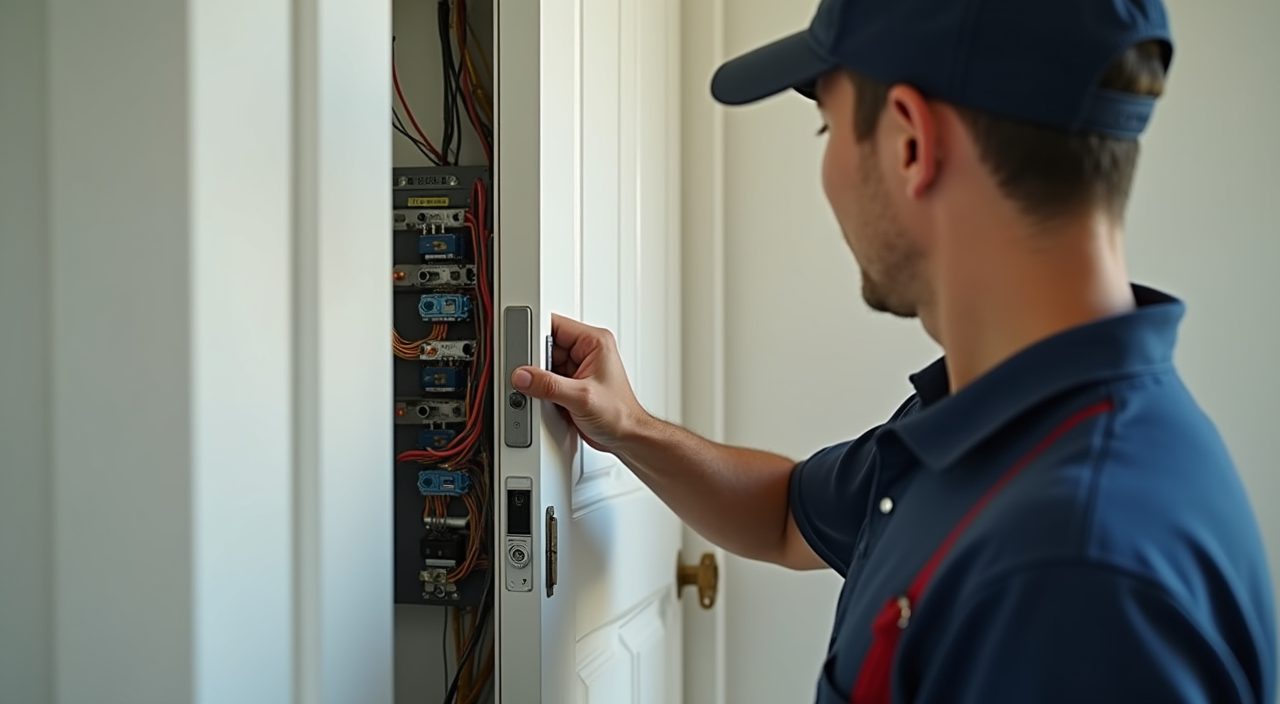
Most Singapore HDB homes work best with a battery-powered video doorbell, because your metal gate and short entry alcove rarely have a spare doorbell wire or a nearby power point. A wired or hardwired video doorbell is possible if you already have a working doorbell transformer or if an electrician runs a new supply, which is the more reliable long-term setup. The main constraints are the metal gate (which weakens WiFi and complicates mounting), your existing chime wiring, and HDB and town council rules about drilling into common-property walls.
This guide covers the choices that actually matter for a Singapore flat or condo: battery versus wired, how to mount on a metal gate or the wall beside it, whether your old doorbell wiring can be reused, and when to call a licensed electrician. It is written for the typical HDB layout, but most points apply to condos and landed homes too.
Battery or wired: which video doorbell suits an HDB flat?
For a rented or standard HDB unit with no spare wire at the door, a battery-powered video doorbell is the simplest choice. You charge it every one to three months, and there is no wiring work. A wired video doorbell needs either an existing doorbell transformer or a new low-voltage supply run by an electrician, but it never needs recharging and tends to record more reliably.
Here is how the two compare for a typical Singapore home:
- Battery: no wiring, quick install, portable; downside is periodic recharging and slightly slower motion response.
- Wired (low-voltage): constant power, faster response, no recharging; needs a transformer or new wiring at the door.
- Existing doorbell wire: if your flat already has a working wired chime, that same low-voltage wiring can often power a wired doorbell.
- No power at door: most HDB gate areas have no socket outside, so a wired unit means either reusing chime wiring or running a new cable.
Can I mount a video doorbell on my metal HDB gate?
Yes, but the metal gate creates two problems: it blocks and weakens WiFi, and you usually cannot drill into the gate frame cleanly. Many homeowners mount the doorbell on the wall beside the gate or on the gate itself using a no-drill adhesive or clamp bracket, then angle the camera to cover the entrance.
A metal gate sitting between the doorbell and your router can drop the signal badly. If the camera keeps disconnecting or video stutters, a WiFi extender or mesh node near the door usually fixes it. For gate mounting, use a bracket designed for grilles or a strong adhesive mount rather than drilling, so you do not damage the gate finish.
Does my old HDB doorbell wiring still work for a video doorbell?
Often yes. Many older HDB flats have a simple wired chime running on low voltage from a small transformer, and that same pair of wires can power a wired video doorbell. The catch is voltage: most video doorbells need around 16 to 24 volts AC, while some old mechanical chimes run lower, so the existing transformer may need replacing.
Do not assume the old wiring is enough. An electrician should check the transformer output and confirm the wiring is safe and correctly rated before connecting a new doorbell. If the voltage is too low, the camera may power on but behave erratically or fail to record.
What are the HDB and town council rules I should know?
You generally do not need an HDB permit to install a small video doorbell on your own gate or the wall immediately beside your door, as this is treated like a minor fixture. However, the wall next to your entrance and the common corridor are common property managed by your town council, so avoid drilling into corridor walls or pointing the camera to record neighbours or the shared corridor at large.
Point the camera at your own doorway and gate, not down the corridor or at a neighbour's door, to respect privacy. If you are renting, get your landlord's approval before any drilling. When in doubt about drilling into a shared wall, check with your town council first, since rules can vary between estates.
Do I need an electrician, or can I DIY?
A battery-powered video doorbell is genuinely a DIY job for most people: charge it, mount the bracket, connect it to your home WiFi, and you are done. You do not need an electrician for a battery unit unless you want a tidy flush mount or gate bracket fitted properly.
A wired video doorbell is different. Anything involving your doorbell transformer, mains-connected power, or running a new cable to the door should be done by a licensed professional. Our electrical services team handles doorbell transformer checks, new low-voltage runs, and neat gate or wall mounting, so the camera gets constant power and a clean finish without damaging your gate or corridor wall.
- DIY-friendly: battery doorbell, adhesive or clamp mount, WiFi setup.
- Call an electrician: transformer replacement, new wiring at the door, mains power, flush wall mounting.
- Ask the electrician to confirm voltage and wiring rating before connecting any wired unit.
What features matter most for a Singapore home?
Prioritise a strong WiFi antenna or 2.4GHz support, because the metal gate and thick HDB walls are the biggest cause of dropped connections. Weatherproofing matters too: many HDB entrances are semi-sheltered, but sun, humidity and the occasional rain splash mean you want a unit rated for outdoor use.
Beyond that, look at storage and viewing angle. A wide vertical field of view lets you see a parcel left on the floor, and local or cloud recording lets you check who called when you were out. Two-way audio is useful for delivery riders and for telling visitors to wait at the gate.
- Strong 2.4GHz WiFi or external antenna for metal-gate homes.
- Outdoor or weatherproof rating for semi-sheltered HDB entrances.
- Wide vertical view to catch parcels on the floor.
- Local or cloud recording so you can review missed visitors.
Frequently asked questions
Do I need HDB approval to install a video doorbell? For a small battery or wired doorbell on your own gate or the wall right beside your door, you generally do not need a permit. Avoid drilling into common corridor walls and do not aim the camera down the shared corridor; if you plan any drilling into shared walls, check with your town council first.
Will my metal gate block the WiFi signal? It can weaken it significantly. If the doorbell keeps disconnecting, add a WiFi extender or mesh node near the entrance, or mount the camera on the wall beside the gate rather than on the metal itself.
Can I reuse my old HDB doorbell wiring? Often yes, if the flat already has a wired chime on a transformer. The voltage may be too low for a video unit though, so have an electrician check and, if needed, replace the transformer before connecting a wired doorbell.
How often do I need to charge a battery video doorbell? Typically every one to three months, depending on how many times it is triggered and whether it records constantly. Homes on a busy corridor with lots of motion will need more frequent charging.