
Vinyl Flooring in Singapore: The Complete Buyer's Guide for HDB and Condo Homes
A practical Singapore guide to vinyl flooring: types, real cost ranges, moisture and heat performance, HDB rules, and how to choose for HDB or condo homes.
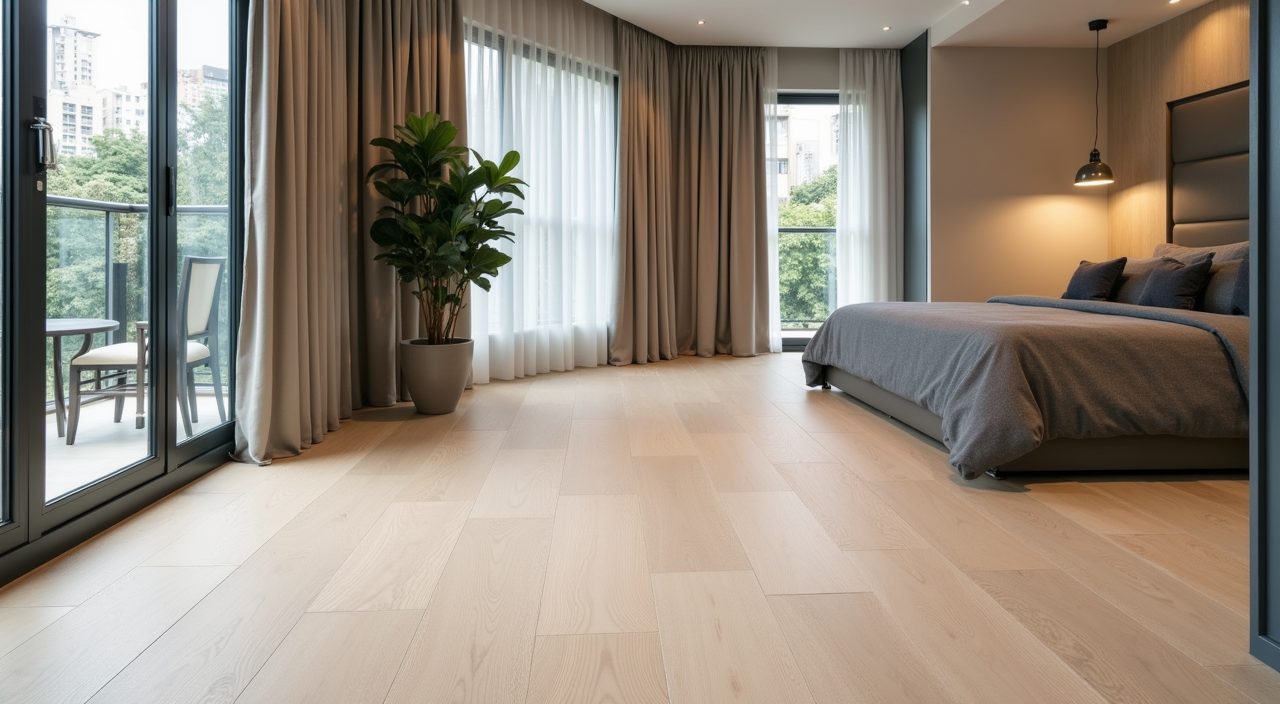
Vinyl flooring is one of the most popular floor finishes in Singapore homes because it is affordable, water resistant, quiet underfoot, and can be laid quickly over most existing floors. For a typical HDB flat or condo unit, supplied and installed vinyl usually costs somewhere in the range of about SGD 3 to SGD 9 per square foot depending on the type, thickness, and brand you choose. It suits our humid climate well, but you should pick the right product for each room and confirm your subfloor is dry and level before laying it.
Vinyl is a broad category, so "vinyl flooring" can mean anything from a thin peel-and-stick sticker to a rigid click-lock plank that looks and feels close to real timber. This guide explains the main types, honest local price ranges, how vinyl handles Singapore's heat and moisture, the HDB rules to know, and how to decide what fits your home.
What are the main types of vinyl flooring?
Not all vinyl is the same. The type you choose affects durability, comfort, water resistance, and price, so it is worth understanding the differences before you shop.
- LVT (luxury vinyl tile) and LVP (luxury vinyl plank): thicker vinyl planks or tiles, usually 4mm to 6mm, that mimic wood or stone. These are the most common choice for HDB and condo homes today.
- SPC (stone plastic composite): a rigid core plank that is very stable, dent resistant, and handles temperature swings well. Popular for its durability and easy click-lock install.
- WPC (wood plastic composite): a slightly softer, warmer rigid core plank that feels more cushioned underfoot but is usually a little pricier than SPC.
- Click-lock (floating) vinyl: planks that snap together and sit over the existing floor with an underlay. No glue to the subfloor, so it is faster to lay and easier to replace.
- Glue-down vinyl: planks or sheets stuck directly to the subfloor. Thinner and cheaper, but the subfloor must be very smooth and dry.
- Peel-and-stick or thin roll vinyl: the cheapest option, often used for rental units or short-term fixes. Least durable and least convincing in appearance.
How much does vinyl flooring cost in Singapore?
Prices vary with the product type, thickness, wear layer, and whether installation and skirting are included. Treat these as rough guides and always get a written quote for your actual area, since the final figure depends on your floor condition, room count, and any hacking or levelling needed.
As a general feel, budget peel-and-stick vinyl can start around SGD 2 to SGD 4 per square foot supplied and installed, mid-range LVT and SPC click-lock planks commonly land around SGD 4 to SGD 7 per square foot, and thicker premium ranges with better wear layers can reach roughly SGD 7 to SGD 10 or more per square foot. Skirting, floor levelling, and removal of old flooring are often quoted separately.
- Peel-and-stick or thin vinyl: roughly SGD 2 to SGD 4 per sq ft installed.
- Mid-range LVT / SPC click-lock: roughly SGD 4 to SGD 7 per sq ft installed.
- Premium thicker planks: roughly SGD 7 to SGD 10+ per sq ft installed.
- Add-ons often billed separately: skirting, self-levelling compound, and disposal of existing tiles or flooring.
Is vinyl flooring good for Singapore's humid, hot climate?
Vinyl performs well in our climate for most indoor rooms. It is water resistant, so spills, mopping, and the occasional wet slipper are not a problem, and it does not swell the way laminate can when it meets moisture. This makes it a sensible pick for living rooms, bedrooms, and study areas.
The two things to watch are heat and trapped moisture. Direct sunlight through large windows can heat a floor over time, and cheaper vinyl may fade or expand slightly, so rigid SPC and quality LVT with UV-treated wear layers cope better near balconies and full-height glazing. Vinyl is also water resistant rather than fully waterproof at the joints, so for constantly wet zones like bathroom floors and open shower areas, tiles remain the safer default. Always make sure the subfloor is dry before laying vinyl, because moisture sealed underneath can lead to mould or lifting.
Are there HDB rules for vinyl flooring?
Yes, and they mostly concern renovation timing and paperwork rather than banning vinyl itself. Laying vinyl over an existing floor is generally allowed, but you should check the current HDB renovation guidelines and confirm whether your specific job needs a permit before work begins.
In practice, most vinyl installs that simply overlay the existing screed or tiles are straightforward. The bigger rules kick in if you hack away old flooring, because floor and wall hacking is noisy work with fixed permitted hours, and demolition of the original screed can affect waterproofing in wet areas. If you rent, get your landlord's written approval first.
- Overlaying vinyl on existing flooring is usually permitted, but confirm against the latest HDB guidelines.
- Hacking old tiles or screed is noisy renovation work with restricted hours and may need a permit.
- Wet areas like bathrooms have waterproofing rules, so treat those separately from dry-room vinyl.
- Engage an HDB registered renovation contractor for permit-related works to stay compliant.
Vinyl vs laminate vs tiles: which should you pick?
Each finish has a clear best-use case in a Singapore home. The right answer depends on the room, your budget, and how long you plan to keep the floor.
Vinyl wins on water resistance, comfort underfoot, quiet, and quick installation. Laminate can look premium and feel firm but is more vulnerable to moisture at the joints. Tiles are the most durable and truly waterproof, ideal for kitchens, bathrooms, and heavy-use entryways, but they are colder, harder, and slower to install.
- Choose vinyl for bedrooms, living rooms, and studies where you want warmth, quiet, and easy upkeep.
- Choose laminate only in dry rooms if you prefer its feel and accept lower moisture tolerance.
- Choose tiles for bathrooms, kitchens, wet kitchens, and balconies where full waterproofing matters.
- For resale-minded owners, mid-range SPC vinyl in living areas plus tiles in wet zones is a common balanced mix.
How is vinyl flooring installed and how long does it take?
Most modern vinyl is click-lock and floats over your existing floor with a thin underlay, so a standard flat can often be done in one to three days once the subfloor is prepared. The key preparation steps are cleaning, levelling any dips, and confirming the base is dry.
Good installers will check that the existing floor is flat within tolerance, apply self-levelling compound where needed, leave a small expansion gap at the walls, and finish with matching skirting or trims. Rushed prep is the most common cause of squeaks, gaps, and lifting later, so do not skip it to save a day.
- Step 1: clear the room and remove or plan around existing skirting.
- Step 2: clean, level, and confirm the subfloor is dry.
- Step 3: lay underlay if required, then click or glue the planks with an expansion gap at edges.
- Step 4: fit skirting or edge trims and do a final walk-over check for gaps or movement.
How do you get vinyl flooring installed properly?
The cleanest results come from proper subfloor prep and a contractor who quotes the full scope in writing, including levelling, skirting, and disposal, rather than just the per-square-foot plank price. That way you avoid surprise add-ons and know exactly what your floor will cost.
If you would like a clear breakdown for your flat or condo, our team handles vinyl flooring supply and installation as part of our renovation work, and you can ask us for a transparent quote covering materials, preparation, and labour. Getting the pricing itemised up front makes it much easier to compare options and choose the right product for each room.
Frequently asked questions
How long does vinyl flooring last in a Singapore home? With good quality LVT or SPC and proper installation, expect roughly 10 to 20 years of use in normal residential conditions. Thinner budget vinyl wears faster, especially in high-traffic areas, so the wear layer thickness matters more than the plank thickness alone.
Can I lay vinyl over my existing tiles? Usually yes, as long as the tiles are sound, clean, and reasonably flat. Wide grout lines or uneven tiles may need a self-levelling layer first, otherwise the lines can telegraph through thinner vinyl over time.
Is vinyl flooring waterproof enough for a kitchen or bathroom? Vinyl is water resistant and fine for open kitchen floors that stay mostly dry, but it is not a full waterproofing system at the joints. For bathrooms, shower areas, and wet kitchens, tiles with proper waterproofing membrane remain the safer choice.
Does vinyl flooring add value or cause problems for HDB resale? Neat, well-installed mid-range vinyl generally presents well and is unlikely to hurt resale. Problems usually come from poor prep, visible gaps, or lifting, so the quality of installation matters more to buyers than the fact that it is vinyl.