
Vinyl Flooring Thickness and Wear Layer: How to Read the Spec Before You Buy
A Singapore homeowner's guide to reading vinyl flooring specs: total thickness versus wear layer, what the numbers mean, and how to choose for HDB and condo homes.
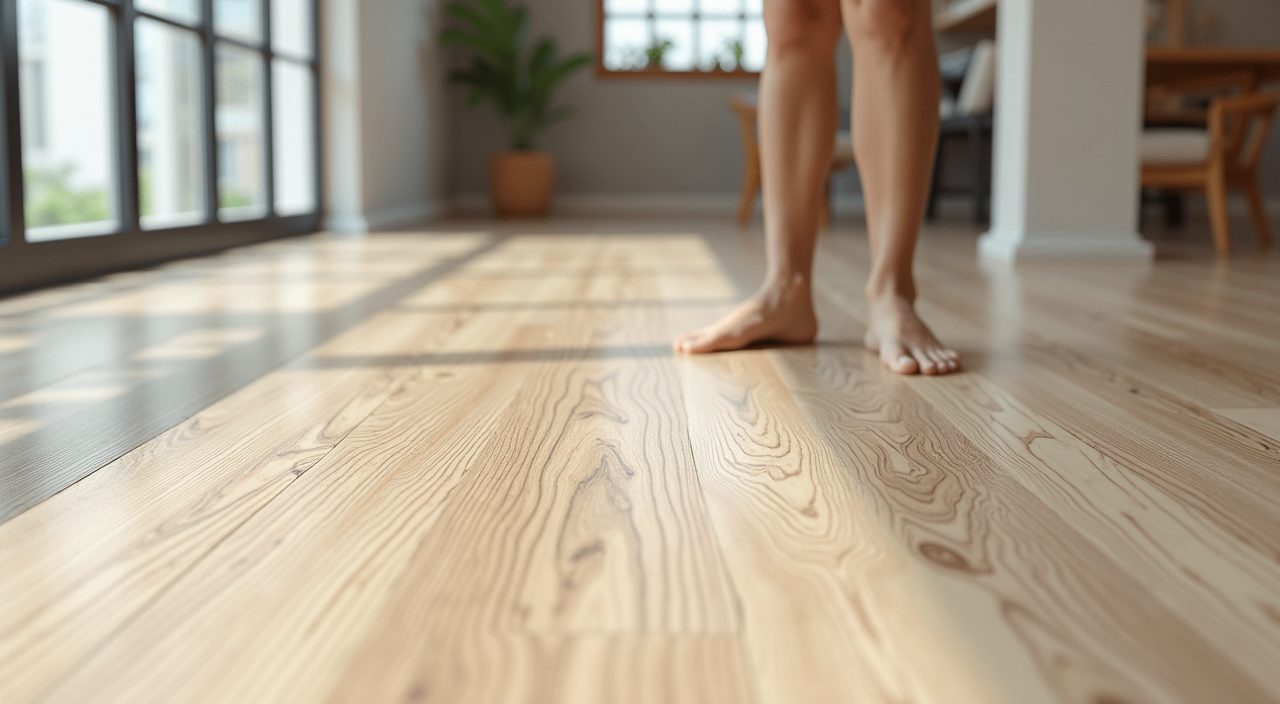
Two numbers decide how good a vinyl floor really is: total thickness (measured in millimetres) and the wear layer (measured in mils or microns). Total thickness controls how solid the plank feels underfoot and how well it hides small floor imperfections, while the wear layer is the clear protective top coat that decides how long the floor resists scratches and scuffs. For most Singapore homes, aim for a plank around 4mm to 6mm thick with a wear layer of at least 12 mil (roughly 0.3mm) for living areas, and go thicker on the wear layer if you have pets, kids, or heavy foot traffic.
Vinyl flooring is popular in HDB flats and condos here because it handles our humidity better than laminate, installs fast, and mimics timber or stone convincingly. The catch is that showroom samples all look similar, so the spec sheet is where you separate a floor that lasts a decade from one that shows wear in two years. This guide explains each number so you can read a quote and compare products with confidence.
What is the difference between total thickness and wear layer?
Total thickness is the full height of the plank, from the backing up to the top surface. It is usually quoted in millimetres, such as 4mm or 5mm. A thicker plank feels more stable, is quieter to walk on, and bridges minor unevenness in the subfloor better than a thin one.
The wear layer is only the transparent top skin that sits above the printed design layer. It carries no pattern; its whole job is to take the abrasion so the image underneath stays intact. It is quoted in mils (thousandths of an inch) or microns, not millimetres, which is why a thick plank can still have a weak wear layer if you do not read carefully.
- Total thickness = whole plank, quoted in mm, affects feel and stability
- Wear layer = clear top coat only, quoted in mil or micron, affects durability
- A 5mm plank with a 6 mil wear layer will scratch faster than a 4mm plank with a 20 mil wear layer
How do you convert mil, micron and millimetre?
Wear layers are advertised in two different units and the sales copy rarely explains them, which causes most of the confusion. One mil equals one thousandth of an inch, which is about 25.4 microns, or 0.0254mm. So a 12 mil wear layer is roughly 0.3mm, and a 20 mil wear layer is about 0.5mm.
When a spec lists the wear layer in microns instead, just divide by about 25 to get the mil figure. A 300 micron wear layer is about 12 mil, and a 500 micron wear layer is about 20 mil. Keep the conversion handy so you are never comparing a mil number against a micron number by mistake.
- 1 mil = 25.4 microns = 0.0254mm
- 12 mil is about 300 micron (0.3mm)
- 20 mil is about 500 micron (0.5mm)
- 28 mil is about 700 micron (0.7mm), typically commercial grade
What wear layer thickness do you actually need at home?
For a residential Singapore home, the wear layer matters more than the headline plank thickness because it decides how the floor ages. Bedrooms and low traffic rooms are fine on the thinner end, while your living room, kitchen and hallway take the daily punishment and deserve more.
Use these ranges as a practical guide, then push higher if your household is hard on floors.
- Bedrooms and study, low traffic: 8 mil to 12 mil is acceptable
- Living, dining and main walkways: 12 mil to 20 mil recommended
- Homes with dogs, cats or young children: aim for 20 mil or more
- Home office or small shopfront: 28 mil (commercial grade) for peace of mind
Does total thickness change how the floor feels and performs?
Total thickness mainly affects comfort, sound and how forgiving the floor is over an imperfect subfloor. Thicker click-lock (rigid core SPC or WPC) planks feel more solid and are quieter, which is noticeable on HDB and condo concrete slabs. Thinner glue-down vinyl sits flatter and is often chosen when floor height is tight, for example under existing door leaves.
Thickness will not save a floor from scratches; only the wear layer does that. Think of thickness as the ride quality and the wear layer as the tyre tread. Many good residential SPC planks land around 4mm to 6mm total, sometimes with an attached underlay pad that adds a fraction more.
- Thicker plank (5mm to 6mm+): more solid, quieter, hides minor subfloor bumps
- Thinner plank (2mm to 4mm): flatter, useful where floor height is limited
- Rigid core (SPC/WPC) resists denting from furniture better than thin flexible vinyl
- An attached IXPE or cork underlay improves sound and comfort, worth asking about
Which vinyl type suits a Singapore HDB or condo?
The three common formats are glue-down luxury vinyl, click-lock SPC (stone plastic composite) and click-lock WPC (wood plastic composite). SPC is the most popular choice locally because its rigid stone-based core is dimensionally stable in heat and humidity, resists dents, and floats over most flat subfloors without adhesive.
WPC is a touch softer and warmer underfoot but slightly less dent resistant, while glue-down vinyl is thin, very flat and permanent, often used in rentals or where a super-low profile is needed. Whichever you pick, our climate makes moisture stability a real advantage of vinyl over laminate, but you still want a properly levelled, dry subfloor underneath.
- SPC: rigid stone core, best all-round for HDB and condo, stable in heat
- WPC: softer and warmer, comfortable but slightly less dent resistant
- Glue-down LVT: thin and permanent, good for low floor-height situations
- All vinyl handles Singapore humidity far better than laminate, but the subfloor must be flat and dry
How do you check the spec before you commit?
Ask for the manufacturer spec sheet, not just the showroom board. On it, confirm the total thickness in mm, the wear layer in mil or micron, the core type (SPC, WPC or flexible), and any residential or commercial wear rating the maker quotes. If a supplier can only tell you the total thickness and goes vague on the wear layer, treat that as a warning sign.
Also confirm what the installed price includes: subfloor levelling, skirting or beading, removal of old flooring, and any underlay. These items swing the final bill more than the plank price itself. When you are ready to compare fair quotes, our team can measure your unit, recommend a sensible thickness and wear layer for each room, and give you clear renovation pricing so you are not guessing at the numbers.
- Request the written spec sheet and check thickness (mm) plus wear layer (mil or micron) separately
- Confirm the core type: SPC, WPC or glue-down flexible
- Ask whether the quote covers levelling, skirting, disposal and underlay
- Match higher wear layers to your busiest rooms rather than paying for it everywhere
Frequently asked questions
Is a thicker vinyl floor always better? No. Total thickness improves how solid and quiet the floor feels, but durability comes from the wear layer. A 4mm plank with a 20 mil wear layer will outlast a 6mm plank with a 6 mil wear layer, so read both numbers rather than trusting thickness alone.
What wear layer is good for a home with a dog? Aim for at least 20 mil (about 500 micron) in the areas your dog uses most, and consider a textured surface finish which hides scratches better. Pet claws are abrasive, so the extra wear layer buys you years before the design layer shows through.
Can I lay vinyl over my existing HDB floor tiles? Often yes, if the tiles are sound, flat and the grout lines are not too wide or deep. A rigid SPC click floor floats over many existing surfaces, but wide or uneven grout lines may need a levelling or underlay layer first, which a site check will confirm.
Does vinyl flooring warp in Singapore heat? Quality rigid-core SPC is designed to stay dimensionally stable in our climate, which is why it is favoured over laminate here. Problems usually trace back to cheap flexible vinyl, a poorly levelled subfloor, or planks fitted without the small expansion gap the maker specifies.