
Water Heater Not Heating? Troubleshooting Guide
Water heater not heating in your Singapore home? Learn the common causes, safe checks you can do yourself, and when to call a licensed electrician.
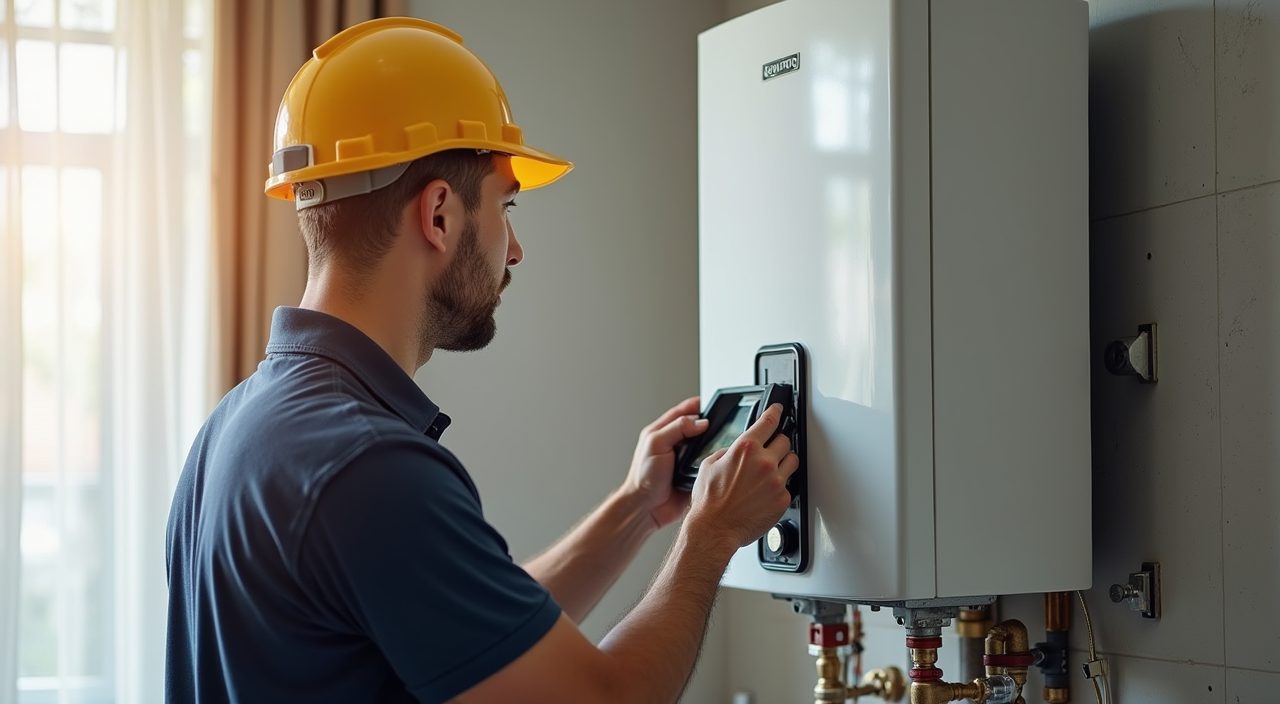
If your water heater is not heating, the most common causes in a Singapore home are a tripped circuit breaker or safety cut-out, a failed heating element, a faulty thermostat, or a broken instant heater switch. Start by checking the isolator switch and the distribution board, then confirm the unit is actually getting power. If the heater still runs cold after the basic checks, the internal parts likely need testing or replacement by a licensed professional.
Most homes here use either an instant (tankless) heater in the bathroom or a storage heater mounted in a service yard or ceiling void. The parts differ, but the fault-finding logic is the same: confirm power reaches the unit, then work inward to the element, thermostat, and safety devices. This guide walks through each step in plain terms and flags where electrical work must be left to a licensed person.
Why is my water heater not heating at all?
When there is no heat whatsoever, the problem is almost always power or a tripped safety device rather than slow performance. A heater that gets no electricity cannot warm anything, so the first job is to confirm the supply.
Work through these quick checks before assuming the unit is broken:
- Check the heater's isolator or pull-cord switch is on and the indicator light is lit.
- Look at your distribution board (DB) for a tripped MCB or a tripped RCD/ELCB, and reset it once.
- If it trips again immediately, stop; that points to a fault inside the heater or its wiring.
- For storage heaters, press the reset button on the thermal cut-out if the unit has one.
- Confirm the wall socket or connection is live by testing another appliance where possible.
Why does my heater trip the breaker or RCD?
Repeated tripping usually means current is leaking to earth or the element has shorted. A water heater combines electricity and water, so the residual current device (RCD) is doing exactly its job by cutting power when it senses a leak.
Common causes include a heating element that has corroded and cracked, moisture inside the terminal housing, or ageing wiring insulation. This is not a fault to reset over and over, since each trip is a warning of a live safety risk. Have the element and earth continuity tested rather than forcing the heater back on.
Could the heating element or thermostat be faulty?
If the heater has power and the breaker holds but the water stays cold, a burnt-out heating element or a failed thermostat is the likely culprit. In hard-worked units, scale and mineral build-up shorten element life, and thermostats can stick or fail open so they never call for heat.
A storage heater that gives only lukewarm water, or runs out fast, often has a partly failed element or a thermostat set too low. These parts can be tested with a multimeter and replaced, but opening a heater exposes live terminals and wet components, so testing is best done by a qualified person.
Why is the water warm but never hot?
Lukewarm water that never reaches a proper hot temperature points to a thermostat issue, a partially failed element, or heavy scale insulating the element from the water. On instant heaters, low water pressure or a very high flow rate can also make the water feel cool because it passes the element too quickly.
Check that the temperature dial has not been knocked to a low setting, and try reducing the flow slightly on an instant unit. If the water still will not get hot, the element or thermostat is the next thing to inspect.
What can I safely check myself, and what needs a professional?
You can safely check the switch position, look for a tripped breaker at the DB, reset a cut-out once, confirm the temperature setting, and test whether another appliance on the same circuit works. These involve no exposure to internal live parts.
Anything beyond that, opening the heater casing, testing or replacing the element or thermostat, or rewiring, involves mains voltage near water and should be handled by a licensed electrician. In Singapore, electrical work of this kind is meant to be done by a Licensed Electrical Worker, both for safety and to keep your installation compliant.
When should I replace the water heater instead of repairing it?
Repair usually makes sense for a newer unit with a single failed part like an element or thermostat. Replacement is the better call when the heater is more than about eight to ten years old, the tank is leaking, or repairs keep recurring within a short span.
A leaking storage tank cannot be repaired and must be swapped out. If you are weighing repair against replacement, a professional can advise on the condition of the wiring and mounting too, since an old heater sometimes hides tired cabling that also needs attention.
Getting the repair or replacement done safely
Because a water heater sits at the meeting point of electricity and water, this is one job where DIY is genuinely risky. Our team handles water heater installation and replacement across Singapore, from swapping a failed instant heater to fitting a new storage unit and checking the supply that feeds it.
When you arrange the work, a licensed electrician will test the element, thermostat, isolator, and earth path, then either repair the fault or install a suitable replacement sized for your home. Getting it done properly restores hot water and keeps your electrical installation safe and compliant.
Frequently asked questions
Why has my water heater suddenly stopped heating? The most common reasons are a tripped breaker or safety cut-out and a failed heating element. Check the switch and distribution board first; if power is fine but the water stays cold, the element or thermostat likely needs testing.
Is it safe to reset a water heater that keeps tripping? Reset it once to rule out a random trip, but if it trips again immediately, stop. Repeated tripping usually signals current leaking to earth or a shorted element, which is a real shock and fire risk that needs a licensed electrician.
How long do water heaters last in Singapore? Storage heaters typically last around eight to ten years and instant heaters a similar span, though hard use and scale can shorten this. Beyond that age, recurring faults or a leaking tank usually mean replacement is smarter than repair.
Can I replace a water heater element myself? It is not advisable. Replacing an element means working with mains voltage near water and, in Singapore, this kind of electrical work should be done by a Licensed Electrical Worker for safety and compliance.