
What EV Charger Installation Really Costs in Singapore (Full Price Breakdown)
A clear Singapore price breakdown for home EV charger installation, from the charger unit to the cable run, DB upgrades, LEW fees and landed versus condo differences.
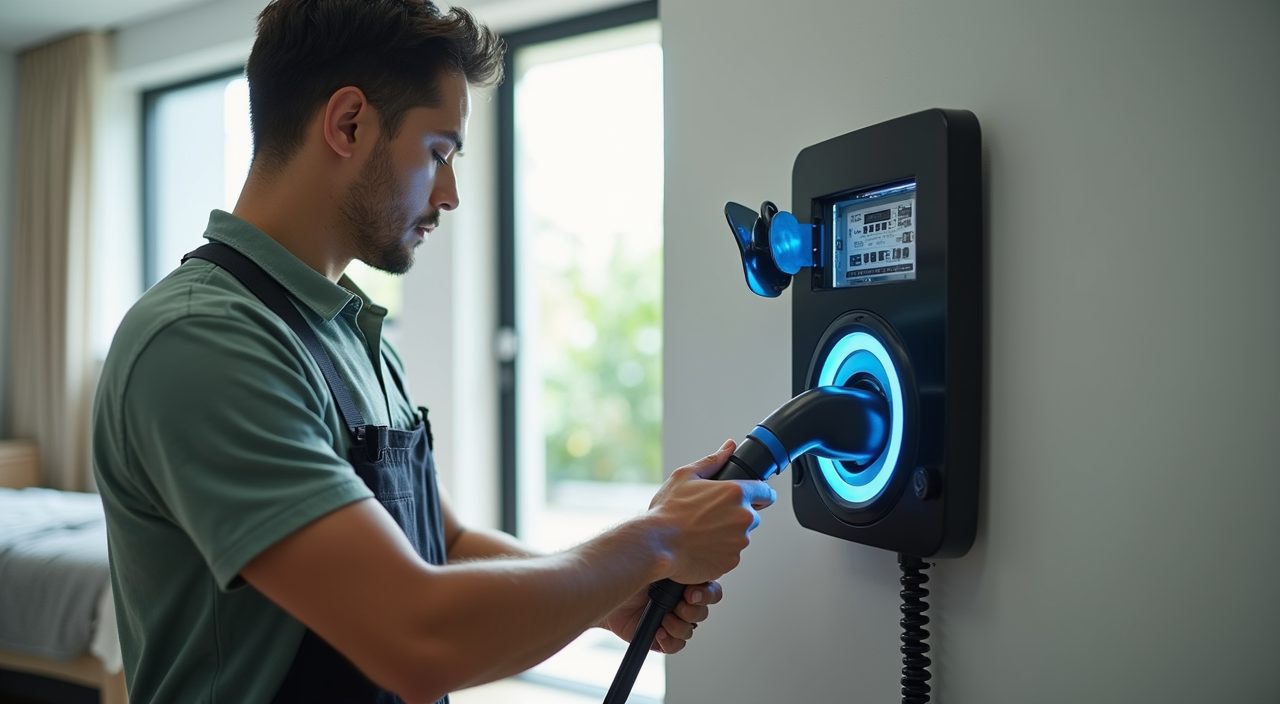
A home EV charger installation in Singapore typically lands somewhere between 1,500 and 4,500 dollars all in, covering the charger unit itself plus the electrical work to connect it. The wide range exists because the charger hardware is only part of the story: the real cost drivers are how far the cable has to run, whether your distribution board needs upgrading, and whether you live in a landed home or a condo with a shared car park.
In practice, a simple landed-house install with the charging point close to the DB can come in under 2,500 dollars, while a condo lot far from the electrical riser, needing a long cable run and management approvals, can climb past 4,000 dollars. This guide breaks down each line item honestly so you know where your money actually goes before you ask for a quote.
What does a full EV charger installation actually include?
The price you pay is a bundle of several separate things, not just the box on the wall. Understanding the parts helps you compare quotes fairly, because a cheap headline price often just means fewer things are included.
Here is what a complete installation usually covers:
- The charger unit: a 7.4 kW single-phase wall box is the common home choice, or a 22 kW three-phase unit if your supply and car support it
- Mounting and the physical fixing of the charger to a wall or pedestal
- The cable run from your distribution board to the charging point, including conduit and trunking
- A dedicated circuit breaker or RCBO in the DB for the charger
- Earthing and protection to meet local safety rules
- Testing, commissioning and the certification paperwork by a Licensed Electrical Worker
How much does the charger unit itself cost?
The hardware alone in Singapore generally runs from about 700 to 1,800 dollars depending on brand, power rating and features. A basic 7.4 kW single-phase charger sits at the lower end, while smart units with app control, load balancing, RFID access or built-in energy metering cost more.
Do not chase the cheapest possible box. A charger with dynamic load management can be worth the extra outlay because it prevents your main supply from tripping when other heavy appliances run at the same time, and it can remove the need for a costly supply upgrade.
Why does the cable run cost so much?
The cable run is often the single biggest variable in the whole quote, and it is why two identical chargers can cost hundreds of dollars apart to install. Copper cable, conduit, trunking and the labour to route it neatly all scale with distance and difficulty.
These factors push the cable cost up:
- Distance: a charging point 5 metres from the DB is cheap, one 30 metres away across a car park is not
- Concealed versus surface routing: chasing cable into walls or ceilings costs more than surface trunking
- Obstacles: going through concrete, around structural beams or up multiple floors adds labour
- Cable size: a 22 kW charger needs thicker cable than a 7.4 kW unit, which costs more per metre
What about distribution board or supply upgrades?
This is the hidden cost that catches people out. If your existing DB has no spare way for a new breaker, or your incoming supply cannot handle the extra load, you may need an upgrade before the charger can go in.
A simple added breaker is minor, but a full DB replacement can add several hundred to over a thousand dollars, and increasing your supply capacity through SP Group involves its own application and lead time. A good electrician will check your board and load before quoting, rather than surprising you on installation day.
Does it cost more in a condo than a landed home?
Yes, usually. A landed home gives you direct control, a nearby DB and a short cable run, which keeps things simple and cheaper. A condo adds layers: you need management corporation approval, the cable often runs a long way from a shared electrical riser to your lot, and sub-metering may be required so your charging is billed to you and not the whole development.
Here is the rough split in practice:
- Landed home: shorter runs, own DB, fewer approvals, often the lower end of the range
- Condo or apartment: MCST approval, long cable runs, possible sub-metering, and shared infrastructure that pushes cost and timeline up
- HDB car parks: governed by HDB and the operator, with their own approved installer and application process rather than a free-for-all
Who is allowed to install an EV charger in Singapore?
EV charger installation is electrical work, so it must be carried out or certified by a Licensed Electrical Worker. This is not optional, and it is not a job for a general handyman. The LEW is responsible for sizing the circuit correctly, ensuring proper earthing and protection, and issuing the certification that keeps your installation compliant and your insurance valid.
If you want the job handled properly from the supply check through to certified commissioning, this is exactly the kind of electrical work our team takes on, coordinating the cable run, board upgrade and paperwork so you are not stitching together separate trades yourself. Getting a licensed professional to scope it first is the cheapest way to avoid an expensive surprise later.
How can I keep the cost down without cutting corners?
The smartest savings come from planning, not from buying the cheapest charger or skipping certification. Small decisions about placement and specification often save more than haggling on the hardware.
Practical ways to trim the bill:
- Place the charger as close to your DB as the parking spot allows to shorten the cable run
- Choose a 7.4 kW single-phase charger unless you genuinely need faster charging, since three-phase adds cost
- Pick a smart charger with load management to potentially avoid a supply upgrade
- Get the electrical scope assessed early so any DB work is planned, not an emergency add-on
- Always insist on LEW certification, because an uncertified install can void insurance and fail later checks
Frequently asked questions
How long does an EV charger installation take? Most home installs are done in a single day once approvals are in place. The physical work of mounting the unit, running the cable and commissioning usually takes a few hours, though condo approvals and any supply upgrade can add days or weeks before that day arrives.
Do I need to upgrade my electrical supply for a home charger? Not always. A 7.4 kW single-phase charger fits within many existing home supplies, especially with a smart charger that balances load. You only need a supply or DB upgrade if there is no spare capacity, which is exactly what an electrician should check before quoting.
Is a 22 kW charger worth the extra cost at home? For most homeowners, no. A 7.4 kW charger fully recharges a typical EV overnight, and 22 kW needs a three-phase supply plus a car that can accept it, both of which add cost. Faster charging matters more for commercial or shared installations than for a single home overnight.
Can I install the charger myself to save money? No. EV charger installation must be done or certified by a Licensed Electrical Worker in Singapore. A DIY install is unsafe, non-compliant, and can void your home and vehicle insurance, which wipes out any saving the moment anything goes wrong.