
What to Check Before Aircon Installation in Your HDB or Condo
A Singapore homeowner's checklist before aircon installation: BTU sizing, isolator and power points, condenser ledge rules, drainage, and HDB or condo approvals.
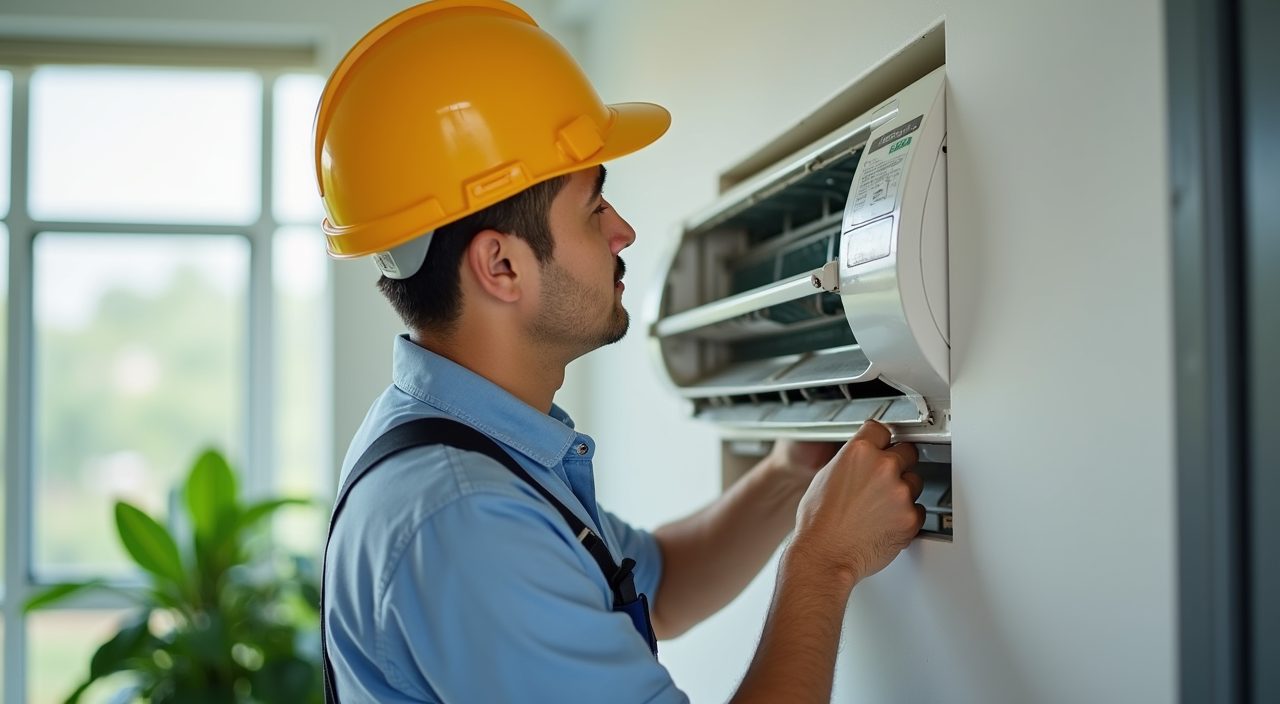
Before aircon installation in your HDB flat or condo, check five things: the room size and BTU rating you actually need, whether your electrical supply and isolator can handle the load, where the condenser will sit and whether the ledge or rack is approved, how the condensate water will drain away, and what approvals your town council, HDB or condo management require. Getting these right upfront prevents tripped circuits, water leaks, wall hacking rework, and awkward disputes with neighbours or management.
Aircon is one of the few home upgrades that touches your electrical system, your building's external facade, and shared drainage all at once. In Singapore's climate the unit runs hard for most of the year, so an install that cuts corners shows up fast as poor cooling, high bills, or a compressor that fails early. The checks below walk through what a homeowner should confirm before the installer drills a single hole.
What size aircon do you actually need?
Aircon capacity is measured in BTU (British Thermal Units) per hour, and undersizing or oversizing both cause problems. A unit that is too small never reaches the set temperature and runs non-stop; one that is too big cools quickly then short-cycles, which wastes energy and leaves the room humid. As a rough Singapore guide, a small bedroom around 100 square feet suits roughly 9,000 BTU, a standard bedroom fits around 12,000 BTU, and a large living or dining area often needs 18,000 to 24,000 BTU or a multi-split setup.
These are starting points, not fixed rules. West-facing rooms, units under the roof, spaces with large windows, or rooms with several people and appliances need more capacity. Ask your installer to size the room properly rather than defaulting to whatever is on promotion.
- Small bedroom (about 100 sq ft): around 9,000 BTU
- Standard bedroom (about 120 to 150 sq ft): around 12,000 BTU
- Large living or dining area: 18,000 to 24,000 BTU, often a multi-split
- Adjust upward for west sun, top-floor heat, big windows, or heavy use
Can your electrical supply and isolator handle it?
Every aircon system needs a dedicated power supply with the right cable size and its own isolator switch near the condenser, so the unit can be safely cut off during servicing. A single split unit usually runs fine off existing points, but a multi-split or several units added at once can push an older distribution board (DB) close to its limit. If your flat still has an ageing DB or few spare ways, you may need an extra circuit breaker or a DB upgrade.
This is licensed electrical work. In Singapore, any new fixed wiring, a new circuit, or DB changes should be carried out by a Licensed Electrical Worker, and larger supply changes must be handled through the proper channels. It is worth confirming this before installation day, because a good electrical and aircon setup avoids nuisance tripping and keeps the warranty and safety cover intact.
- Each system needs a correctly rated isolator switch near the condenser
- A single split usually reuses existing points; multi-splits may need a new circuit
- Older or full distribution boards may need an extra breaker or an upgrade
- New wiring and DB work should be done by a Licensed Electrical Worker
Where will the condenser sit, and is it allowed?
The outdoor condenser needs a proper mounting location with airflow, and in Singapore that location is regulated. HDB flats have a designated aircon ledge, and units must sit on this ledge on an approved bracket, not be hung off the facade or window in an unapproved way. Condos usually have a specified condenser area or air-con box, and the management corporation (MCST) often has rules on placement, bracket type, and who may do the work.
Check the ledge or rack condition too. Old brackets can rust, and a condenser is heavy, so a corroded mount is a real safety risk. If the ledge already holds other units, confirm there is space and enough clearance for the new one to breathe, since a cramped condenser runs hotter and less efficiently.
How will the condensate water drain away?
An aircon constantly produces condensate water, and that water has to be piped to an approved discharge point with a continuous downward slope so it drains by gravity. Poorly laid drainage is the single most common cause of aircon leaks: water backs up, drips from the indoor unit, or stains ceilings and walls, sometimes in the unit below yours. In HDB and condo blocks, condensate must not simply drip onto the ledge or common areas below.
Before install, agree with your contractor where the drain pipe will run and where it terminates. Longer or more concealed pipe runs may need trunking or minor hacking, which affects both cost and how tidy the finished job looks. A drainage point that is planned properly from the start saves you from chasing leaks later.
What approvals do HDB, your condo or the town council need?
Installing or replacing aircon can touch shared structures, so approvals matter. For HDB flats, replacing a unit on the existing ledge with like-for-like mounting is generally routine, but any work involving the facade, external brackets, or hacking may need clearance, and town councils have rules on external appearance and drainage. Always use contractors who follow HDB and town council requirements.
For condos, the MCST typically requires you to notify management, use approved brackets and locations, and sometimes engage only accredited contractors or work within set hours. Check your building's house rules before booking. Sorting approvals early avoids the worst case: an installed unit that management asks you to move at your own cost.
Should you get a professional to handle the install?
Aircon installation combines electrical work, external mounting, and drainage, so it rewards a properly equipped and licensed team rather than the cheapest quote. A qualified installer will size the unit for your room, run the correct cabling and isolator, mount the condenser safely on an approved ledge or rack, and lay drainage with the right fall. When the electrical side is done by licensed hands, you also keep your safety cover and manufacturer warranty intact.
If your install also involves new wiring, a distribution board upgrade, extra power points, or coordinating with renovation work, it helps to use a contractor who covers renovation, electrical and plumbing together. Handling the aircon installation and related electrical services through one accountable team keeps the wiring compliant, the drainage clean, and the finish tidy, without you having to referee between separate trades.
Frequently asked questions
Do I need HDB approval to install aircon? Replacing a unit on your existing approved ledge with the same type of mounting is generally routine, but any work touching the facade, external brackets, drainage, or that involves hacking may need clearance, and town councils have rules on external appearance. Use a contractor familiar with HDB and town council requirements.
How many BTU do I need for a bedroom in Singapore? A standard Singapore bedroom of roughly 120 to 150 square feet usually suits around a 12,000 BTU unit, while a small 100 square foot room can work with about 9,000 BTU. Increase capacity for west-facing rooms, top-floor heat, large windows, or heavy usage.
Does aircon installation need a licensed electrician? Any new fixed wiring, a new dedicated circuit, or distribution board changes should be carried out by a Licensed Electrical Worker in Singapore. Simple like-for-like replacements that reuse existing points are lighter, but it is safest to have the electrical side handled by a licensed professional to protect your warranty and safety.
Why is my aircon leaking water indoors? The most common cause is faulty condensate drainage: a drain pipe that lacks a proper downward slope, is blocked, or is badly laid, so water backs up and drips from the indoor unit. Correcting the drainage fall and clearing any blockage usually resolves it.