
Where to Buy & How to Install a Ceiling Fan
A Singapore homeowner's guide to where to buy a ceiling fan, what to look for, and how installation works, including safe mounting and typical costs.
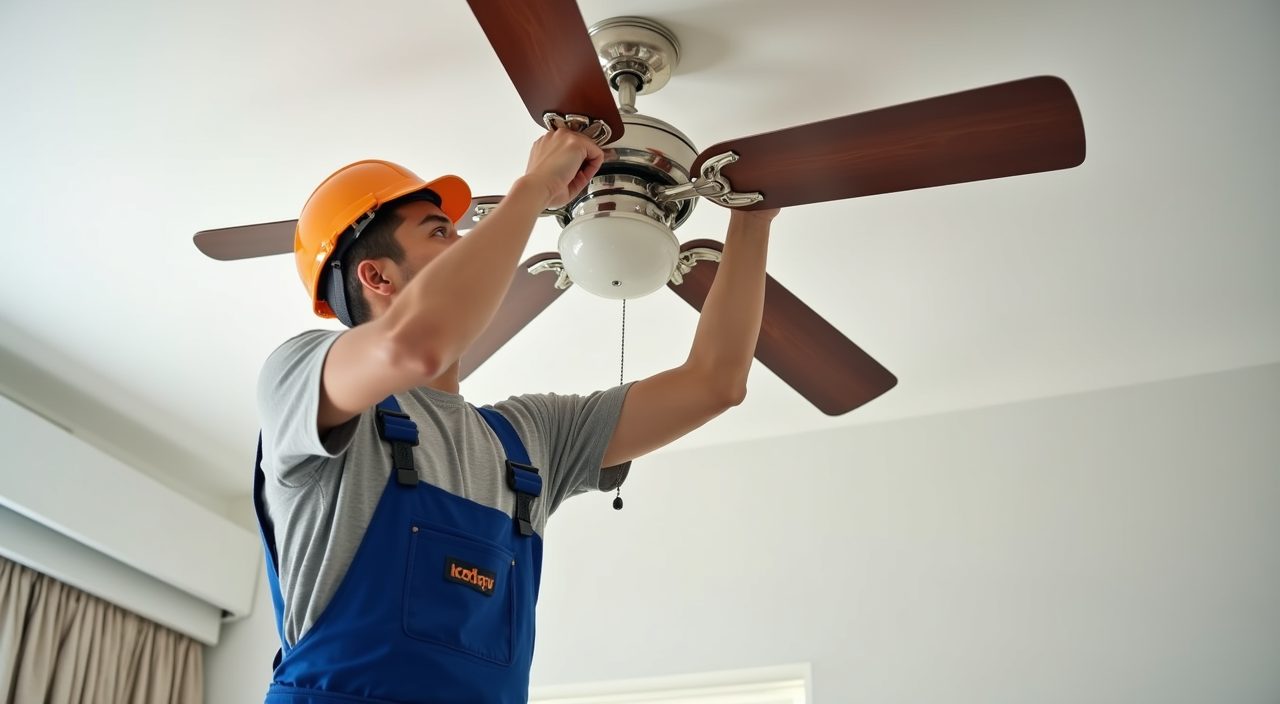
In Singapore you can buy a ceiling fan from big-box stores like Courts, Harvey Norman and Best Denki, from lighting and fan specialists along Balestier Road and Jalan Besar, or online through Lazada, Shopee and brand sites. For installation, most homeowners hire a handyman or an electrician, since the fan must be wired into a mains circuit and mounted securely into a ceiling that can hold its weight and vibration.
Picking a fan is the easy part. The details that matter are the mounting point, the ceiling type, the blade span for your room, and whether the wiring at the ceiling can support a fan safely. This guide covers where to shop, what to check before buying, and how a proper install is done in a local flat or house.
Where can I buy a ceiling fan in Singapore?
You have three main routes: general retailers, specialist showrooms, and online marketplaces. Each suits a different buyer, so choose based on whether you want to see the fan in person, get expert advice, or hunt for the lowest price.
- General retailers: Courts, Harvey Norman, Best Denki and Gain City carry mainstream brands and often bundle delivery and installation for an added fee.
- Fan and lighting specialists: showrooms along Balestier Road, Jalan Besar and Sim Lim area stock a wide range, including DC-motor and smart fans, with staff who know the products well.
- Online: Lazada, Shopee, and brand or distributor sites usually have the best prices and reviews, but you arrange installation yourself.
- Direct from brands: Fanco, KDK, Crestar, Bestar and Elmark are common local names, and several sell or ship directly.
What should I check before buying a ceiling fan?
The right fan depends on your room size and ceiling. A blade span that is too small will not move enough air, and a fan hung too low is a safety and comfort problem, especially in HDB flats with lower ceilings.
Before you buy, confirm these points so the fan actually fits and performs well in your space.
- Blade span: roughly 42 to 46 inches for a bedroom, 48 to 56 inches for a living or dining area, larger for open-plan spaces.
- Motor type: DC motors are quieter and use less electricity than older AC motors, though they cost more upfront.
- Ceiling height: aim for the blades to sit at least 2.3 metres above the floor; use a low-profile or hugger fan if your ceiling is under about 2.6 metres.
- Mounting point: check there is an existing fan hook or junction box, or plan for one to be installed.
- Light kit and remote: decide early if you want an integrated light or app and remote control, as this affects wiring.
Can I install a ceiling fan myself?
You can physically hang a fan yourself, but the electrical connection is the risk. In Singapore, wiring into the mains carries real shock and fire hazards, and any work that touches the fixed electrical installation is best left to someone competent. If you are replacing a fan on an existing, properly wired fan point, a careful DIY swap is possible; if there is no fan point, or you are unsure about the wiring, do not improvise.
Getting it wrong is not just a comfort issue. A poorly secured fan can drop, and bad wiring can trip your circuit or worse. When in doubt, hire a professional.
How is a ceiling fan installed?
A proper installation follows the same core steps whether it is a new fan or a replacement. The key is a secure mount and a correct electrical connection.
- Turn off the power at the distribution board and confirm the circuit is dead before touching any wiring.
- Fix a fan-rated bracket or hook into a structural point in the ceiling, not just plaster or a false ceiling panel.
- Assemble the motor and downrod, then hang the fan and connect the live, neutral and earth wires to the fan point.
- Attach the blades and any light kit, restore power, and test all speeds and the reverse function.
- Check for wobble; a small imbalance is fixed with a balancing kit, but persistent shaking usually means the mount is not secure.
What does professional ceiling fan installation cost?
For a straightforward replacement on an existing fan point, a handyman or electrician in Singapore typically charges a modest fixed fee. Costs rise when new wiring, a new fan point, or work on a concrete or false ceiling is involved. It also depends on fan weight, ceiling height, and whether scaffolding or an A-frame ladder is needed.
Because pricing varies with the job, ask for a quote based on your specific ceiling and wiring rather than assuming a flat rate. A clear quote should state whether it covers mounting, wiring, testing, and disposal of your old fan.
Getting the installation done properly
If your home has no existing fan point, if the ceiling is concrete or a false ceiling, or if the fan is heavy or a smart model, it is worth engaging a professional for ceiling fan installation. A licensed electrician or experienced installer will confirm the mount is structural, wire it safely, and test everything before leaving.
Our team handles ceiling fan installation across Singapore flats and houses, from simple like-for-like swaps to new fan points that need fresh wiring. Getting a proper quote first means no surprises on cost or on what the ceiling can actually support.
Frequently asked questions
Do I need a licensed electrician to install a ceiling fan in Singapore? For a simple swap on an existing, sound fan point, a competent handyman is often enough. If new wiring, a new circuit, or work on the fixed electrical installation is involved, use a licensed electrical worker to keep it safe and compliant.
Can a ceiling fan be installed in an HDB flat? Yes. Most HDB flats already have a fan point in bedrooms and the living area. If you are adding a point where none exists, make sure the mount goes into the concrete slab and the wiring is done properly.
What size ceiling fan do I need for my room? As a rough guide, use 42 to 46 inches for bedrooms, 48 to 56 inches for living and dining areas, and larger or multiple fans for open-plan spaces. Match the span to the room so the airflow feels even.
How long does it take to install a ceiling fan? A straightforward replacement on an existing fan point usually takes under an hour. A new fan point, concrete drilling, or false-ceiling work takes longer, so confirm timing when you get your quote.