
Why Is My Aircon Not Cold? 8 Common Reasons and What Actually Fixes Them
Aircon blowing but not cold in Singapore? The 8 real causes, from clogged filters to low gas, and what actually fixes each one.
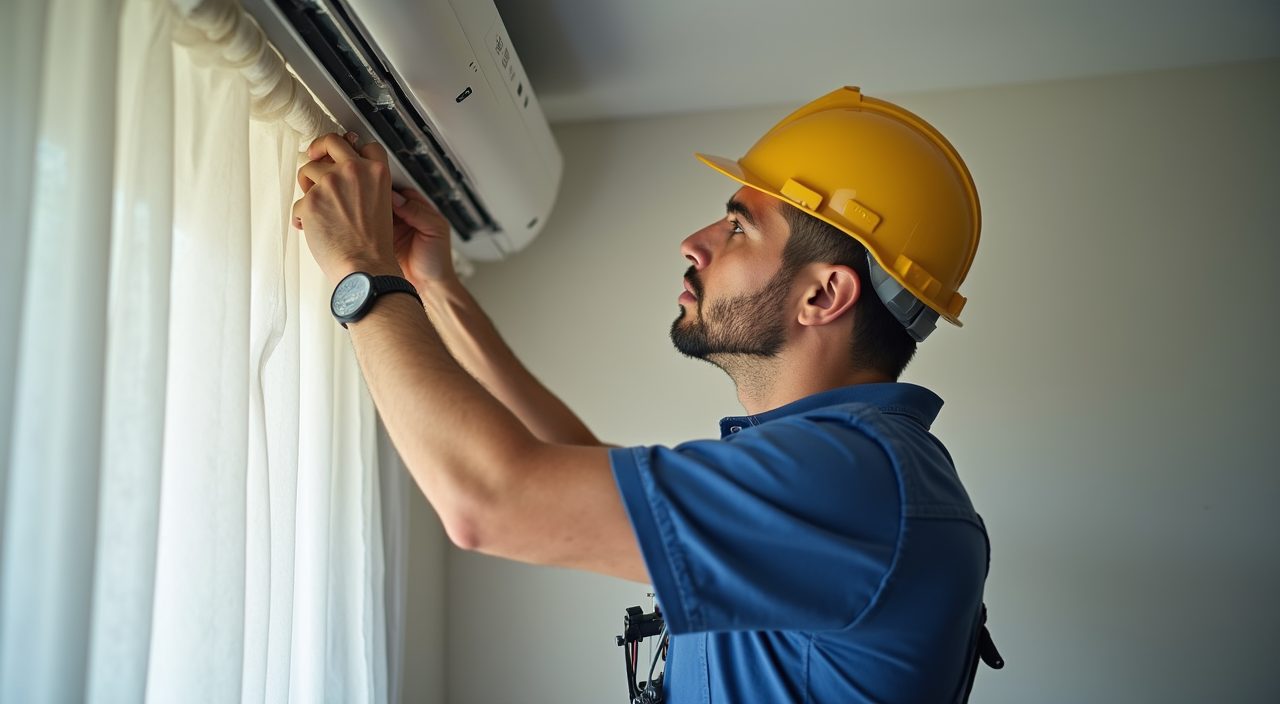
If your aircon is running but not cold, the most common causes in Singapore homes are a clogged filter, a dirty evaporator coil, a wrong or accidentally changed mode, low refrigerant gas, or a fault in the compressor or fan. The quick things you can check yourself are the remote settings, the filters, and whether the outdoor unit is running. Anything involving gas, electrical faults, or the compressor needs a trained technician.
Singapore's heat and humidity push aircon units hard, and most cooling problems come down to blocked airflow or low gas rather than a dead unit. This guide walks through the eight reasons an aircon blows air but does not cool, tells you which ones you can safely handle, and flags the ones that need a professional so you do not waste money or make a small fault worse.
How do I know it is a real problem and not just the settings?
Before assuming your unit is broken, rule out the settings. It is very common for the mode to get switched from Cool to Fan or Dry, or for the temperature to be set too high. On a hot Singapore afternoon, 24 to 25 degrees Celsius is a realistic target; setting it lower does not make the unit cool faster, it just runs longer.
Check these first, since they cost nothing and fix a surprising share of no-cooling complaints:
- Mode is set to Cool (a snowflake icon), not Fan or Dry
- Set temperature is genuinely lower than the room temperature
- The outdoor condenser unit is actually running and not tripped
- Doors and windows in the room are closed so cold air is not escaping
- No one has left a large heat source, like an oven or many people, in a small room
Could a dirty filter be why my aircon is not cold?
Yes, and this is the single most common cause. A clogged filter blocks airflow across the coil, so the unit runs but pushes little cold air. In Singapore's dusty, humid climate, filters clog faster than the once-a-quarter cleaning many people assume.
The fix is simple and safe to do yourself. Open the front cover, slide out the mesh filters, rinse them under a tap, let them dry fully, then refit. If the airflow is weak even with clean filters, the problem is deeper inside the unit, usually the coil, and that needs servicing.
- Clean filters roughly every 2 to 4 weeks if the unit runs daily
- Never refit filters while still wet, as this feeds mould growth
- Weak airflow after cleaning points to a dirty coil, not the filter
What if the filter is clean but it still is not cooling?
If airflow is fine but the air is not cold, the next suspects are the evaporator coil and the drainage. A layer of dust and biofilm on the coil insulates it and kills cooling, and it also causes that musty smell and water dripping from the fan coil unit. This is why a proper chemical wash, not just a filter rinse, matters once or twice a year.
A blocked condensate drain can also make a unit shut down or ice up. If you see water leaking from the indoor unit or ice forming on the copper pipes, switch it off and book a service rather than running it and risking water damage to your ceiling or walls.
Does my aircon need a gas top-up?
Possibly, but low gas is diagnosed less often than people think. Refrigerant is a sealed loop; it does not get used up like fuel. If your gas is genuinely low, there is a leak somewhere, and simply topping up without fixing the leak means you will be paying again in a few months.
Signs of low refrigerant include the indoor unit blowing only mildly cool air, ice forming on the copper pipe or coil, and the outdoor unit running constantly without the room ever reaching the set temperature. A technician should pressure-test for the leak, repair it, then recharge. Be wary of anyone who offers a top-up without checking for a leak first.
- Refrigerant does not deplete normally; low gas means a leak
- Ice on the pipes plus weak cooling is a classic low-gas sign
- A responsible fix repairs the leak before recharging, not just tops up
Why does the outdoor unit matter so much?
The outdoor condenser is where heat is dumped out of your home, so if it is not working, the indoor unit cannot cool no matter how clean it is. Walk to your service yard or wherever the outdoor unit sits and check that the fan is spinning and it is not making loud grinding or buzzing noises.
Common outdoor faults include a failed capacitor, a seized fan motor, a tripped breaker, or a compressor that is not starting. In condos and HDB flats, the unit can also be starved of airflow if it is boxed in or clogged with dust and leaves. Anything beyond clearing debris around it should be left to a technician, since it involves live electrical parts.
Could it be an electrical or capacitor fault?
Yes. If the whole unit is dead, only the indoor fan runs, or the compressor hums but will not start, the cause is often electrical: a tripped breaker, a faulty capacitor, loose wiring, or a failing contactor. These faults are easy to misread as a gas or coil problem, which is why guessing wastes money.
This is where the electrical side matters. Aircon circuits, isolators, and condenser wiring should be handled by a competent person, and in Singapore any fixed electrical wiring work must comply with the local rules, with larger jobs requiring a licensed electrical worker. Our team handles aircon electrical faults, tripping circuits, and the wiring behind the unit as part of our electrical services, so a no-cooling fault caused by a dead capacitor or a tripped isolator gets diagnosed and fixed properly rather than patched over.
Is my aircon simply too old or wrongly sized?
Sometimes the unit is fine but was never right for the room. An undersized system, for example a small unit trying to cool a large open-plan living area or a west-facing flat that bakes in the afternoon sun, will run non-stop and still feel weak. An oversized unit short-cycles and leaves the room humid.
Age is a factor too. Most split units in Singapore give good service for around 8 to 12 years. Past that, compressors weaken, efficiency drops, and repair costs start to rival replacement. If an older unit needs frequent gas top-ups or major part replacements, putting that money toward a correctly sized new system is often the smarter call.
- Undersized unit: runs constantly, never reaches set temperature
- Oversized unit: cools fast but leaves the room clammy and humid
- Units past 8 to 12 years may cost more to keep fixing than to replace
When should I stop DIY and call a professional?
Do the safe checks yourself: settings, filters, closed doors, and clearing debris around the outdoor unit. Stop there. Anything involving refrigerant, opening the sealed system, electrical parts, the compressor, or persistent water leaks needs a trained technician with the right tools and gauges.
Getting the diagnosis right matters, because a low-gas fault, a dirty coil, and a dead capacitor produce similar symptoms but need completely different repairs. If your unit blows air but stays warm after you have cleaned the filters, book a proper inspection rather than guessing. A good technician confirms the actual cause before charging you for parts or gas.
Frequently asked questions
Why is my aircon running but not cold? The most likely reasons are a clogged filter or dirty coil blocking cooling, the mode set to Fan or Dry instead of Cool, low refrigerant from a leak, or a fault in the outdoor unit such as a failed capacitor or compressor. Start by checking the settings and cleaning the filters, then get a technician to inspect the coil, gas, and electrical parts if it still is not cold.
How often should I service my aircon in Singapore? For units that run daily, rinse the filters every 2 to 4 weeks yourself and get a professional general service every 3 months, with a chemical wash about once or twice a year. The heat and humidity here dirty the coils faster than in cooler climates, so regular servicing prevents most no-cooling problems.
Does topping up gas fix an aircon that is not cold? Only if low gas is the real cause, and even then a top-up alone is a temporary fix. Refrigerant runs in a sealed loop and does not deplete normally, so if it is low there is a leak that must be found and repaired first, otherwise the gas will run low again within months.
Can an electrical fault stop my aircon from cooling? Yes. A tripped breaker, a failed capacitor, loose wiring, or a faulty isolator can stop the compressor or outdoor fan from starting, so the indoor unit blows air but never gets cold. Electrical faults look similar to gas problems, which is why the wiring and components should be checked by someone qualified to handle the electrical side.