
Wireless vs Wired Doorbell: How Doorbell Wiring Works in Singapore Homes
Wireless vs wired doorbells in Singapore HDB and condo homes: how doorbell wiring works, which suits your gate, and when to call an electrician.
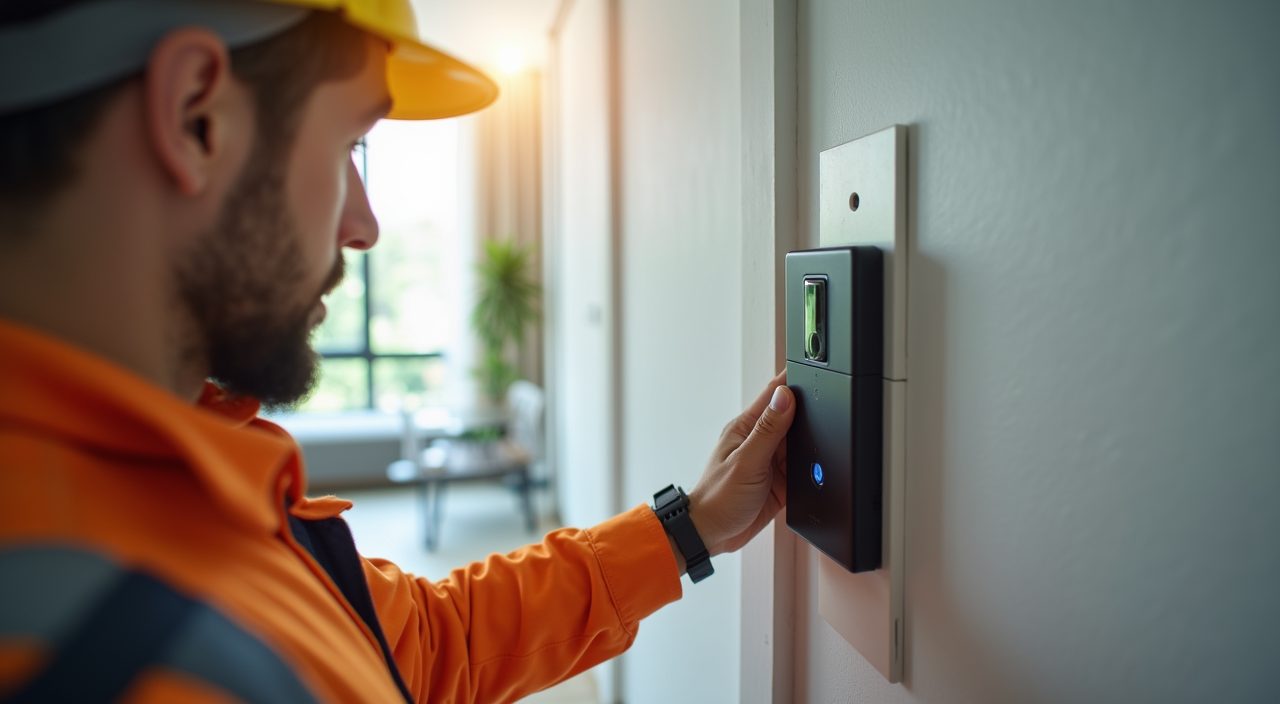
A wireless doorbell uses a battery-powered push button that sends a radio signal to a plug-in or battery chime, so it needs no cabling and suits most HDB flats and condos where you do not want to hack walls. A wired doorbell runs a thin low-voltage cable from the push button at your gate or door back to a chime inside, powered through a small transformer, and it never needs a button battery. For a typical Singapore home the choice comes down to whether you already have doorbell wiring in place and how far the signal has to travel from a metal gate to the chime.
Most older HDB flats were built with a simple wired doorbell circuit already run to the main door, while many newer flats and condos leave it to the resident to fit their own bell. Knowing which type you have decides whether a swap is a five-minute battery job or a task that needs an electrician to trace and terminate low-voltage cable.
How does a wired doorbell actually work?
A wired doorbell is a low-voltage circuit, not a 230V mains one. A small transformer steps the mains supply down to roughly 8V to 24V, and two thin wires carry that low voltage out to the push button. Pressing the button completes the circuit and triggers the chime unit, which is usually mounted in the hallway or near the main door.
Because the voltage at the button is low, the wiring is thin bell wire rather than heavy mains cable. The transformer itself still connects to your mains supply, so the initial installation and any transformer work should be done by a licensed electrician, even though the button and chime run on safe low voltage.
- Transformer: steps 230V mains down to about 8V to 24V for the bell circuit.
- Bell wire: two thin low-voltage conductors running to the push button.
- Push button: completes the circuit when pressed.
- Chime: sounds the ding-dong or melody inside the home.
How does a wireless doorbell work?
A wireless doorbell has no cable between the button and the chime. The push button holds its own battery and transmits a radio signal, typically in the 433MHz band used across Singapore, to a receiver chime. The chime is either plugged into a 13A socket or runs on its own batteries.
This makes wireless the easiest retrofit for any home. You stick or screw the button beside the gate or door, place the chime wherever you can hear it, and pair them once. The trade-off is that you eventually replace batteries in the button, and thick concrete walls or a solid metal gate can shorten the reliable range.
Which type suits an HDB flat or condo?
If your flat already has a working wired bell at the main door, a like-for-like wired replacement keeps things tidy and battery-free. If there is no existing wiring, or you rent and cannot alter the unit, wireless is the practical pick because it avoids any hacking or new cable runs. Condos with a video intercom at the lobby often still want a separate bell at the unit door, and wireless covers that neatly.
One Singapore-specific point: many homes have a metal gate set ahead of a solid main door, and the button often sits on or near that gate. Metal can partially block a radio signal, so if you go wireless, mount the button on the gate frame or wall rather than deep inside a metal recess, and test the range before committing.
- Existing wired bell that works: replace like-for-like wired, or upgrade the chime only.
- No existing wiring and you own the home: wireless, or run new bell wire if you want a permanent wired setup.
- Renting: wireless, since it leaves no permanent alterations.
- Metal gate with the button on it: test wireless range first, or use wired for reliability.
Wired vs wireless: a quick comparison
Neither type is strictly better; they solve different situations. Use the points below to match the doorbell to your home and how much work you are willing to do.
- Installation effort: wireless is a DIY-level stick-and-pair job; wired needs cable and a transformer, so it is more involved.
- Cabling: wireless has none between button and chime; wired needs a low-voltage run back to the chime.
- Power: wireless button runs on a battery you replace occasionally; wired button never needs a battery.
- Reliability: wired is immune to radio interference; wireless can drop out through thick walls or metal gates.
- Look: wired can be fully concealed; wireless buttons are visible surface-mounted units.
- Best fit: wired suits owners with existing wiring who want it permanent; wireless suits renters, quick upgrades, and homes with no bell wiring.
Can I install a doorbell myself, or do I need an electrician?
Swapping a wireless doorbell or changing button batteries is a safe DIY task. Fitting or replacing a wired doorbell is different, because the transformer connects to your 230V mains supply, and any work on the mains side should be handled by a licensed electrician. In Singapore, electrical work that touches the fixed mains wiring is meant to be carried out by a Licensed Electrical Worker.
If you want a new wired bell where none exists, need the transformer replaced, or your existing bell has stopped working and you cannot tell whether the fault is the button, the chime, or the wiring, a professional can trace the low-voltage circuit and terminate it correctly. When you would rather not touch mains yourself, our electrical services team can install a wired doorbell, add a transformer, or fault-find an existing bell so it works properly and safely.
Why has my existing doorbell stopped working?
Most doorbell faults come down to a handful of causes, and they are usually cheap to fix once found. On wired bells the common culprits are a failed transformer, a worn push button, corroded contacts at the gate, or a broken chime. On wireless bells it is almost always a flat button battery, a chime that lost its pairing, or the two units sitting too far apart.
A logical way to narrow it down is to swap the easy things first, then work back toward the wiring. If a wireless bell still fails after a fresh battery and re-pairing, the receiver may be faulty. If a wired bell is dead across the board, the transformer or its mains supply is a likely suspect and worth having checked.
- Wired, no sound at all: suspect the transformer or its mains supply.
- Wired, intermittent: check the push button and the contacts at the gate.
- Wireless, no sound: replace the button battery, then re-pair the chime.
- Wireless, works up close only: move the units closer or clear the path of metal and thick walls.
Frequently asked questions
Do HDB flats come with doorbell wiring already? Many older HDB flats were handed over with a simple wired bell run to the main door, but this is not guaranteed across all blocks and ages. Newer flats and condos often leave the bell to the resident, so check for an existing button and chime before assuming wiring is present.
Is a wired doorbell dangerous to touch? The button and bell wire run on safe low voltage of roughly 8V to 24V, so the parts you handle are not dangerous. The transformer connects to 230V mains, though, so any work on that side should be left to a licensed electrician.
How long do wireless doorbell batteries last? It varies with how often the bell is pressed and the model, but a button battery commonly lasts several months to over a year. A weak or delayed chime is usually the first sign it needs replacing.
Can I switch from wired to wireless without removing the old wiring? Yes. You can simply stop using the old wired bell and mount a wireless set over or beside it. Leaving disused bell wire in place is fine since it is low voltage, though an electrician can cap it neatly if you prefer a tidy finish.