Condo Bedroom Design Ideas
Practical condo bedroom design ideas for Singapore homes: palettes, storage, lighting and finishes that suit small rooms, tropical light and humidity.
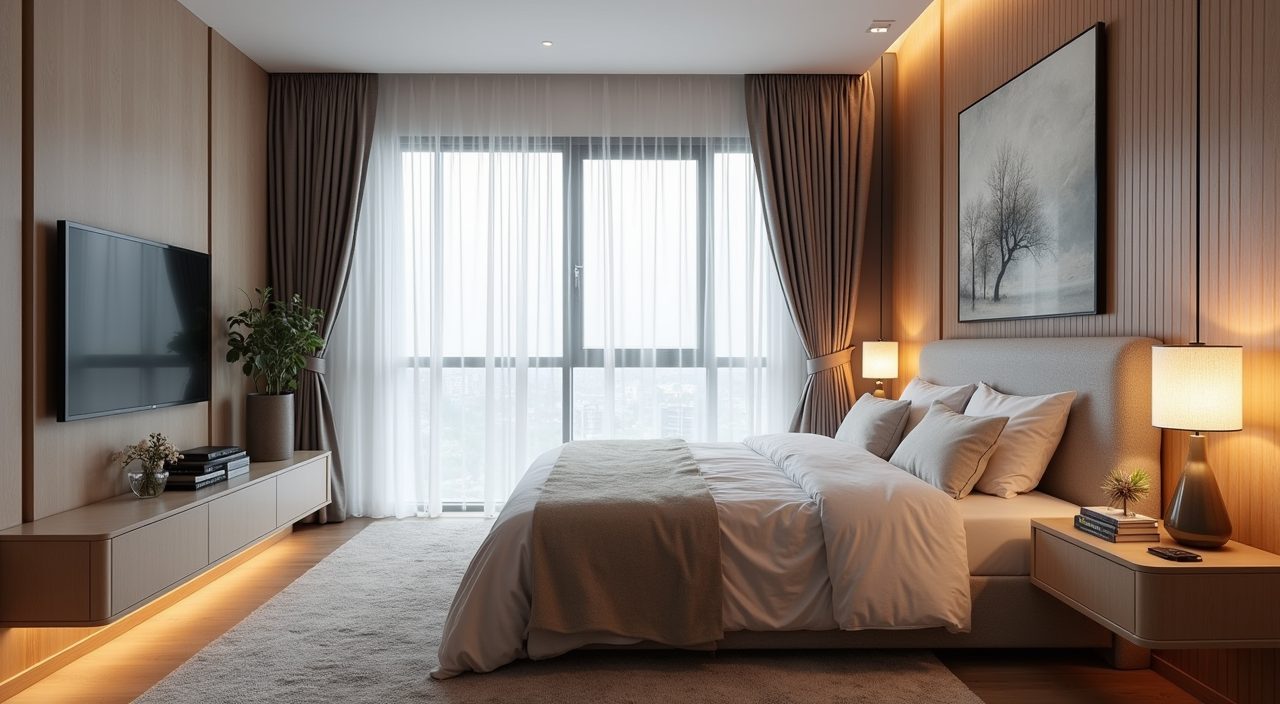
Design a Singapore condo bedroom by working with a small footprint, strong tropical light and constant humidity rather than against them. Keep the palette light and calm, build storage up the walls instead of out into the floor, layer your lighting so you are not stuck with one harsh ceiling light, and pick finishes that shrug off moisture. Get the layout and the wardrobe right first, then spend on the touches you see and feel every day.
Most condo master bedrooms here run roughly 3 by 3.5 metres to 4 by 4 metres, and the common (second) bedroom is often just enough for a queen bed plus a slim wardrobe. HDB bedrooms are similar in size, so the same thinking applies. The real constraints are floor area, ceiling height around 2.6 to 2.9 metres, west or afternoon sun, and humidity that punishes cheap materials. The ideas below are chosen to solve exactly those problems.
Start with a light, warm neutral palette
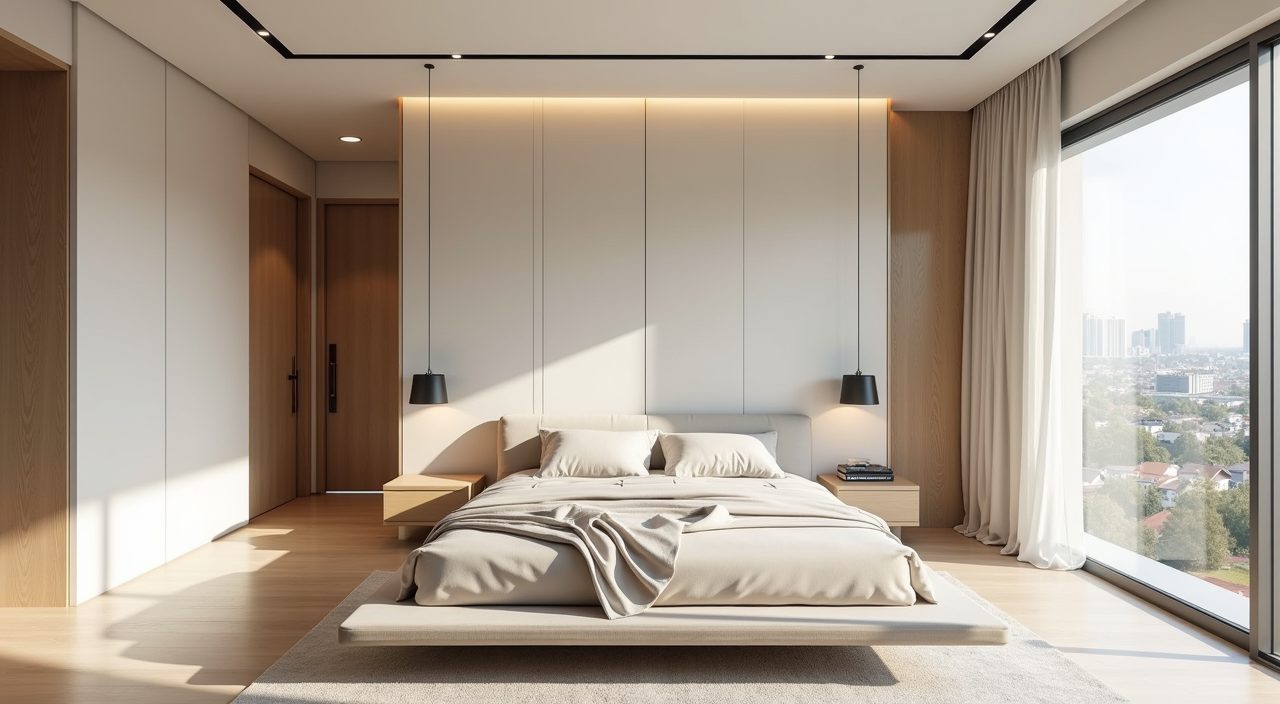
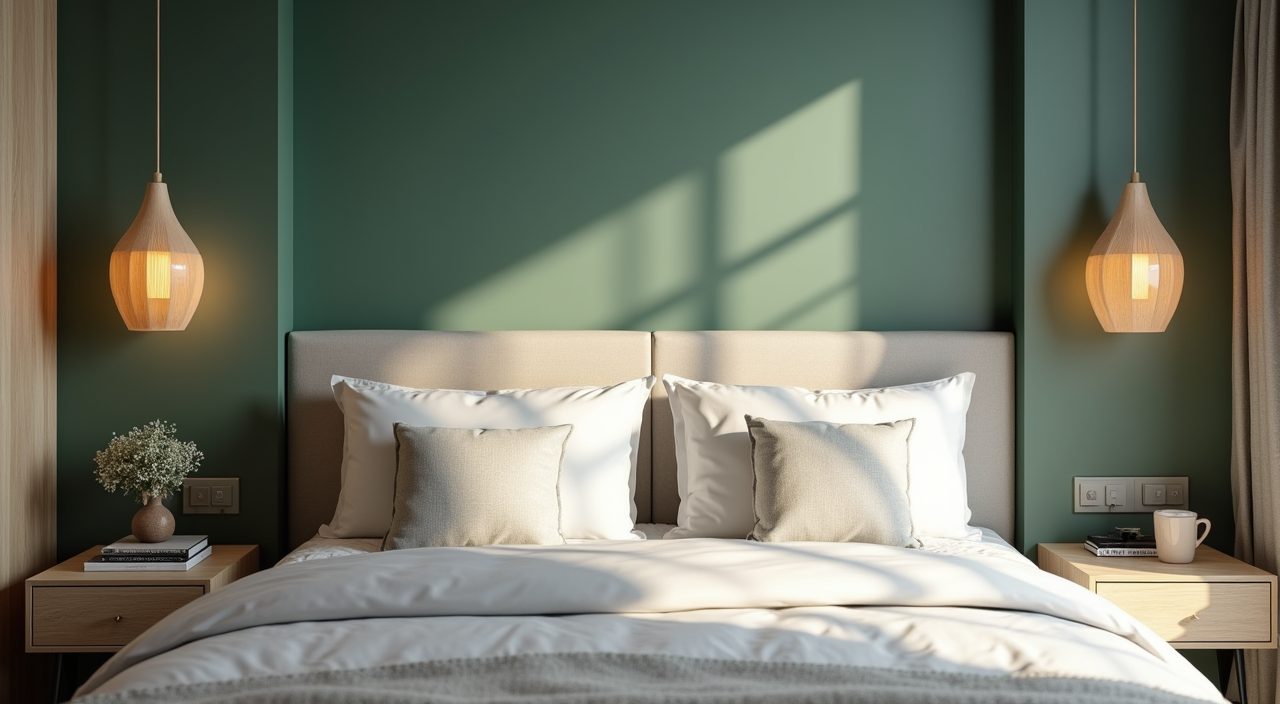
Light colours make a small room read bigger and bounce Singapore's strong daylight deeper into the space. A warm off white or greige on the walls, paired with pale timber tones, keeps the room calm without feeling cold or clinical. Reserve deeper colours for one accent: a feature wall behind the bed, the curtains, or the bed linen, so the room has depth but never closes in.
If you love a moodier look, use it on the headboard wall only and keep the other three walls light. That way the dark tone frames the bed rather than shrinking the whole room.
- Safe base: warm white or soft greige walls with light oak or walnut accents.
- One accent only: a muted green, terracotta, or charcoal on a single wall or in textiles.
- Avoid pure cool grey everywhere, which can feel flat and dim under tropical light indoors.
Build a full height wardrobe instead of freestanding furniture
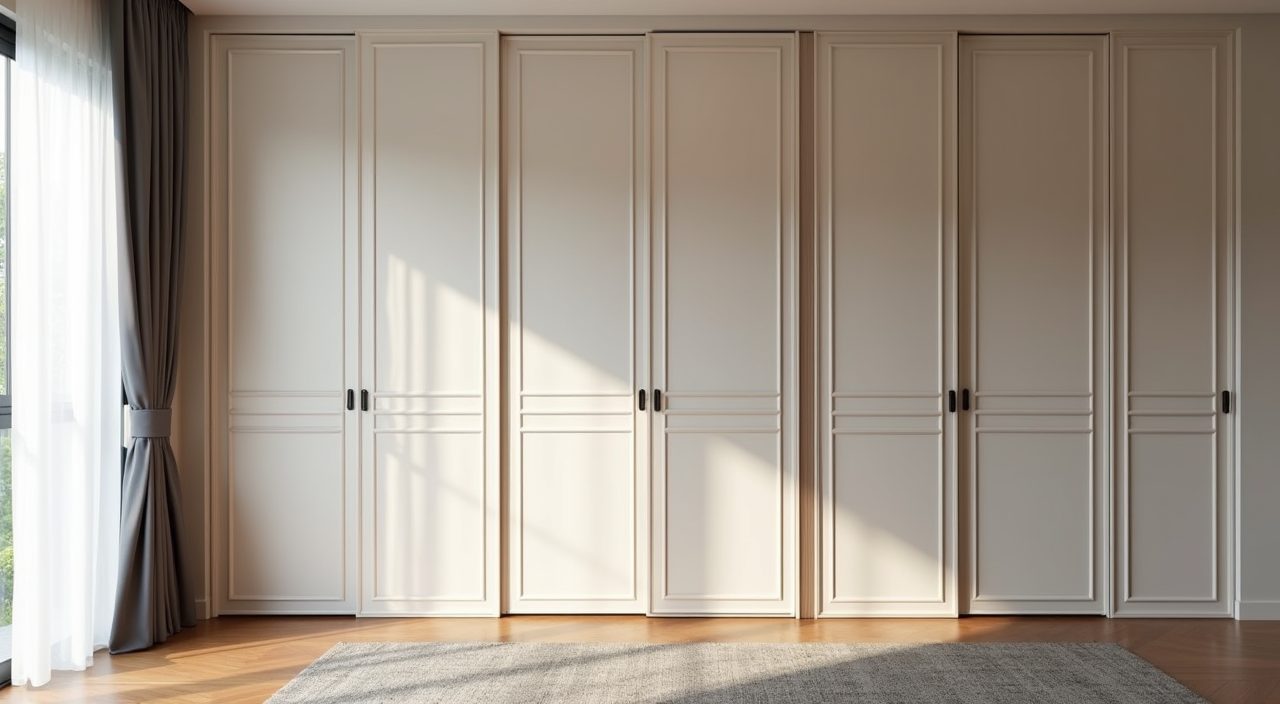
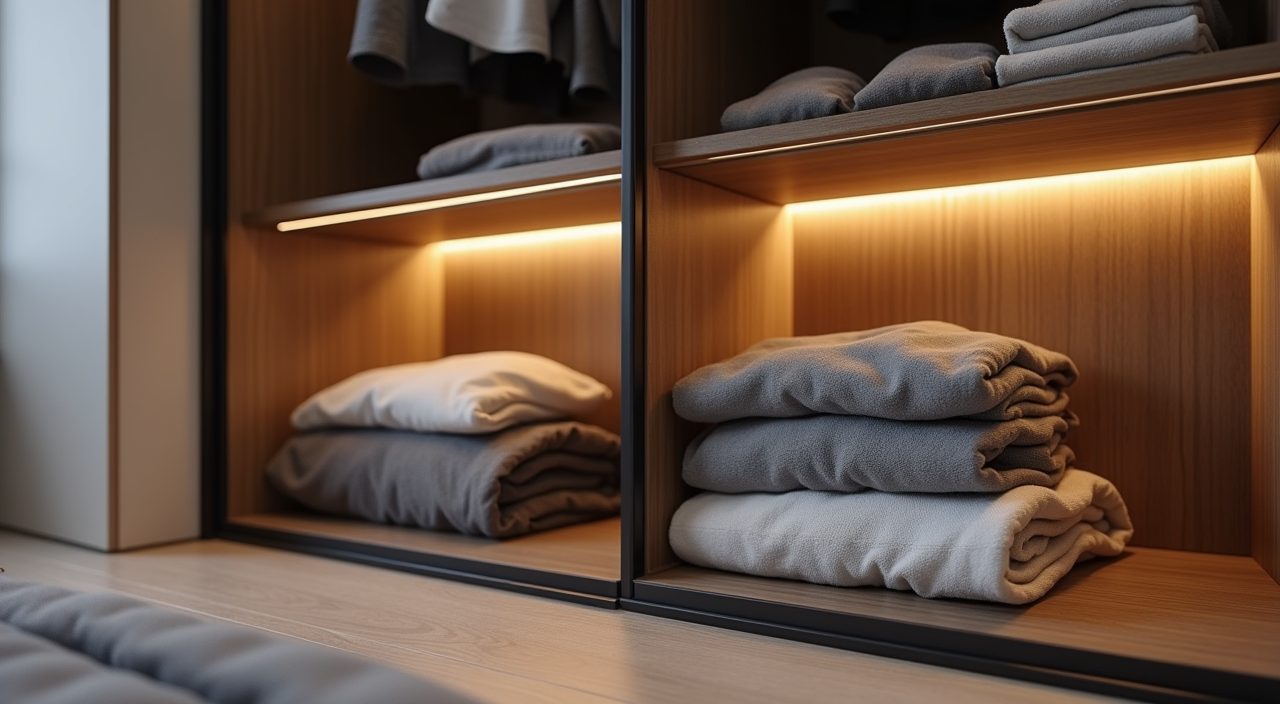
Storage is the single biggest win in a Singapore bedroom. A built in wardrobe that runs floor to ceiling uses the full wall height, hides the messy top shelf, and gives you far more capacity than a freestanding cabinet in the same footprint. Carcass in moisture resistant plywood or a good quality board, with a laminate or fluted finish on the doors, holds up well in our climate.
Where the room is tight, choose sliding or top hung doors so you are not losing walking space to a swing. If your budget allows, an L shaped run into a corner or a slim wardrobe that wraps toward the window turns dead space into hanging and shelving.
Use the bed frame as hidden storage
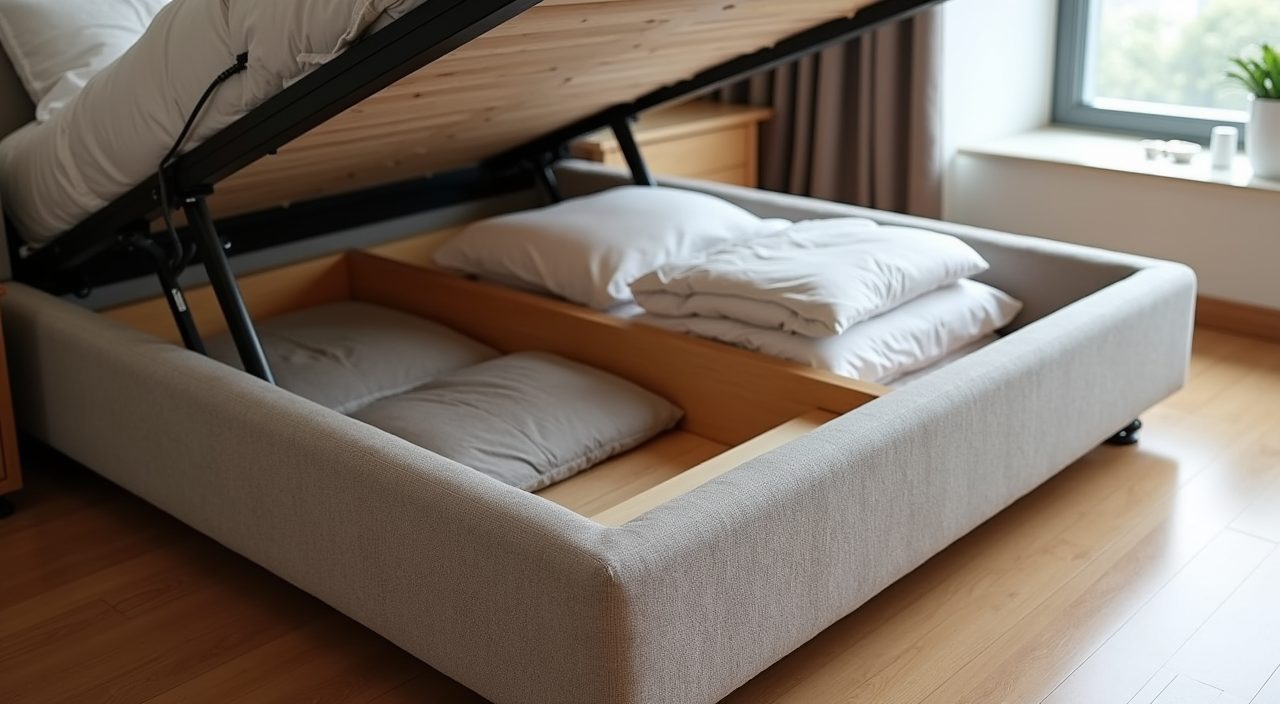
In a compact room the bed footprint is unavoidable, so make it work twice. A storage bed with drawers or a lift up hydraulic base swallows bulky items like bedding, luggage and seasonal clothes that would otherwise eat into your wardrobe. This is one of the most practical moves for a common bedroom where a full wardrobe wall is not possible.
Keep the mattress well ventilated and lift the base occasionally to air it out, since trapped moisture under a storage bed can encourage mould in our humidity. A slatted or perforated base helps.
Layer your lighting, do not rely on one ceiling light
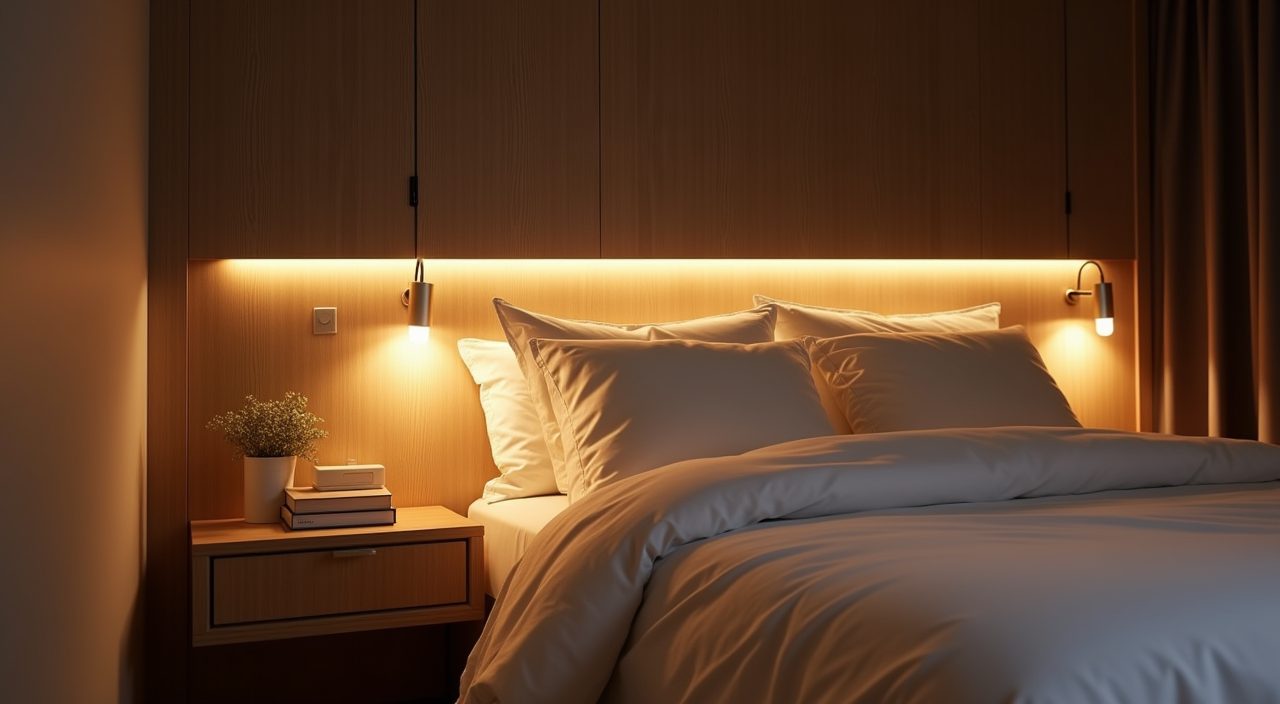
A single bright downlight in the middle of the ceiling flattens the room and throws shadows. Aim for three layers: a soft general light, task lighting for reading, and a low warm light for winding down. Warm white in the 2700K to 3000K range feels restful in a bedroom; save cooler temperatures for the wardrobe or a vanity where you dress.
Wall lights or slim pendants beside the bed free up the side tables and give you switchable reading light. A dimmer, or at least a separate switch for a lamp, lets you drop the brightness at night without getting up.
- Ambient: recessed downlights or a cove light for even, glare free fill.
- Task: bedside wall lights or pendants, plus wardrobe strip lights.
- Mood: a warm lamp or LED strip behind the headboard on a separate switch.
Plan for humidity and the afternoon sun
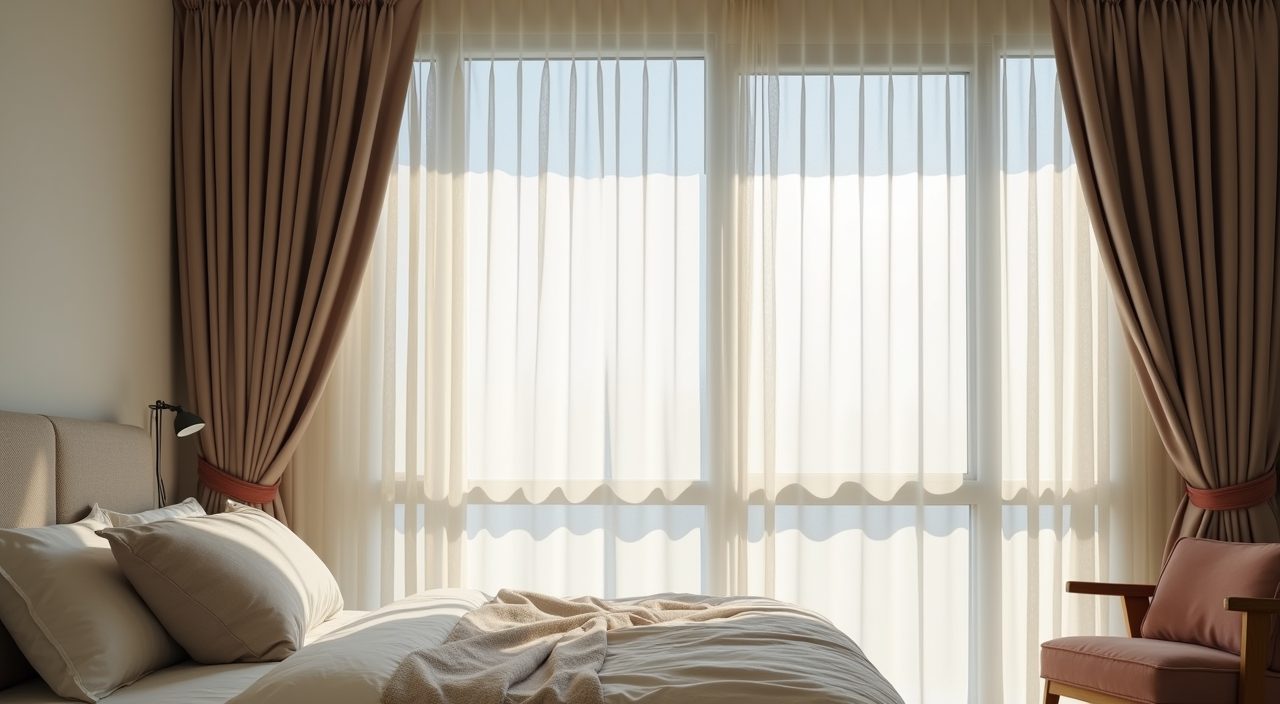
Singapore's climate is hard on bedrooms. West facing rooms heat up in the afternoon, and year round humidity warps cheap materials and feeds mould behind furniture. Leave a small air gap between wardrobes and the wall, favour moisture resistant carcasses, and keep the room ventilated. Many owners run the aircon on a dry or fan cycle to keep things comfortable and reduce damp.
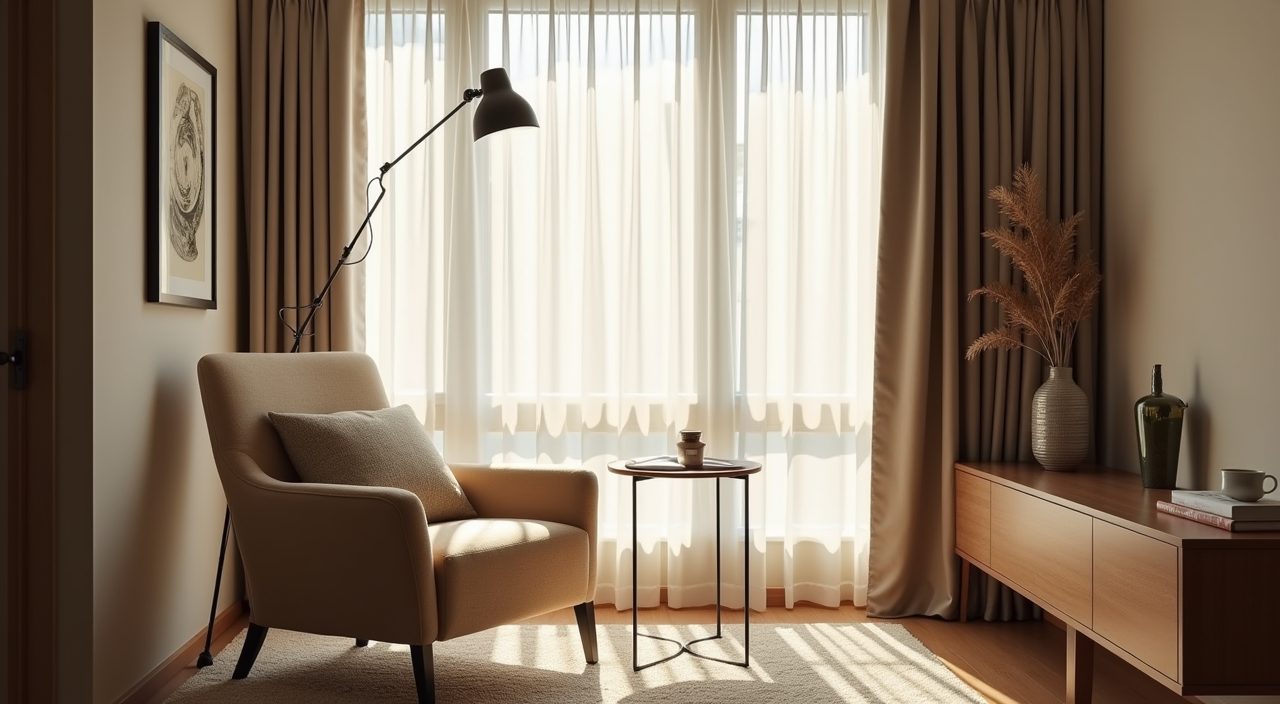
For heat and glare, layered window treatments do a lot of work. A day curtain or sheer softens light, while a blackout layer or blinds behind it blocks the afternoon sun so you can actually sleep in. This matters most in bedrooms that face west or catch the low evening sun.
Choose finishes that handle moisture and daily wear
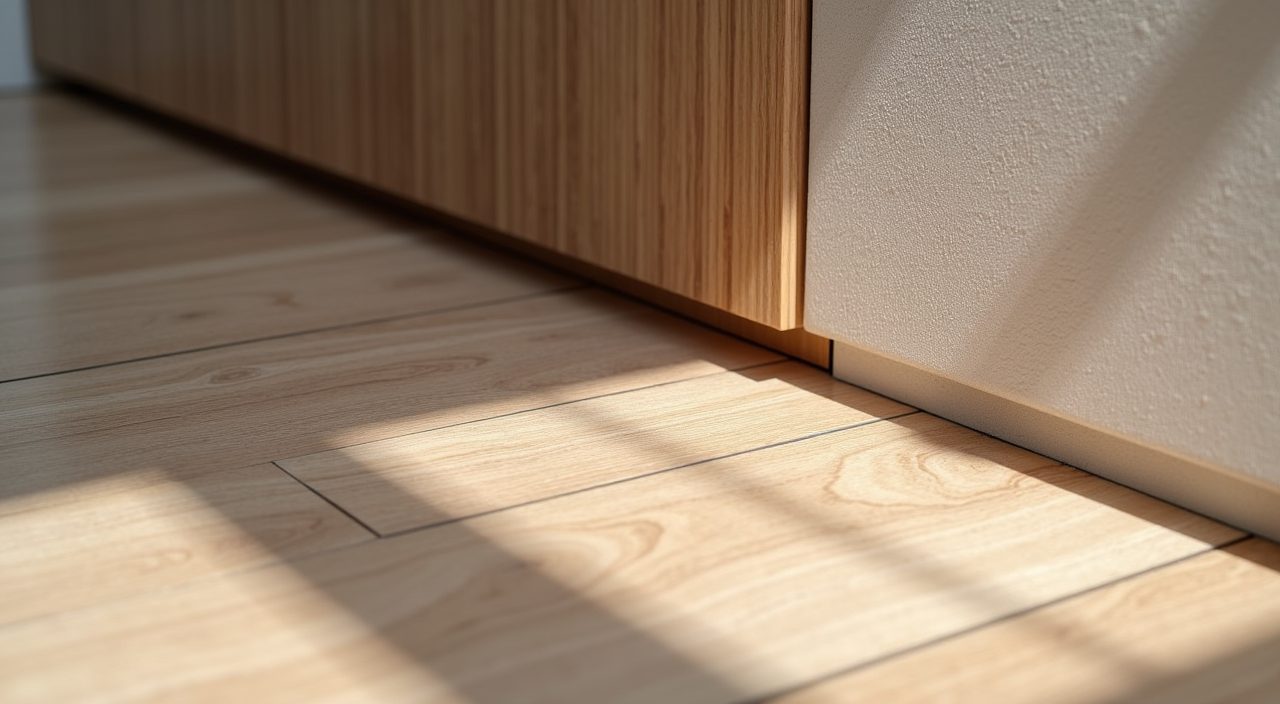
Skip solid wood floors that can cup in humidity. Engineered timber, good vinyl (SPC) planks, or a large format porcelain tile give the warm look with far fewer moisture headaches, and they are easier to keep clean. For wardrobe and headboard surfaces, laminate, fluted panels and micro cement style finishes wear well and hide fingerprints better than high gloss.
Textiles are where the room feels tropical or stuffy. Cotton and linen bedding breathe in the heat, and a low pile rug adds softness underfoot without trapping the damp the way a thick shag would.
Add a slim vanity or work nook if space allows
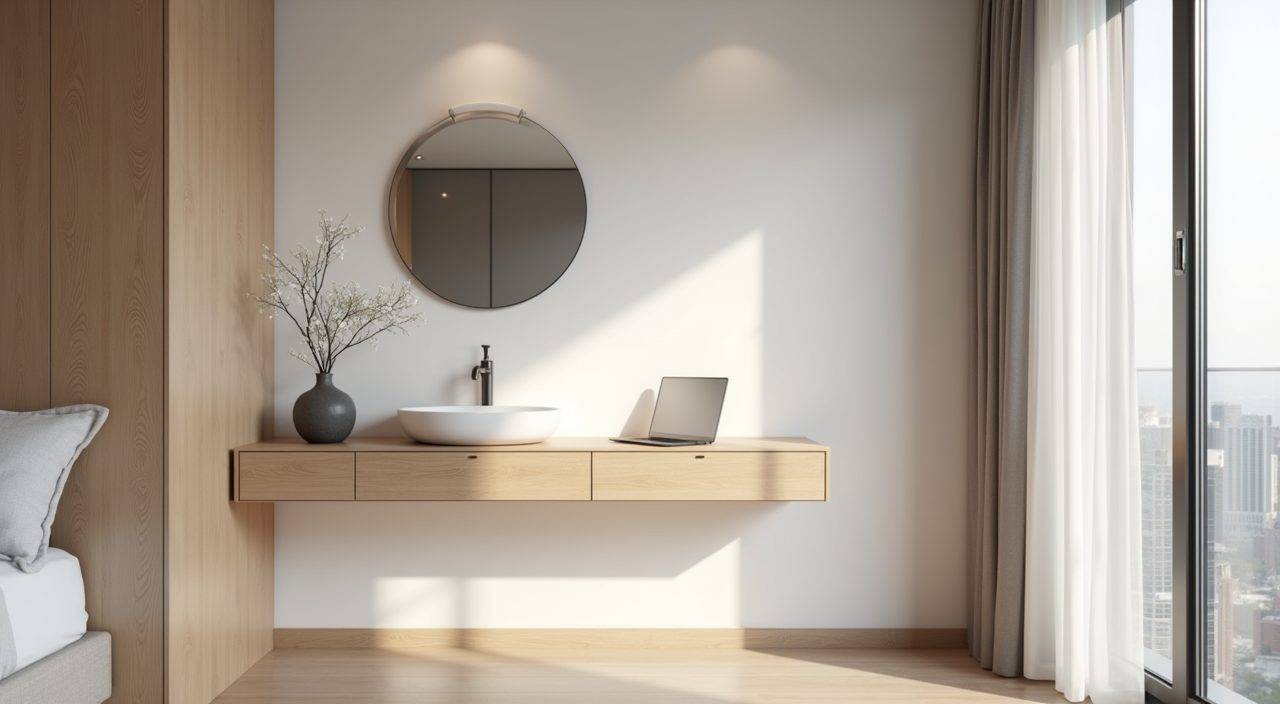
Many condo bedrooms need to double as a dressing or work corner. A narrow wall mounted ledge, 35 to 45 cm deep, works as a vanity or a laptop desk without dominating the room, and it keeps the floor clear so the space still reads as a bedroom. Pair it with a mirror to bounce light and make the corner feel bigger.
Run power and data to that corner during renovation rather than trailing extension cords later. Planning a couple of extra points near the bed and the desk is cheap while walls are open and annoying to add afterward.
Use mirrors and low profile furniture to keep sightlines open
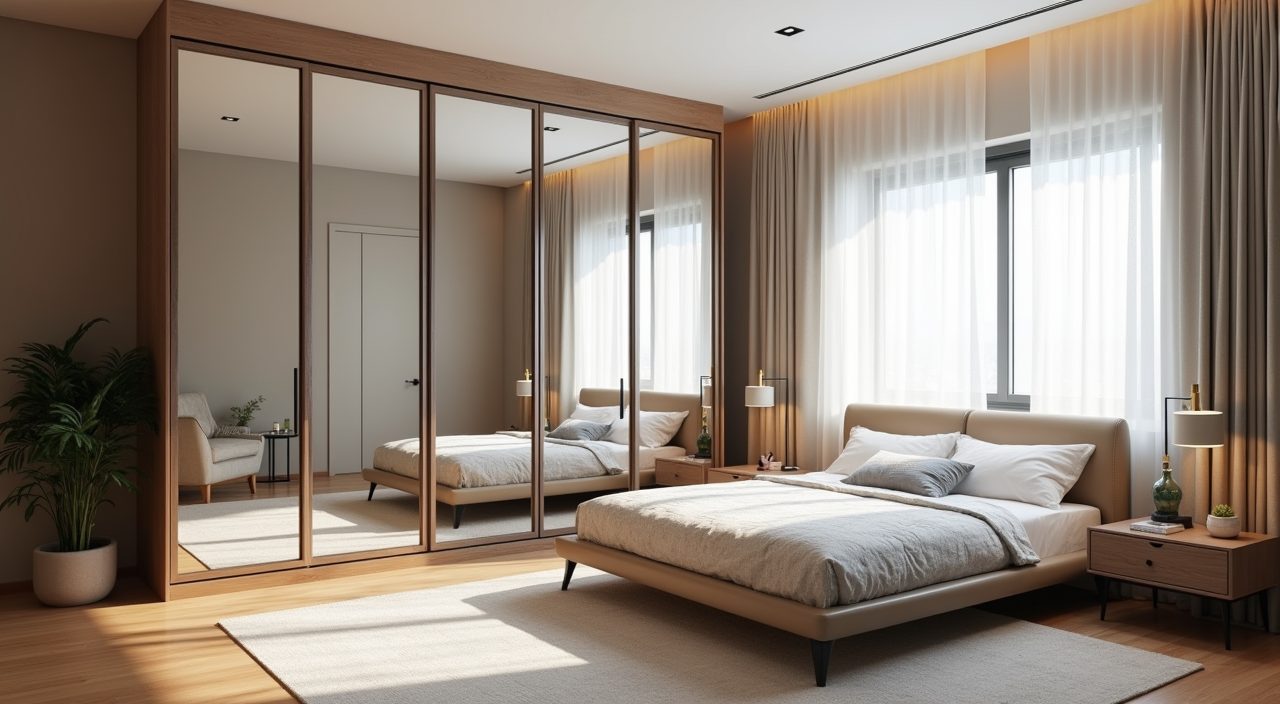
A tall mirror, or mirrored wardrobe doors, visually doubles the room and pushes light around. Position it to reflect the window rather than a cluttered wall. Keeping most furniture low, such as a low bed, low bedside tables and open legs you can see under, preserves sightlines so the eye reads more floor and the room feels less packed.
Resist over furnishing. In a small bedroom, one or two well chosen pieces and clear surfaces almost always look better than a matching five piece set squeezed in.
What to plan and budget for
The bulk of a bedroom budget goes to carpentry (the wardrobe and any built in bed or vanity), followed by lighting, flooring, paint and window treatments. As a rough guide, budget for the wardrobe and built ins as your largest line, with electrical, finishes and soft furnishings adding up on top. Costs swing a lot with the size of the wardrobe run, the door finish, and whether you are also touching flooring and electrical. Get a proper measure and itemised quote before committing, since a same looking design can vary widely once materials and hardware are specified. If you want the room built the way it is drawn, with the wardrobe carpentry, lighting circuits, and finishes done properly and on schedule, it is worth engaging a contractor for the actual condo bedroom design ideas renovation rather than piecing it together yourself. Doing the wardrobe, electrical and finishing under one team usually avoids the gaps where things like extra power points or ventilation get missed.
Frequently asked questions
How do I make a small condo bedroom feel bigger? Keep the walls a light warm neutral, take storage up to the ceiling instead of out into the floor, use low profile furniture, and add a mirror positioned to reflect the window. Clear surfaces and layered lighting do more for the sense of space than any single trick.
What is the best flooring for a Singapore bedroom? Engineered timber, SPC vinyl planks, or large format porcelain tile all handle humidity far better than solid hardwood. They give a warm look, resist moisture, and are easy to maintain, which matters year round in our climate.
How much should I budget for a condo bedroom renovation? It depends mostly on the size and finish of the carpentry, plus whether you also redo flooring and electrical. The wardrobe and built ins are usually the biggest cost, so get an itemised quote based on your actual measurements rather than a flat estimate.
How do I stop mould behind wardrobes and under the bed? Leave a small air gap between built ins and the wall, choose moisture resistant carcasses, keep the room ventilated, and air out storage beds now and then. Running the aircon on a dry cycle also helps keep humidity down.