
Bedroom Design Ideas in Singapore
Start with the constraints that actually shape a Singapore bedroom: the room is usually small, the climate is hot and humid year round, and afternoon sun can bake a west-facing wall. Plan the bed position and storage around those realities first, then layer on a style you like. A bedroom that stays cool, keeps clutter hidden and lets you sleep in real darkness will feel far better than one that just photographs well.
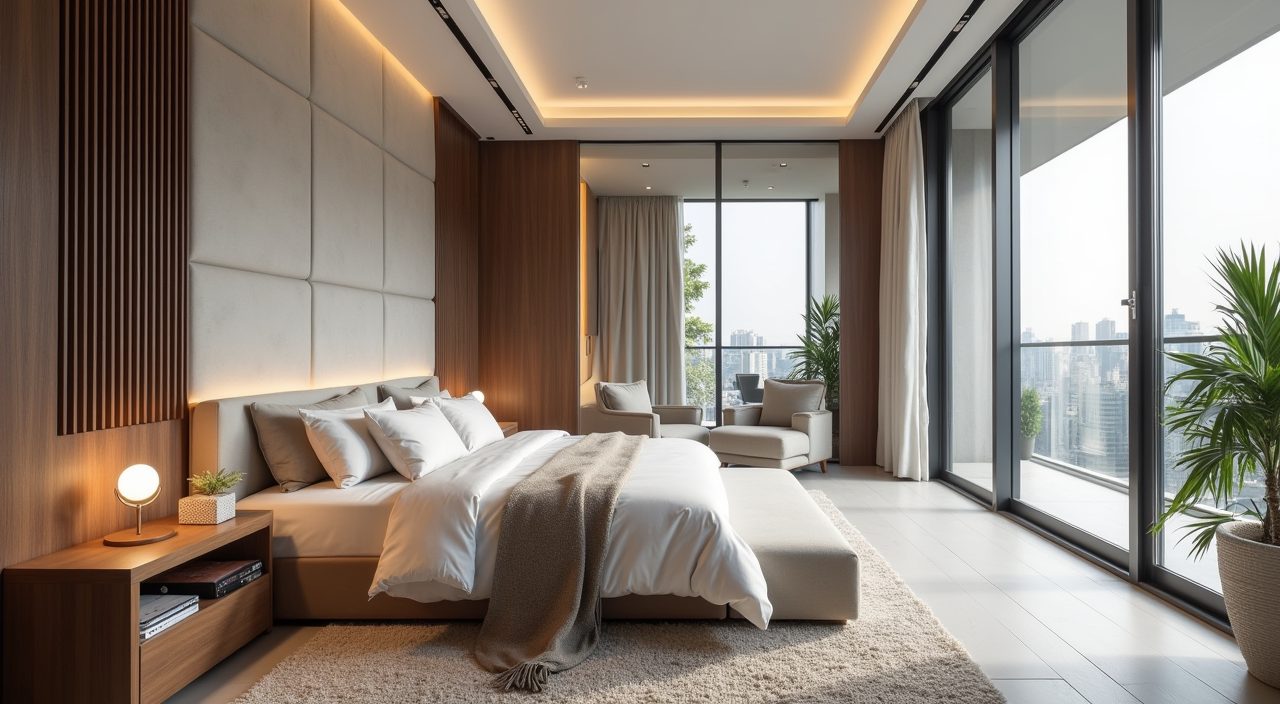
Most local bedrooms fall into a familiar set of situations: a tight HDB common room, a BTO master with a bay window, or a condo room where you cannot touch the ceiling or windows. The ideas below cover styles from Scandinavian to Japandi to Modern Luxury, and walk through how to make each work in an HDB, condo or landed home. Browse the linked room guides below for the exact look or home type you are planning.
Plan the room around Singapore realities first
Before you pick a colour or a bed frame, size the room honestly. An HDB common room is often around 2.4m by 3m, a BTO master runs roughly 3m by 3.5m, and many condo bedrooms are tighter than the brochure suggests once you deduct the wardrobe recess and aircon ledge. Measure the real usable floor area, mark the door swing, window line and any bay window, then design to what is left.
Two things quietly ruin local bedrooms: heat and clutter. A west-facing window turns the room into an oven by 4pm, so factor in blockout curtains or solar film early. Storage is the other one; because floor space is scarce, the wardrobe and under-bed storage carry most of the load, and getting them right is the difference between a calm room and a cramped one.
As you read the specific style and home-type guides below, keep asking the same question: does this idea keep the room cool, dark enough to sleep, and clear of clutter? If yes, it will work here. If it only looks good in a cooler, larger overseas home, adapt it before you commit.
- Measure usable floor area after deducting wardrobe recess, aircon ledge and door swing.
- Check which way the windows face; west and afternoon sun need serious shading.
- Decide the bed wall first, then let storage and lighting follow.
Layout and dimensions that fit HDB and condo rooms
In a small room, the bed placement decides everything else. A queen bed (roughly 1.5m by 2m) needs at least 60cm of walking space on the side you get in and out from; if you can only give one side clearance, push the bed against the opposite wall and reclaim the floor. In a tight common room, a super single or single frees up enough space for a real desk or wardrobe.
Bay windows are common in BTO and newer condo masters. Rather than fight them, build a low platform or a cushioned bench with storage drawers underneath, which turns dead space into seating and stash room. Avoid placing the bed head under the window if you use the aircon a lot, since cold air blowing directly on your head all night is a common complaint.
For genuinely small rooms, go vertical and built-in. A carpentry wardrobe that runs to the ceiling uses the full height and hides the messy top shelf behind doors, while a platform bed with drawers replaces a separate chest. Floating nightstands and wall-mounted reading lights keep the floor clear so the room reads larger.
- Queen bed: keep 60cm clearance on the entry side; single or super single suits tight common rooms.
- Turn a bay window into a storage bench or low platform instead of leaving it dead.
- Full-height built-in wardrobes and platform-bed drawers beat freestanding furniture in small rooms.
Materials and finishes for a hot, humid climate
Humidity is the quiet enemy of bedroom finishes here. Solid timber and quality plywood carpentry hold up better than cheap particleboard, which swells and delaminates near damp walls or after a leak. For wardrobes, ask for moisture-resistant board and proper edge banding, and leave a small gap behind carpentry against external walls so air can move.
Keep the palette calm and let one or two natural materials do the work: light oak or walnut veneer, a rattan or cane headboard, linen or cotton bedding that breathes in the heat. Avoid heavy, dark, fully upholstered walls that trap warmth and dust; in this climate, lighter and more breathable almost always feels better.
For flooring, vinyl and laminate are practical and warm underfoot, while homeowners who keep tiles often add a soft rug at the bedside. Whatever the style, matte and mid-tone finishes hide the fine dust and scuff marks of daily HDB and condo life better than high-gloss surfaces that show every mark.
- Use moisture-resistant carpentry board; avoid cheap particleboard near external or wet walls.
- Favour breathable natural materials: light wood veneer, rattan, linen and cotton.
- Matte, mid-tone finishes hide dust and scuffs better than high gloss in daily use.
Lighting and storage that make the room work
Layer your lighting rather than relying on a single ceiling downlight. Aim for three layers: a soft general light (warm white, around 3000K, is easier on the eyes at night), bedside task lights for reading, and a low accent such as a cove strip or a floor lamp for winding down. In a rented condo where you cannot alter wiring, plug-in wall lights and lamps achieve the same effect without any hacking.
Control the daylight as deliberately as the artificial light. For real sleep-in darkness in bright Singapore mornings, blockout curtains or a blockout roller blind matter more than the fabric colour; pair them with a sheer layer if you want soft daytime light. On a strongly sunlit window, solar or frosted film cuts heat and glare and takes load off the aircon.
Treat storage as part of the design, not an afterthought. A full-height wardrobe with a mix of hanging, shelves and drawers, plus under-bed drawers and a slim ledge or floating shelf for daily items, keeps surfaces clear. The less that sits out on the floor and side tables, the larger and calmer a small local bedroom feels.
The linked guides below go deeper on specific looks (Scandinavian, Japandi, Muji, Industrial, Modern Luxury, Mid-Century and more) and on planning by home type, from HDB and BTO to condo, resale flat and landed. Open the ones that match your room and your home.
- Layer lighting: warm general light, bedside reading lights, and a low accent glow.
- Blockout curtains or blinds give true darkness for bright morning wake-ups.
- Add solar or frosted film on sun-facing windows to cut heat and glare.
- Build storage in: full-height wardrobe, under-bed drawers, floating shelves.
Explore Bedroom styles
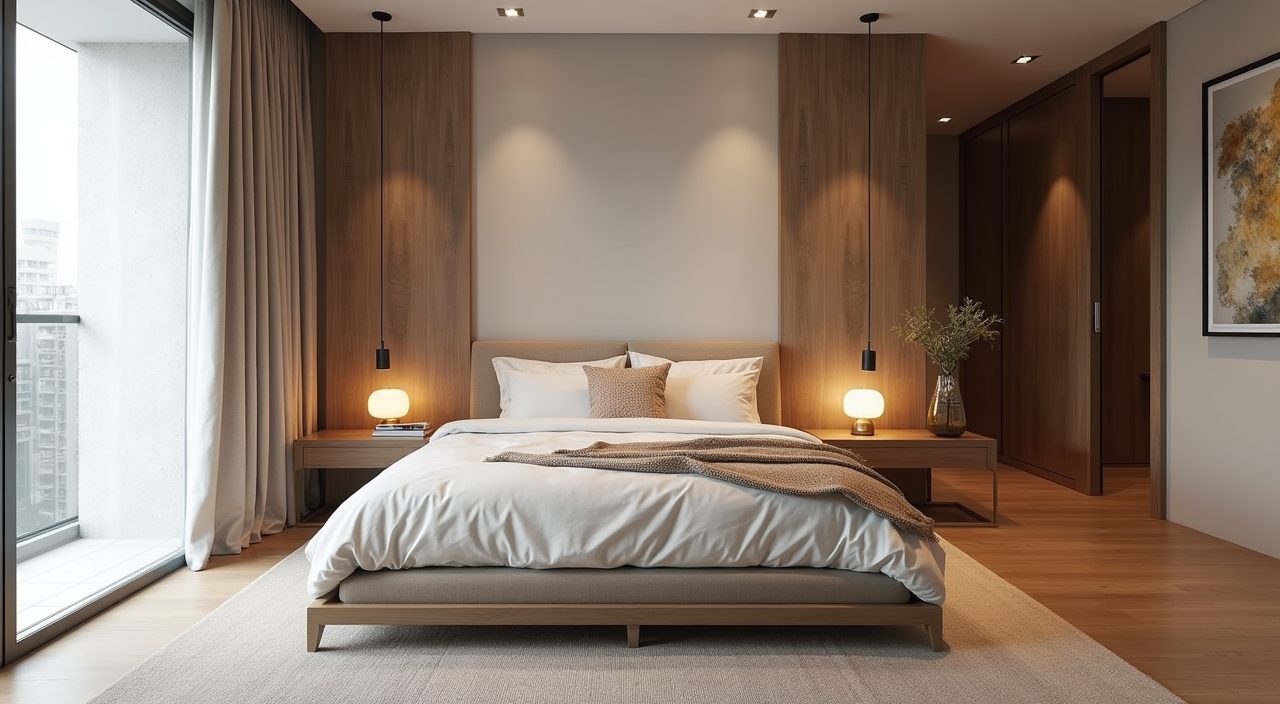 Japandi Bedroom Design Ideas for Singapore Homes
 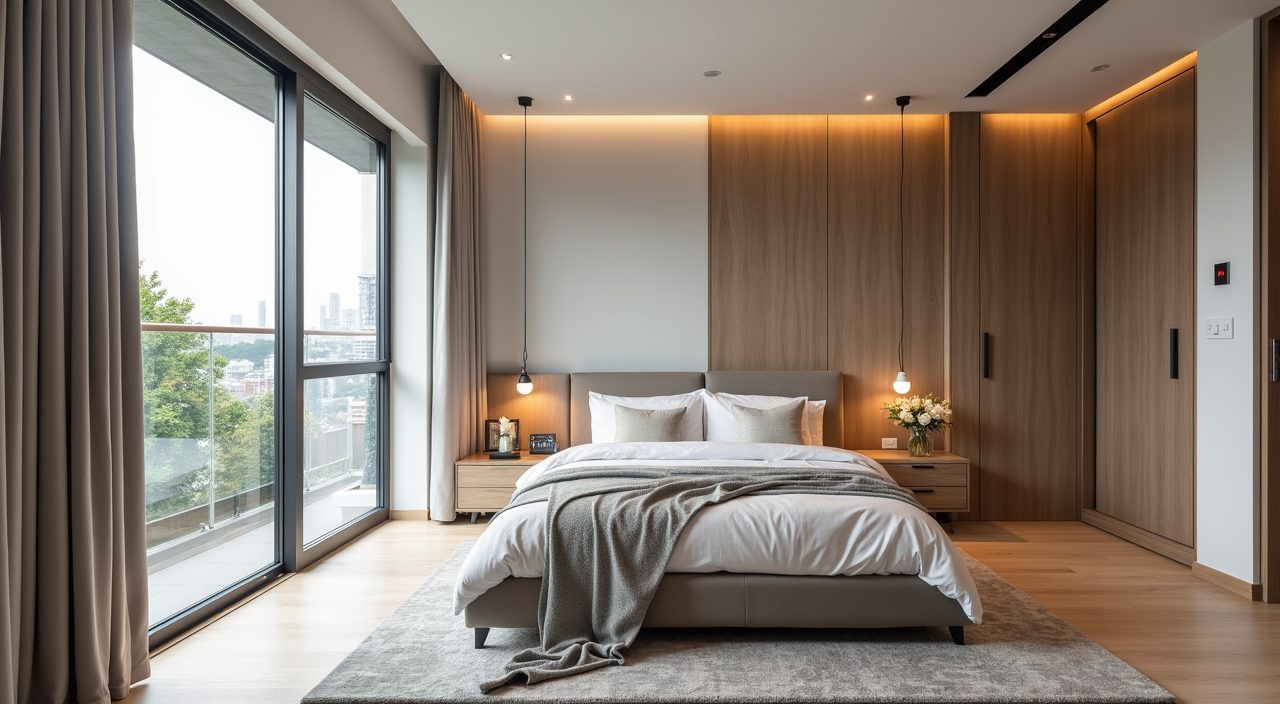 Modern Contemporary Bedroom Design Ideas for Singapore Homes
 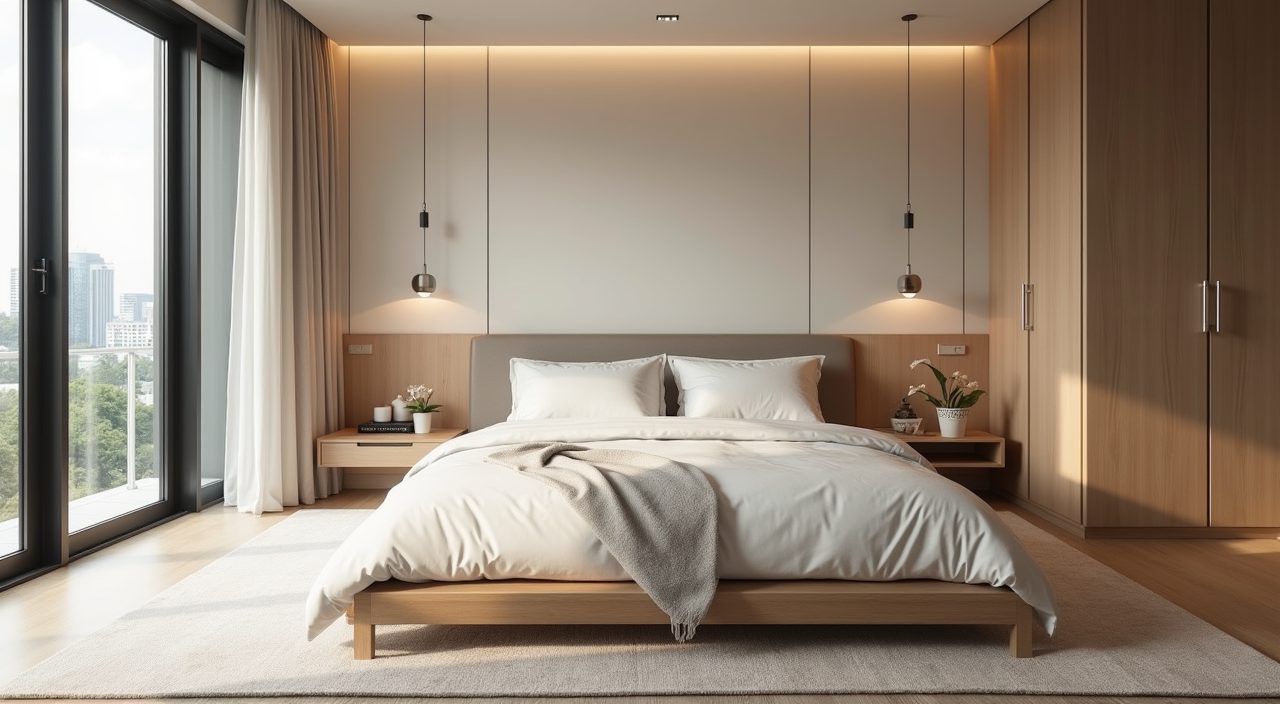 Muji Japanese Bedroom Design Ideas for Singapore Homes
 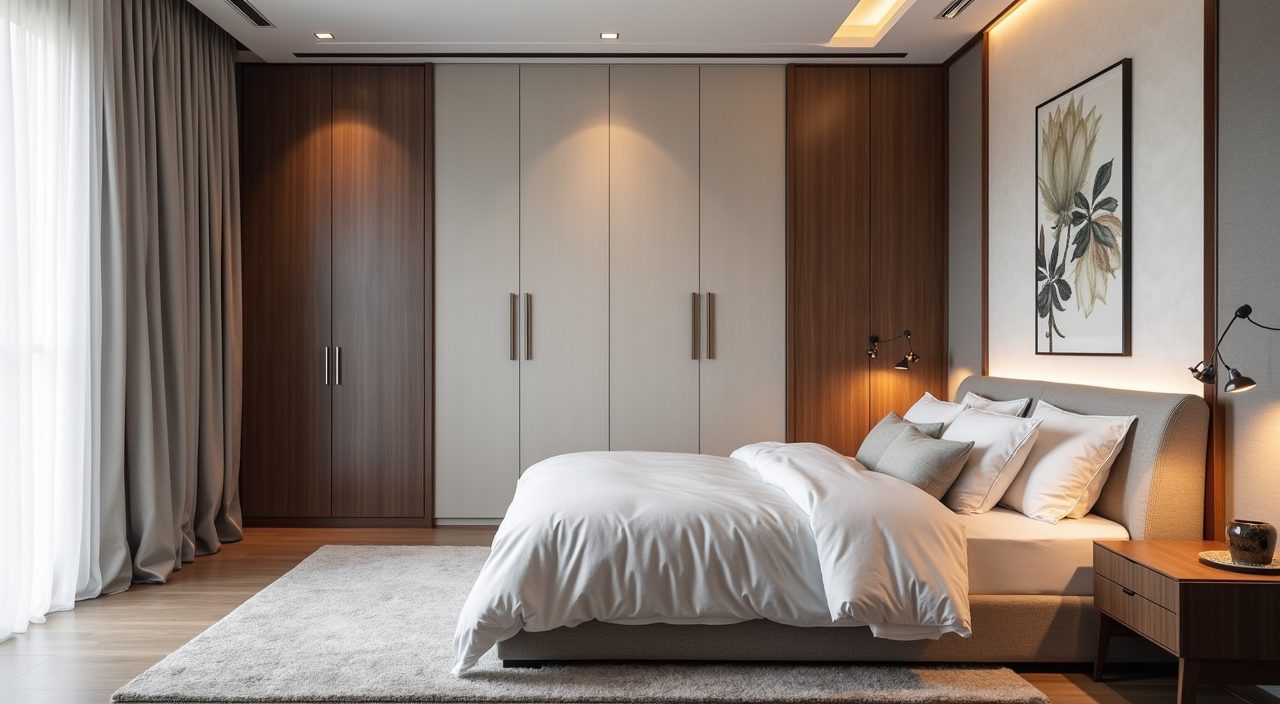 Modern Luxury Bedroom Design Ideas for Singapore Homes
 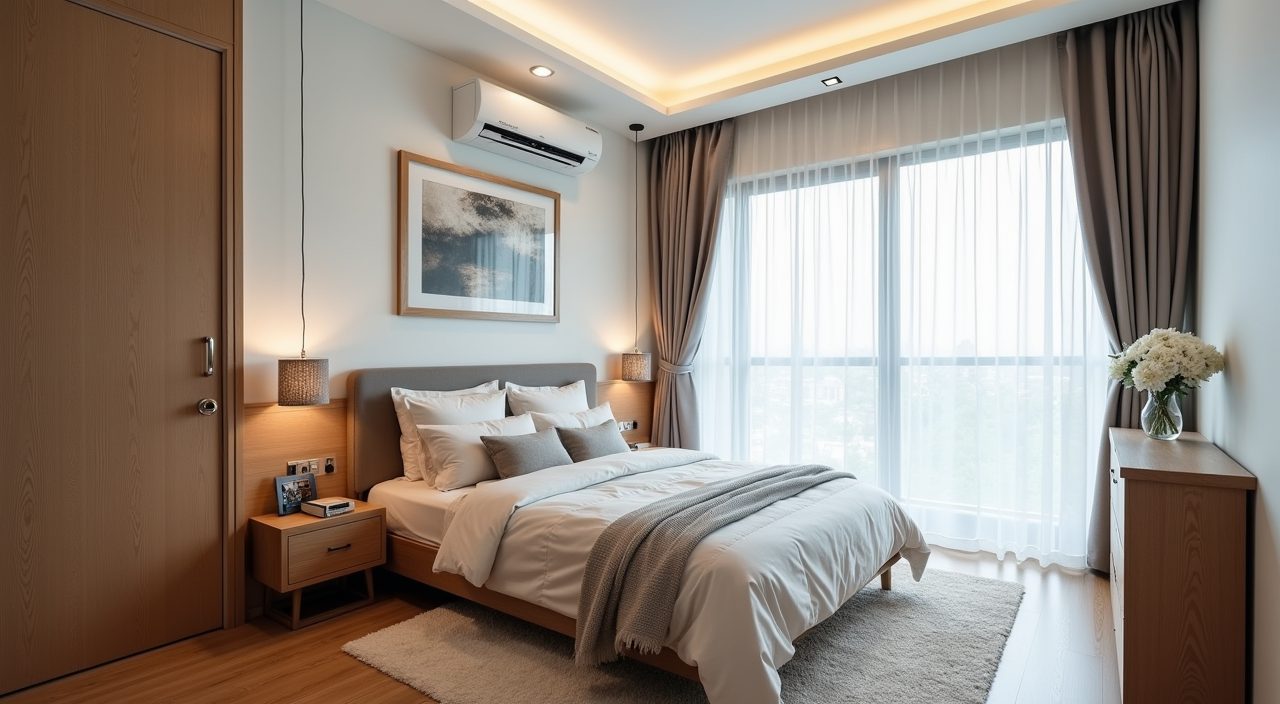 HDB Flat Bedroom Design Ideas
 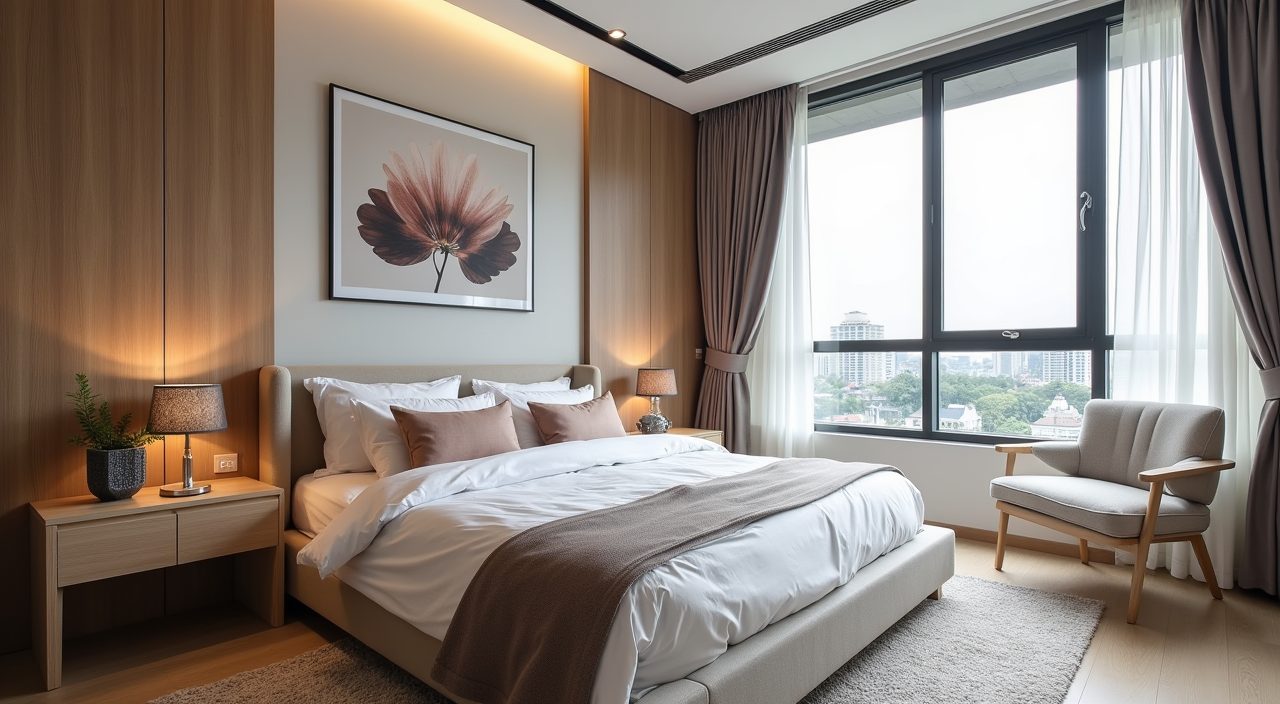 BTO Bedroom Design Ideas
 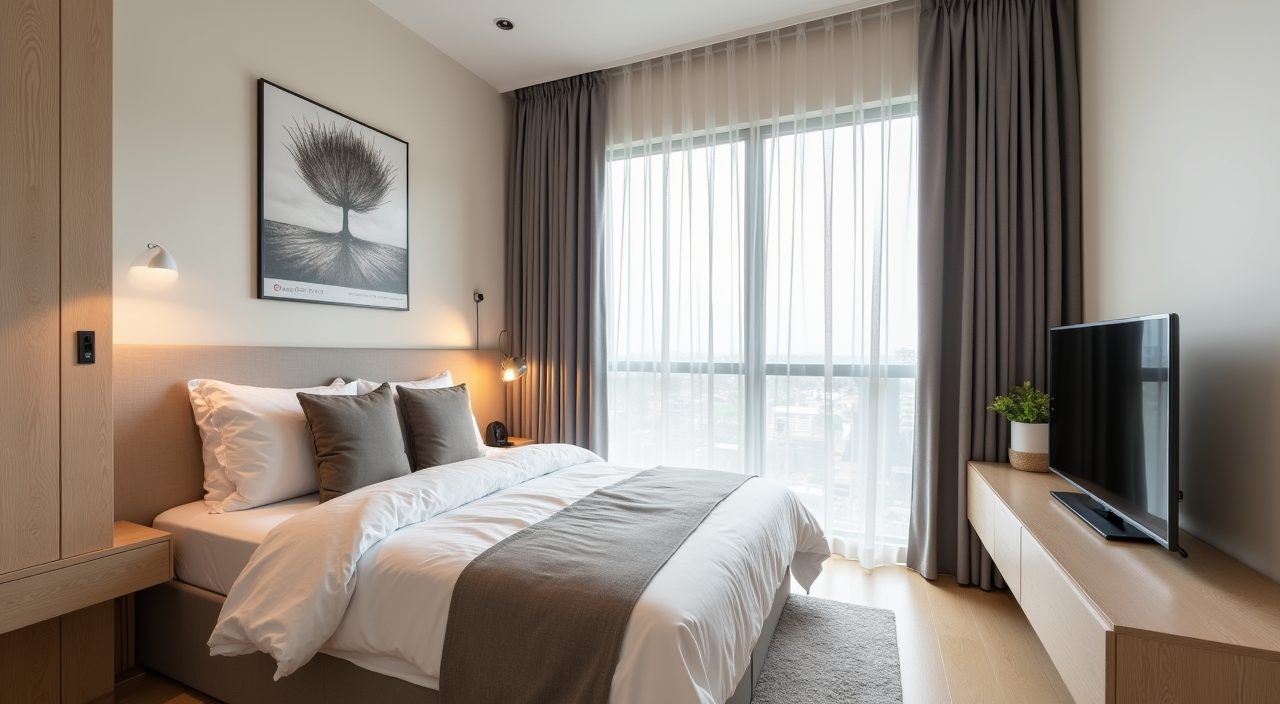 Small Bedroom Design Ideas to Maximise Space in Singapore
 Frequently asked questions
How do I make a small HDB bedroom feel bigger?
Keep the floor as clear as possible. Use a full-height built-in wardrobe, choose a platform bed with drawers instead of a separate chest, and mount nightstands and reading lights on the wall. A light, calm palette with matte finishes and a single mirror on the wardrobe front also makes a tight common room read larger.
What is the best bedroom colour for Singapore's climate and light?
Light, cool-leaning neutrals such as soft white, warm grey and pale beige work well because they reflect our strong daylight and keep the room feeling airy in the heat. If you want warmth, add it through wood tones, rattan or linen textiles rather than dark, heavy wall colours that can make a warm room feel closed in.
How do I keep my bedroom cool without running the aircon all night?
Start at the window: blockout curtains or solar film on sun-facing glass cut a lot of heat gain, especially on west-facing rooms in the afternoon. Choose breathable bedding like cotton or linen, keep a ceiling or standing fan for air movement, and avoid heavy upholstered walls that trap warmth. These steps let you set the aircon higher and use it less.
Should I use built-in carpentry or freestanding furniture in a Singapore bedroom?
For small HDB and condo rooms, built-in carpentry usually wins because it uses full ceiling height and fits awkward recesses that off-the-shelf furniture cannot. Freestanding pieces make sense in larger or landed rooms, or when you rent and cannot modify the space. If you build in, insist on moisture-resistant board given the humidity here.