
Curtains vs Blinds in Singapore: Cost, Heat Control and Which to Pick
Curtains vs blinds in Singapore compared on cost, heat and glare control, upkeep and which suits HDB and condo windows best.
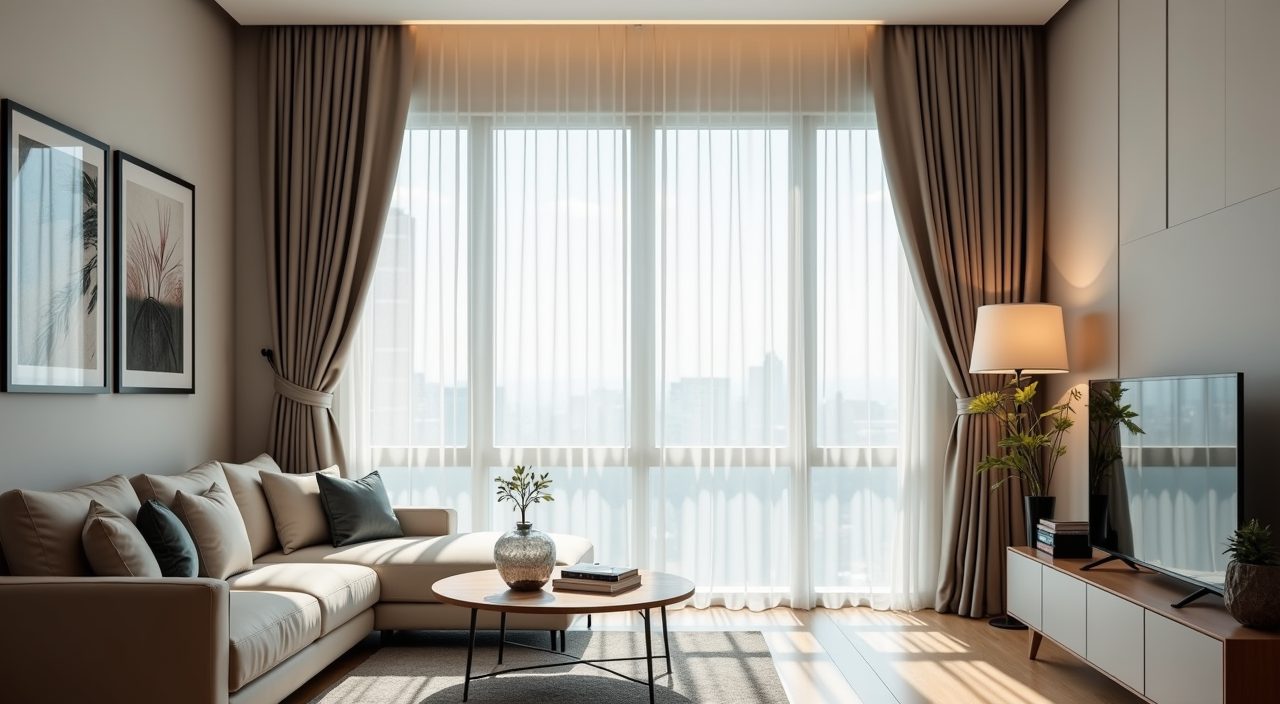
For most Singapore homes, curtains give softer looks, better light blackout and simpler cleaning, while blinds win on tight window recesses, precise glare control and a sleeker, more minimal finish. Neither is clearly cheaper; a good day-and-night curtain set and quality blinds often land in a similar range once you factor in tracks, motors and fitting. The right pick depends on your window type, how much afternoon sun and heat you get, and whether you want a cosy or clean-lined feel.
Singapore's flats and condos face a specific challenge: strong tropical sun, a west-facing living room that bakes in the late afternoon, and windows that vary from wide sliding balcony doors to narrow bomb-shelter and bay-window openings. Curtains and blinds solve these differently, so the smarter question is not which is better overall, but which is better for each window in your home.
What is the real difference between curtains and blinds?
Curtains are fabric panels that hang from a track or rod and draw sideways. They come as sheer day curtains, heavier night or blackout curtains, or a combined day-and-night set on a double track. Blinds are hard or slatted coverings that raise, lower or tilt: common types here are roller blinds, Venetian (horizontal slat) blinds, vertical blinds, Roman blinds and honeycomb (cellular) blinds.
The practical split is soft versus structured. Curtains soften a room, absorb sound and cover the whole window wall. Blinds sit closer to the glass, look tidier in a modern or minimalist interior, and let you fine-tune light and privacy slat by slat.
- Curtains: fabric, draw sideways, cosy and good at full blackout.
- Roller blinds: single fabric sheet, clean and cheap, good for study and kitchen.
- Venetian blinds: tiltable slats, precise light and privacy control.
- Roman blinds: fabric that folds up, a softer blind that reads like a curtain.
- Honeycomb blinds: cellular pockets that trap air for the best heat insulation.
How much do curtains and blinds cost in Singapore?
Prices vary widely by fabric, window size, brand and whether you go manual or motorised, so treat any figure as a guide rather than a quote. As a rough sense: a day-and-night curtain set for a standard HDB living room window commonly runs in the low hundreds to around a thousand dollars once tracks and tailoring are included. Basic roller or Venetian blinds can start cheaper per window, but premium honeycomb, timber or motorised blinds climb quickly.
Do not compare on the sticker fabric price alone. The true cost includes the track or headrail, installation, and for large sliding doors, heavier hardware. Motorisation adds a meaningful premium per window, plus wiring or charging considerations.
- Curtains: fabric cost scales with the wall width you cover, not just the glass.
- Blinds: priced per window opening, so many small windows can add up.
- Motorised options: expect a clear premium over manual, more so across a whole home.
- Blackout linings and premium fabrics raise curtain costs; timber and honeycomb raise blind costs.
Which controls heat and glare better in our tropical climate?
For blocking heat and glare, the winners are honeycomb blinds and heavy blackout curtains. Honeycomb blinds trap a layer of air in their cells, which slows heat transfer through the window better than a single flat fabric. Thick blackout curtains, especially with a light-coloured or reflective lining, stop direct sun and cut the radiant heat that makes a west-facing room feel like an oven by 5pm.
Sheer curtains and light roller blinds soften glare but do little for heat. Venetian and vertical blinds are excellent for glare because you can tilt the slats to bounce light up to the ceiling while keeping the view, but tilted slats still let warmth leak through. A common Singapore solution is layering: sheer curtains or a light blind for daytime, plus blackout curtains for the hottest hours and for sleeping.
- Best for heat: honeycomb blinds and lined blackout curtains.
- Best for glare control with a view: Venetian and vertical blinds.
- Weakest for heat: sheer curtains and thin roller blinds alone.
- Smart combo: sheer or blind for day, blackout curtain for afternoon sun and sleep.
Which is easier to clean and maintain in Singapore homes?
Curtains are simpler to deep-clean because you can unhook most fabrics and wash or send them for laundering, which matters in our humid, dust-and-haze climate. The trade-off is they hold dust and can develop a musty smell if a room stays damp, so they need occasional airing and washing.
Blinds wipe down quickly for surface dust but are fiddly to deep-clean: Venetian and vertical slats collect dust on every slat, and cords or mechanisms can jam or wear over time. In kitchens and bathrooms, moisture-resistant roller or aluminium Venetian blinds handle grease and splashes better than fabric curtains.
Which should you pick for each room and window type?
Match the covering to the window and how you use the room rather than picking one style for the whole flat. Bedrooms benefit from blackout curtains for real darkness. Living rooms often look best with a day-and-night curtain set, or blinds if your interior is modern and minimal. Kitchens, bathrooms and study nooks suit easy-wipe roller or Venetian blinds.
Window shape matters too. Narrow bay windows, bomb-shelter openings and windows sitting in a recess are often neater with a blind fitted inside the frame, since a curtain track can look bulky. Wide sliding balcony doors usually suit floor-to-ceiling curtains or vertical blinds that draw fully to one side.
- Bedroom: blackout curtains for sleep, or blackout roller blind plus a sheer.
- Living room: day-and-night curtains, or roller and Roman blinds for a clean look.
- Kitchen and bathroom: moisture-resistant roller or aluminium Venetian blinds.
- Study or bay window: fitted blinds inside the recess to save space.
- Balcony sliding doors: full-height curtains or vertical blinds.
How do you get curtains or blinds fitted properly?
Accurate measuring and secure mounting make or break the result. Curtain tracks and blind headrails need to be fixed into something solid, and in HDB flats the wall above a window is sometimes a lighter partition, so anchors and drilling need care. Getting the drop, width and overlap right is what stops light leaking down the sides, which is the most common complaint after a rushed install.
If you are already updating flooring, lighting or built-in carpentry, it is worth folding window treatments into the same renovation so measurements, wiring for motorised tracks and finishes are coordinated by one team. A contractor handling your renovation can plan concealed curtain pelmets, recessed blind boxes and power points for motors before the ceiling and walls are closed up, which is far cleaner than retrofitting later.
Frequently asked questions
Are curtains or blinds cheaper in Singapore? Neither is reliably cheaper. Basic roller or Venetian blinds can be the lowest cost per window, but a simple curtain set can also be affordable, while premium honeycomb blinds, timber blinds, blackout curtains and motorised versions of either push the price up. Compare full quotes including tracks, fitting and any motors, not just fabric.
What blocks heat best for a west-facing HDB flat? Honeycomb (cellular) blinds and lined blackout curtains give the strongest heat reduction because they add an insulating layer against the glass. Many homeowners layer a light day covering with blackout curtains for the hot late-afternoon hours.
Can I have both curtains and blinds on the same window? Yes, and it is popular here. A common setup is a roller or Venetian blind for daytime glare control with curtains layered over for softness and full blackout at night, giving you flexibility across the day.
Do blinds or curtains last longer in our humid climate? Both can last many years with care. Curtains need periodic washing and airing to avoid musty smells, while blinds need dust wiping and occasional mechanism checks, since cords and motors are the parts most likely to wear out over time.