
Feature Wall Ideas for Singapore Homes: Materials, Cost and Placement
A practical guide to feature wall ideas for Singapore homes: popular materials, honest cost ranges, HDB and condo rules, and where to place them for impact.
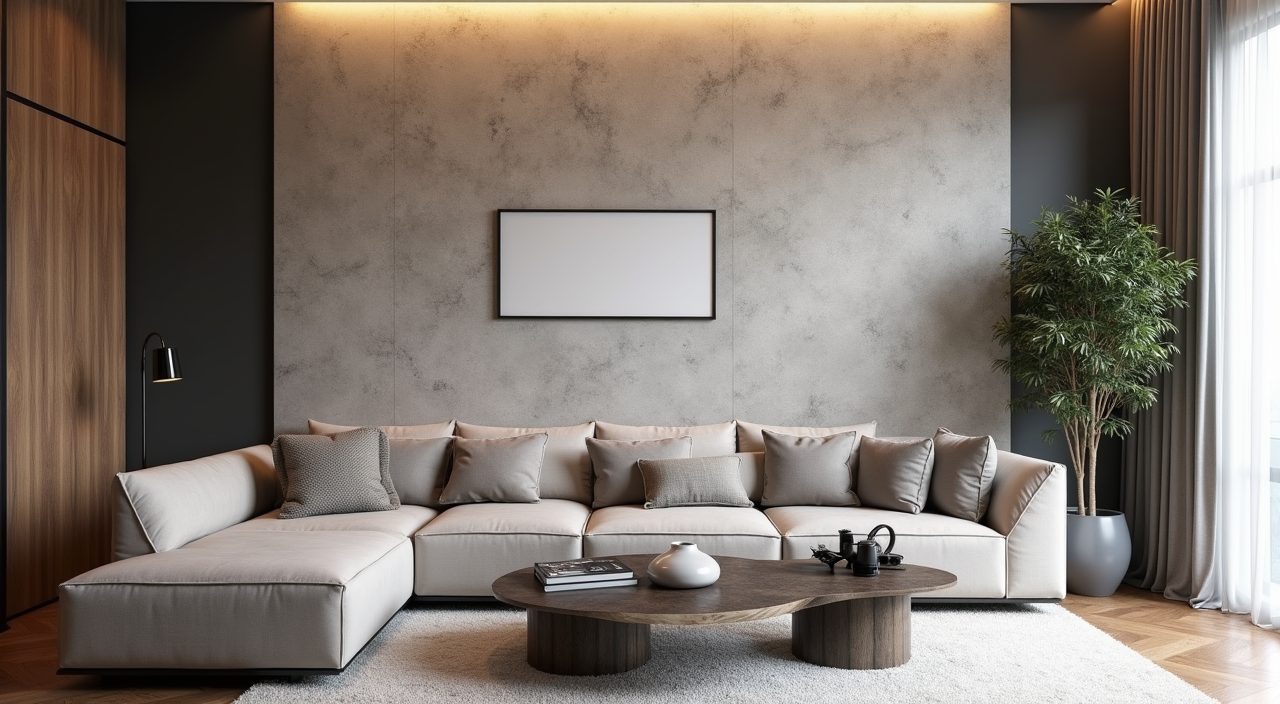
A feature wall is a single wall finished differently from the rest of a room to create a focal point, using materials like fluted panels, textured paint, stone-look tiles, feature paint, or a laminate TV console backdrop. In a Singapore home the most popular spots are the living room TV wall, the bedroom headboard wall and the entrance foyer. Expect to spend roughly SGD 500 to 800 for a simple paint or wallpaper wall, and SGD 1,500 to 5,000 or more for panelling, tiling or carpentry, depending on size and material.
Because most Singapore homes are HDB flats and condos with compact layouts, a feature wall does a lot of work for relatively little cost. It adds depth to an open-concept living and dining area, hides a plain wall behind the sofa or bed, and gives a small flat a sense of designed intent. The trick is choosing the right material for your budget, wall and lighting, then placing it where the eye naturally lands.
What are the most popular feature wall materials in Singapore?
Singapore homeowners tend to gravitate toward a handful of finishes that suit the local climate and rental or resale considerations. Fluted and slat wood-look panels have been the dominant trend for the past few years, followed by textured or microcement-look paint, large-format stone-look tiles and classic wallpaper.
Here is how the common options compare on look, upkeep and rough all-in cost for a typical living room wall.
- Feature paint (matte, limewash or textured effect): cheapest and easiest to change; roughly SGD 500 to 1,200 for a wall; low commitment, good for renters.
- Wallpaper (vinyl or non-woven): huge range of patterns; roughly SGD 30 to 90 per roll plus installation; watch for humidity and peeling in un-aircon rooms.
- Fluted or slat panels (PVC, polystyrene or real wood veneer): the current favourite for TV walls; roughly SGD 25 to 60 per square foot installed; adds warmth and vertical lines.
- Stone-look or marble-look sintered or porcelain tiles: premium, durable, wipeable; roughly SGD 60 to 150 per square foot installed including labour and adhesive.
- Laminate carpentry backdrop (part of a TV console): built by your contractor; priced within the carpentry quote, often SGD 1,500 to 4,000 for a full wall unit.
- Brick-look or cement screed finishes: industrial or Muji look; screed needs skilled application and sealing to avoid dust and cracks.
How much does a feature wall cost in Singapore?
Cost depends far more on the material and wall size than on anything else. A small bedroom headboard wall in paint might cost a few hundred dollars, while a floor-to-ceiling tiled living room wall with a hidden TV recess can run into several thousand.
Use these ballpark ranges as a starting point, then get a measured quote, since prices move with material grade, wall condition and how much preparation or hacking is involved.
- Paint feature wall: around SGD 400 to 1,200.
- Wallpaper feature wall: around SGD 500 to 1,500 installed.
- Fluted or slat panel wall: around SGD 1,200 to 3,500 depending on area and material.
- Tiled stone-look wall: around SGD 2,000 to 5,000 or more for a large living room wall.
- Full carpentry TV feature wall with storage: around SGD 2,500 to 6,000 as part of a renovation package.
- Add-ons such as concealed LED strip lighting, a floating ledge or a recessed niche typically add SGD 200 to 800.
Where should you place a feature wall in an HDB flat or condo?
The best feature wall is one you see the moment you enter the room, and one that anchors the main activity. In most Singapore living rooms that is the TV console wall; in a bedroom it is the wall behind the bed.
Choose placement based on sightlines and natural light rather than simply picking the biggest wall.
- Living room: the TV wall is the default, since the whole family faces it. A sofa backdrop wall works if the TV is wall-mounted elsewhere.
- Bedroom: the headboard wall creates a hotel-style focal point without cluttering a small room.
- Entrance or foyer: a narrow feature wall at the door sets the tone and can hide a shoe cabinet.
- Dining area: a wall beside the dining table suits mirrors, panelling or a bold colour in open-concept HDB layouts.
- Study or home office: a feature wall behind your desk reads well on video calls and defines a nook in a shared space.
- Avoid placing a busy feature wall opposite a large window, where glare and backlighting flatten the effect.
Do you need HDB or condo approval for a feature wall?
For most decorative feature walls the answer is no. Painting, wallpapering, panelling and tiling a non-structural wall are treated as finishes and do not need an HDB permit. You are changing the surface, not the structure.
Approval and rules do come into play in a few situations, so check before you commit.
- Never hack or remove a structural wall or an HDB reinforced concrete wall; structural changes need a Professional Engineer and HDB approval.
- Tiling over an existing wall in a wet area or adding heavy stone should use an HDB-registered renovation contractor who follows the guidelines.
- Drilling and mounting are usually fine, but avoid the designated conduit zones near switches and sockets to prevent hitting electrical wiring.
- Condo owners should check their management corporation (MCST) rules and renovation hours, and BTO owners within the defective-liability period should confirm what voids the warranty.
- If your feature wall involves moving a socket or adding lighting, that electrical work should be done by a licensed electrician.
How do you get a feature wall done well?
A feature wall looks simple, but the finish quality depends on wall preparation, straight panelling lines, neat tile grouting and tidy cable management for the TV. This is where hiring an experienced renovation team pays off, especially when the wall combines carpentry, tiling and concealed lighting.
If you are already refreshing the space, fold the feature wall into a broader renovation so the base wall is levelled, wiring is concealed and the finish matches your flooring and ceiling. A contractor who handles the full renovation can coordinate the carpenter, tiler, painter and electrician so the wall is delivered as one clean result rather than a patchwork of separate trades. Ask for a site measurement, a material sample and a written quote that spells out preparation, materials and labour before work begins.
Which feature wall suits a small or humid Singapore home?
Small flats and un-airconditioned rooms have two practical enemies: visual clutter and humidity. In a compact HDB living room, vertical fluted panels or a single calm colour make the ceiling feel higher without crowding the space.
For rooms exposed to Singapore humidity, favour moisture-tolerant materials.
- Prefer PVC or polystyrene fluted panels and vinyl wallpaper over real wood veneer in kitchens, bathrooms or open balconies.
- Use porcelain or sintered stone tiles where water splashing is possible, since they wipe clean and resist mould.
- Keep patterns subtle in small rooms; one strong texture reads as designed, while three competing ones read as busy.
- Light to mid tones bounce light in a small flat, while a single deep accent wall adds drama without shrinking the room.
- Add concealed LED lighting to graze textured walls, which makes panelling and stone look far more expensive than they cost.
Frequently asked questions
Can I do a feature wall myself as a renter? Yes. Removable wallpaper, peel-and-stick panels and a good matte paint are renter-friendly and reversible, though you should check your tenancy agreement and repaint to the original colour before moving out.
How long does a feature wall take to install? A paint or wallpaper wall is usually done in a day, panelling in one to two days, and a tiled or full carpentry wall in several days once materials arrive, so plan around your wider renovation timeline.
Will a feature wall increase my resale value? It can help a flat present well and photograph better, which supports faster sale interest, but treat it as styling rather than a guaranteed financial return, and keep bold choices tasteful for wider buyer appeal.
What is the most budget-friendly feature wall? A quality feature paint in a bold or textured finish gives the biggest visual change for the lowest cost, typically a few hundred dollars, and is easy to redo when your taste changes.