Mid-Century Modern Dining Area Design Ideas for Singapore Homes
Practical mid-century modern dining area ideas for Singapore HDB flats and condos: palettes, teak, lighting, storage and layout that suit small tropical homes.
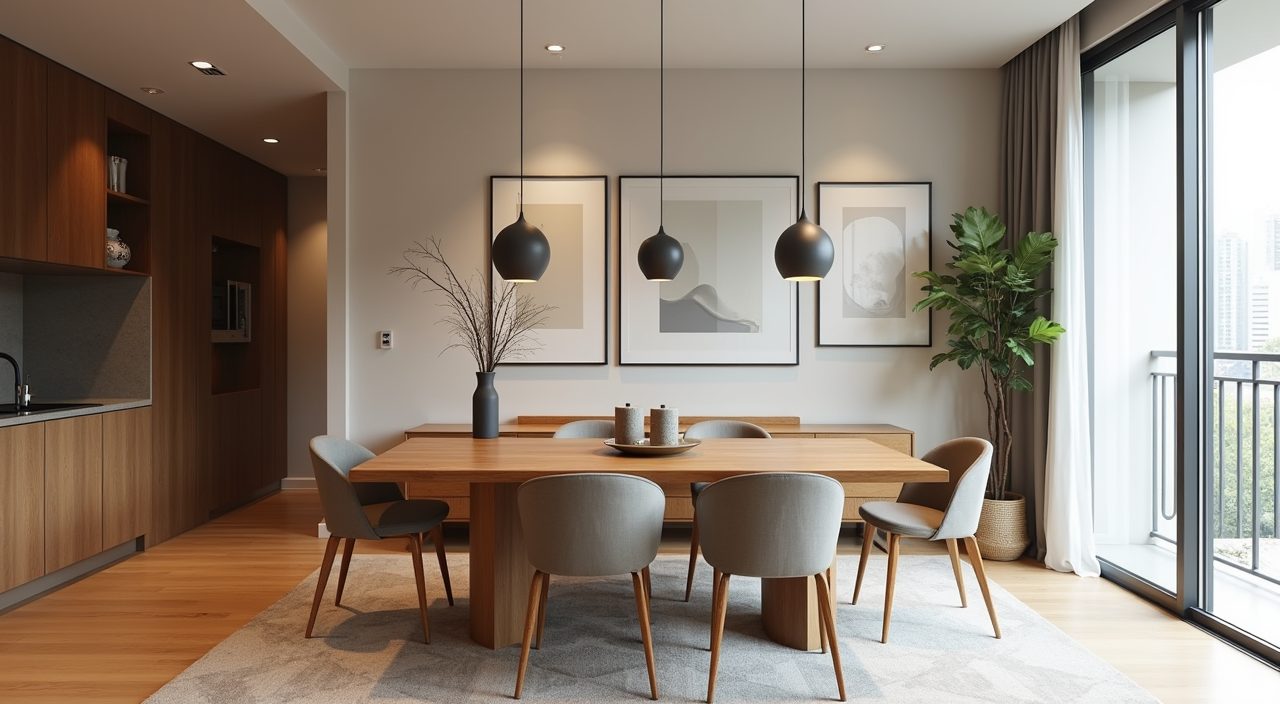
To design a mid-century modern dining area well in a Singapore home, keep the layout open and the furniture leggy so a small floor plan still breathes, anchor the space with one honest wood tone (teak, walnut or oak), and pair it with a warm off-white or muted palette plus a single sculptural pendant. Choose pieces on slim tapered legs, add one or two saturated accent colours (mustard, olive, burnt orange or teal), and pick finishes that cope with humidity and daily use.
Mid-century modern suits Singapore homes because it was built for smaller post-war living: compact footprints, raised furniture, and clean lines that make tight spaces feel larger. In a 4-room HDB the dining area is often a slice between the kitchen and living room (roughly 2.5m to 3.5m wide), while condos frequently give you an open-plan dining zone with no walls. The style works in both, but the material and lighting choices need to respect our strong daylight, high humidity, and the reality that most dining tables here double as a homework desk, laptop station and supper spot.
Anchor the space with one honest wood tone
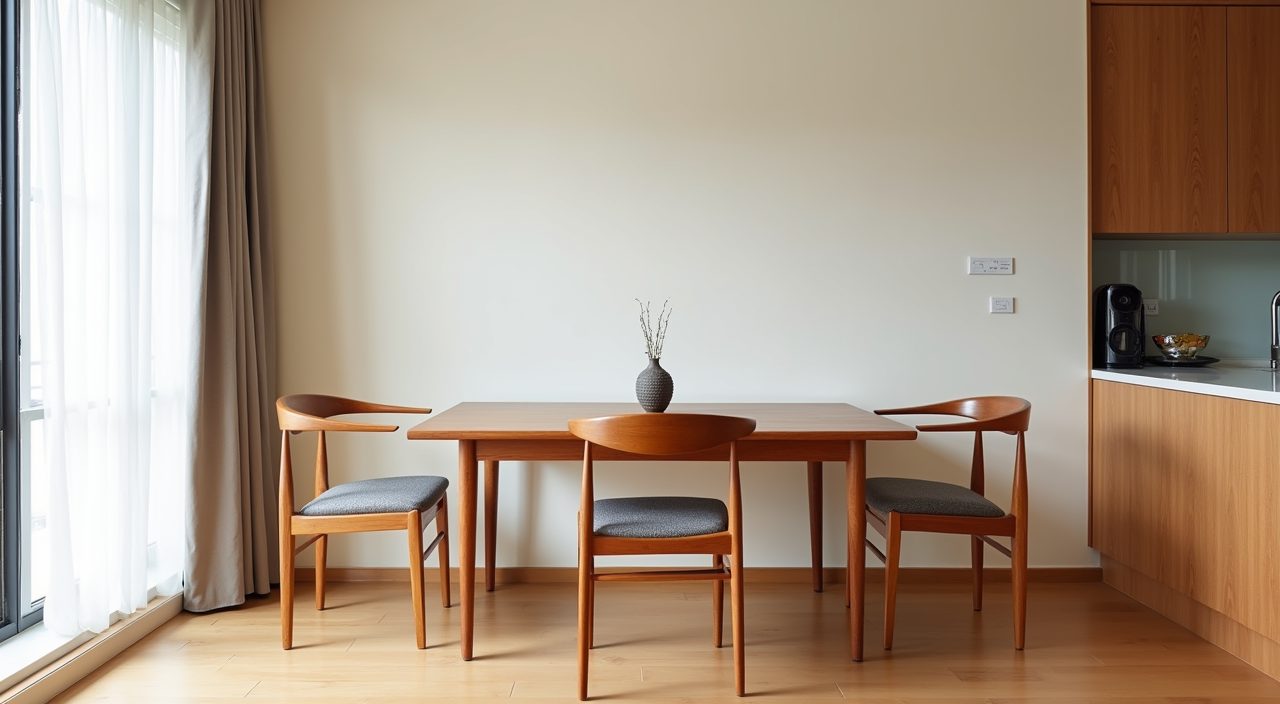
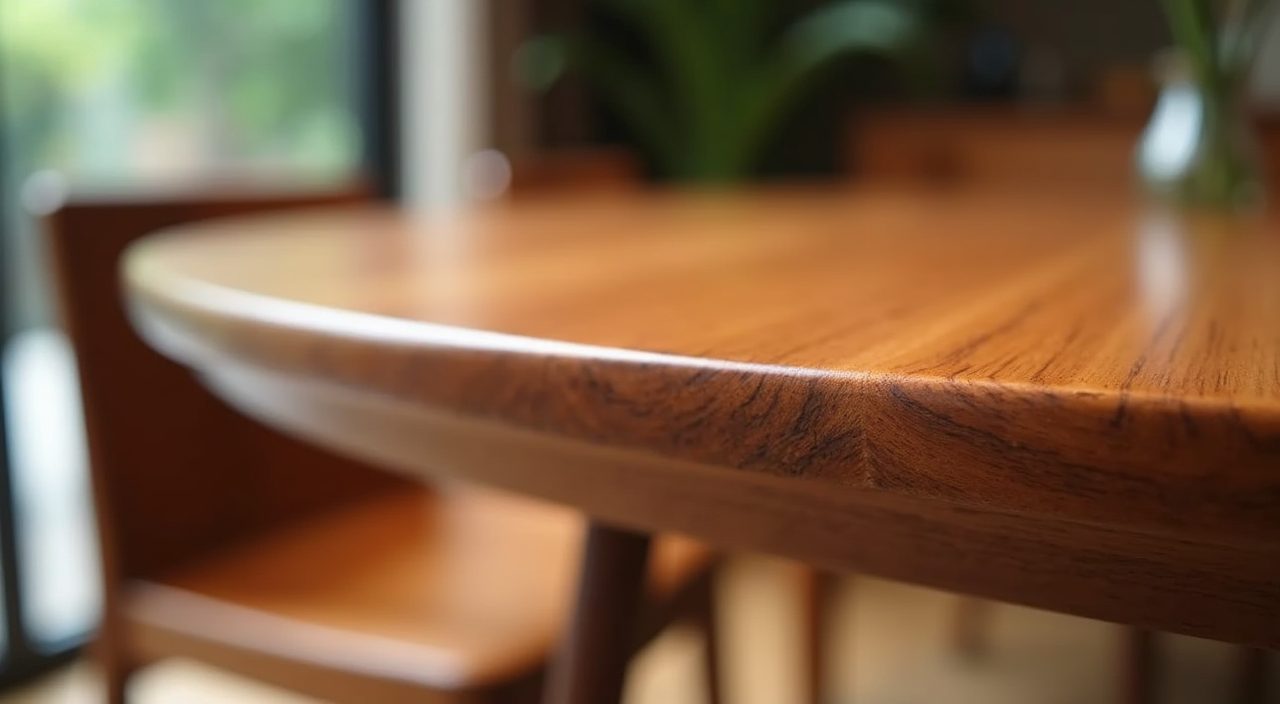
The heart of mid-century modern is real wood shown honestly, not painted over. Pick one dominant timber and let it lead: teak reads the warmest and is genuinely suited to our climate, walnut is darker and more formal, and white oak keeps a small HDB dining nook feeling bright and airy. Whatever you choose, carry that tone into at least two elements (for example the table and the chair frames) so the area looks composed rather than random.
In Singapore's humidity, solid wood can move and joints can loosen, so many homeowners go for a solid timber tabletop on a stable base, or a quality veneer over engineered board for larger surfaces. Ask your carpenter or supplier how the piece is finished on the underside and edges, since sealed all-round timber handles our damp air far better than a top-only finish.
Choose leggy, tapered furniture to keep small floors open
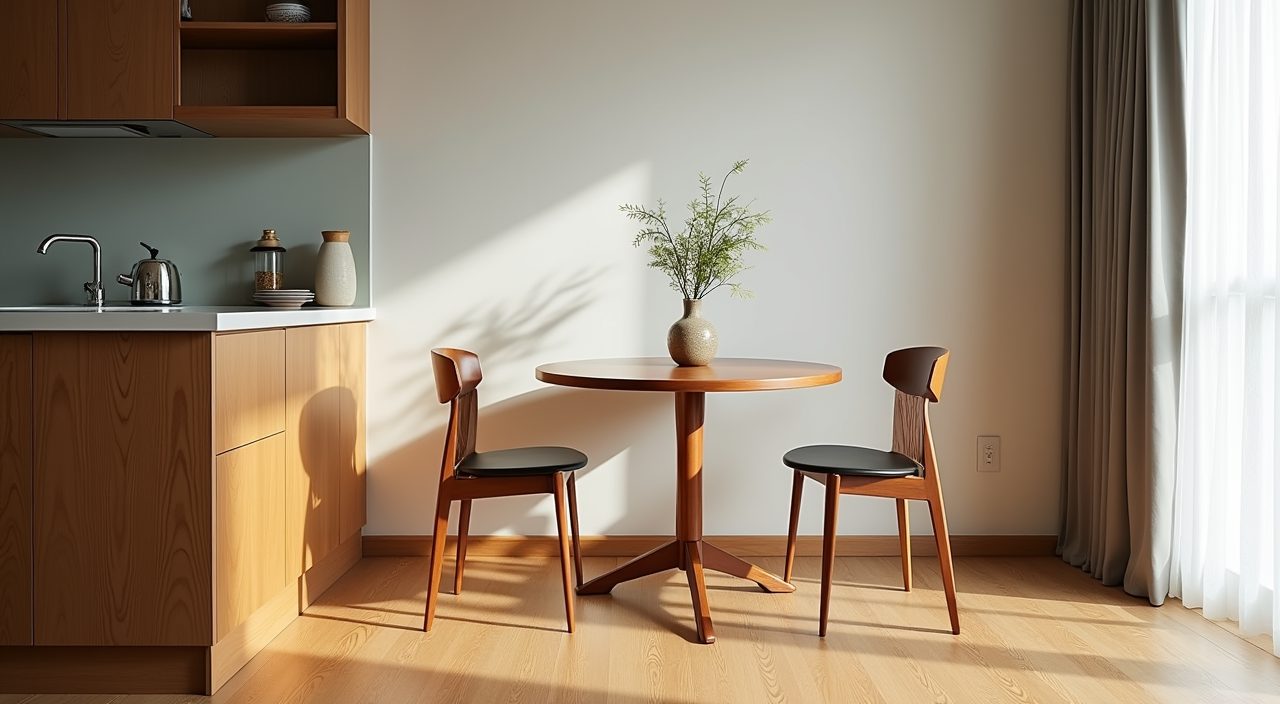
The single most useful mid-century trick in a compact flat is raising everything off the floor. Slim tapered legs on the table, chairs and sideboard let light and sightlines travel underneath, so a 3-metre-wide HDB dining strip feels far less blocked than it would with chunky, floor-to-ground furniture. This is exactly why the style flatters small spaces.
Be honest about proportion. A big rectangular table with heavy trestle legs will eat a narrow room, so measure your actual walking clearance first (aim for at least 750mm to 900mm behind pulled-out chairs). A round or oval table on a single splayed base is often the smartest pick for a squeeze, because there are no corners to catch hips and no legs blocking the chairs.
- 4-seater round table (about 900mm to 1000mm across): best for a compact HDB dining nook or a couple.
- 6-seater rectangular (about 1500mm to 1800mm long): needs a wider condo or dining-flanked layout with real clearance.
- Extendable or drop-leaf table: sensible if you host occasionally but live day-to-day in a small flat.
Build a warm, muted palette with one or two accent colours
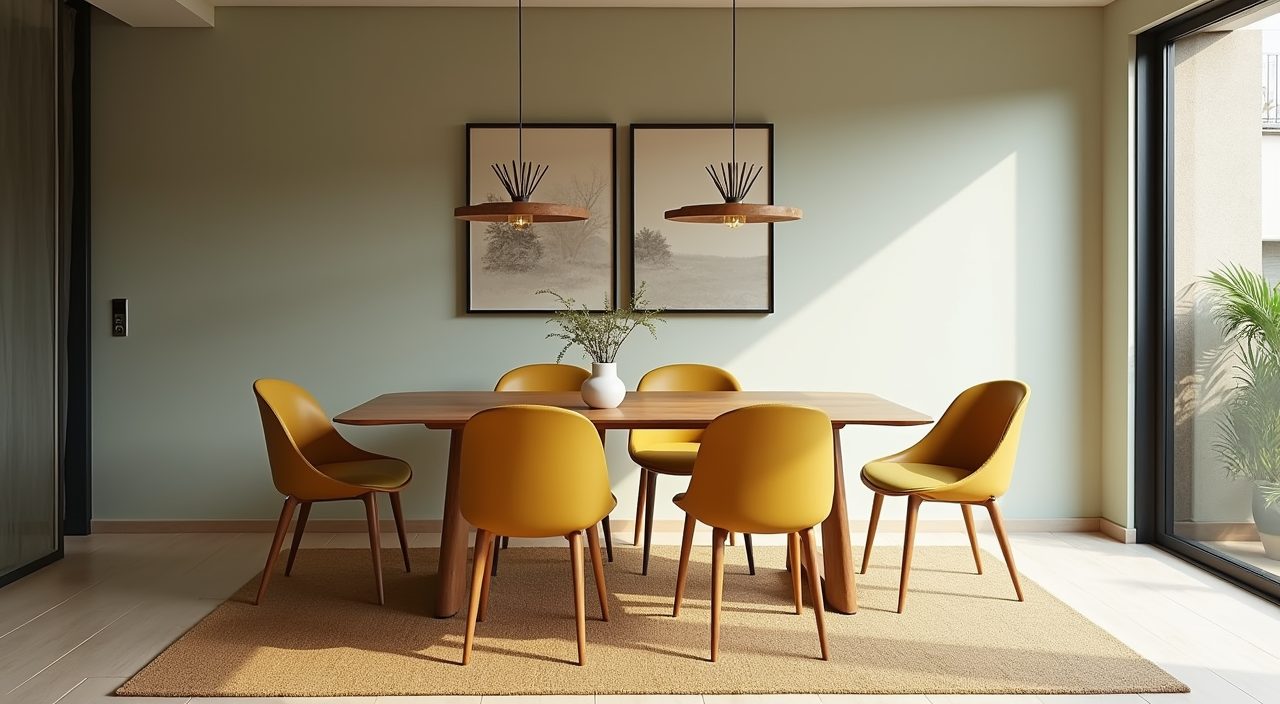
Mid-century palettes are grounded and warm, not cold and grey. Start with a soft base (warm white, oatmeal, putty or a gentle sage on the walls), layer in your wood tone, then add restraint with one or two period accents: mustard yellow, olive green, burnt orange, rust, or a dusty teal. Keeping the loud colours to a couple of touchpoints (dining chairs, seat pads, a single artwork) stops a small Singapore home from feeling busy.
Our strong equatorial daylight shifts colours through the day, so test swatches against your actual window at morning and late afternoon before committing. West-facing units get intense hot light that can make warm oranges feel overpowering, while north-facing rooms stay cooler and can carry deeper, moodier tones without feeling dim.
Hang one sculptural pendant as the centrepiece
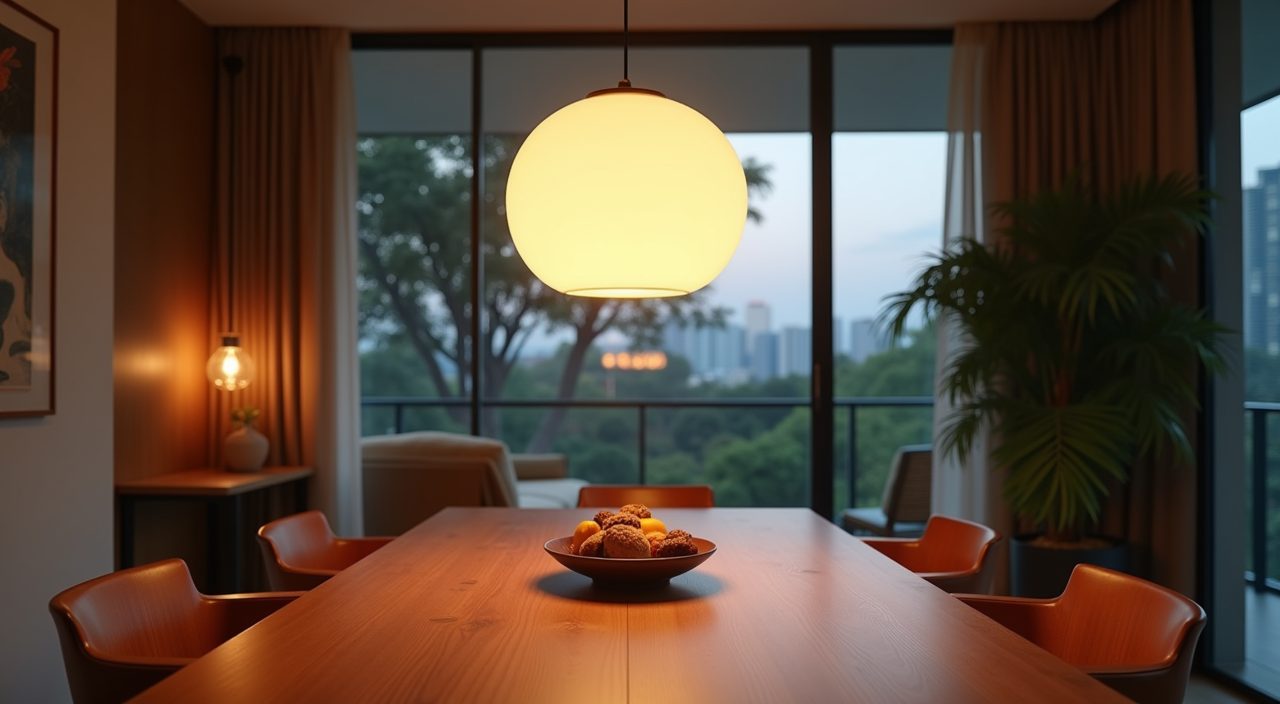
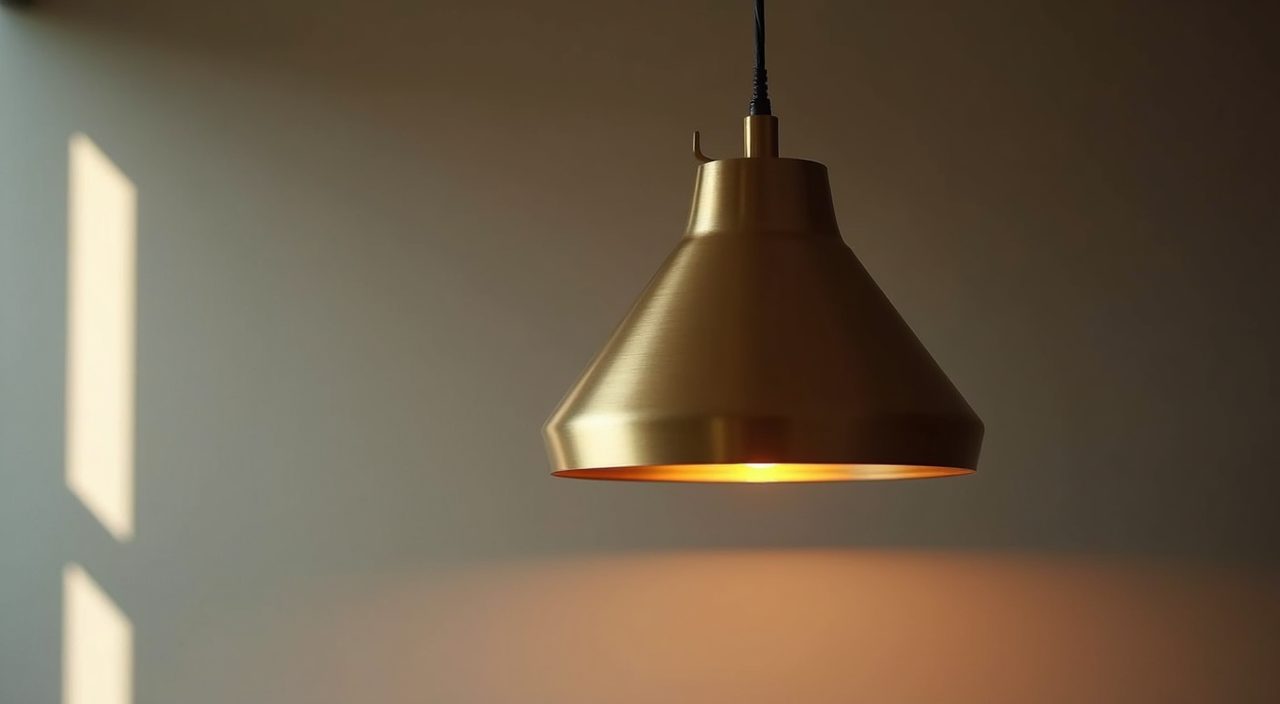
Lighting is where mid-century dining areas earn their character. A single statement pendant over the table (a globe, a spun-metal cone, a cluster of opal glass orbs, or a linear multi-arm fixture for a longer table) does the heavy lifting and instantly signals the era. Hang the bottom of the shade roughly 700mm to 850mm above the tabletop so it lights faces without blocking the view across the table.
In HDB flats the ceiling point is usually fixed near the middle of the dining zone, so plan your table position around that point, or budget for an electrician to shift or add a ceiling outlet before the false ceiling and cornice go in. Getting the wiring right early is far cheaper than chasing a new point through a finished ceiling later.
Use a low sideboard for storage and display
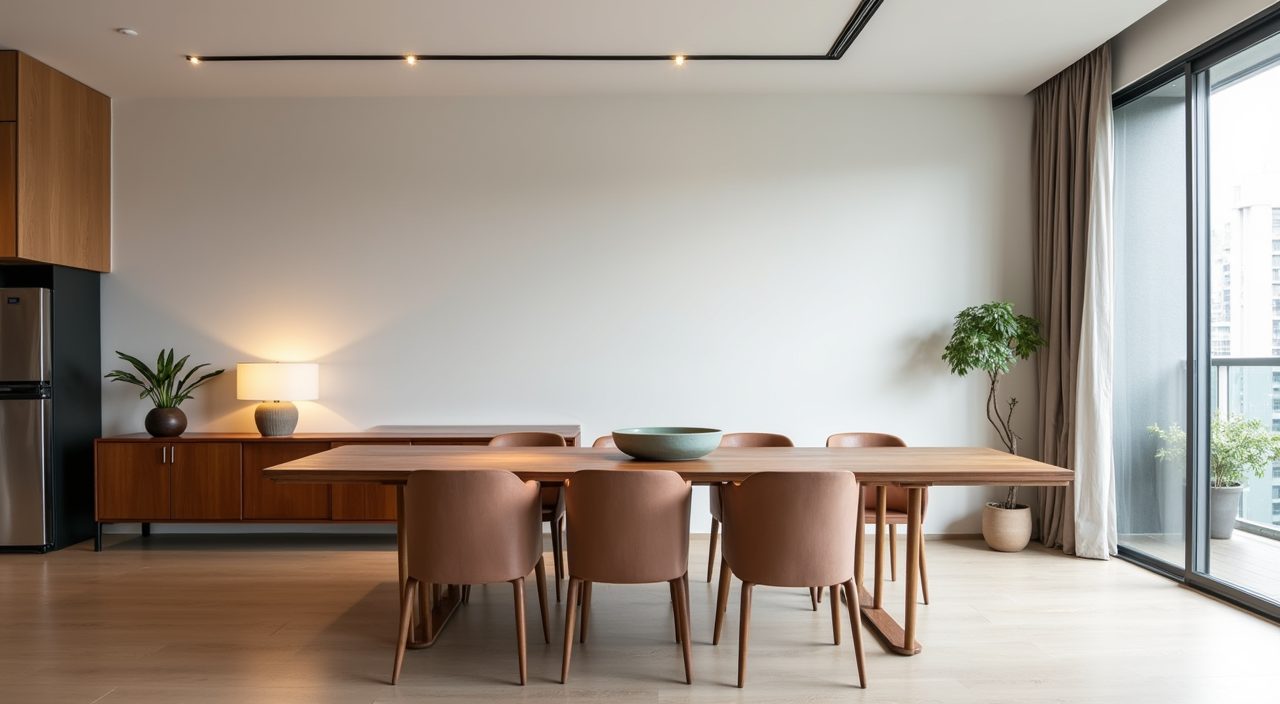
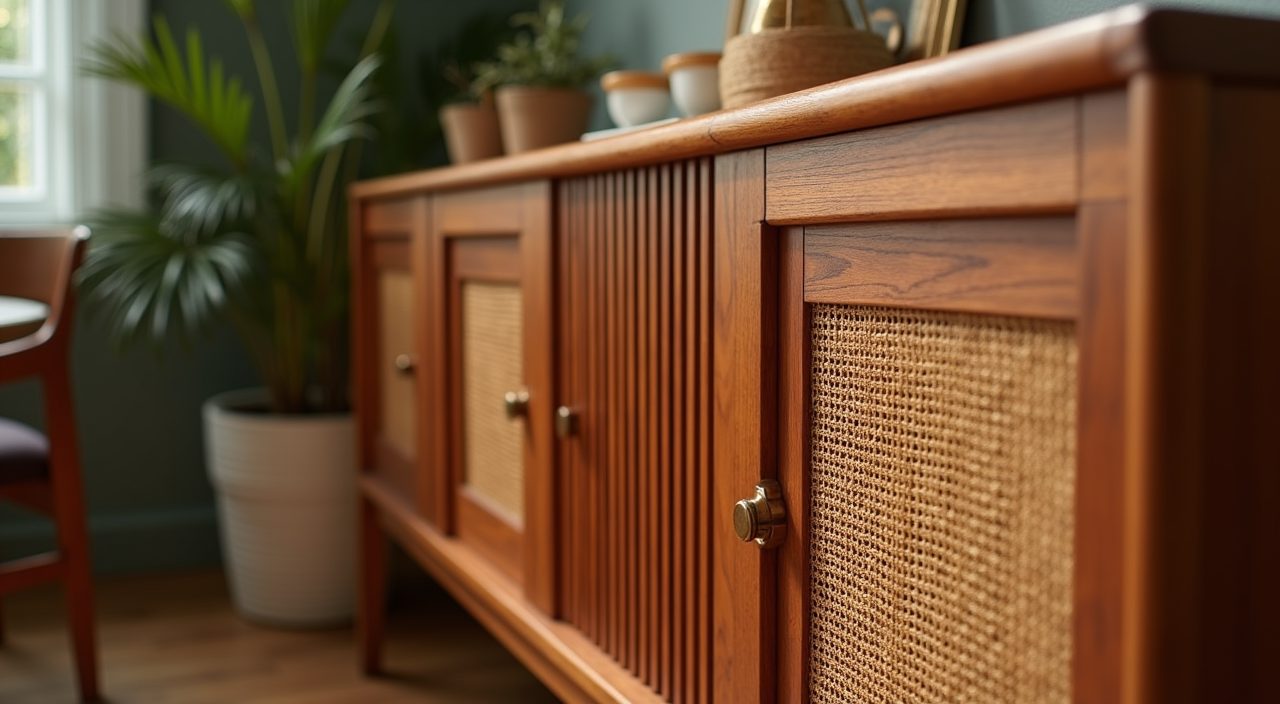
The credenza or low sideboard is the workhorse of a mid-century dining area. A long, low unit on tapered legs gives you a home for crockery, table linen and clutter, plus a surface to style with a lamp, a plant or a bowl. In an open-plan condo it also gently defines where the dining zone ends and the living room begins, without building a wall.
If floor space is tight in an HDB flat, a wall-hung or slim-depth sideboard (around 350mm to 400mm deep) keeps the walkway clear while still adding storage. Have your carpenter match the door fronts to your main wood tone, or contrast with a fluted or cane front for that classic mid-century texture.
Mix cane, rattan and leather for tropical-friendly texture
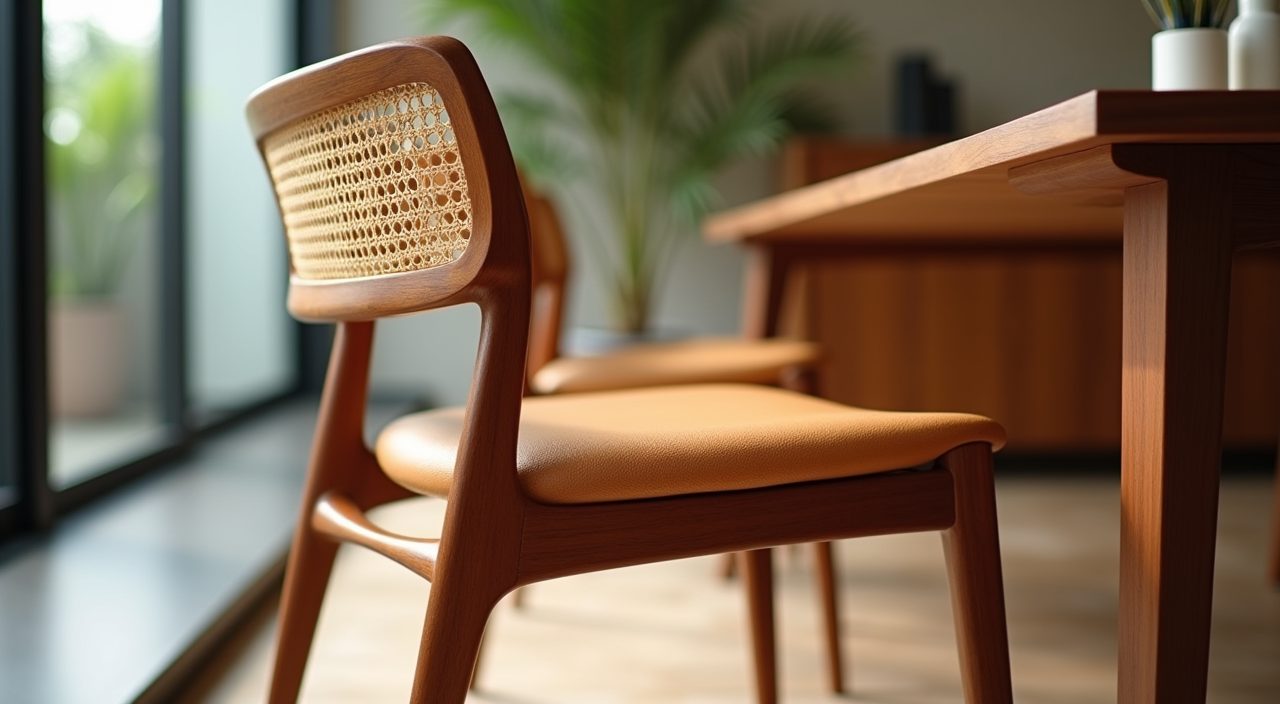
Texture keeps a muted palette from looking flat, and mid-century leans on natural materials that happen to suit the tropics. Cane and rattan chair backs are light, breathable and visually airy, which is ideal for a warm climate and a small room. A caned sideboard front or a rattan pendant adds that woven detail without heaviness.
For seating comfort, leather or a tight-weave performance fabric wears better here than deep upholstered dining chairs, which can trap heat and, in poorly ventilated units, hold moisture. A wipeable seat is simply more practical for a table that sees daily meals with kids or guests.
Let the dining area borrow light and flow from the living zone
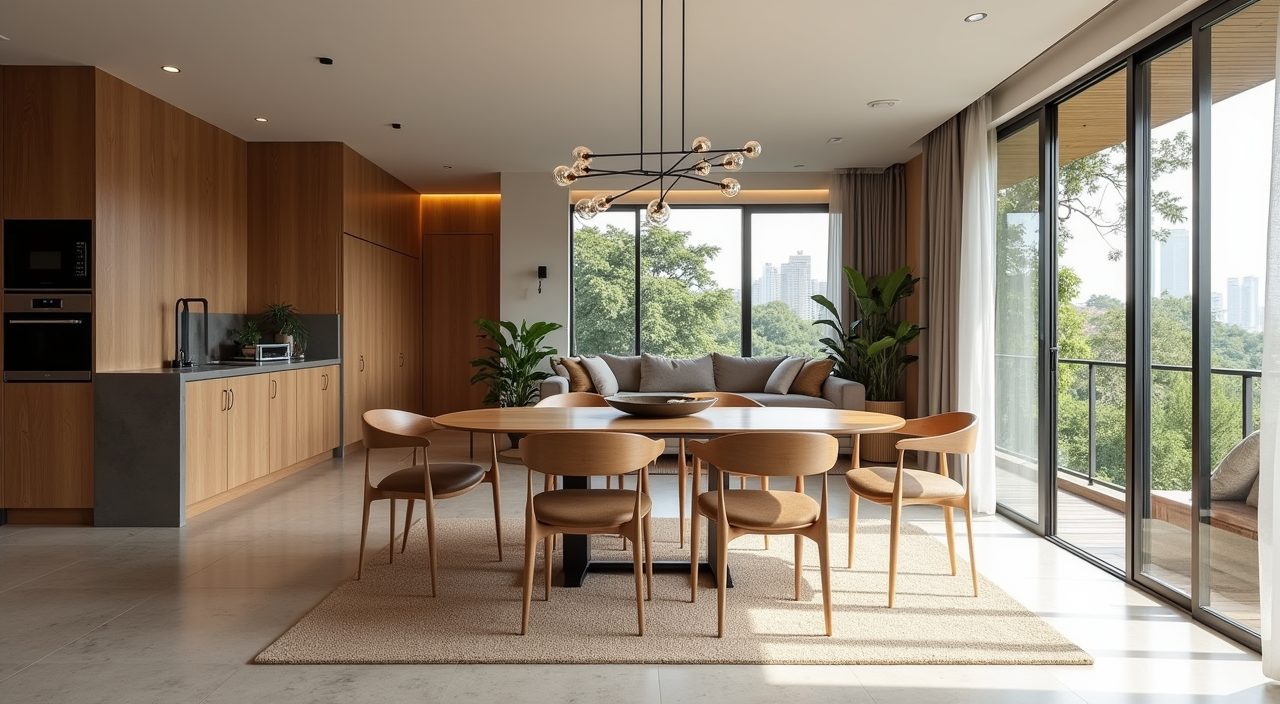
Most Singapore dining areas are not standalone rooms; they share space with the kitchen or living room. Lean into that. Keeping the dining and living palettes in the same family, and repeating one material across both (the same wood, or the same accent colour), makes a small open-plan feel intentional and larger rather than chopped up.
Position the table so it catches natural light without sitting in harsh direct sun all day, and use a light rug under the table to zone the area on a large tiled or vinyl floor. A rug also softens the acoustic bounce that hard Singapore flooring tends to create.
Add greenery and honest materials to soften the look
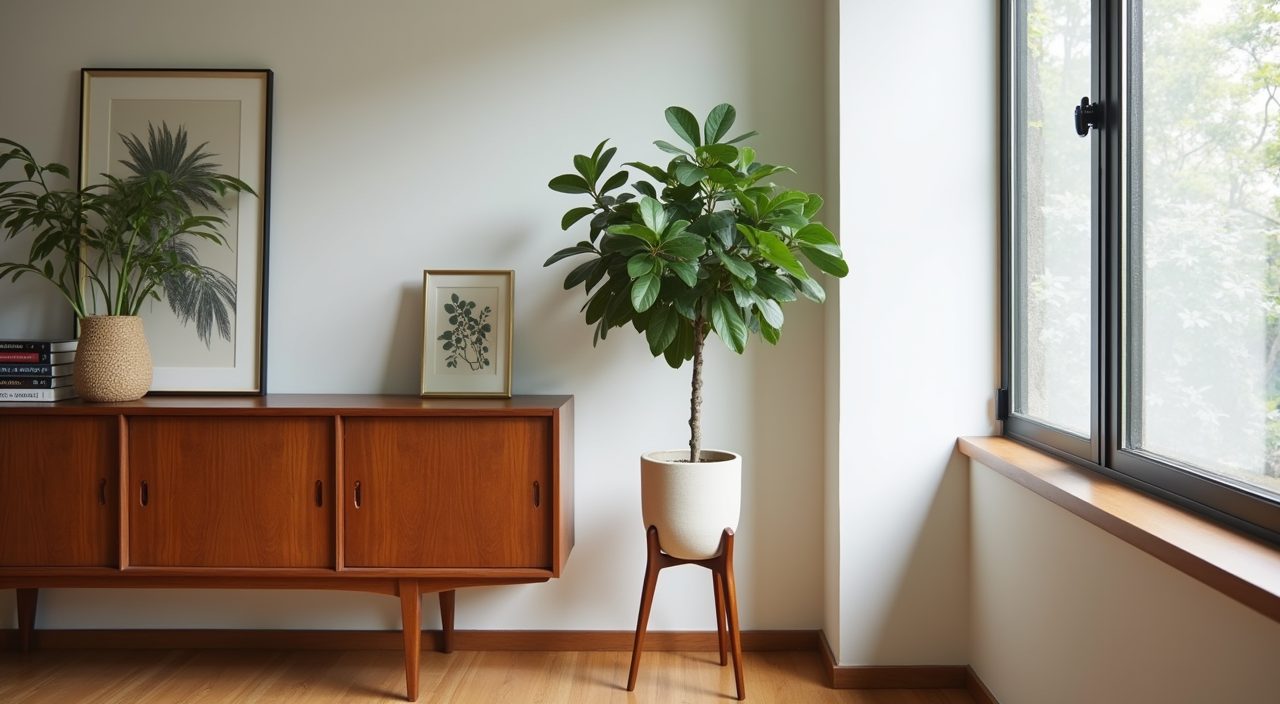
Mid-century interiors love a plant, and Singapore makes it easy. A tall fiddle-leaf fig, a rubber plant or a monstera in a simple ceramic or a classic three-legged plant stand brings life to the corner of a dining zone and reinforces the organic, natural feel of the style.
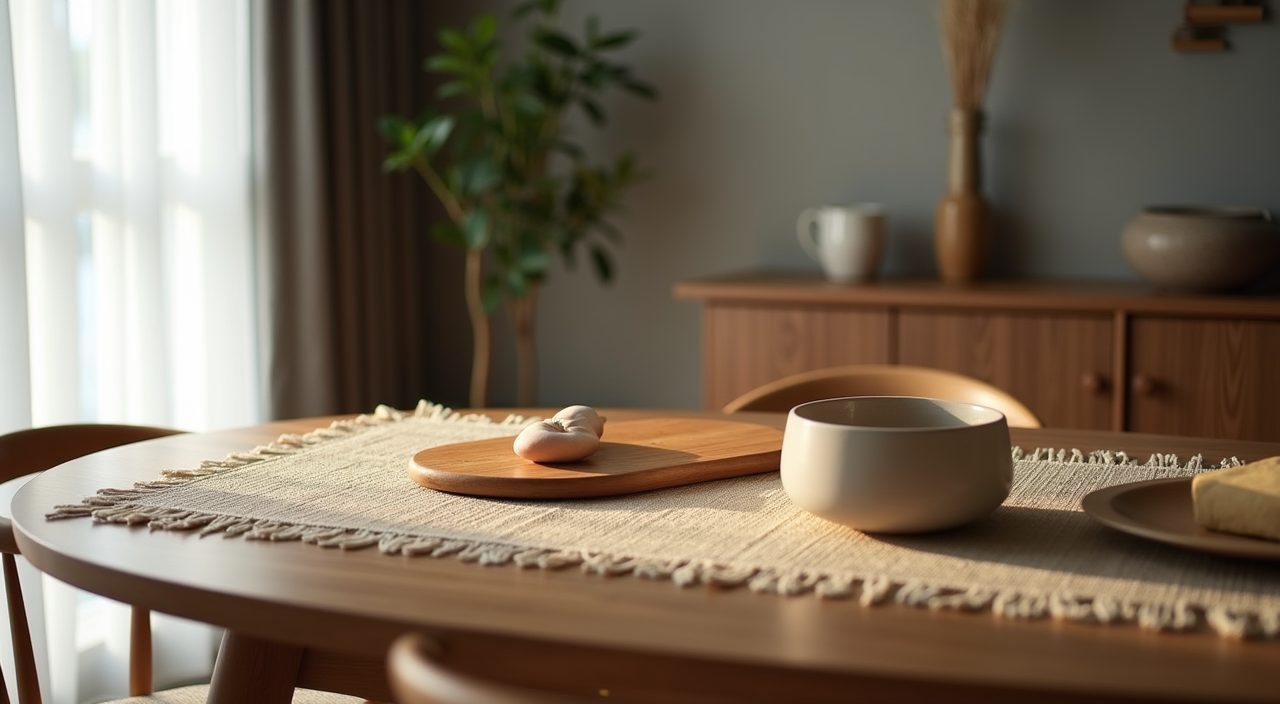
Finish with a few genuine materials over plastic imitations: a ceramic or stoneware pendant, a real wood serving board on the sideboard, a woven runner. These small honest touches are what separate a considered mid-century room from a flat-pack lookalike.
What to plan and budget for
Budget in two buckets: the built and wired work, and the loose furniture. The renovation side (repositioning or adding a ceiling light point for your pendant, any feature wall or panelling, a custom sideboard or built-in dining bench, plus flooring and lighting circuits) is where costs vary most, so get an itemised quote rather than a lump sum. As a rough guide, a fitted timber-front sideboard and a repositioned light point plus minor electrical work will typically run into a few thousand dollars depending on materials and size, while off-the-shelf furniture can be scaled up or down to suit. Solid teak or walnut pieces cost noticeably more than veneer or oak, and cane detailing adds to carpentry time.
Plan the wiring and any carpentry before you buy furniture, because the ceiling point, socket positions and built-in dimensions all need to be locked in early. If you want the electrical and carpentry done properly the first time, it is worth engaging a contractor for the mid-century modern dining area design Singapore renovation so the light points, sideboard and finishes are handled as one coordinated job rather than patched together after the fact. Getting a licensed electrician to confirm your ceiling and socket plan before the false ceiling closes up will save you the most money and hassle.
Frequently asked questions
Does mid-century modern work in a small HDB dining area? Yes, and it is one of the best-suited styles for it. The raised, tapered-leg furniture keeps sightlines open, the muted palette makes tight spaces feel calm, and a round table on a single base fits a narrow dining strip without blocking chairs. Just scale the pieces to your actual clearances rather than copying a showroom.
Is solid teak or walnut a problem in Singapore's humidity? Real wood can move slightly in our climate, but quality pieces that are sealed on all sides, including edges and undersides, hold up well. Teak in particular has a long tropical track record. If you are worried about large surfaces, a good veneer over engineered board is more dimensionally stable than a wide solid slab.
Do I need an electrician just for a dining pendant? Often, yes. HDB and condo ceiling points are usually fixed, so if your table does not sit under the existing point you will need a licensed electrician to shift or add one, ideally before any false ceiling or cornice is installed. Doing it early is far cheaper than opening up a finished ceiling later.
How many accent colours should I use? Keep it to one or two. Pick a single warm base, let the wood tone carry the room, and add mustard, olive, burnt orange or teal only on a few touchpoints such as the chairs, a seat pad or one artwork. Too many loud colours makes a compact Singapore home feel cluttered.